

Tested Applications
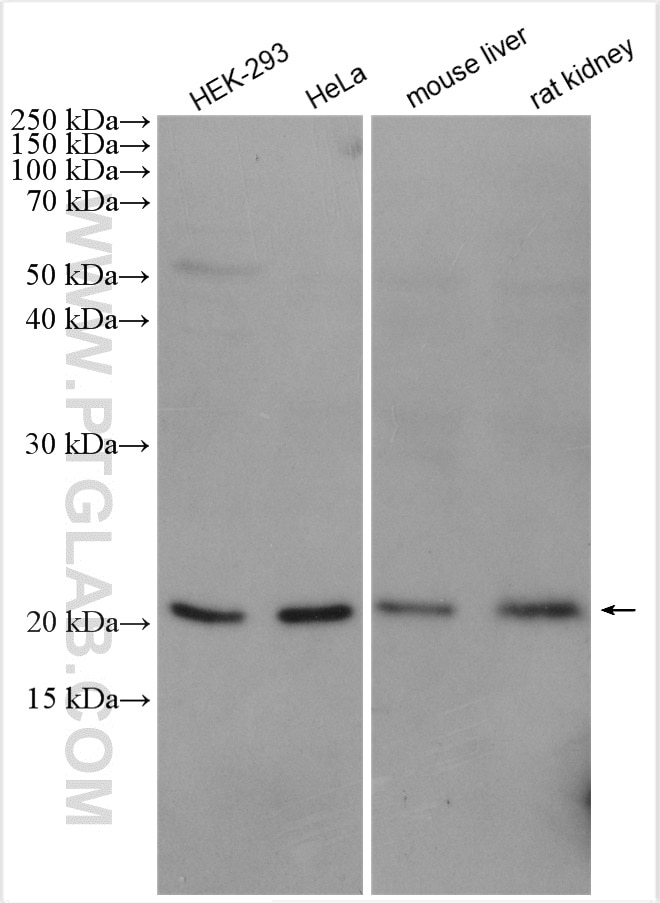
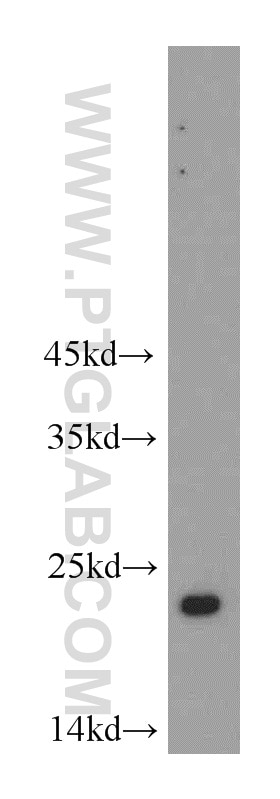
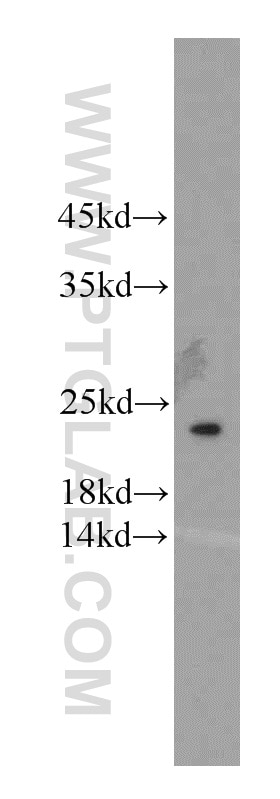
| Positive WB detected in | HEK-293 cells, mouse pancreas tissue, mouse skin tissue, HeLa cells, mouse liver tissue, rat kidney tissue |
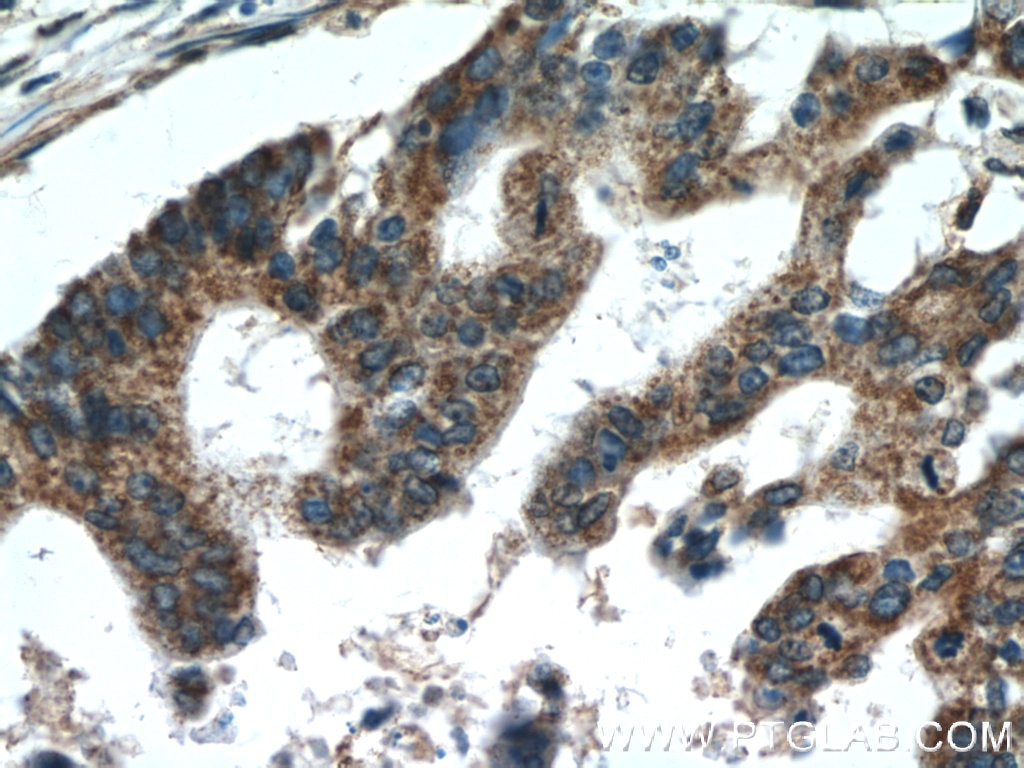
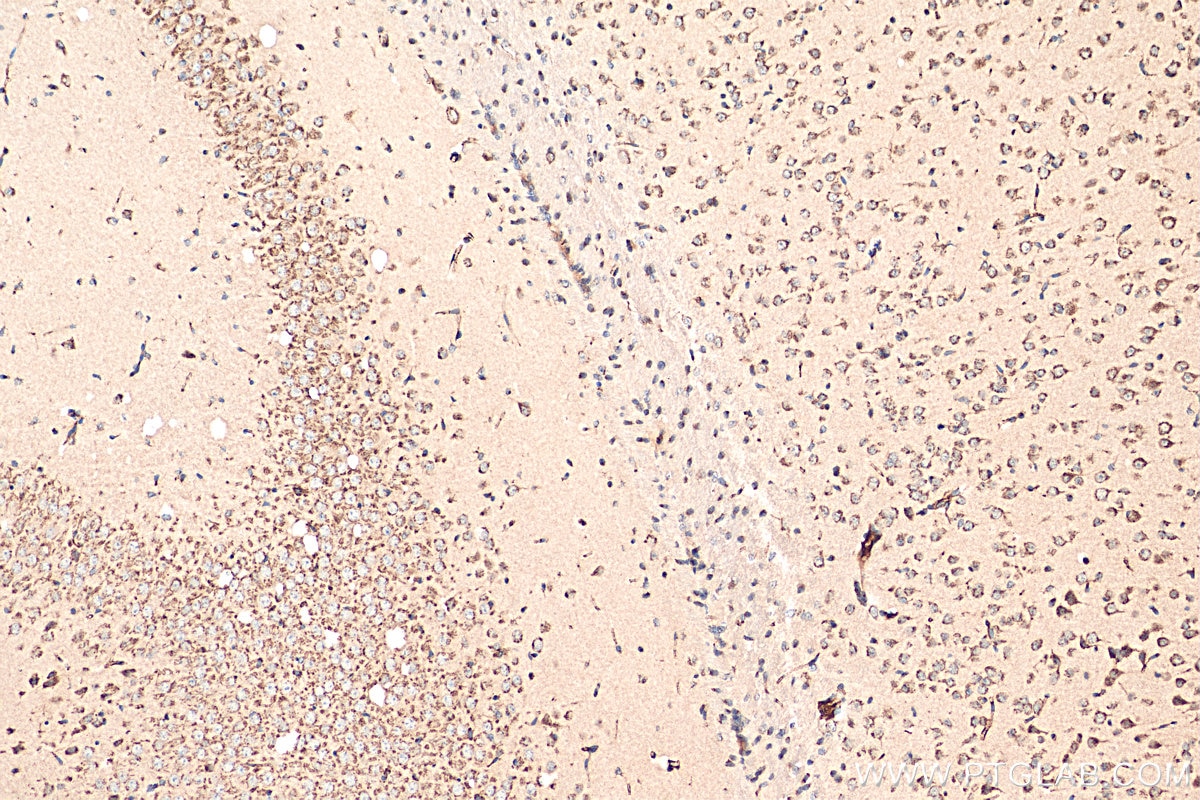
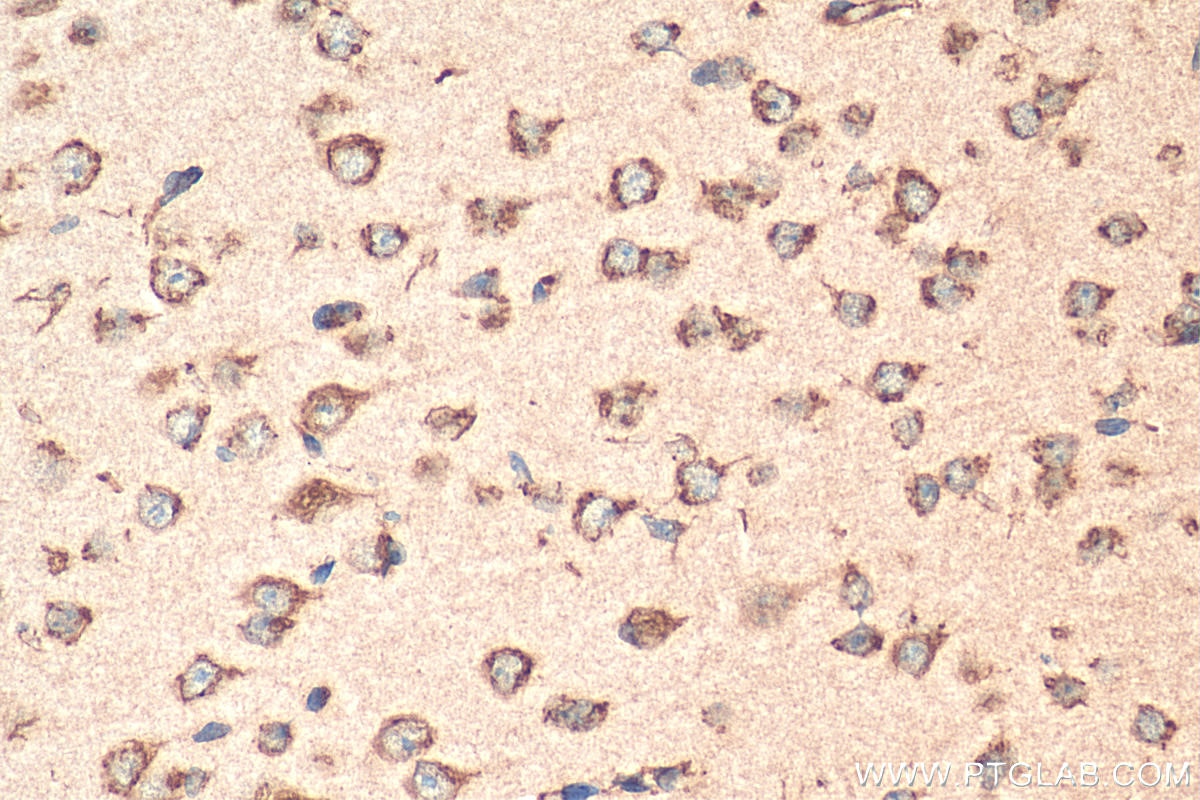
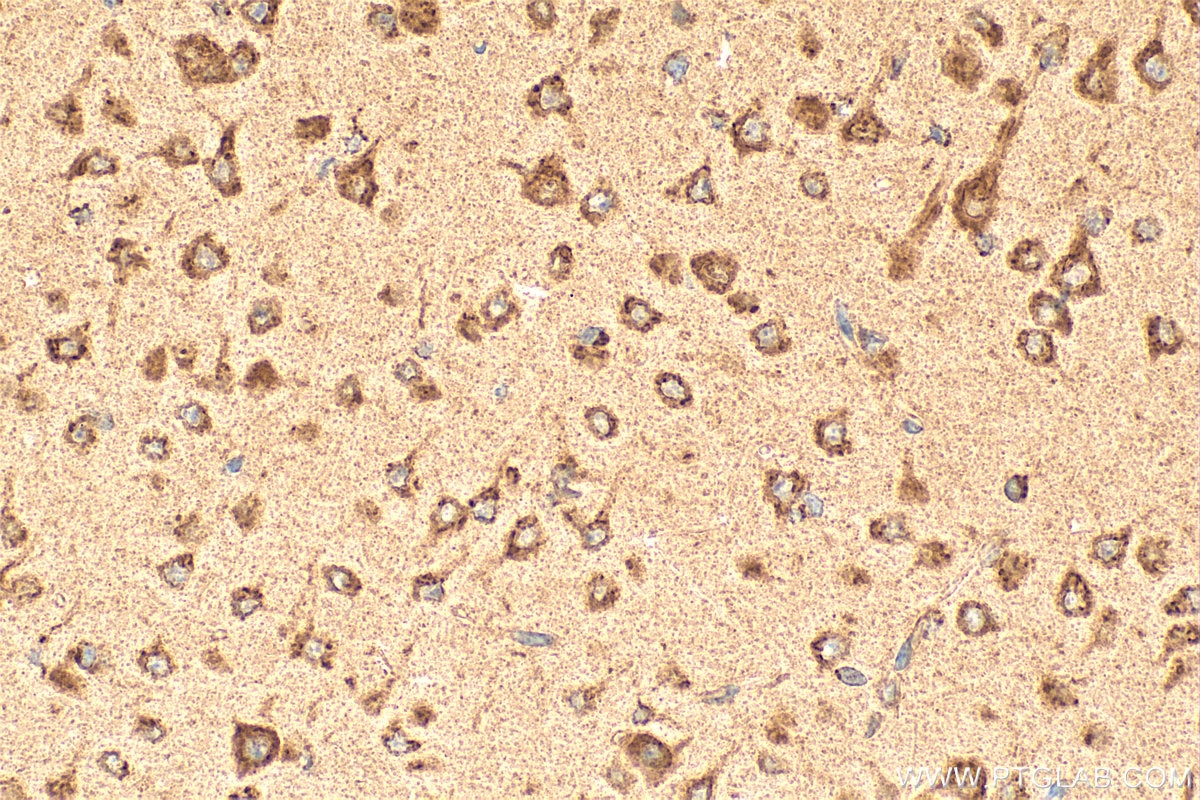
| Positive IHC detected in | mouse brain tissue, human pancreas cancer tissue Note: suggested antigen retrieval with TE buffer pH 9.0; (*) Alternatively, antigen retrieval may be performed with citrate buffer pH 6.0 |
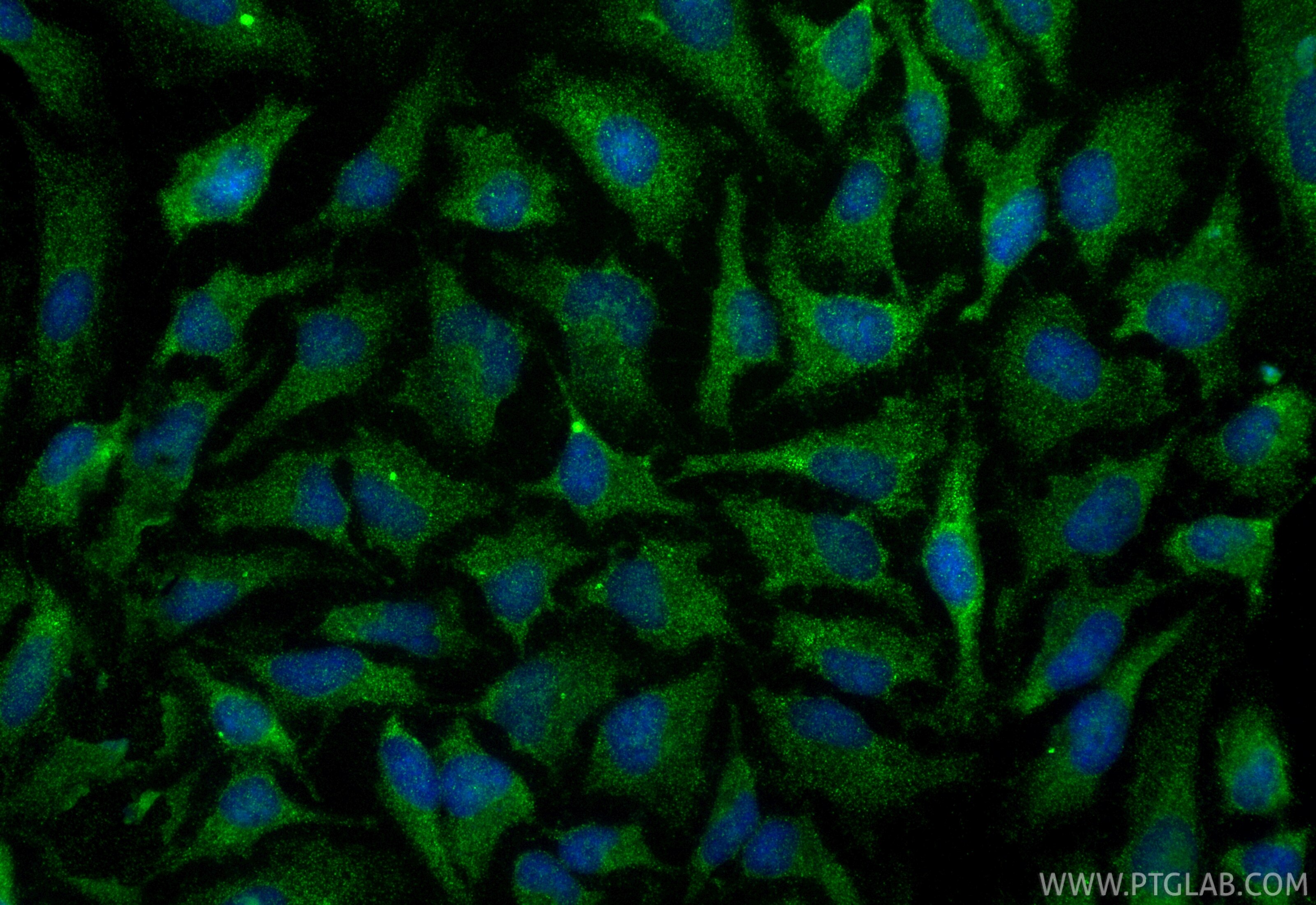
| Positive IF/ICC detected in | HeLa cells |
Recommended dilution
| Application | Dilution |
|---|---|
| Western Blot (WB) | WB : 1:1000-1:4000 |
| Immunohistochemistry (IHC) | IHC : 1:200-1:1000 |
| Immunofluorescence (IF)/ICC | IF/ICC : 1:500-1:2000 |
| It is recommended that this reagent should be titrated in each testing system to obtain optimal results. | |
| Sample-dependent, Check data in validation data gallery. | |
Product Information
11981-1-AP targets TMED2 in WB, IHC, IF/ICC, ELISA applications and shows reactivity with human, mouse, rat samples.
| Tested Reactivity | human, mouse, rat |
| Cited Reactivity | human, mouse, rat |
| Host / Isotype | Rabbit / IgG |
| Class | Polyclonal |
| Type | Antibody |
| Immunogen |
CatNo: Ag2607 Product name: Recombinant human TMED2 protein Source: e coli.-derived, PGEX-4T Tag: GST Domain: 1-201 aa of BC025957 Sequence: MVTLAELLVLLAALLATVSGYFVSIDAHAEECFFERVTSGTKMGLIFEVAEGGFLDIDVEITGPDNKGIYKGDRESSGKYTFAAHMDGTYKFCFSNRMSTMTPKIVMFTIDIGEAPKGQDMETEAHQNKLEEMINELAVAMTAVKHEQEYMEVRERIHRAINDNTNSRVVLWSFFEALVLVAMTLGQIYYLKRFFEVRRVV Predict reactive species |
| Full Name | transmembrane emp24 domain trafficking protein 2 |
| Calculated Molecular Weight | 201 aa, 23 kDa |
| Observed Molecular Weight | 20-23 kDa |
| GenBank Accession Number | BC025957 |
| Gene Symbol | TMED2 |
| Gene ID (NCBI) | 10959 |
| RRID | AB_2204353 |
| Conjugate | Unconjugated |
| Form | Liquid |
| Purification Method | Antigen affinity purification |
| UNIPROT ID | Q15363 |
| Storage Buffer | PBS with 0.02% sodium azide and 50% glycerol, pH 7.3. |
| Storage Conditions | Store at -20°C. Stable for one year after shipment. Aliquoting is unnecessary for -20oC storage. 20ul sizes contain 0.1% BSA. |
Background Information
Transmembrane emp24 domain-containing protein 2 (TMED2) belongs to the p24 receptor family, being mainly involved in vesicular trafficking of proteins between the endoplasmic reticulum and Golgi apparatus.
Protocols
| Product Specific Protocols | |
|---|---|
| IF protocol for TMED2 antibody 11981-1-AP | Download protocol |
| IHC protocol for TMED2 antibody 11981-1-AP | Download protocol |
| WB protocol for TMED2 antibody 11981-1-AP | Download protocol |
| Standard Protocols | |
|---|---|
| Click here to view our Standard Protocols |
Publications
What published studies show
The TMED2 polyclonal antibody (Cat# 11981-1-AP) has 15 citations published in journals including Science, Cell Research, Nature Communications, Advanced Science, Journal of Cell Biology, PLoS Biology, International Journal of Biological Macromolecules, BMC Biology, BMC Cancer, and others. Research fields span ER-Golgi vesicular trafficking, unconventional secretion, autophagy, and cancer biology—including hepatocellular carcinoma, glioma, breast cancer, osteosarcoma, thyroid cancer, and oral squamous cell carcinoma—covering topics such as drug resistance, immune signaling, and protein quality control.
| Species | Application | Title |
|---|---|---|
Cell Res A new type of ERGIC-ERES membrane contact mediated by TMED9 and SEC12 is required for autophagosome biogenesis. | ||
Nat Commun Coronavirus envelope protein activates TMED10-mediated unconventional secretion of inflammatory factors | ||
Adv Sci (Weinh) TMED3 Complex Mediates ER Stress-Associated Secretion of CFTR, Pendrin, and SARS-CoV-2 Spike. | ||
Int J Biol Macromol TMED2 promotes glioma tumorigenesis by being involved in EGFR recycling transport | ||
Int J Biol Macromol Promotion of hepatocellular carcinoma by small nuclear ribonucleoprotein polypeptide F through upregulation of transmembrane P24 trafficking protein 2 and triggering of the cGAS-STING pathway.
|









