

Tested Applications
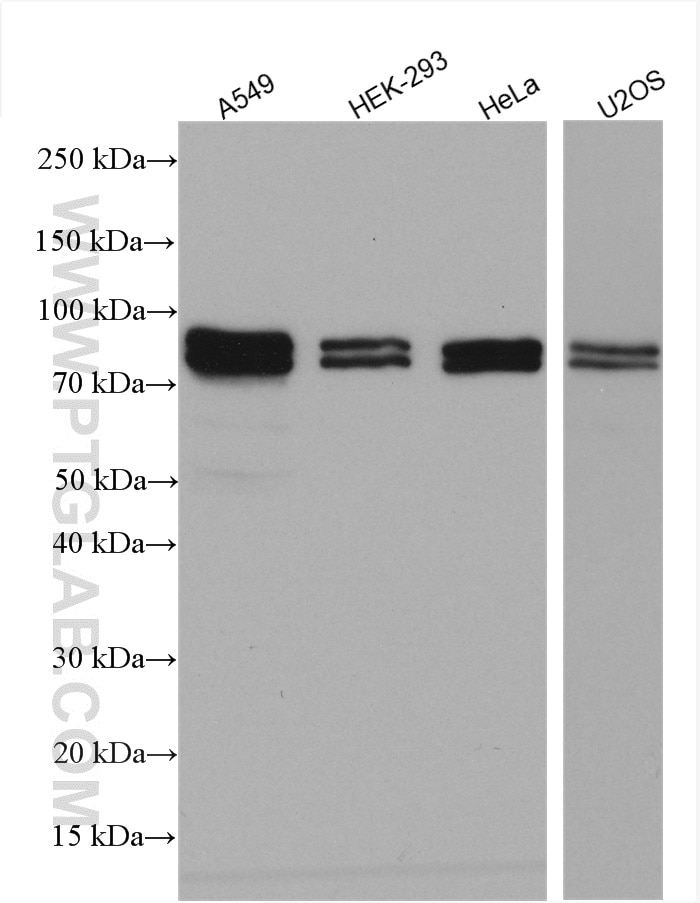
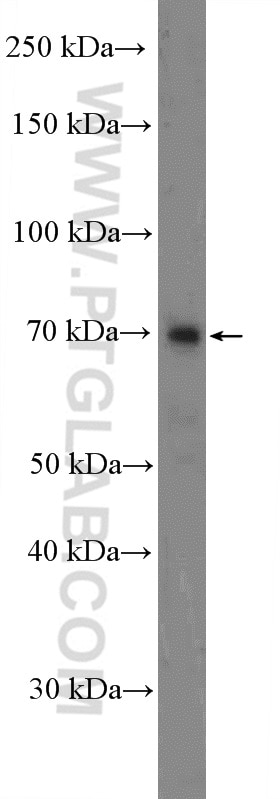
| Positive WB detected in | A549 cells, mouse skeletal muscle tissue, HEK-293 cells, HeLa cells, U2OS cells |
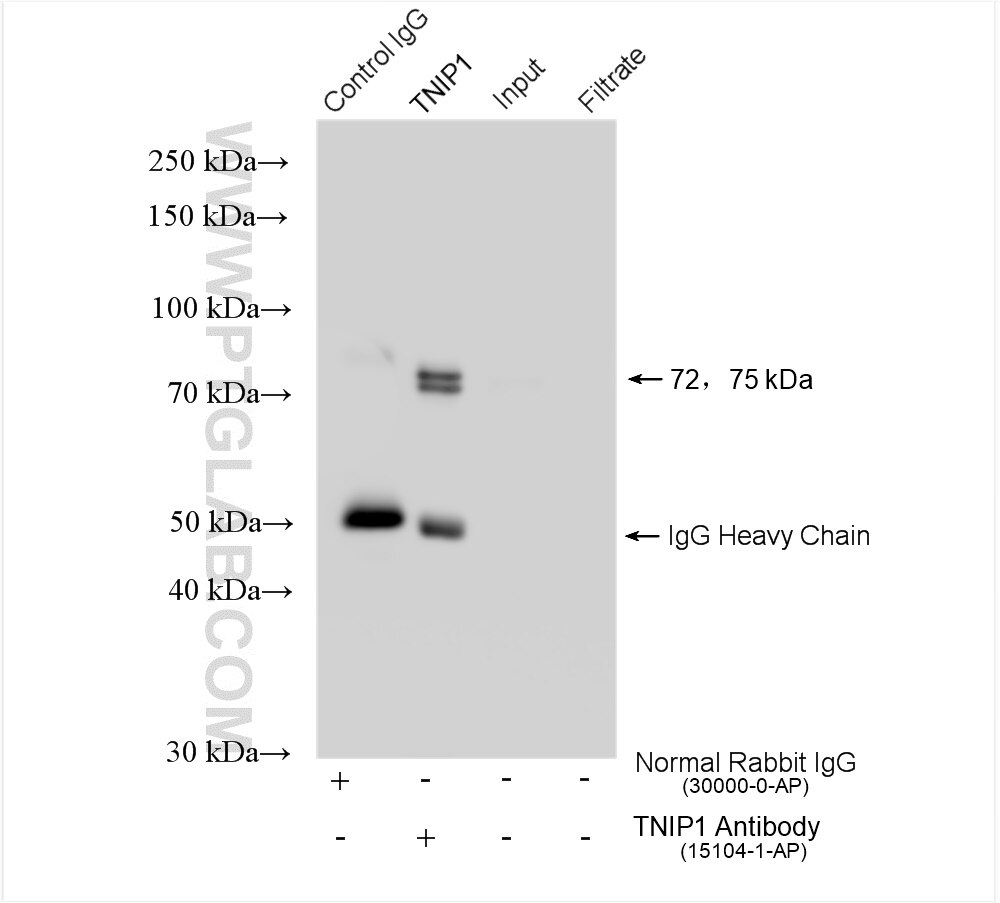
| Positive IP detected in | HeLa cells |
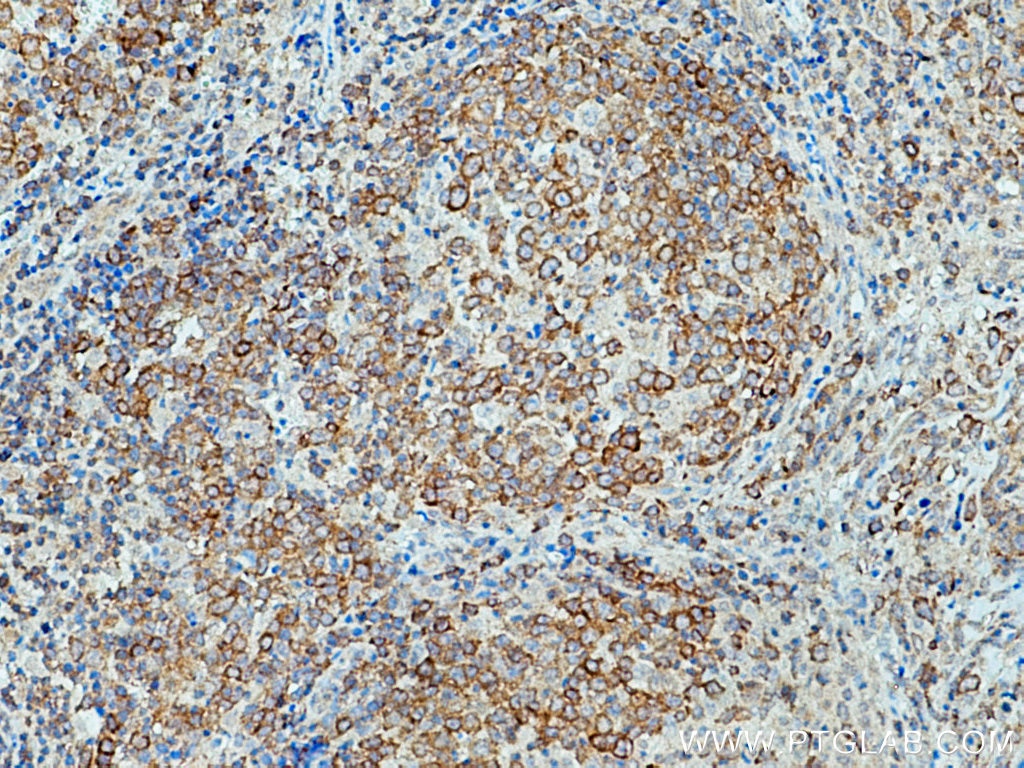
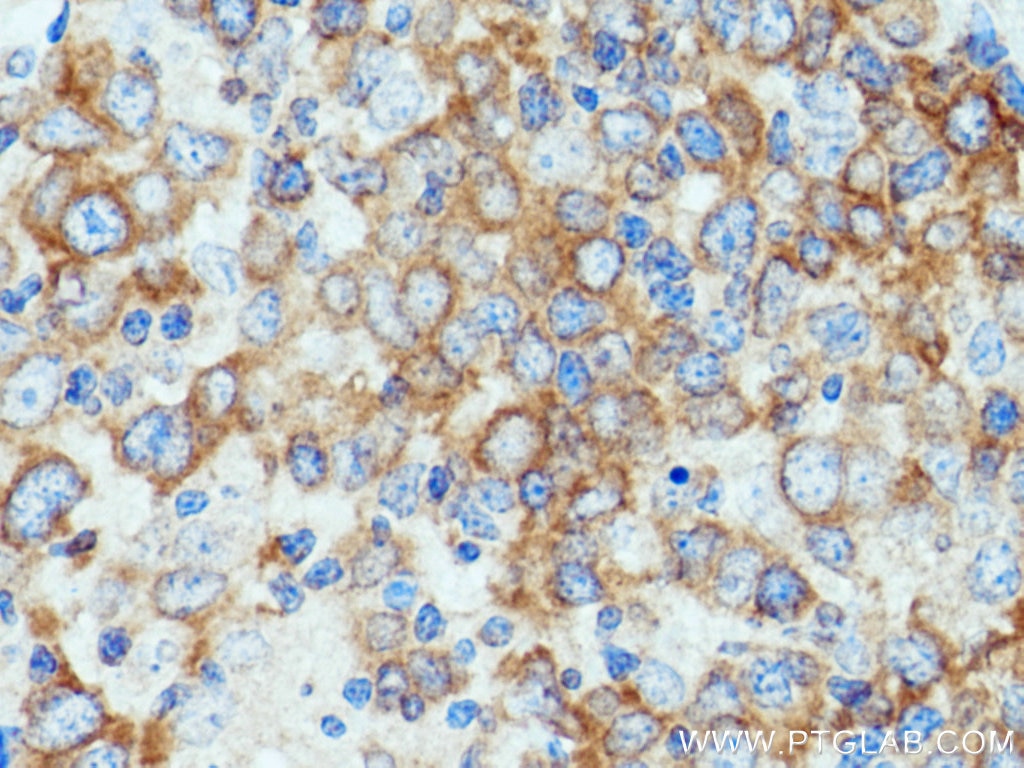
| Positive IHC detected in | human lymphoma tissue Note: suggested antigen retrieval with TE buffer pH 9.0; (*) Alternatively, antigen retrieval may be performed with citrate buffer pH 6.0 |
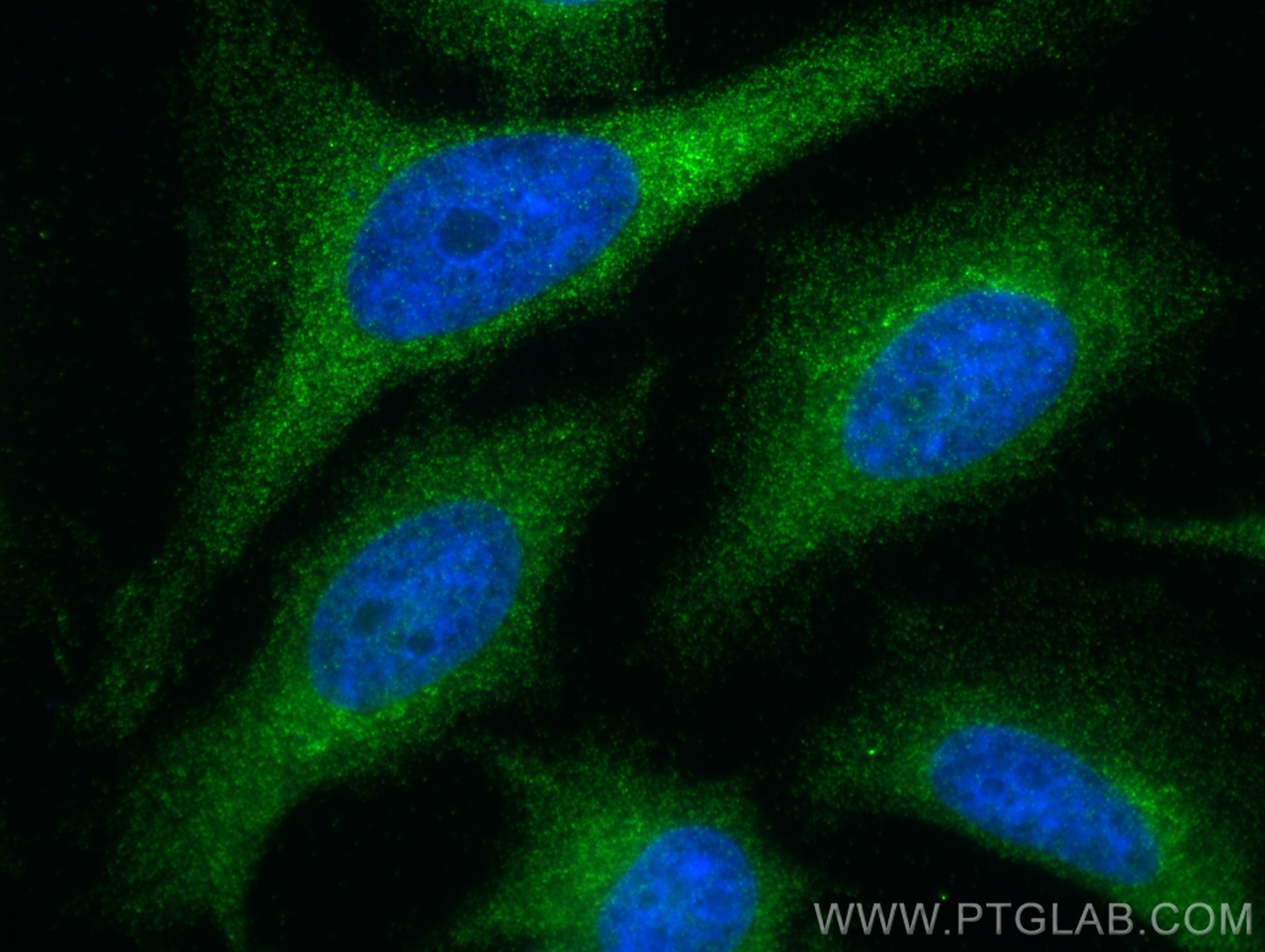
| Positive IF/ICC detected in | HeLa cells |
Recommended dilution
| Application | Dilution |
|---|---|
| Western Blot (WB) | WB : 1:1000-1:8000 |
| Immunoprecipitation (IP) | IP : 0.5-4.0 ug for 1.0-3.0 mg of total protein lysate |
| Immunohistochemistry (IHC) | IHC : 1:50-1:500 |
| Immunofluorescence (IF)/ICC | IF/ICC : 1:50-1:500 |
| It is recommended that this reagent should be titrated in each testing system to obtain optimal results. | |
| Sample-dependent, Check data in validation data gallery. | |
Product Information
15104-1-AP targets TNIP1 in WB, IHC, IF/ICC, IP, CoIP, ELISA applications and shows reactivity with human, mouse samples.
| Tested Reactivity | human, mouse |
| Cited Reactivity | human, mouse |
| Host / Isotype | Rabbit / IgG |
| Class | Polyclonal |
| Type | Antibody |
| Immunogen |
CatNo: Ag1561 Product name: Recombinant human TNIP1 protein Source: e coli.-derived, PGEX-4T Tag: GST Domain: 287-636 aa of BC014008 Sequence: AGKVPEVVALGAAEKKVKMLEQQRSELLEVNKQWDQHFRSMKQQYEQKITELRQKLADLQKQVTDLEAEREQKQRDFDRKLLLAKSKIEMEETDKEQLTAEAKELRQKVKYLQDQLSPLTRQREYQEKEIQRLNKALEEALSIQTPPSSPPTAFGSPEGAGALLRKQELVTQNELLKQQVKIFEEDFQRERSDRERMNEEKEELKKQVEKLQAQVTLSNAQLKAFKDEEKAREALRQQKRKAKASGERYHVEPHPEHLCGAYPYAYPPMPAMVPHHGFEDWSQIRYPPPPMAMEHPPPLPNSRLFHLPEYTWRLPCGGVRNPNQSSQVMDPPTARPTEPESPKNDREGPQ Predict reactive species |
| Full Name | TNFAIP3 interacting protein 1 |
| Calculated Molecular Weight | 72 kDa |
| Observed Molecular Weight | 72 kDa |
| GenBank Accession Number | BC014008 |
| Gene Symbol | TNIP1 |
| Gene ID (NCBI) | 10318 |
| RRID | AB_2207757 |
| Conjugate | Unconjugated |
| Form | Liquid |
| Purification Method | Antigen affinity purification |
| UNIPROT ID | Q15025 |
| Storage Buffer | PBS with 0.02% sodium azide and 50% glycerol, pH 7.3. |
| Storage Conditions | Store at -20°C. Stable for one year after shipment. Aliquoting is unnecessary for -20oC storage. 20ul sizes contain 0.1% BSA. |
Background Information
TNIP1, also named as KIAA0113, NAF1, Nip40-1, VAN and ABIN-1, is involved in inhibition of nuclear factor- B (NF- B) activation by interacting with TNF alpha-induced protein 3, A20 (TNFAIP3). TNIP1 repression of RARs in the presence of RA places it in a small category of corepressors of agonist-bound NRs.
Protocols
| Product Specific Protocols | |
|---|---|
| IF protocol for TNIP1 antibody 15104-1-AP | Download protocol |
| IHC protocol for TNIP1 antibody 15104-1-AP | Download protocol |
| IP protocol for TNIP1 antibody 15104-1-AP | Download protocol |
| WB protocol for TNIP1 antibody 15104-1-AP | Download protocol |
| Standard Protocols | |
|---|---|
| Click here to view our Standard Protocols |
Publications
What published studies show
The TNIP1 Polyclonal antibody (Cat# 15104-1-AP) has 20 citations. Journals include Molecular Cell, EMBO Journal, Cell Death & Differentiation, Cell Death & Disease, Advanced Science, Journal of Nanobiotechnology, Journal of Investigative Dermatology, BMC Biology, American Journal of Physiology, Scientific Reports, FEBS Journal, Retrovirology, and Cerebellum. Research fields span autophagy, NF-κB signaling, pyroptosis, necroptosis, inflammation, immune regulation, lipid homeostasis, and neuronal biology, with applications mainly in WB, IF, IHC, and IP.
| Species | Application | Title |
|---|---|---|
Mol Cell TNIP1 inhibits selective autophagy via bipartite interaction with LC3/GABARAP and TAX1BP1 | ||
J Nanobiotechnology Macrophage biomimetic nanoparticle-targeted functional extracellular vesicle micro-RNAs revealed via multiomics analysis alleviate sepsis-induced acute lung injury | ||
Adv Sci (Weinh) ABIN1 (Q478) is Required to Prevent Hematopoietic Deficiencies through Regulating Type I IFNs Expression | ||
Cell Death Differ Ubiquitin-binding domain in ABIN1 is critical for regulating cell death and inflammation during development. | ||
Cell Death Dis ABIN-1 is a key regulator in RIPK1-dependent apoptosis (RDA) and necroptosis, and ABIN-1 deficiency potentiates necroptosis-based cancer therapy in colorectal cancer.
| ||
EMBO J STING induces HOIP-mediated synthesis of M1 ubiquitin chains to stimulate NF-κB signaling |
Reviews
What customers say
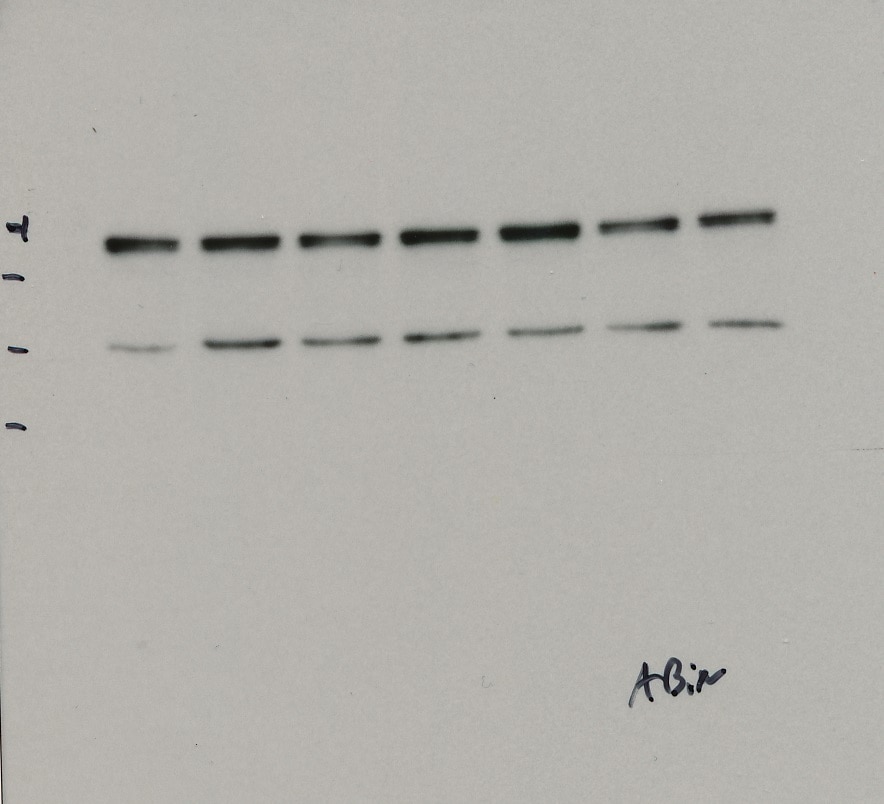
The single review for this product is a 5-star rating from a Western Blot application on HeLa cells. The user employed a 1:1000 dilution, blocking a PVDF membrane in 5% milk/TBST for 1 hour at room temperature, followed by overnight primary antibody incubation at 4°C. The antibody detected the expected band at approximately 72 kDa, indicating reliable specificity and performance under standard WB conditions.
The reviews below have been submitted by verified Proteintech customers who received an incentive for providing their feedback.
Heiko (Verified Customer) (09-04-2019) | PVDF membrane blocked in 5% milk TBST 1 h at RT.Primary antibody incubation overnight 4°C.
 |







