

Tested Applications
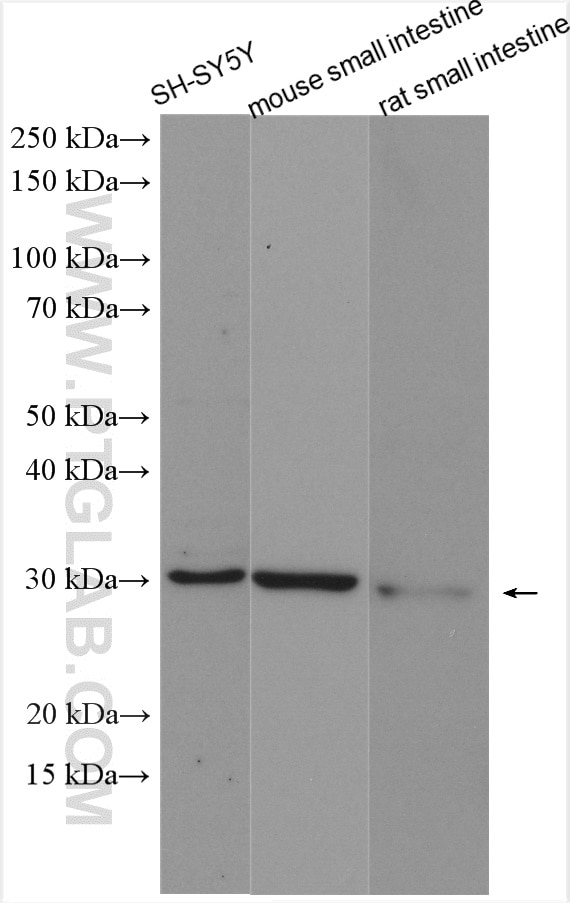
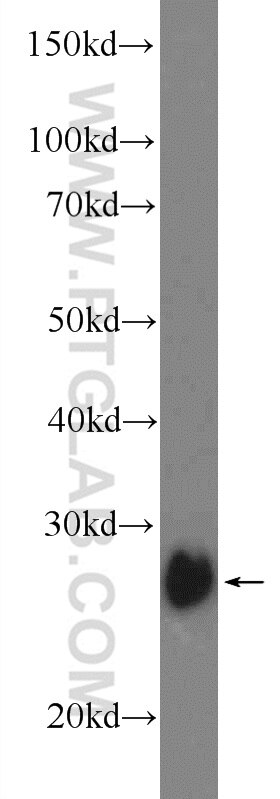
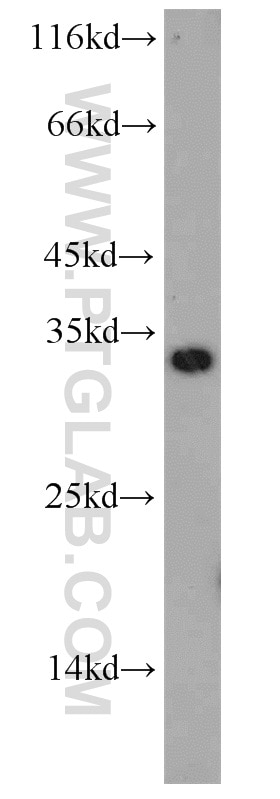
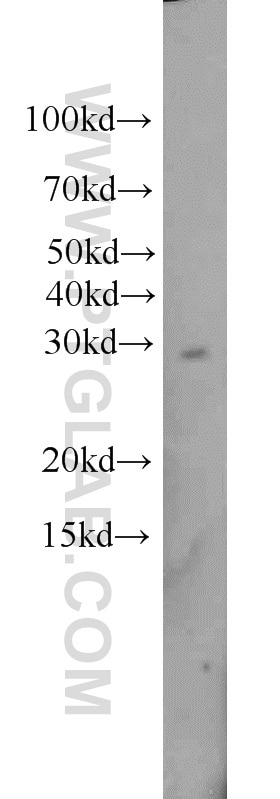
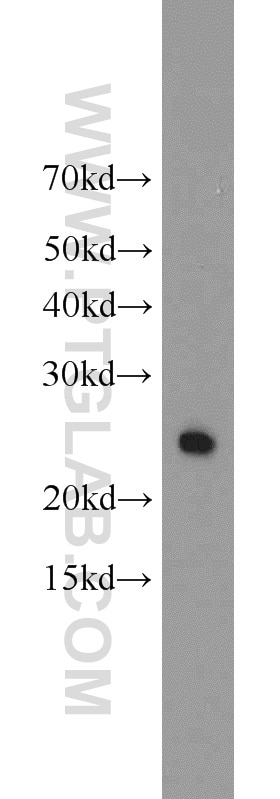
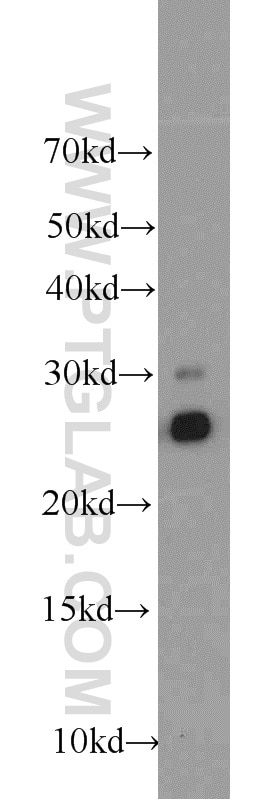
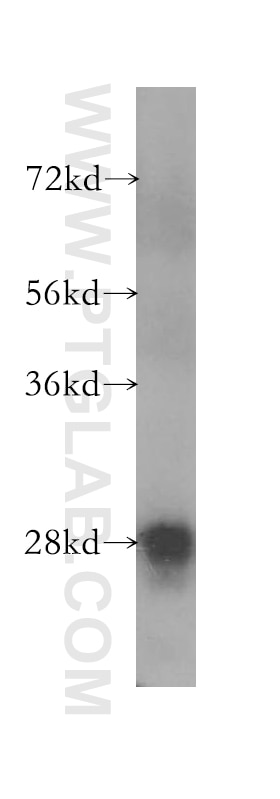
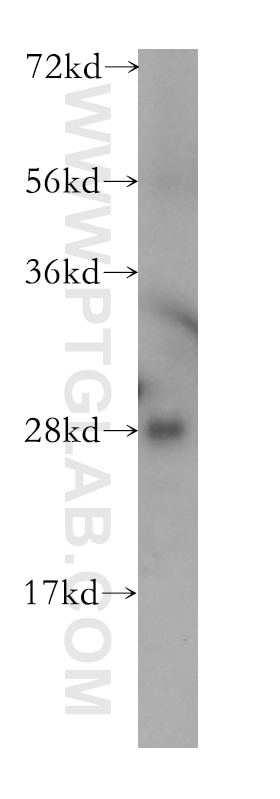
| Positive WB detected in | SH-SY5Y cells, HEK-293 cells, human small intestine tissue, mouse testis tissue, L02 cells, mouse small intestine tissue, mouse kidney tissue, rat small intestine tissue |
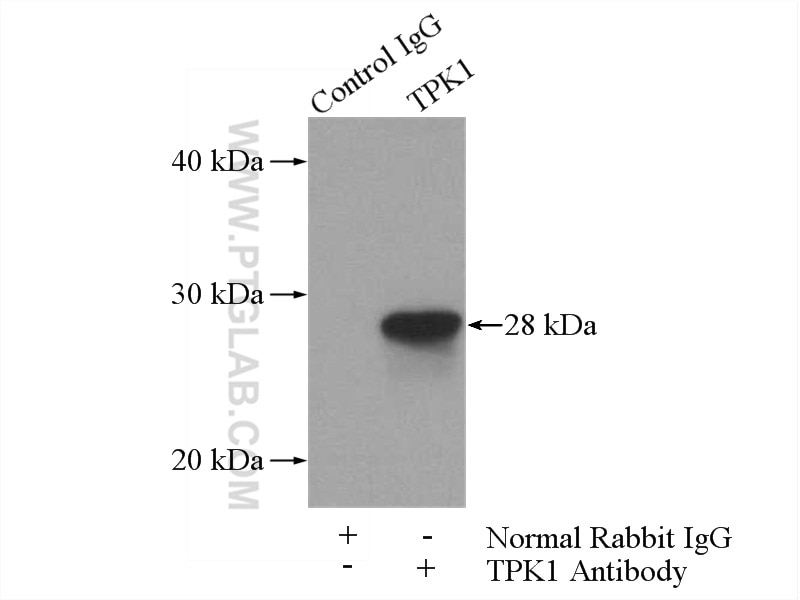
| Positive IP detected in | mouse kidney tissue |
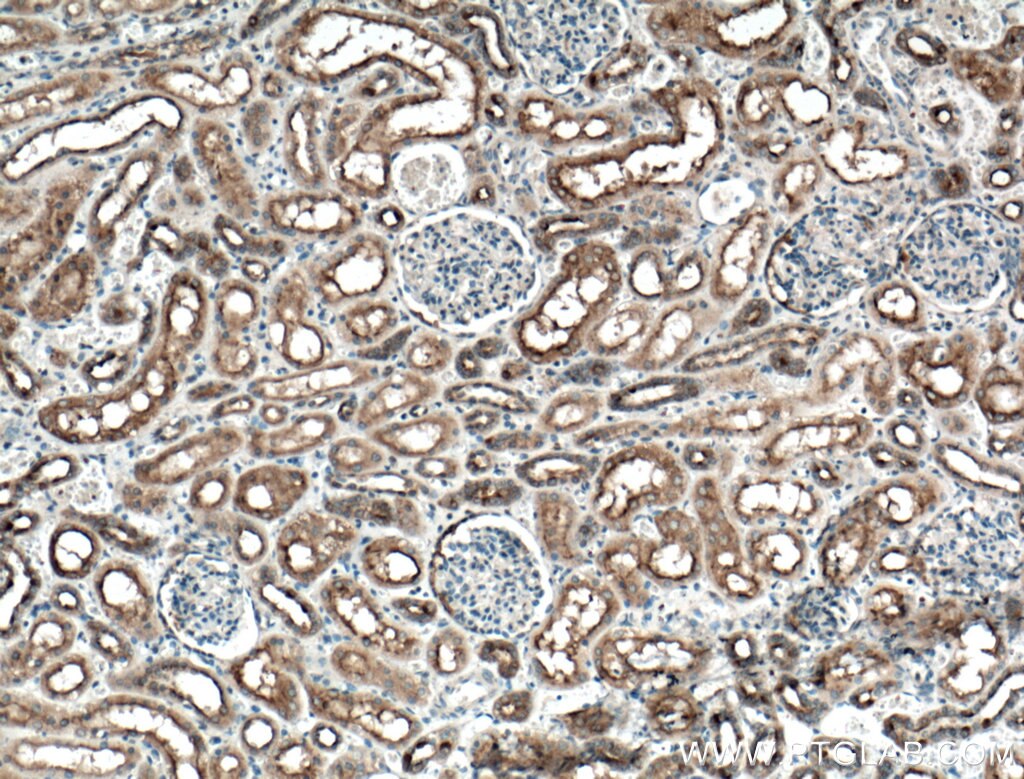
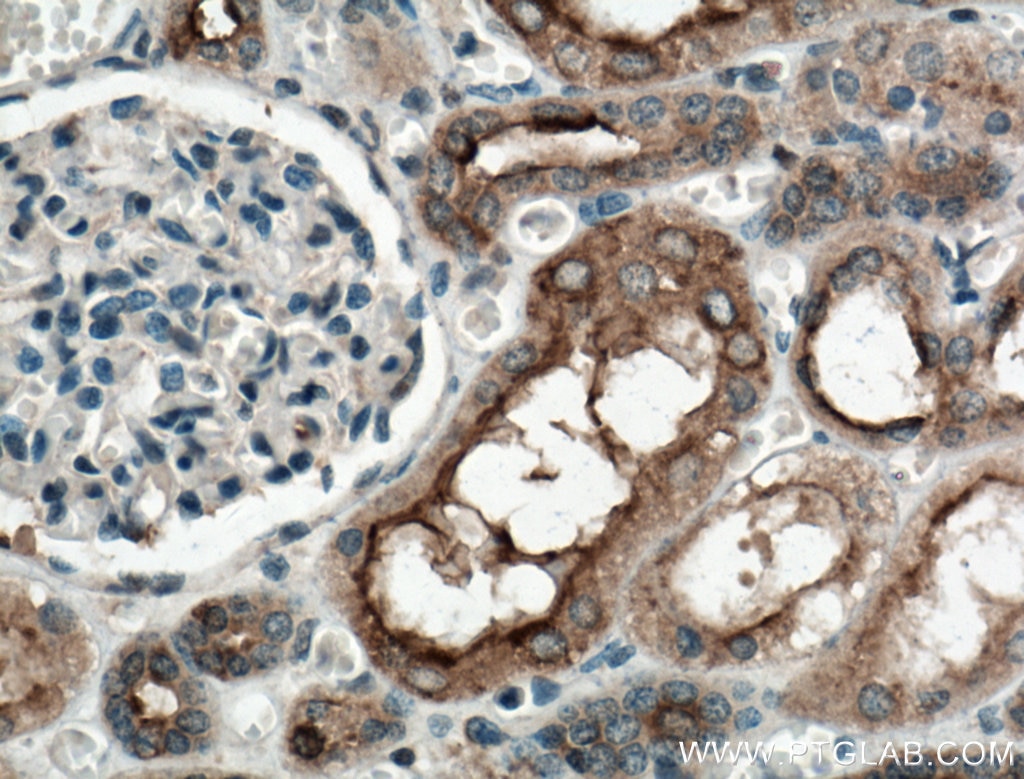
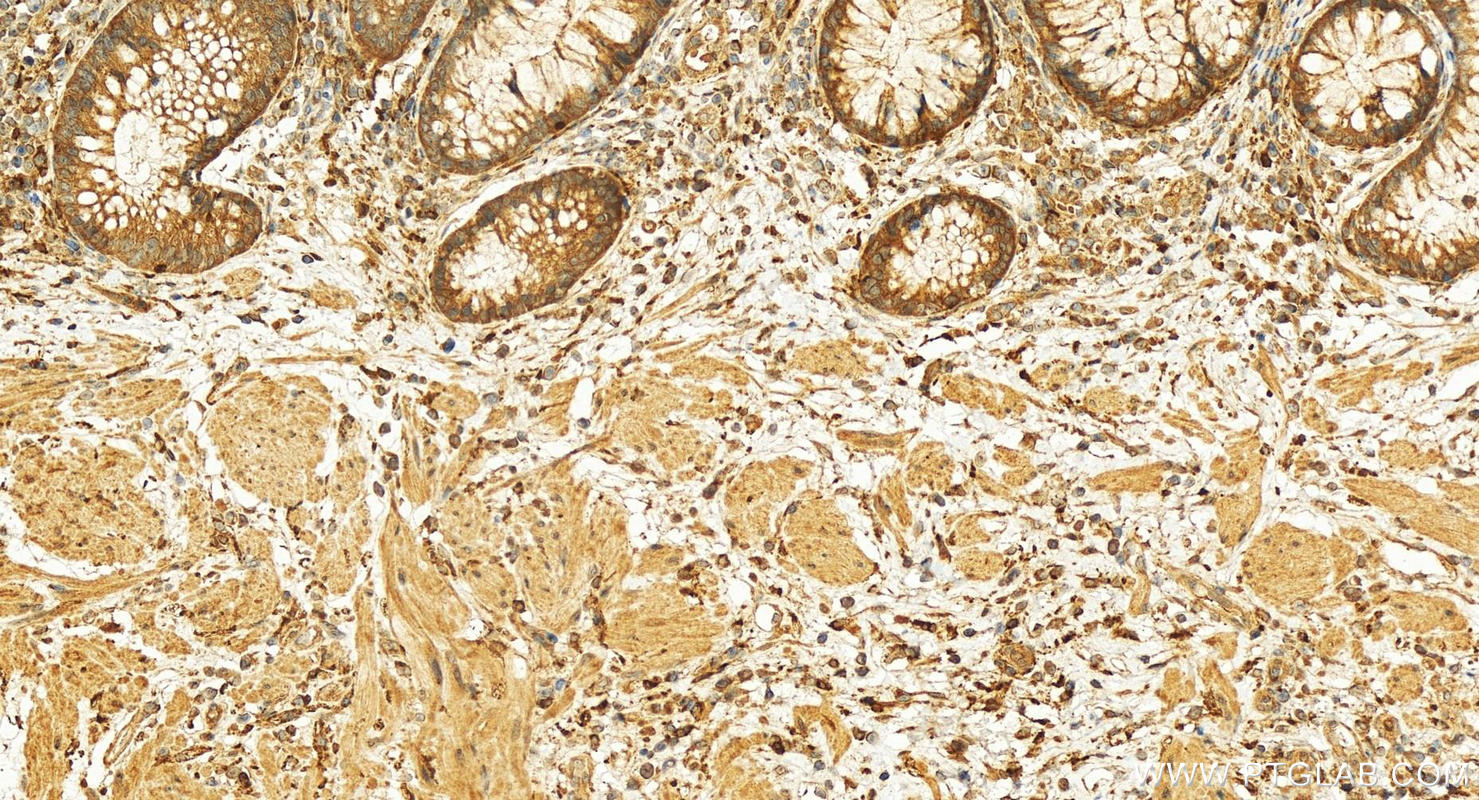
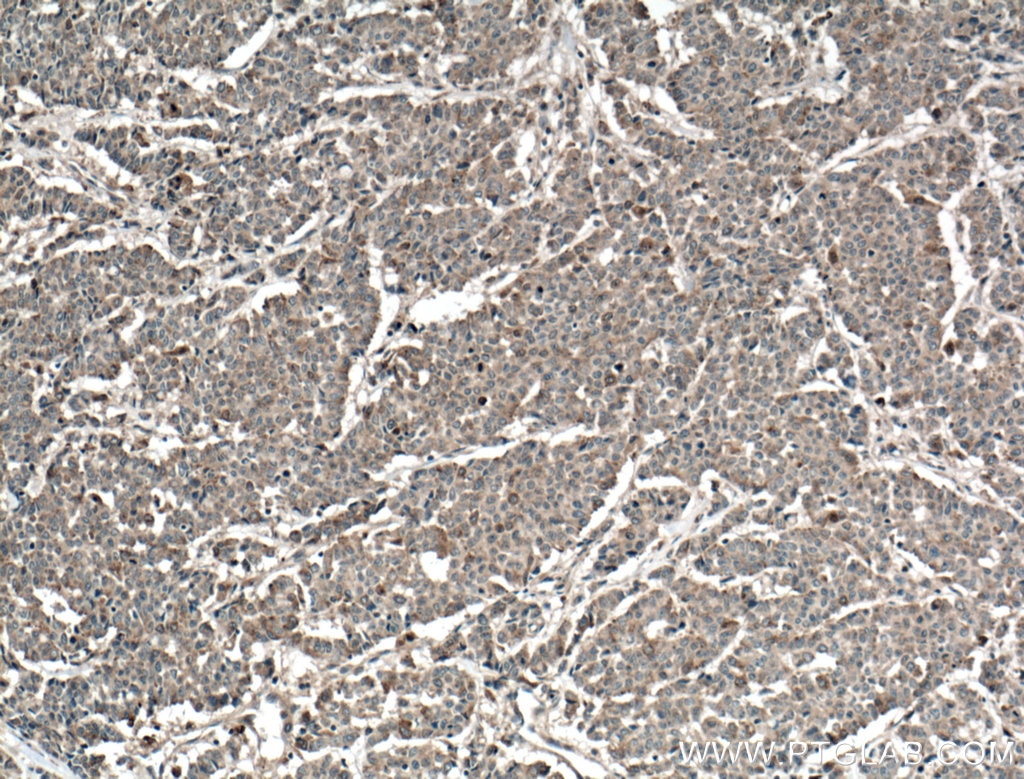
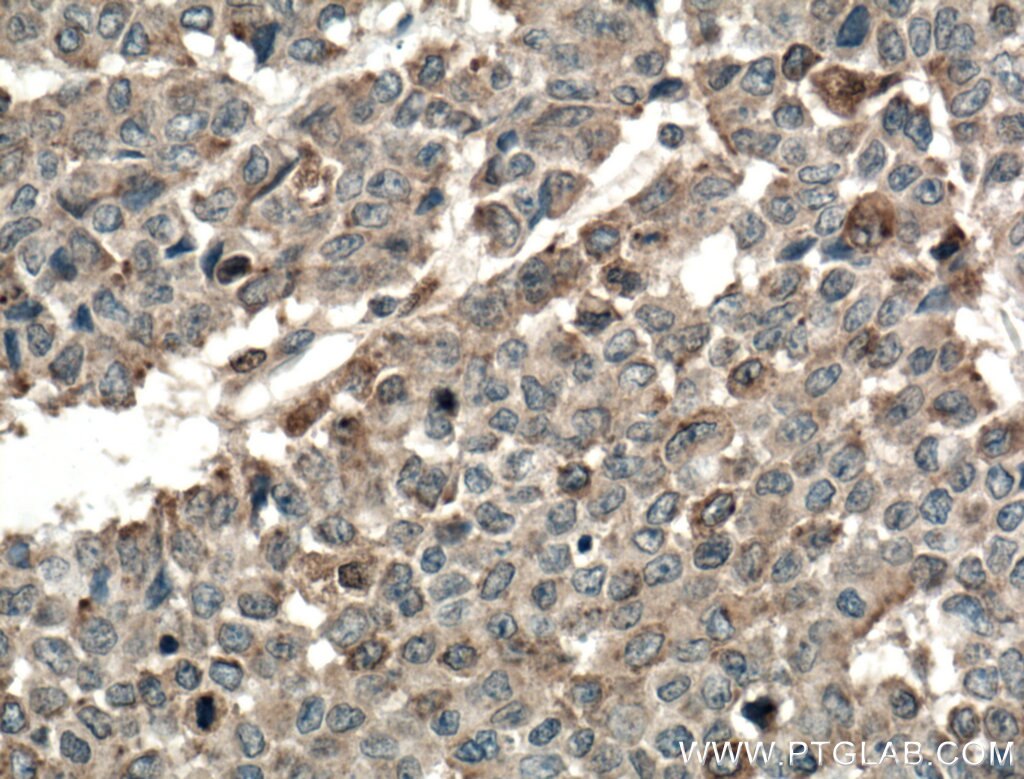
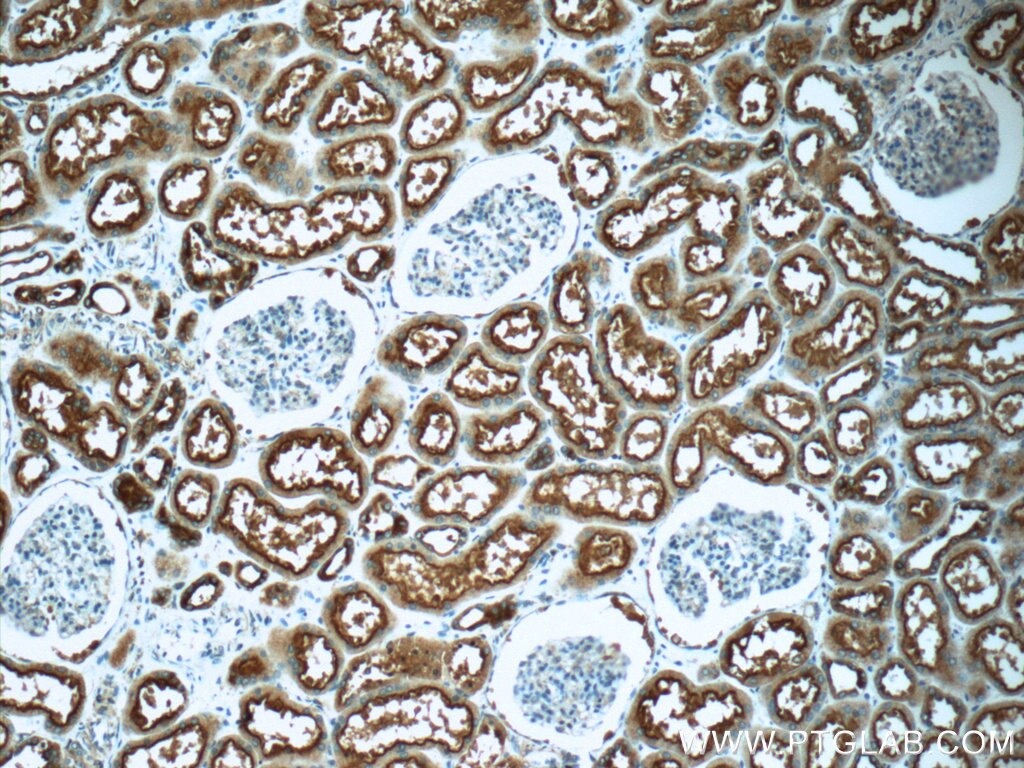
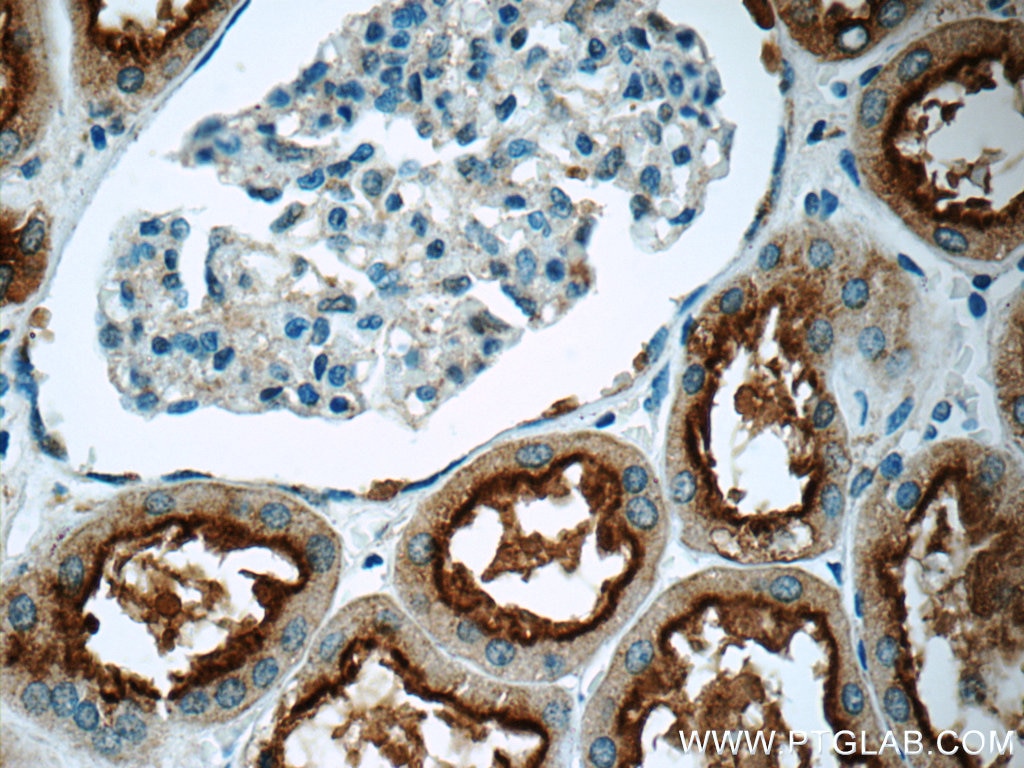
| Positive IHC detected in | human kidney tissue, human colon cancer tissue Note: suggested antigen retrieval with TE buffer pH 9.0; (*) Alternatively, antigen retrieval may be performed with citrate buffer pH 6.0 |
Recommended dilution
| Application | Dilution |
|---|---|
| Western Blot (WB) | WB : 1:1000-1:8000 |
| Immunoprecipitation (IP) | IP : 0.5-4.0 ug for 1.0-3.0 mg of total protein lysate |
| Immunohistochemistry (IHC) | IHC : 1:200-1:800 |
| It is recommended that this reagent should be titrated in each testing system to obtain optimal results. | |
| Sample-dependent, Check data in validation data gallery. | |
Product Information
10942-1-AP targets TPK1 in WB, IHC, IP, ELISA applications and shows reactivity with human, mouse, rat samples.
| Tested Reactivity | human, mouse, rat |
| Cited Reactivity | human, mouse, rat |
| Host / Isotype | Rabbit / IgG |
| Class | Polyclonal |
| Type | Antibody |
| Immunogen |
CatNo: Ag1404 Product name: Recombinant human TPK1 protein Source: e coli.-derived, PGEX-4T Tag: GST Domain: 11-243 aa of BC014552 Sequence: LLSTGNLKYCLVILNQPLDNYFRHLWNKALLRACADGGANRLYDITEGERESFLPEFINGDFDSIRPEVREYYATKGCELISTPDQDHTDFTKCLKMLQKKIEEKDLKVDVIVTLGGLAGRFDQIMASVNTLFQATHITPFPIIIIQEESLIYLLQPGKHRLHVDTGMEGDWCGLIPVGQPCMQVTTTGLKWNLTNDVLAFGTLVSTSNTYDGSGVVTVETDHPLLWTMAIKS Predict reactive species |
| Full Name | thiamin pyrophosphokinase 1 |
| Calculated Molecular Weight | 28 kDa |
| Observed Molecular Weight | 28 kDa |
| GenBank Accession Number | BC014552 |
| Gene Symbol | TPK1 |
| Gene ID (NCBI) | 27010 |
| RRID | AB_2205647 |
| Conjugate | Unconjugated |
| Form | Liquid |
| Purification Method | Antigen affinity purification |
| UNIPROT ID | Q9H3S4 |
| Storage Buffer | PBS with 0.02% sodium azide and 50% glycerol, pH 7.3. |
| Storage Conditions | Store at -20°C. Stable for one year after shipment. Aliquoting is unnecessary for -20oC storage. 20ul sizes contain 0.1% BSA. |
Background Information
TPK1(Thiamin pyrophosphokinase 1) is also named as PP20(placental protein 20) and belongs to the thiamine pyrophosphokinase family. It is a cellular enzyme involved in the regulation of thiamine metabolism and catalyzes the conversion of thiamine, a form of vitamin B1, to thiamine pyrophosphate (TDP, or TPP). There is no difference in TPK1 expression in cultured fibroblasts from normal subjects or from patients with thiamine-responsive megaloblastic anemia(PMID:11342111). It can exsit as a dimer(PMID:21552434). Defects in TPK1 are the cause of thiamine metabolism dysfunction syndrome type 5, episodic encephalopathy type (THMD5).
Protocols
| Product Specific Protocols | |
|---|---|
| IHC protocol for TPK1 antibody 10942-1-AP | Download protocol |
| IP protocol for TPK1 antibody 10942-1-AP | Download protocol |
| WB protocol for TPK1 antibody 10942-1-AP | Download protocol |
| Standard Protocols | |
|---|---|
| Click here to view our Standard Protocols |
Publications
What published studies show
TPK1 Polyclonal antibody (Cat# 10942-1-AP) has 12 citations across journals including Redox Biology, Science Advances, PNAS, Oncotarget, Pharmaceuticals, Biological Research, Scientific Reports, American Journal of Pathology, American Journal of Physiology–Renal Physiology, Immunology Letters, and PLoS ONE. Research fields span thiamine metabolism, oxidative stress, cancer (leukemia, melanoma, breast cancer), neurobiology, renal physiology, rheumatoid arthritis, and pancreatic cell biology.
| Species | Application | Title |
|---|---|---|
Redox Biol Clioquinol inactivates thiamine pyrophosphate by increasing cellular oxidative stress. | ||
Sci Adv Dietary thiamine influences l-asparaginase sensitivity in a subset of leukemia cells.
| ||
Proc Natl Acad Sci U S A OCT1 is a high-capacity thiamine transporter that regulates hepatic steatosis and is a target of metformin. | ||
Oncotarget Identification of vitamin B1 metabolism as a tumor-specific radiosensitizing pathway using a high-throughput colony formation screen. | ||
Pharmaceuticals (Basel) Chlorogenic Acid Induced Neuroblastoma Cells Differentiation via the ACAT1-TPK1-PDH Pathway | ||

















