


Tested Applications
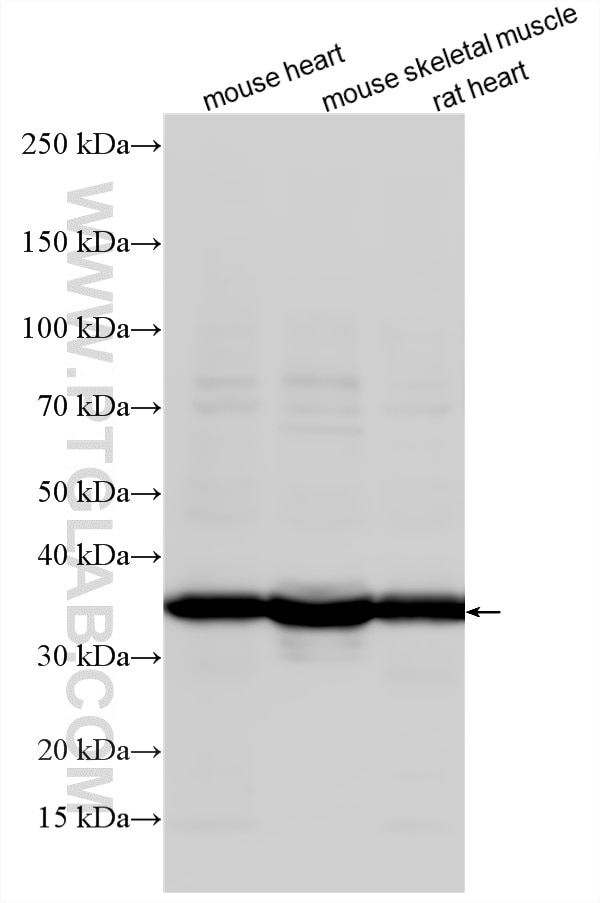
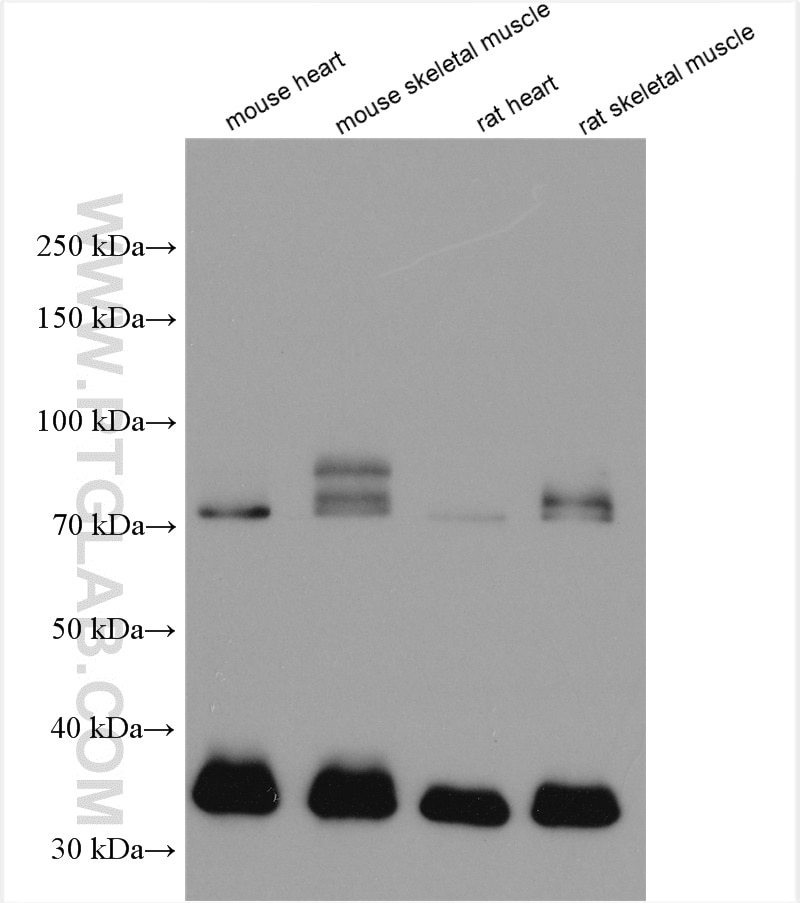
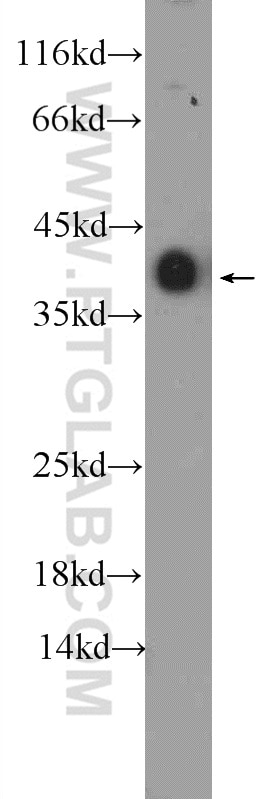
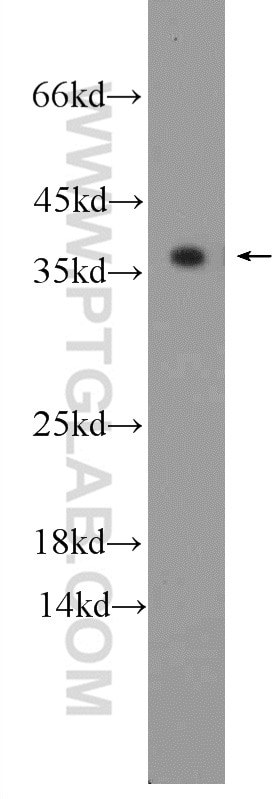
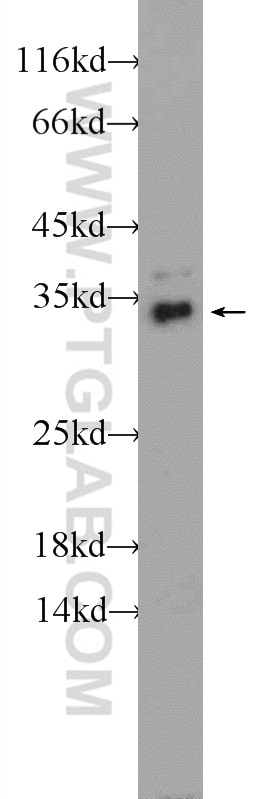
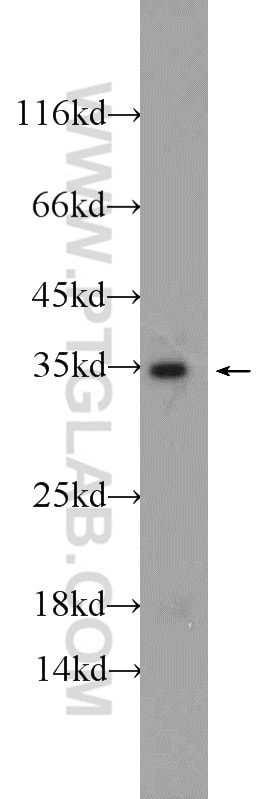
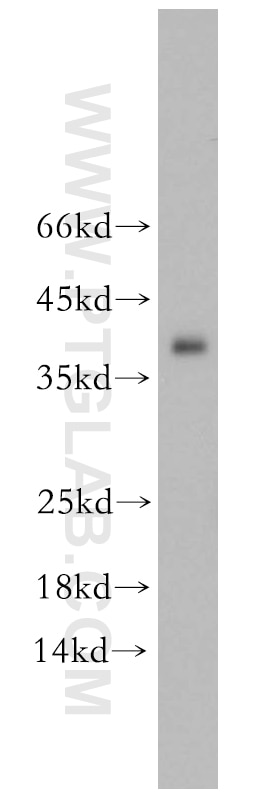
| Positive WB detected in | mouse heart tissue, HEK-293 cells, HeLa cells, human heart tissue, rat heart tissue, mouse skeletal muscle tissue, rat skeletal muscle tissue |
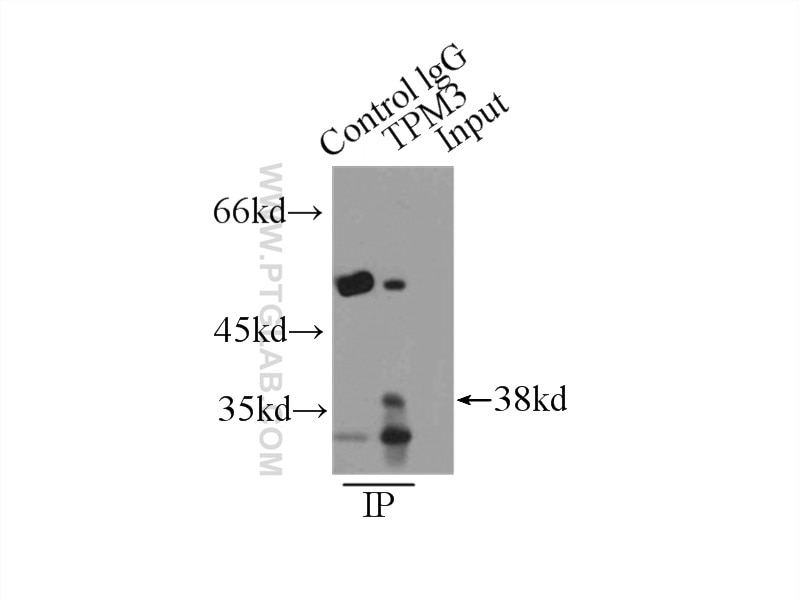
| Positive IP detected in | HeLa cells |
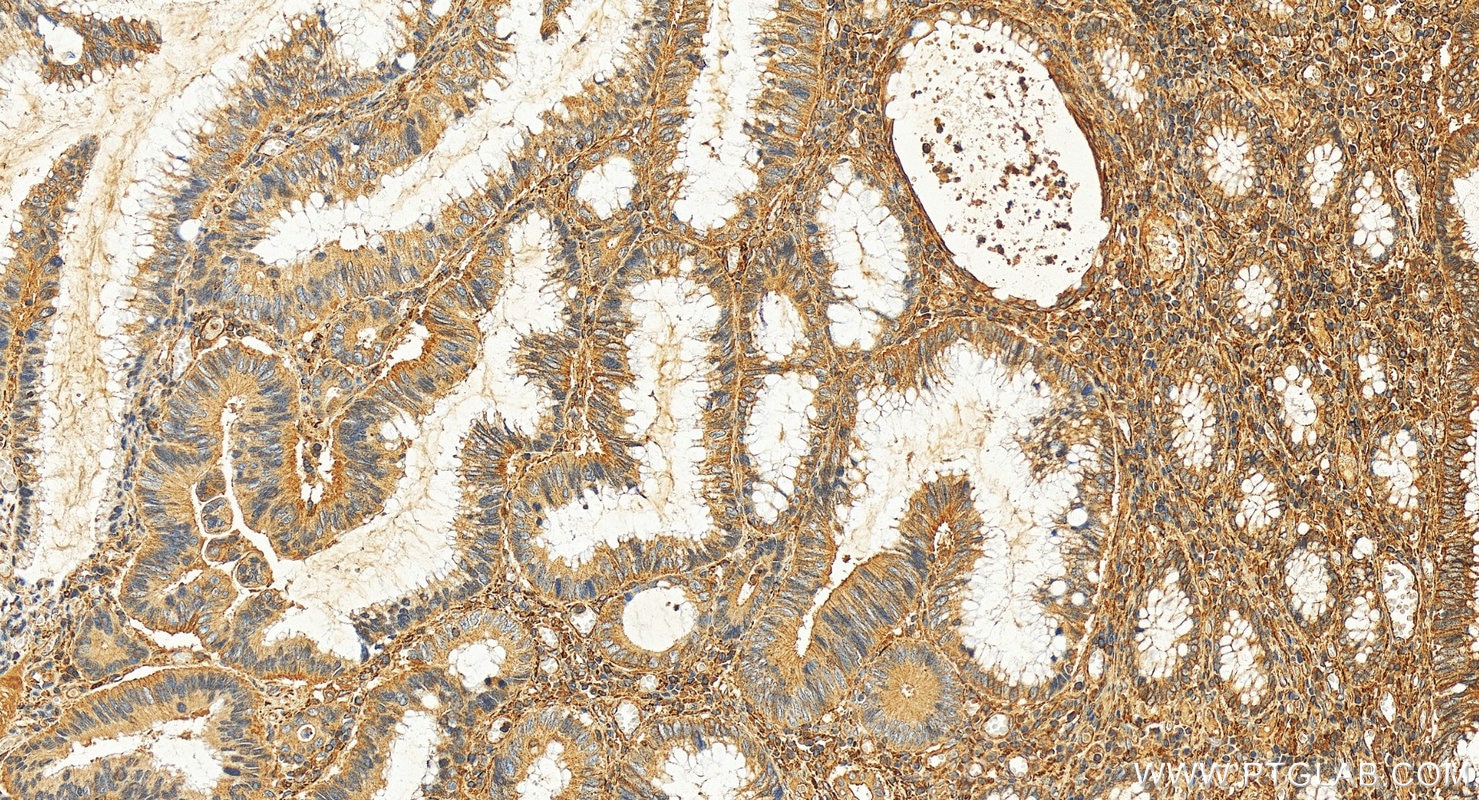
| Positive IHC detected in | human colon cancer tissue Note: suggested antigen retrieval with TE buffer pH 9.0; (*) Alternatively, antigen retrieval may be performed with citrate buffer pH 6.0 |
Recommended dilution
| Application | Dilution |
|---|---|
| Western Blot (WB) | WB : 1:5000-1:50000 |
| Immunoprecipitation (IP) | IP : 0.5-4.0 ug for 1.0-3.0 mg of total protein lysate |
| Immunohistochemistry (IHC) | IHC : 1:200-1:1000 |
| It is recommended that this reagent should be titrated in each testing system to obtain optimal results. | |
| Sample-dependent, Check data in validation data gallery. | |
Product Information
10737-1-AP targets TPM3 in WB, IHC, IF, IP, CoIP, ELISA applications and shows reactivity with human, mouse, rat samples.
| Tested Reactivity | human, mouse, rat |
| Cited Reactivity | human, mouse |
| Host / Isotype | Rabbit / IgG |
| Class | Polyclonal |
| Type | Antibody |
| Immunogen |
CatNo: Ag1171 Product name: Recombinant human TPM3 protein Source: e coli.-derived, PGEX-4T Tag: GST Domain: 1-285 aa of BC008407 Sequence: MMEAIKKKMQMLKLDKENALDRAEQAEAEQKQAEERSKQLEDELAAMQKKLKGTEDELDKYSEALKDAQEKLELAEKKAADAEAEVASLNRRIQLVEEELDRAQERLATALQKLEEAEKAADESERGMKVIENRALKDEEKMELQEIQLKEAKHIAEEADRKYEEVARKLVIIEGDLERTEERAELAESKCSELEEELKNVTNNLKSLEAQAEKYSQKEDKYEEEIKILTDKLKEAETRAEFAERSVAKLEKTIDDLEDELYAQKLKYKAISEELDHALNDMTSI Predict reactive species |
| Full Name | tropomyosin 3 |
| Calculated Molecular Weight | 33 kDa |
| Observed Molecular Weight | 35 kDa |
| GenBank Accession Number | BC008407 |
| Gene Symbol | TPM3 |
| Gene ID (NCBI) | 7170 |
| RRID | AB_2205671 |
| Conjugate | Unconjugated |
| Form | Liquid |
| Purification Method | Antigen affinity purification |
| UNIPROT ID | P06753 |
| Storage Buffer | PBS with 0.02% sodium azide and 50% glycerol, pH 7.3. |
| Storage Conditions | Store at -20°C. Stable for one year after shipment. Aliquoting is unnecessary for -20oC storage. 20ul sizes contain 0.1% BSA. |
Background Information
Tropomyosins are ubiquitous proteins of 35 to 45 kDa associated with the actin filaments of myofibrils and stress fibers. Tropomyosins are dimers of coiled-coil proteins that provide stability to actin filaments and regulate access of other actin-binding proteins.TPM2 subunit constitutes one part of the TPM dimer, and TPM1 or TPM3 constitutes the other part of the TPM dimer (22064019), causing an extra band of ~70kDa.
Protocols
| Product Specific Protocols | |
|---|---|
| IHC protocol for TPM3 antibody 10737-1-AP | Download protocol |
| IP protocol for TPM3 antibody 10737-1-AP | Download protocol |
| WB protocol for TPM3 antibody 10737-1-AP | Download protocol |
| Standard Protocols | |
|---|---|
| Click here to view our Standard Protocols |
Publications
What published studies show
The Anti-TPM3 polyclonal antibody (Cat# 10737-1-AP) has 14 citations published in journals including Bone Research, Nucleic Acids Research, Advanced Science, Oncogene, J Am Heart Assoc, Int Immunopharmacol, Oncol Res, J Proteome Res, Tissue Cell, Bioengineered, J Gastrointest Oncol, and Anim Biotechnol. Associated research fields span osteosarcoma, gene silencing, oocyte meiosis, breast cancer metastasis, cell migration, cardiovascular disease, myocardial injury, glioma, tendinopathy, ulcerative colitis, esophageal cancer, and muscle biology.
| Species | Application | Title |
|---|---|---|
Bone Res Impairment of rigidity sensing caused by mutant TP53 gain of function in osteosarcoma | ||
Nucleic Acids Res Short DNA/RNA heteroduplex oligonucleotide interacting proteins are key regulators of target gene silencing. | ||
Adv Sci (Weinh) RNF20 Regulates Oocyte Meiotic Spindle Assembly by Recruiting TPM3 to Centromeres and Spindle Poles
| ||
Oncogene Breast cancer stem cell-derived exosomal lnc-PDGFD induces fibroblast-niche formation and promotes lung metastasis | ||
J Am Heart Assoc Modulation of Abnormal Vasoconstriction Through 2-Hydroxyisobutyrylation of Tropomyosin 3 Lys141: Targeting Histone Deacetylase 3 as a Key Approach |











