
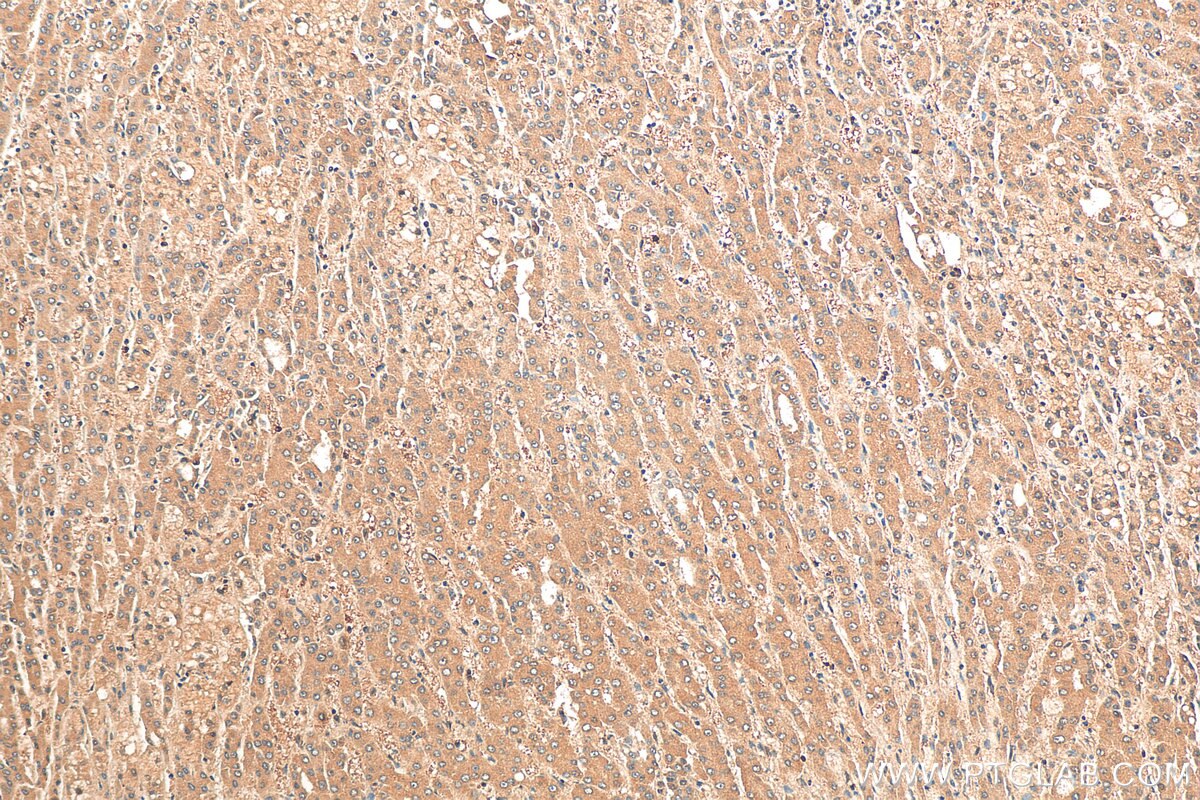

Tested Applications
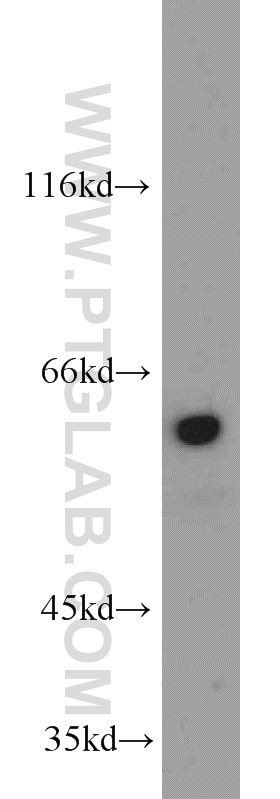
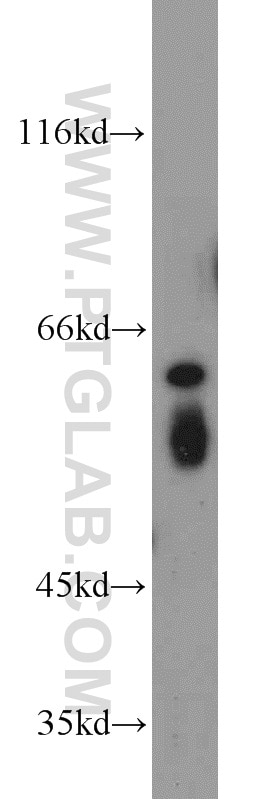
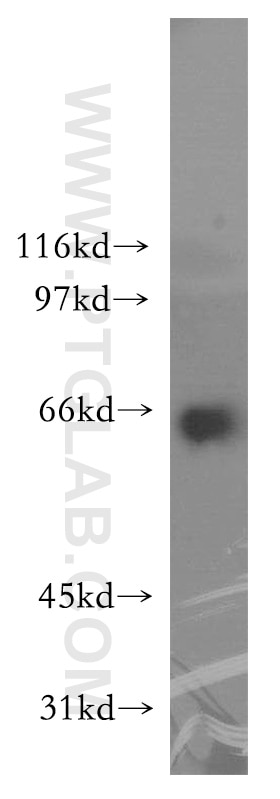
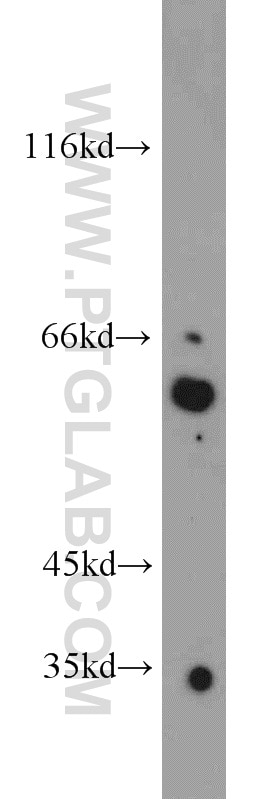
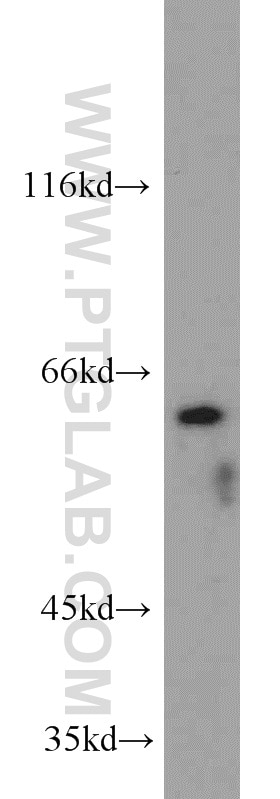
| Positive WB detected in | HL-60 cells, COLO 320 cells, HeLa cells |
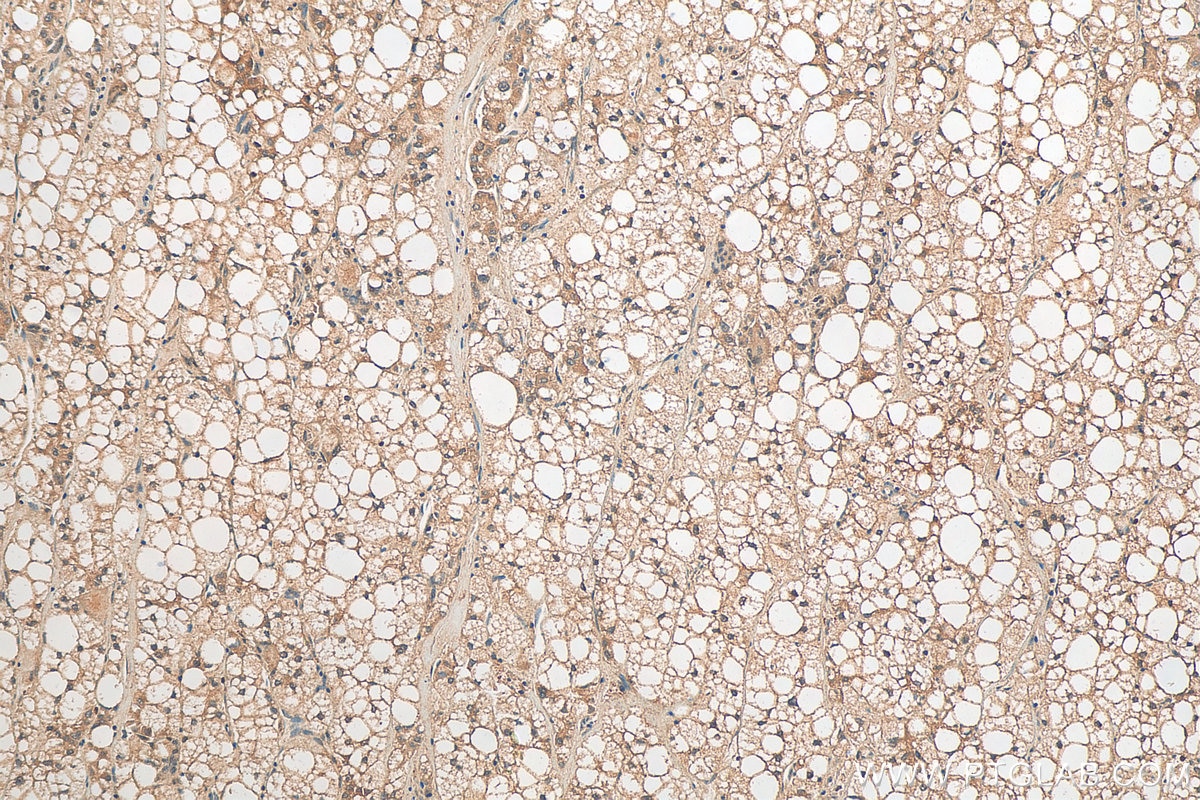
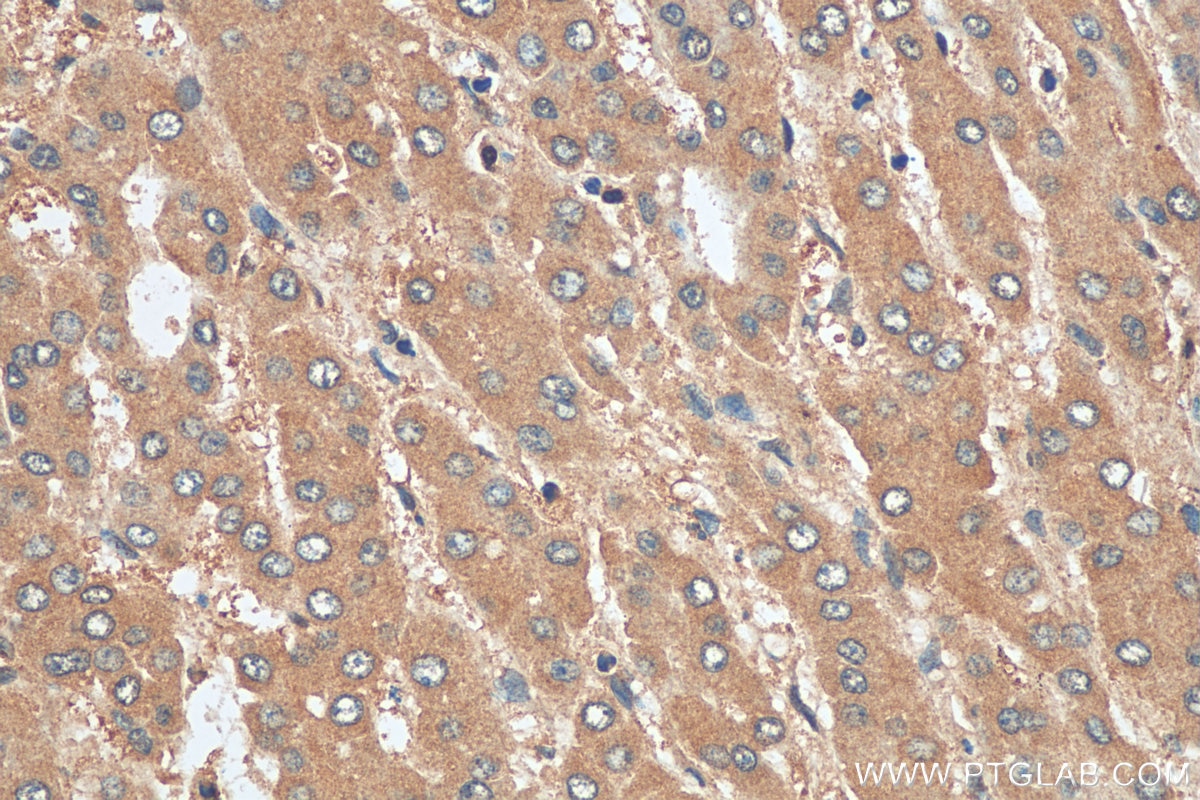
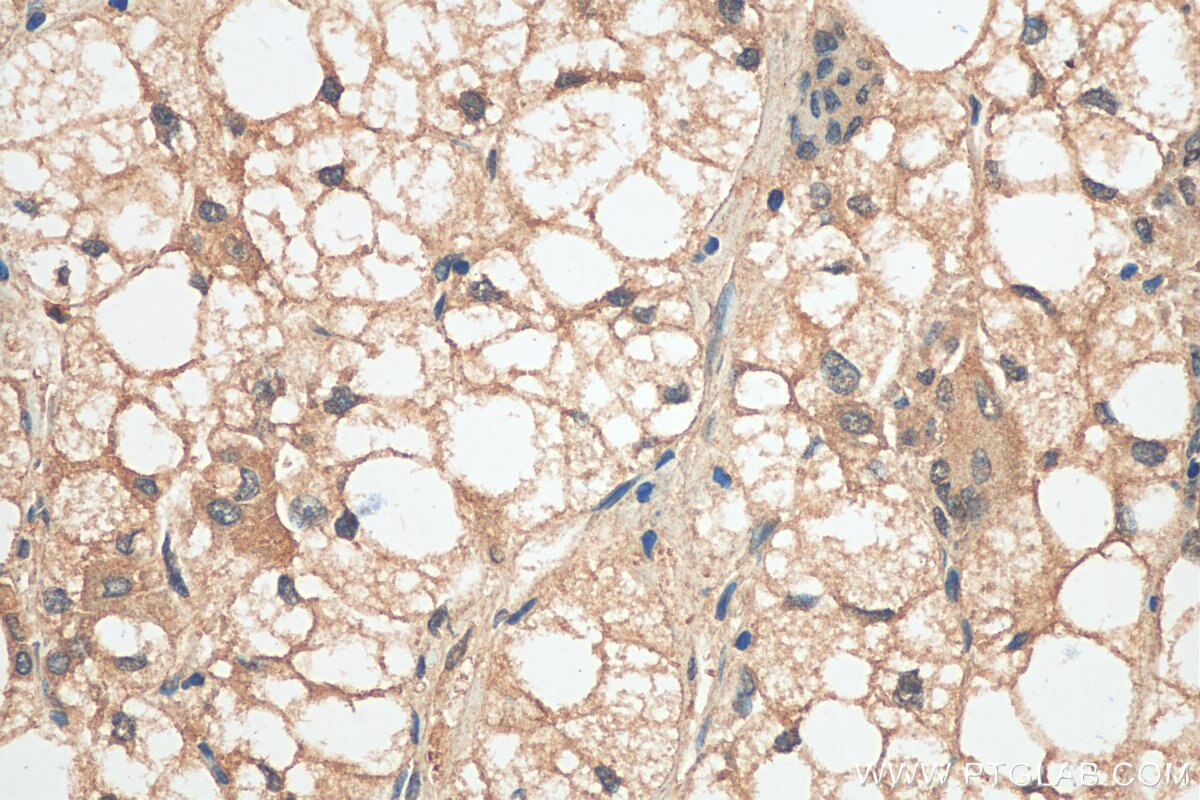
| Positive IHC detected in | human liver cancer tissue Note: suggested antigen retrieval with TE buffer pH 9.0; (*) Alternatively, antigen retrieval may be performed with citrate buffer pH 6.0 |
Recommended dilution
| Application | Dilution |
|---|---|
| Western Blot (WB) | WB : 1:500-1:2000 |
| Immunohistochemistry (IHC) | IHC : 1:50-1:500 |
| It is recommended that this reagent should be titrated in each testing system to obtain optimal results. | |
| Sample-dependent, Check data in validation data gallery. | |
Product Information
12324-1-AP targets TRIP4 in WB, IHC, IF, IP, ELISA applications and shows reactivity with human, mouse, rat samples.
| Tested Reactivity | human, mouse, rat |
| Cited Reactivity | human, mouse |
| Host / Isotype | Rabbit / IgG |
| Class | Polyclonal |
| Type | Antibody |
| Immunogen |
CatNo: Ag2987 Product name: Recombinant human TRIP4 protein Source: e coli.-derived, PGEX-4T Tag: GST Domain: 281-581 aa of BC012448 Sequence: QVIDDESDYFASDSNQWLSKLERETLQKREEELRELRHASRLSKKVTIDFAGRKILEEENSLAEYHSRLDETIQAIANGTLNQPLTKLDRSSEEPLGVLVNPNMYQSPPQWVDHTGAASQKKAFRSSGFGLEFNSFQHQLRIQDQEFQEGFDGGWCLSVHQPWASLLVRGIKRVEGRSWYTPHRGRLWIAATAKKPSPQEVSELQATYRLLRGKDVEFPNDYPSGCLLGCVDLIDCLSQKQFKEQFPDISQESDSPFVFICKNPQEMVVKFPIKGNPKIWKLDSKIHQGAKKGLMKQNKAV Predict reactive species |
| Full Name | thyroid hormone receptor interactor 4 |
| Calculated Molecular Weight | 581 aa, 66 kDa |
| Observed Molecular Weight | 60-65 kDa |
| GenBank Accession Number | BC012448 |
| Gene Symbol | TRIP4 |
| Gene ID (NCBI) | 9325 |
| RRID | AB_10646482 |
| Conjugate | Unconjugated |
| Form | Liquid |
| Purification Method | Antigen affinity purification |
| UNIPROT ID | Q15650 |
| Storage Buffer | PBS with 0.02% sodium azide and 50% glycerol, pH 7.3. |
| Storage Conditions | Store at -20°C. Stable for one year after shipment. Aliquoting is unnecessary for -20oC storage. 20ul sizes contain 0.1% BSA. |
Background Information
Thyroid hormone receptor interactor 4(TRIP4), other named ASC1, is a transcriptional coactivator that promote transcriptional efficiencies. It harbors an autonomous transactivation domain that contains a putative zinc finger motif, which serves as a binding site for nuclear receptors for thyroid, estrogen, all-trans-retinoic acid and RXR by interaction with SRC-1 or CBP/p300. There are two forms of ASC1 have been detected in mRNA level, isoform1(581aa, ~65kd) and isoform2(539aa,~60kd)(12077347,12390891)
Protocols
| Product Specific Protocols | |
|---|---|
| IHC protocol for TRIP4 antibody 12324-1-AP | Download protocol |
| WB protocol for TRIP4 antibody 12324-1-AP | Download protocol |
| Standard Protocols | |
|---|---|
| Click here to view our Standard Protocols |
Publications
What published studies show
The TRIP4 Polyclonal antibody (Cat# 12324-1-AP) has 5 citations published in Cell Reports, Atherosclerosis, Genetics in Medicine, Experimental Cell Research, and bioRxiv. Research fields span DNA replication stress and helicase biology, m6A RNA modification in vascular injury and adipose browning, pediatric neurodevelopmental anomalies and epilepsy, and transcriptional regulation of adipose browning and vascular endothelial protection.
| Species | Application | Title |
|---|---|---|
Cell Rep Ski2-like helicase ASCC3 unwinds DNA upon fork stalling to control replication stress responses. | ||
Atherosclerosis The m6A demethylase FTO suppresses perivascular adipose tissue browning and exacerbates vascular injury via m6A-mediated destabilization of Irx3 mRNA and the IRX3/UCP1 axis. | ||
Genet Med A pathogenic UFSP2 variant in an autosomal recessive form of pediatric neurodevelopmental anomalies and epilepsy. | ||
Exp Cell Res Molecular mechanism of MAFB transcriptional activation of PPARD in regulating adipose browning and protecting against vascular endothelial cell injury. | ||
bioRxiv The Ski2 helicase ASCC3 unwinds DNA upon fork stalling to control replication stress responses.
|










