
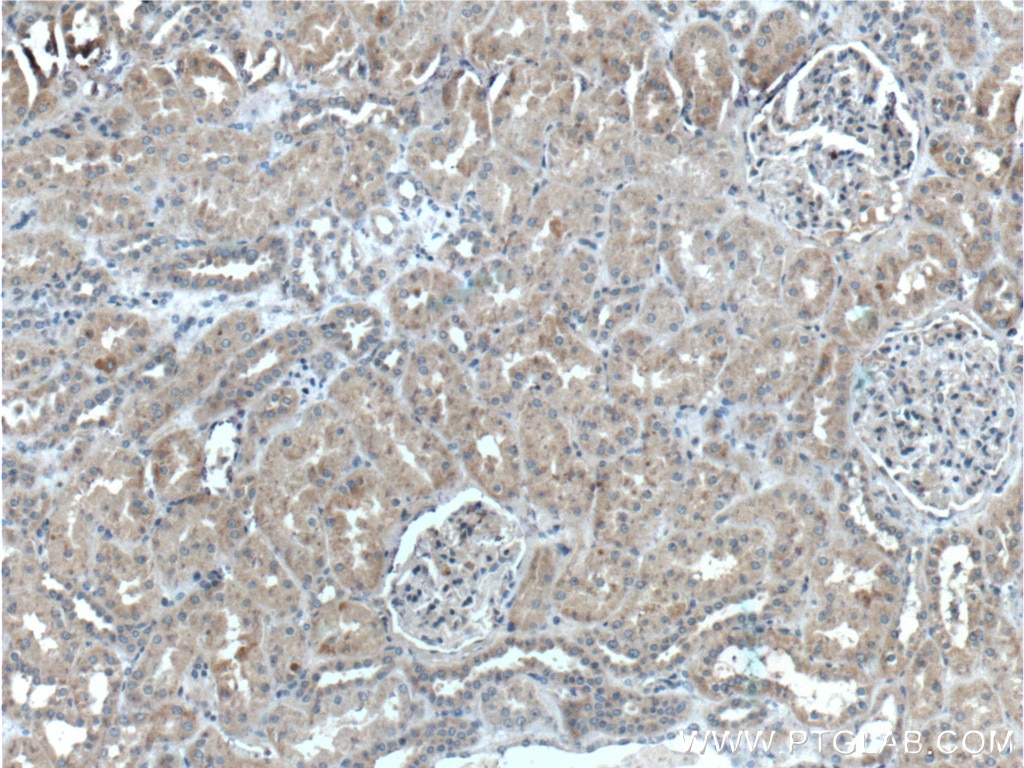
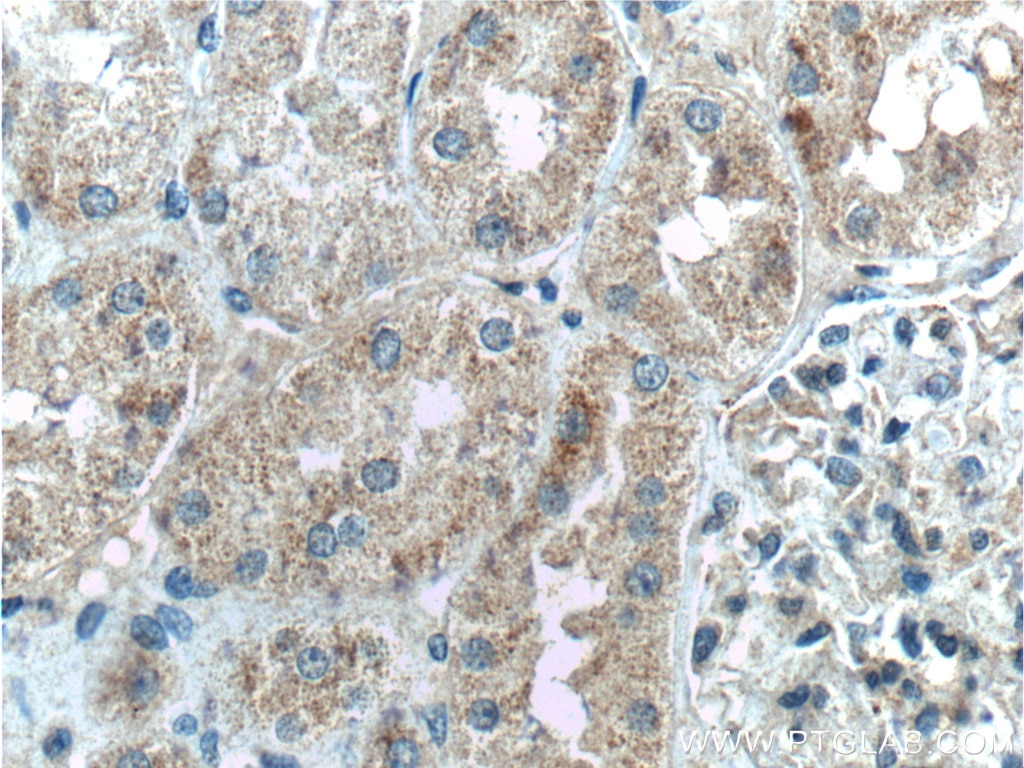
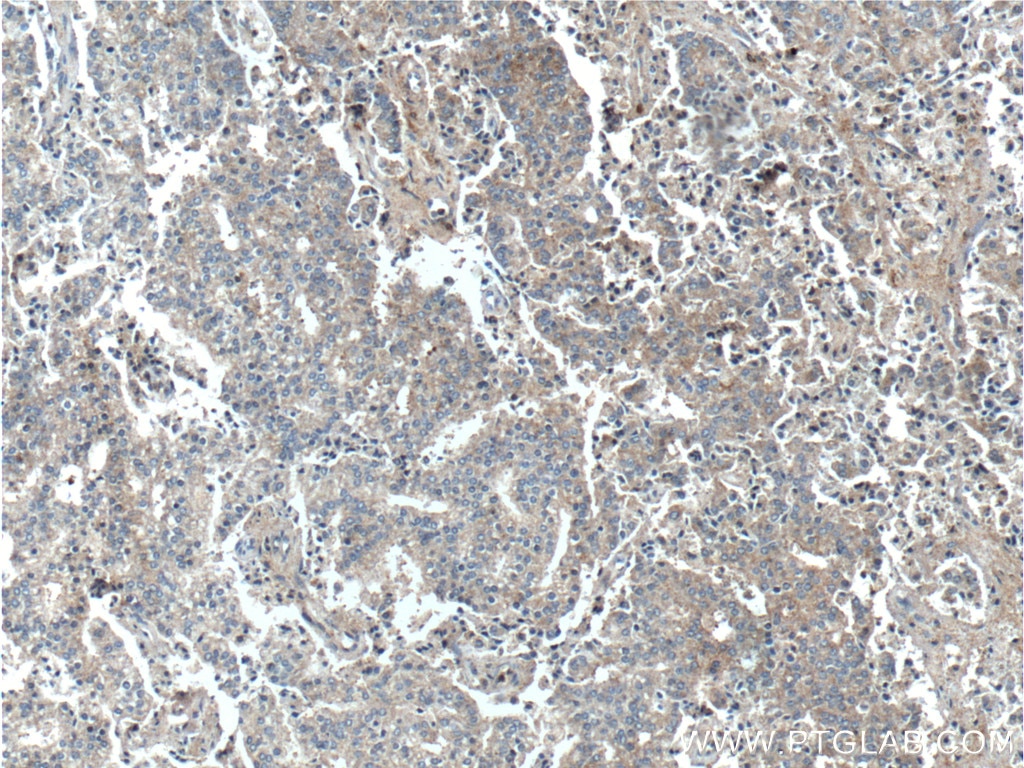
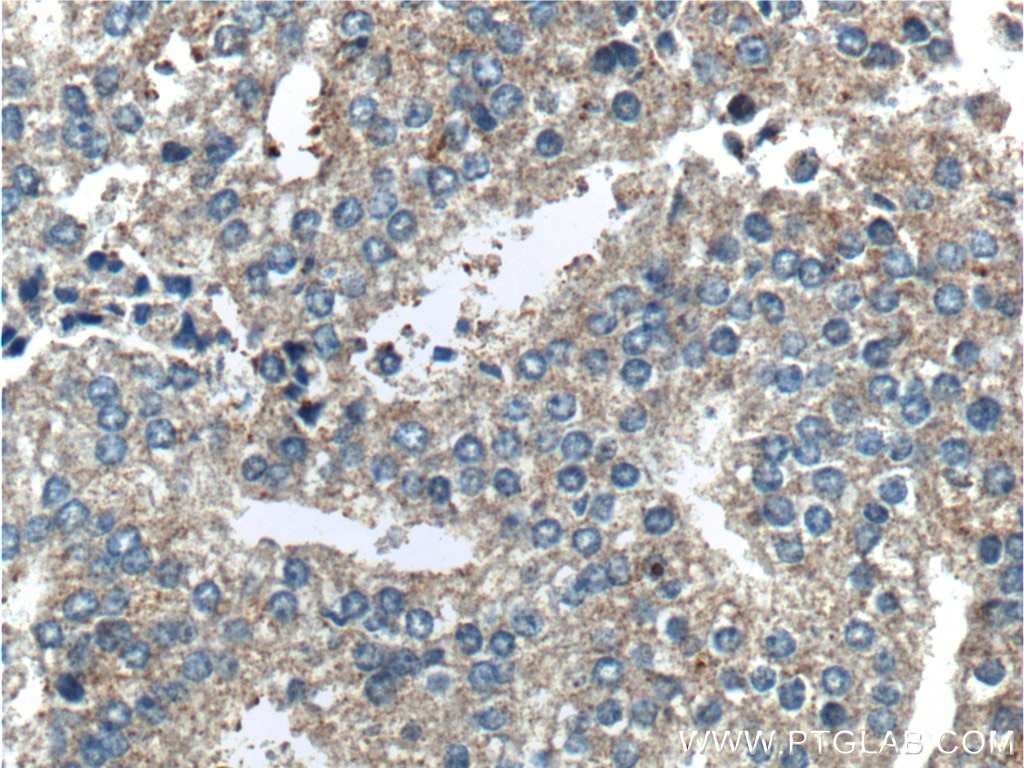
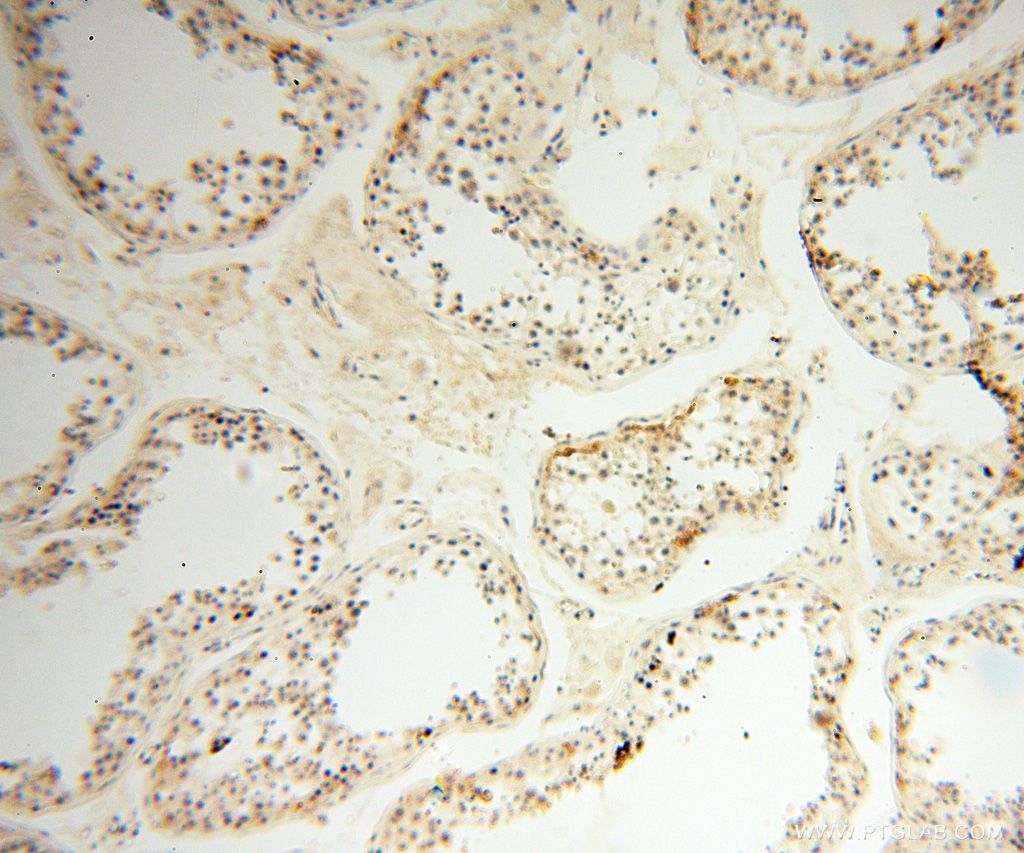
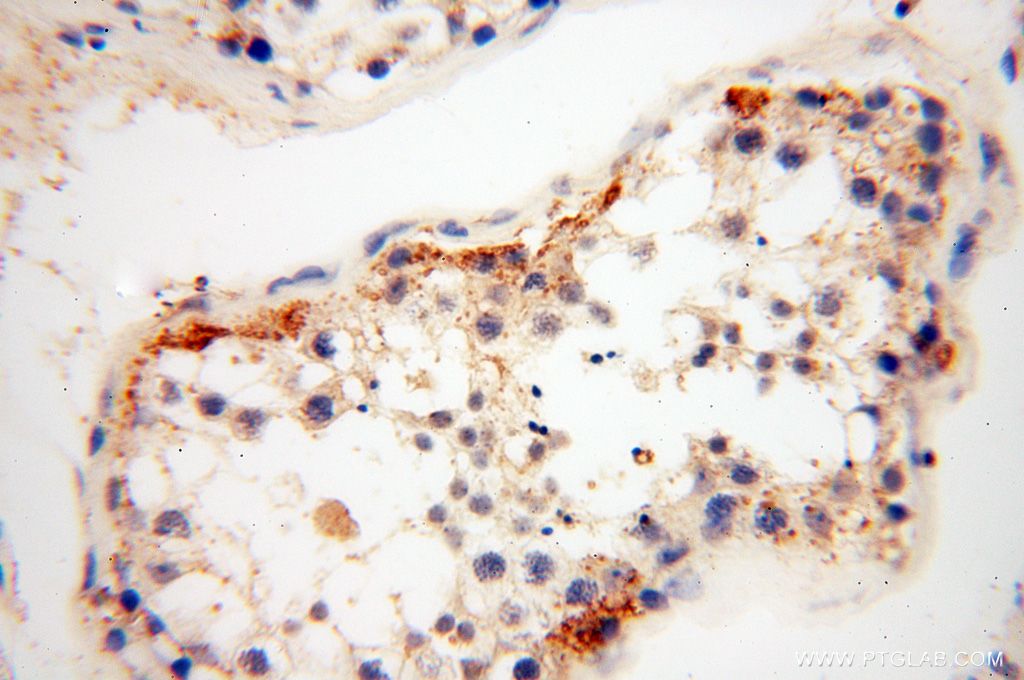
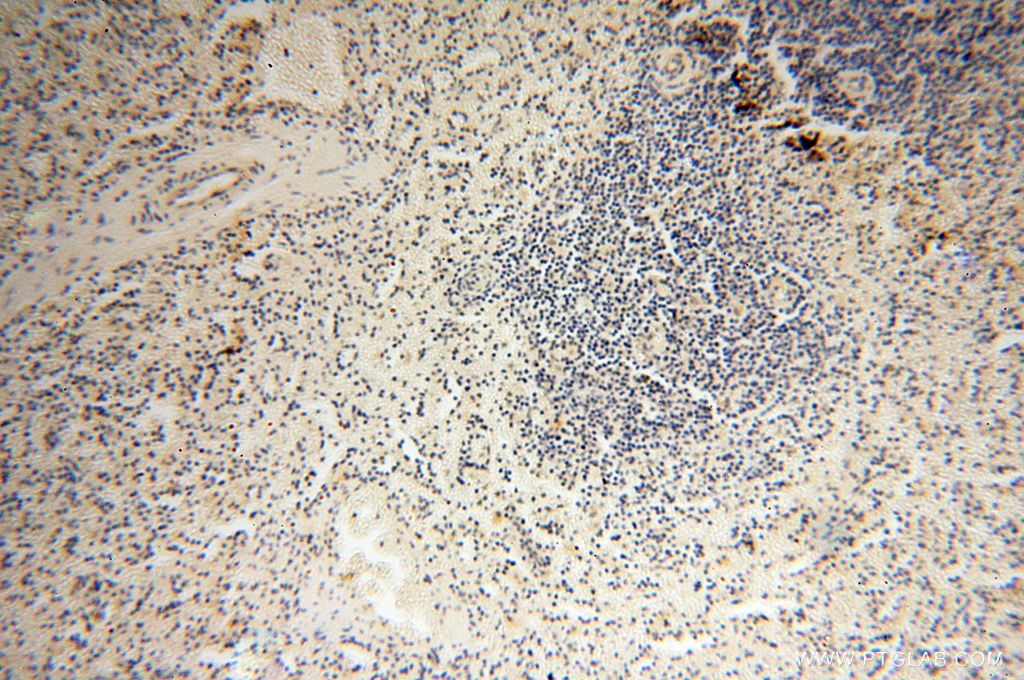
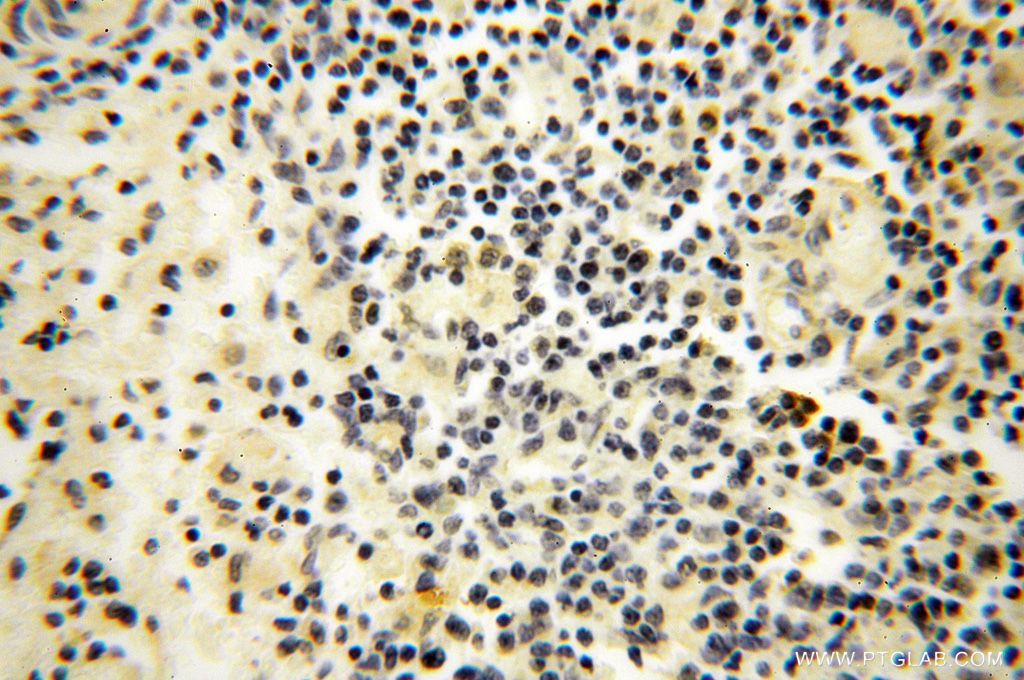

Tested Applications
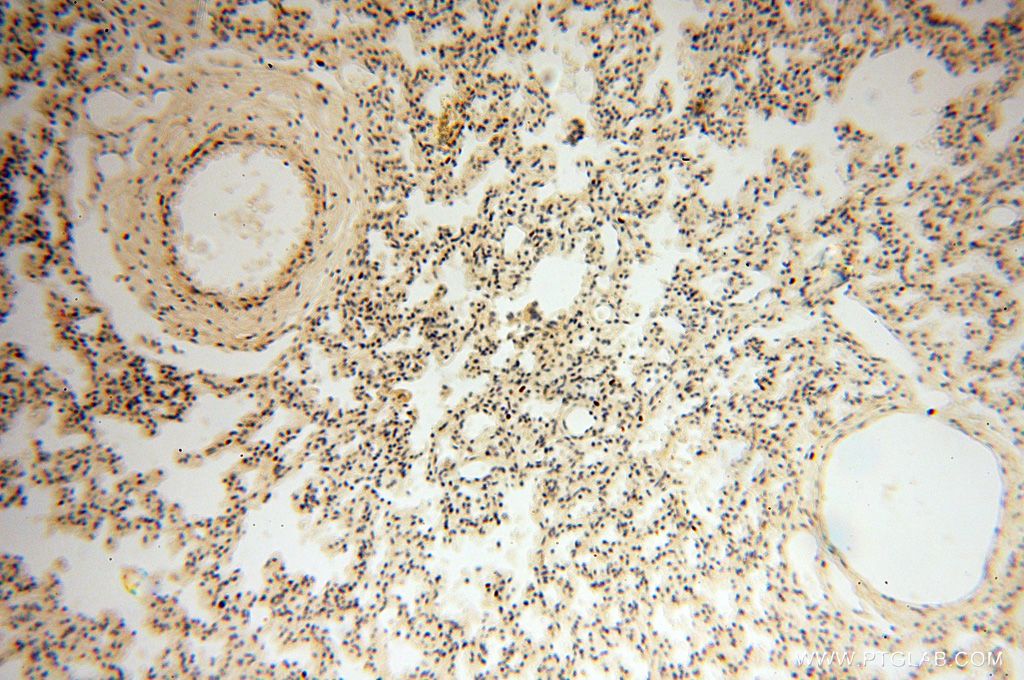
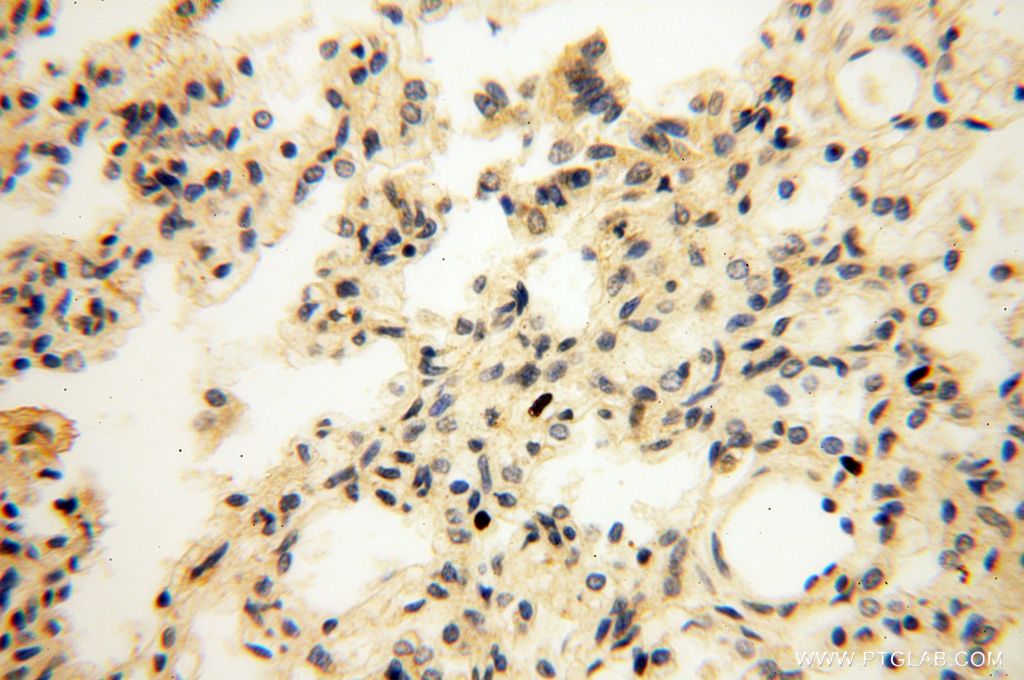
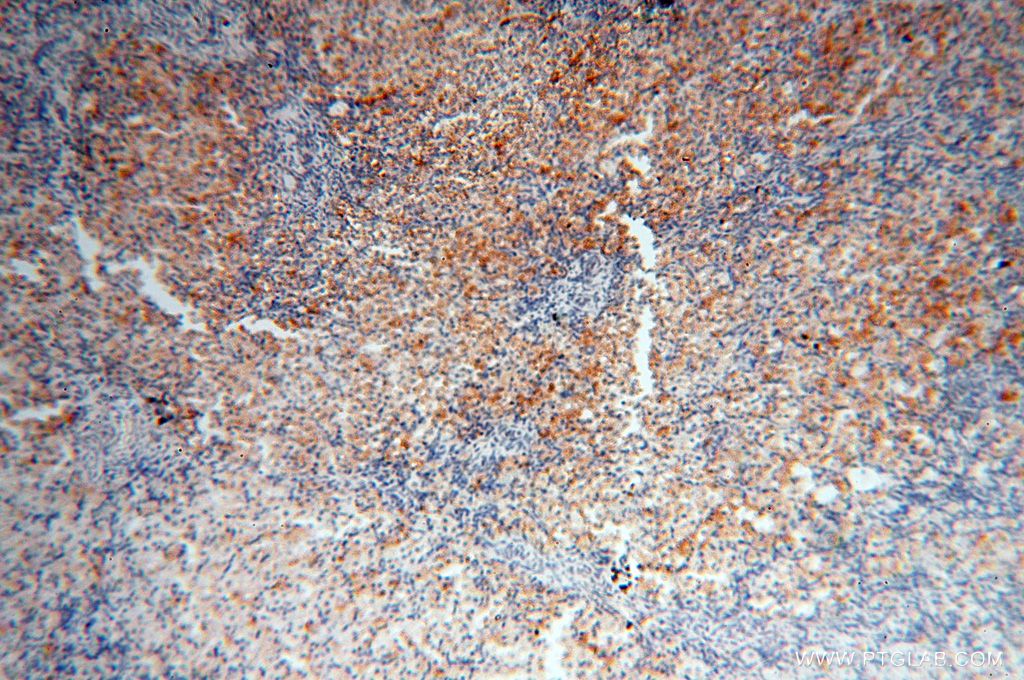
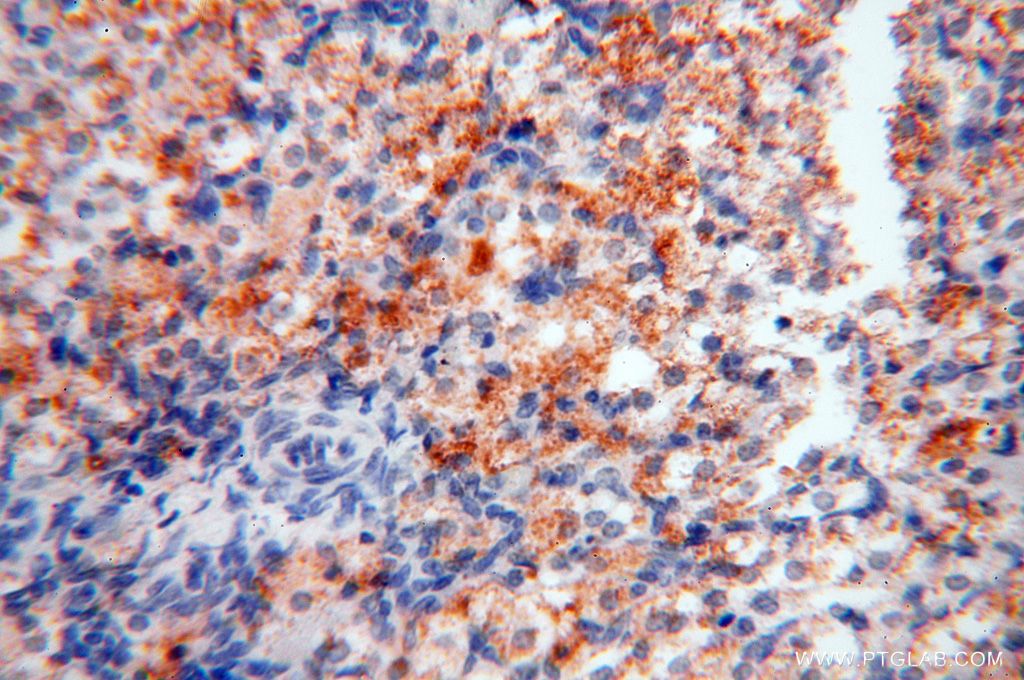
| Positive IHC detected in | human kidney tissue, human testis tissue, human spleen tissue, human lung tissue, human ovary tissue, human prostate cancer tissue Note: suggested antigen retrieval with TE buffer pH 9.0; (*) Alternatively, antigen retrieval may be performed with citrate buffer pH 6.0 |
Recommended dilution
| Application | Dilution |
|---|---|
| Immunohistochemistry (IHC) | IHC : 1:50-1:500 |
| It is recommended that this reagent should be titrated in each testing system to obtain optimal results. | |
| Sample-dependent, Check data in validation data gallery. | |
Product Information
13778-1-AP targets TSLP in WB, IHC, ELISA applications and shows reactivity with human samples.
| Tested Reactivity | human |
| Cited Reactivity | human, mouse |
| Host / Isotype | Rabbit / IgG |
| Class | Polyclonal |
| Type | Antibody |
| Immunogen |
CatNo: Ag4771 Product name: Recombinant human TSLP protein Source: e coli.-derived, PGEX-4T Tag: GST Domain: 79-159 aa of BC016720 Sequence: IQSLTFNPTAGCASLAKEMFAMKTKAALAIWCPGYSETQINATQAMKKRRKRKVTTNKCLEQVSQLQGLWRRFNRPLLKQQ Predict reactive species |
| Full Name | thymic stromal lymphopoietin |
| Calculated Molecular Weight | 15 kDa, 42 kDa |
| GenBank Accession Number | BC016720 |
| Gene Symbol | TSLP |
| Gene ID (NCBI) | 85480 |
| RRID | AB_2208528 |
| Conjugate | Unconjugated |
| Form | Liquid |
| Purification Method | Antigen affinity purification |
| UNIPROT ID | Q969D9 |
| Storage Buffer | PBS with 0.02% sodium azide and 50% glycerol, pH 7.3. |
| Storage Conditions | Store at -20°C. Stable for one year after shipment. Aliquoting is unnecessary for -20oC storage. 20ul sizes contain 0.1% BSA. |
Background Information
TSLP is a hemopoietic cytokine proposed to signal through a heterodimeric receptor complex composed of the thymic stromal lymphopoietin receptor and the IL-7R alpha chain, it mainly impacts myeloid cells and induces the release of T cell-attracting chemokines from monocytes and enhances the maturation of CD11c(+) dendritic cells. Another isoform of this protein may act as an antimicrobial peptide in the oral cavity and on the skin (PMID: 24850429).
Protocols
| Product Specific Protocols | |
|---|---|
| IHC protocol for TSLP antibody 13778-1-AP | Download protocol |
| Standard Protocols | |
|---|---|
| Click here to view our Standard Protocols |
Publications
What published studies show
The TSLP Polyclonal antibody (Cat# 13778-1-AP) has 21 citations across journals including Nature Communications, Phytomedicine, Journal of Investigative Dermatology, Journal of Ethnopharmacology, International Immunopharmacology, Cell Systems, British Journal of Dermatology, FASEB Journal, and others. Research fields span atopic dermatitis, asthma, IgG4-related disease, psoriasis, bullous pemphigoid, urticaria, enterocolitis, chronic rhinosinusitis, ferroptosis, and CRISPR-based gene activation, with applications primarily in IHC and WB.
| Species | Application | Title |
|---|---|---|
Nat Commun A compact and inducible dCas12f-based CRISPRa platform for programmable in vivo gene activation. | ||
Phytomedicine Total alkaloids of Fritillaria unibracteata var. wabuensis bulbus ameliorate chronic asthma via the TRPV1/Ca2+/NFAT pathway | ||
J Transl Med TSLP promoting B cell proliferation and polarizing follicular helper T cell as a therapeutic target in IgG4-related disease | ||
Br J Dermatol Elevations in Th2-initiating cytokines (IL-33, IL-25, TSLP) in lesional skin from Chronic Spontaneous ("Idiopathic") Urticaria. | ||
Cell Mol Gastroenterol Hepatol TSLP-driven B cell hyper-activation impairs intestinal epithelial homeostasis predisposing to enterocolitis in Hirschsprung disease. | ||
Cell Syst A digital CRISPR-dCas9-based gene remodeling biocomputer programmed by dietary compounds in mammals |
Reviews
What customers say
The single review rates the product 3 out of 5 stars. The reviewer used the antibody for ELISA at a 1 µg/mL dilution against recombinant human TSLP protein coated at 2 µg/mL. Their main feedback was a wish for the antibody to be stable at 4 °C, as they only use 1 µL per assay and currently store it at −20 °C. No issues with performance or specificity were reported.
The reviews below have been submitted by verified Proteintech customers who received an incentive for providing their feedback.
Becky (Verified Customer) (07-30-2018) | It would be great to have this ab stable at 4C. I only use 1uL at a time for ELISA, and storage is -20.
|













