

Tested Applications
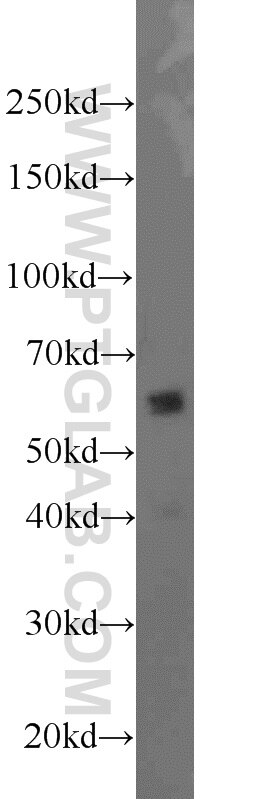
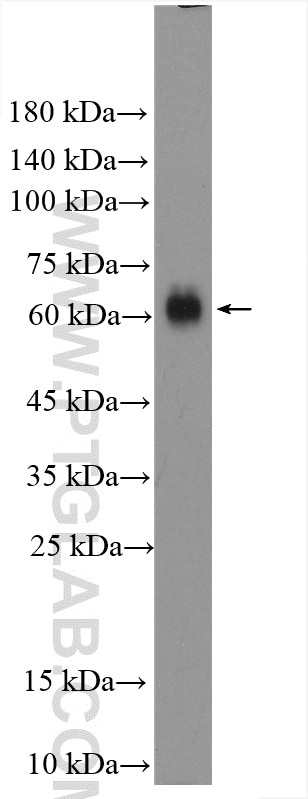
| Positive WB detected in | rat brain tissue |
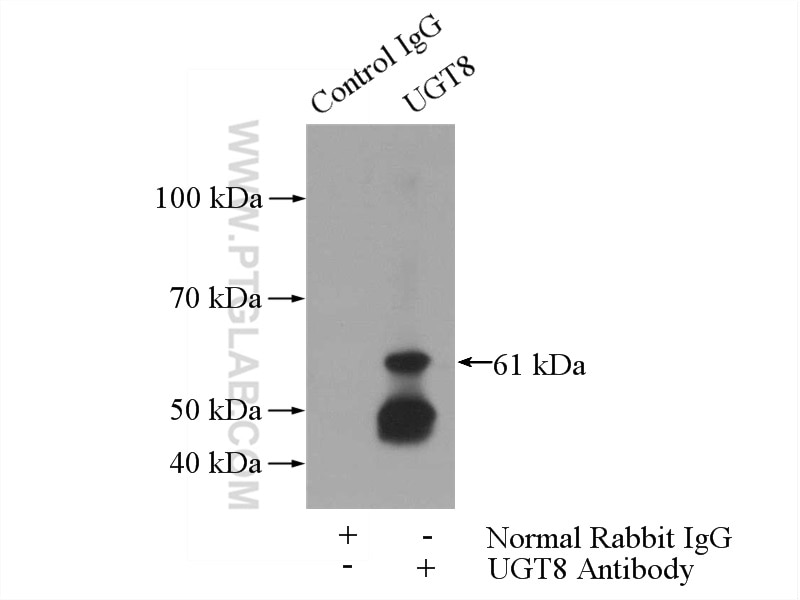
| Positive IP detected in | rat brain tissue |
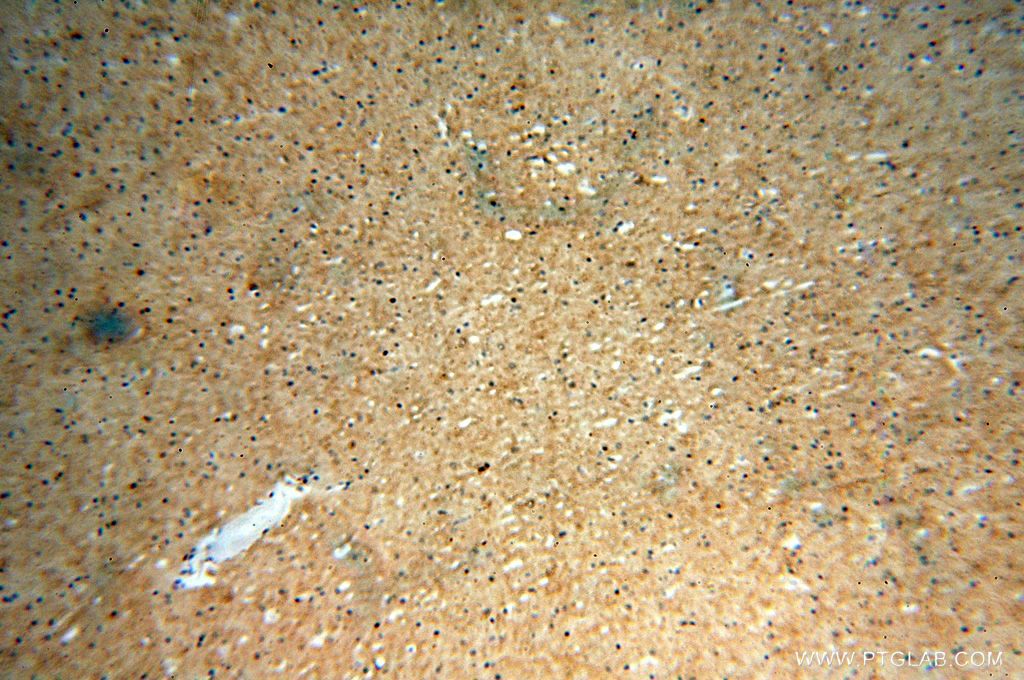
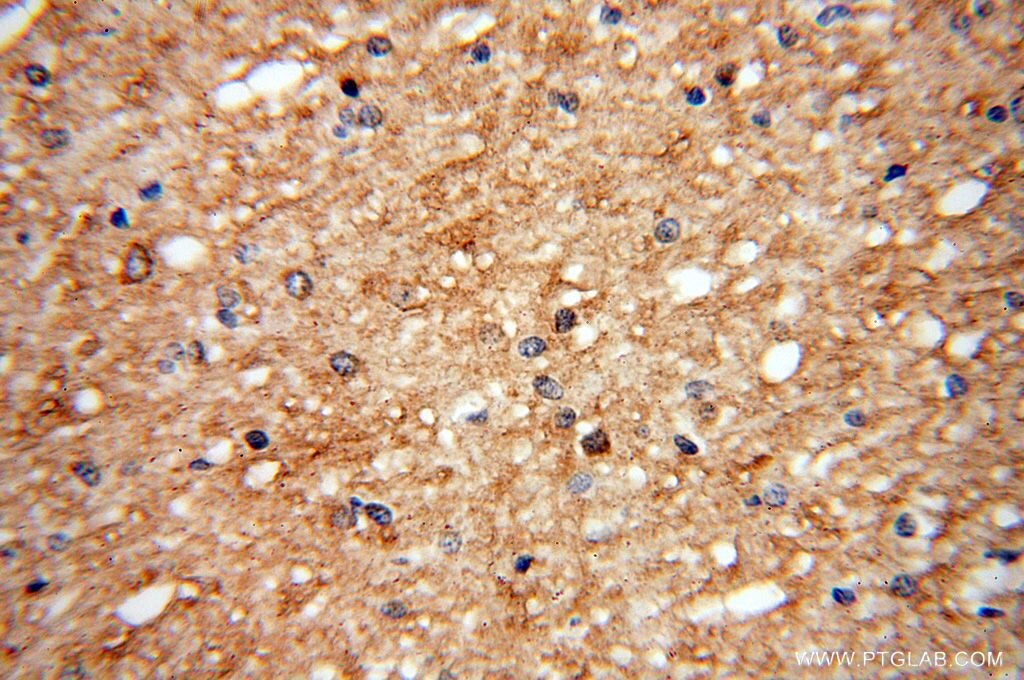
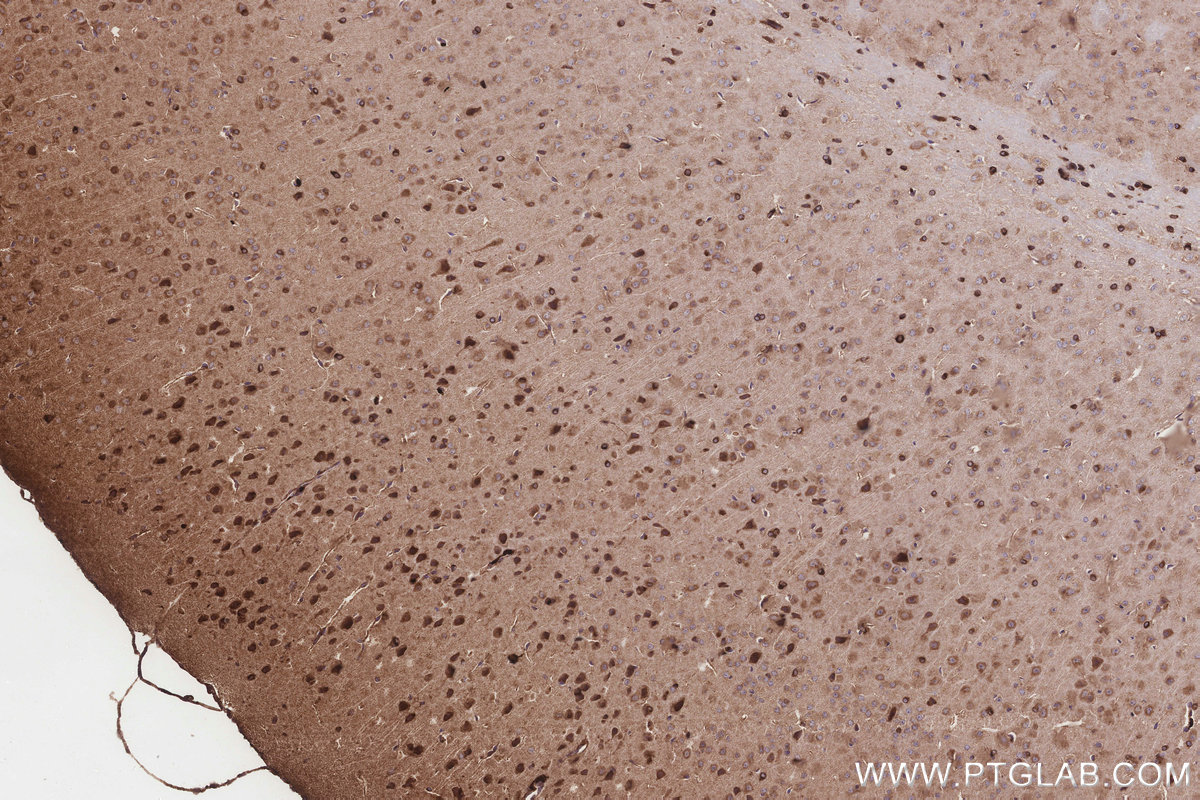
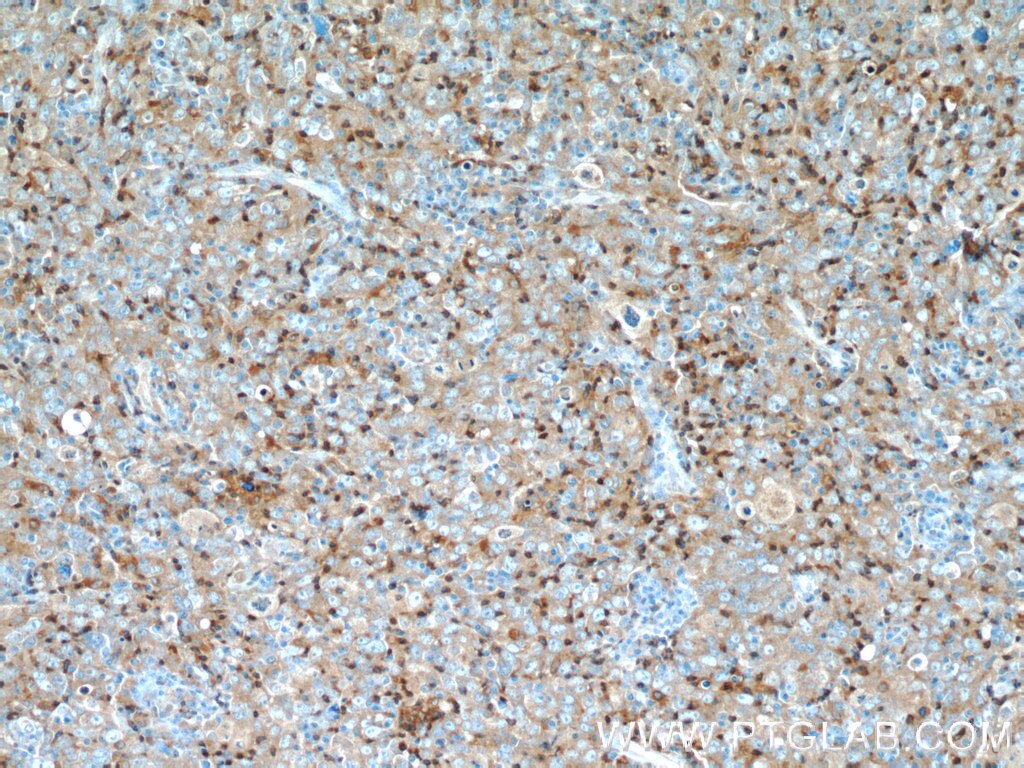
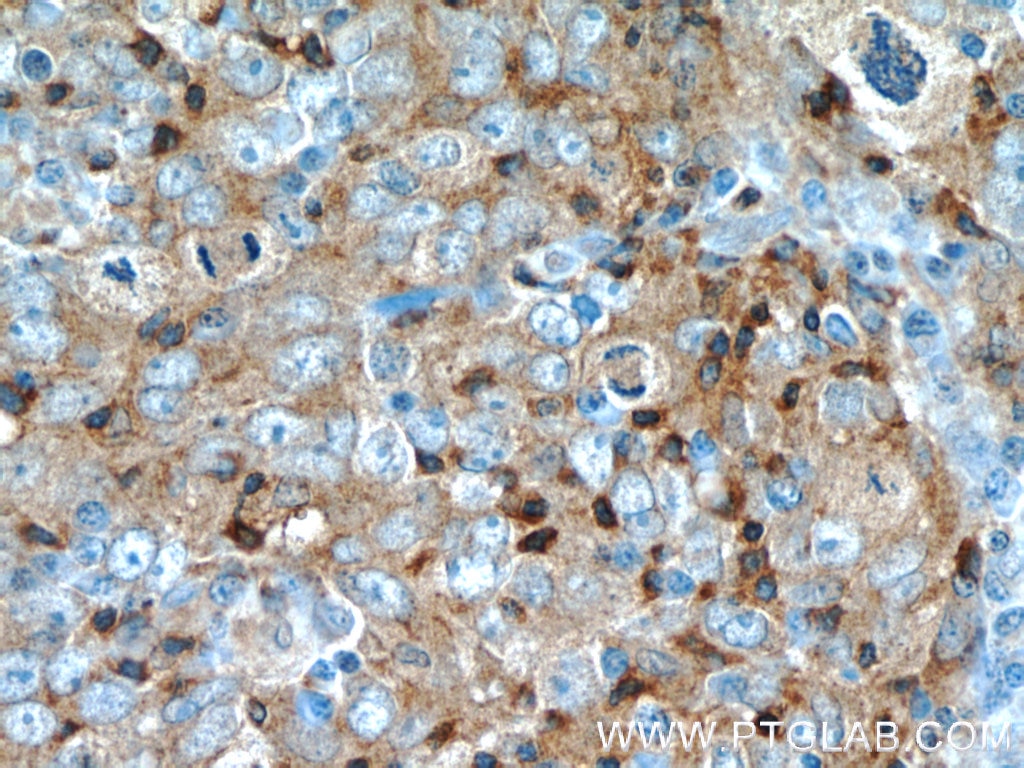
| Positive IHC detected in | human brain tissue, human breast cancer tissue, mouse brain tissue Note: suggested antigen retrieval with TE buffer pH 9.0; (*) Alternatively, antigen retrieval may be performed with citrate buffer pH 6.0 |
Recommended dilution
| Application | Dilution |
|---|---|
| Western Blot (WB) | WB : 1:500-1:2000 |
| Immunoprecipitation (IP) | IP : 0.5-4.0 ug for 1.0-3.0 mg of total protein lysate |
| Immunohistochemistry (IHC) | IHC : 1:20-1:200 |
| It is recommended that this reagent should be titrated in each testing system to obtain optimal results. | |
| Sample-dependent, Check data in validation data gallery. | |
Product Information
17982-1-AP targets UGT8 in WB, IHC, IF, IP, ELISA applications and shows reactivity with human, mouse, rat samples.
| Tested Reactivity | human, mouse, rat |
| Cited Reactivity | human, mouse, rat |
| Host / Isotype | Rabbit / IgG |
| Class | Polyclonal |
| Type | Antibody |
| Immunogen |
CatNo: Ag12393 Product name: Recombinant human UGT8 protein Source: e coli.-derived, PET28a Tag: 6*His Domain: 38-402 aa of BC075069 Sequence: FKTLASALHERGHHTVFLLSEGRDIAPSNHYSLQRYPGIFNSTTSDAFLQSKMRNIFSGRLTAIELFDILDHYTKNCDLMVGNHALIQGLKKEKFDLLLVDPNDMCGFVIAHLLGVKYAVFSTGLWYPAEVGAPAPLAYVPEFNSLLTDRMNLLQRMKNTGVYLISRLGVSFLVLPKYERIMQKYNLLPEKSMYDLVHGSSLWMLCTDVALEFPRPTLPNVVYVGGILTKPASPLPEDLQRWVNGANEHGFVLVSFGAGVKYLSEDIANKLAGALGRLPQKVIWRFSGPKPKNLGNNTKLIEWLPQNDLLGHSKIKAFLSHGGLNSIFETMYHGVPVVGIPLFGDHYDTMTRVQAKGMGILLEWK Predict reactive species |
| Full Name | UDP glycosyltransferase 8 |
| Calculated Molecular Weight | 541 aa, 61 kDa |
| Observed Molecular Weight | 61 kDa |
| GenBank Accession Number | BC075069 |
| Gene Symbol | UGT8 |
| Gene ID (NCBI) | 7368 |
| RRID | AB_2214254 |
| Conjugate | Unconjugated |
| Form | Liquid |
| Purification Method | Antigen affinity purification |
| UNIPROT ID | Q16880 |
| Storage Buffer | PBS with 0.02% sodium azide and 50% glycerol, pH 7.3. |
| Storage Conditions | Store at -20°C. Stable for one year after shipment. Aliquoting is unnecessary for -20oC storage. 20ul sizes contain 0.1% BSA. |
Background Information
UGT8, also known as galacotosylceramide synthase or CGT (ceramide galactosyltransferase), is a key enzyme for galacotosylceramide (GalCer) biosynthesis. It is an ER transmembrane protein and has limited tissue distribution, with predominance in Schwann cells, oligodendrocytes, kidneys, testes, and intestine. UGT8 is highly enriched in myelin in the central nervous system. Its expression levels are strongly associated with histological typing in human oligodendrogliomas and astrocytomas; can be used as molecular marker to distinguish these tumors. Higher UGT8 levels had also been linked to metastatic properties of cancer cells. This antibody specifically recognizes the endogenous UGT8.
Protocols
| Product Specific Protocols | |
|---|---|
| IHC protocol for UGT8 antibody 17982-1-AP | Download protocol |
| IP protocol for UGT8 antibody 17982-1-AP | Download protocol |
| WB protocol for UGT8 antibody 17982-1-AP | Download protocol |
| Standard Protocols | |
|---|---|
| Click here to view our Standard Protocols |
Publications
What published studies show
The anti-UGT8 antibody (Cat# 17982-1-AP) has 17 citations spanning journals including Nature Communications, Cell Death & Differentiation, Journal of Experimental Medicine, Molecular Oncology, Glia, and Free Radical Biology and Medicine. Research fields cover CNS lipid/myelin metabolism, cancer biology (colorectal, breast, cervical, gastric, glioma), neurotoxicology, diabetic neuropathy, addiction neuroscience, and UGT transcriptome diversity. Applications include WB, IF, and IHC across human, mouse, rat, and bovine species.
| Species | Application | Title |
|---|---|---|
Nat Commun Nonvesicular lipid transfer drives myelin growth in the central nervous system | ||
Cell Death Differ UGT8 mediated sulfatide synthesis modulates BAX localization and dictates apoptosis sensitivity of colorectal cancer | ||
J Exp Med Inhibition of UGT8 suppresses basal-like breast cancer progression by attenuating sulfatide-αVβ5 axis.
| ||
Neurotherapeutics Diffusion Efficiency and Bioavailability of Resveratrol Administered to Rat Brain by Different Routes: Therapeutic Implications. | ||
Mol Cell Proteomics Metabolic Enzyme Alterations and Astrocyte Dysfunction in a Murine Model of Alexander Disease With Severe Reactive Gliosis. | ||
Glia Regulation of lipid synthesis in myelin modulates neural activity and is required for motor learning |









