

Tested Applications
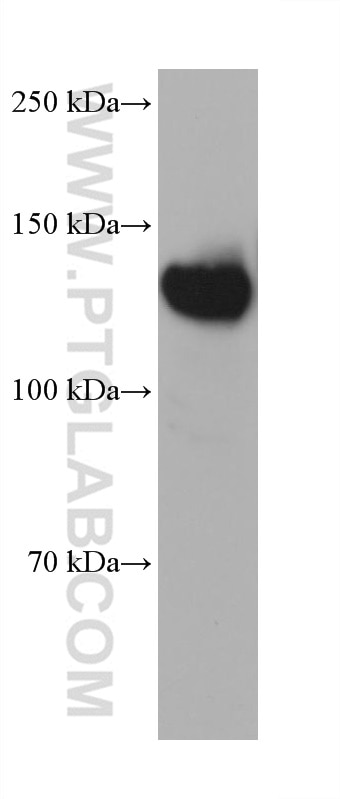
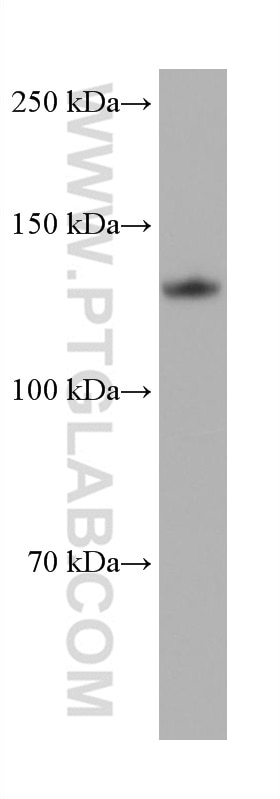
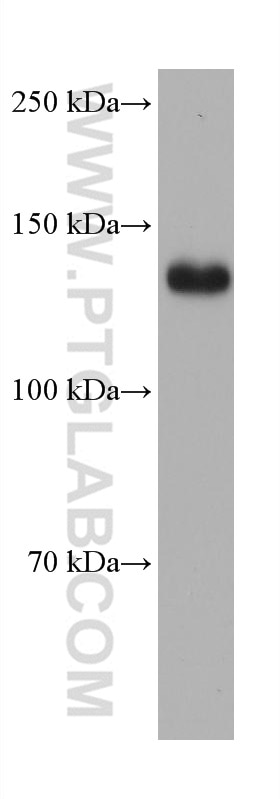
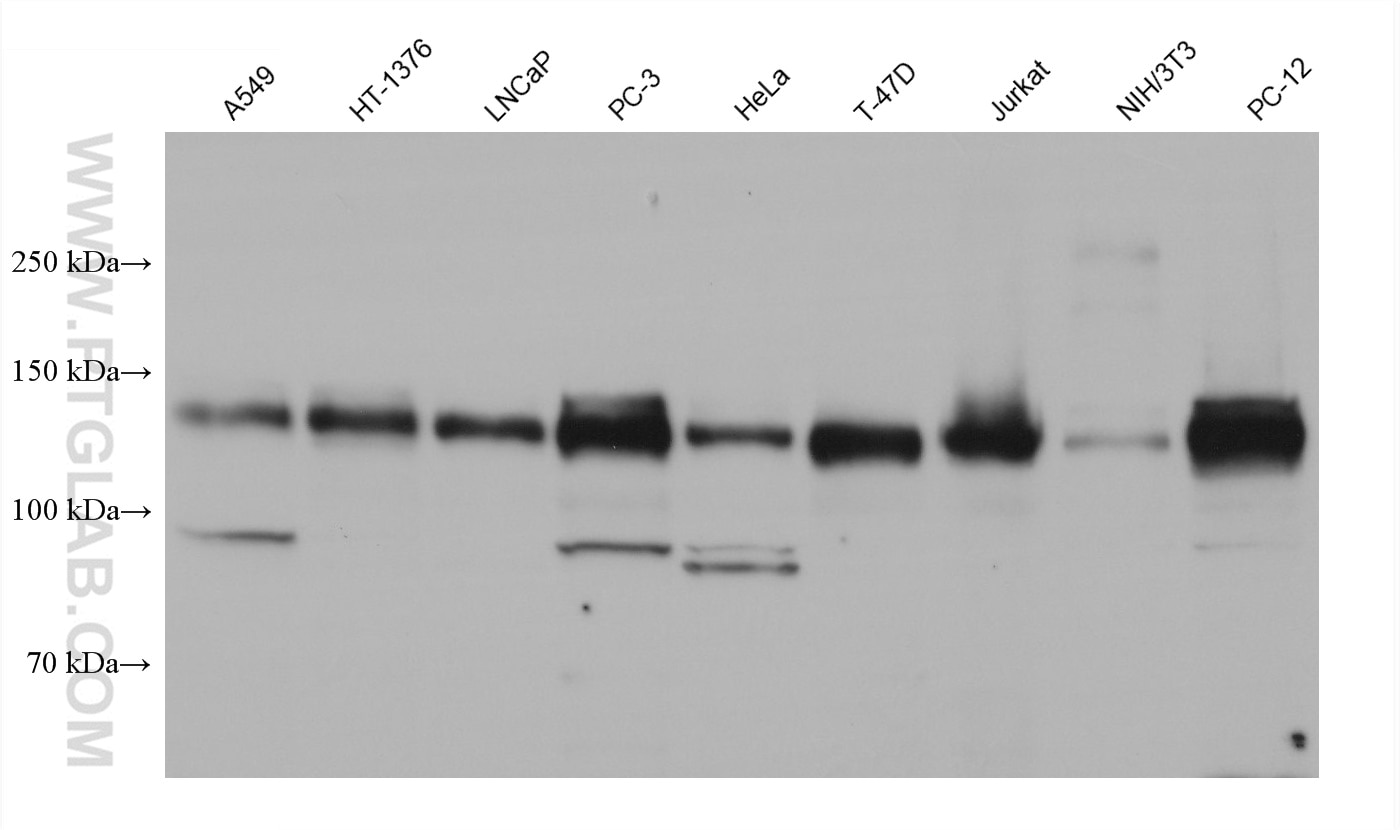
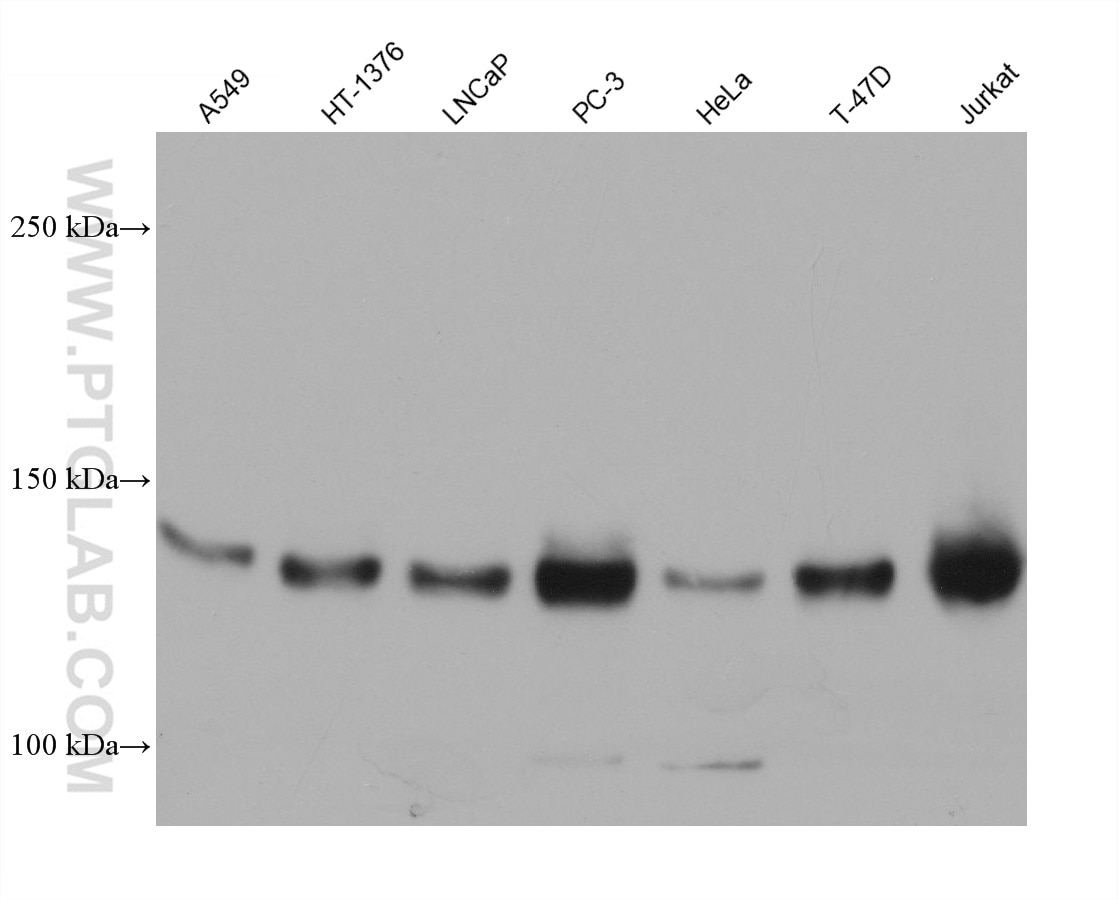
| Positive WB detected in | A549 cells, PC-3 cells, HeLa cells, Jurkat cells, HT-1376 cells, LnCaP cells, T-47D cells, NIH/3T3 cells, PC-12 cells |
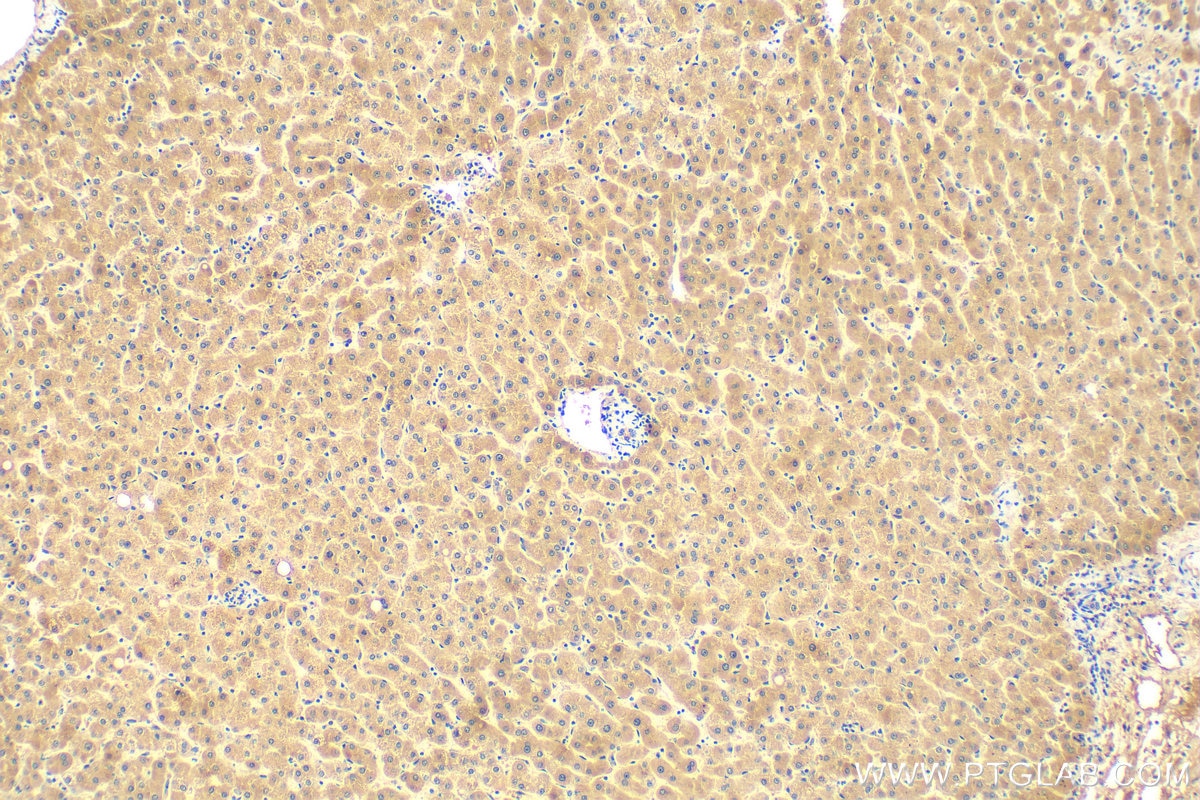
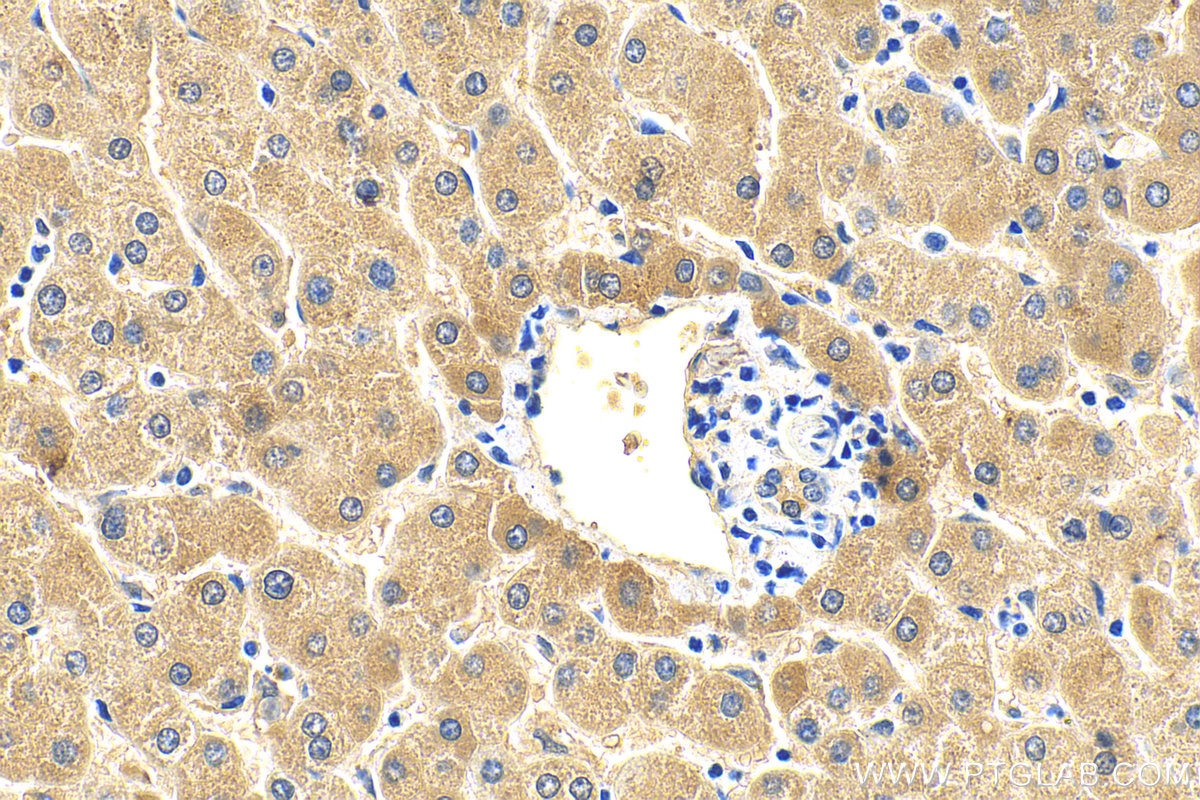
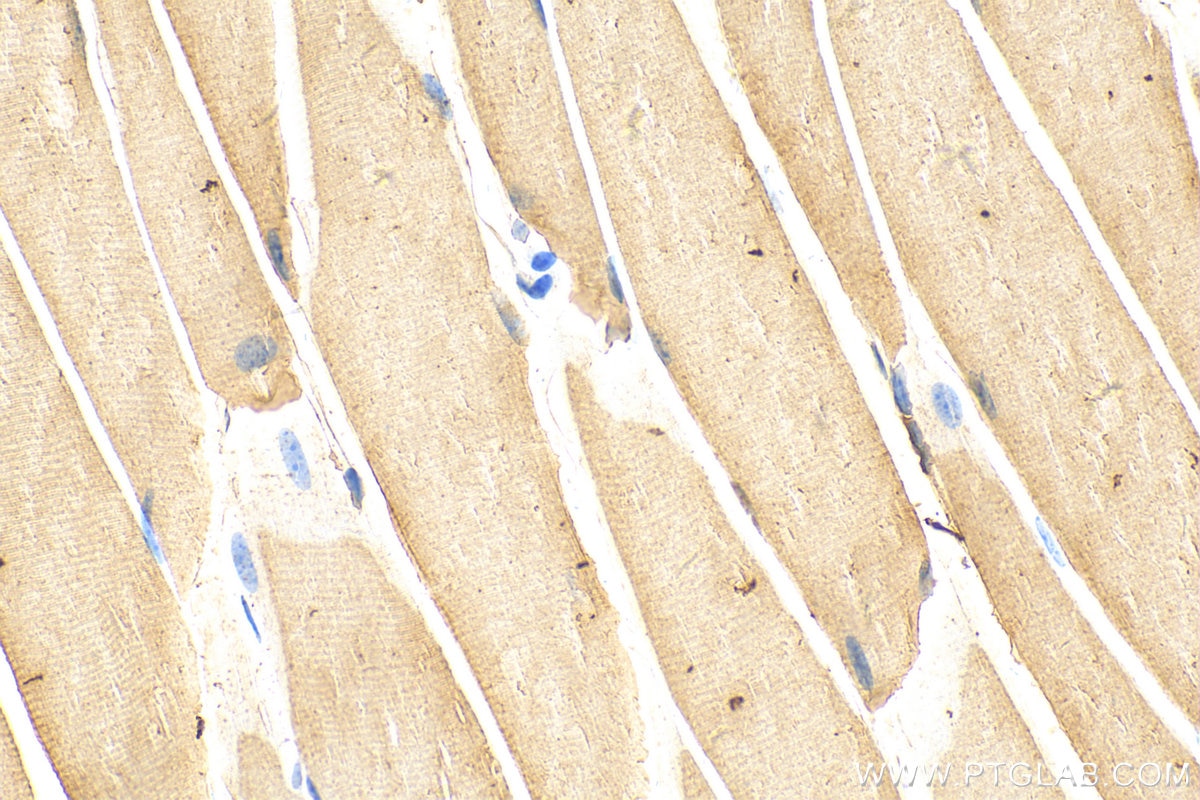
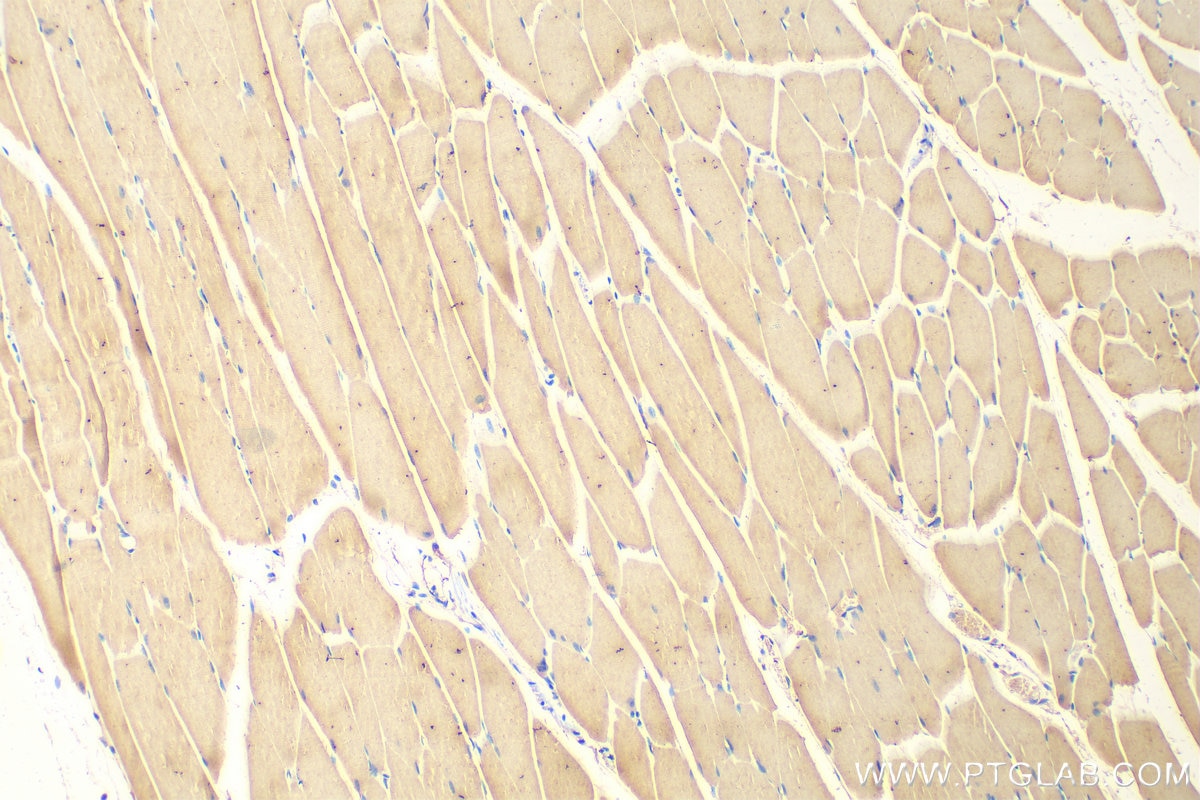
| Positive IHC detected in | human liver tissue, mouse skeletal muscle tissue Note: suggested antigen retrieval with TE buffer pH 9.0; (*) Alternatively, antigen retrieval may be performed with citrate buffer pH 6.0 |
Recommended dilution
| Application | Dilution |
|---|---|
| Western Blot (WB) | WB : 1:5000-1:50000 |
| Immunohistochemistry (IHC) | IHC : 1:50-1:500 |
| It is recommended that this reagent should be titrated in each testing system to obtain optimal results. | |
| Sample-dependent, Check data in validation data gallery. | |
Product Information
68445-1-Ig targets ULK1 in WB, IHC, ELISA applications and shows reactivity with human, mouse, rat samples.
| Tested Reactivity | human, mouse, rat |
| Cited Reactivity | human, mouse, rat |
| Host / Isotype | Mouse / IgG1 |
| Class | Monoclonal |
| Type | Antibody |
| Immunogen |
CatNo: Ag22397 Product name: Recombinant human ULK1 protein Source: e coli.-derived, PET28a Tag: 6*His Domain: 17-466 aa of NM_003565 Sequence: SRKDLIGHGAFAVVFKGRHREKHDLEVAVKCINKKNLAKSQTLLGKEIKILKELKHENIVALYDFQEMANSVYLVMEYCNGGDLADYLHAMRTLSEDTIRLFLQQIAGAMRLLHSKGIIHRDLKPQNILLSNPAGRRANPNSIRVKIADFGFARYLQSNMMAATLCGSPMYMAPEVIMSQHYDGKADLWSIGTIVYQCLTGKAPFQASSPQDLRLFYEKNKTLVPTIPRETSAPLRQLLLALLQRNHKDRMDFDEFFHHPFLDASPSVRKSPPVPVPSYPSSGSGSSSSSSSTSHLASPPSLGEMQQLQKTLASPADTAGFLHSSRDSGGSKDSSCDTDDFVMVPAQFPGDLVAEAPSAKPPPDSLMCSGSSLVASAGLESHGRTPSPSPPCSSSPSPSGRAGPFSSSRCGASVPIPVPTQVQNYQRIERNLQSPTQFQTPRSSAIRRSG Predict reactive species |
| Full Name | unc-51-like kinase 1 (C. elegans) |
| Observed Molecular Weight | 130-150 kDa |
| GenBank Accession Number | NM_003565 |
| Gene Symbol | ULK1 |
| Gene ID (NCBI) | 8408 |
| RRID | AB_3085157 |
| Conjugate | Unconjugated |
| Form | Liquid |
| Purification Method | Protein G purification |
| UNIPROT ID | O75385 |
| Storage Buffer | PBS with 0.02% sodium azide and 50% glycerol, pH 7.3. |
| Storage Conditions | Store at -20°C. Stable for one year after shipment. Aliquoting is unnecessary for -20oC storage. 20ul sizes contain 0.1% BSA. |
Background Information
ULK1, also named as KIAA0722, belongs to the protein kinase superfamily, Ser/Thr protein kinase family and APG1/unc-51/ULK1 subfamily. It is involved in autophagy. ULK1 is required for autophagosome formation. It forms a stable complex with Atg13 and focal adhesion kinase (FAK) family interacting protein of 200 kDa (FIP 200)(PMID:21460634). ULK1 phosphorylates ATG13/KIAA0652. It is involved in axon growth. ULK1 plays an essential role in neurite extension of cerebellar granule cells. ULK1 represents a potential novel prognostic biomarker for HCC patients and may play an important role during the progression of HCC(PMID:23573318).
Protocols
| Product Specific Protocols | |
|---|---|
| IHC protocol for ULK1 antibody 68445-1-Ig | Download protocol |
| WB protocol for ULK1 antibody 68445-1-Ig | Download protocol |
| Standard Protocols | |
|---|---|
| Click here to view our Standard Protocols |
Publications
What published studies show
Anti-ULK1 antibody (Cat# 68445-1-Ig) has 12 citations across 11 journals including Nature Nanotechnology, Journal of Ethnopharmacology, European Journal of Medicinal Chemistry, Journal of Agricultural and Food Chemistry, American Journal of Physiology, Molecular Medicine Reports, Scientific Reports, ACS Infectious Diseases, iScience, Psychopharmacology, and Analytical Cellular Pathology. Research fields span autophagy regulation, cancer (colorectal, hepatocellular, neuroblastoma), liver injury, renal aging, Alzheimer's disease, macrophage senescence, and bacterial infection.
| Species | Application | Title |
|---|---|---|
Nat Nanotechnol Autophagosomes coated in situ with nanodots act as personalized cancer vaccines | ||
J Ethnopharmacol Epimedii Folium and Ligustri Lucidi Fructus synergistically delay renal aging through AMPK/ULK1/Bcl2L13-mediated mitophagy | ||
Eur J Med Chem Discovery of indolinone-based covalent ULK1 inhibitors that suppressed autophagy and induced apoptosis against colorectal carcinoma.
| ||
J Agric Food Chem Lactobacillus plantarum SMUM211204 Exopolysaccharides Have Tumor-Suppressive Effects on Colorectal Cancer by Regulating Autophagy via the mTOR Pathway | ||
Am J Physiol Cell Physiol ITGA3 participates in the pathogenesis of recurrent spontaneous abortion by downregulating ULK1-mediated autophagy to inhibiting trophoblast function | ||
Mol Med Rep Melatonin induces autophagy in neuroblastoma by alleviating Pak2‑mediated endoplasmic reticulum stress. |










