
Product Information
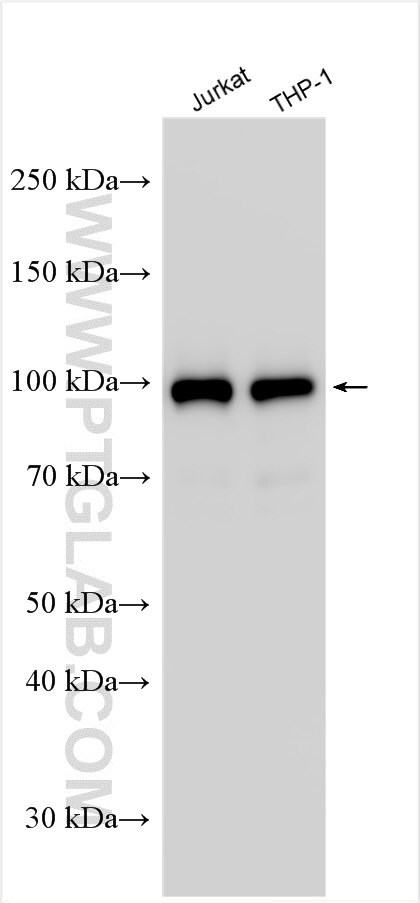
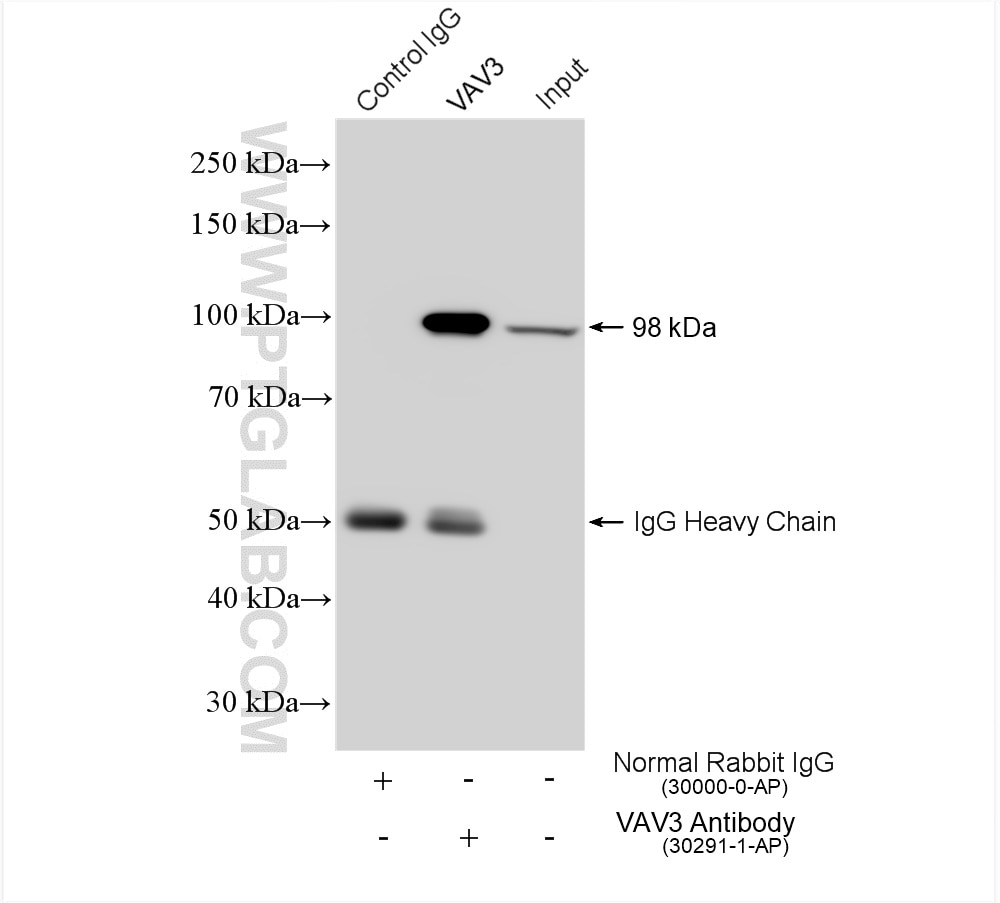
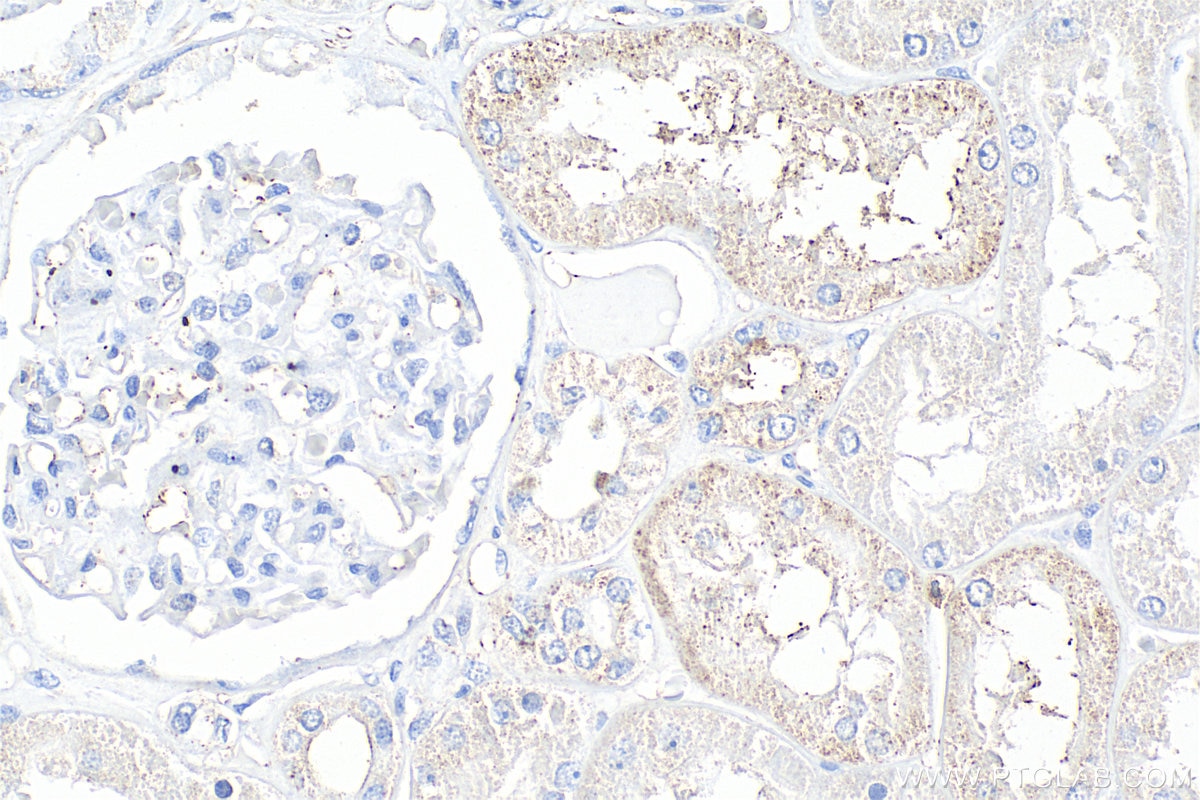
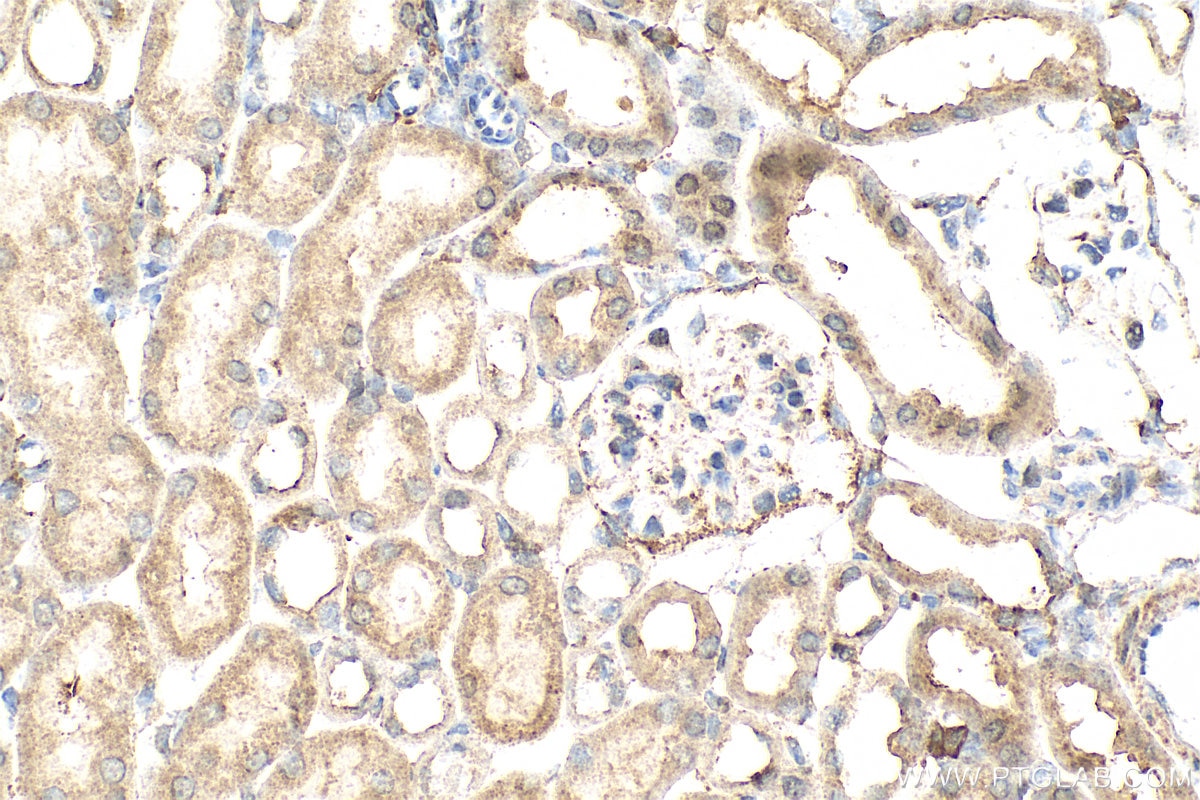
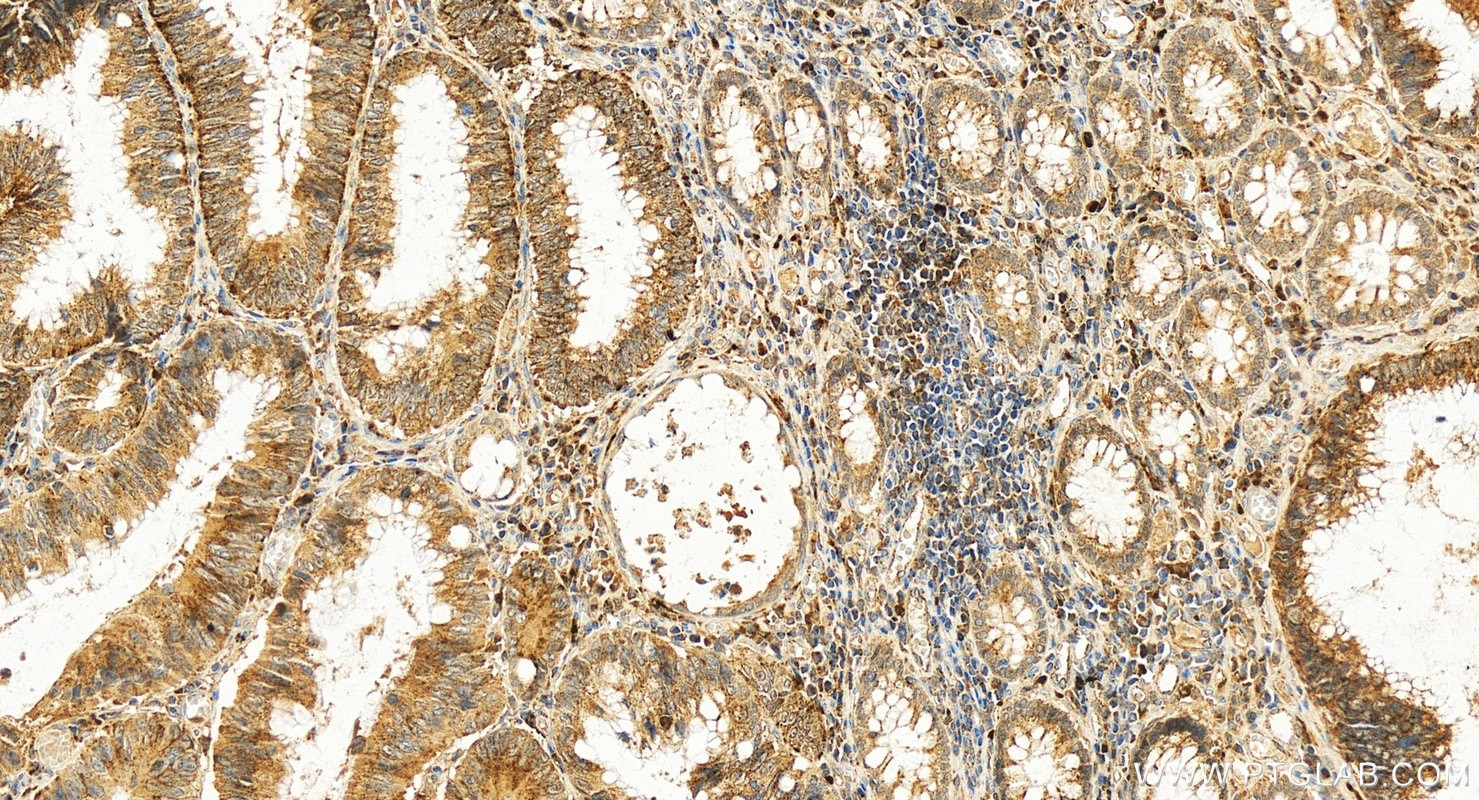
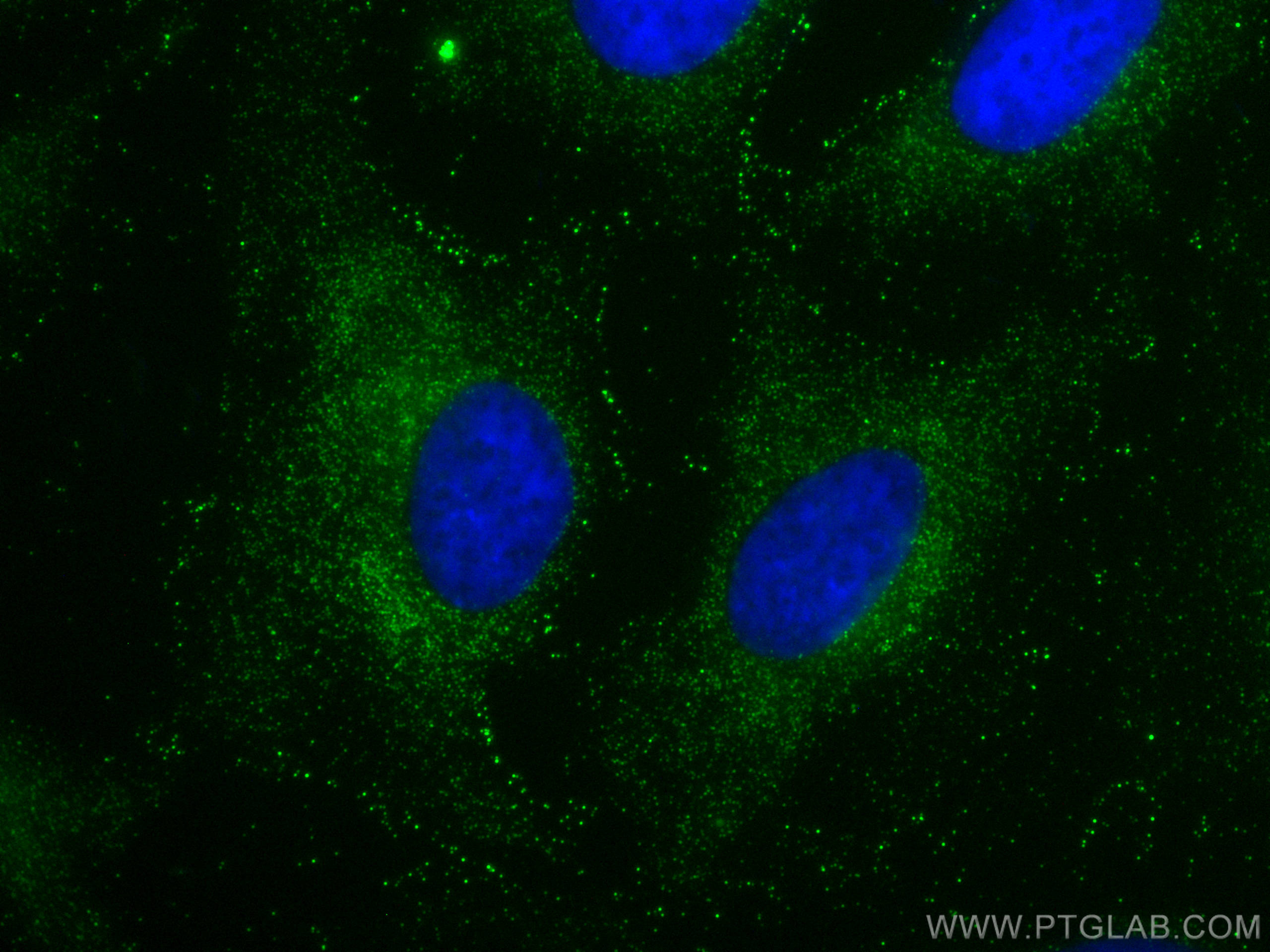
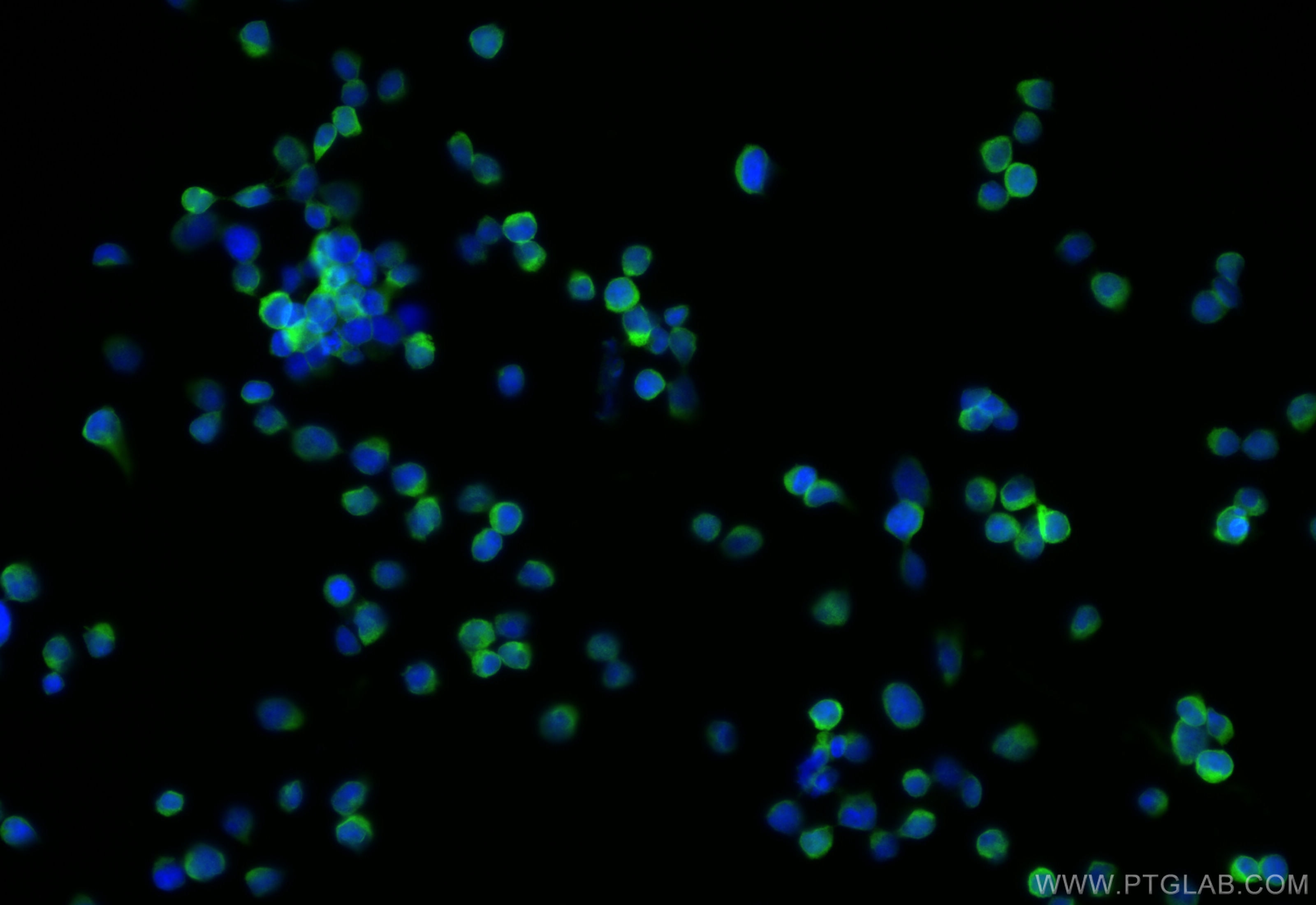
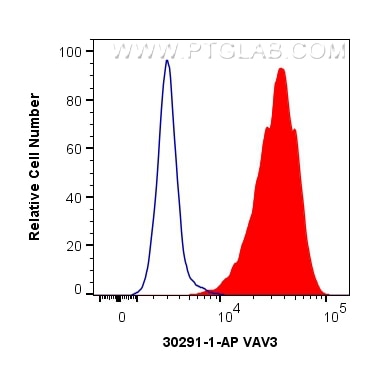
30291-1-PBS targets VAV3 in WB, IHC, IF/ICC, FC (Intra), IP, Indirect ELISA applications and shows reactivity with human samples.
| Tested Reactivity | human |
| Host / Isotype | Rabbit / IgG |
| Class | Polyclonal |
| Type | Antibody |
| Immunogen |
CatNo: Ag33022 Product name: Recombinant human VAV3 protein Source: e coli.-derived, PGEX-4T Tag: GST Domain: 546-847 aa of NM_006113 Sequence: KCGARAHKECLGRVDNCGRVNSGEQGTLKLPEKRTNGLRRTPKQVDPGLPKMQVIRNYSGTPPPALHEGPPLQLQAGDTVELLKGDAHSLFWQGRNLASGEVGFFPSDAVKPCPCVPKPVDYSCQPWYAGAMERLQAETELINRVNSTYLVRHRTKESGEYAISIKYNNEAKHIKILTRDGFFHIAENRKFKSLMELVEYYKHHSLKEGFRTLDTTLQFPYKEPEHSAGQRGNRAGNSLLSPKVLGIAIARYDFCARDMRELSLLKGDVVKIYTKMSANGWWRGEVNGRVGWFPSTYVEEDE Predict reactive species |
| Full Name | vav 3 guanine nucleotide exchange factor |
| Calculated Molecular Weight | 98kd |
| Observed Molecular Weight | 98 kDa |
| GenBank Accession Number | NM_006113 |
| Gene Symbol | VAV3 |
| Gene ID (NCBI) | 10451 |
| RRID | AB_3086288 |
| Conjugate | Unconjugated |
| Form | Liquid |
| Purification Method | Antigen affinity purification |
| UNIPROT ID | Q9UKW4 |
| Storage Buffer | PBS only, pH 7.3. |
| Storage Conditions | Store at -80°C. |
Background Information
Vav3, a member of Dbl family which is also the activator of GTP kinase of Rho family, can activate the expression of RhoA, Racl and Cdc42 (PMID:28285969). Vav3 is associated with tumor growth, apoptosis, invasion, metastasis and angiogenesis (PMID:28285969). Vav3 is a multiple function protein with both signaling molecule and coactivator activities. Vav3 oncogene is overexpressed in androgen-independent prostate cancer cells relative to their androgen-dependent counterparts and contribute to development of hormone refractory prostate cancer (PMID:21455584).









