

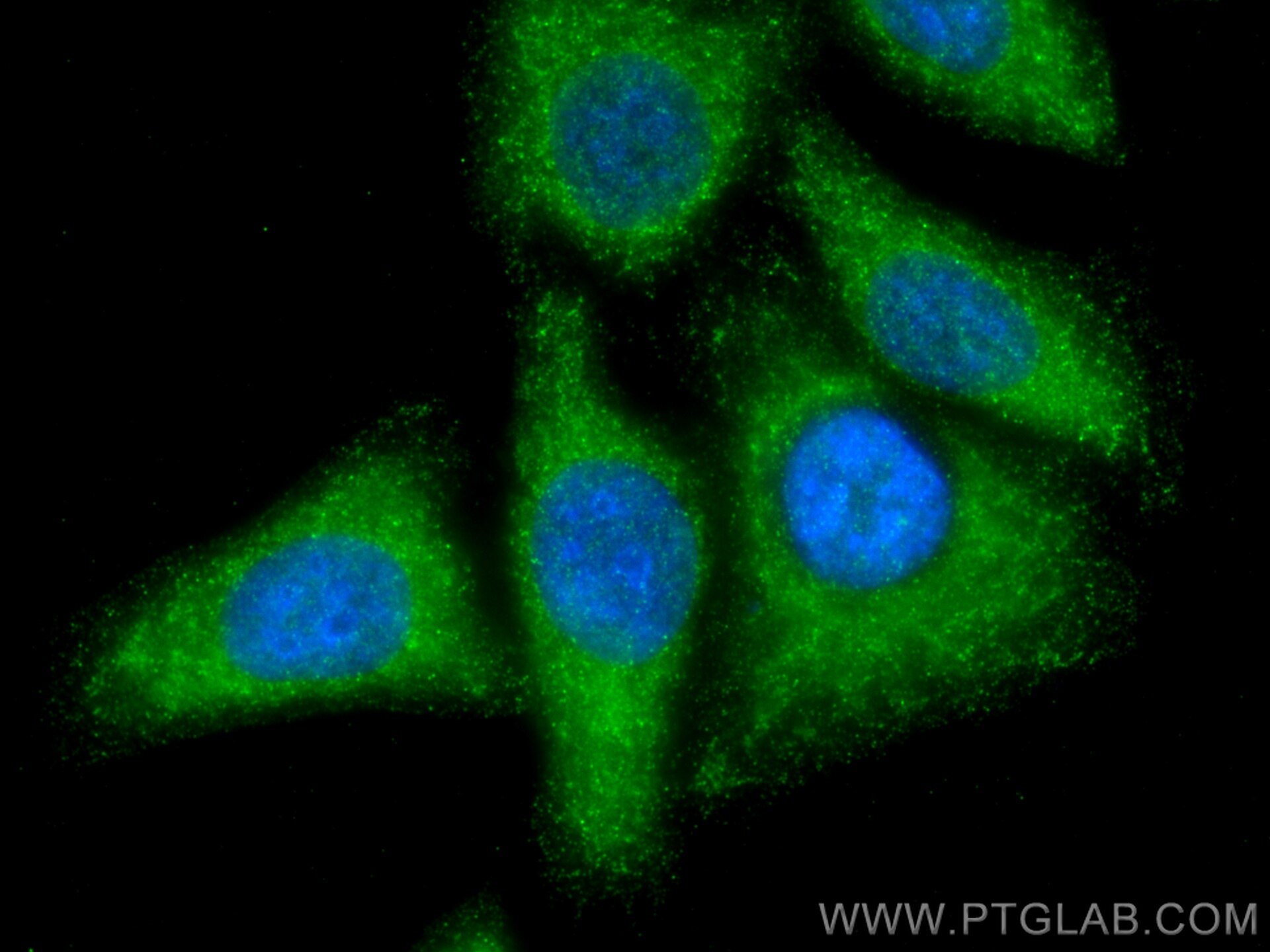

Tested Applications
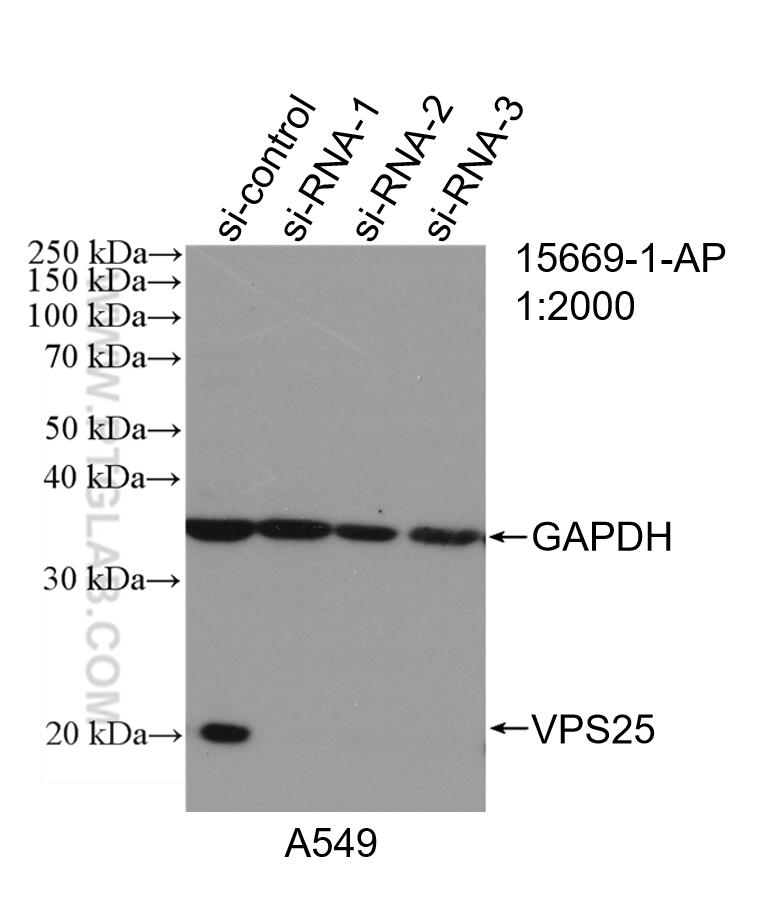
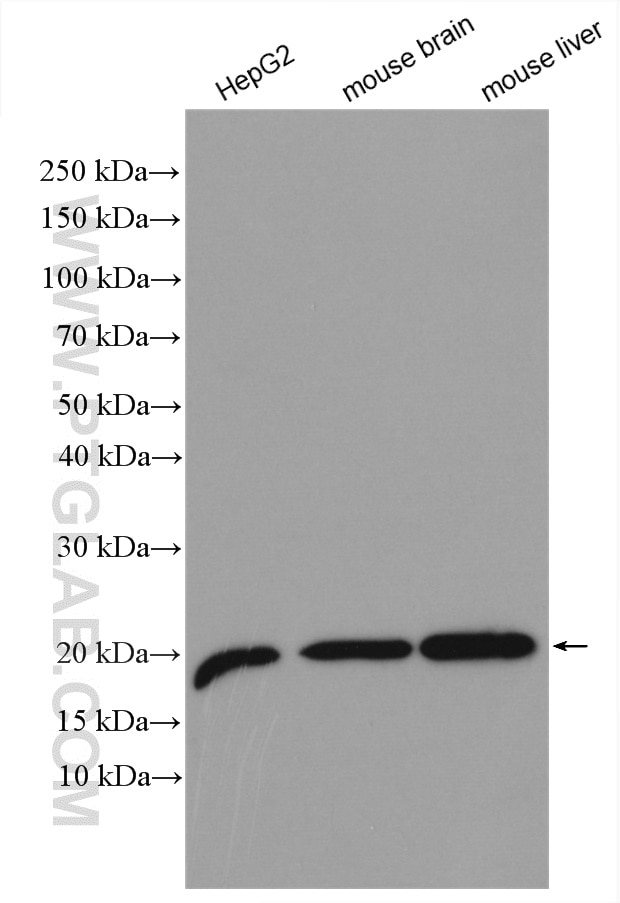
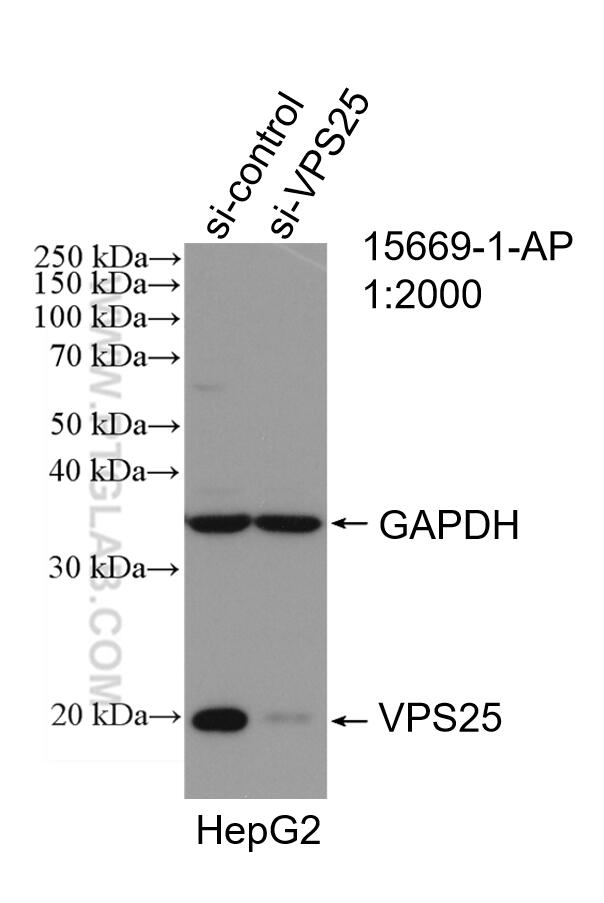
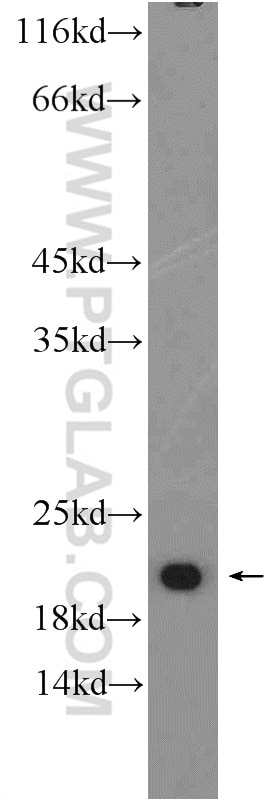
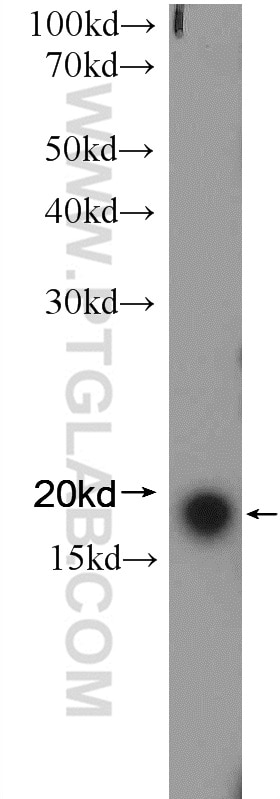
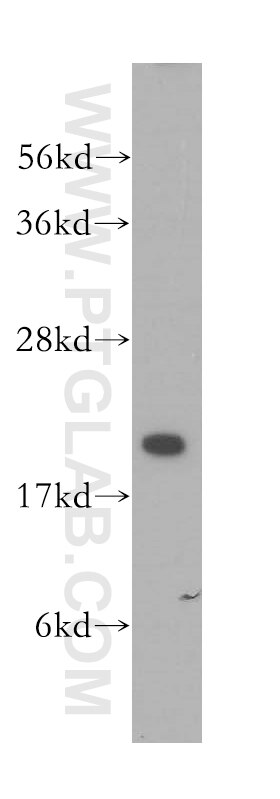
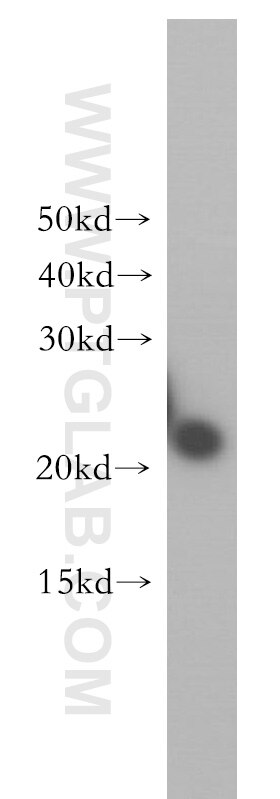
| Positive WB detected in | HepG2 cells, HeLa cells, human brain tissue, mouse liver tissue, A549 cells, rat liver tissue, mouse brain tissue |
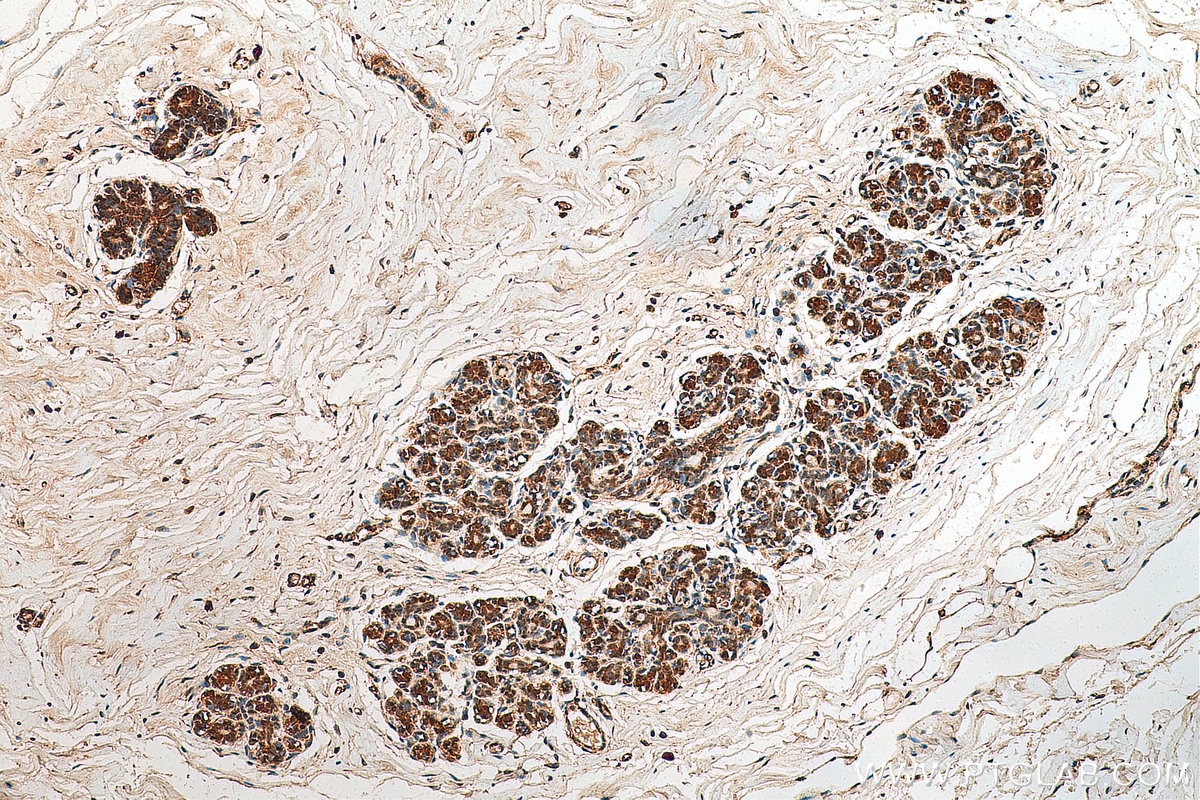
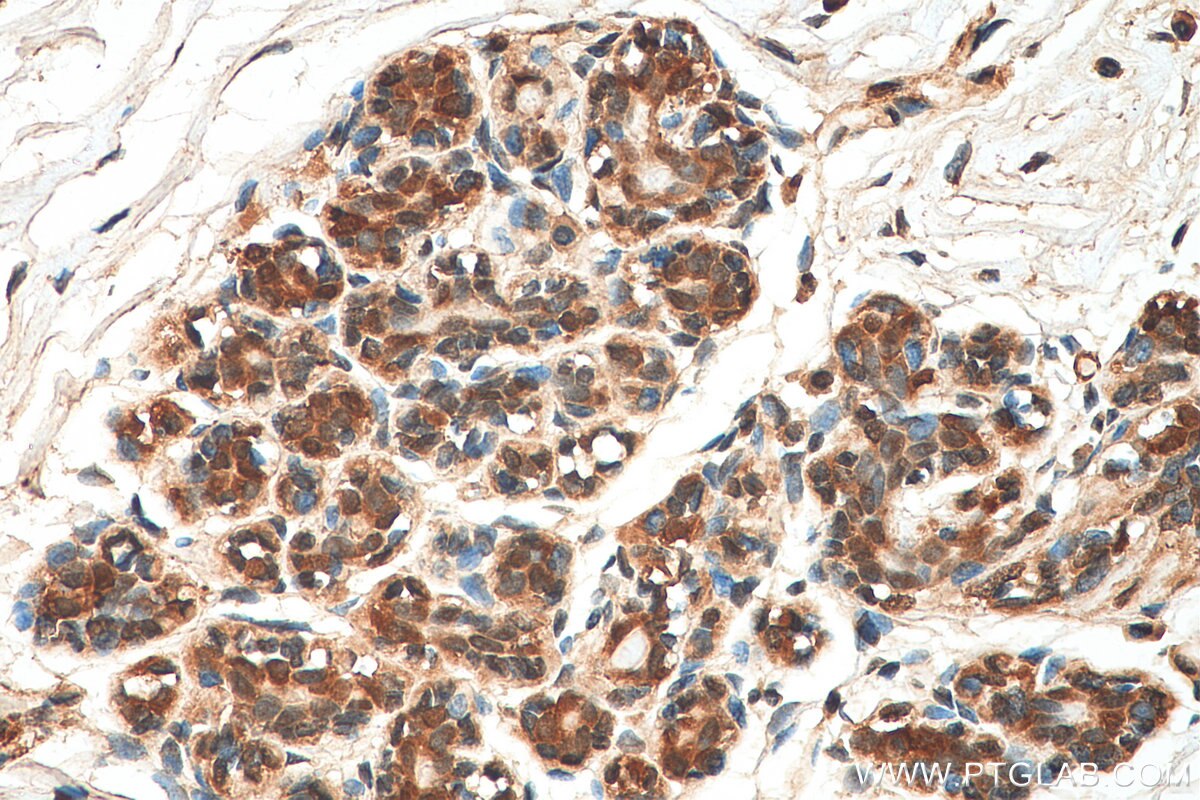
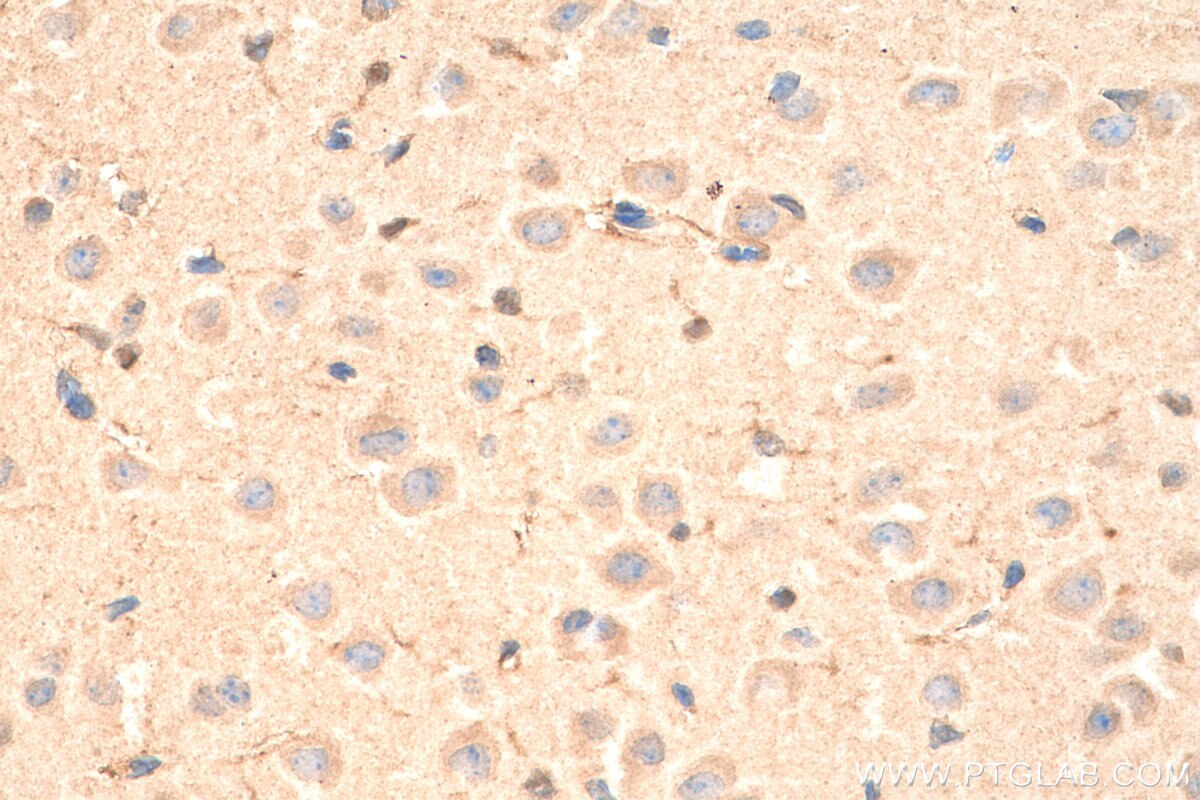
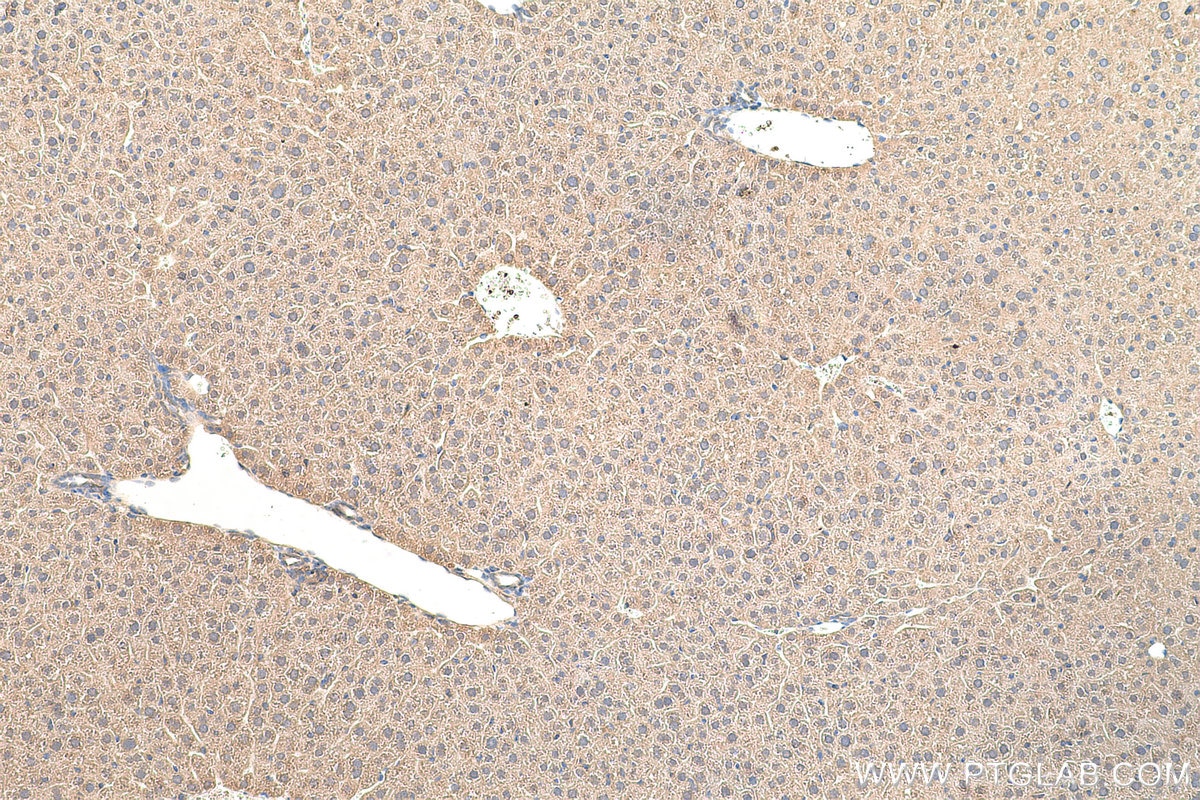
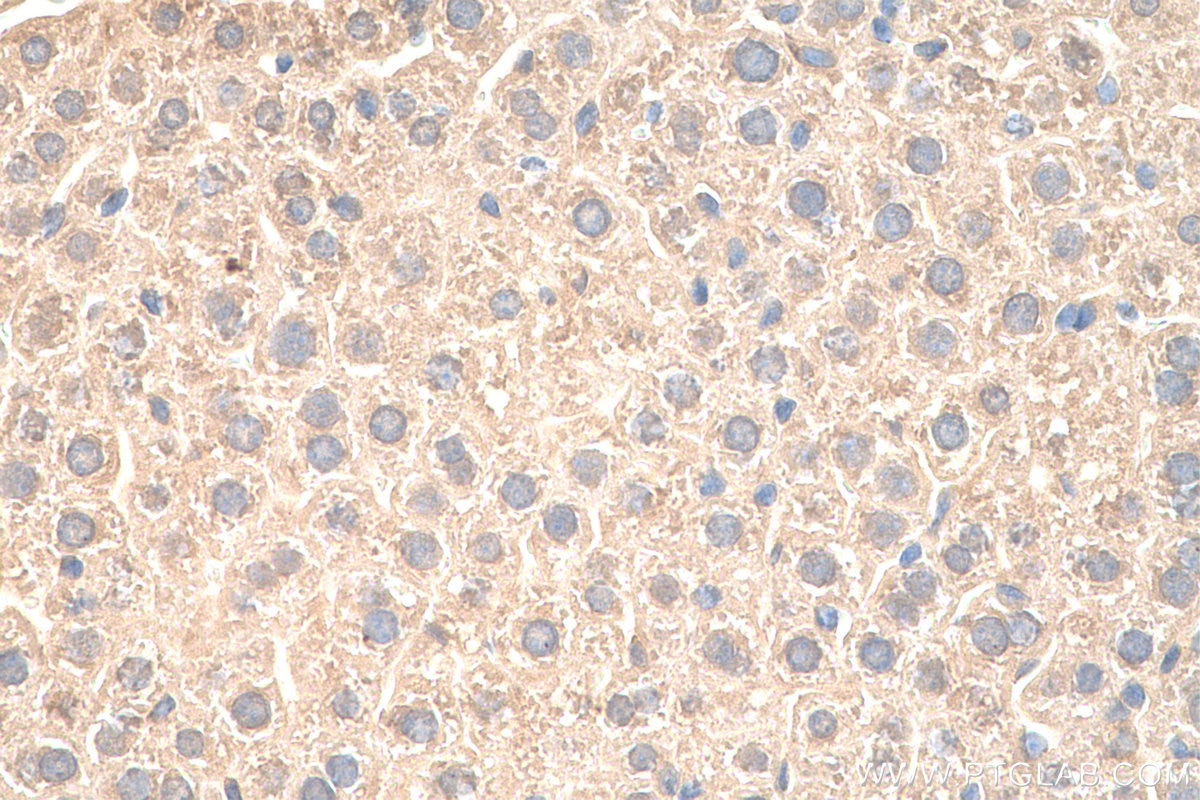
| Positive IHC detected in | human breast cancer tissue, mouse brain tissue, mouse liver tissue Note: suggested antigen retrieval with TE buffer pH 9.0; (*) Alternatively, antigen retrieval may be performed with citrate buffer pH 6.0 |
| Positive IF/ICC detected in | HepG2 cells |
Recommended dilution
| Application | Dilution |
|---|---|
| Western Blot (WB) | WB : 1:500-1:2000 |
| Immunohistochemistry (IHC) | IHC : 1:50-1:500 |
| Immunofluorescence (IF)/ICC | IF/ICC : 1:50-1:500 |
| It is recommended that this reagent should be titrated in each testing system to obtain optimal results. | |
| Sample-dependent, Check data in validation data gallery. | |
Product Information
15669-1-AP targets VPS25 in WB, IHC, IF/ICC, IP, ELISA applications and shows reactivity with human, mouse, rat samples.
| Tested Reactivity | human, mouse, rat |
| Cited Reactivity | human, mouse, pig, canine, monkey |
| Host / Isotype | Rabbit / IgG |
| Class | Polyclonal |
| Type | Antibody |
| Immunogen |
CatNo: Ag8134 Product name: Recombinant human VPS25 protein Source: e coli.-derived, PGEX-4T Tag: GST Domain: 1-176 aa of BC006282 Sequence: MAMSFEWPWQYRFPPFFTLQPNVDTRQKQLAAWCSLVLSFCRLHKQSSMTVMEAQESPLFNNVKLQRKLPVESIQIVLEELRKKGNLEWLDKSKSSFLIMWRRPEEWGKLIYQWVSRSGQNNSVFTLYELTNGEDTEDEEFHGLDEATLLRALQALQQEHKAEIITVSDGRGVKFF Predict reactive species |
| Full Name | vacuolar protein sorting 25 homolog (S. cerevisiae) |
| Calculated Molecular Weight | 176 aa, 21 kDa |
| Observed Molecular Weight | 21 kDa |
| GenBank Accession Number | BC006282 |
| Gene Symbol | VPS25 |
| Gene ID (NCBI) | 84313 |
| RRID | AB_2215019 |
| Conjugate | Unconjugated |
| Form | Liquid |
| Purification Method | Antigen affinity purification |
| UNIPROT ID | Q9BRG1 |
| Storage Buffer | PBS with 0.02% sodium azide and 50% glycerol, pH 7.3. |
| Storage Conditions | Store at -20°C. Stable for one year after shipment. Aliquoting is unnecessary for -20oC storage. 20ul sizes contain 0.1% BSA. |
Background Information
VPS25 is a component of the endosome-associated complex ESCRT-II (Endosomal Sorting Complexes Required for Transport protein II). ESCRT-II complex, composed of VPS25, VPS36, and SNF8, functions in sorting of ubiquitinated membrane proteins during endocytosis. ESCRT-II complex is probably involved in the recruitment of the ESCRT-III complex. VPS25 is highly conserved. Human VPS25 gene maps to chromosome 17q21.31 and is expressed in a wide range of tissues (PMID: 16889659).
Protocols
| Product Specific Protocols | |
|---|---|
| IF protocol for VPS25 antibody 15669-1-AP | Download protocol |
| IHC protocol for VPS25 antibody 15669-1-AP | Download protocol |
| WB protocol for VPS25 antibody 15669-1-AP | Download protocol |
| Standard Protocols | |
|---|---|
| Click here to view our Standard Protocols |
Publications
What published studies show
The VPS25 Polyclonal antibody (Cat# 15669-1-AP) has 11 citations published in journals including Nature Cell Biology, Nature Communications, Science Advances, Current Biology, Journal of Cell Biology, Cancer Cell International, Frontiers in Microbiology, Biomolecules, PLoS Pathogens, and Journal of Virology. Research fields span ESCRT machinery function, membrane repair, microautophagy, viral replication (enterovirus, swine fever, PRRSV), exosome biogenesis, and cancer biology (glioma, head and neck squamous cell carcinoma).
| Species | Application | Title |
|---|---|---|
Nat Cell Biol Endosomal membrane tension regulates ESCRT-III-dependent intra-lumenal vesicle formation. | ||
Nat Commun Mechanism of Ca²⁺-triggered ESCRT assembly and regulation of cell membrane repair. | ||
Curr Biol A Septin Double Ring Controls the Spatiotemporal Organization of the ESCRT Machinery in Cytokinetic Abscission. | ||
Cancer Cell Int YTHDC1-mediated VPS25 regulates cell cycle by targeting JAK-STAT signaling in human glioma cells.
| ||
Reviews
What customers say
One reviewer (Viviana H.) rated this product 5/5 stars. She used it on mouse embryonic tissue from wild-type and knockout mutants at a 1:1000 dilution for Western Blot and with 2 µg for Immunoprecipitation of endogenous protein. She reported it "works very well" for both applications and noted the antibody is KD-validated. Overall, the feedback is strongly positive, confirming reliable performance for WB and IP.
The reviews below have been submitted by verified Proteintech customers who received an incentive for providing their feedback.
Viviana (Verified Customer) (04-27-2022) | It works very well for WB (1:1000, KD validated) and for IP (2 ug, endogenous protein).
|















