

Tested Applications
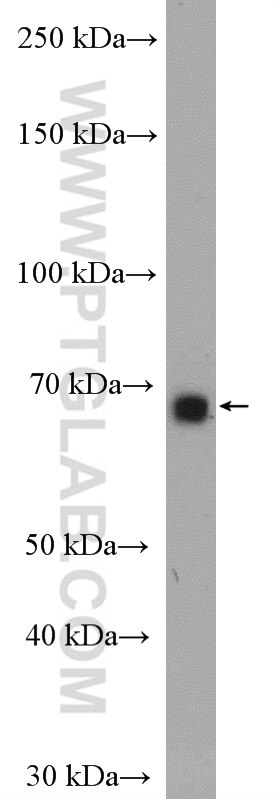
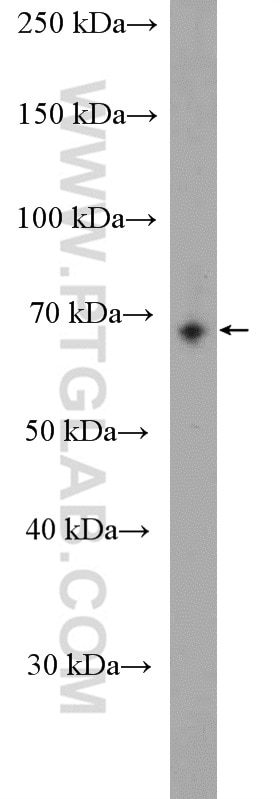
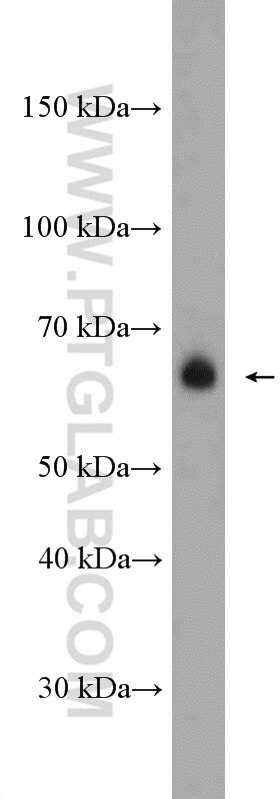
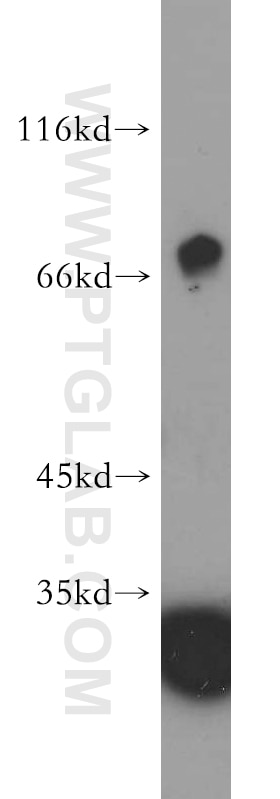
| Positive WB detected in | mouse brain tissue, A549 cells, mouse lung tissue, human brain tissue |
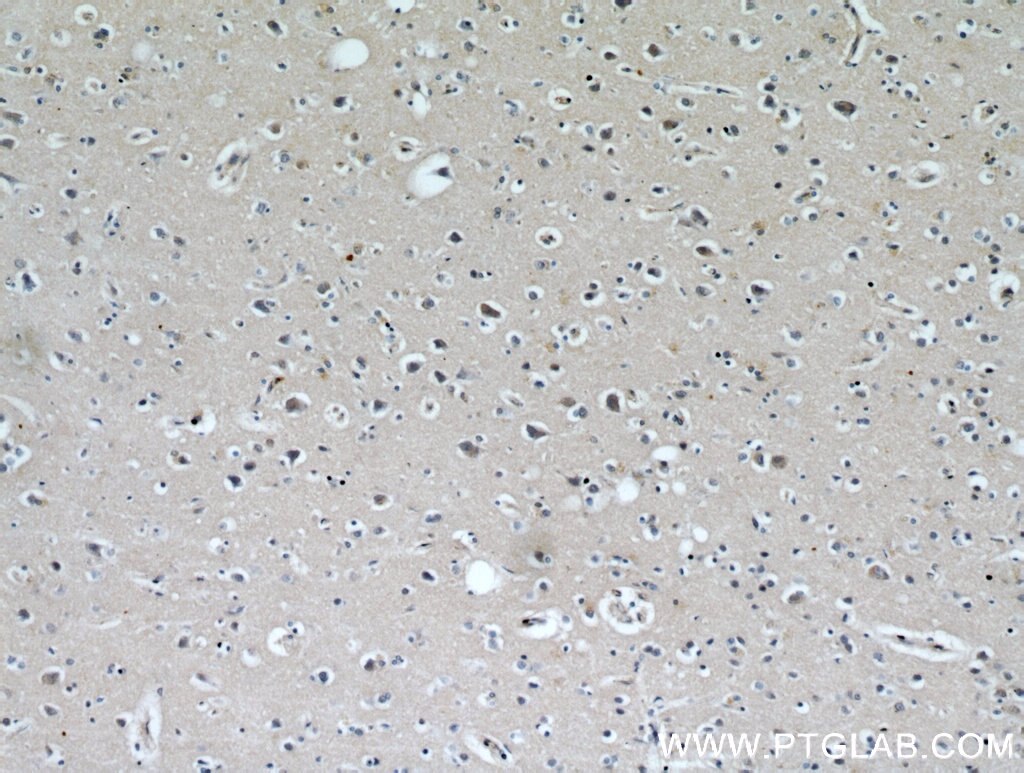
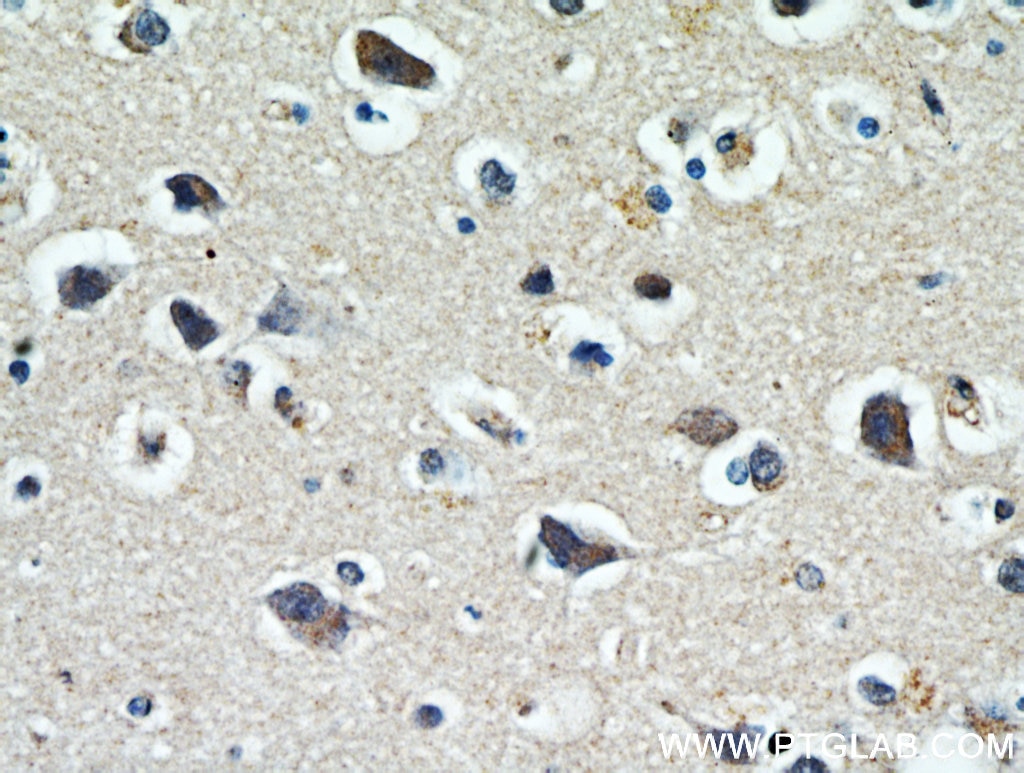
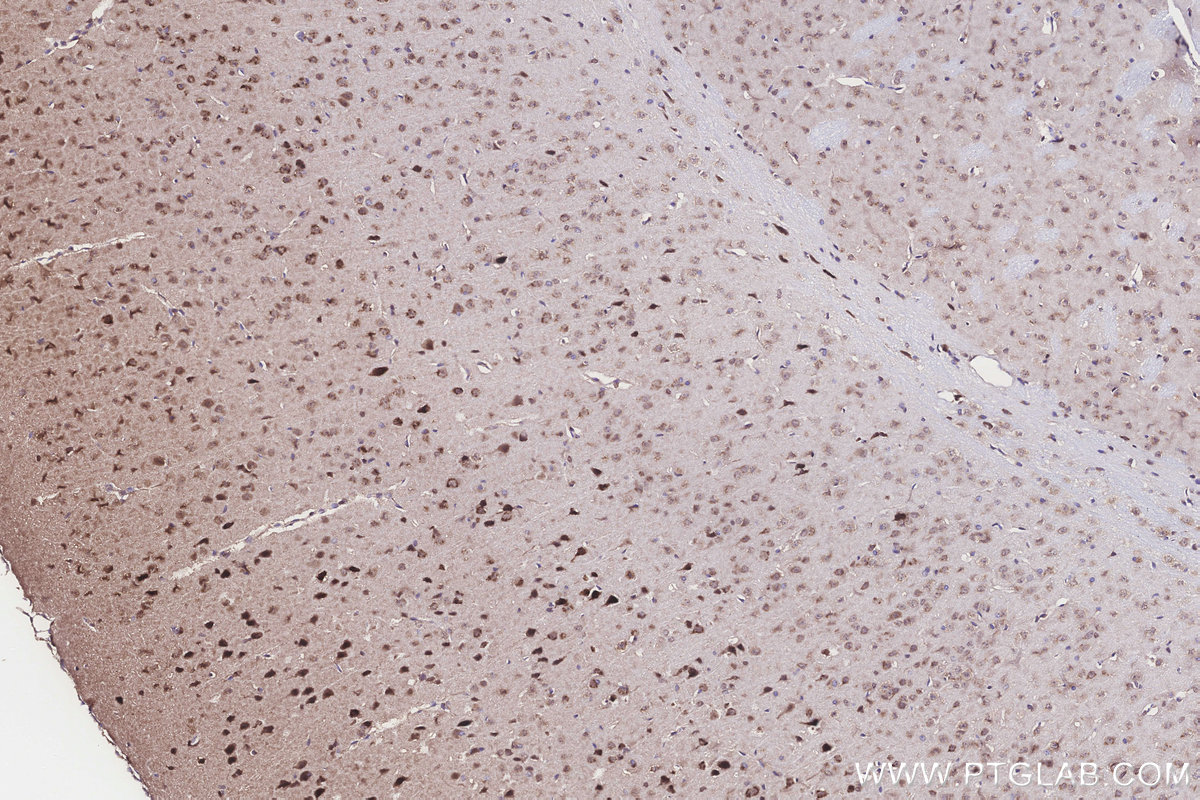
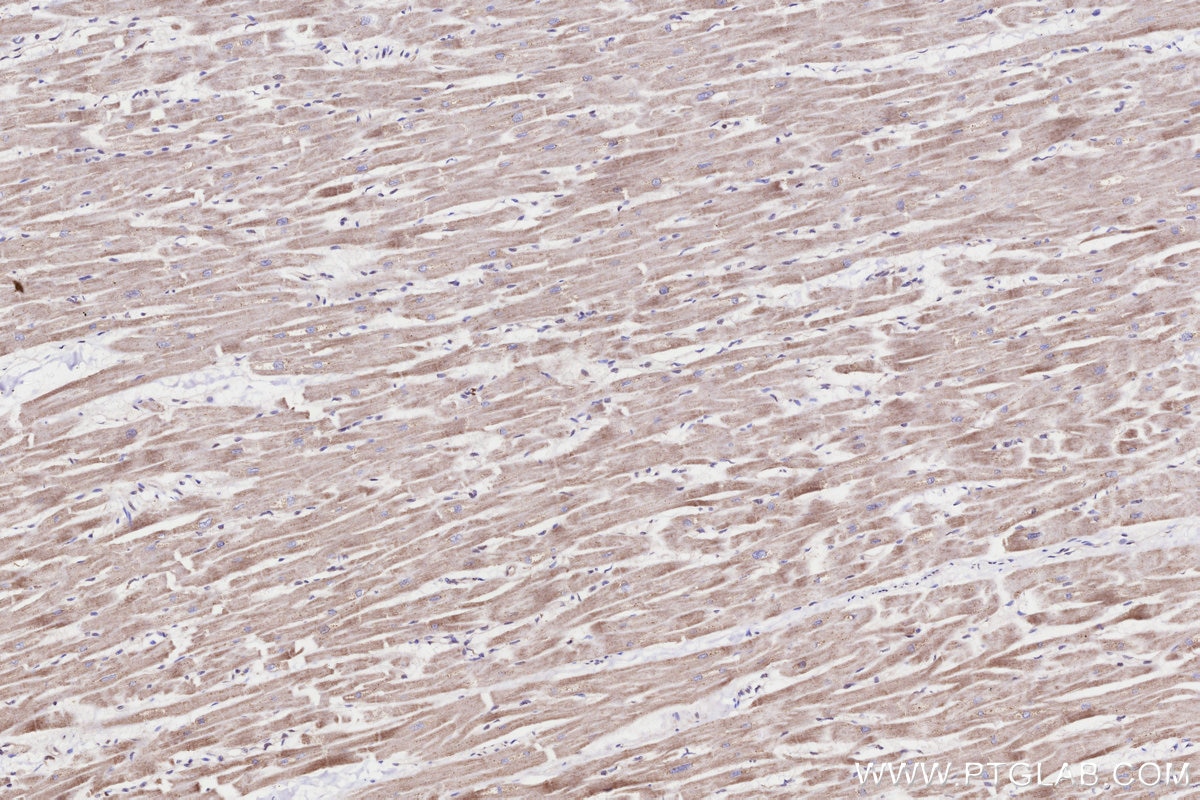
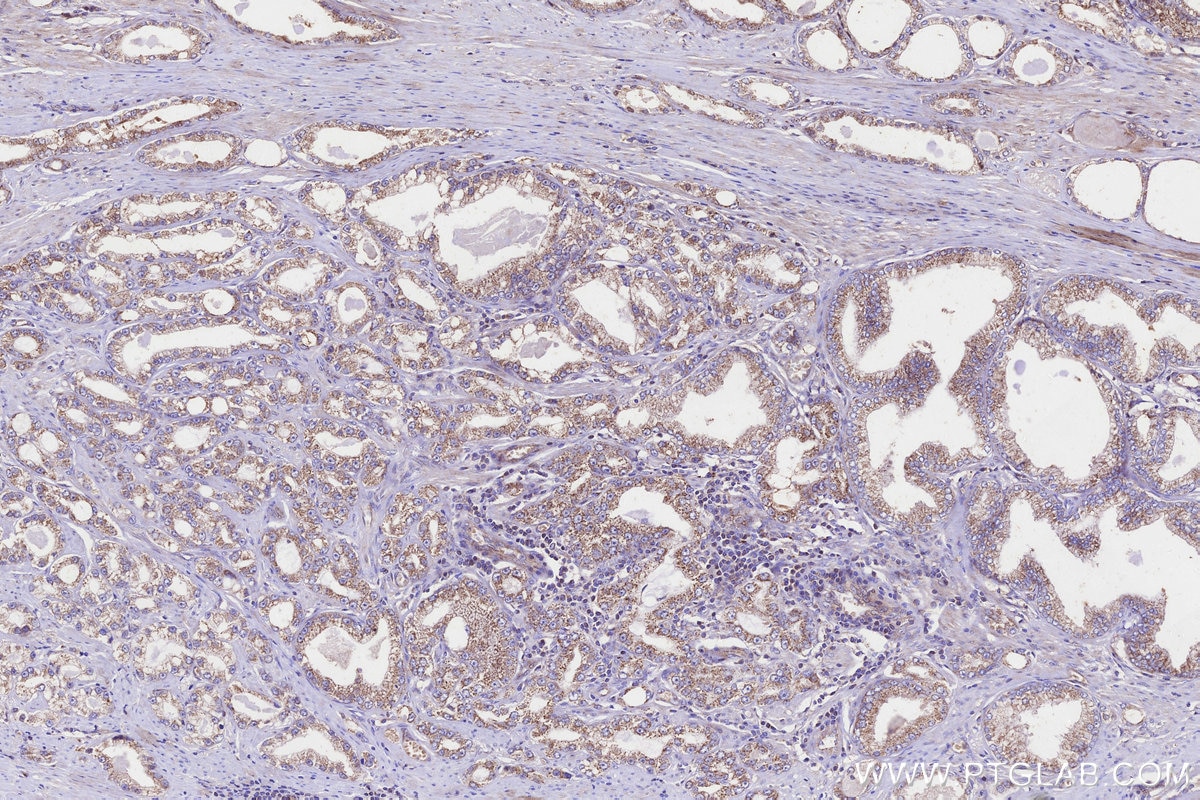
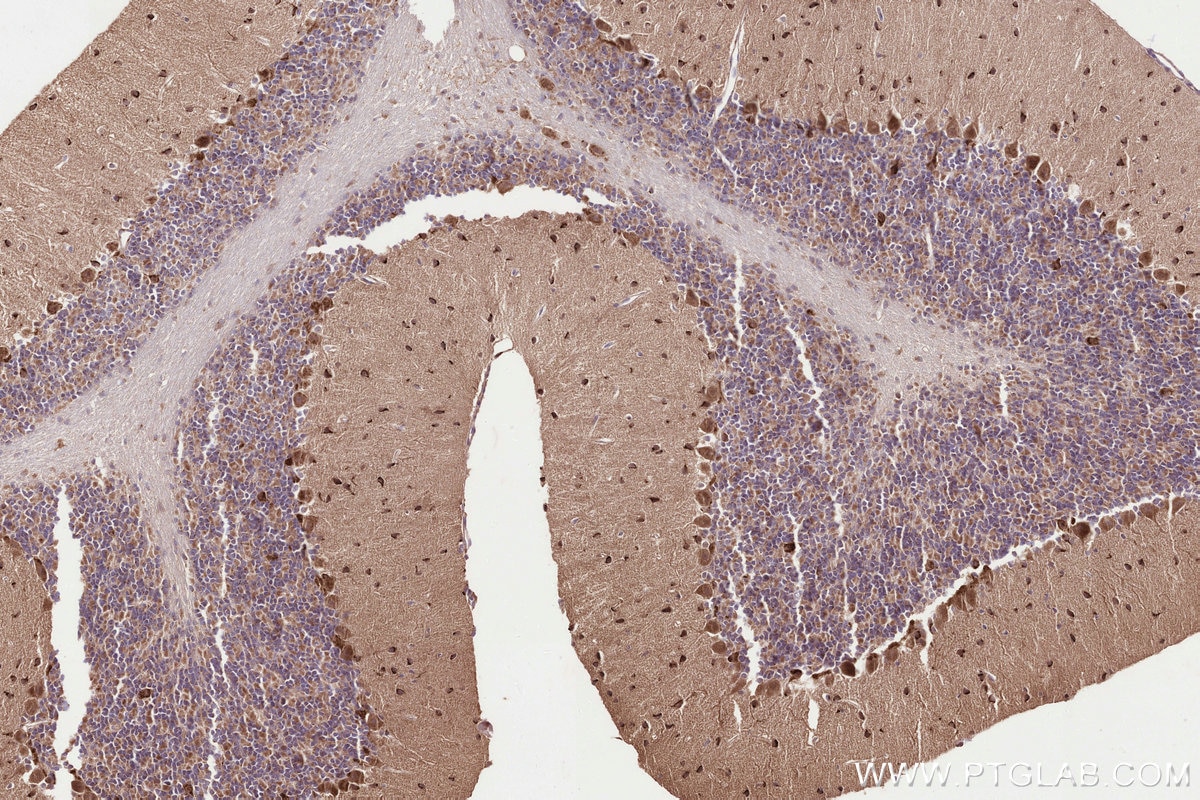
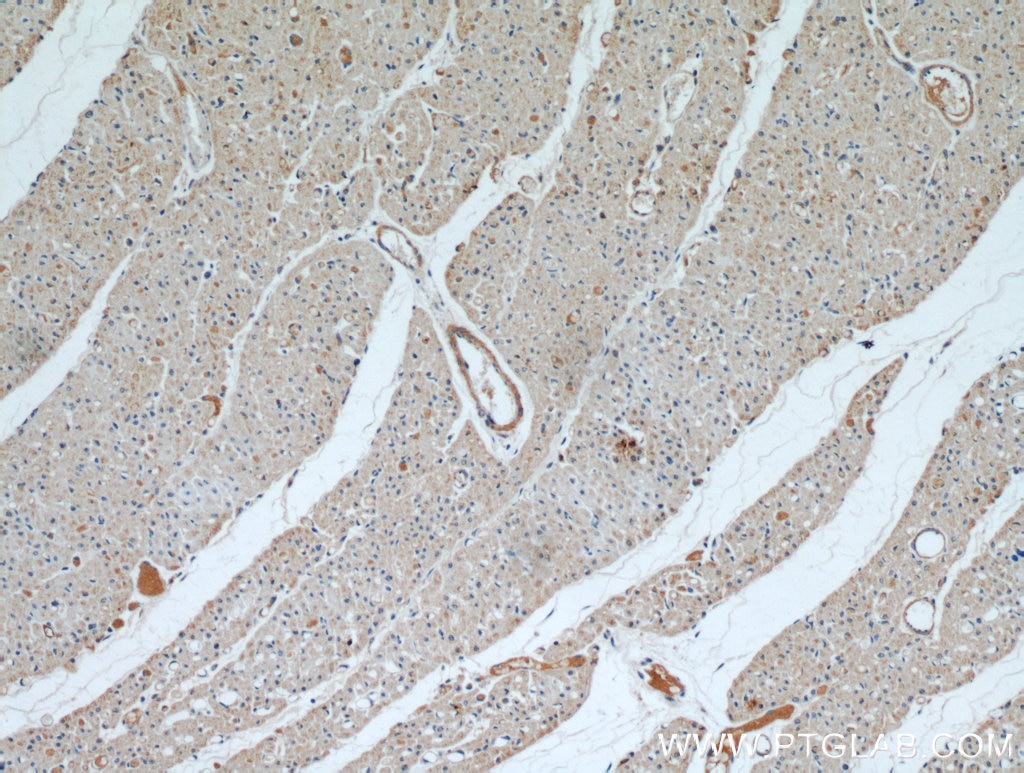
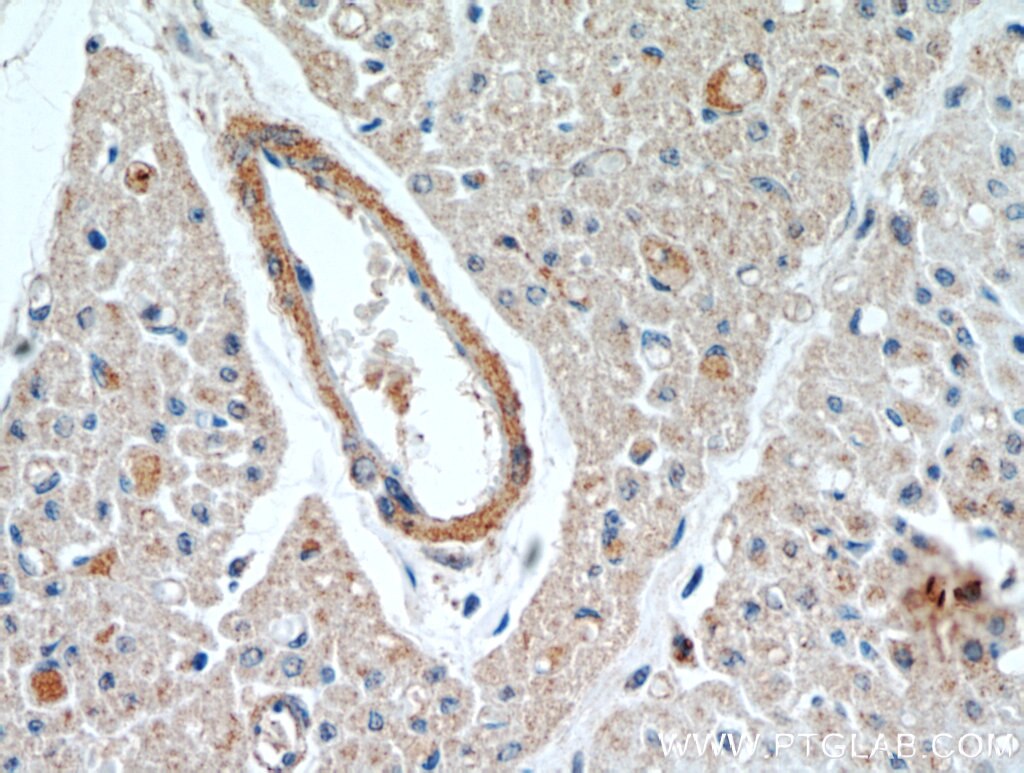
| Positive IHC detected in | human brain tissue, mouse brain tissue, mouse cerebellum tissue, human heart tissue, human prostate cancer tissue Note: suggested antigen retrieval with TE buffer pH 9.0; (*) Alternatively, antigen retrieval may be performed with citrate buffer pH 6.0 |
Recommended dilution
| Application | Dilution |
|---|---|
| Western Blot (WB) | WB : 1:500-1:2000 |
| Immunohistochemistry (IHC) | IHC : 1:20-1:200 |
| It is recommended that this reagent should be titrated in each testing system to obtain optimal results. | |
| Sample-dependent, Check data in validation data gallery. | |
Product Information
21280-1-AP targets WBSCR17 in WB, IHC, ELISA applications and shows reactivity with human, mouse, rat samples.
| Tested Reactivity | human, mouse, rat |
| Host / Isotype | Rabbit / IgG |
| Class | Polyclonal |
| Type | Antibody |
| Immunogen |
CatNo: Ag15792 Product name: Recombinant human WBSCR17 protein Source: e coli.-derived, PGEX-4T Tag: GST Domain: 1-126 aa of BC069624 Sequence: MASLRRVKVLLVLNLIAVAGFVLFLAKCRPIAVRSGDAFHEIRPRAEVANLSAHSASPIQDAVLKRLSLLEDIVYRQLNGLSKSLGLIEGYGGRGKGGLPATLSPAEEEKAKGPHEKYGYNSYLSE Predict reactive species |
| Full Name | Williams-Beuren syndrome chromosome region 17 |
| Calculated Molecular Weight | 598 aa, 68 kDa |
| Observed Molecular Weight | 70~90 kDa |
| GenBank Accession Number | BC069624 |
| Gene Symbol | WBSCR17 |
| Gene ID (NCBI) | 64409 |
| RRID | AB_10732815 |
| Conjugate | Unconjugated |
| Form | Liquid |
| Purification Method | Antigen affinity purification |
| UNIPROT ID | Q6IS24 |
| Storage Buffer | PBS with 0.02% sodium azide and 50% glycerol, pH 7.3. |
| Storage Conditions | Store at -20°C. Stable for one year after shipment. Aliquoting is unnecessary for -20oC storage. 20ul sizes contain 0.1% BSA. |
Background Information
WBSCR17, also known as GALNT17, which encodes a brain-expressed N-acetylgalactosaminyl transferase (GalNAcT), is located at the distal edge of a region that is commonly deleted or duplicated in Williams Beuren Syndrome (WBS), a developmental disorder with motor and coordination problems, impaired visuospatial memory, and abnormal social interaction (PMID: 31554716). WBSCR17 loss-of-function has significant effects on cerebellar development, and is associated with phenotypes including developmental delay, deficits in motor coordination, reduced exploratory activity, and impaired social behavior (PMID: 22787146). With the calculated molecular mass of recombinant WBSCR17 being 68 kDa, the 70-90-kDa glycoproteins could also be detected due to post-translational modifications (PMID: 22787146).
Protocols
| Product Specific Protocols | |
|---|---|
| IHC protocol for WBSCR17 antibody 21280-1-AP | Download protocol |
| WB protocol for WBSCR17 antibody 21280-1-AP | Download protocol |
| Standard Protocols | |
|---|---|
| Click here to view our Standard Protocols |
Reviews
What customers say
One customer reviewed this antibody, giving it a 5-star rating. Jennifer Munkley used it for immunohistochemistry on human cancer tissue and reported that it "works well for IHC." The review was posted on April 24, 2026, with lot number 00014651. Overall, the feedback is positive, confirming reliable performance in IHC applications on human cancer samples.
The reviews below have been submitted by verified Proteintech customers who received an incentive for providing their feedback.
Jennifer (Verified Customer) (04-24-2026) | Works well for IHC
|













