
Tested Applications
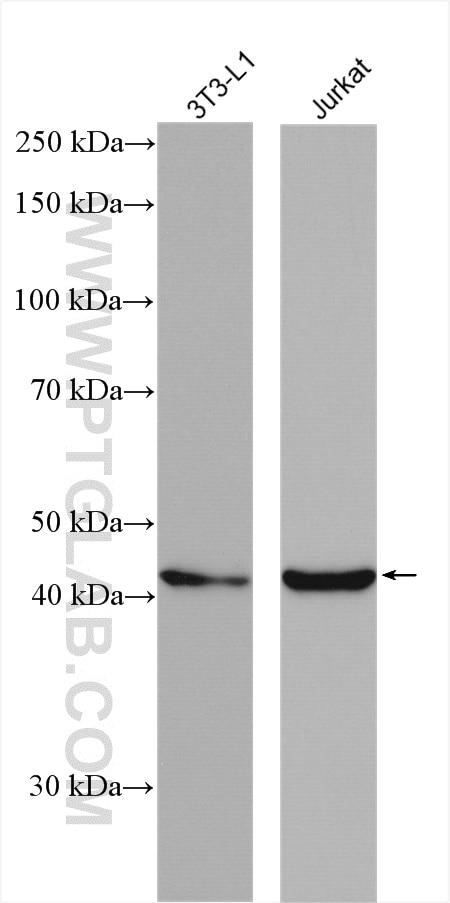
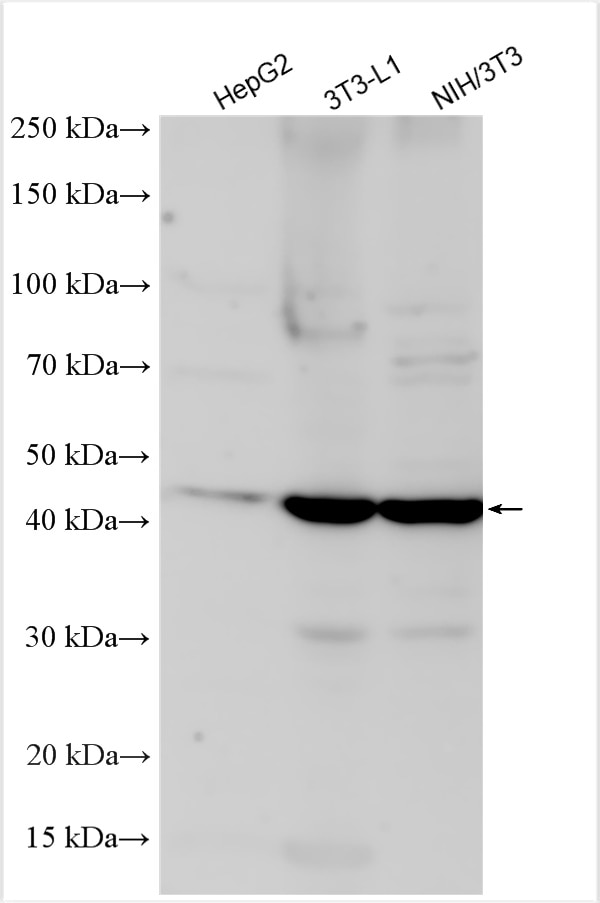
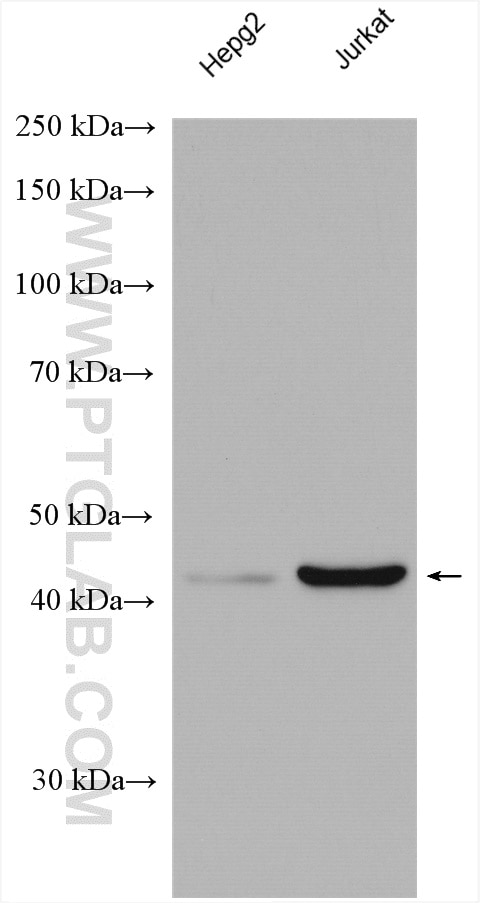
| Positive WB detected in | 3T3-L1 cells, HepG2 cells, NIH/3T3 cells, Jurkat cells |
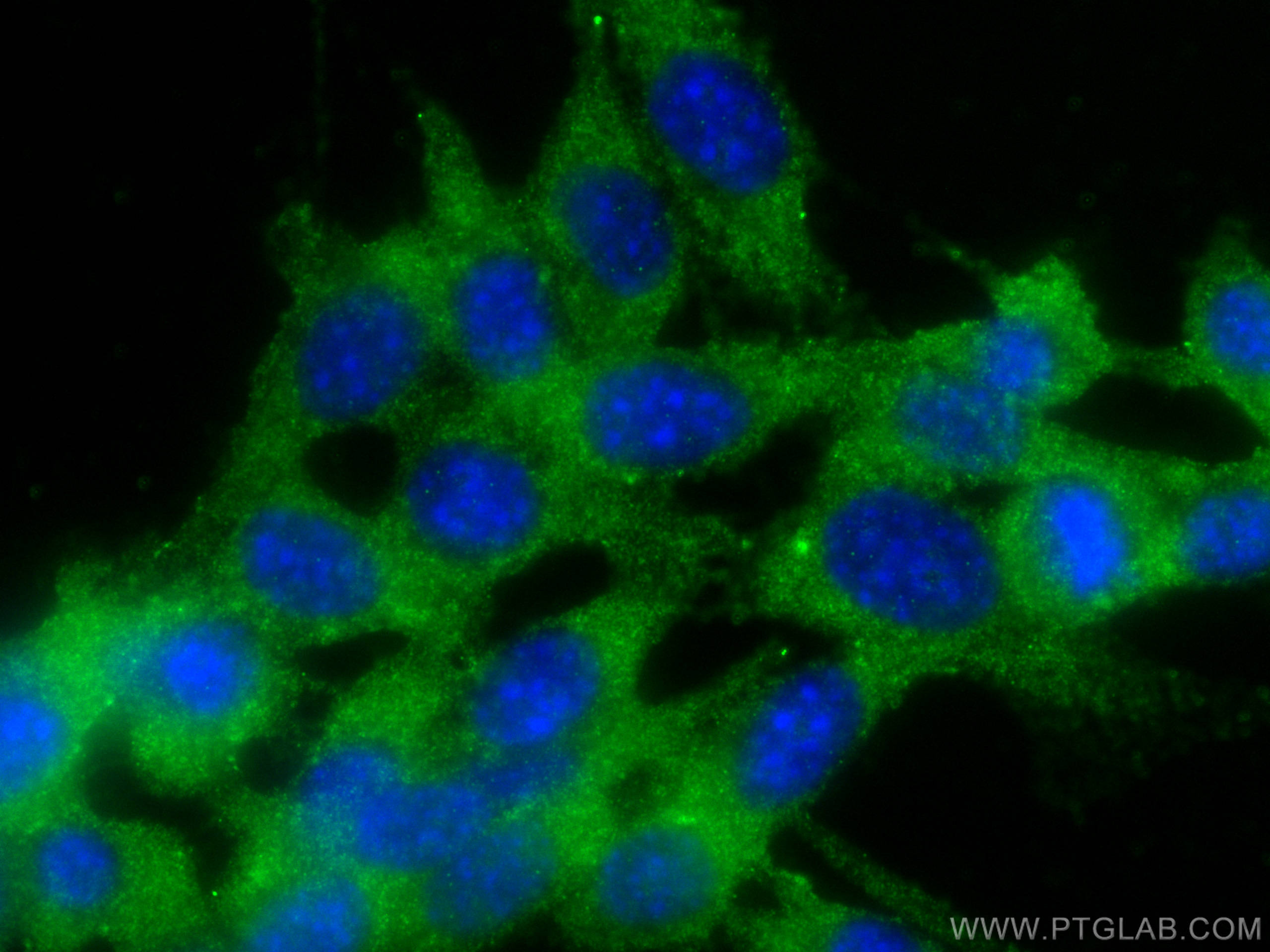
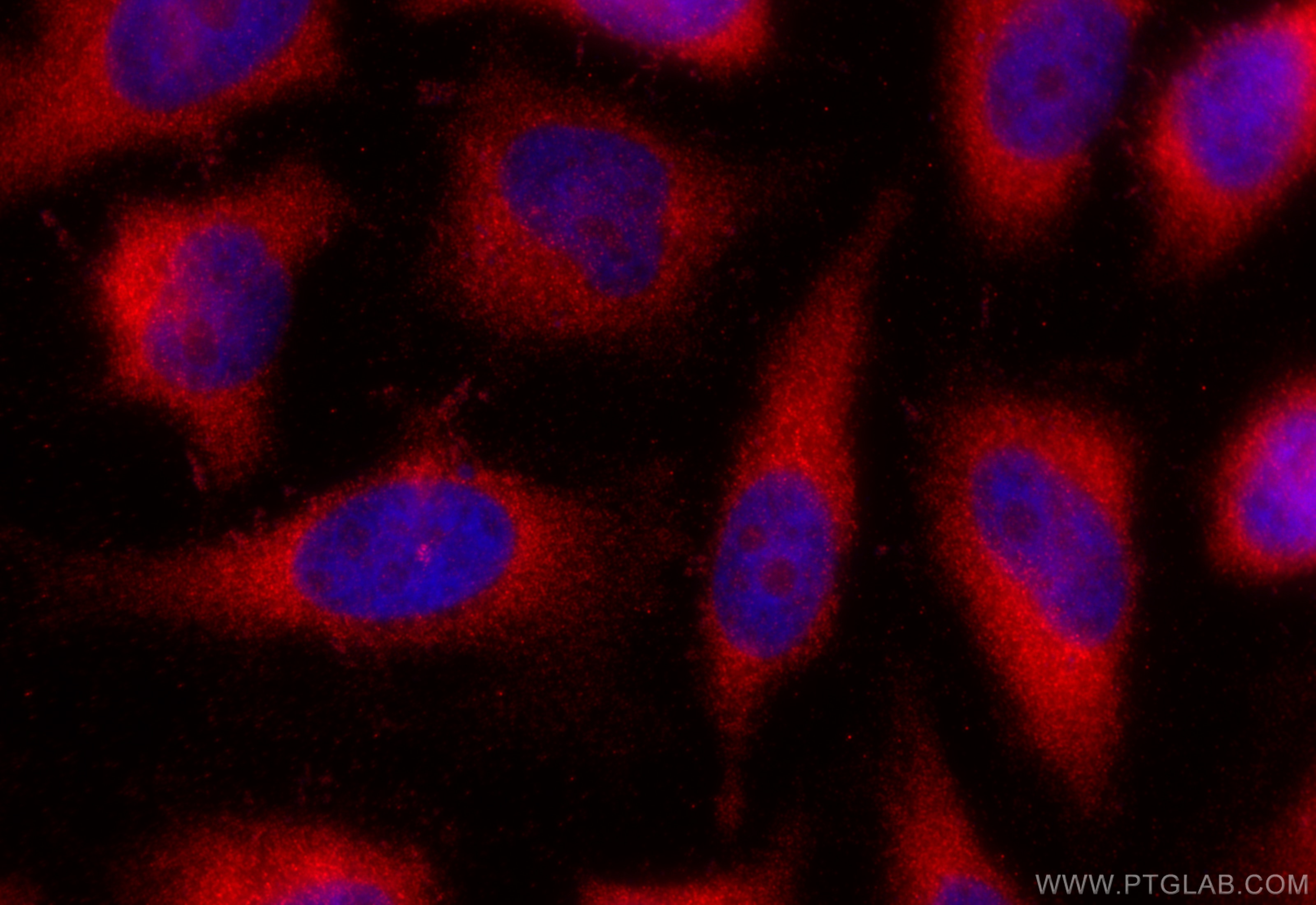
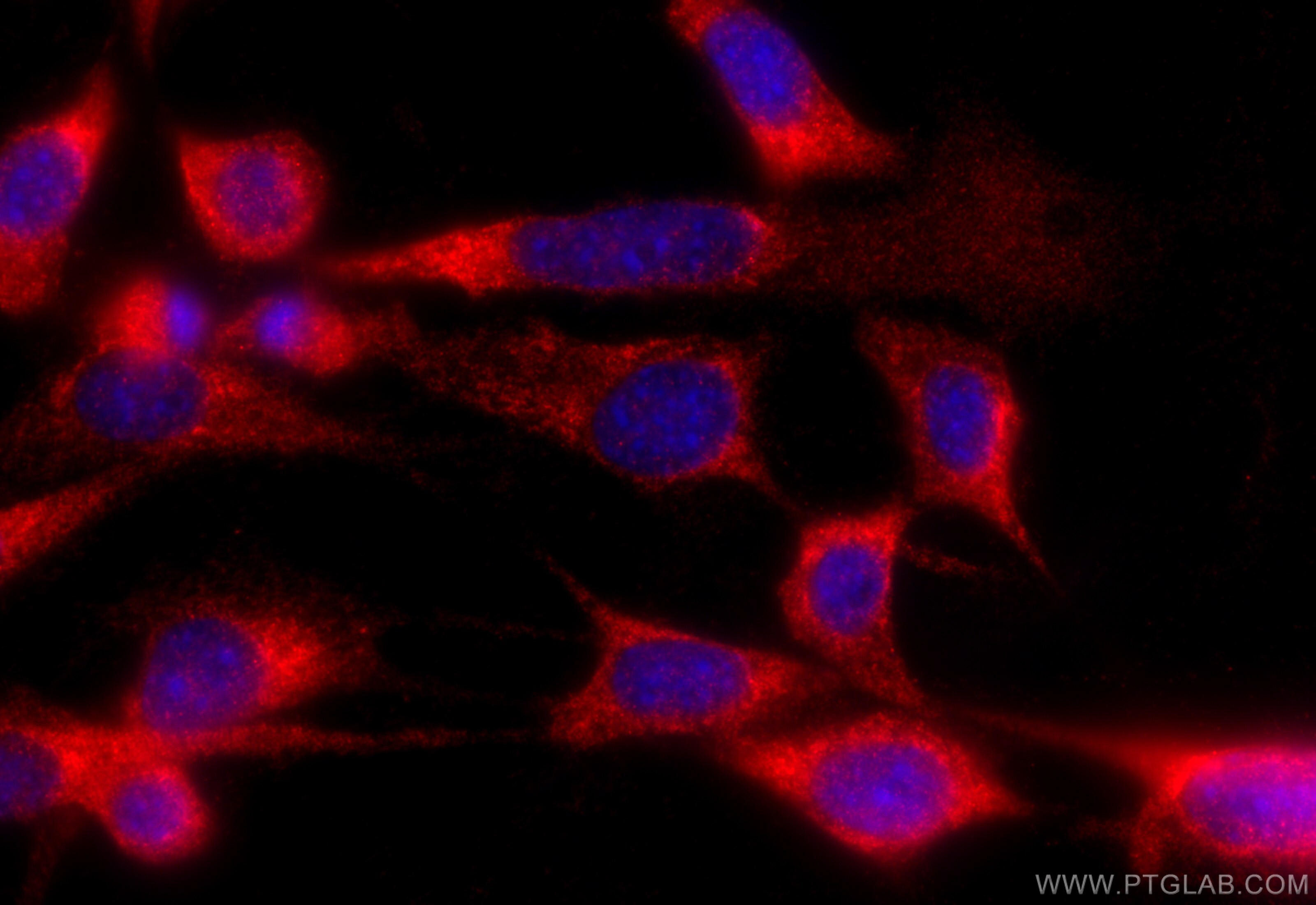
| Positive IF/ICC detected in | NIH/3T3 cells, HeLa cells |
Recommended dilution
| Application | Dilution |
|---|---|
| Western Blot (WB) | WB : 1:500-1:2000 |
| Immunofluorescence (IF)/ICC | IF/ICC : 1:50-1:500 |
| It is recommended that this reagent should be titrated in each testing system to obtain optimal results. | |
| Sample-dependent, Check data in validation data gallery. | |
Product Information
27935-1-AP targets WNT1 in WB, IHC, IF/ICC, ELISA applications and shows reactivity with human, mouse samples.
| Tested Reactivity | human, mouse |
| Cited Reactivity | human, mouse, rat |
| Host / Isotype | Rabbit / IgG |
| Class | Polyclonal |
| Type | Antibody |
| Immunogen |
CatNo: Ag27380 Product name: Recombinant human WNT1 protein Source: e coli.-derived, PGEX-4T Tag: GST Domain: 228-323 aa of BC074799 Sequence: TVRTCWMRLPTLRAVGDVLRDRFDGASRVLYGNRGSNRASRAELLRLEPEDPAHKPPSPHDLVYFEKSPNFCTYSGRLGTAGTAGRACNSSSPALD Predict reactive species |
| Full Name | wingless-type MMTV integration site family, member 1 |
| Observed Molecular Weight | 41 kDa |
| GenBank Accession Number | BC074799 |
| Gene Symbol | WNT1 |
| Gene ID (NCBI) | 7471 |
| RRID | AB_2881013 |
| Conjugate | Unconjugated |
| Form | Liquid |
| Purification Method | Antigen affinity purification |
| UNIPROT ID | P04628 |
| Storage Buffer | PBS with 0.02% sodium azide and 50% glycerol, pH 7.3. |
| Storage Conditions | Store at -20°C. Stable for one year after shipment. Aliquoting is unnecessary for -20oC storage. 20ul sizes contain 0.1% BSA. |
Background Information
Wingless-related MMTV integration site 1 (Wnt1), a cysteine-rich glycosylated protein related to the Drosophila protein Wingless, has been shown to inhibit microglial inflammatory activation in a variety of CNS diseases, such as ischemic reperfusion injury in the brain, intracerebral hemorrhage, Alzheimer's disease, and Parkinson's disease (PMID: 40025242). Wnt1 is expressed in the dorsal part, and it is necessary for the maintenance of Fgf8 expression. This molecule is essential for the induction of the midbrain and the cerebellum (PMID: 34722541, PMID: 1583219). Wnt1 as a bone anabolic Wnt ligand in long bones and in alveolar bone and cementum formation during tooth maintenance (PMID: 30404864, PMID: 34009051). Wnt1 is a key regulator of neural crest cells, which constitute most of the facial mesenchymal cells (PMID:792502).
Protocols
| Product Specific Protocols | |
|---|---|
| IF protocol for WNT1 antibody 27935-1-AP | Download protocol |
| WB protocol for WNT1 antibody 27935-1-AP | Download protocol |
| Standard Protocols | |
|---|---|
| Click here to view our Standard Protocols |
Publications
What published studies show
| Species | Application | Title |
|---|---|---|
Kidney Int Non-canonical Wnt/calcium signaling is protective against podocyte injury and glomerulosclerosis | ||
Nat Commun FoxO3 controls cardiomyocyte proliferation and heart regeneration by regulating Sfrp2 expression in postnatal mice | ||
Carbohydr Polym A novel antidepressant homogeneous polysaccharide YLP-1 from Millettia pulchra ameliorates tryptophan metabolism and SCFAs through modulating gut microbiota | ||
Cell Death Dis A noncoding regulatory RNA Gm31932 induces cell cycle arrest and differentiation in melanoma via the miR-344d-3-5p/Prc1 (and Nuf2) axis. | ||
Int J Biol Macromol Polyporus Umbellatus polysaccharide ameliorates rheumatoid arthritis via inhibiting inflammation and regulating gut microbiota | ||
Int J Mol Med miR‑483‑3p promotes the osteogenesis of human osteoblasts by targeting Dikkopf 2 (DKK2) and the Wnt signaling pathway. |







