

Tested Applications
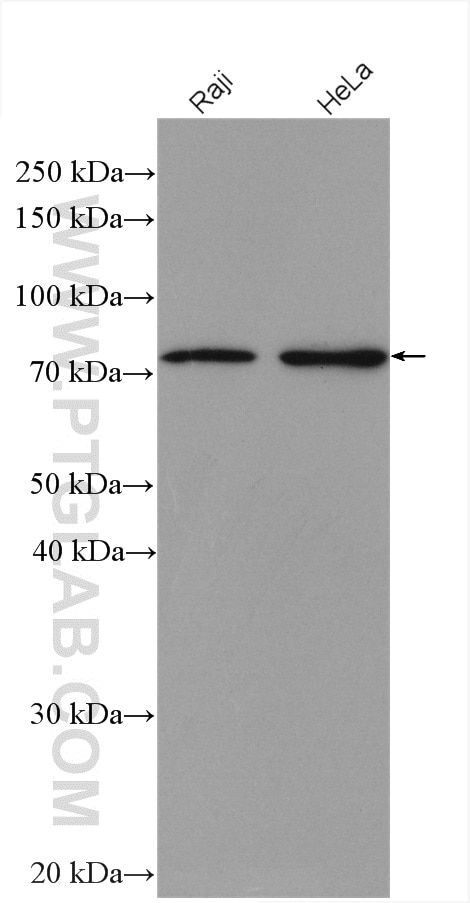
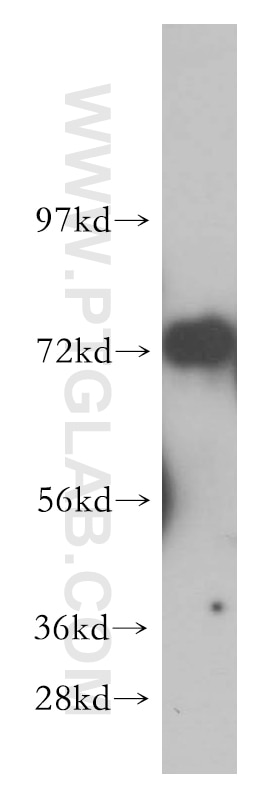
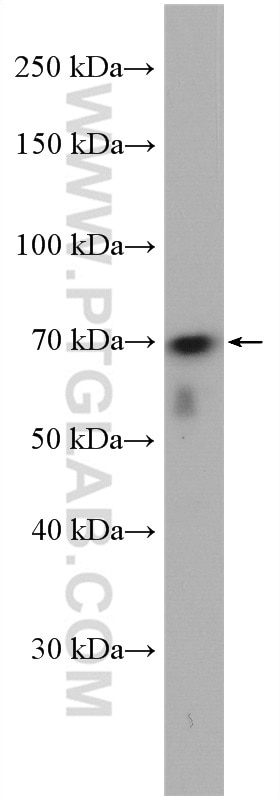
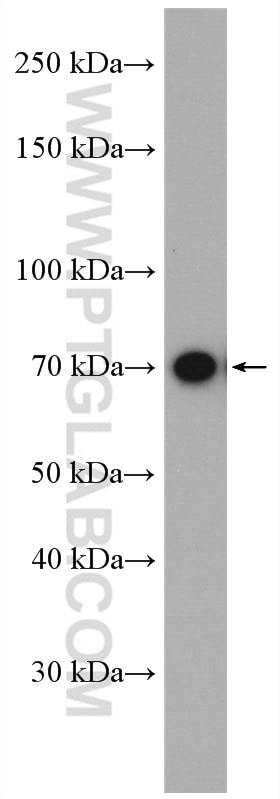
| Positive WB detected in | Raji cells, human kidney tissue, HeLa cells |
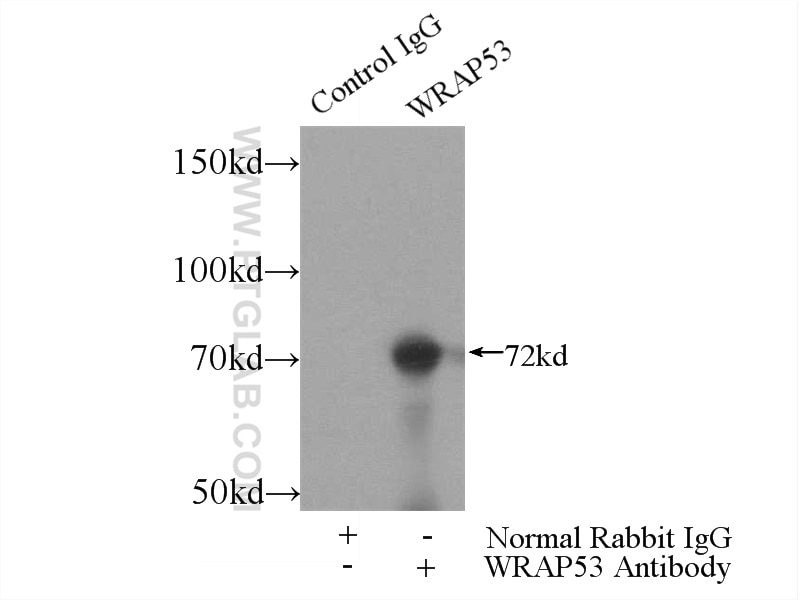
| Positive IP detected in | HeLa cells |
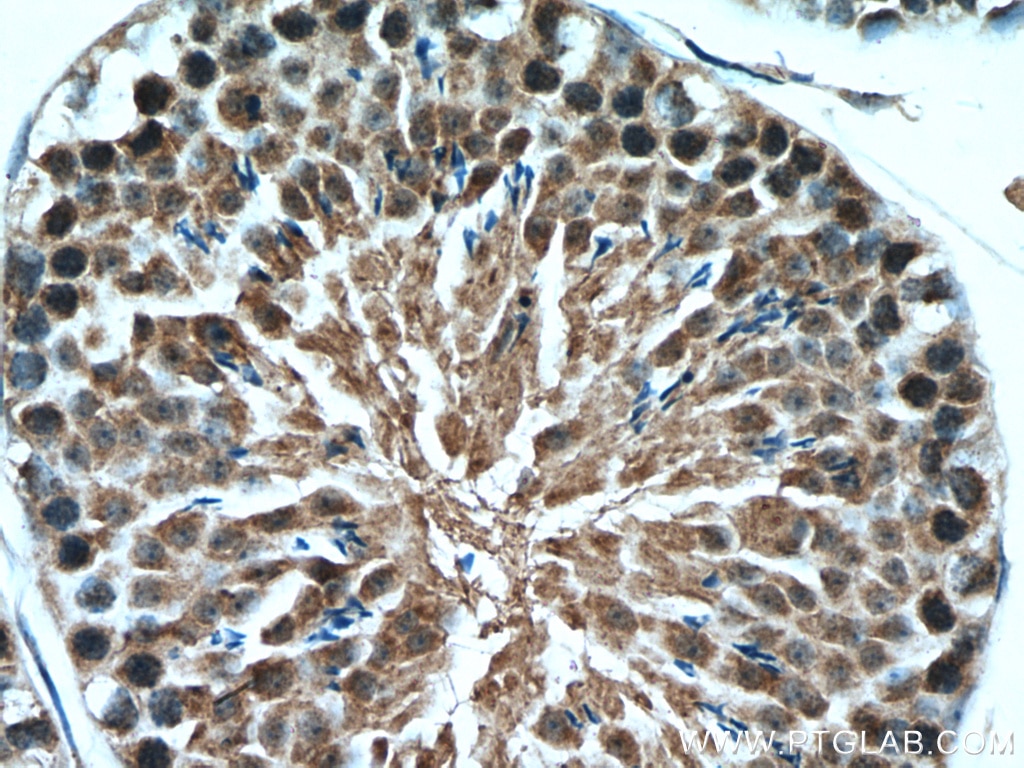
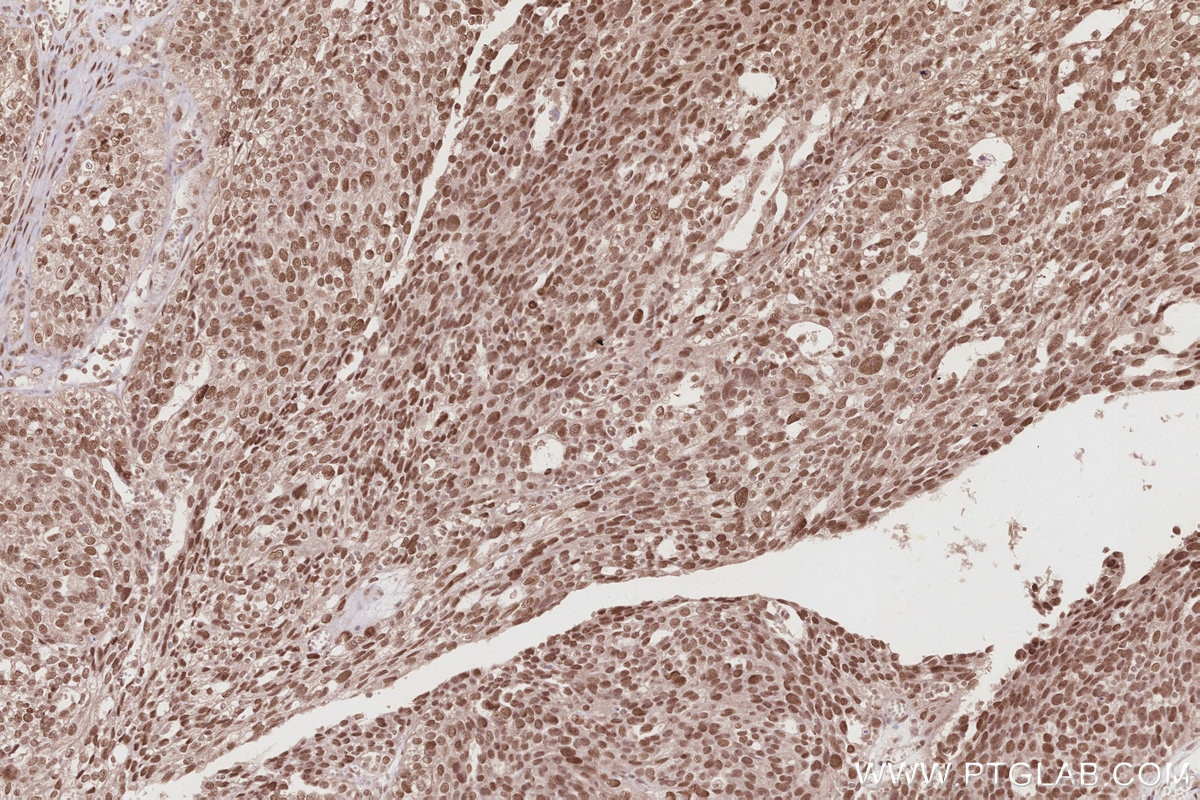
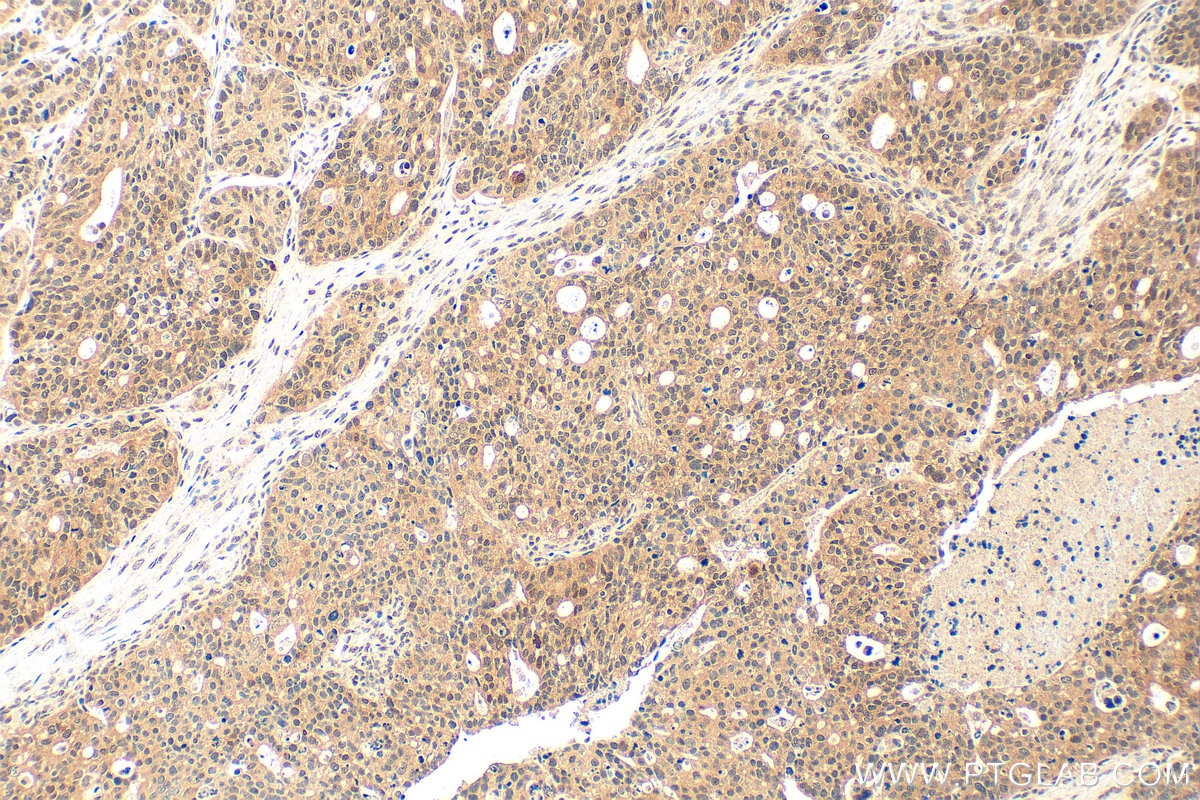
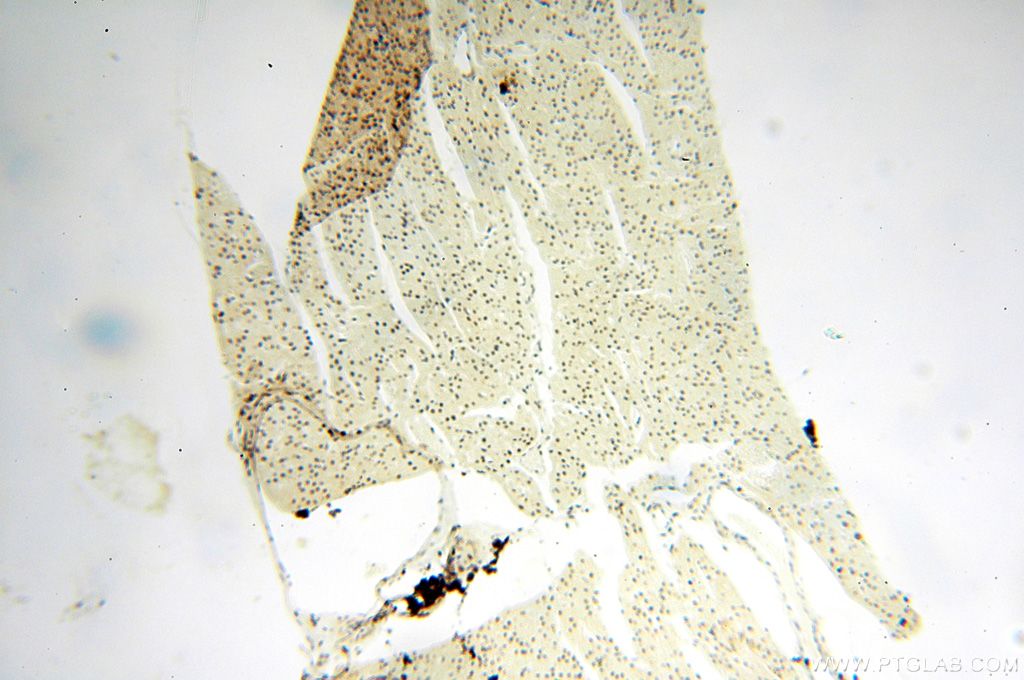
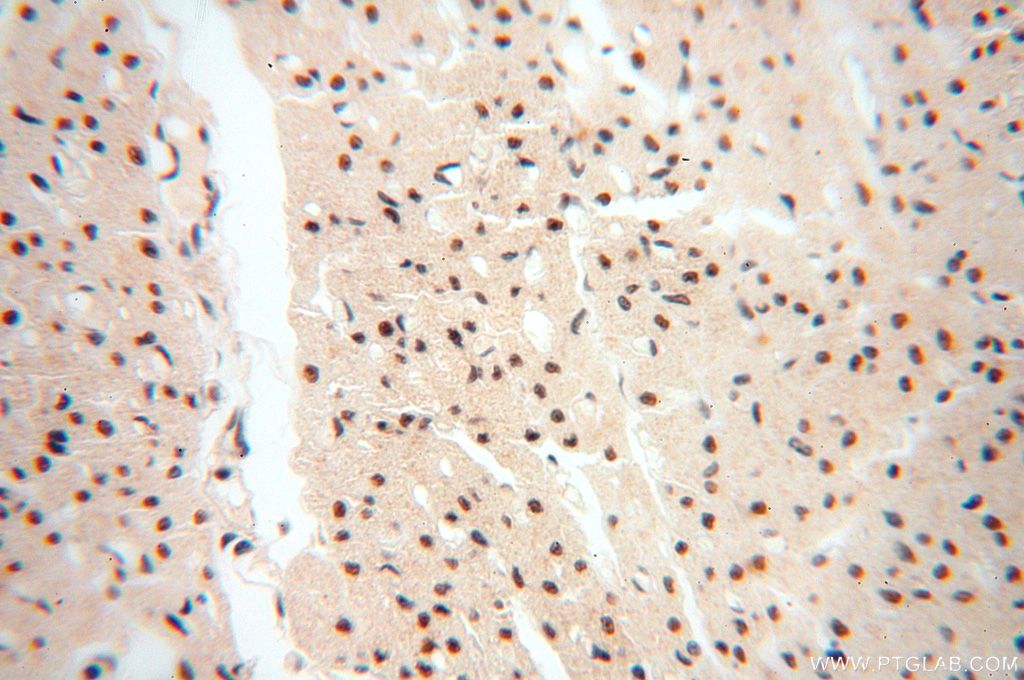
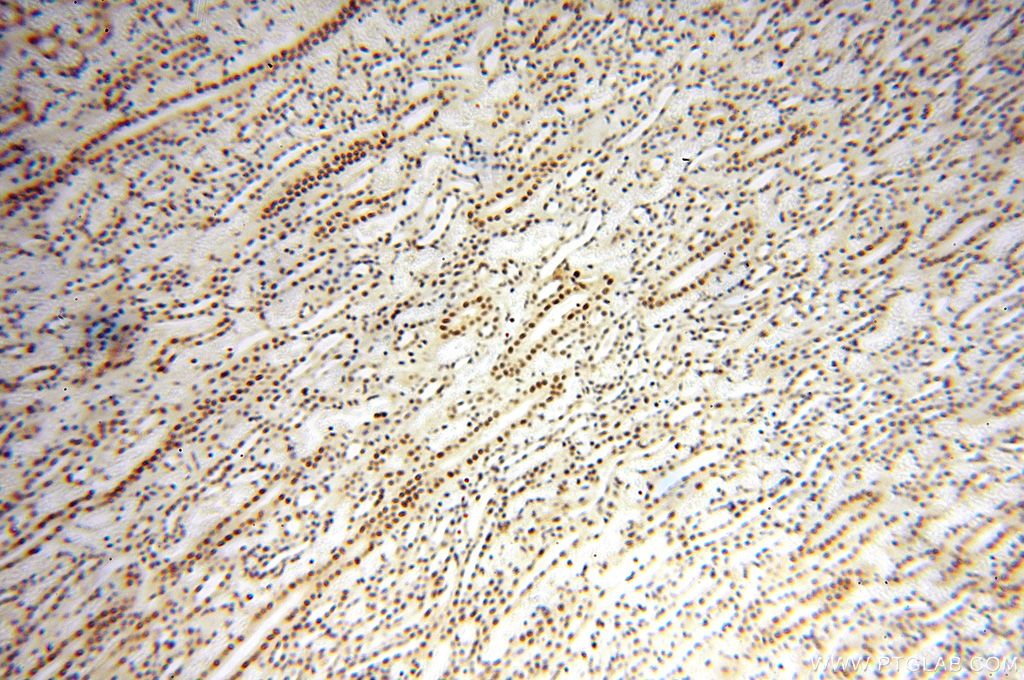
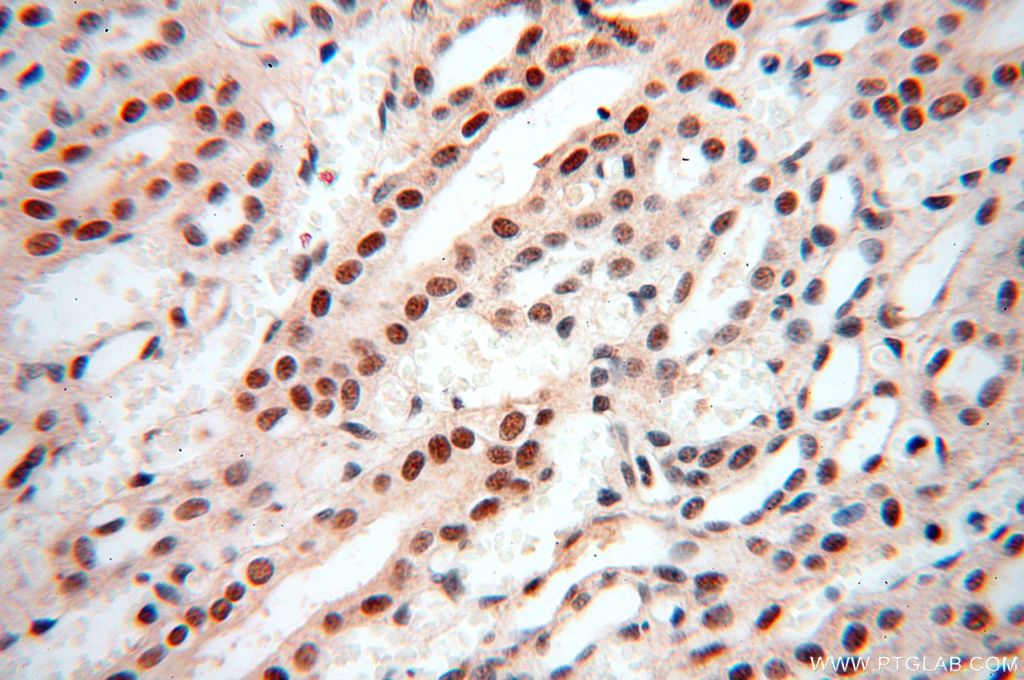
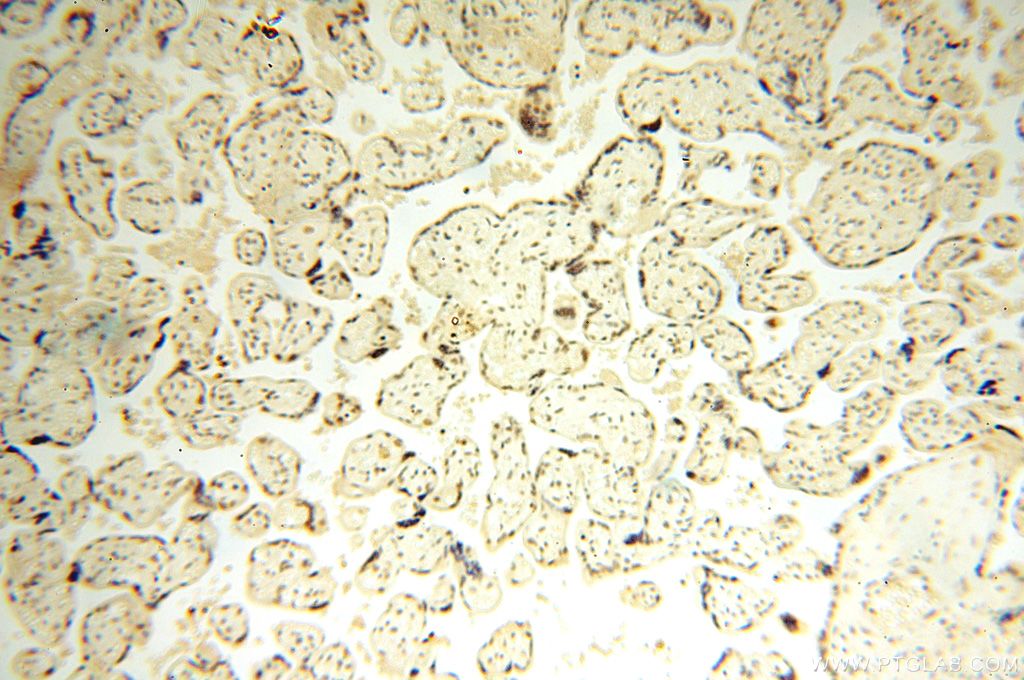
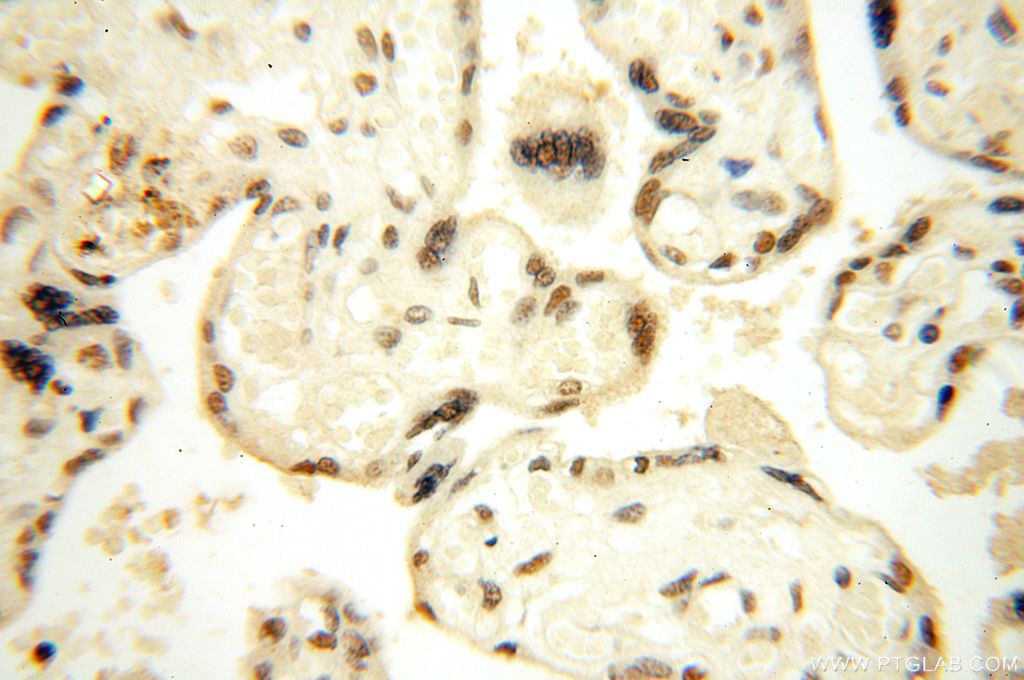
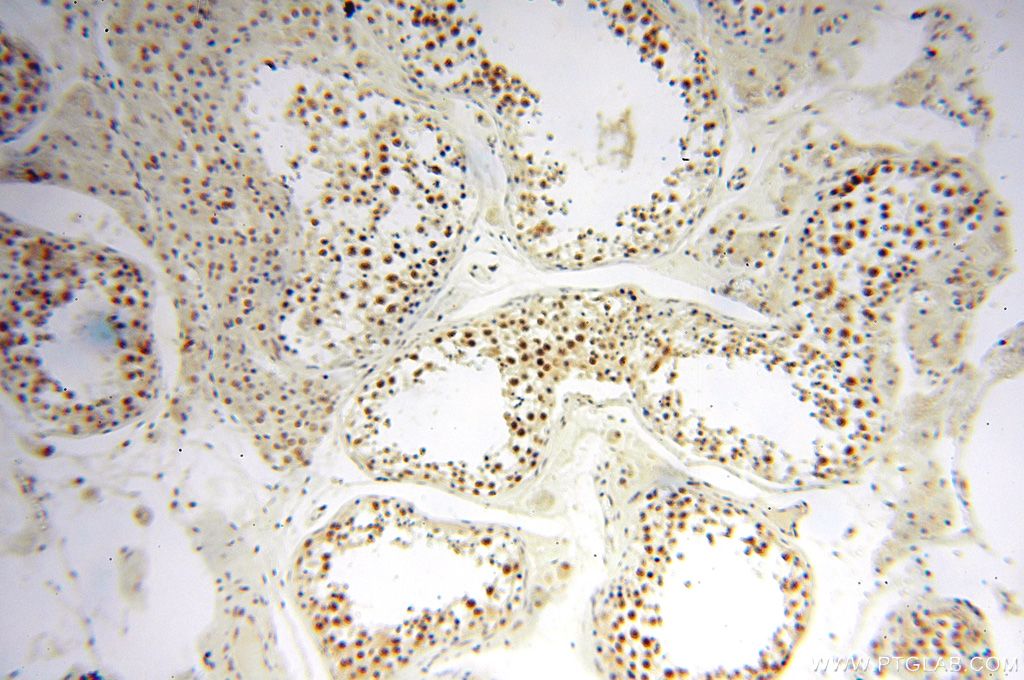
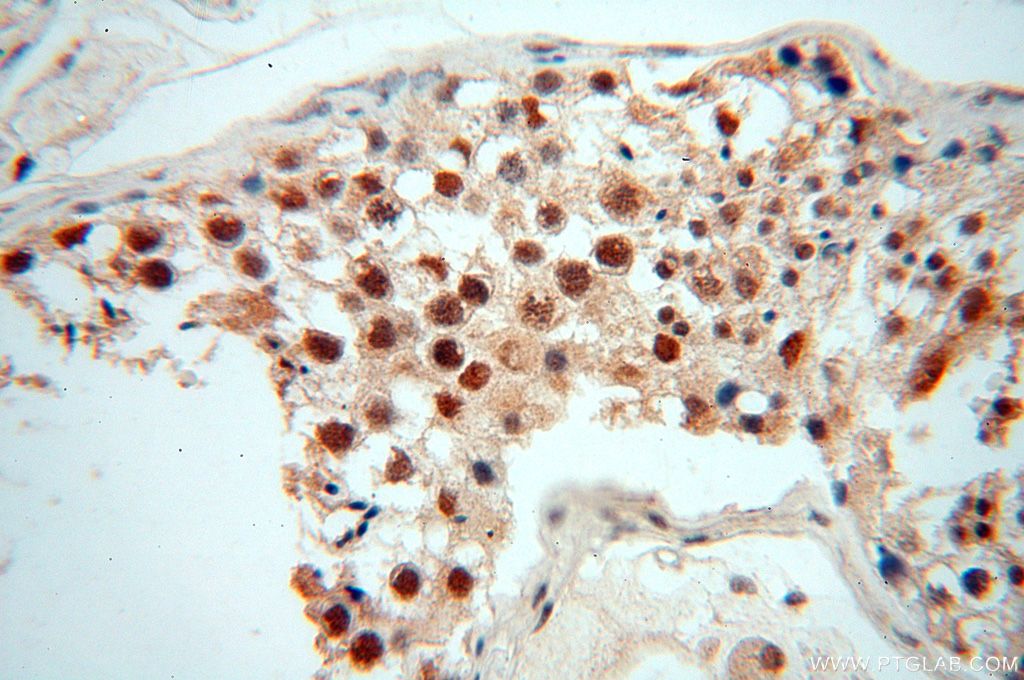
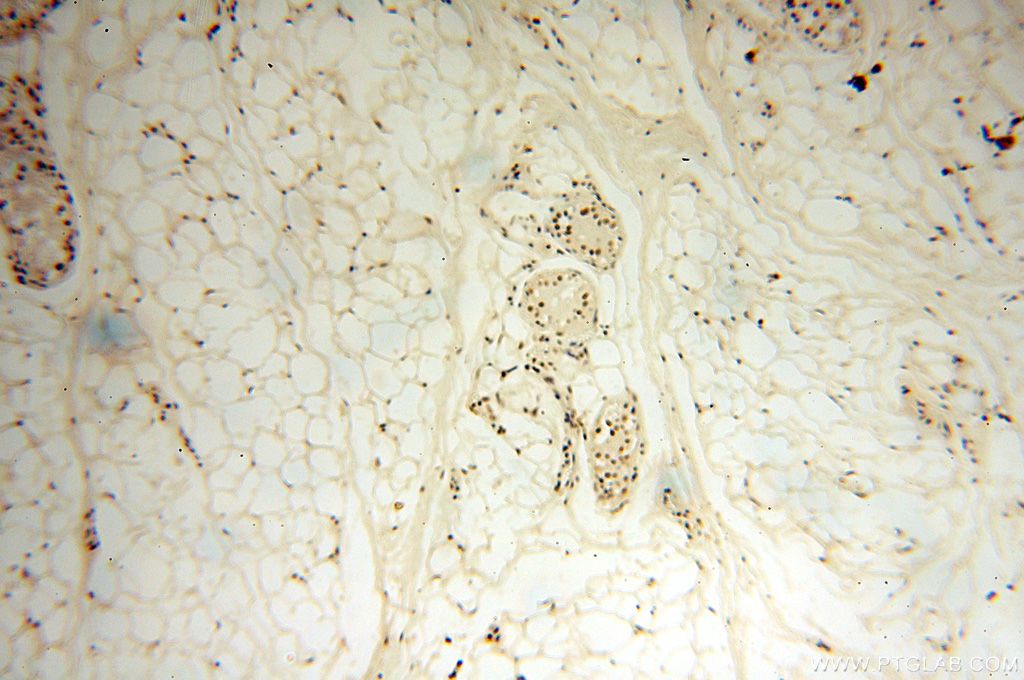
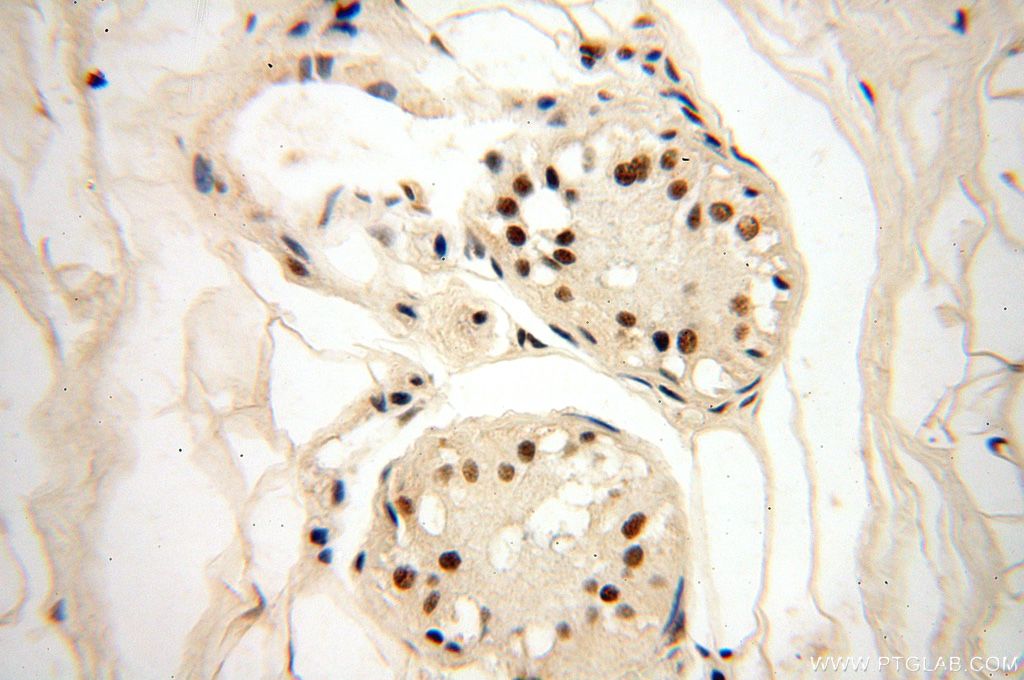
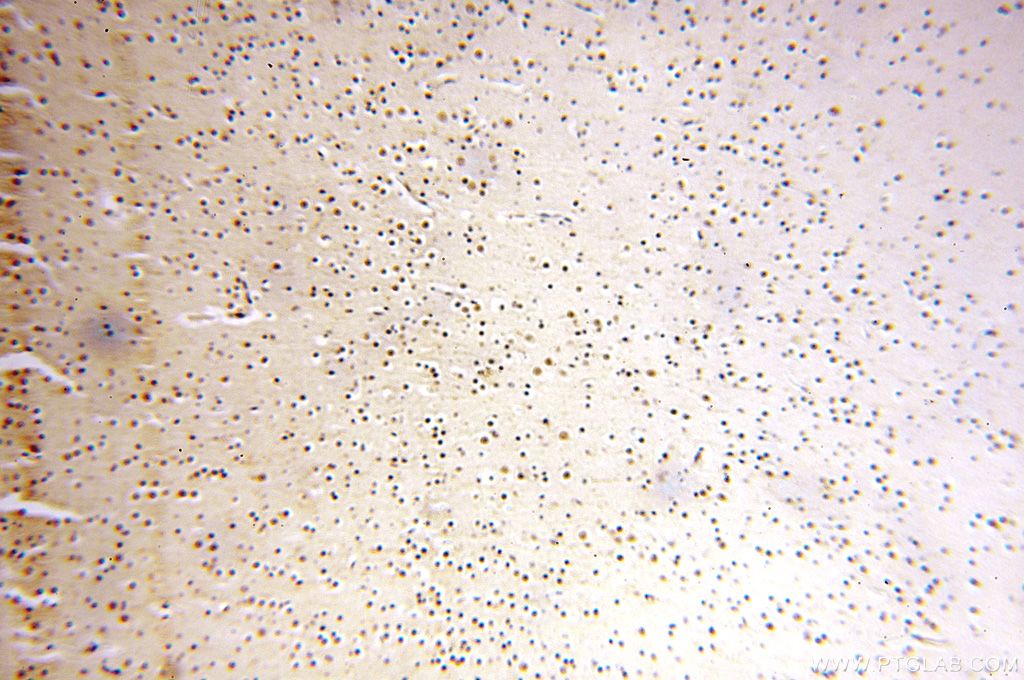
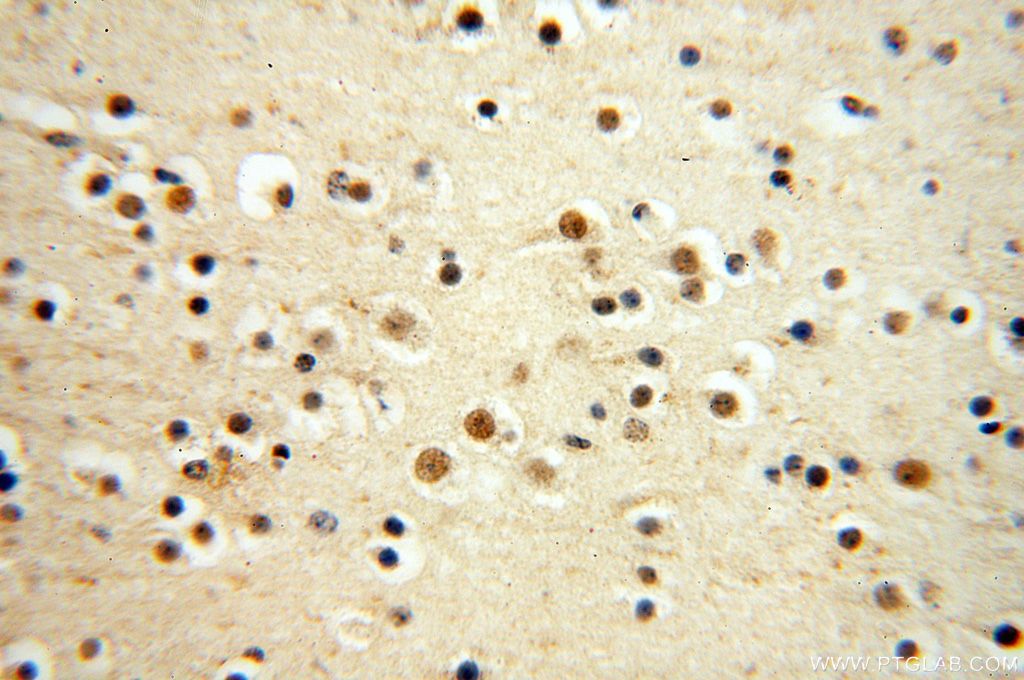
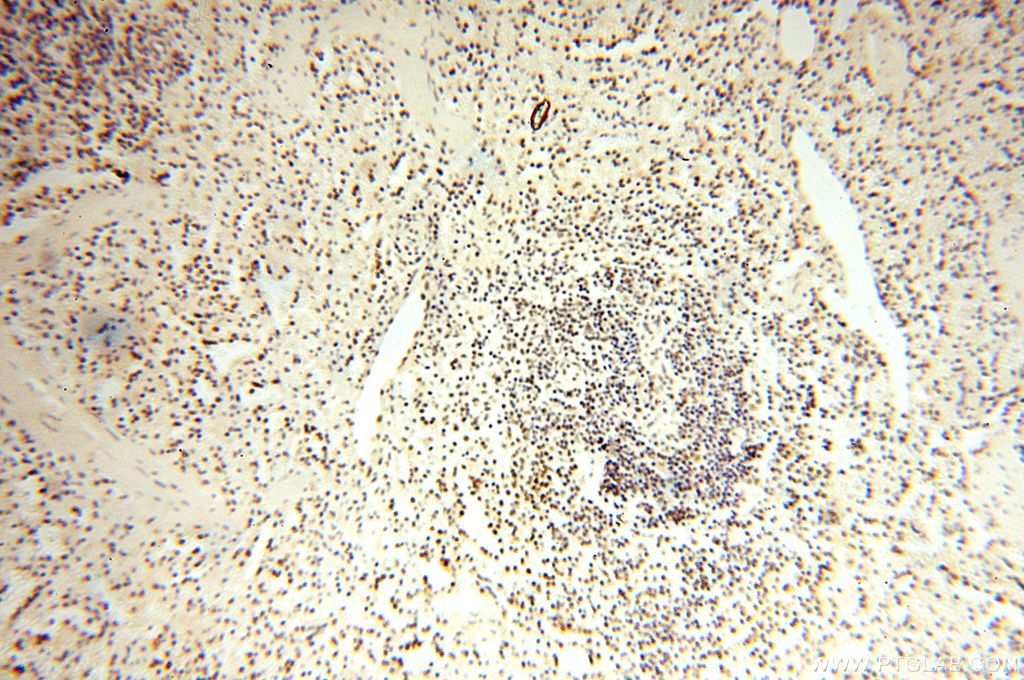
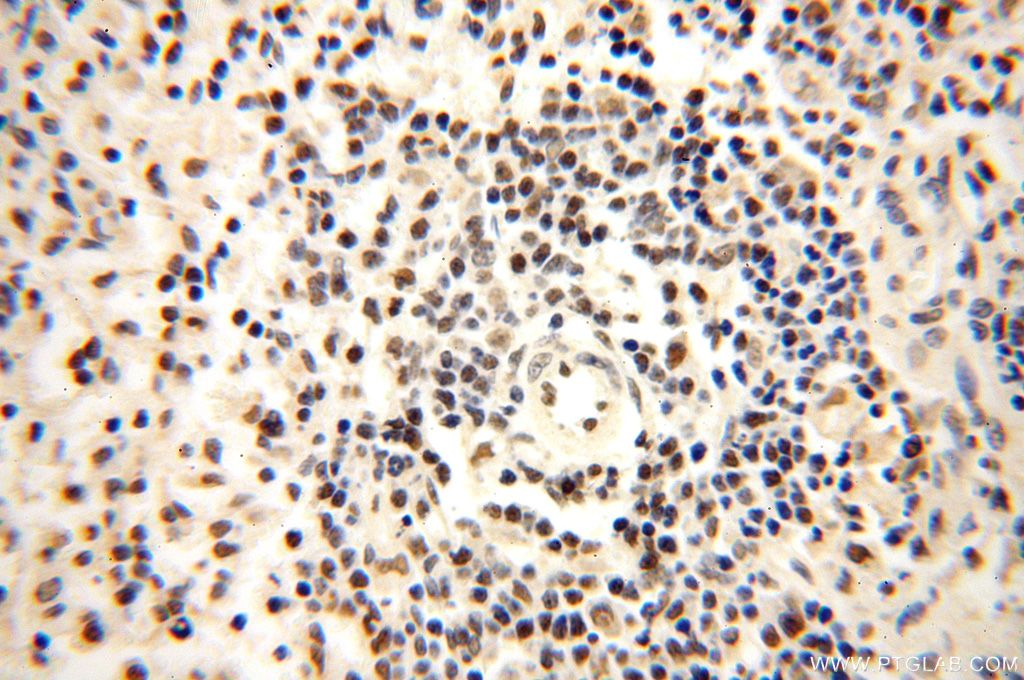
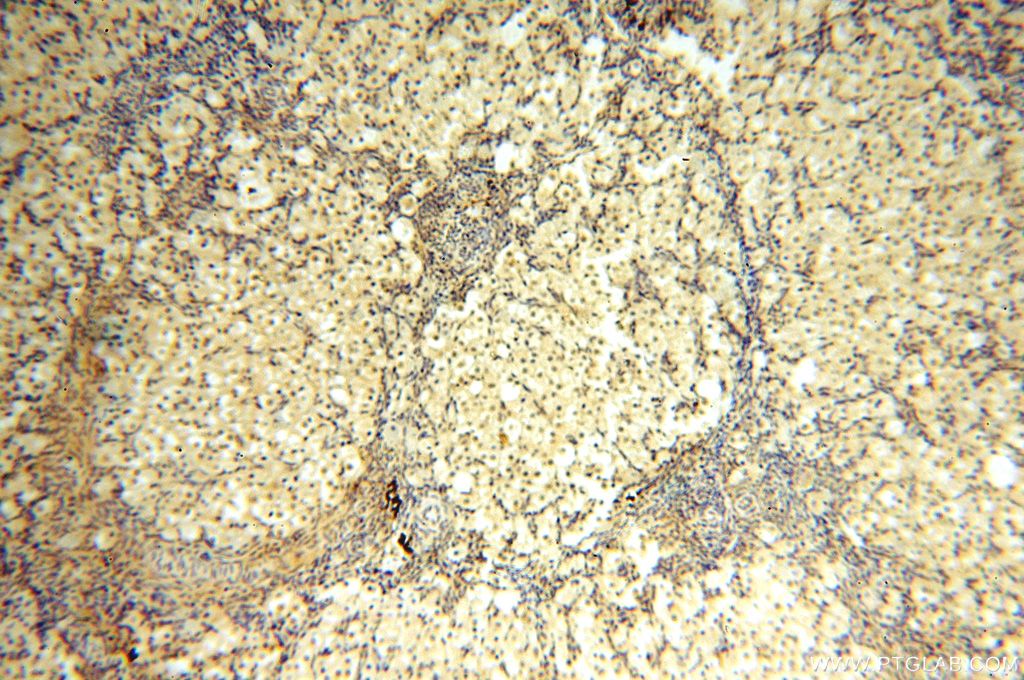
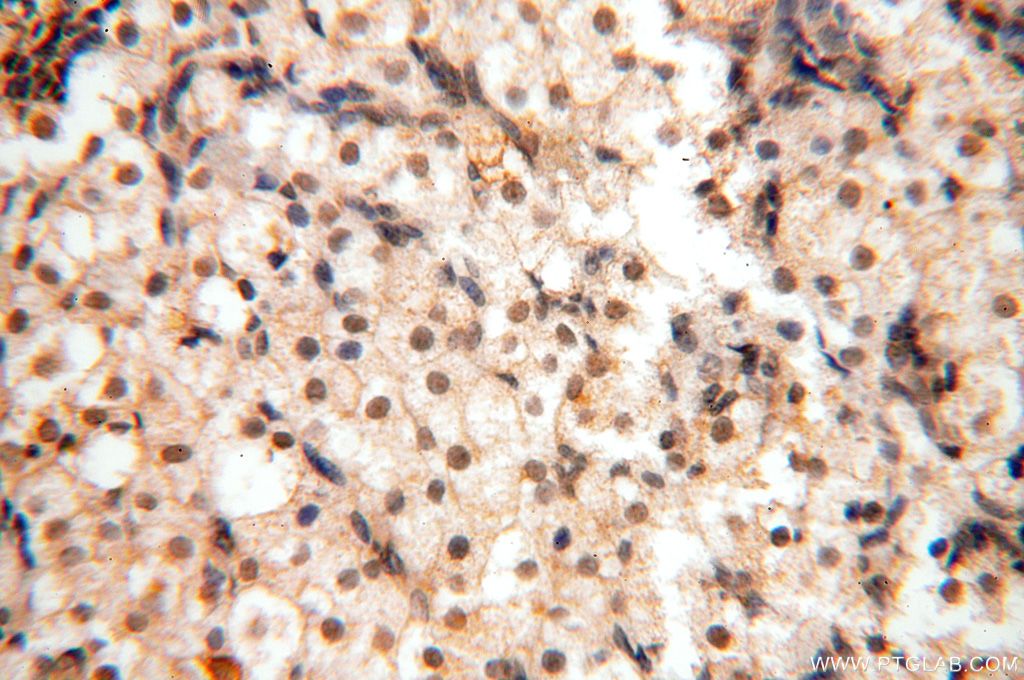
| Positive IHC detected in | human ovary tumor tissue, human testis tissue, human kidney tissue, human ovary tissue, human heart tissue, human placenta tissue, mouse testis tissue, human ovary cancer tissue, human brain tissue, human spleen tissue, human skin tissue Note: suggested antigen retrieval with TE buffer pH 9.0; (*) Alternatively, antigen retrieval may be performed with citrate buffer pH 6.0 |
Recommended dilution
| Application | Dilution |
|---|---|
| Western Blot (WB) | WB : 1:500-1:2000 |
| Immunoprecipitation (IP) | IP : 0.5-4.0 ug for 1.0-3.0 mg of total protein lysate |
| Immunohistochemistry (IHC) | IHC : 1:200-1:800 |
| It is recommended that this reagent should be titrated in each testing system to obtain optimal results. | |
| Sample-dependent, Check data in validation data gallery. | |
Product Information
14761-1-AP targets WRAP53 in WB, IHC, IF, IP, ELISA applications and shows reactivity with human samples.
| Tested Reactivity | human |
| Cited Reactivity | human, mouse |
| Host / Isotype | Rabbit / IgG |
| Class | Polyclonal |
| Type | Antibody |
| Immunogen |
CatNo: Ag6522 Product name: Recombinant human WRAP53 protein Source: e coli.-derived, PGEX-4T Tag: GST Domain: 166-548 aa of BC002336 Sequence: TQPENFLKGCKWAPDGSCILTNSADNILRIYNLPPELYHEGEQVEYAEMVPVLRMVEGDTIYDYCWYSLMSSAQPDTSYVASSSRENPIHIWDAFTGELRASFRAYNHLDELTAAHSLCFSPDGSQLFCGFNRTVRVFSTARPGRDCEVRATFAKKQGQSGIISCIAFSPAQPLYACGSYGRSLGLYAWDDGSPLALLGGHQGGITHLCFHPDGNRFFSGARKDAELLCWDLRQSGYPLWSLGREVTTNQRIYFDLDPTGQFLVSGSTSGAVSVWDTDGPGNDGKPEPVLSFLPQKDCTNGVSLHPSLPLLATASGQRVFPEPTESGDEGEELGLPLLSTRHVHLECRLQLWWCGGAPDSSIPDDHQGEKGQGGTEGGVGELI Predict reactive species |
| Full Name | WD repeat containing, antisense to TP53 |
| Calculated Molecular Weight | 59 kDa |
| Observed Molecular Weight | 72-75 kDa |
| GenBank Accession Number | BC002336 |
| Gene Symbol | WRAP53 |
| Gene ID (NCBI) | 55135 |
| RRID | AB_1939806 |
| Conjugate | Unconjugated |
| Form | Liquid |
| Purification Method | Antigen affinity purification |
| UNIPROT ID | Q9BUR4 |
| Storage Buffer | PBS with 0.02% sodium azide and 50% glycerol, pH 7.3. |
| Storage Conditions | Store at -20°C. Stable for one year after shipment. Aliquoting is unnecessary for -20oC storage. 20ul sizes contain 0.1% BSA. |
Background Information
WRAP53 (WD40-encoding RNA Antisense to p53), also known as TCAB1 and WDR79, is a multifunctional protein encoded by a gene that produces both a coding mRNA and a regulatory antisense RNA targeting the tumor suppressor p53. Initially identified for its role in maintaining genomic stability by regulating p53 expression, WRAP53 is crucial for telomerase assembly and localization to Cajal bodies, impacting telomere maintenance. It also participates in DNA damage repair and cellular stress responses. The calculated molecular weight of WRAP53 is about 59 kDa, but the actual observed molecular weight is about 72-75 kDa, which may be due to modification.
Protocols
| Product Specific Protocols | |
|---|---|
| IHC protocol for WRAP53 antibody 14761-1-AP | Download protocol |
| IP protocol for WRAP53 antibody 14761-1-AP | Download protocol |
| WB protocol for WRAP53 antibody 14761-1-AP | Download protocol |
| Standard Protocols | |
|---|---|
| Click here to view our Standard Protocols |
Publications
What published studies show
The WRAP53 Polyclonal antibody (Cat# 14761-1-AP) has 19 citations spanning journals including Science, Nature Communications, Molecular Cell, Nature Chemical Biology, Cell Reports, Genes & Development, Molecular Cancer, Oncogenesis, and PLoS One. Research fields covered include telomerase biology, DNA damage repair, cellular senescence, m6A RNA modification, ubiquitin signaling, and cancer (gastric, esophageal, lung, osteosarcoma, and head and neck). Most citations used Western blot, with some employing IF, IHC, or RNAi validation.
| Species | Application | Title |
|---|---|---|
Science Cryo-EM structure of human telomerase dimer reveals H/ACA RNP-mediated dimerization | ||
Mol Cancer ALKBH5 suppresses gastric cancer tumorigenesis and metastasis by inhibiting the translation of uncapped WRAP53 RNA isoforms in an m6A-dependent manner | ||
Nat Commun Structures of nucleotide-bound human telomerase at several steps of its telomeric DNA repeat addition cycle. | ||
Nat Chem Biol Observation of processive telomerase catalysis using high-resolution optical tweezers. | ||
Stem Cell Res Ther The mechanism of telomerase Cajal body protein 1 regulating senescence of mouse bone marrow mesenchymal stem cells |

























