
Product Information
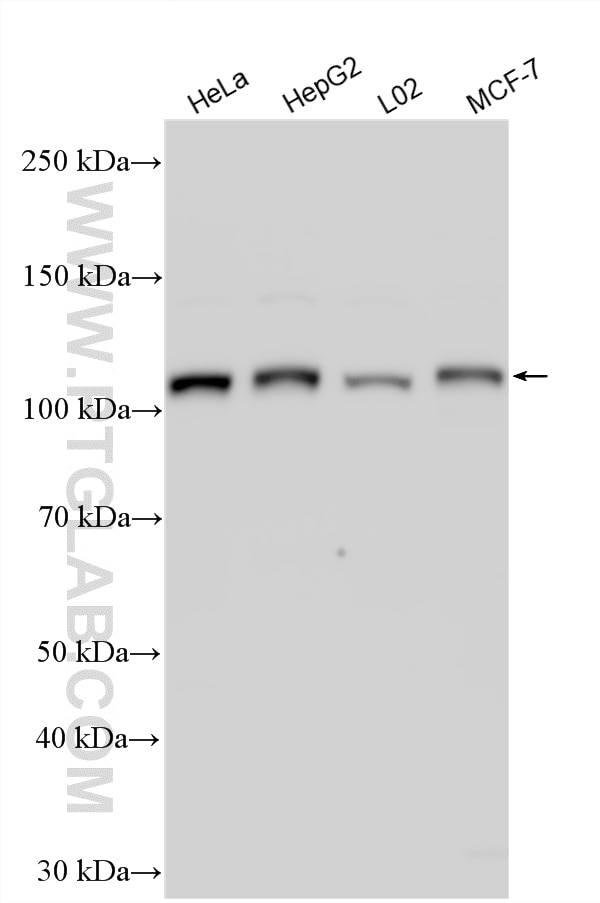
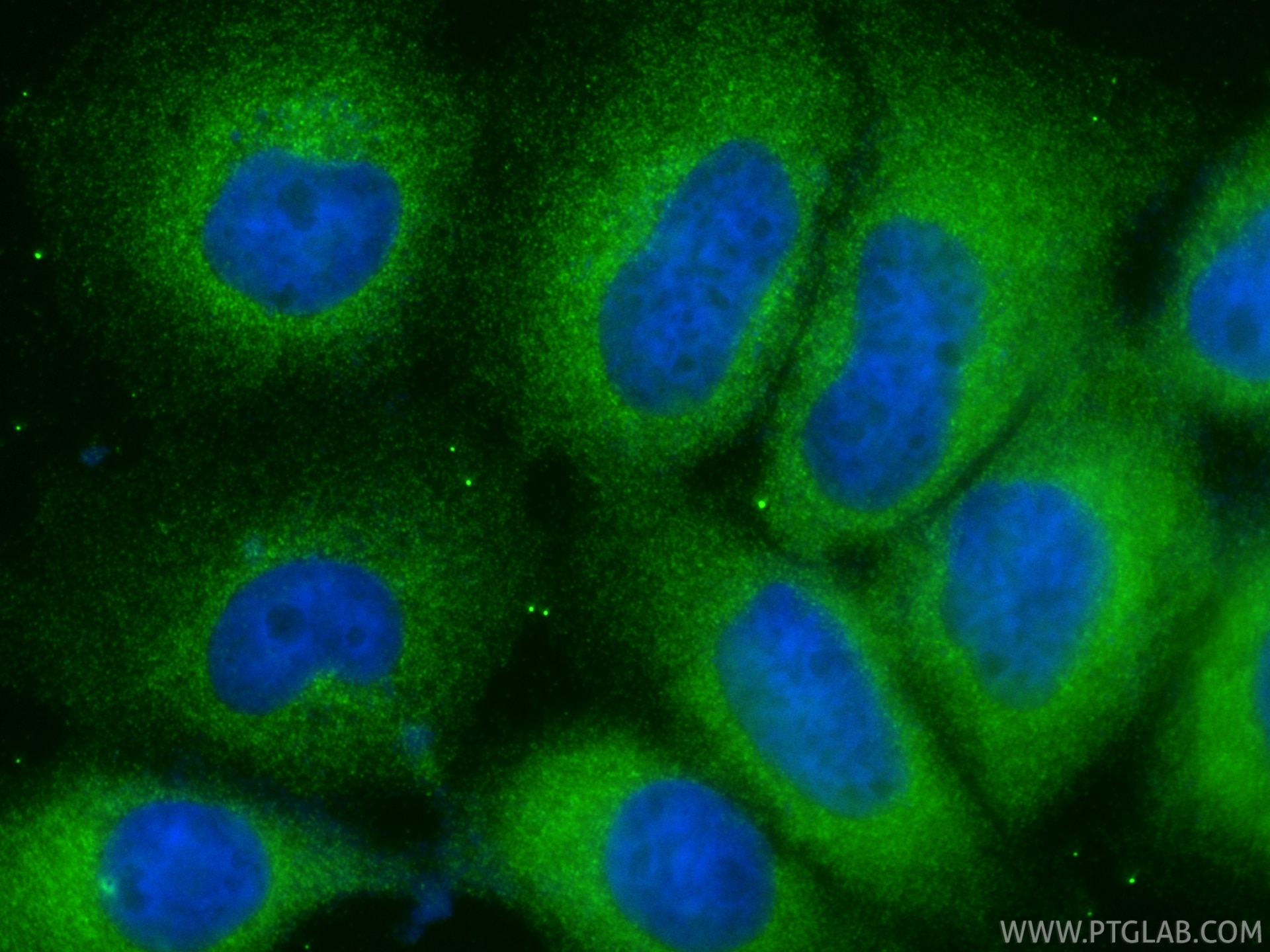
34174-1-PBS targets ZC3H7A in WB, IF/ICC, Indirect ELISA applications and shows reactivity with human samples.
| Tested Reactivity | human |
| Host / Isotype | Rabbit / IgG |
| Class | Polyclonal |
| Type | Antibody |
| Immunogen |
CatNo: Ag40239 Product name: Recombinant human ZC3H7A protein Source: e coli.-derived, PGEX-4T Tag: GST Domain: 1-205 aa of NM_014153.3 Sequence: MSNVSEERRKRQQNIKEGLQFIQSPLSYPGTQEQYAVYLRALVRNLFNEGNDVYREHDWNNSISQYTEALNIADYAKSEEILIPKEIIEKLYINRIACYSNMGFHDKVLEDCNIVLSLNASNCKALYRKSKALSDLGRYKKAYDAVAKCSLAVPQDEHVIKLTQELAQKLGFKIRKAYVRAELSLKSVPGDGATKALNHSVEDIE Predict reactive species |
| Full Name | zinc finger CCCH-type containing 7A |
| Calculated Molecular Weight | 110kDa,971aa |
| Observed Molecular Weight | 110 kDa |
| GenBank Accession Number | NM_014153.3 |
| Gene Symbol | ZC3H7A |
| Gene ID (NCBI) | 29066 |
| RRID | AB_3743165 |
| Conjugate | Unconjugated |
| Form | Liquid |
| Purification Method | Antigen affinity Purification |
| UNIPROT ID | Q8IWR0 |
| Storage Buffer | PBS only, pH 7.3. |
| Storage Conditions | Store at -80°C. |
Background Information
ZC3H7A (Zinc finger CCCH-type containing 7A, also known as HSPC055 or FLJ20318) is an RNA-binding protein containing zinc finger domains. This protein contains one C2H2-type zinc finger, three CCCH-type zinc fingers, and three TPR repeat sequences, belonging to the class III CCCH zinc finger protein family. ZC3H7A primarily functions in miRNA binding, where it recognizes miRNA hairpin sequences and participates in regulating miRNA biogenesis and processing. Research indicates that this protein plays a significant role in immune regulation: its expression is significantly upregulated upon macrophage activation, Th2 cell activation, and LPS stimulation, and it is enriched in immune organs such as the thymus and spleen. Notably, HIV vaccine studies have found that high expression of ZC3H7A is associated with decreased vaccine protective efficacy. Furthermore, genome-wide association studies suggest its correlation with QT interval duration, though the specific molecular mechanisms require further investigation.



