

Tested Applications
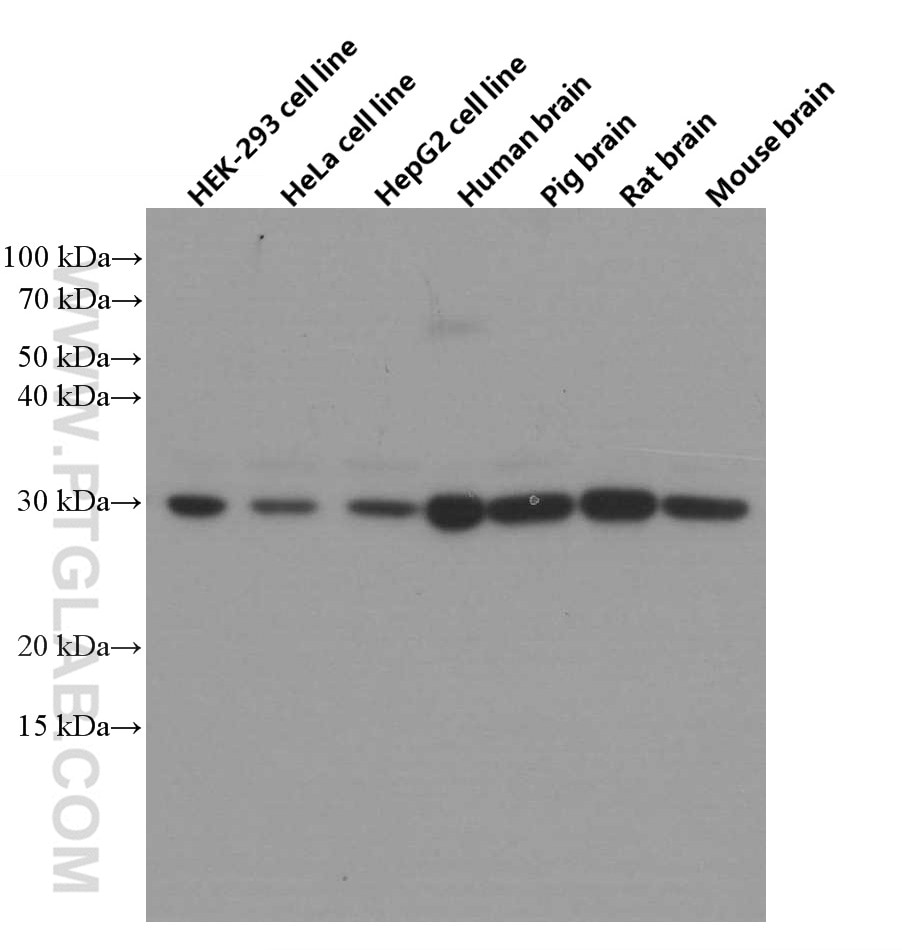
| Positive WB detected in | HEK-293 cells, HeLa cells, HepG2 cells, human brain tissue, pig brain tissue, rat brain tissue, mouse brain tissue |
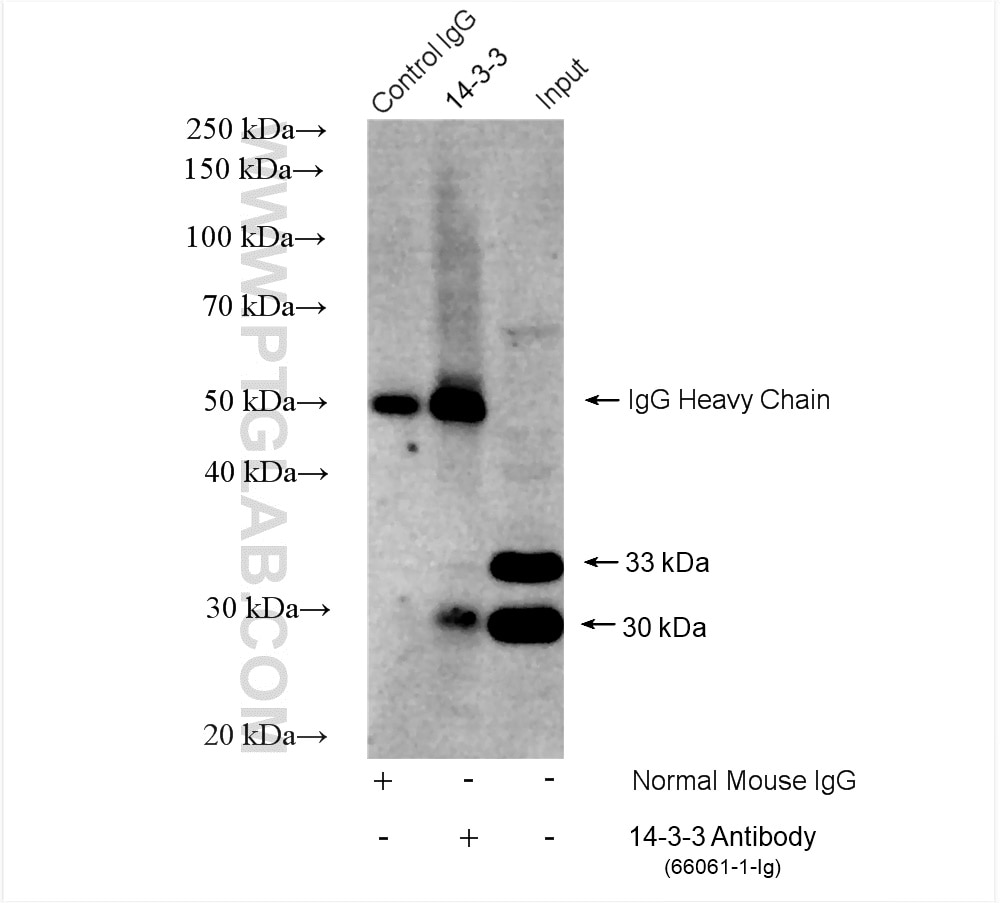
| Positive IP detected in | rat brain tissue |
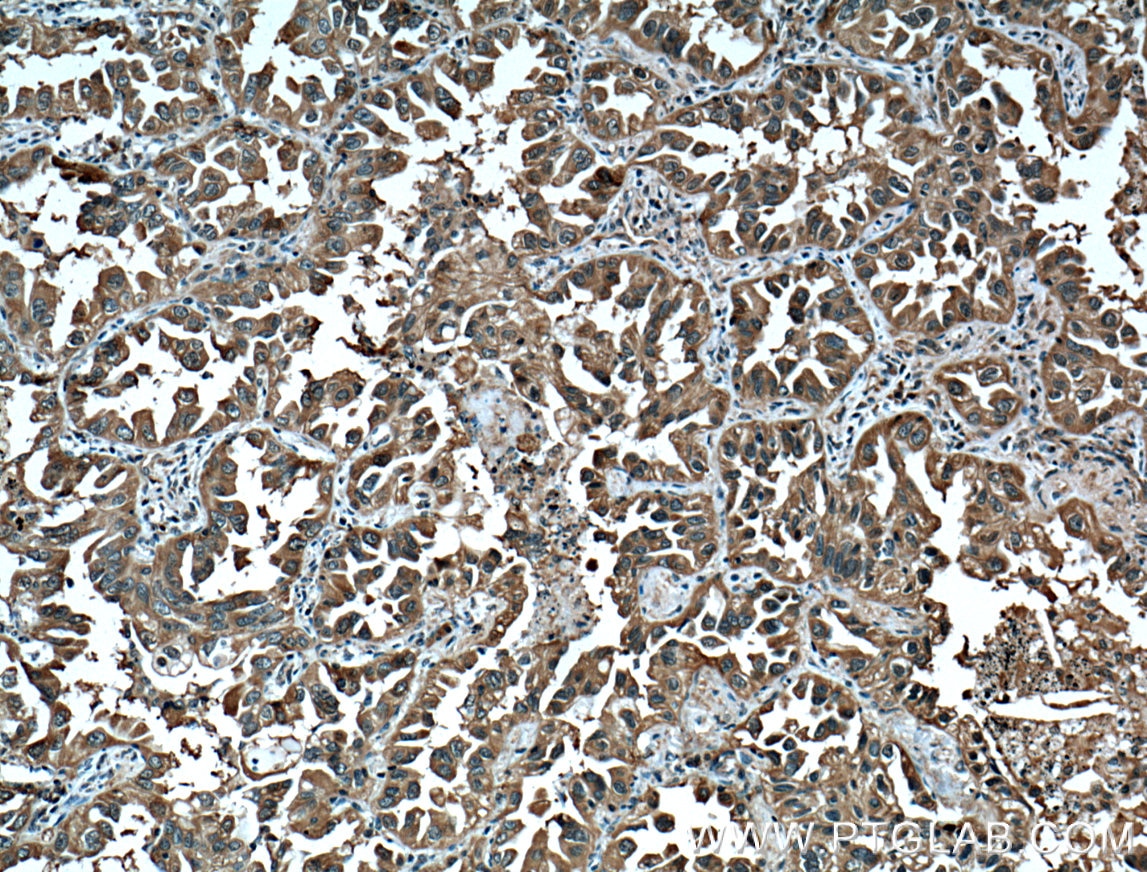
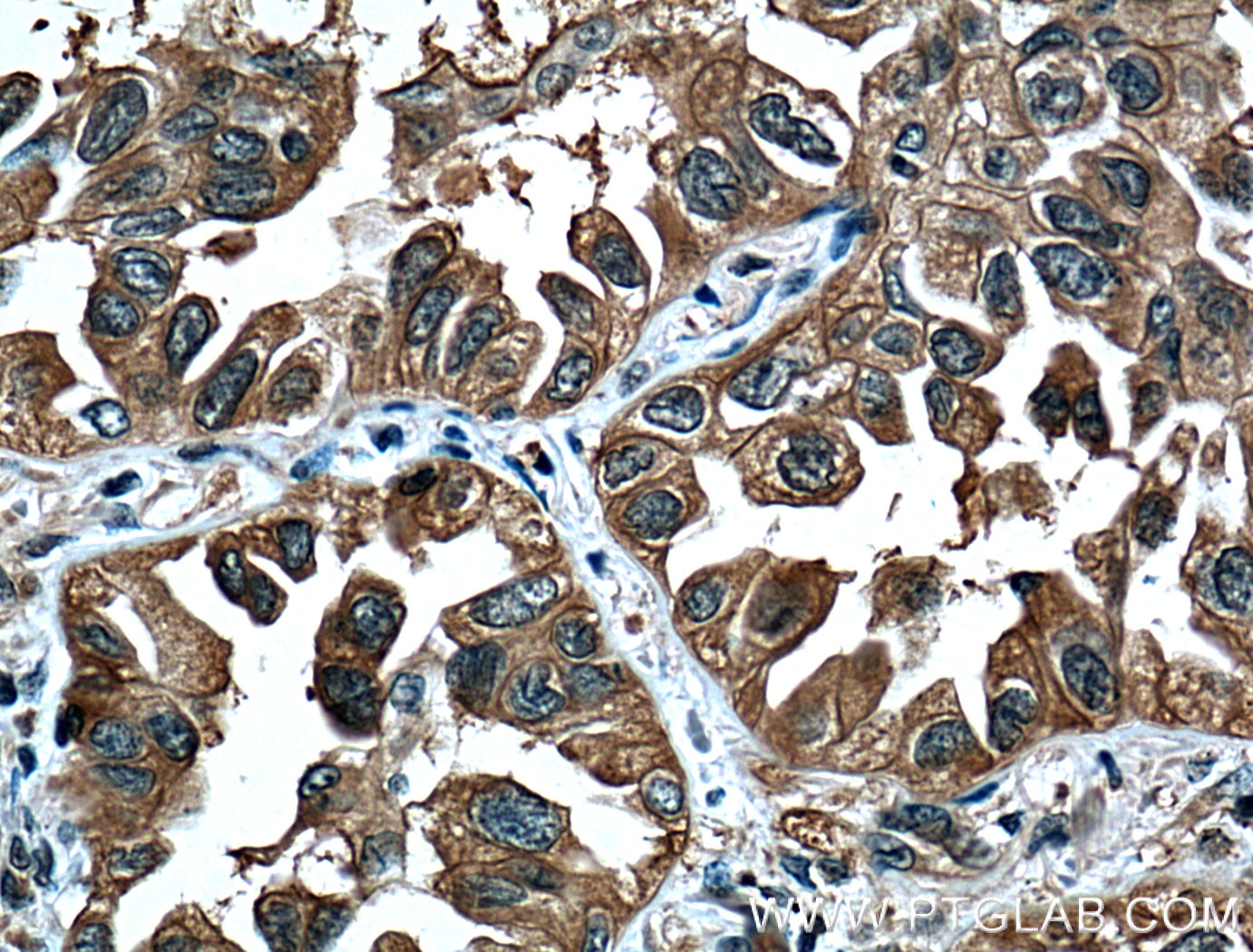
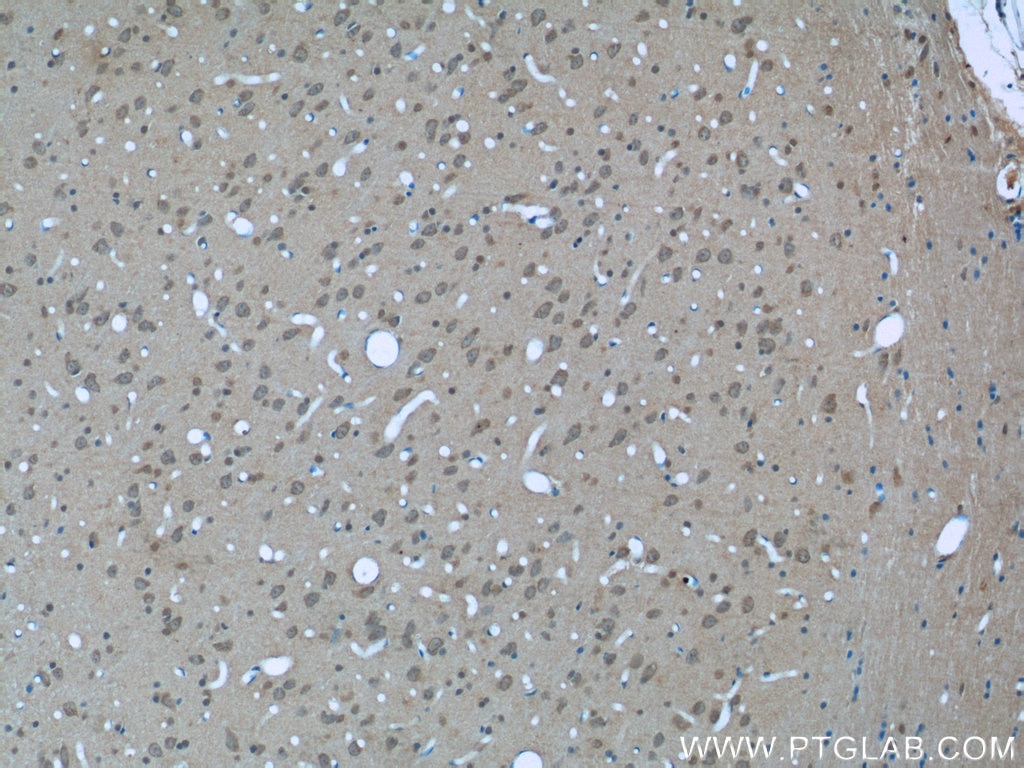
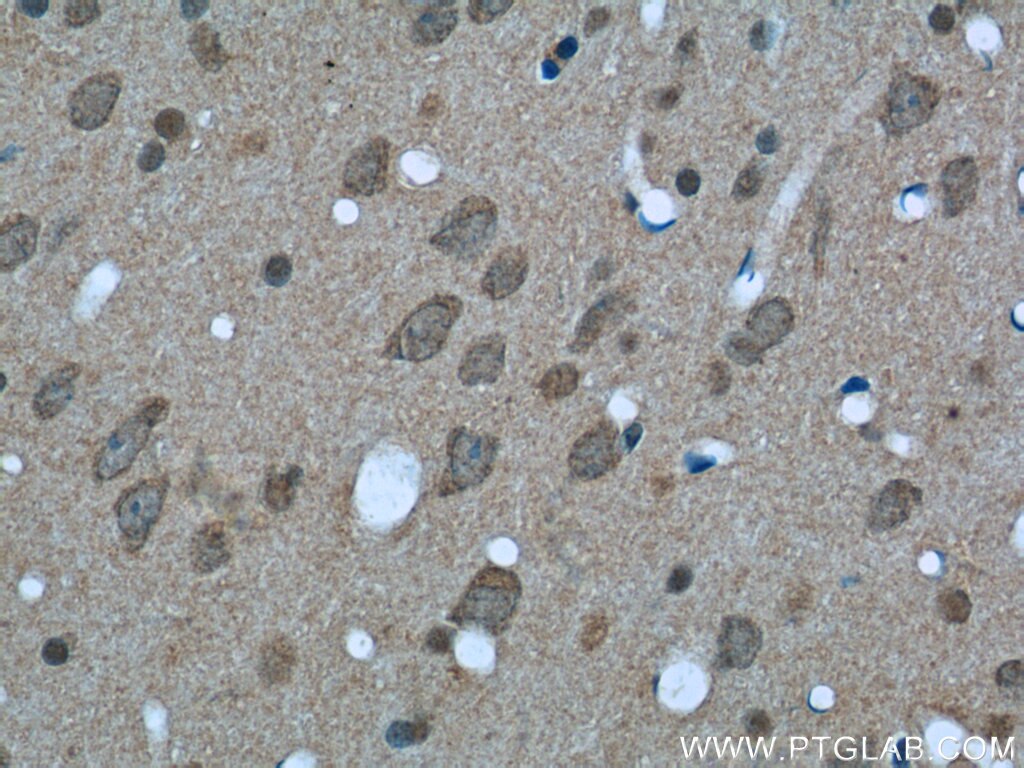
| Positive IHC detected in | human lung cancer tissue, rat brain tissue Note: suggested antigen retrieval with TE buffer pH 9.0; (*) Alternatively, antigen retrieval may be performed with citrate buffer pH 6.0 |
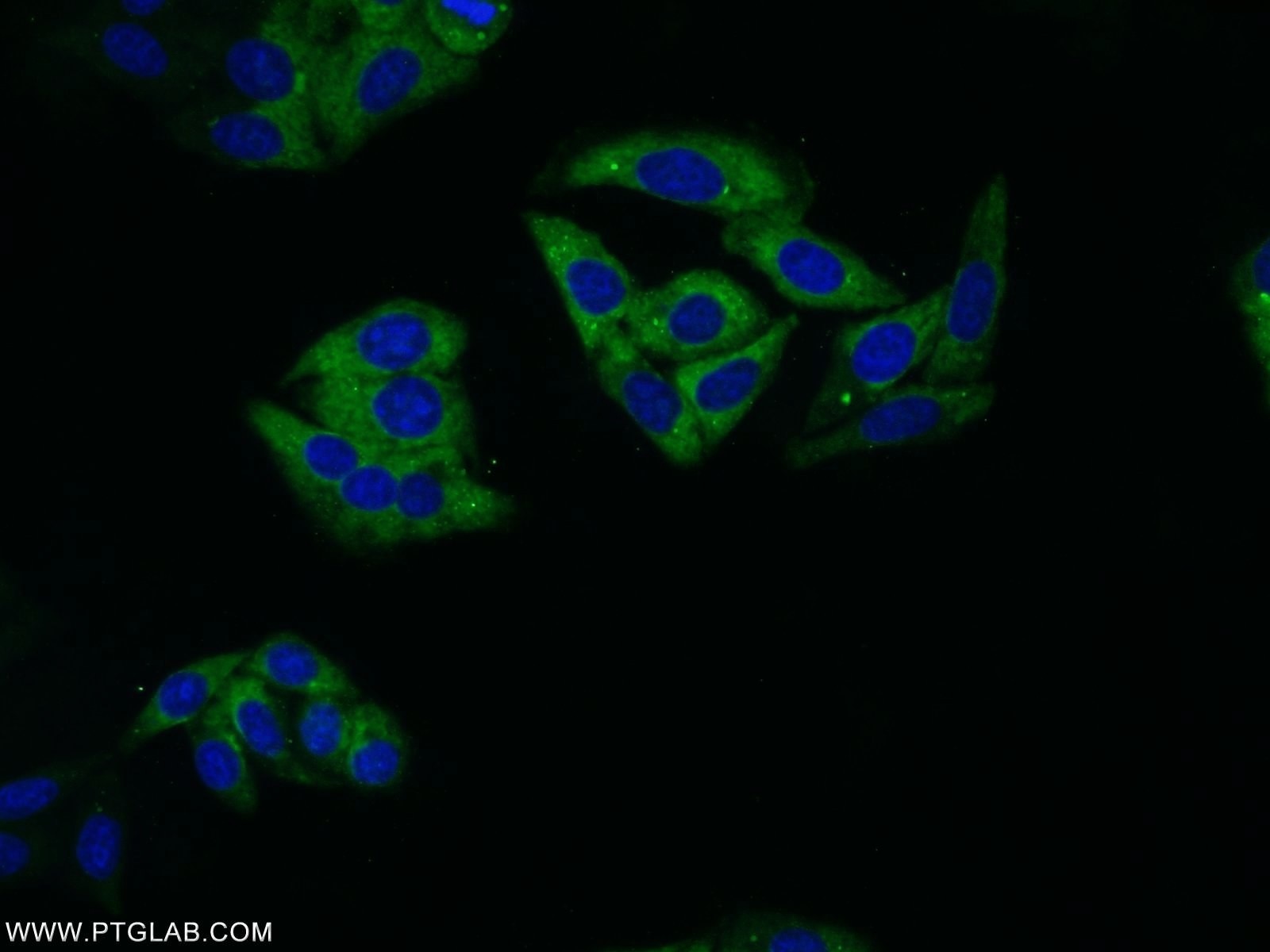
| Positive IF/ICC detected in | HepG2 cells |
Recommended dilution
| Application | Dilution |
|---|---|
| Western Blot (WB) | WB : 1:2000-1:20000 |
| Immunoprecipitation (IP) | IP : 0.5-4.0 ug for 1.0-3.0 mg of total protein lysate |
| Immunohistochemistry (IHC) | IHC : 1:50-1:500 |
| Immunofluorescence (IF)/ICC | IF/ICC : 1:20-1:200 |
| It is recommended that this reagent should be titrated in each testing system to obtain optimal results. | |
| Sample-dependent, Check data in validation data gallery. | |
Product Information
66061-1-Ig targets 14-3-3 in WB, IHC, IF/ICC, IP, CoIP, ELISA applications and shows reactivity with human, mouse, rat, pig samples.
| Tested Reactivity | human, mouse, rat, pig |
| Cited Reactivity | human, mouse, rat, pig |
| Host / Isotype | Mouse / IgG1 |
| Class | Monoclonal |
| Type | Antibody |
| Immunogen |
CatNo: Ag6055 Product name: Recombinant human 14-3-3 protein Source: e coli.-derived, PET28a Tag: 6*His Domain: 1-245 aa of BC056867 Sequence: MEKTELIQKAKLAEQAERYDDMATCMKAVTEQGAELSNEERNLLSVAYKNVVGGRRSAWRVISSIEQKTDTSDKKLQLIKDYREKVESELRSICTTVLELLDKYLIANATNPESKVFYLKMKGDYFRYLAEVACGDDRKQTIDNSQGAYQEAFDISKKEMQPTHPIRLGLALNFSVFYYEILNNPELACTLAKTAFDEAIAELDTLNEDSYKDSTLIMQLLRDNLTLWTSDSAGEECDAAEGAEN Predict reactive species |
| Full Name | tyrosine 3-monooxygenase/tryptophan 5-monooxygenase activation protein, theta polypeptide |
| Calculated Molecular Weight | 28 kDa |
| Observed Molecular Weight | 31 kDa, 28 kDa |
| GenBank Accession Number | BC056867 |
| Gene Symbol | 14-3-3 theta |
| Gene ID (NCBI) | 10971 |
| RRID | AB_11042772 |
| Conjugate | Unconjugated |
| Form | Liquid |
| Purification Method | Protein G purification |
| UNIPROT ID | P27348 |
| Storage Buffer | PBS with 0.02% sodium azide and 50% glycerol, pH 7.3. |
| Storage Conditions | Store at -20°C. Stable for one year after shipment. Aliquoting is unnecessary for -20oC storage. 20ul sizes contain 0.1% BSA. |
Background Information
14-3-3 proteins interact with a wide spectrum of proteins and possess diverse functions. Mammals express seven distinct 14-3-3 isoforms (gamma, epsilon, beta, zeta, sigma, theta, tau) that form multiple homo- and hetero- dimmers. 14-3-3 proteins display the highest expression levels in the brain, and have been implicated in several neurodegenerative diseases, including Alzheimer's disease and amyotrophic lateral sclerosis.
Protocols
| Product Specific Protocols | |
|---|---|
| IF protocol for 14-3-3 antibody 66061-1-Ig | Download protocol |
| IHC protocol for 14-3-3 antibody 66061-1-Ig | Download protocol |
| IP protocol for 14-3-3 antibody 66061-1-Ig | Download protocol |
| WB protocol for 14-3-3 antibody 66061-1-Ig | Download protocol |
| Standard Protocols | |
|---|---|
| Click here to view our Standard Protocols |
Publications
What published studies show
The 14-3-3 Monoclonal antibody (2E10A3), catalog number 66061-1-Ig, has 6 citations published in Clinical Nutrition, Cell Reports, Frontiers in Immunology, Aging, Journal of Virology, and Neuroscience Research. These studies span hepatic metabolism, pulmonary hypertension, autoimmune protein interactomics, multiple myeloma, viral apoptosis mechanisms, and epilepsy-related synaptic regulation.
| Species | Application | Title |
|---|---|---|
Clin Nutr Ceramide enhanced the hepatic glucagon response through regulation of CREB activity | ||
Cell Rep Liquid-liquid phase separation of EphB4 drives pulmonary hypertension via YAP activation. | ||
Aging (Albany NY) In vitro and in vivo efficacy of the novel oral proteasome inhibitor NNU546 in multiple myeloma. | ||
J Virol The African swine fever virus MGF360-16R protein functions as a mitochondrial-dependent apoptosis inducer by competing with BAX to bind to the HSP60 protein | ||
Neurosci Res HAP1 interacts with 14-3-3 to regulate epileptic seizure via GABAAR-mediated inhibitory synaptic transmission in pentylenetetrazole rat model. |








