

Tested Applications
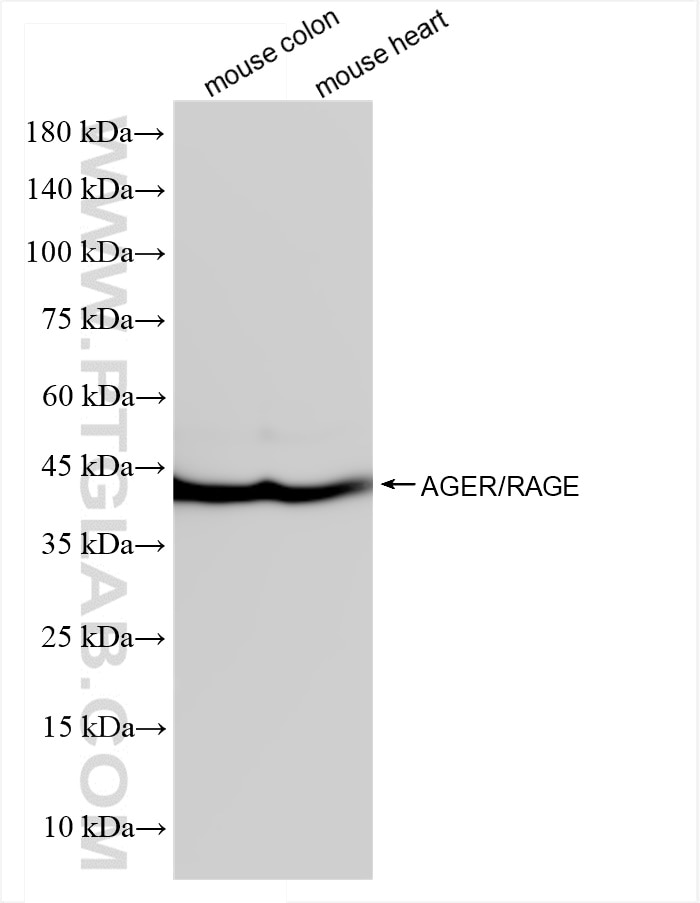
| Positive WB detected in | mouse colon tissue, mouse heart tissue |
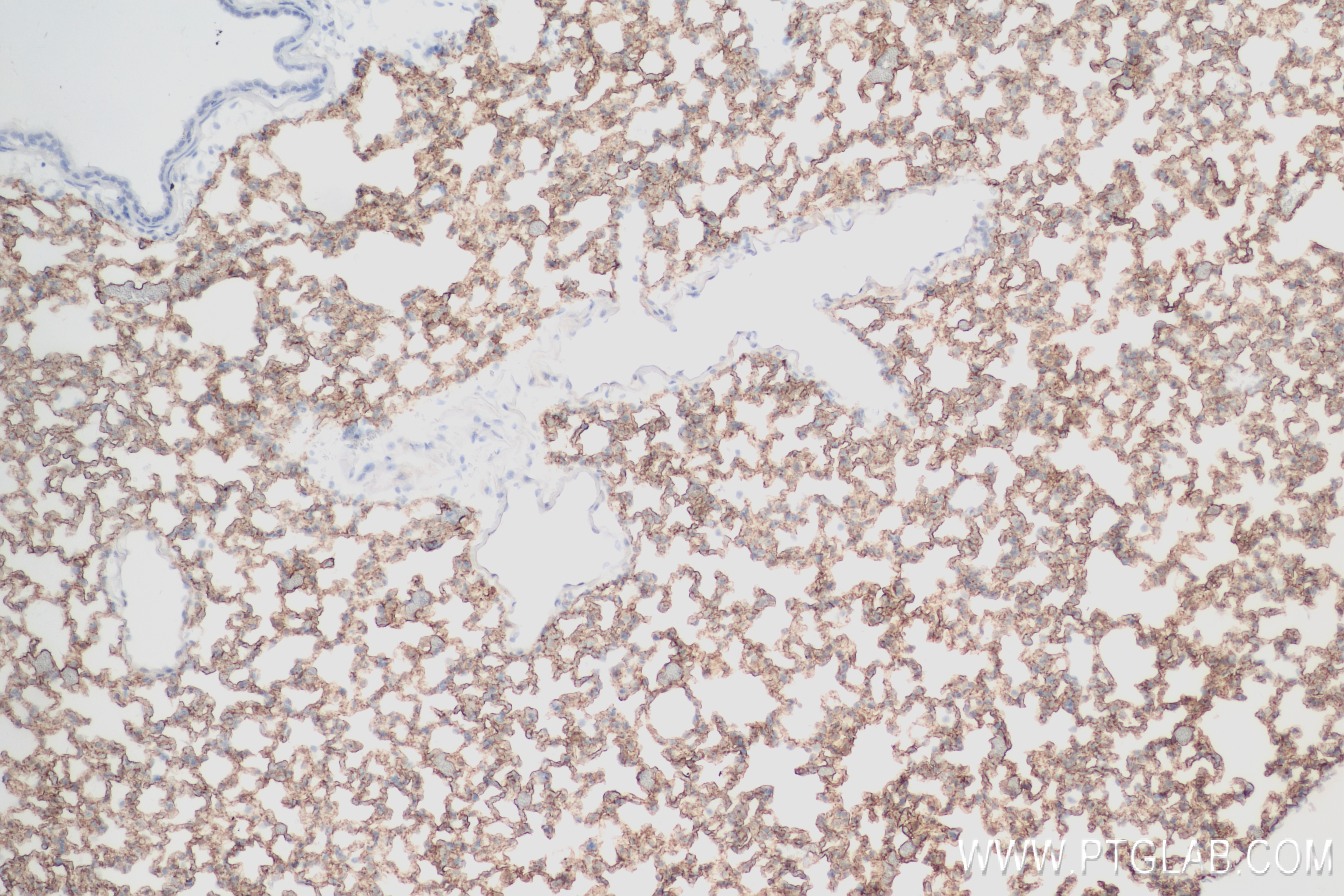
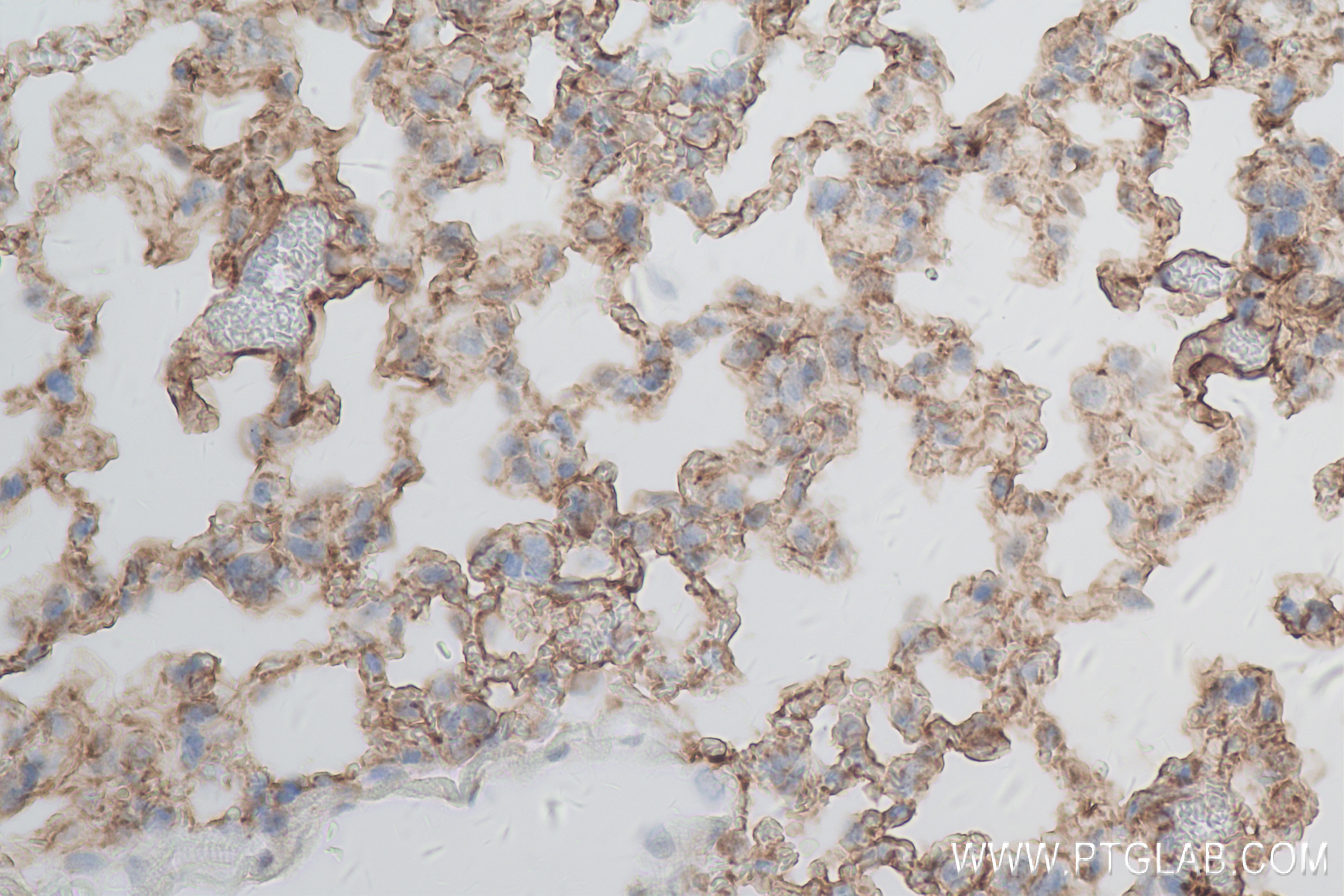
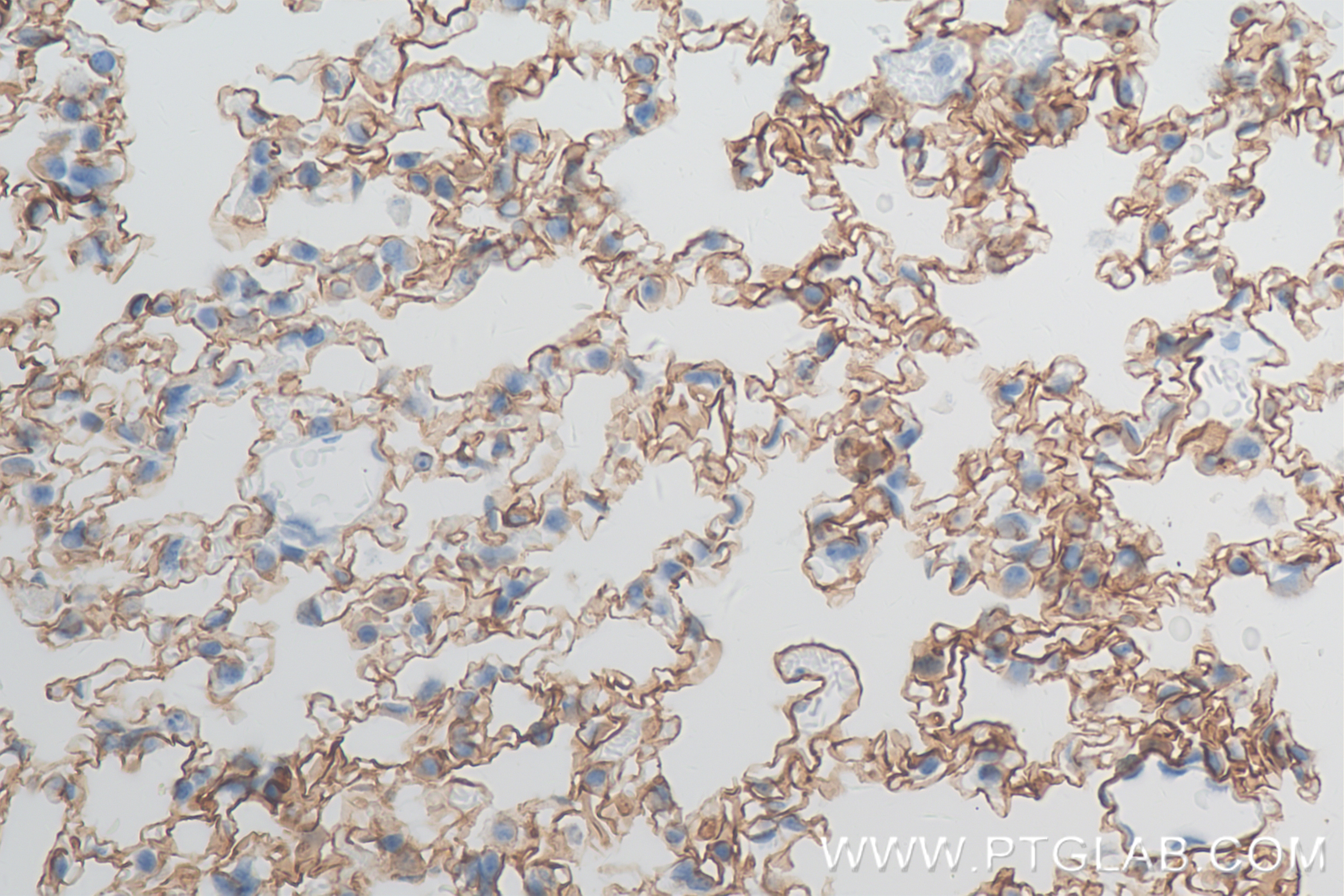
| Positive IHC detected in | mouse lung tissue, rat lung tissue Note: suggested antigen retrieval with TE buffer pH 9.0; (*) Alternatively, antigen retrieval may be performed with citrate buffer pH 6.0 |
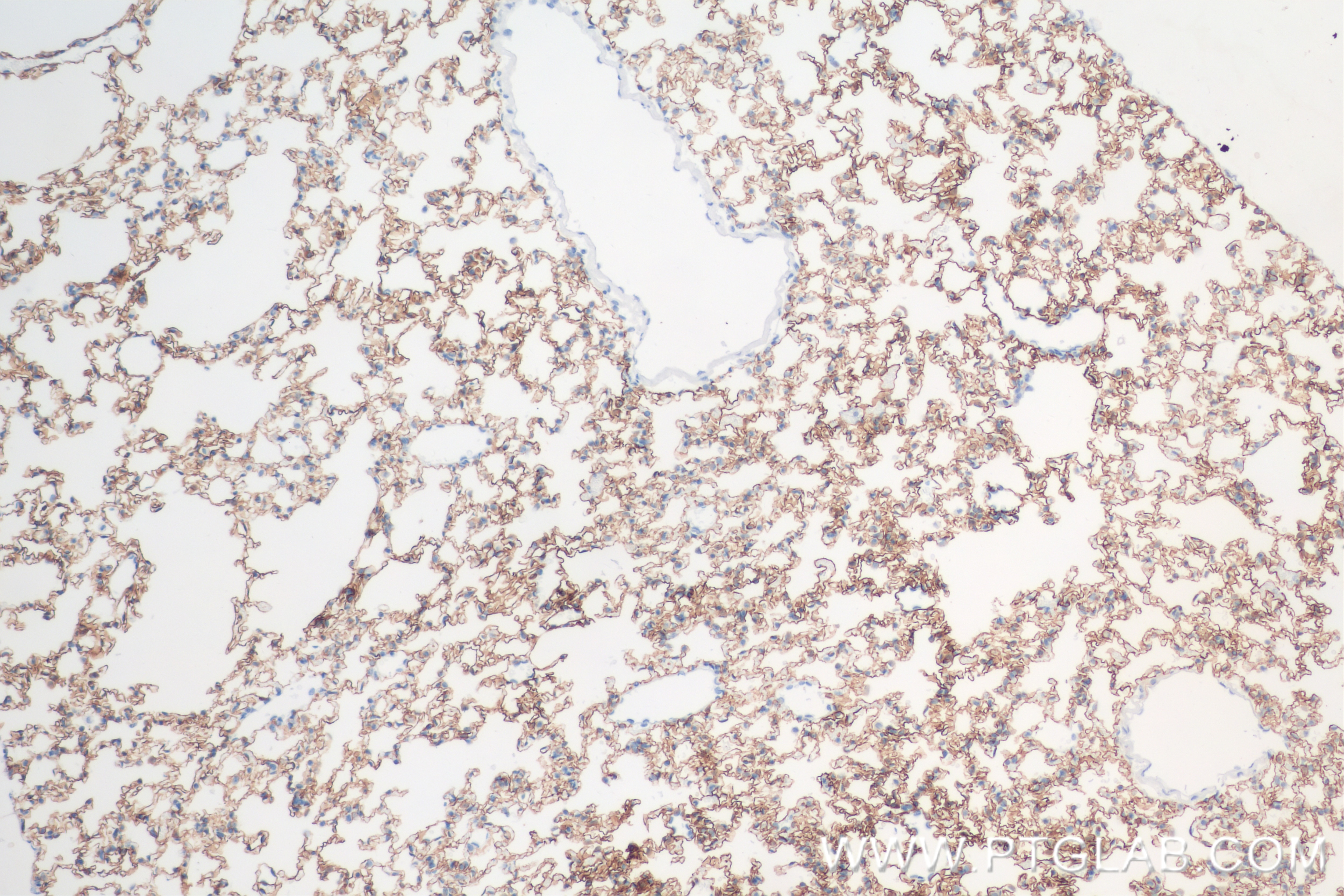
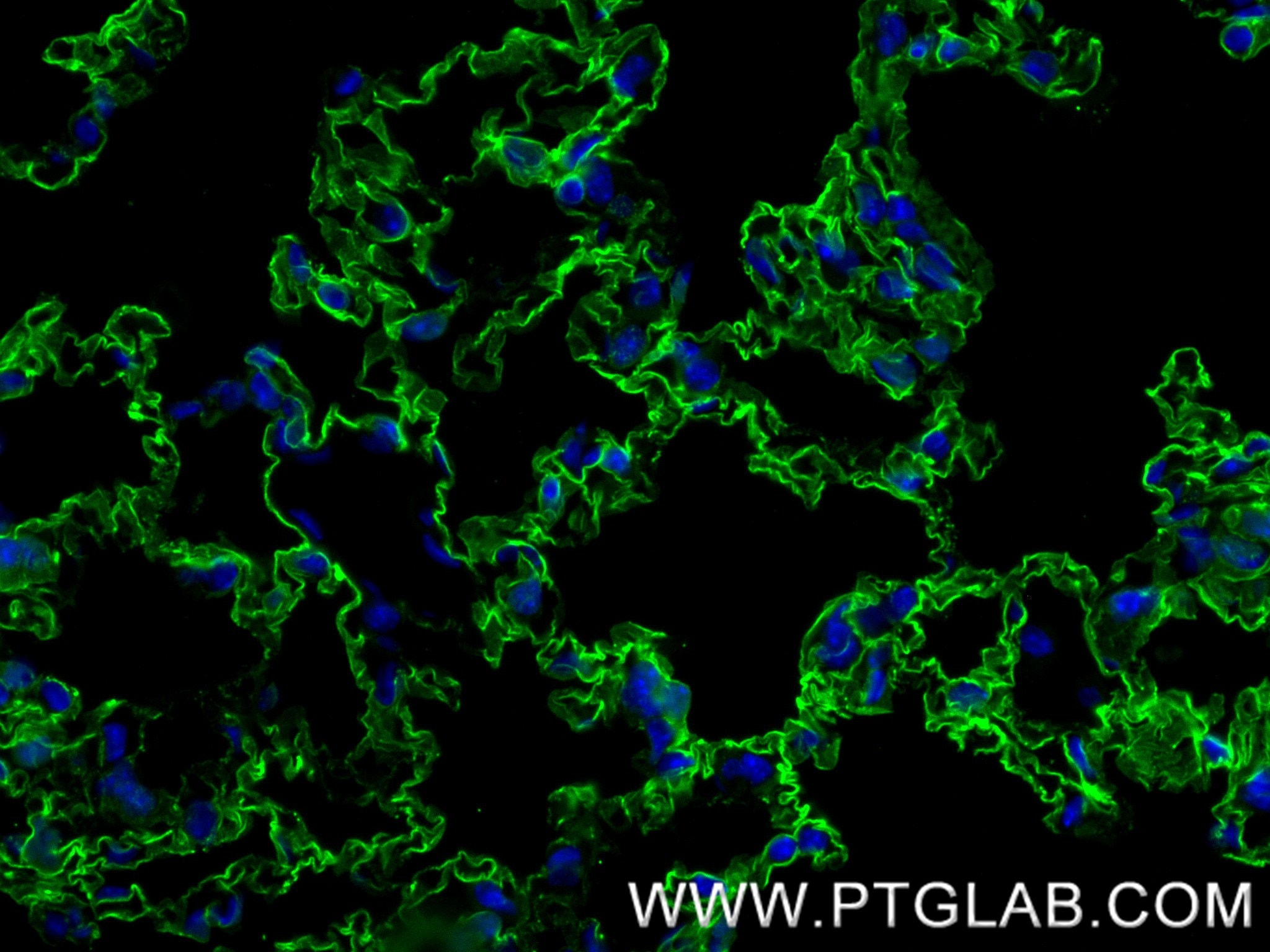
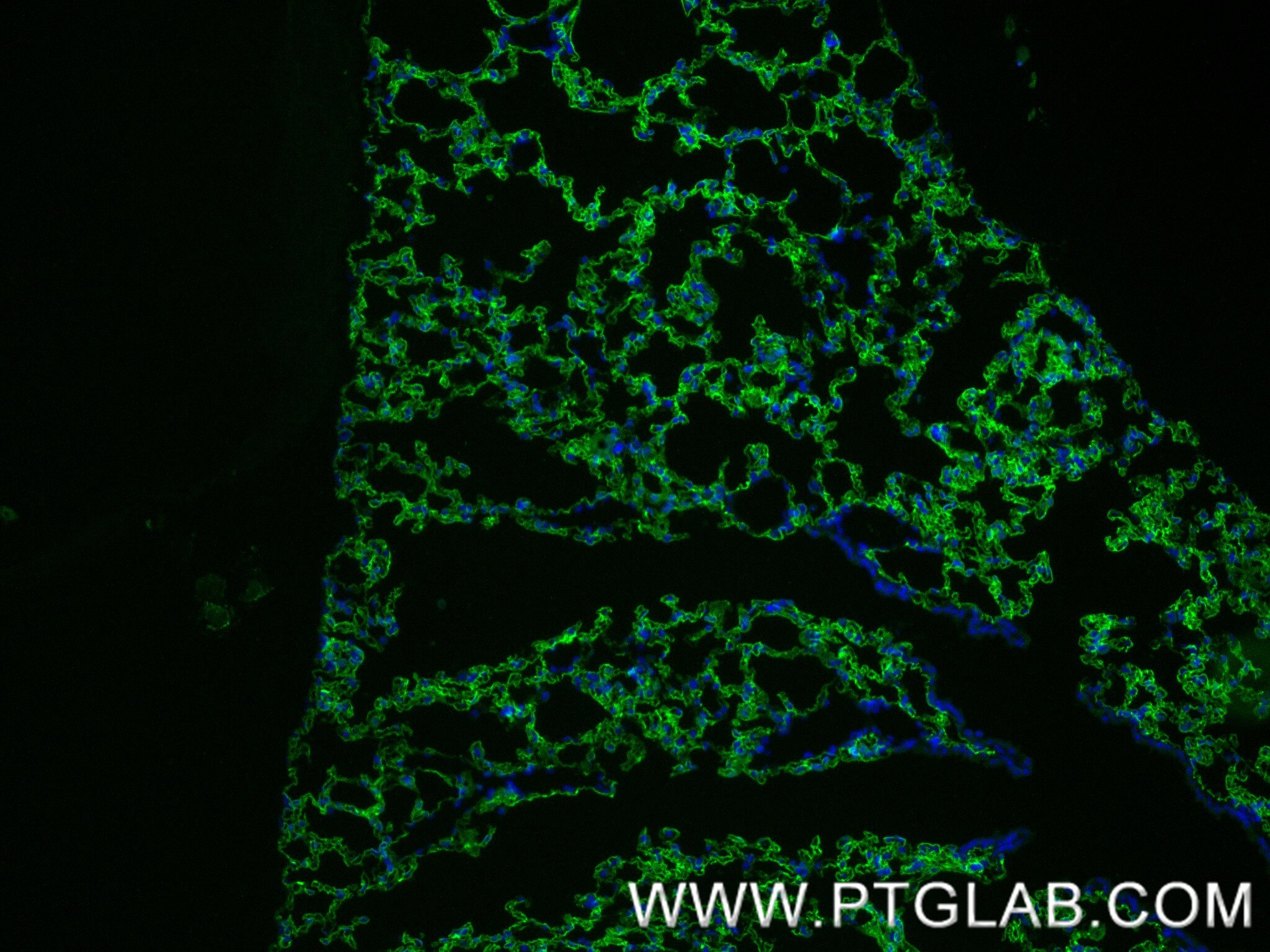
| Positive IF-P detected in | mouse lung tissue |
Recommended dilution
| Application | Dilution |
|---|---|
| Western Blot (WB) | WB : 1:5000-1:50000 |
| Immunohistochemistry (IHC) | IHC : 1:500-1:2000 |
| Immunofluorescence (IF)-P | IF-P : 1:250-1:1000 |
| It is recommended that this reagent should be titrated in each testing system to obtain optimal results. | |
| Sample-dependent, Check data in validation data gallery. | |
Product Information
83759-5-RR targets AGER/RAGE in WB, IHC, IF-P, ELISA applications and shows reactivity with mouse, rat samples.
| Tested Reactivity | mouse, rat |
| Cited Reactivity | mouse, rat |
| Host / Isotype | Rabbit / IgG |
| Class | Recombinant |
| Type | Antibody |
| Immunogen |
CatNo: Eg1135 Product name: Recombinant Rat AGER/RAGE protein (His Tag) Source: mammalian cells-derived, pHZ-KIsec-C-6*HIS Tag: C-6*HIS Sequence: GQNITARIGEPLMLSCKGAPKKPTQKLEWKLNTGRTEAWKVLSPQGDPWDSVARILPNGSLLLPAIGIVDEGTFRCRATNRLGKEVKSNYRVRVYQIPGKPEIVNPASELTANVPNKVGTCVSEGSYPAGTLSWHLDGKPLIPDGKGTVVKEETRRHPETGLFTLRSELTVTPAQGGTTPTYSCSFSLGLPRRRPLNTAPIQPRVREPLPPEGIQLLVEPEGGTVAPGGTVTLTCAISAQPPPQIHWIKDGTPLPLAPSPVLLLPEVGHEDEGIYSCVATHPSHGPQESPPVNIRVTETGDEGQAAGSVDGSGLGTLAL Predict reactive species |
| Full Name | advanced glycosylation end product-specific receptor |
| Calculated Molecular Weight | 43 kDa |
| Observed Molecular Weight | 43 kDa |
| Gene Symbol | Ager |
| Gene ID (NCBI) | 81722 |
| RRID | AB_3671355 |
| Conjugate | Unconjugated |
| Form | Liquid |
| Purification Method | Protein A purfication |
| UNIPROT ID | Q63495 |
| Storage Buffer | PBS with 0.02% sodium azide and 50% glycerol, pH 7.3. |
| Storage Conditions | Store at -20°C. Stable for one year after shipment. Aliquoting is unnecessary for -20oC storage. 20ul sizes contain 0.1% BSA. |
Background Information
Advanced glycosylation end product-specific receptor (AGER, also known as RAGE) is a member of the immunoglobulin superfamily of cell surface receptors, which interacts with distinct families of ligands, mediating diverse functions in a broad array of cell types including cellular migration, proliferation, survival and apoptosis (PMID: 12645002; 17425919). It senses endogenous stress signals with a broad ligand repertoire including advanced glycation end products, S100 proteins, high-mobility group box 1 protein/HMGB1, amyloid beta/APP oligomers, nucleic acids, phospholipids and glycosaminoglycans (PMID: 19910580; 28627626). It interacts with distinct molecules implicated in homeostasis, development, inflammation, and certain diseases such as diabetes and Alzheimer's disease (PMID: 26253613; 31079281).
Protocols
| Product Specific Protocols | |
|---|---|
| IF protocol for AGER/RAGE antibody 83759-5-RR | Download protocol |
| IHC protocol for AGER/RAGE antibody 83759-5-RR | Download protocol |
| WB protocol for AGER/RAGE antibody 83759-5-RR | Download protocol |
| Standard Protocols | |
|---|---|
| Click here to view our Standard Protocols |
Publications
What published studies show
The AGER/RAGE Recombinant monoclonal antibody (240706C3), catalog number 83759-5-RR, has 2 total citations. These appear in Chin Med (IF 7.4) and Front Endocrinol (Lausanne) (IF 5.7). The research fields covered include diabetic kidney disease involving inflammation, gut microbiota-bile acid axis, and FXR signaling pathway in mice, as well as osteoporosis treatment mechanisms explored through network pharmacology and molecular docking in rats. Both citations used the antibody for Western blot applications.
| Species | Application | Title |
|---|---|---|
Chin Med Yiqi Wenyang Formula ameliorates diabetic kidney disease via inhibiting inflammation and regulating the gut microbiota-bile acid axis in mice by FXR signaling pathway. | ||
Front Endocrinol (Lausanne) Exploring the mechanism of Heidihuang Pill in the treatment of osteoporosis based on network pharmacology, molecular docking, and experimental validation. |









