

Tested Applications
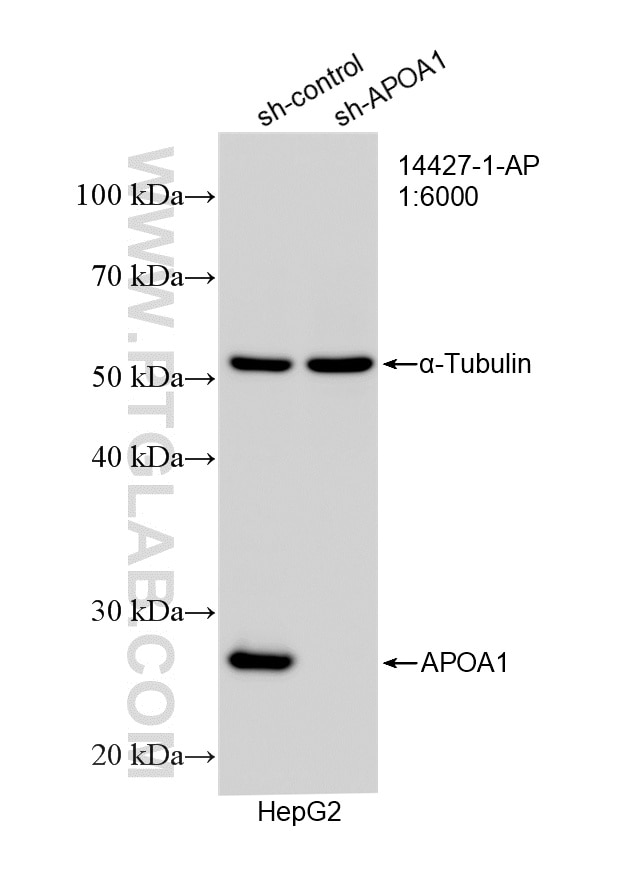
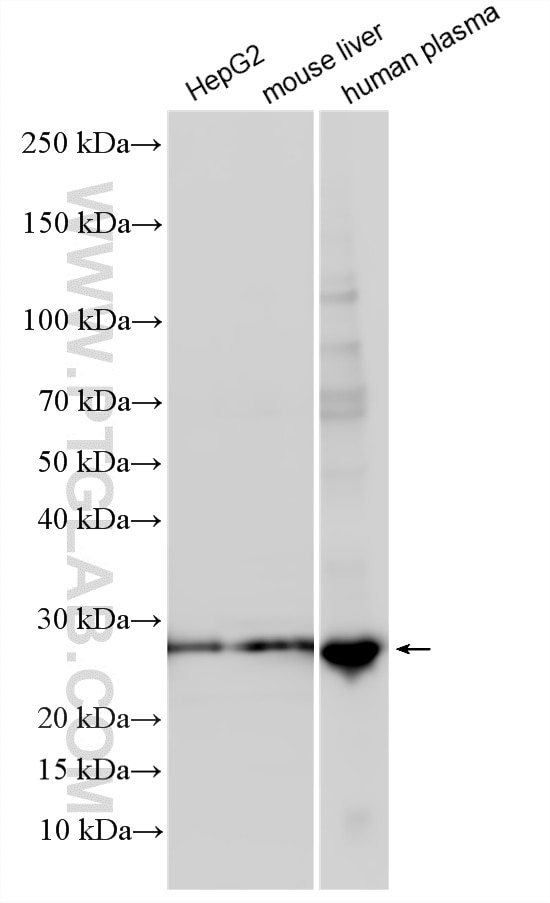
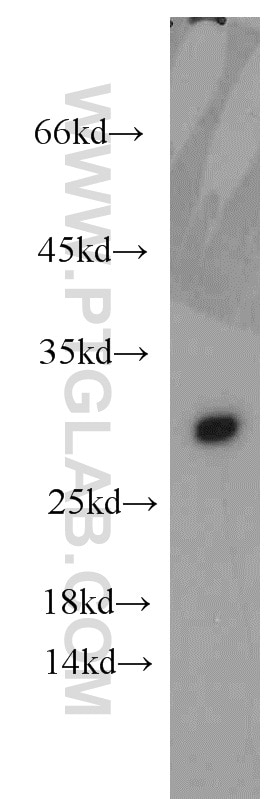
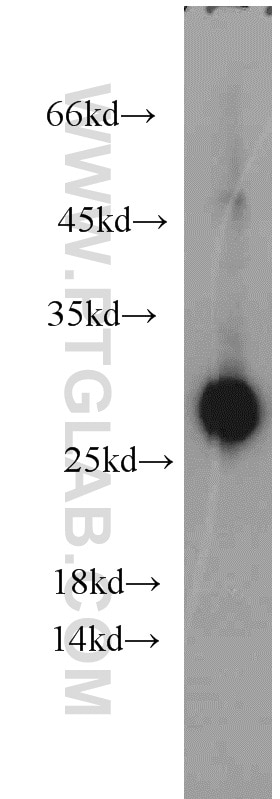
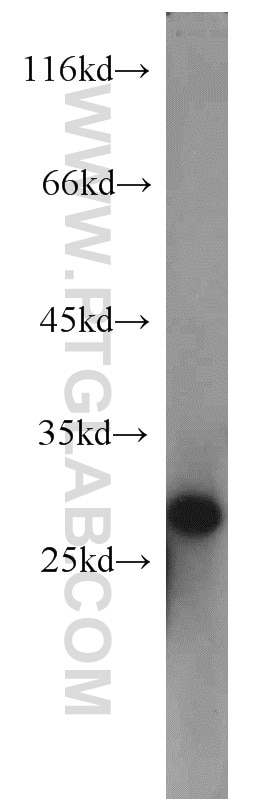
| Positive WB detected in | HepG2 cells, human brain tissue, human ileum tissue, human plasma, mouse liver tissue |
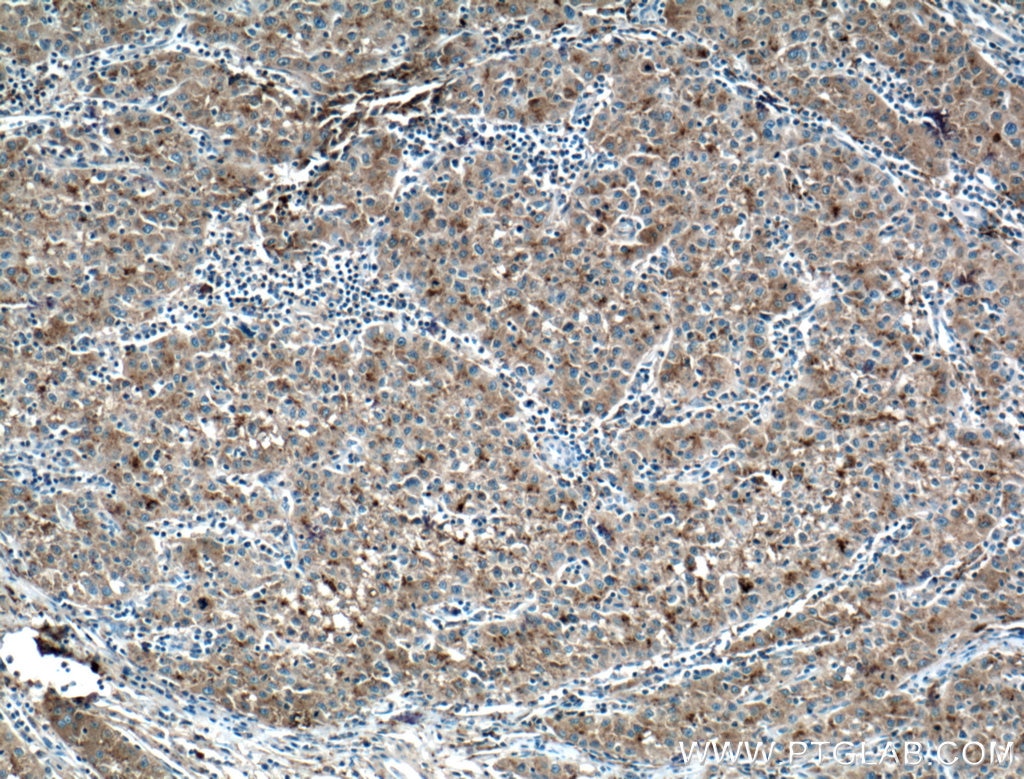
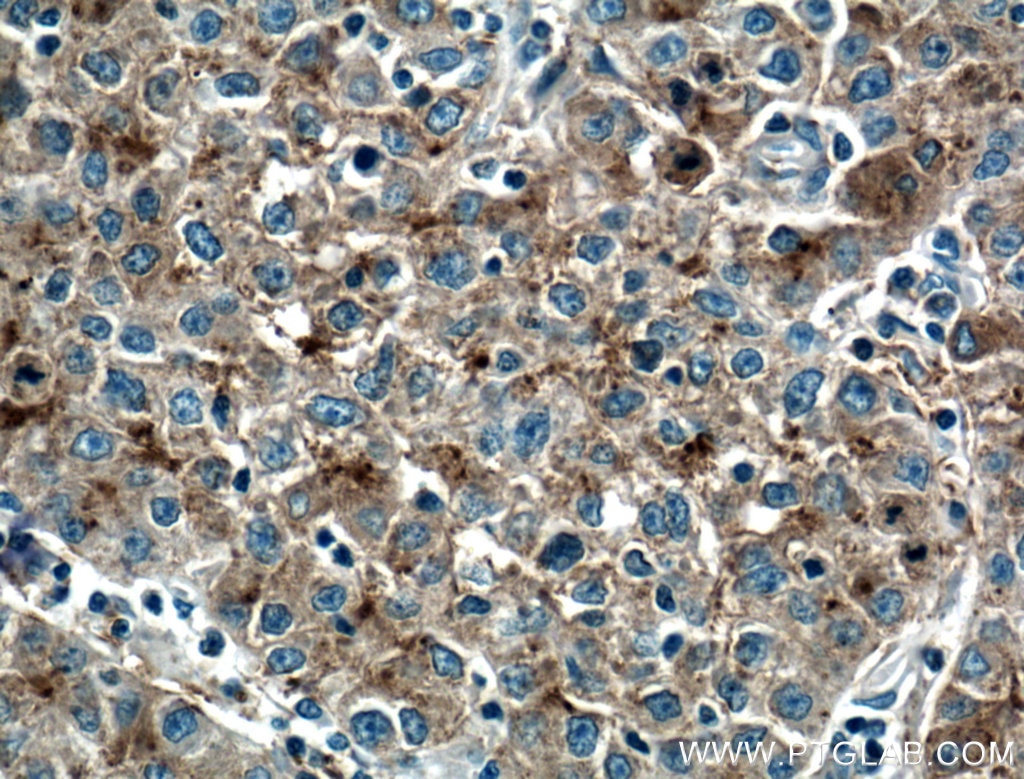
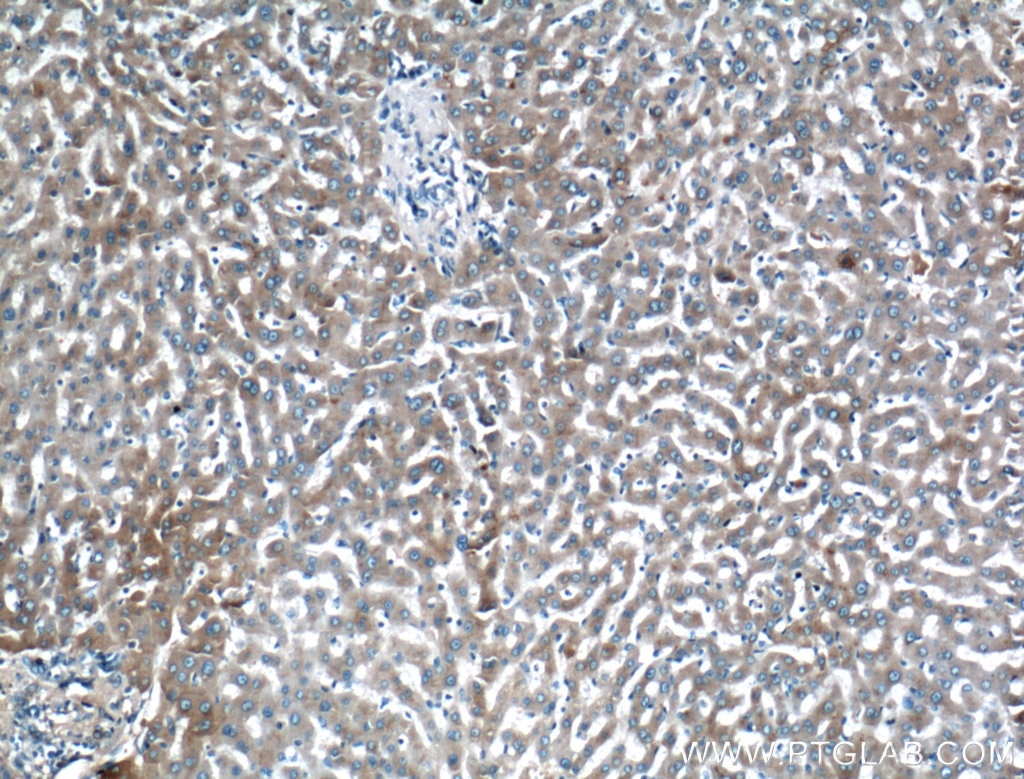
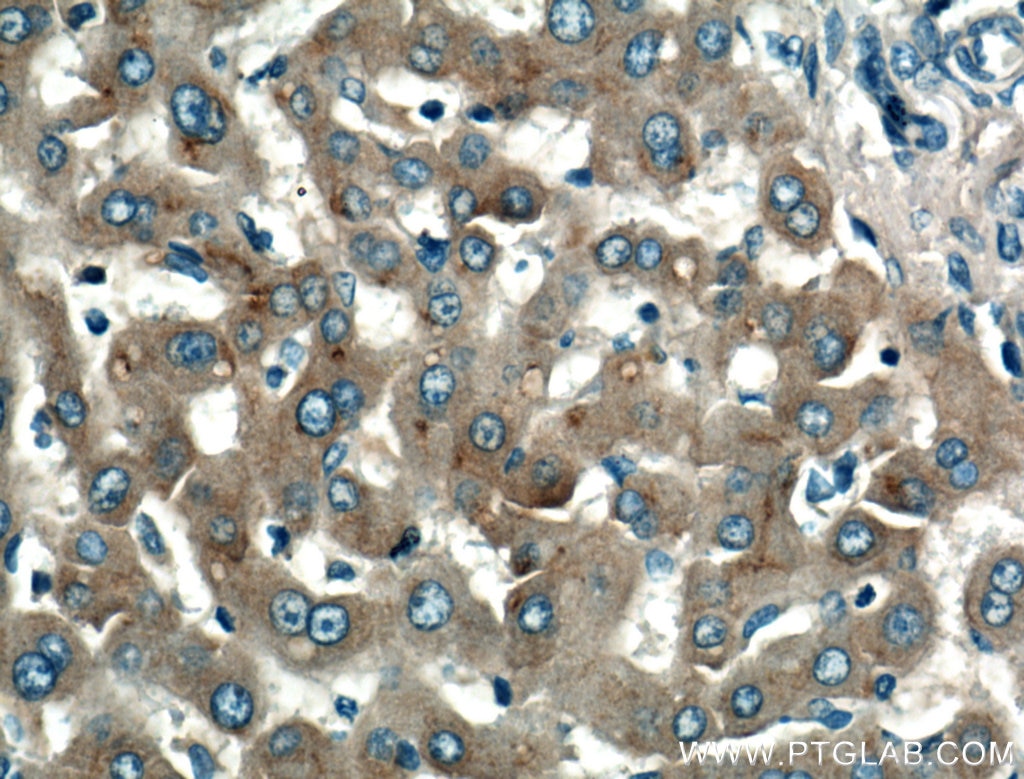
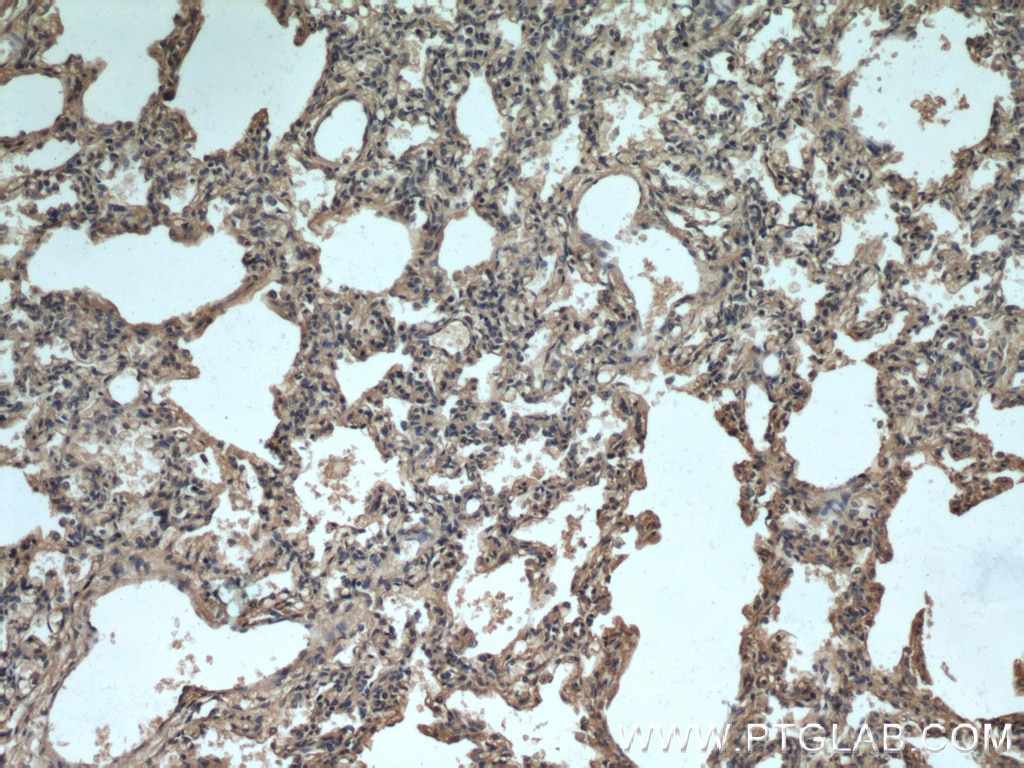
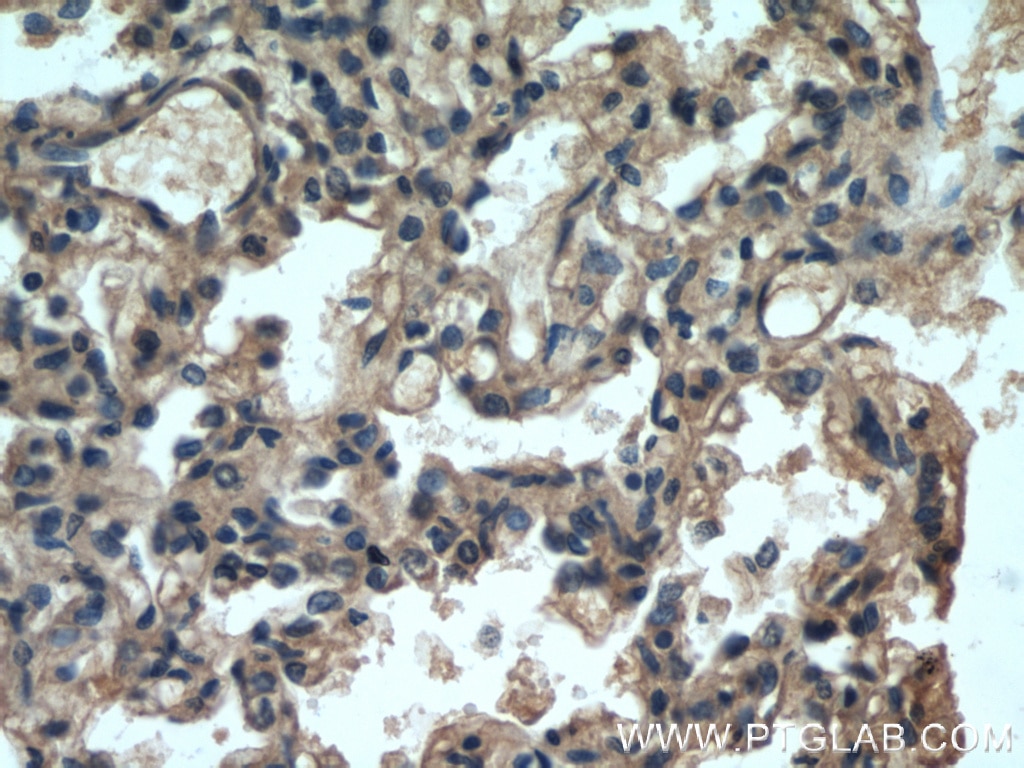
| Positive IHC detected in | human liver cancer tissue, human liver tissue, human lung tissue Note: suggested antigen retrieval with TE buffer pH 9.0; (*) Alternatively, antigen retrieval may be performed with citrate buffer pH 6.0 |
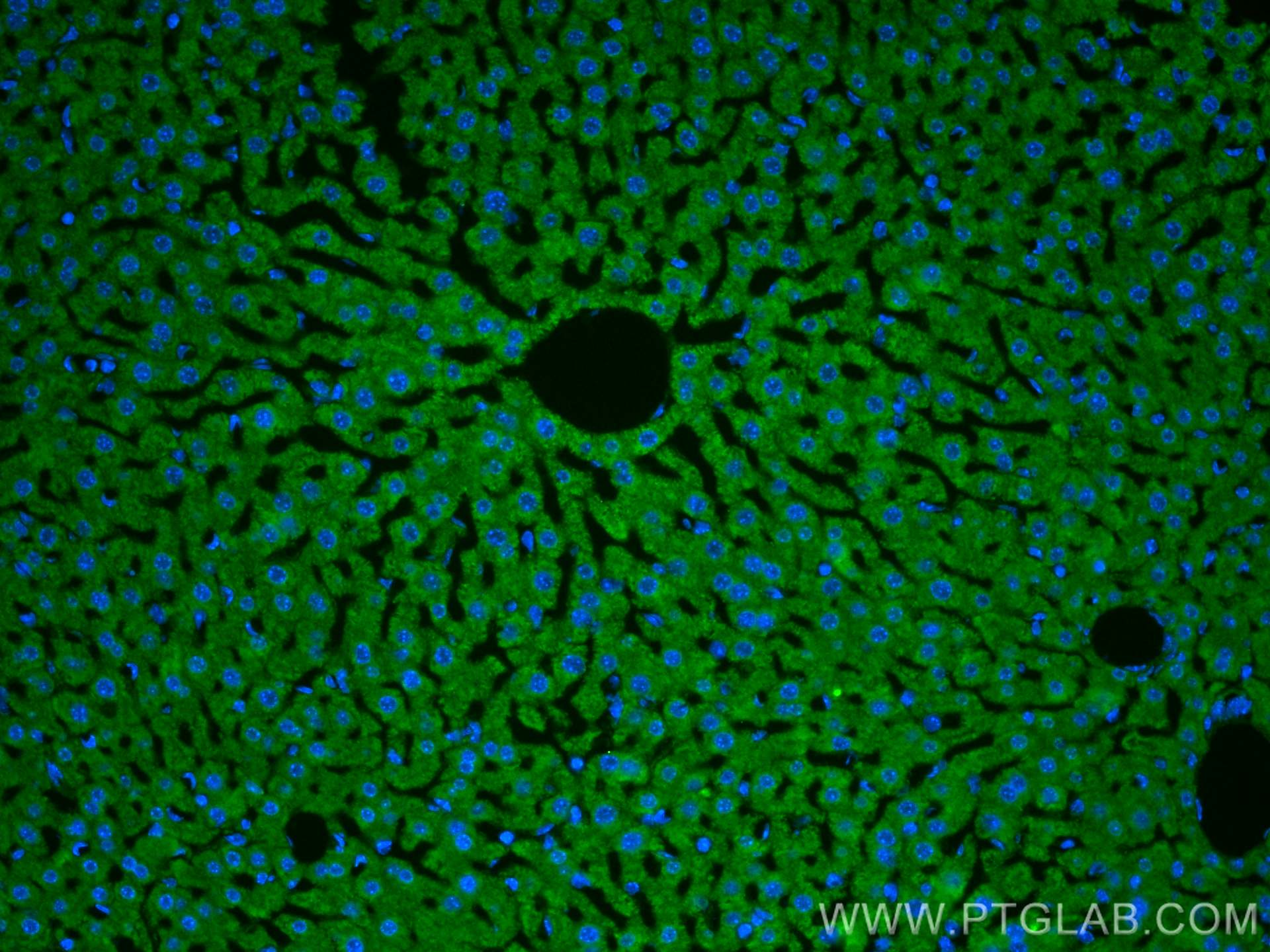
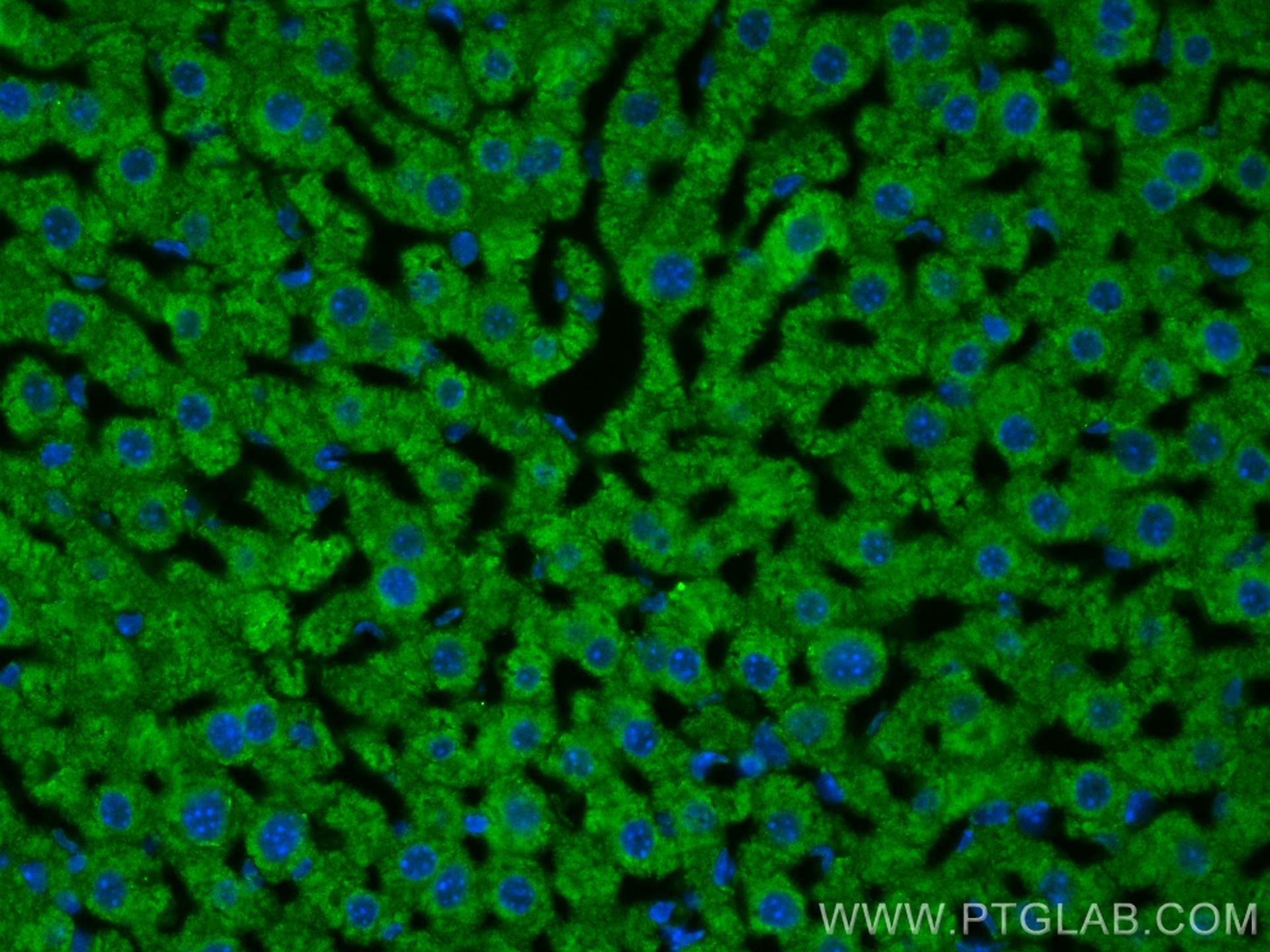
| Positive IF-P detected in | mouse liver tissue |
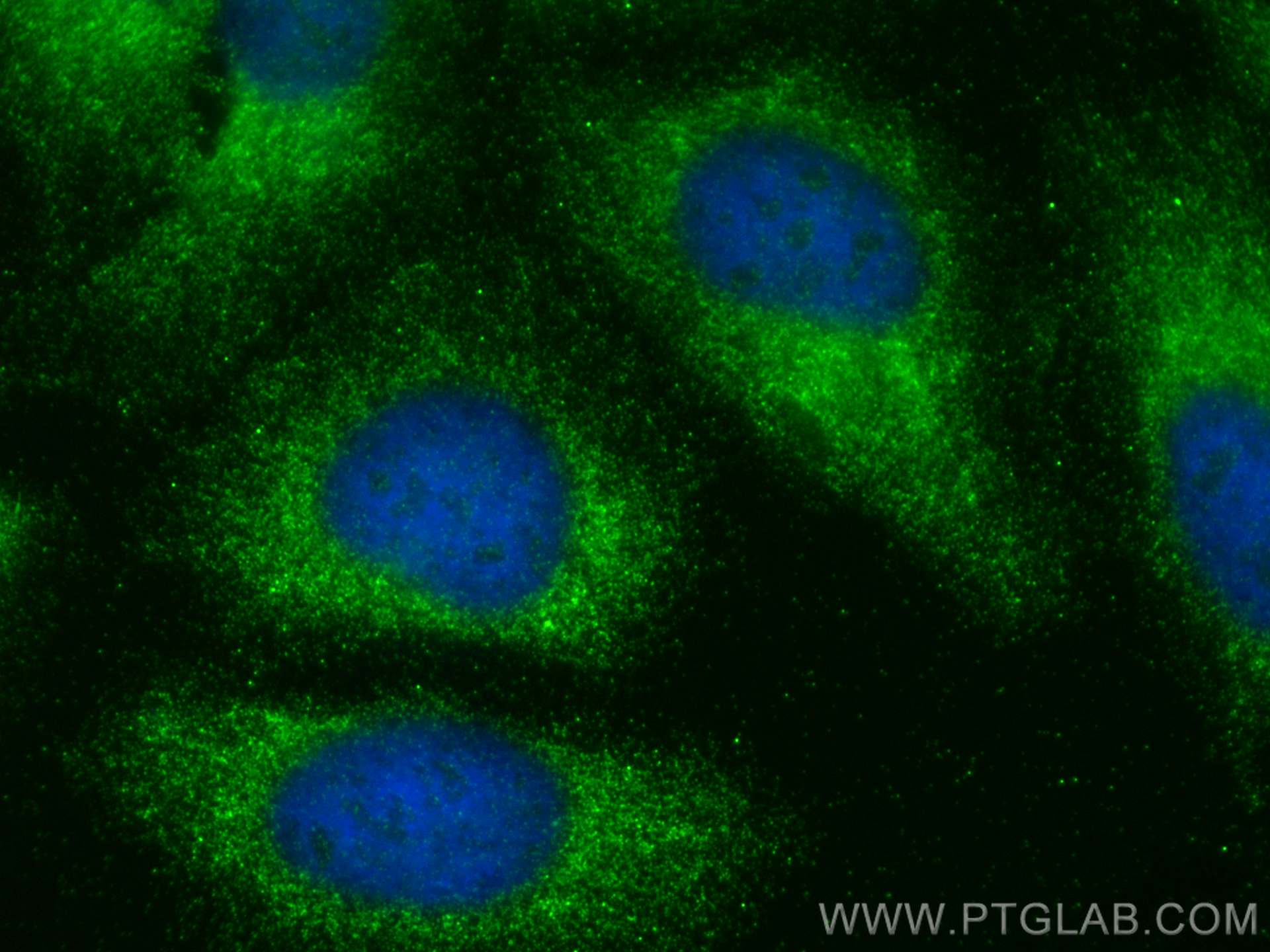
| Positive IF/ICC detected in | HeLa cells |
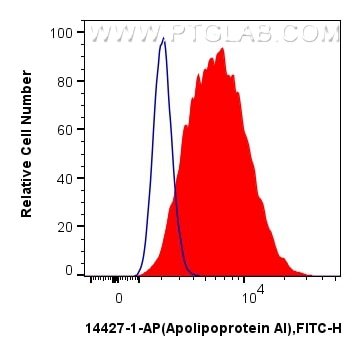
| Positive FC (Intra) detected in | HepG2 cells |
Recommended dilution
| Application | Dilution |
|---|---|
| Western Blot (WB) | WB : 1:1000-1:8000 |
| Immunohistochemistry (IHC) | IHC : 1:50-1:500 |
| Immunofluorescence (IF)-P | IF-P : 1:50-1:500 |
| Immunofluorescence (IF)/ICC | IF/ICC : 1:50-1:500 |
| Flow Cytometry (FC) (INTRA) | FC (INTRA) : 0.40 ug per 10^6 cells in a 100 µl suspension |
| It is recommended that this reagent should be titrated in each testing system to obtain optimal results. | |
| Sample-dependent, Check data in validation data gallery. | |
Product Information
14427-1-AP targets Apolipoprotein AI in WB, IHC, IF/ICC, IF-P, FC (Intra), IP, ELISA applications and shows reactivity with human, mouse samples.
| Tested Reactivity | human, mouse |
| Cited Reactivity | human, mouse |
| Host / Isotype | Rabbit / IgG |
| Class | Polyclonal |
| Type | Antibody |
| Immunogen |
CatNo: Ag5793 Product name: Recombinant human APOA1 protein Source: e coli.-derived, PGEX-4T Tag: GST Domain: 19-267 aa of BC005380 Sequence: RHFWQQDEPPQSPWDRVKDLATVYVDVLKDSGRDYVSQFEGSALGKQLNLKLLDNWDSVTSTFSKLREQLGPVTQEFWDNLEKETEGLRQEMSKDLEEVKAKVQPYLDDFQKKWQEEMELYRQKVEPLRAELQEGARQKLHELQEKLSPLGEEMRDRARAHVDALRTHLAPYSDELRQRLAARLEALKENGGARLAEYHAKATEHLSTLSEKAKPALEDLRQGLLPVLESFKVSFLSALEEYTKKLNTQ Predict reactive species |
| Full Name | apolipoprotein A-I |
| Calculated Molecular Weight | 31 kDa |
| Observed Molecular Weight | 26-30 kDa |
| GenBank Accession Number | BC005380 |
| Gene Symbol | APOA1 |
| Gene ID (NCBI) | 335 |
| RRID | AB_2056524 |
| Conjugate | Unconjugated |
| Form | Liquid |
| Purification Method | Antigen affinity purification |
| UNIPROT ID | P02647 |
| Storage Buffer | PBS with 0.02% sodium azide and 50% glycerol, pH 7.3. |
| Storage Conditions | Store at -20°C. Stable for one year after shipment. Aliquoting is unnecessary for -20oC storage. 20ul sizes contain 0.1% BSA. |
Background Information
ApoA1 is a major protein component of high density lipoproteins (HDL) which is associated with reversed cholesterol transport, lipid/cholesterol binding, lecithin/cholesterol acyltransferase (LCAT) activation and specific receptors binding. It is synthesized in the liver and small intestine. Defects of ApoA1 cause low HDL level and systemic non-neuropathic amyloidosis. Serum concentration of ApoA1 is inversely related to the risk of developing atherosclerosis. This antibody was generated against the C-terminal region of human ApoA1.
Protocols
| Product Specific Protocols | |
|---|---|
| FC protocol for Apolipoprotein AI antibody 14427-1-AP | Download protocol |
| IF protocol for Apolipoprotein AI antibody 14427-1-AP | Download protocol |
| IHC protocol for Apolipoprotein AI antibody 14427-1-AP | Download protocol |
| WB protocol for Apolipoprotein AI antibody 14427-1-AP | Download protocol |
| Standard Protocols | |
|---|---|
| Click here to view our Standard Protocols |
Publications
What published studies show
Anti-APOA1 (Apolipoprotein A-I), catalog #14427-1-AP, has 59 citations across approximately 56 journals, including Science, Neuron, Cell Discovers, Metabolism, Theranostics, Hypertension, Diabetes, Free Radical Biology and Medicine, and Journal of Biological Chemistry. Research fields span atherosclerosis and lipid metabolism, extracellular vesicles/exosomes, liver disease, cancer, cardiovascular disease, neurology, immunology, and proteomics.
| Species | Application | Title |
|---|---|---|
Science Enterically derived high-density lipoprotein restrains liver injury through the portal vein. | ||
Neuron Astrocytic ApoE reprograms neuronal cholesterol metabolism and histone-acetylation-mediated memory. | ||
Cell Discov Single-cell transcriptomics reveals intestinal cell heterogeneity and identifies Ep300 as a potential therapeutic target in mice with acute liver failure | ||
Metabolism Inhibiting IP6K1 confers atheroprotection by elevating circulating apolipoprotein A-I | ||
J Nanobiotechnology COPD airway epithelial cells-derived extracellular vesicles contribute to endothelial dysfunction and atherosclerosis via the miR-141-3p/PDCD4 axis. | ||
Theranostics Exosome-mediated delivery of inflammation-responsive Il-10 mRNA for controlled atherosclerosis treatment |
Reviews
What customers say
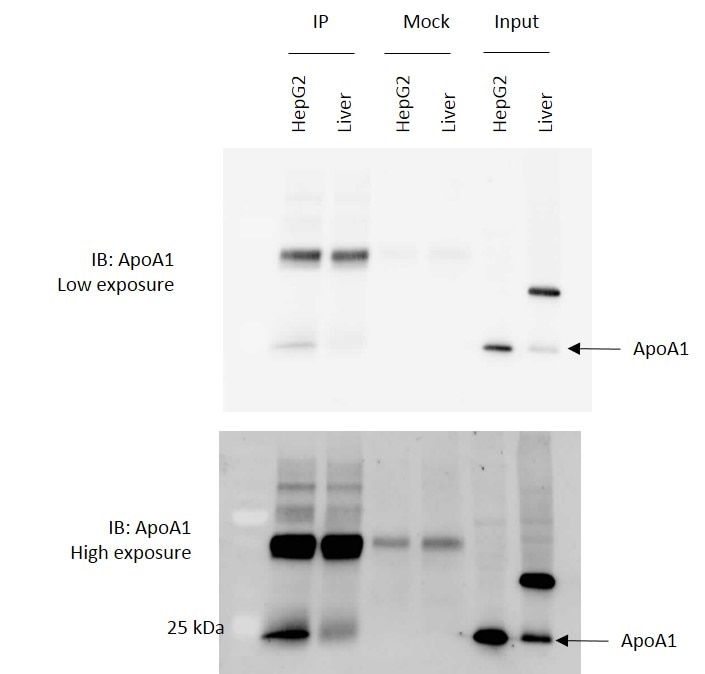
One verified user rated this APOA1 antibody 5 out of 5 stars. The reviewer successfully used it at a 1:1000 dilution for Western Blot and Immunoprecipitation, confirming reliable detection of both human (HepG2) and mouse (liver) APOA1 protein. Overall, the feedback highlights strong cross-reactivity across species and consistent performance in both WB and IP applications.
The reviews below have been submitted by verified Proteintech customers who received an incentive for providing their feedback.
Alexandre (Verified Customer) (02-28-2019) | Detection of both human and mouse APOA1 protein by westernblotImmunoprecipitation of both human and mouse APOA1
 |
















