

Tested Applications
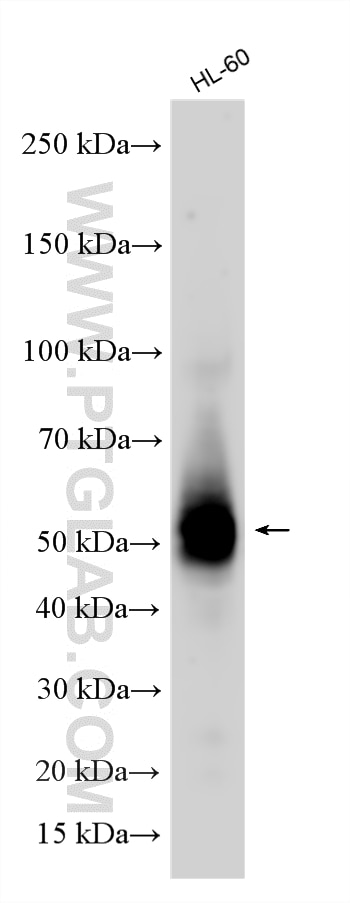
| Positive WB detected in | HL-60 cells |
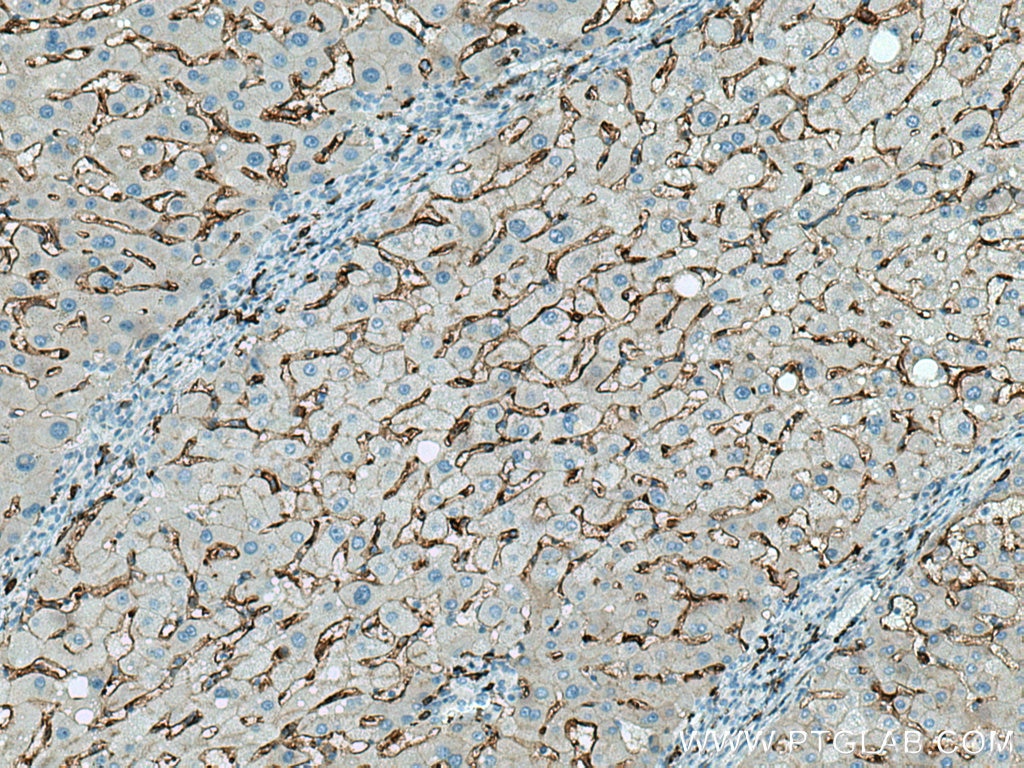
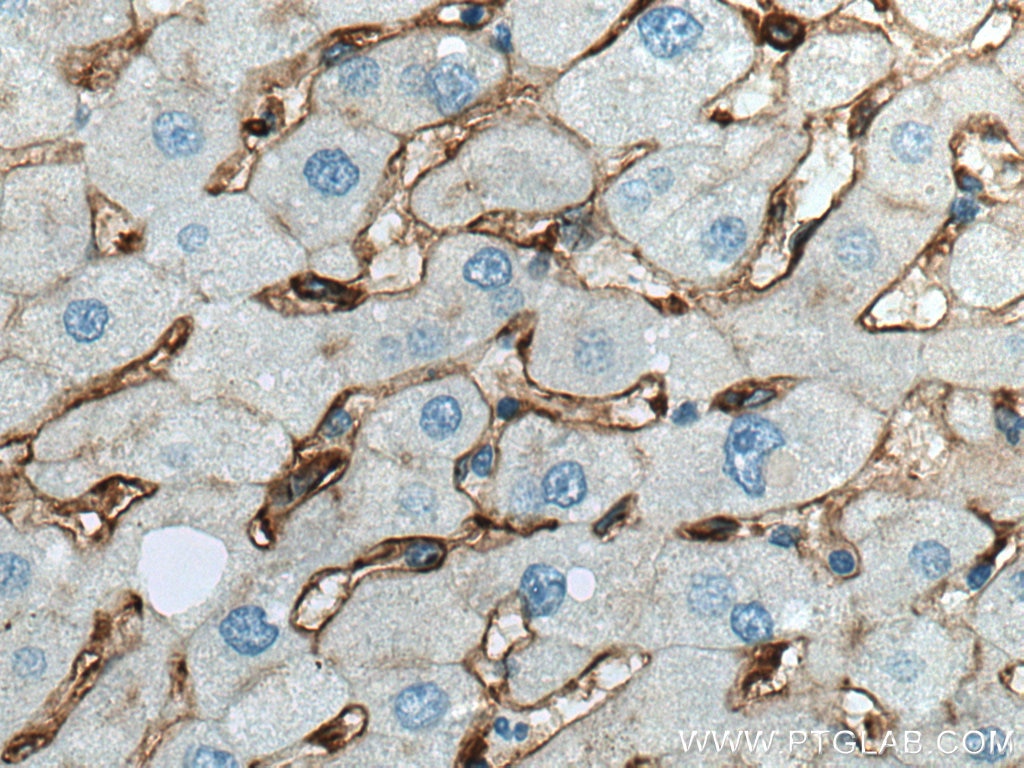
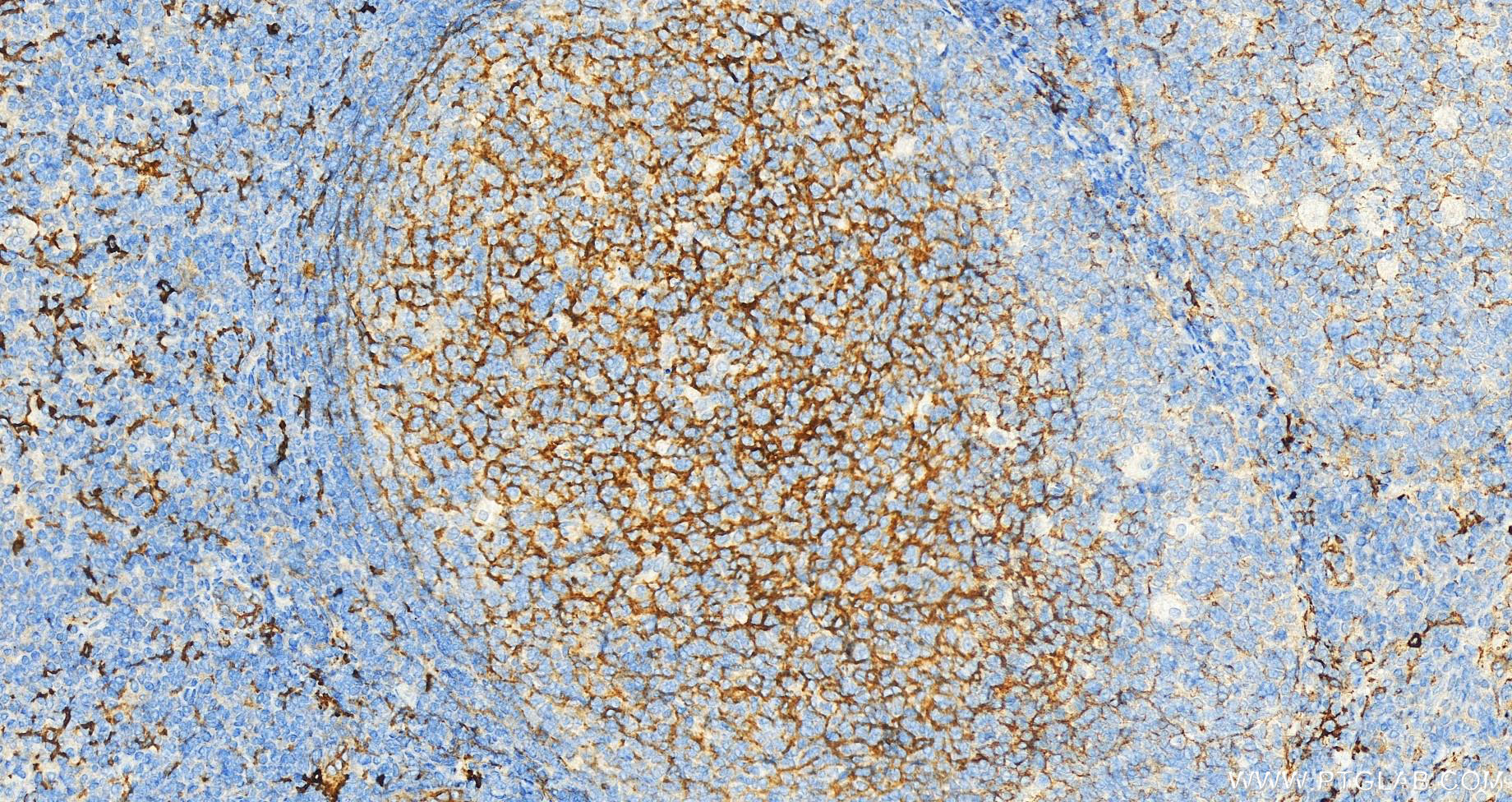
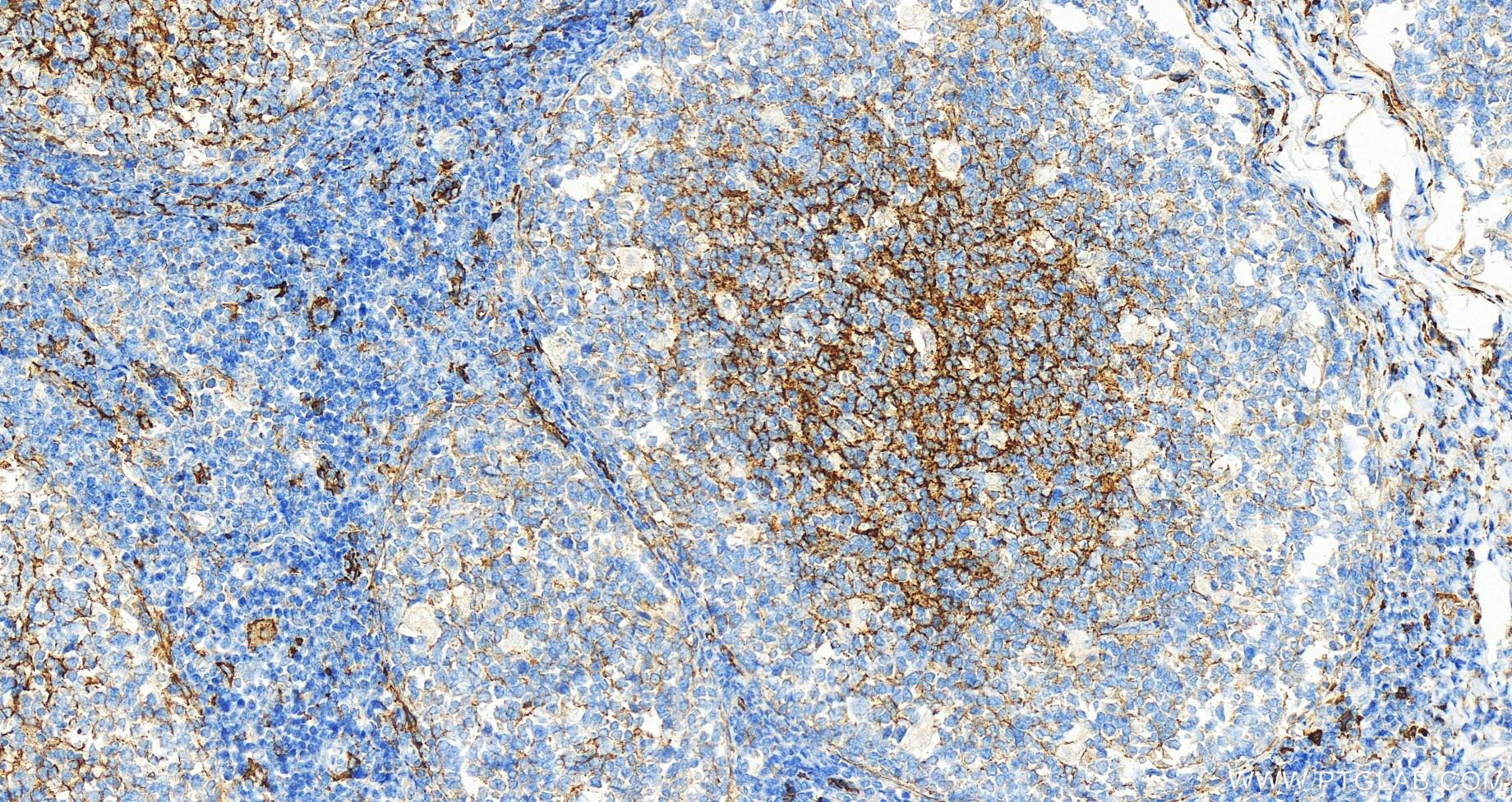
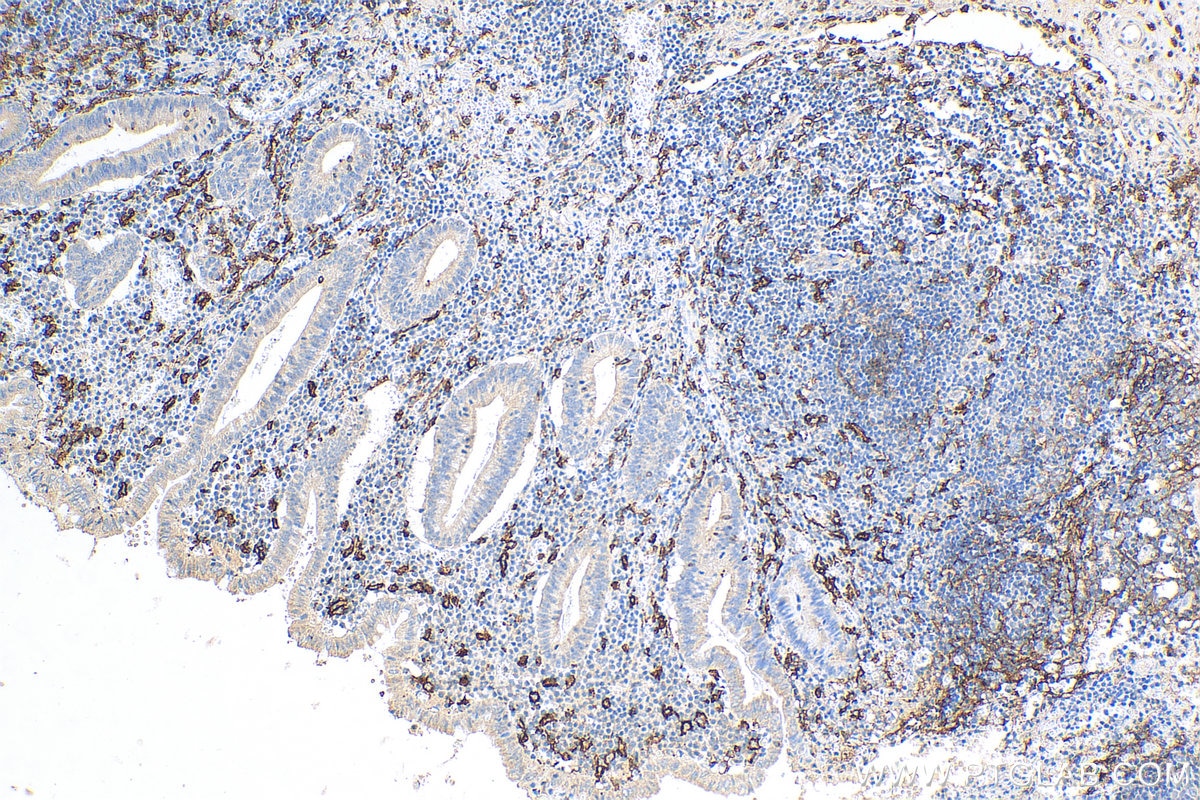
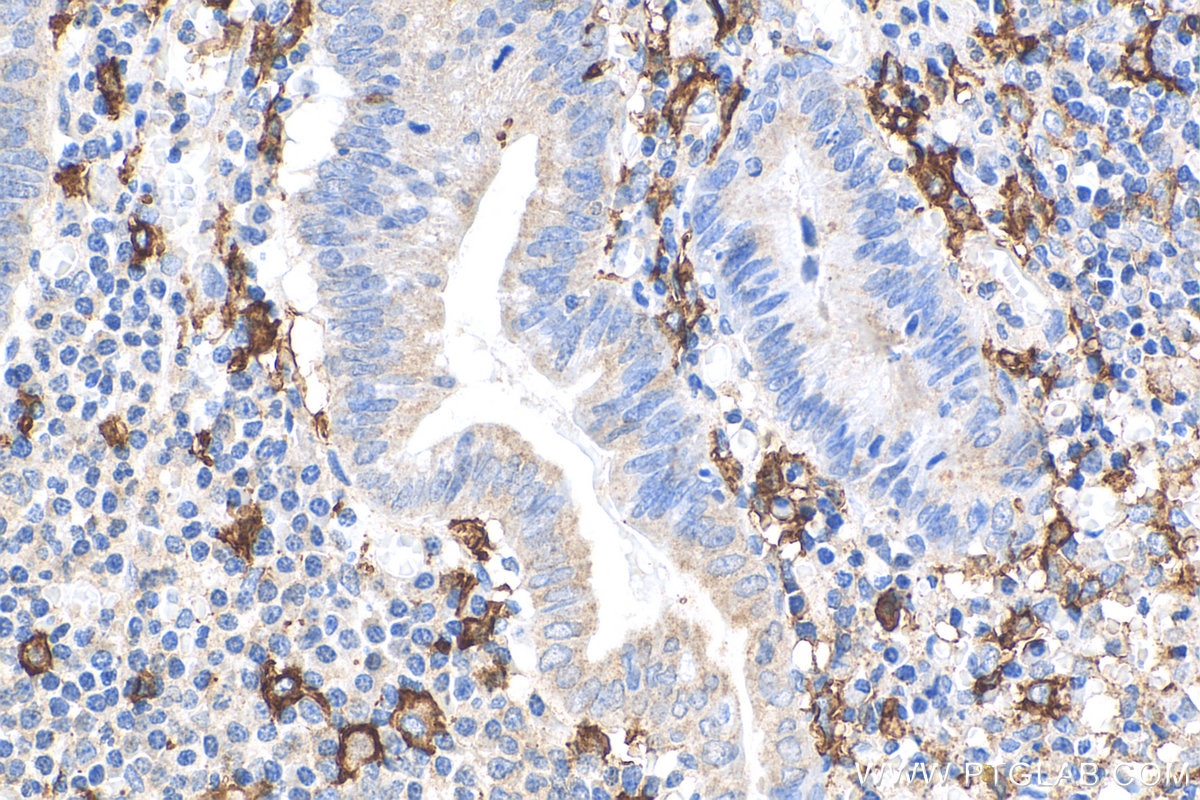
| Positive IHC detected in | human tonsillitis tissue, human appendicitis tissue, human hepatocirrhosis tissue Note: suggested antigen retrieval with TE buffer pH 9.0; (*) Alternatively, antigen retrieval may be performed with citrate buffer pH 6.0 |
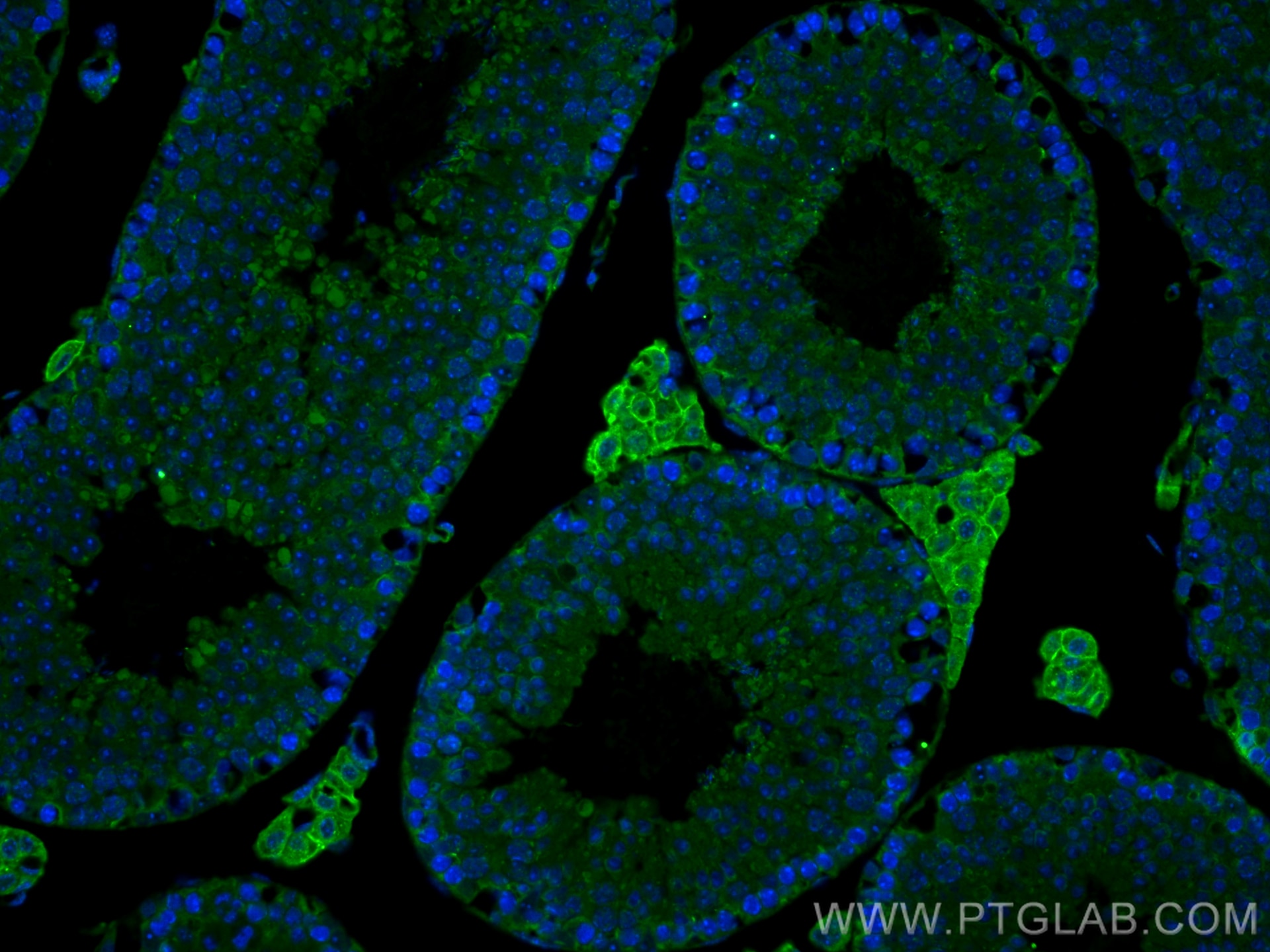
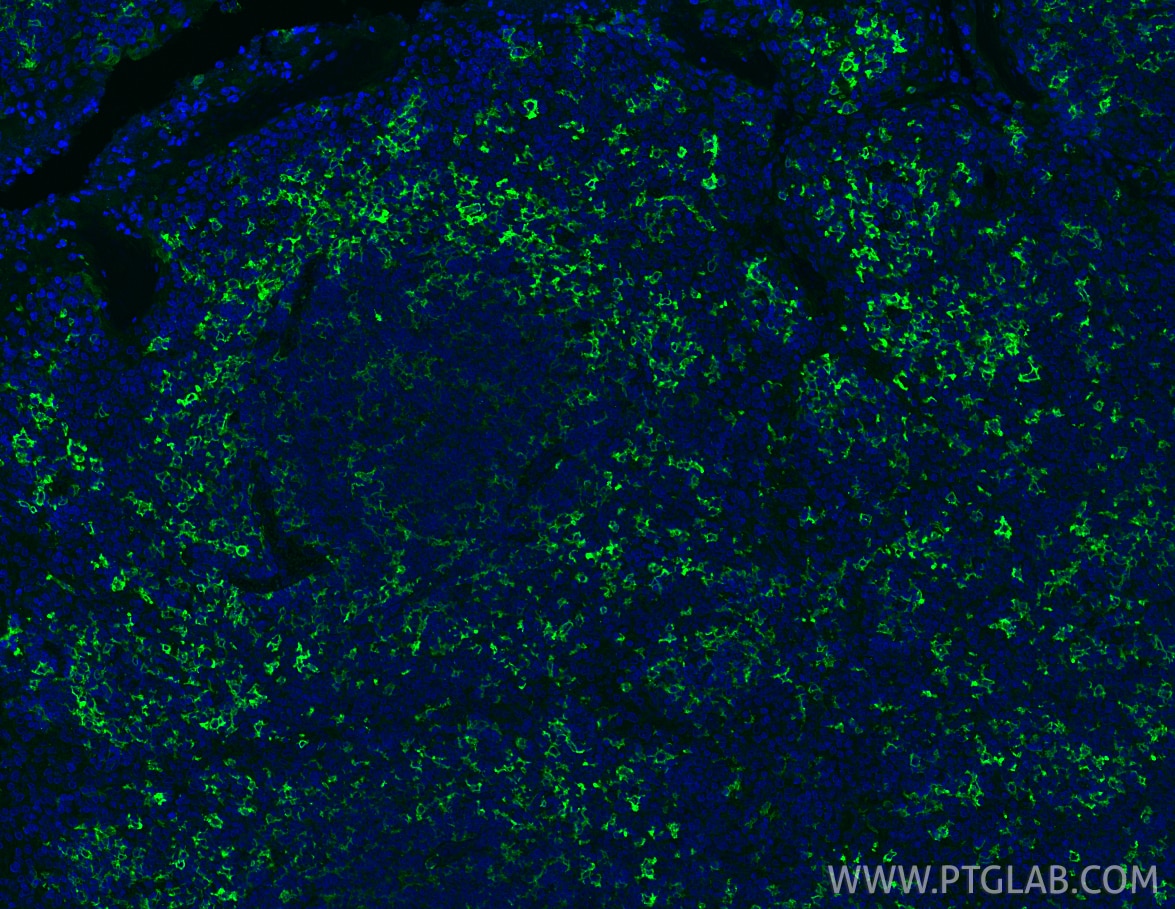
| Positive IF-P detected in | mouse testis tissue, human tonsillitis tissue |
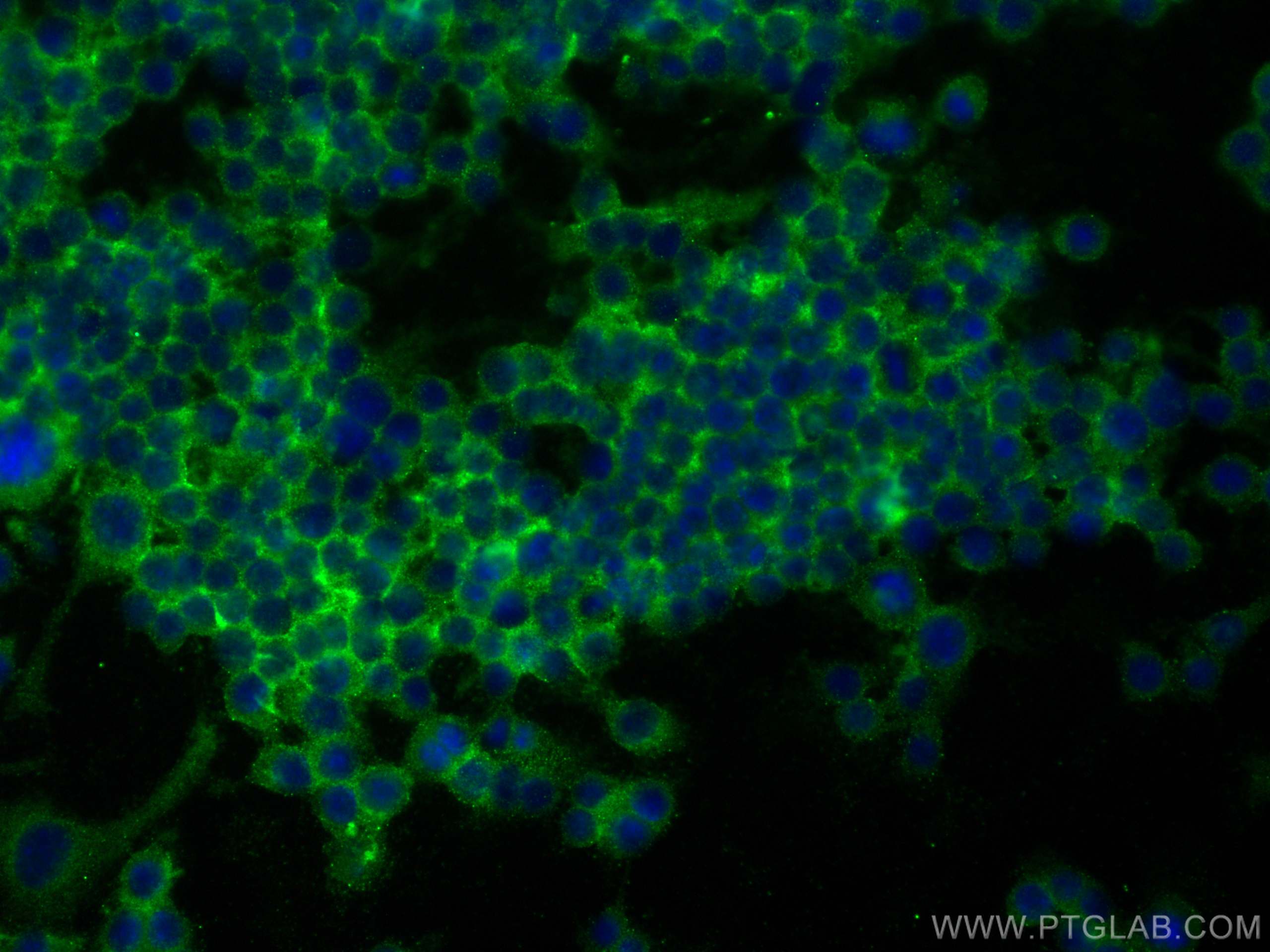
| Positive IF/ICC detected in | RAW 264.7 cells |
Recommended dilution
| Application | Dilution |
|---|---|
| Western Blot (WB) | WB : 1:1000-1:4000 |
| Immunohistochemistry (IHC) | IHC : 1:1000-1:4000 |
| Immunofluorescence (IF)-P | IF-P : 1:200-1:800 |
| Immunofluorescence (IF)/ICC | IF/ICC : 1:50-1:500 |
| It is recommended that this reagent should be titrated in each testing system to obtain optimal results. | |
| Sample-dependent, Check data in validation data gallery. | |
Product Information
17000-1-AP targets CD14 in WB, IHC, IF/ICC, IF-P, IP, ELISA applications and shows reactivity with human, mouse, pig samples.
| Tested Reactivity | human, mouse, pig |
| Cited Reactivity | human, mouse, rat, pig, sheep |
| Host / Isotype | Rabbit / IgG |
| Class | Polyclonal |
| Type | Antibody |
| Immunogen |
CatNo: Ag10693 Product name: Recombinant human CD14 protein Source: e coli.-derived, PGEX-4T Tag: GST Domain: 1-375 aa of BC010507 Sequence: MERASCLLLLLLPLVHVSATTPEPCELDDEDFRCVCNFSEPQPDWSEAFQCVSAVEVEIHAGGLNLEPFLKRVDADADPRQYADTVKALRVRRLTVGAAQVPAQLLVGALRVLAYSRLKELTLEDLKITGTMPPLPLEATGLALSSLRLRNVSWATGRSWLAELQQWLKPGLKVLSIAQAHSPAFSCEQVRAFPALTSLDLSDNPGLGERGLMAALCPHKFPAIQNLALRNTGMETPTGVCAALAAAGVQPHSLDLSHNSLRATVNPSAPRCMWSSALNSLNLSFAGLEQVPKGLPAKLRVLDLSCNRLNRAPQPDELPEVDNLTLDGNPFLVPGTALPHEGSMNSGVVPACARSTLSVGVSGTLVLLQGARGFA Predict reactive species |
| Full Name | CD14 molecule |
| Calculated Molecular Weight | 375 aa, 40 kDa |
| Observed Molecular Weight | 50-55 kDa |
| GenBank Accession Number | BC010507 |
| Gene Symbol | CD14 |
| Gene ID (NCBI) | 929 |
| ENSEMBL Gene ID | ENSG00000170458 |
| RRID | AB_2074048 |
| Conjugate | Unconjugated |
| Form | Liquid |
| Purification Method | Antigen affinity purification |
| UNIPROT ID | P08571 |
| Storage Buffer | PBS with 0.02% sodium azide and 50% glycerol, pH 7.3. |
| Storage Conditions | Store at -20°C. Stable for one year after shipment. Aliquoting is unnecessary for -20oC storage. 20ul sizes contain 0.1% BSA. |
Background Information
CD14 is a 50-55 kDa glycosylphosphatidylinositol-anchored glycoprotein preferentially expressed on monocytes and macrophages, and at lower levels on granulocytes (PMID: 3385210; 2462937; 7685797). CD14 can also exist as a soluble protein. CD14 acts as a co-receptor for bacterial liposaccharides (LPS) (PMID: 1698311). It plays a major role in the inflammatory response of monocytes to LPS.
Protocols
| Product Specific Protocols | |
|---|---|
| IF protocol for CD14 antibody 17000-1-AP | Download protocol |
| IHC protocol for CD14 antibody 17000-1-AP | Download protocol |
| WB protocol for CD14 antibody 17000-1-AP | Download protocol |
| Standard Protocols | |
|---|---|
| Click here to view our Standard Protocols |
Publications
What published studies show
CD14 Polyclonal antibody (Cat# 17000-1-AP) has accumulated 95 citations across high-impact journals including Nature Communications, Nature Biomedical Engineering, Science Immunology, EMBO Journal, EMBO Molecular Medicine, Developmental Cell, Biomaterials, Advanced Science, Cell Reports Medicine, and EBioMedicine. Associated research fields include immunology, monocyte/macrophage biology, inflammation, cancer, fibrosis, cardiovascular disease, liver disease, wound healing, infectious diseases, and reproductive biology.
| Species | Application | Title |
|---|---|---|
Nat Biomed Eng An injectable hydrogen-producing bacteria hydrogel for cardiac repair in rodent and porcine models. | ||
Bioact Mater TLR2 inhibition attenuates NET-driven inflammation and restenosis during poly-lactic acid bioresorbable scaffold degradation. | ||
Bone Res Human peripheral osteoclast-precursor-development patterns reveal the significance of RPS17-dependent ribosome synthesis to Ankylosing Spondylitis lesions. | ||
Nat Commun HIF1α inhibition facilitates Leflunomide-AHR-CRP signaling to attenuate bone erosion in CRP-aberrant rheumatoid arthritis. | ||
Nat Commun Sphingosine kinase-2 inhibition promotes immunogenic differentiation of myeloid-derived suppressor cells through an Acetyl-CoA carboxylase-phosphatidylcholine axis. | ||
Nat Commun A single cell atlas of frozen shoulder capsule identifies features associated with inflammatory fibrosis resolution |
Reviews
What customers say
The single review for 17000-1-AP is from Emma Scott (November 2021), who rated the product 5 out of 5 stars. She used it at a 1:200 dilution for immunofluorescence on FFPE prostate tissue with Tris-EDTA antigen retrieval and reported that it "works well." Overall, the feedback is positive, confirming reliable performance in IF applications on formalin-fixed paraffin-embedded tissue.
The reviews below have been submitted by verified Proteintech customers who received an incentive for providing their feedback.
Emma (Verified Customer) (11-29-2021) | Works well by IF on FFPE tissue @ 1:200 with a Tris-EDTA antigen retrieval.
|











