

Tested Applications
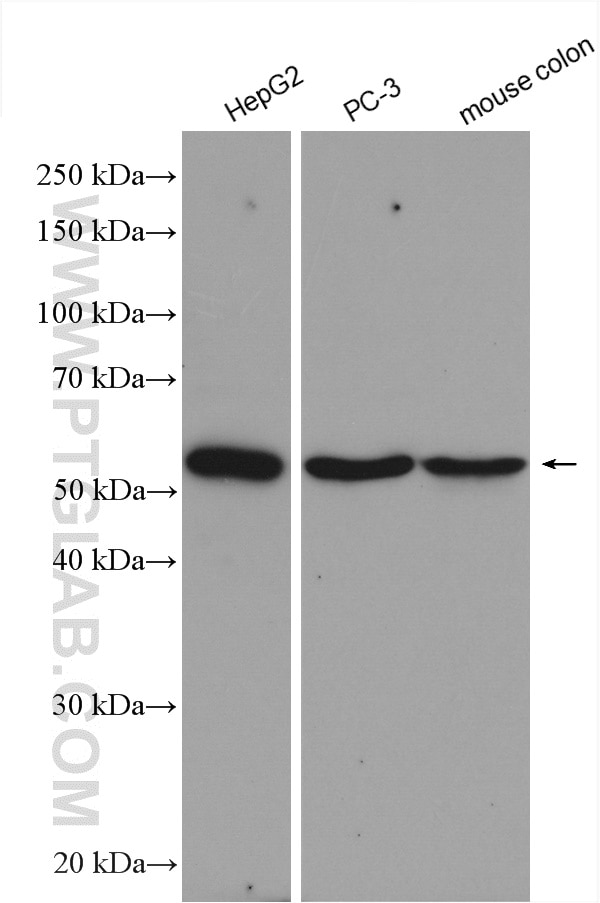
| Positive WB detected in | HepG2 cells, PC-3 cells, mouse colon tissue |
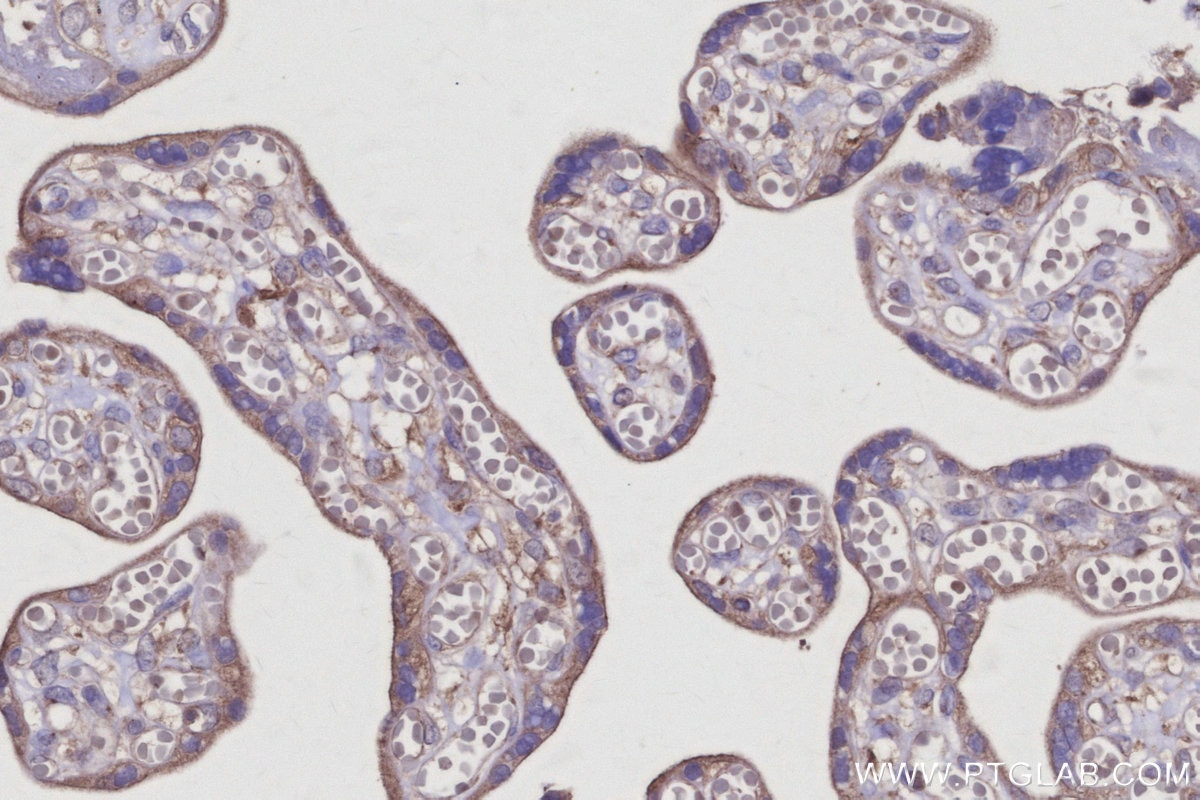
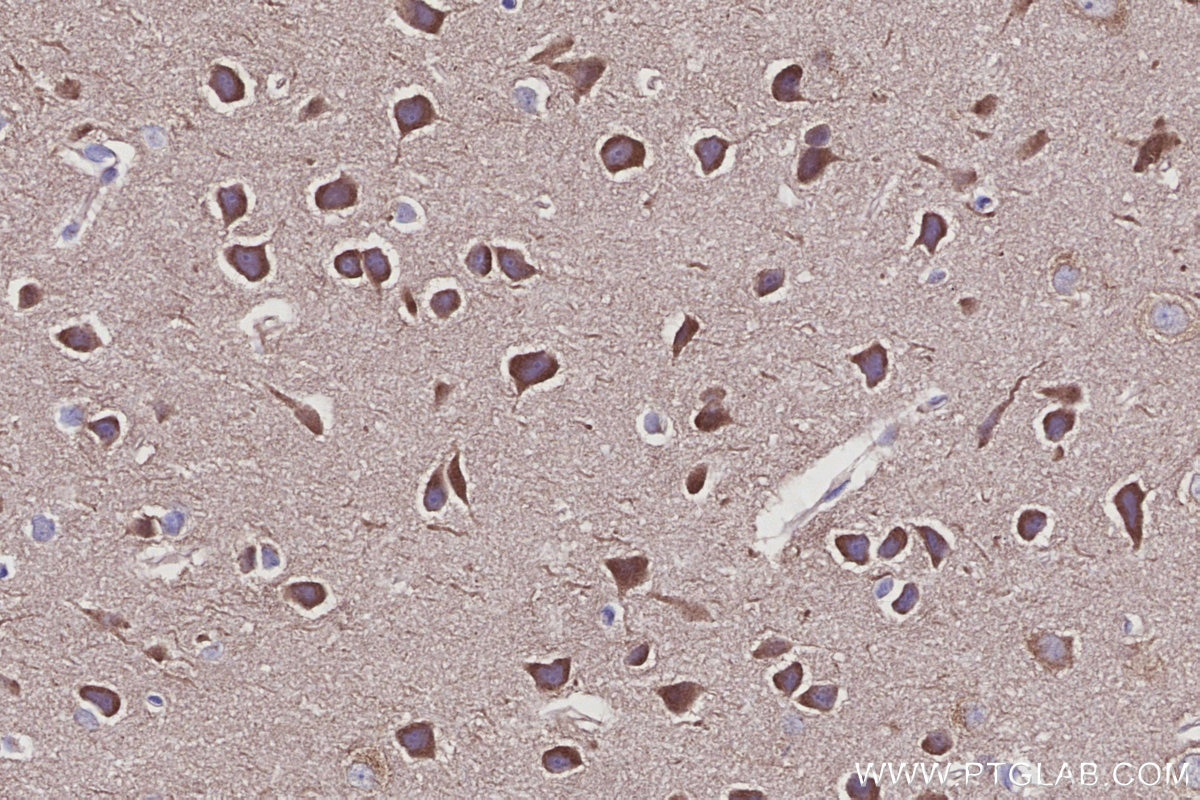
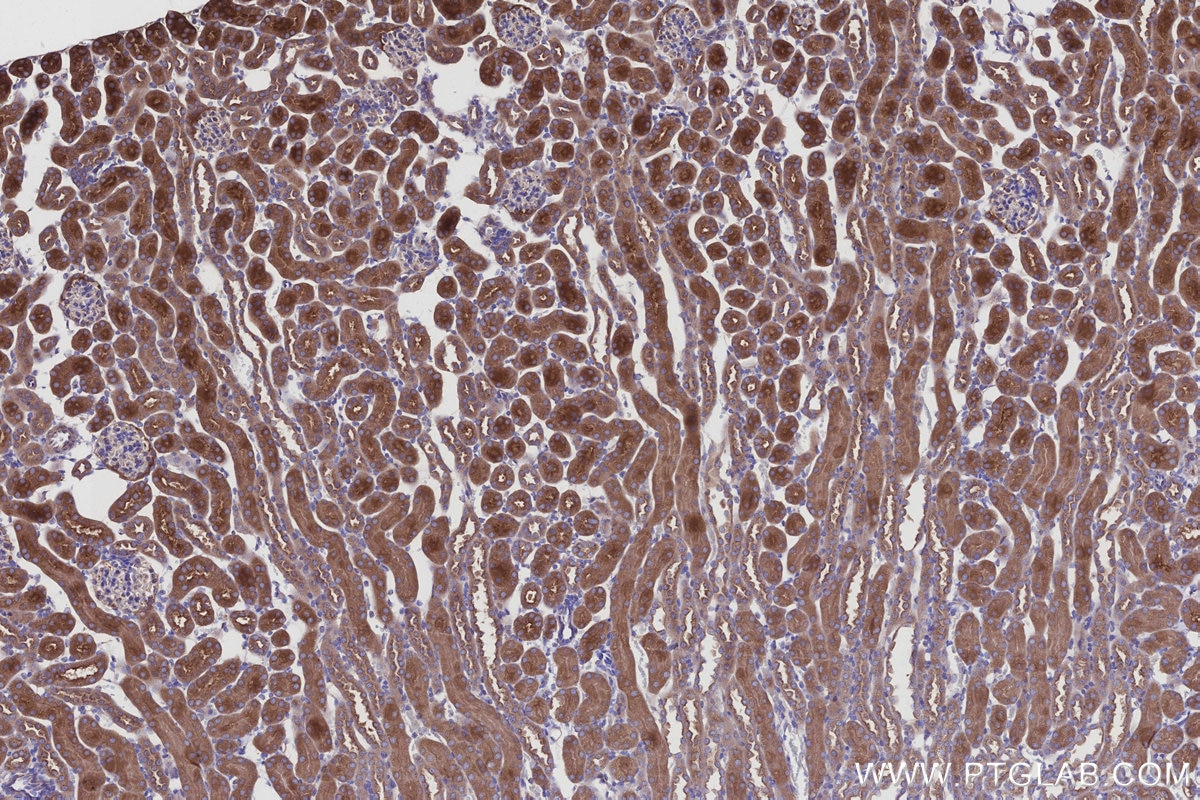
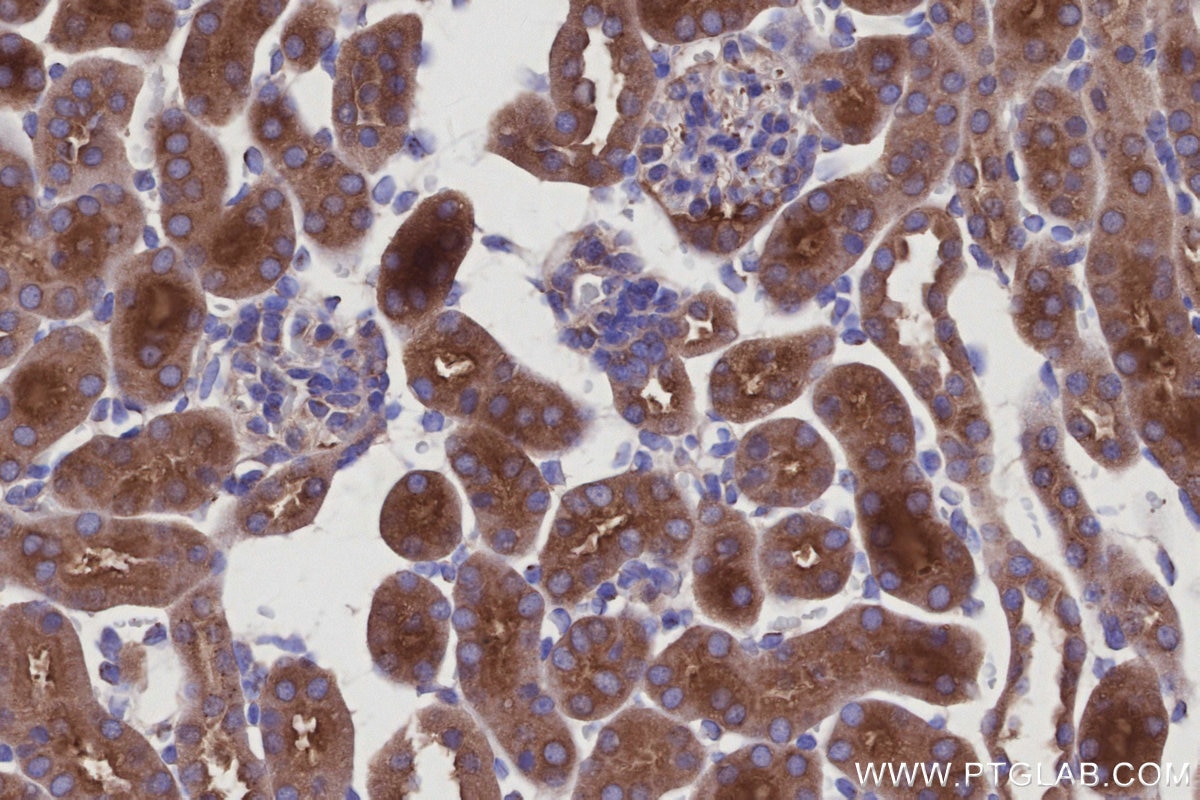
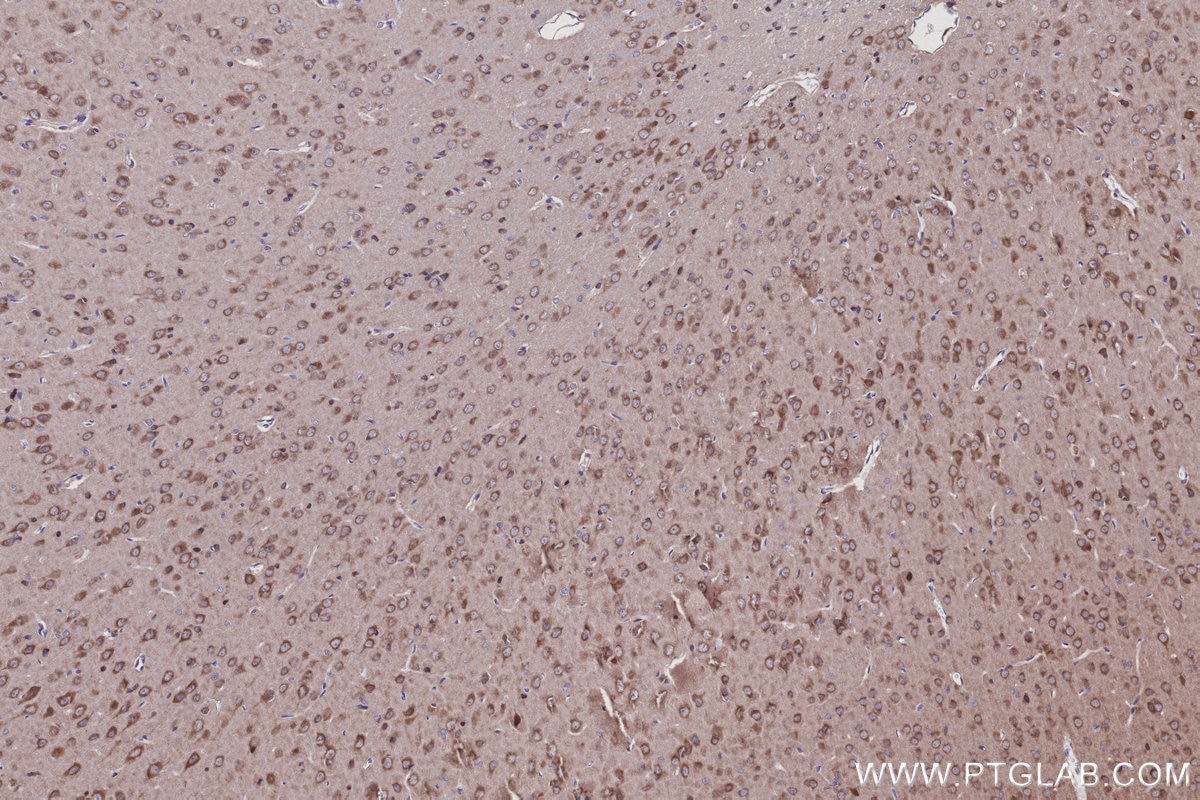
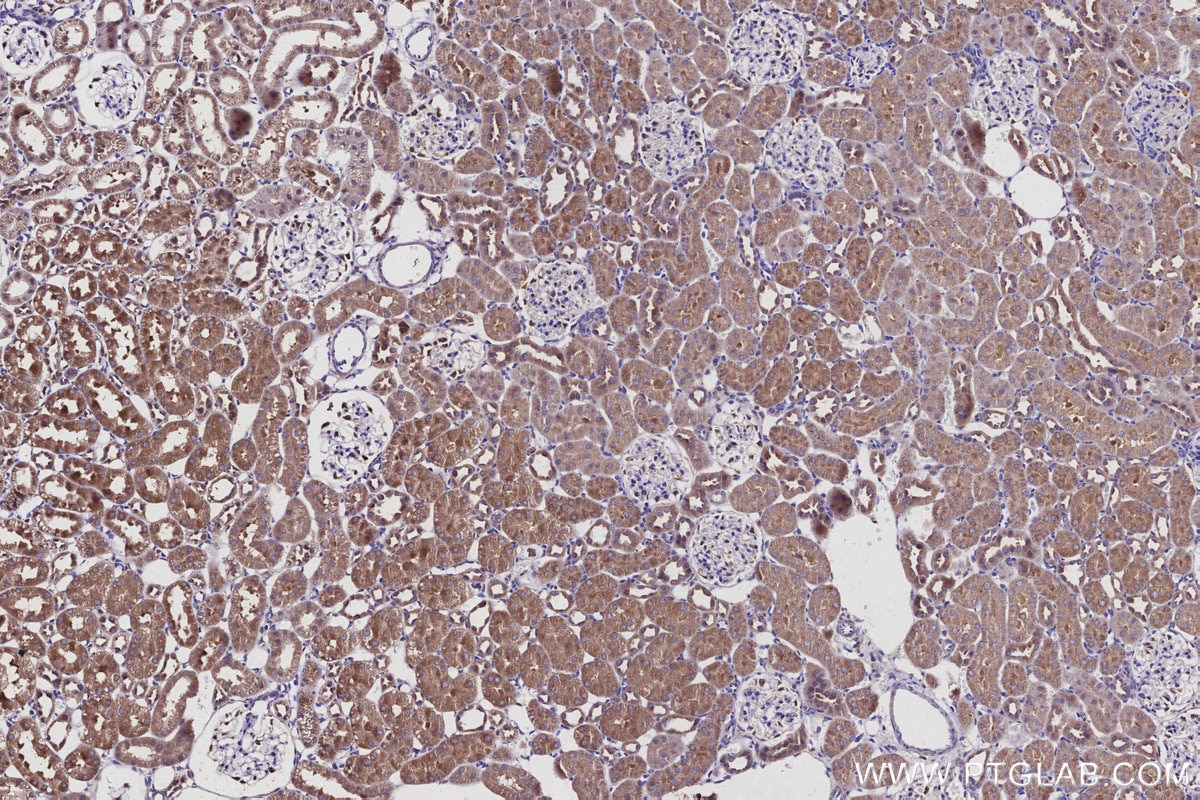
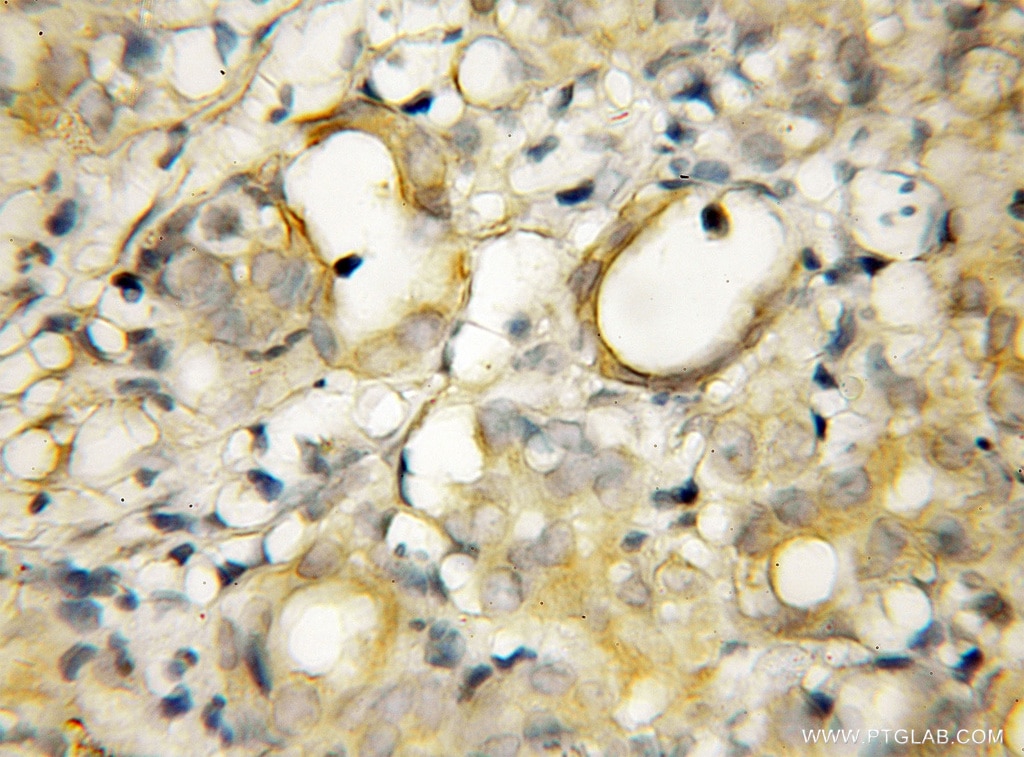
| Positive IHC detected in | mouse kidney tissue, human pancreas cancer tissue, rat brain tissue, rat kidney tissue, human placenta tissue, mouse brain tissue Note: suggested antigen retrieval with TE buffer pH 9.0; (*) Alternatively, antigen retrieval may be performed with citrate buffer pH 6.0 |
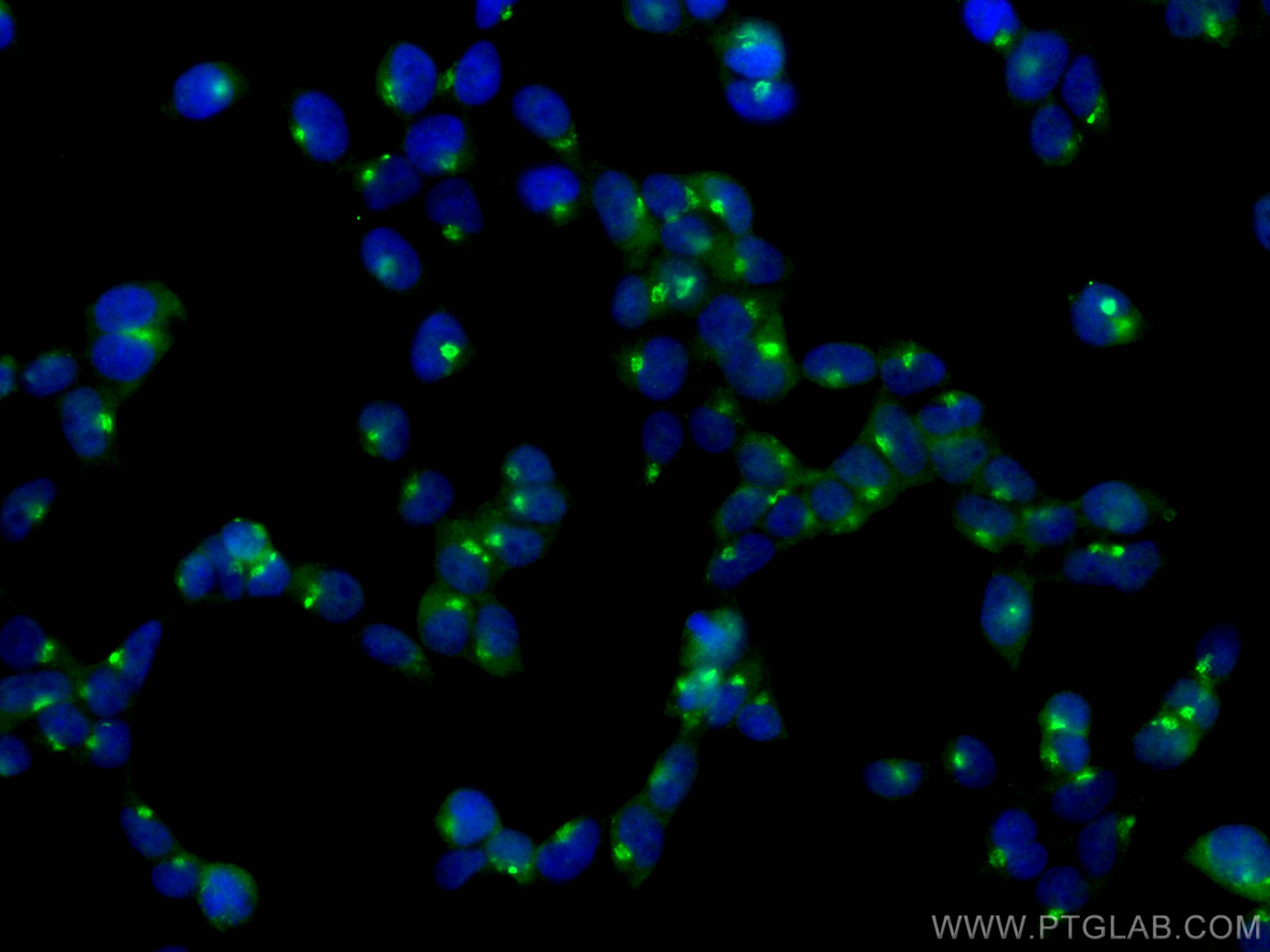
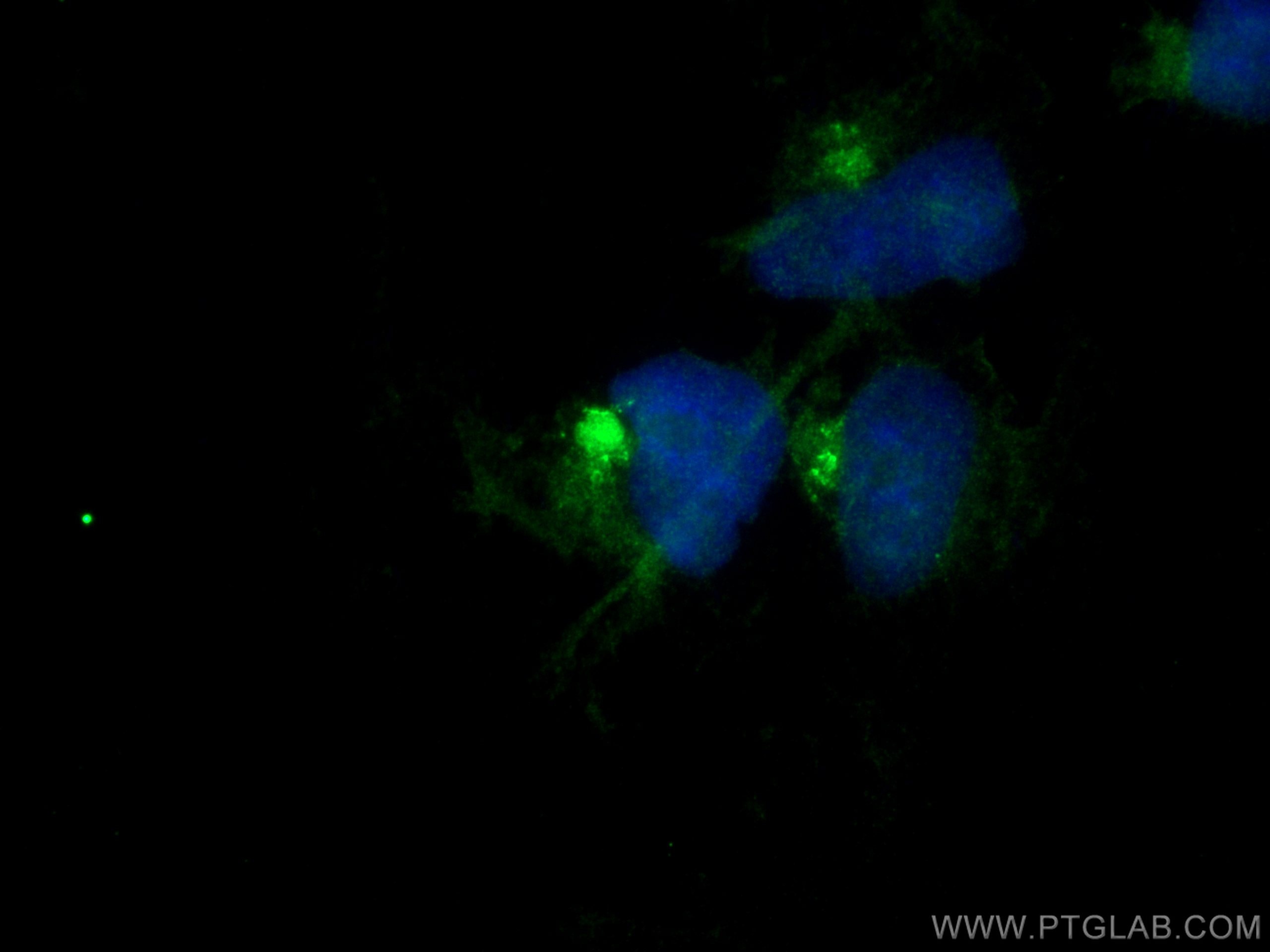
| Positive IF/ICC detected in | HEK-293T cells, HEK-293 cells |
Recommended dilution
| Application | Dilution |
|---|---|
| Western Blot (WB) | WB : 1:500-1:2000 |
| Immunohistochemistry (IHC) | IHC : 1:250-1:1000 |
| Immunofluorescence (IF)/ICC | IF/ICC : 1:50-1:500 |
| It is recommended that this reagent should be titrated in each testing system to obtain optimal results. | |
| Sample-dependent, Check data in validation data gallery. | |
Product Information
12163-1-AP targets GOPC in WB, IHC, IF/ICC, ELISA applications and shows reactivity with human, mouse, rat samples.
| Tested Reactivity | human, mouse, rat |
| Cited Reactivity | human, mouse |
| Host / Isotype | Rabbit / IgG |
| Class | Polyclonal |
| Type | Antibody |
| Immunogen |
CatNo: Ag2804 Product name: Recombinant human GOPC protein Source: e coli.-derived, PGEX-4T Tag: GST Domain: 1-370 aa of BC009553 Sequence: MSAGGPCPAAAGGGPGGASCSVGAPGGVSMFRWLEVLEKEFDKAFVDVDLLLGEIDPDQADITYEGRQKMTSLSSCFAQLCHKAQSVSQINHKLEAQLVDLKSELTETQAEKVVLEKEVHDQLLQLHSIQLQLHAKTGQSADSGTIKAKLERELEANKKEKMKEAQLEAEVKLLRKENEALRRHIAVLQAEVYGARLAAKYLDKELAGRVQQIQLLGRDMKGPAHDKLWNQLEAEIHLHRHKTVIRACRGRNDLKRPMQAPPGHDQDSLKKSQGVGPIRKVLLLKEDHEGLGISITGGKEHGVPILISEIHPGQPADRCGGLHVGDAILAVNGVNLRDTKHKEAVTILSQQRGEIEFEVVYVAPEVDSDD Predict reactive species |
| Full Name | golgi associated PDZ and coiled-coil motif containing |
| Calculated Molecular Weight | 454 aa, 50 kDa |
| Observed Molecular Weight | 50-55 kDa |
| GenBank Accession Number | BC009553 |
| Gene Symbol | GOPC |
| Gene ID (NCBI) | 57120 |
| RRID | AB_2113182 |
| Conjugate | Unconjugated |
| Form | Liquid |
| Purification Method | Antigen affinity purification |
| UNIPROT ID | Q9HD26 |
| Storage Buffer | PBS with 0.02% sodium azide and 50% glycerol, pH 7.3. |
| Storage Conditions | Store at -20°C. Stable for one year after shipment. Aliquoting is unnecessary for -20oC storage. 20ul sizes contain 0.1% BSA. |
Background Information
GOPC (FIG/PIST/CAL) is a PDZ-domain scaffolding protein that regulates the trafficking of many integral membrane proteins, including cell surface receptors, ion channels and adhesion molecules. GOPC localizes to the trans-Golgi network (TGN) but not to the cis- or trans-Golgi cisternae, thus anti-GOPC can be used to label the TGN structure.
Protocols
| Product Specific Protocols | |
|---|---|
| IF protocol for GOPC antibody 12163-1-AP | Download protocol |
| IHC protocol for GOPC antibody 12163-1-AP | Download protocol |
| WB protocol for GOPC antibody 12163-1-AP | Download protocol |
| Standard Protocols | |
|---|---|
| Click here to view our Standard Protocols |
Publications
What published studies show
The GOPC Polyclonal antibody (Cat# 12163-1-AP) has 6 citations published in Cell Commun Signal, Environ Int, Ecotoxicol Environ Saf, Cell Mol Life Sci, J Cell Mol Med, and Elife. Research fields span Golgi secretory pathway and angiogenesis in renal cancer, acrosome biogenesis and sperm head shaping, environmental toxicology (PFOA/polystyrene nanoparticles), TGN pH regulation and glycosylation, sperm differentiation, and male infertility related to TMC7 deficiency.
| Species | Application | Title |
|---|---|---|
Cell Commun Signal TCOF1 affects Golgi secretory pathway contributing to the angiogenesis in renal cancer. | ||
Environ Int Repression of autophagy leads to acrosome biogenesis disruption caused by a sub-chronic oral administration of polystyrene nanoparticles. | ||
Ecotoxicol Environ Saf PFOA exposure decreases acrosome reaction and increases DNA oxidative damage by impairing the sperm head shaping in mice. | ||
Cell Mol Life Sci Golgi pH elevation due to loss of V-ATPase subunit V0a2 function correlates with tissue-specific glycosylation changes and globozoospermia | ||
J Cell Mol Med CCDC157 is essential for sperm differentiation and shows oligoasthenoteratozoospermia-related mutations in men | ||











