
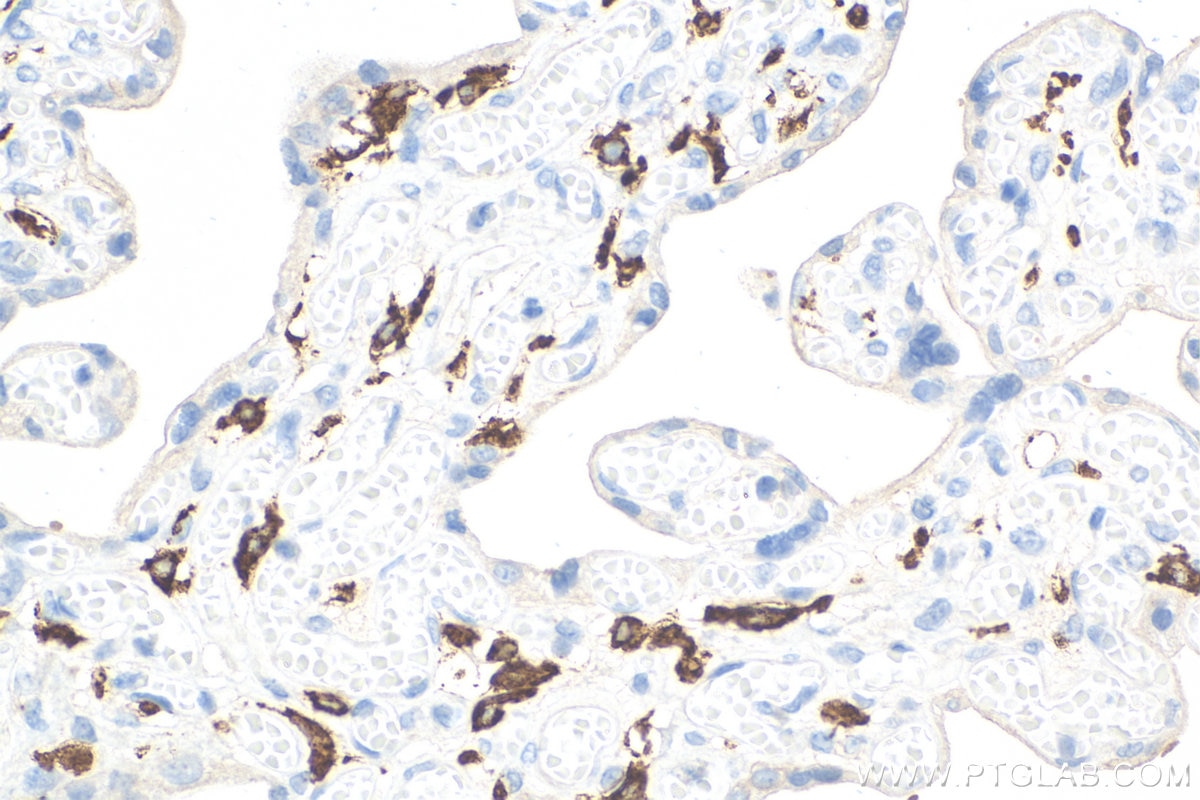
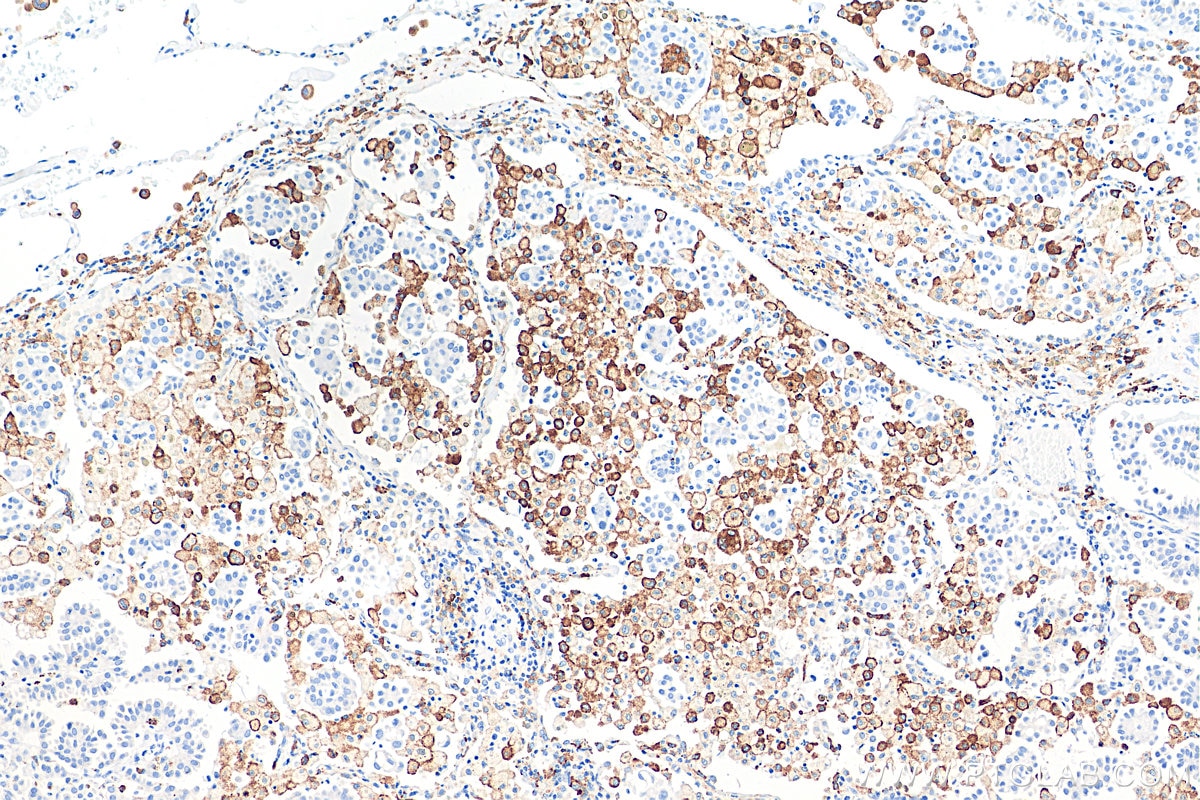
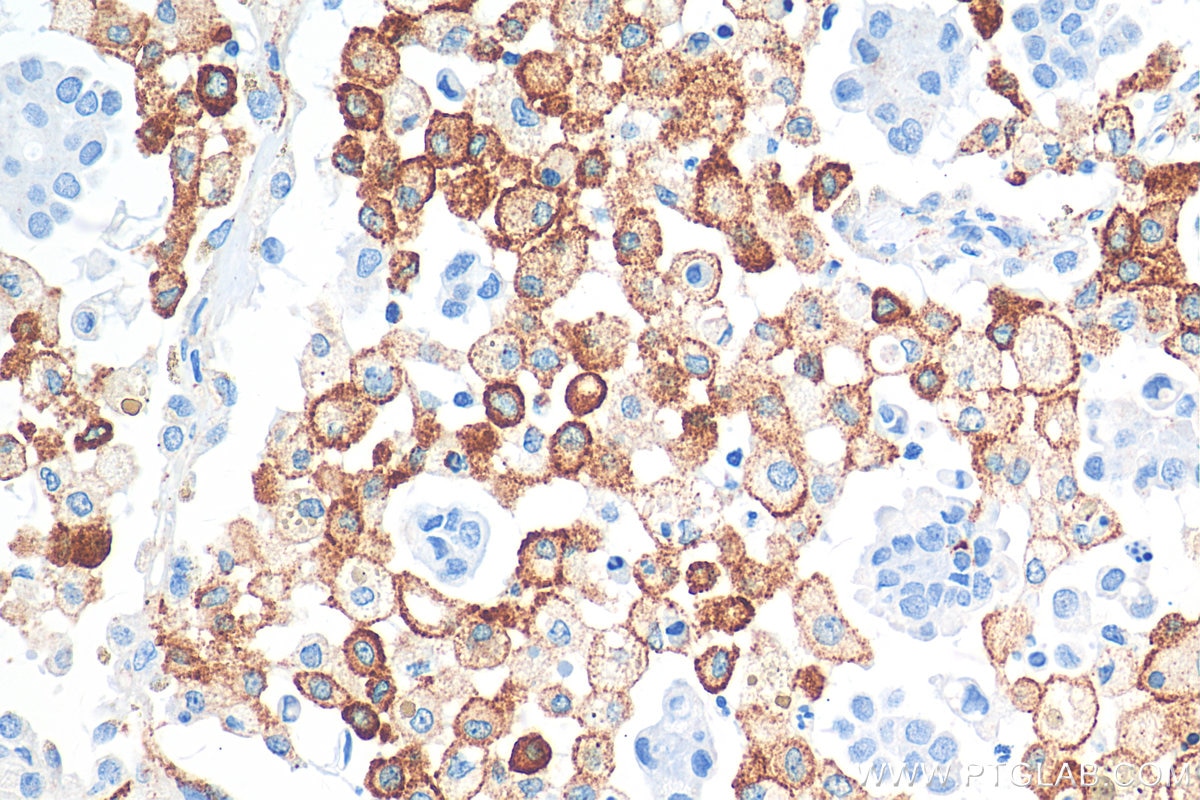
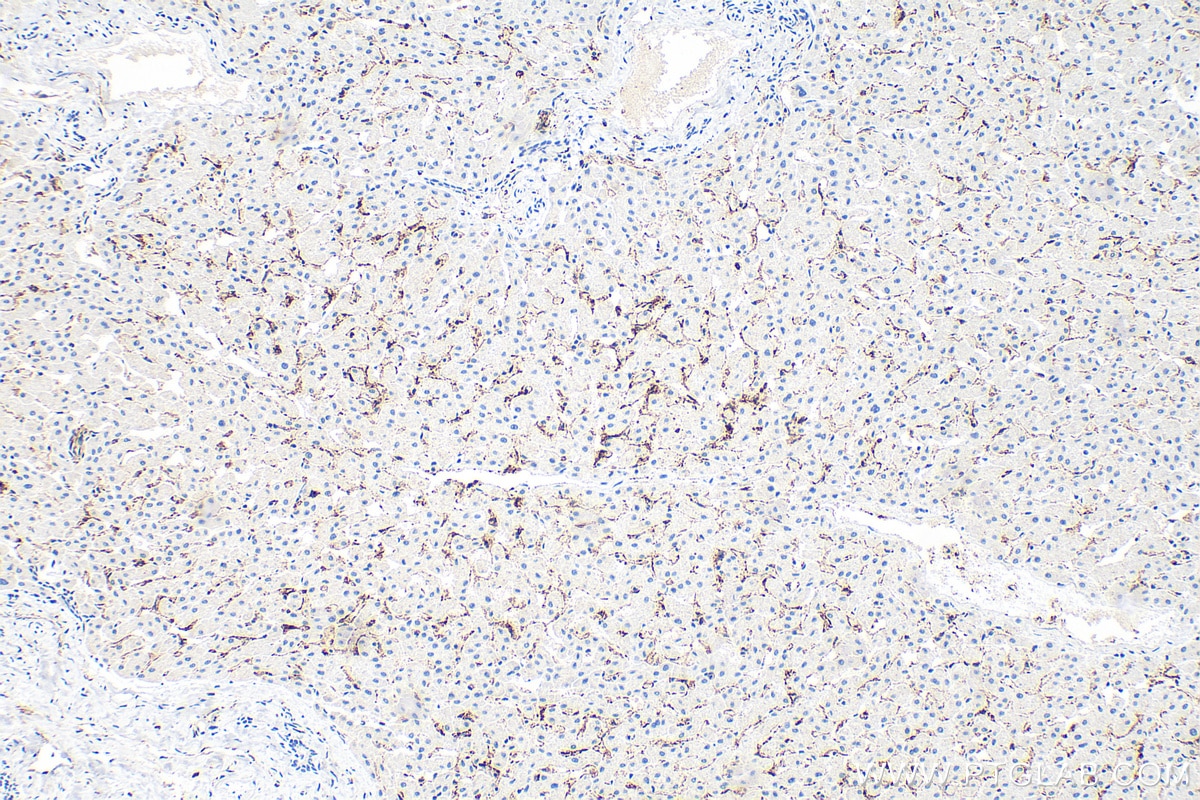

Tested Applications
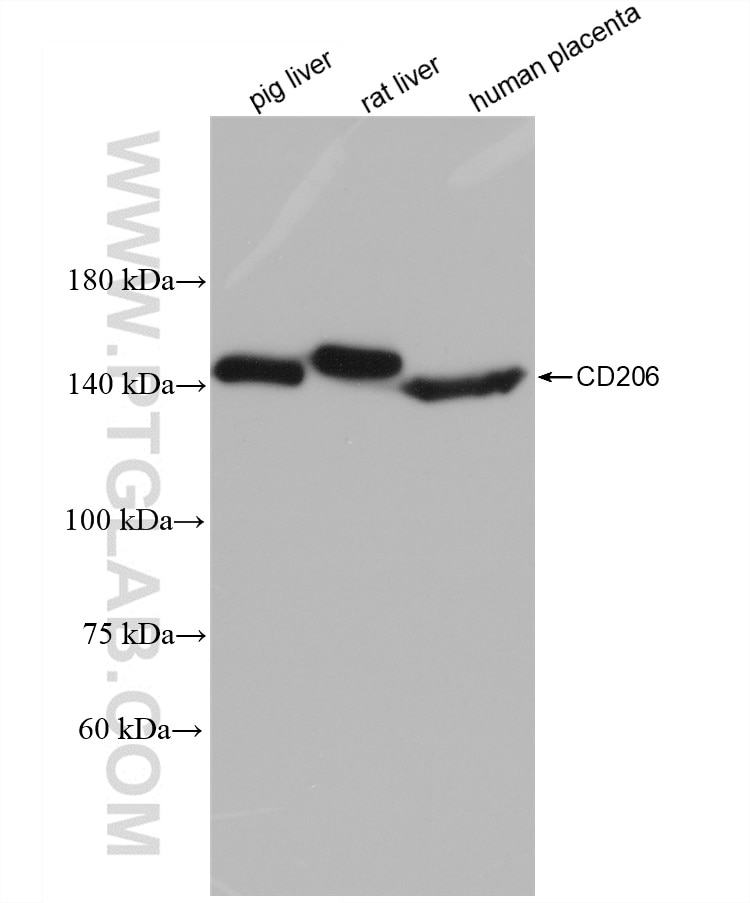
| Positive WB detected in | pig liver tissue, rat liver tissue, human placenta tissue |
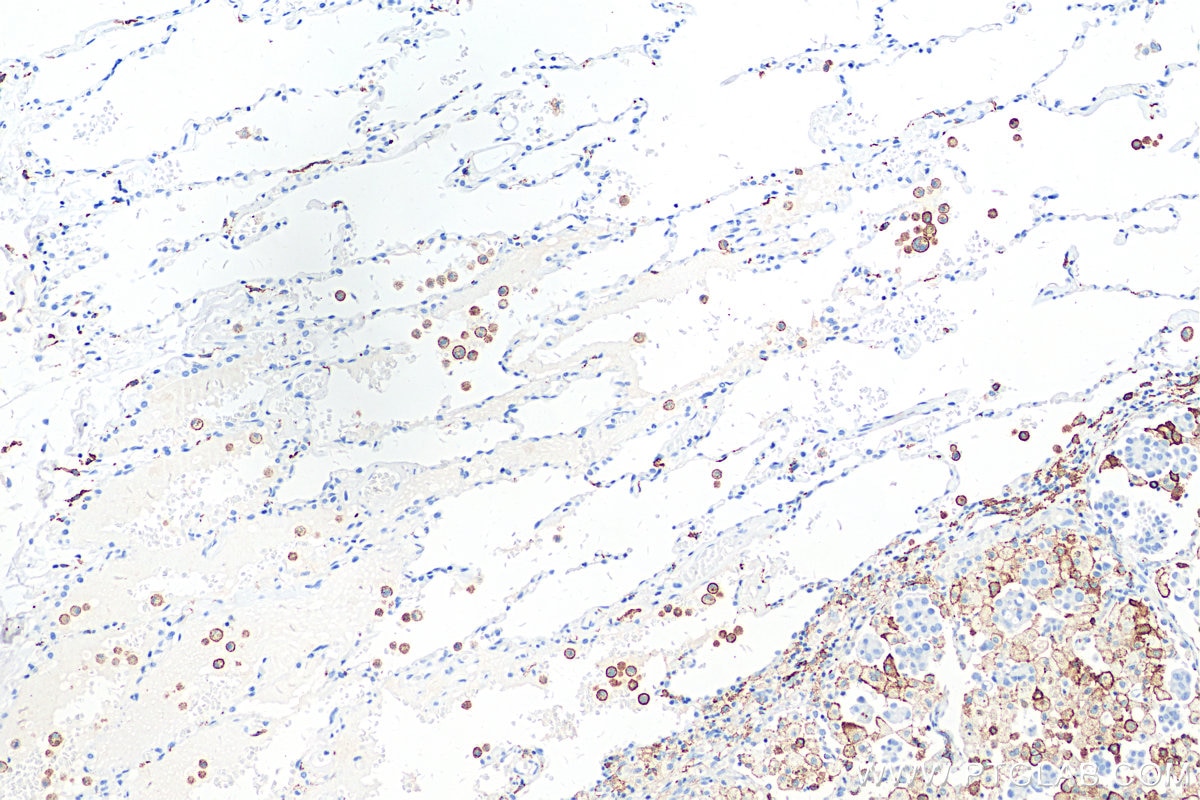
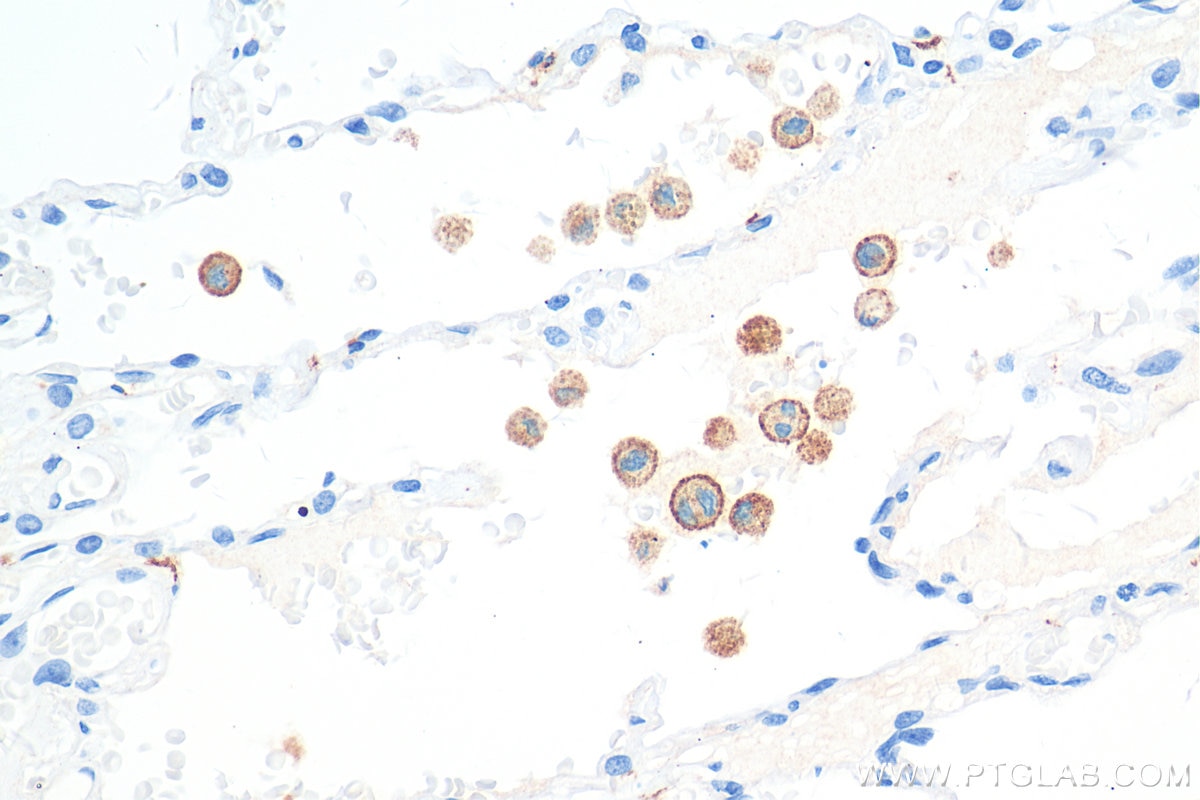
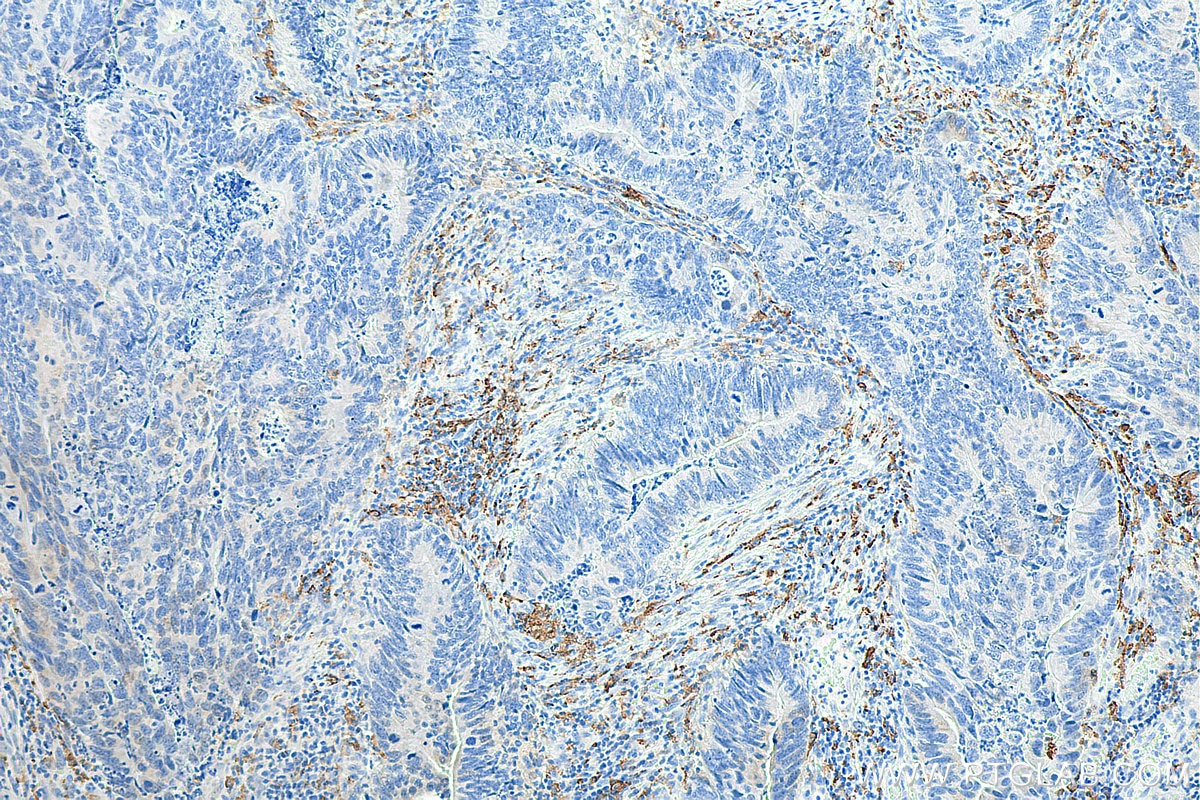
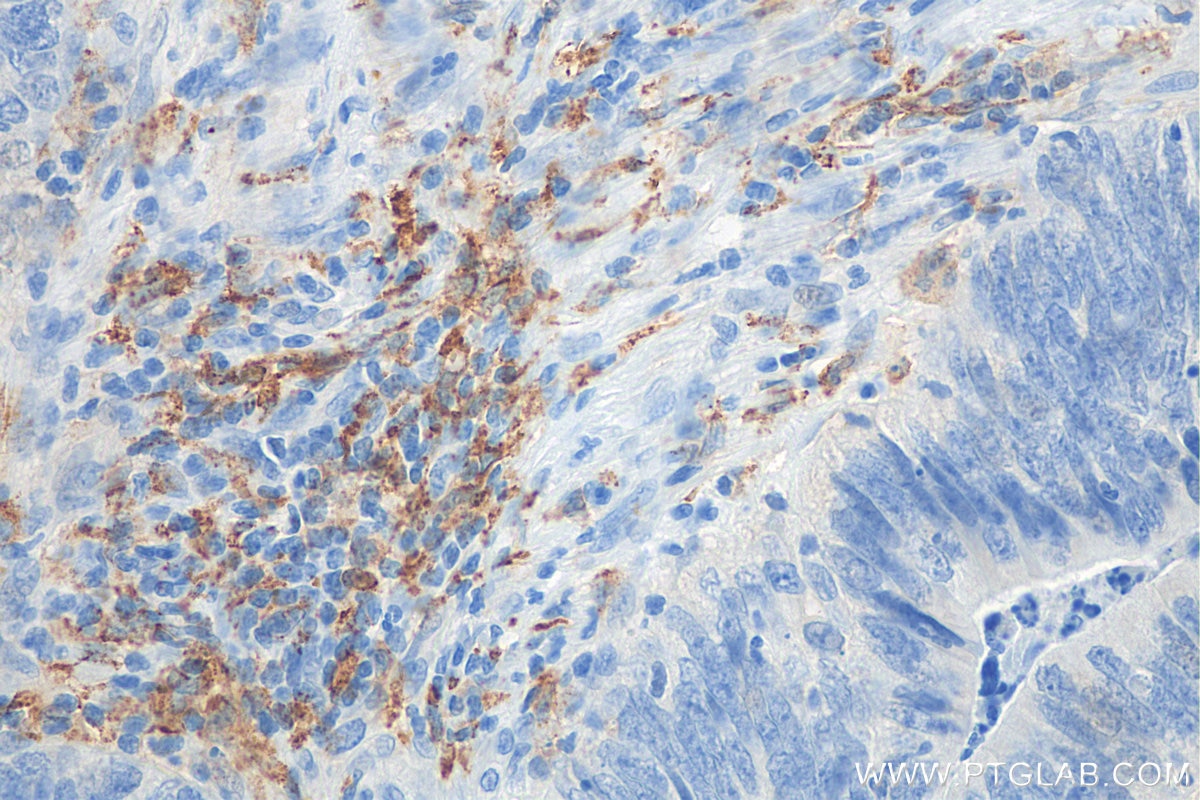
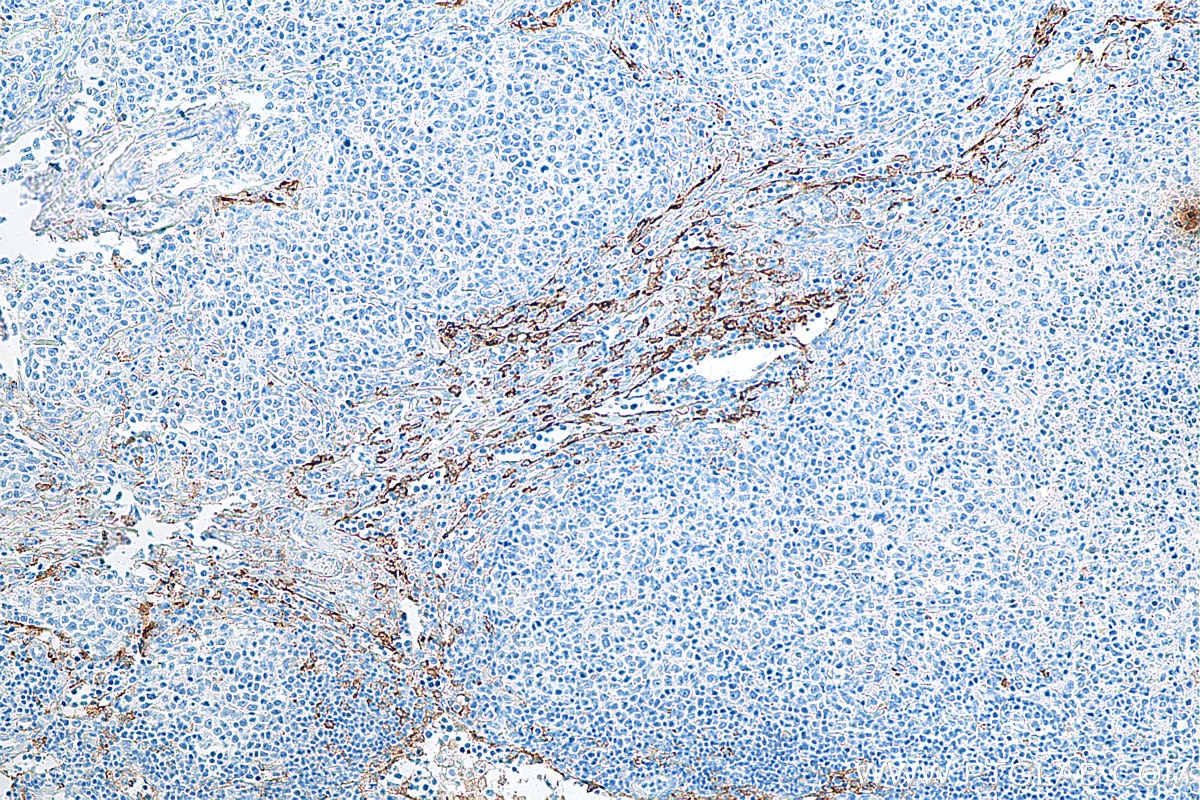
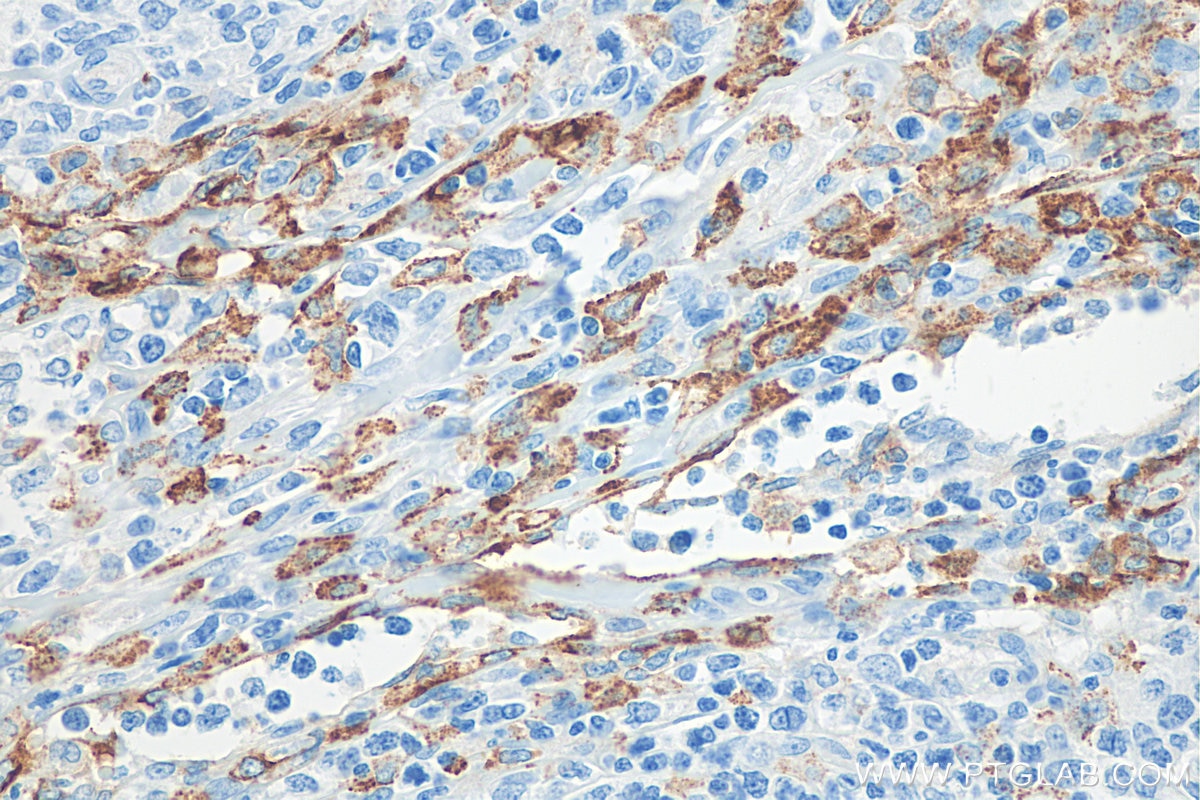
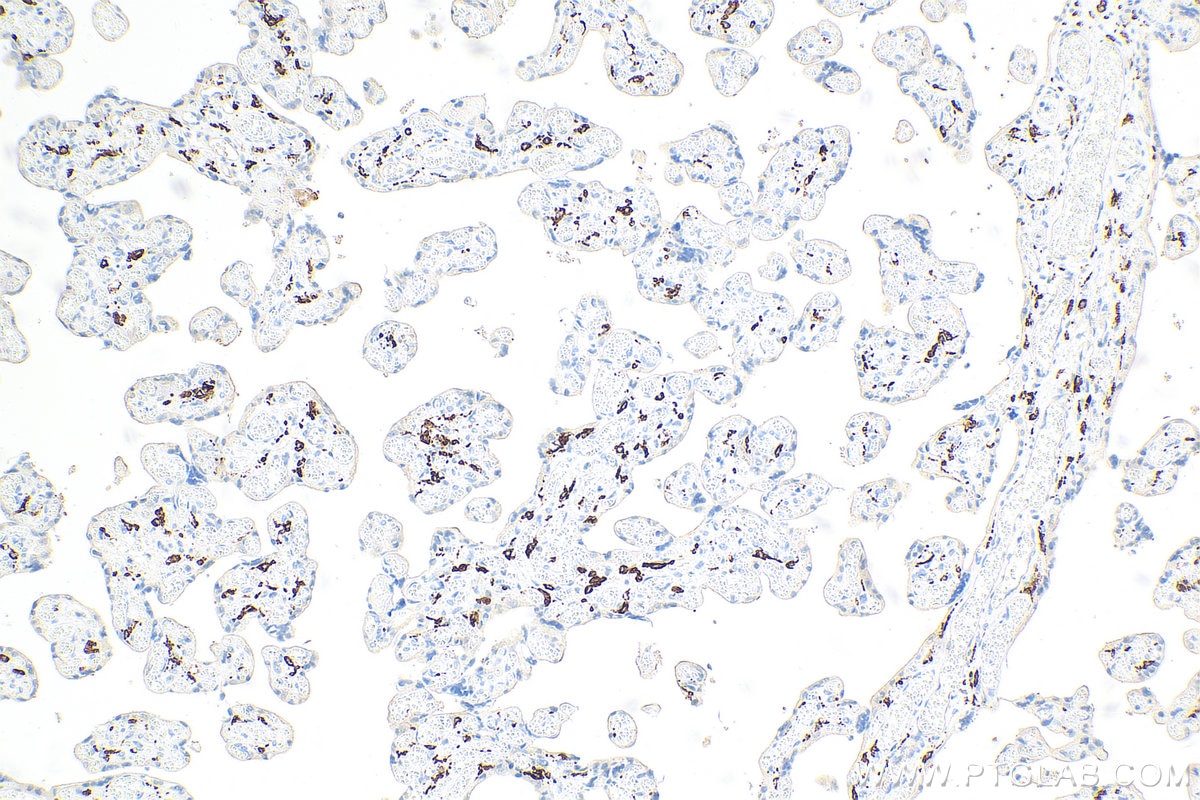
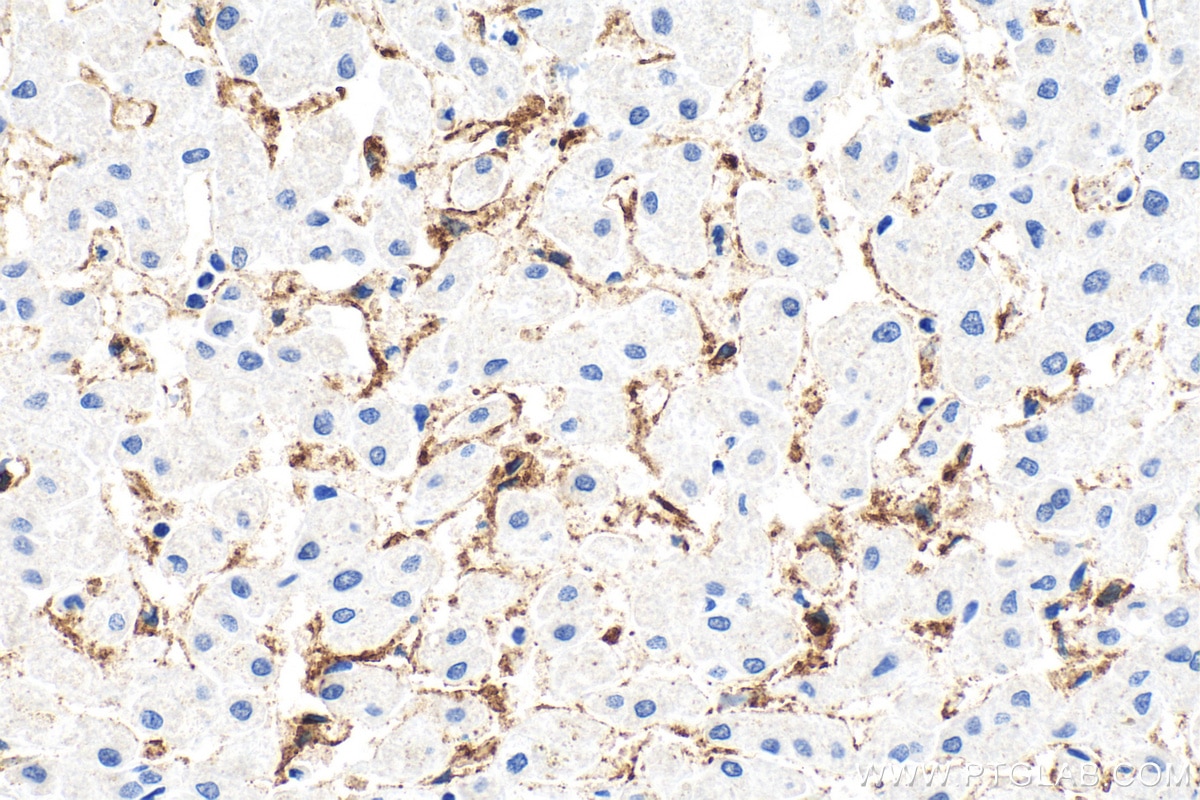
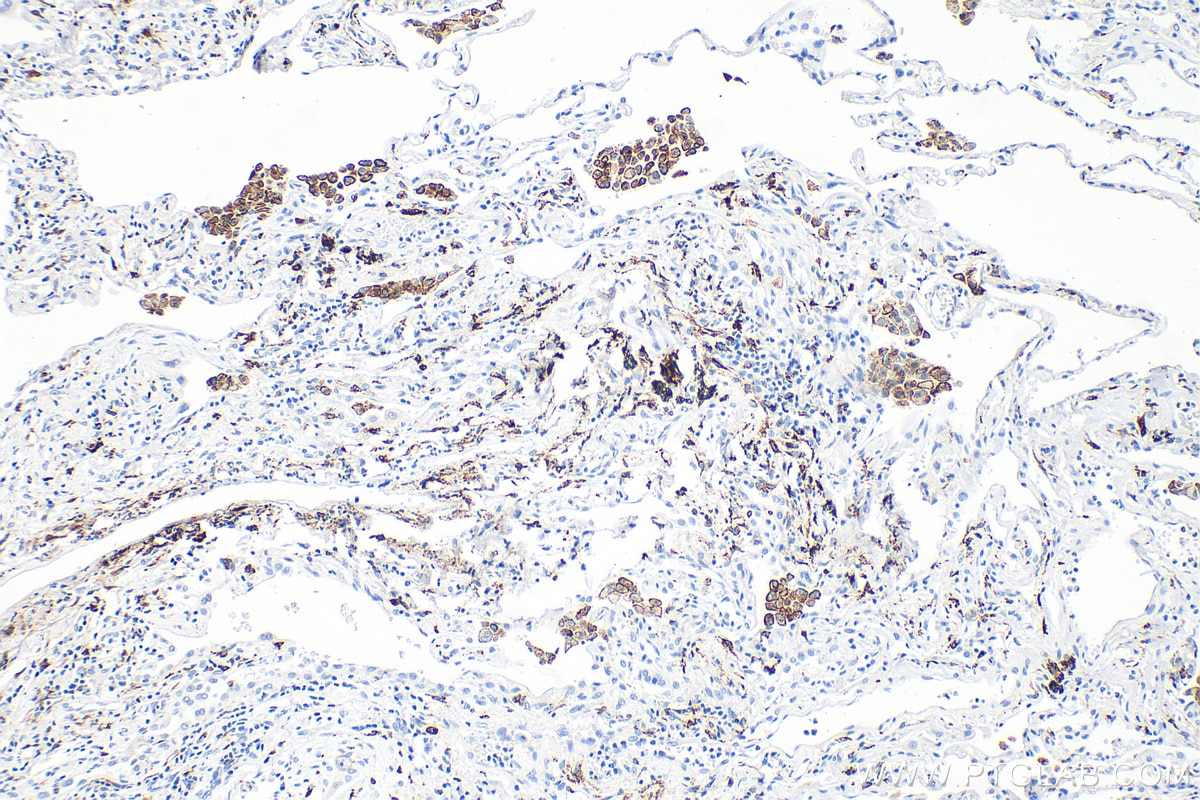
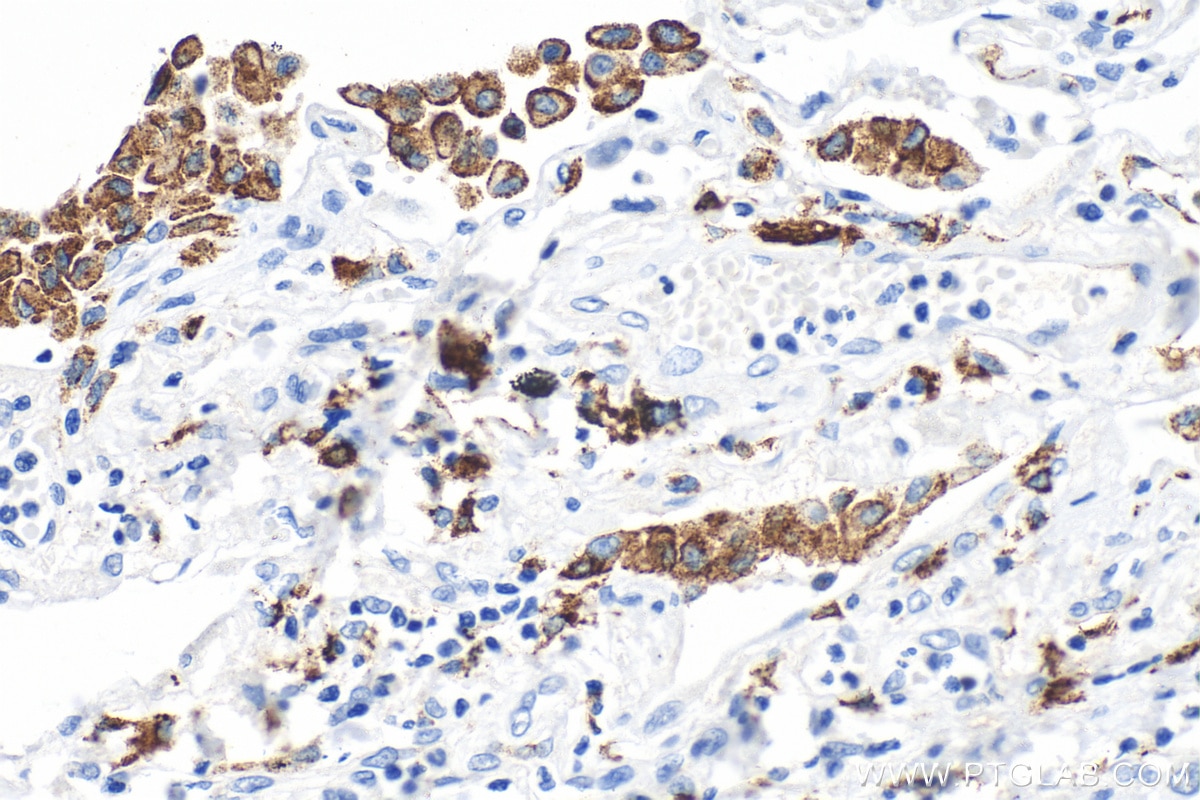
| Positive IHC detected in | human lung cancer tissue, human colon cancer tissue, human liver tissue, human lung tissue, human lymphoma tissue, human placenta tissue Note: suggested antigen retrieval with TE buffer pH 9.0; (*) Alternatively, antigen retrieval may be performed with citrate buffer pH 6.0 |
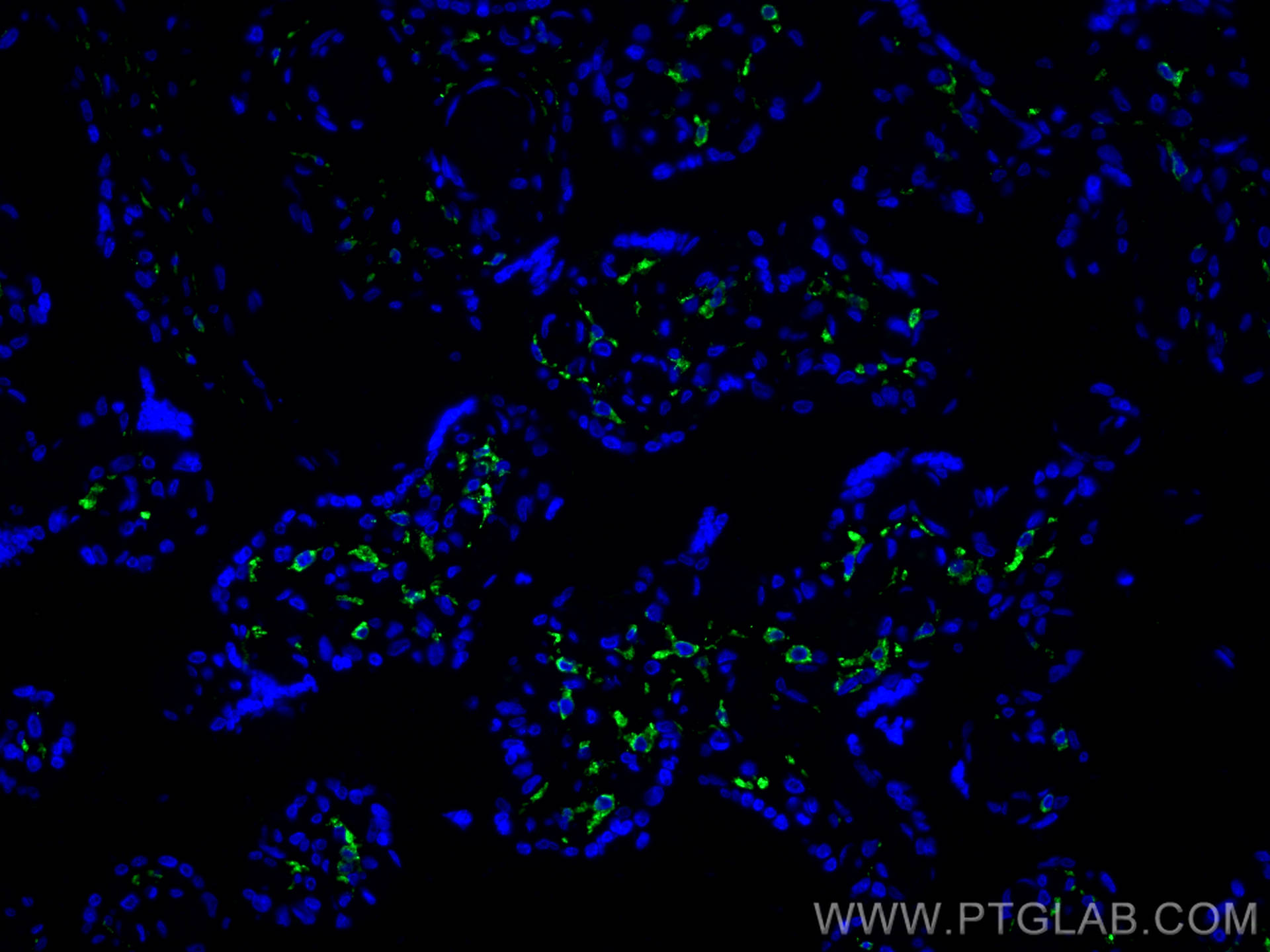
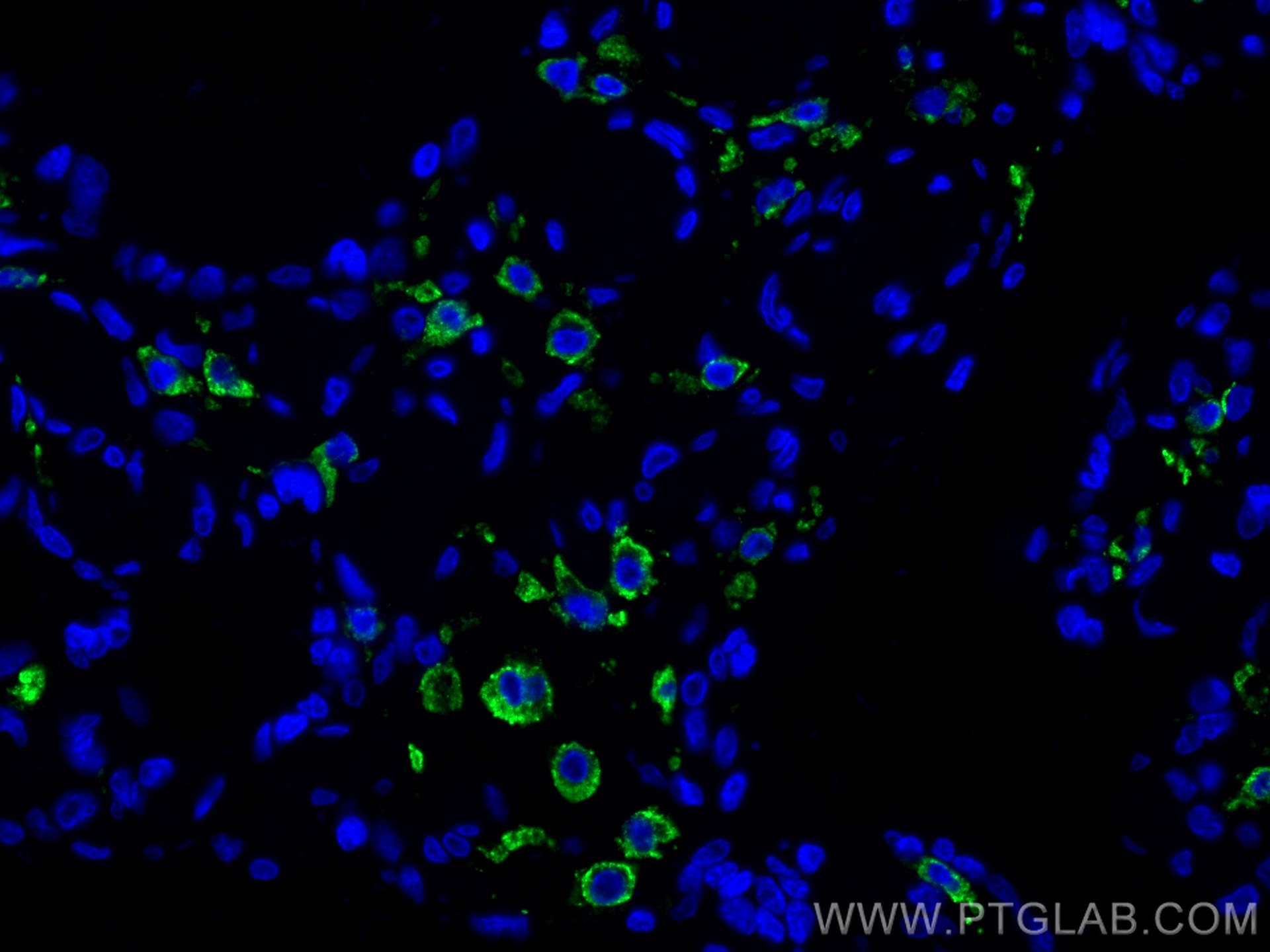
| Positive IF-P detected in | human placenta tissue |
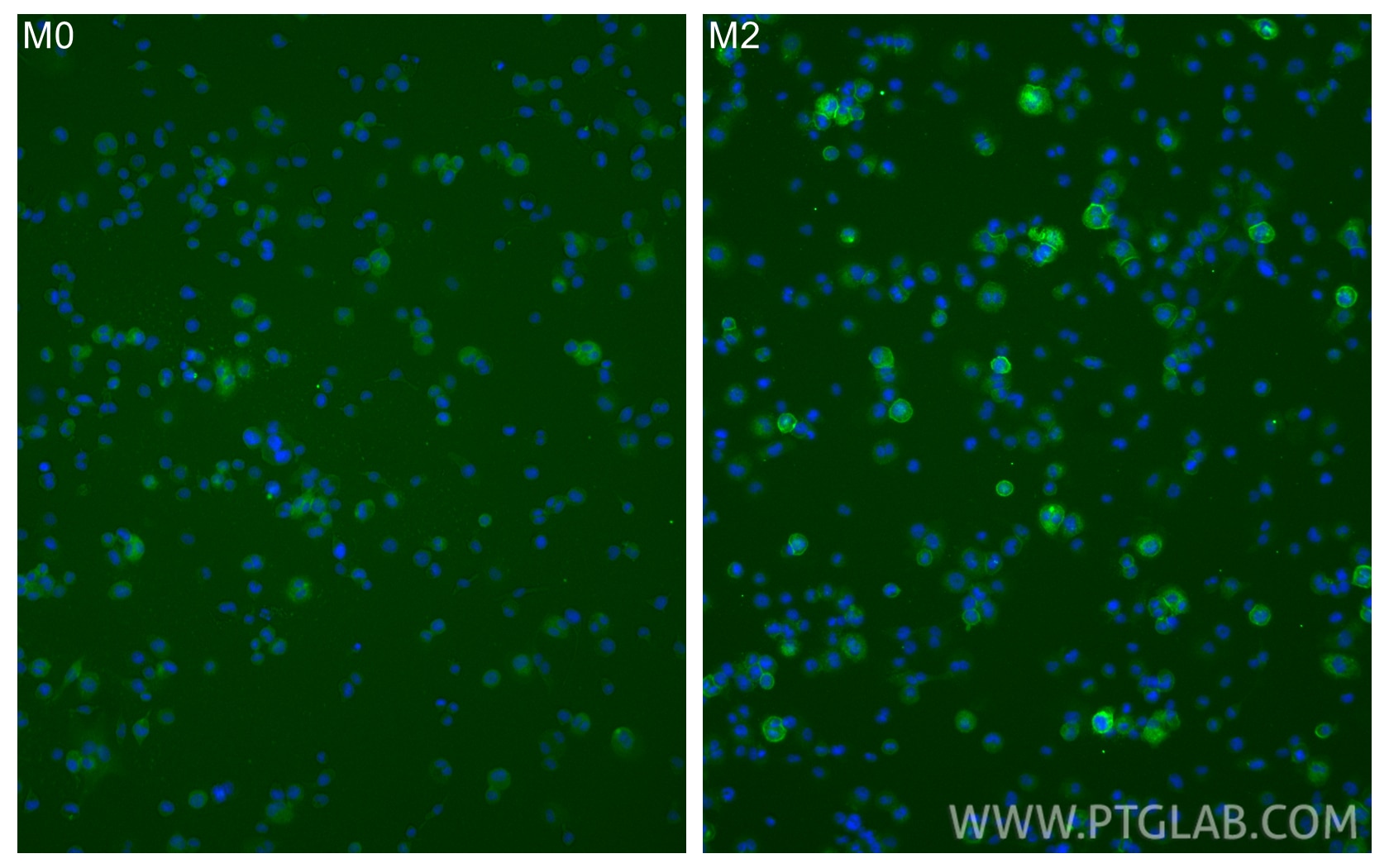
| Positive IF/ICC detected in | PMA, IL-4, and IL-13 treated THP-1 cells |
Recommended dilution
| Application | Dilution |
|---|---|
| Western Blot (WB) | WB : 1:5000-1:50000 |
| Immunohistochemistry (IHC) | IHC : 1:1000-1:4000 |
| Immunofluorescence (IF)-P | IF-P : 1:50-1:500 |
| Immunofluorescence (IF)/ICC | IF/ICC : 1:50-1:500 |
| It is recommended that this reagent should be titrated in each testing system to obtain optimal results. | |
| Sample-dependent, Check data in validation data gallery. | |
Product Information
81525-1-RR targets CD206 in WB, IHC, IF/ICC, IF-P, ELISA applications and shows reactivity with human, rat, pig samples.
| Tested Reactivity | human, rat, pig |
| Cited Reactivity | human, rat, pig, bovine |
| Host / Isotype | Rabbit / IgG |
| Class | Recombinant |
| Type | Antibody |
| Immunogen |
Peptide Predict reactive species |
| Full Name | mannose receptor, C type 1 |
| Calculated Molecular Weight | 166 kDa |
| Observed Molecular Weight | 170 kDa |
| GenBank Accession Number | NM_002438 |
| Gene Symbol | CD206 |
| Gene ID (NCBI) | 4360 |
| RRID | AB_2935558 |
| Conjugate | Unconjugated |
| Form | Liquid |
| Purification Method | Protein A purification |
| UNIPROT ID | P22897 |
| Storage Buffer | PBS with 0.02% sodium azide and 50% glycerol, pH 7.3. |
| Storage Conditions | Store at -20°C. Stable for one year after shipment. Aliquoting is unnecessary for -20oC storage. 20ul sizes contain 0.1% BSA. |
Background Information
CD206, also named as MMR, CLEC13D and MRC1, is a type I membrane receptor that mediates the endocytosis of glycoproteins by macrophages. CD206 has been shown to bind high-mannose structures on the surface of potentially pathogenic viruses, bacteria, and fungi so that they can be neutralized by phagocytic engulfment. CD206 is a 170 kDa transmembrane protein which contains 5 domains: an amino-terminal cysteine-rich region, a fibronectin type II repeat, a series of eight tandem lectin-like carbohydrate recognition domains (responsible for the recognition of mannose and fucose), a transmembrane domain, and an intracellular carboxy-terminal tail. It is expressed on most tissue macrophages, in vitro derived dendritic cells, lymphatic and sinusoidal endothelia.
Protocols
| Product Specific Protocols | |
|---|---|
| IF protocol for CD206 antibody 81525-1-RR | Download protocol |
| IHC protocol for CD206 antibody 81525-1-RR | Download protocol |
| WB protocol for CD206 antibody 81525-1-RR | Download protocol |
| Standard Protocols | |
|---|---|
| Click here to view our Standard Protocols |
Publications
What published studies show
CD206 Recombinant monoclonal antibody (1G15), catalog number 81525-1-RR, has 39 total citations published in journals including Nature Communications, ACS Nano, Theranostics, Advanced Science, Cell Death Discovery, Journal for ImmunoTherapy of Cancer, Stem Cell Research & Therapy, International Journal of Surgery, and Scientific Reports. Associated research fields include macrophage M1/M2 polarization, neuroinflammation and ischemic stroke, tumor microenvironment remodeling, wound healing, atherosclerosis, diabetes, osteoporosis, and autoimmune diseases.
| Species | Application | Title |
|---|---|---|
Exploration (Beijing) Specifically Breaking Through the Injured Blood-Brain Barrier With Tannic Acid-Based Nanomedicine for Ischemic Stroke Ischemia Reperfusion Treatment. | ||
Nat Commun Acid-resistant chemotactic DNA micromotors for probiotic delivery in inflammatory bowel disease | ||
ACS Nano Unlocking Neuroprotection: Simultaneous Suppression of Mitochondrial Energetic Collapse and Oxidative-Inflammatory Vortex for Ischemia-Reperfusion Brain Injury. | ||
Theranostics Hsa_circ_0058495-mediated IGF2BP2 ubiquitination and m6A modification of MEKK1 promote the progression of PDAC. | ||
Adv Sci (Weinh) Intrinsically Mitochondria-Targeting Nanozyme via Coordination-Assembly of Natural Quercetin for Cascade Antioxidant Therapy of Cerebral Ischemia-Reperfusion Injury. | ||
Adv Sci (Weinh) Dual Physiological Barriers Bypassed by a Silk-Based Supramolecular Protein Delivery Platform for Neuroinflammation Mitigation in Alzheimer's Disease. |
Reviews
What customers say
One reviewer (Kenzo Oikawa) gave this antibody a 5-star rating in August 2023. They highly recommend it as the best-performing CD206 antibody they have tested. Using a 1:500 dilution for immunofluorescence on mouse nerve meninges tissue, they detected very robust signals from a subset of macrophages. Overall, the review highlights strong performance and reliability for IF applications.
The reviews below have been submitted by verified Proteintech customers who received an incentive for providing their feedback.
Kenzo (Verified Customer) (08-15-2023) | I highly recommend this antibody as it performs best among CD206 antibodies that we have tested. I was able to detect very robust immunofluorescent signals with this antibody from a subset of macrophages in mouse nerve tissues.
|



















