
"PCNA Antibodies" Comparison
View side-by-side comparison of PCNA antibodies from other vendors to find the one that best suits your research needs.

Tested Applications
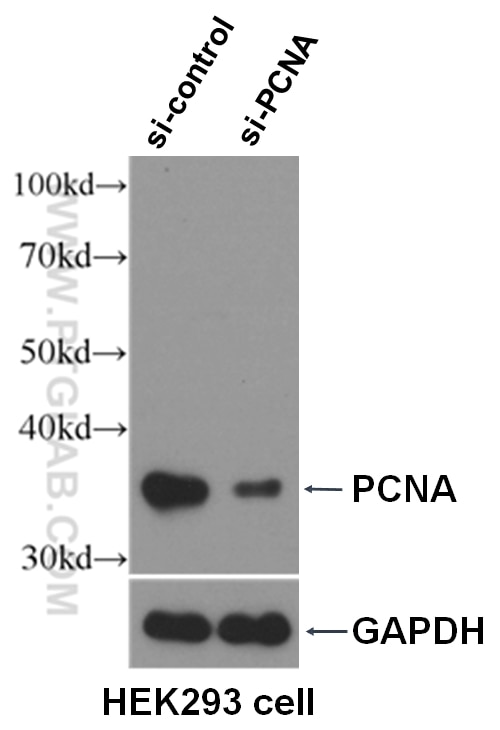
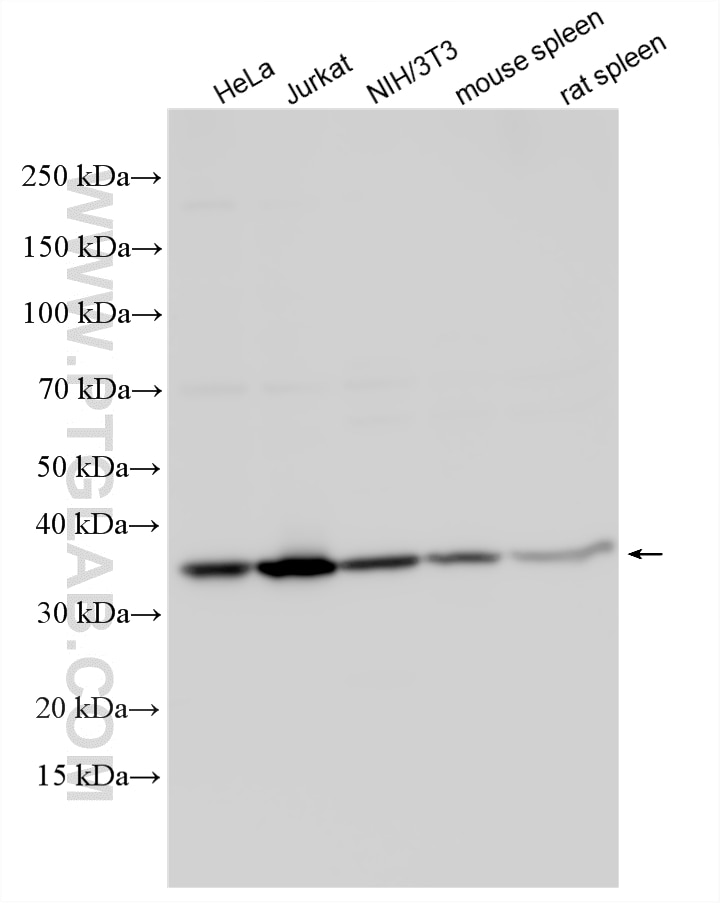
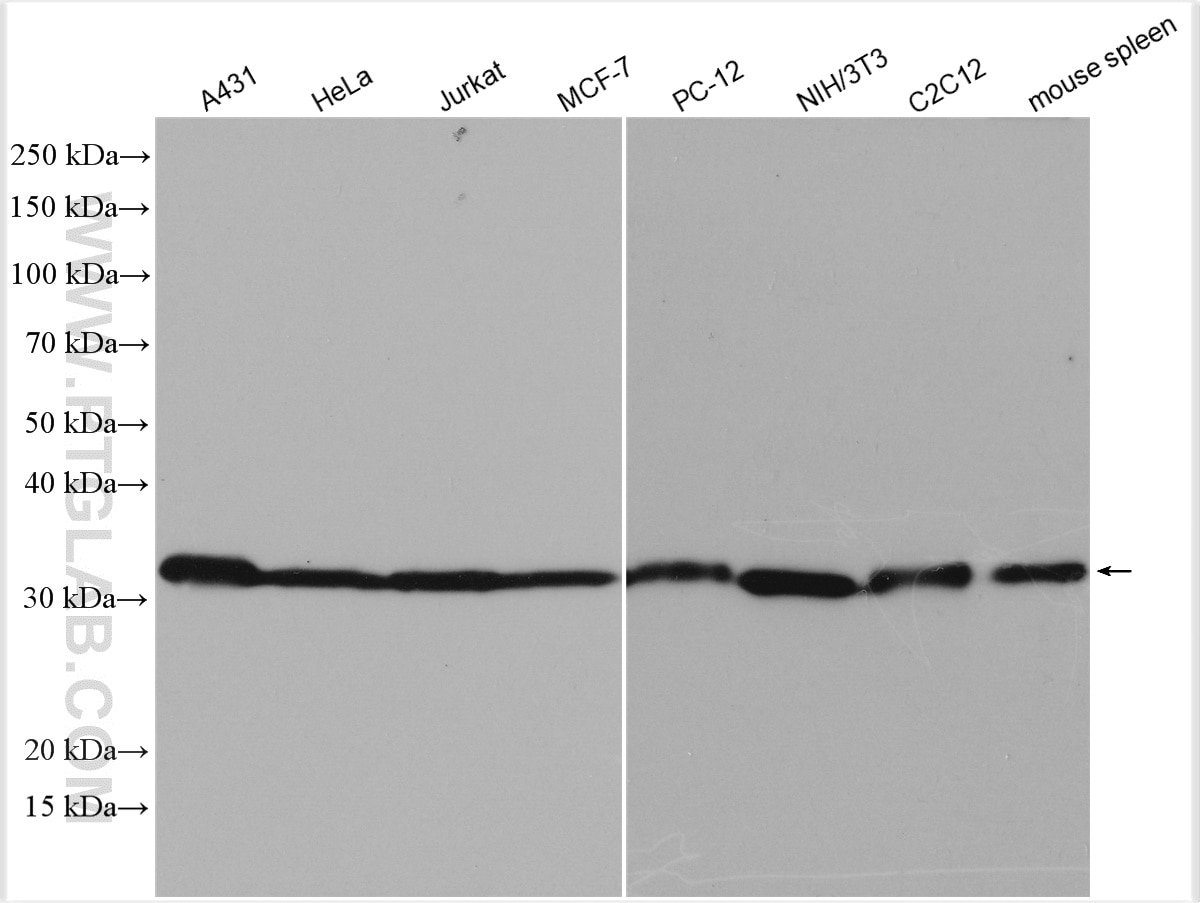
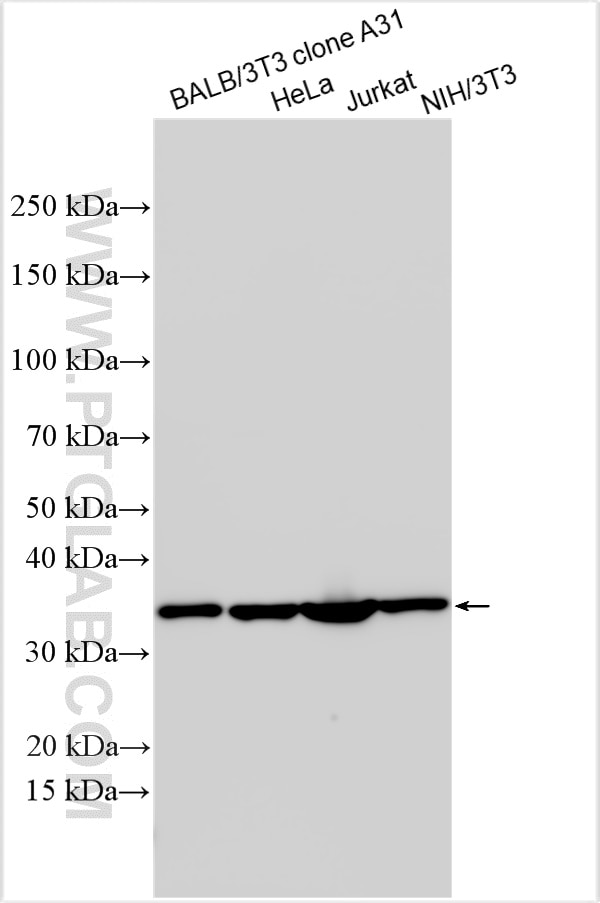
| Positive WB detected in | HeLa cells, A431 cells, BALB/3T3 clone A31 cells, HEK293 cells, Jurkat cells, MCF-7 cells, PC-12 cells, NIH/3T3 cells, C2C12 cells, mouse spleen tissue, rat spleen tissue |
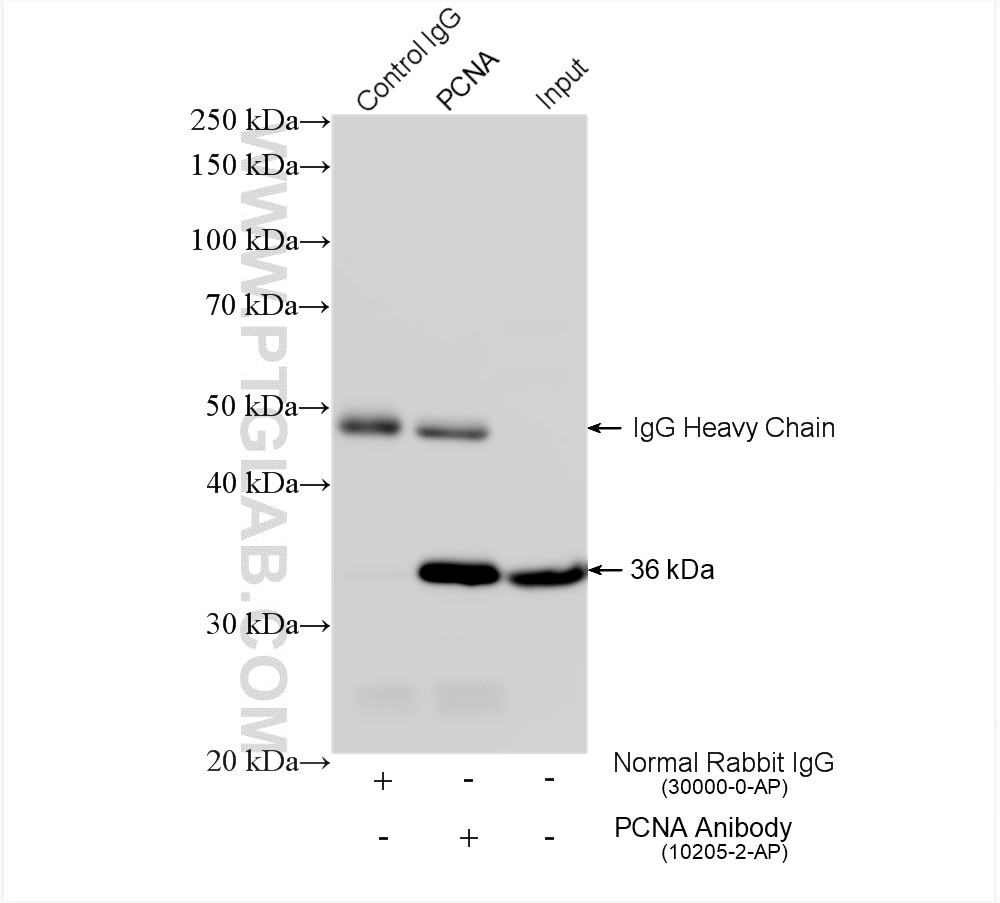
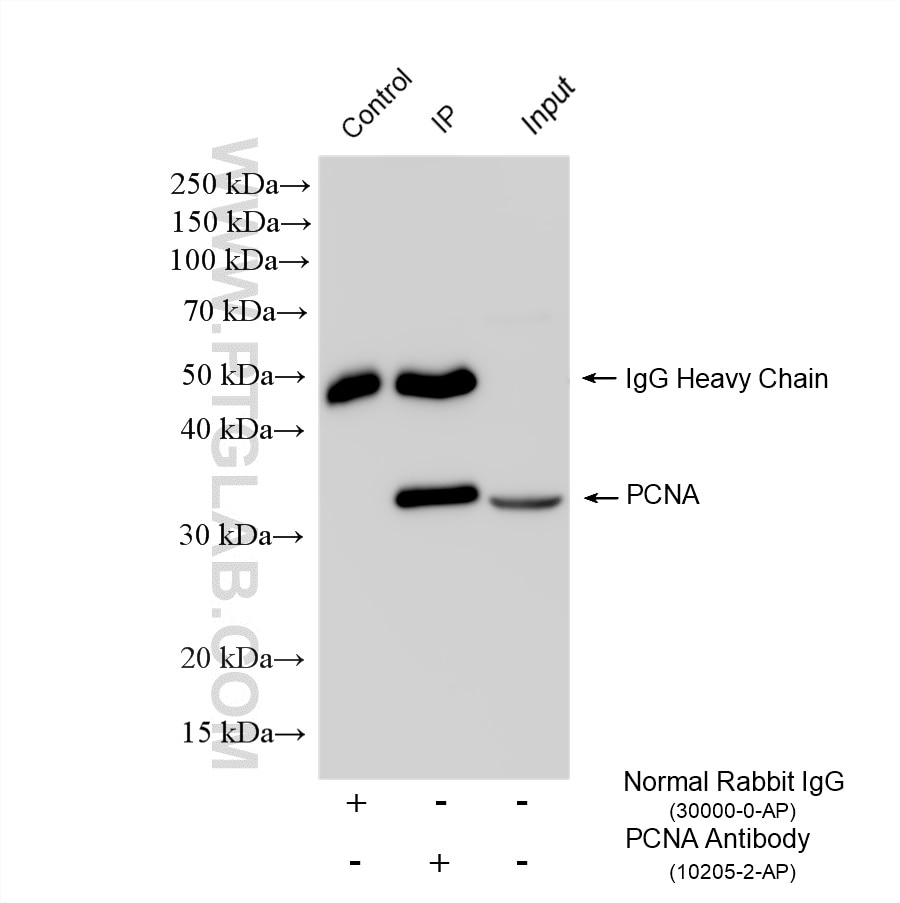
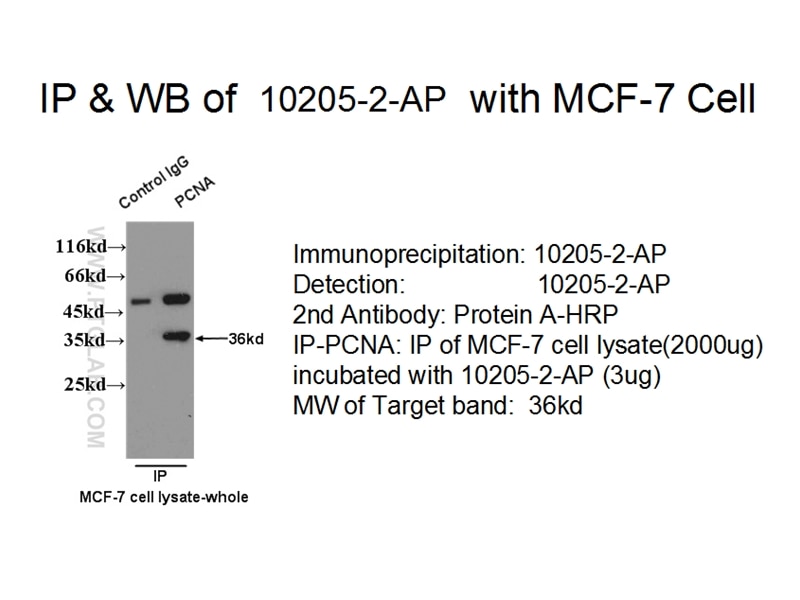
| Positive IP detected in | MCF-7 cells, HeLa cells |
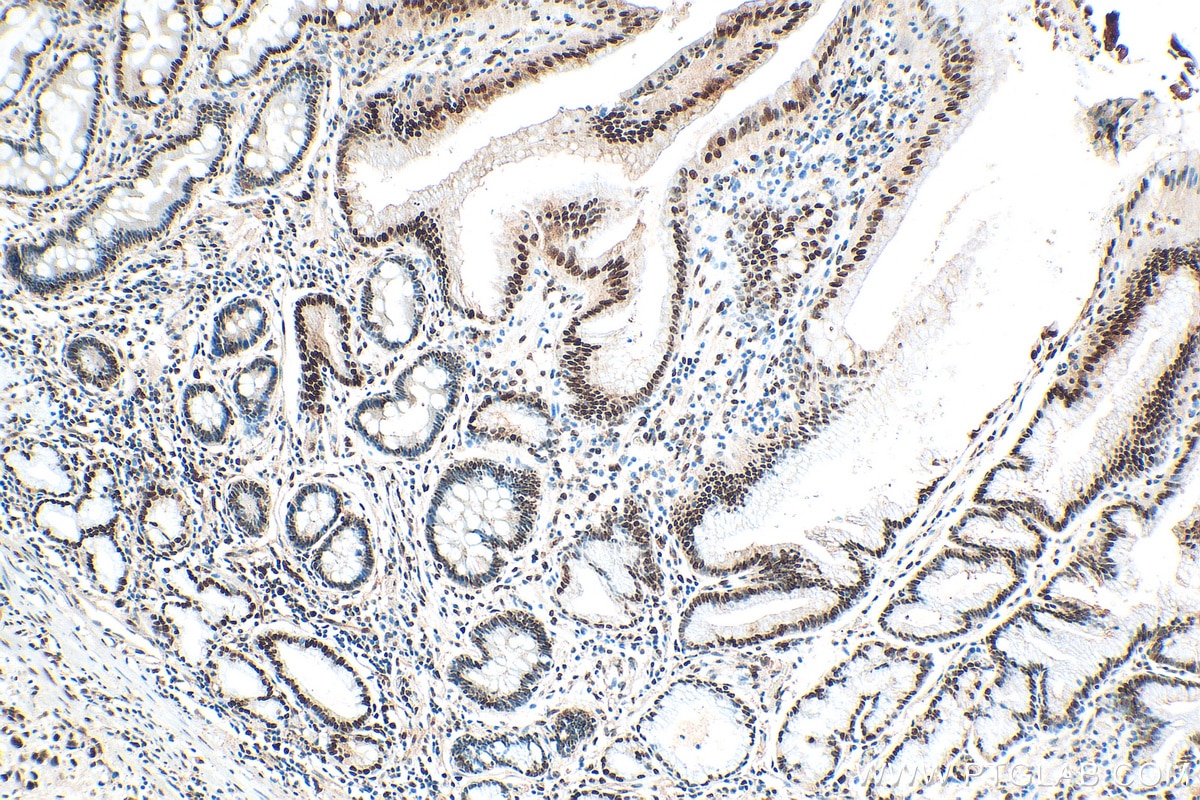
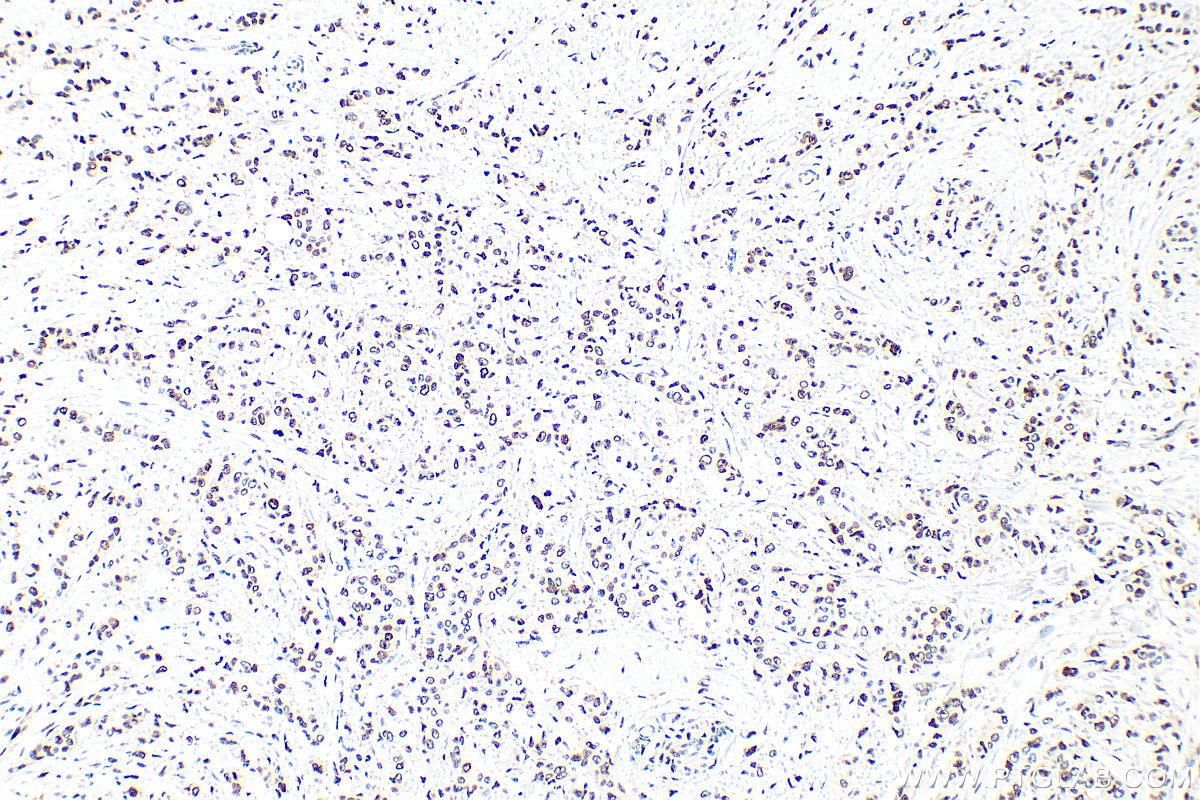
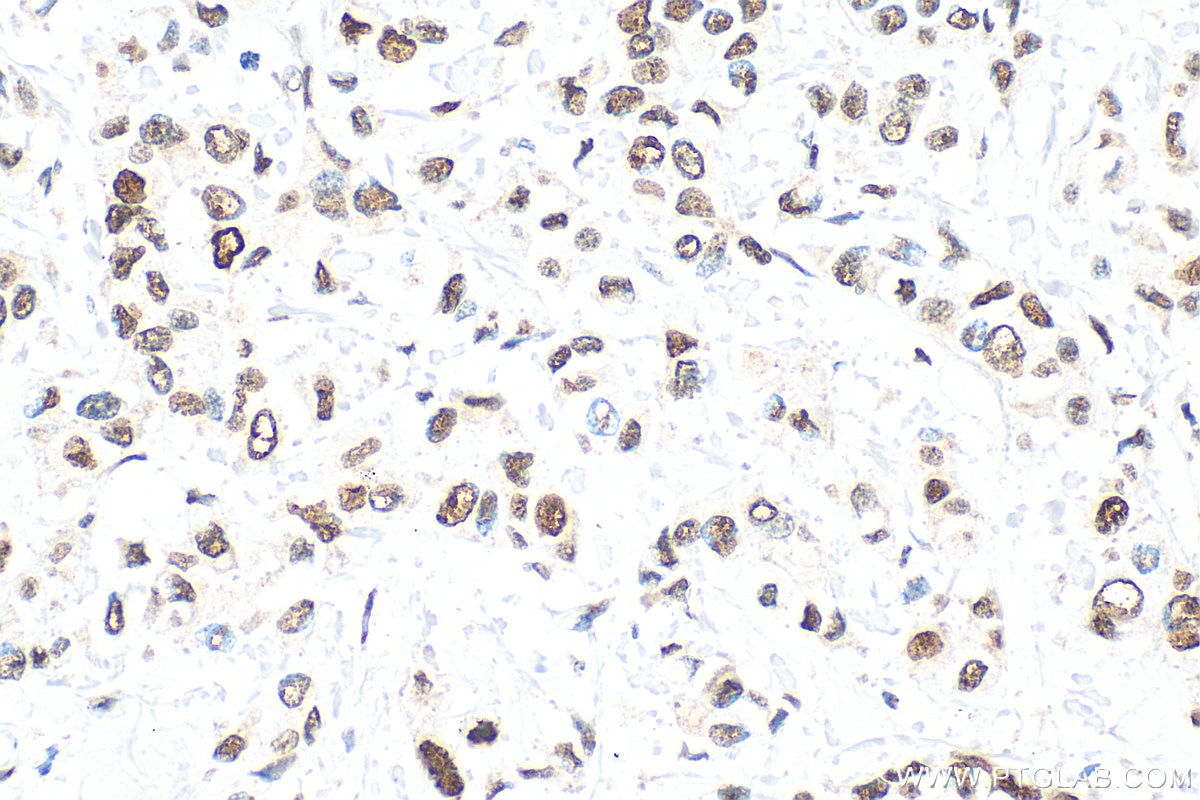
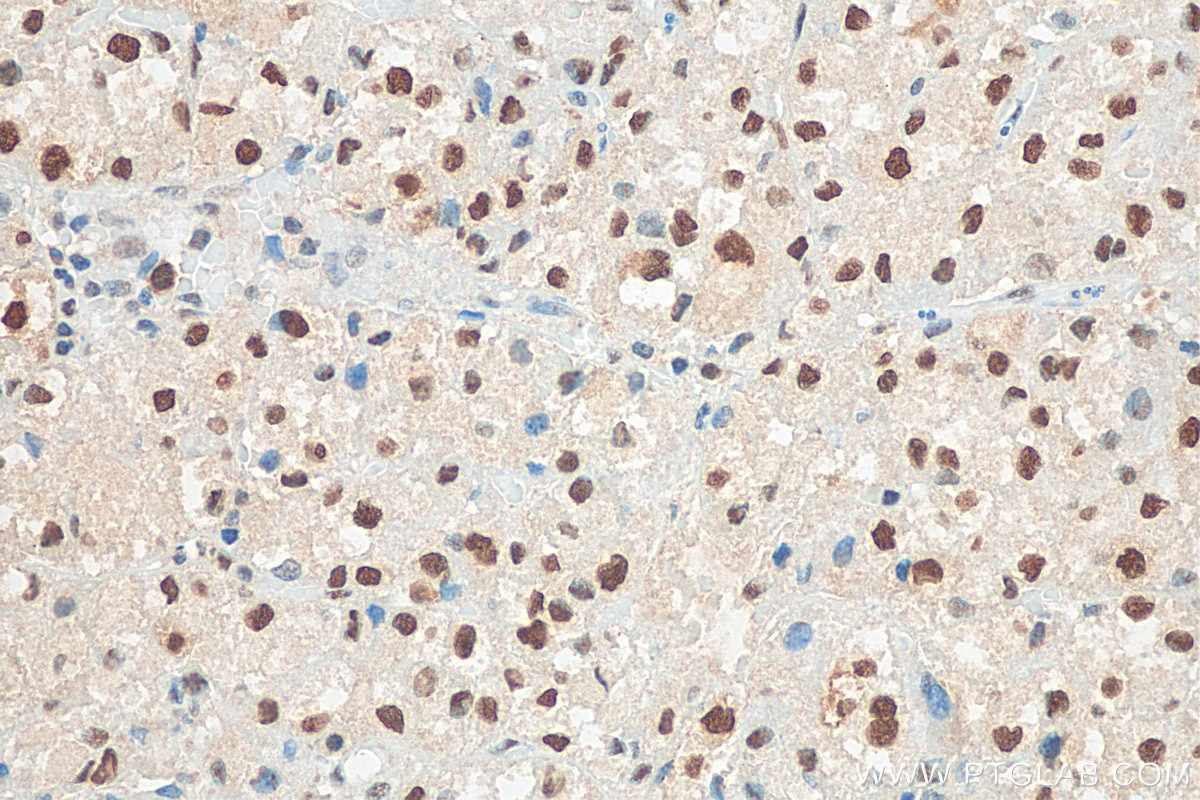
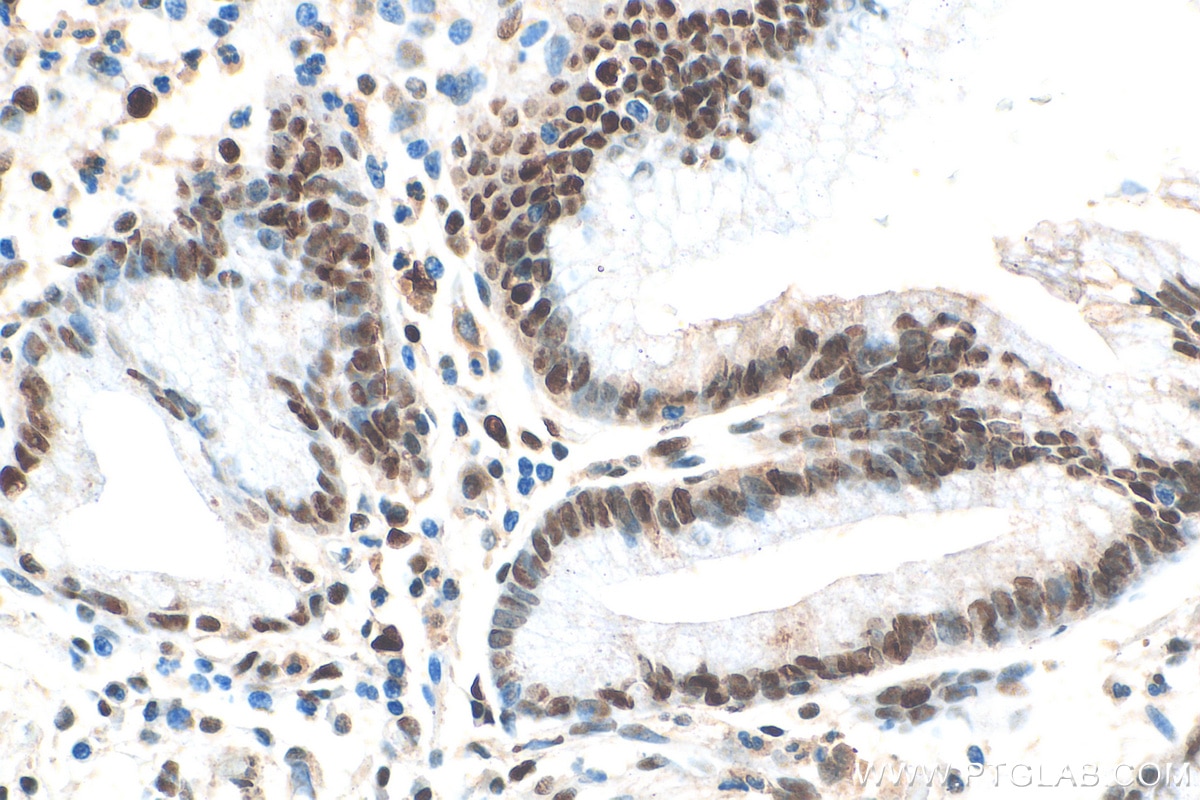
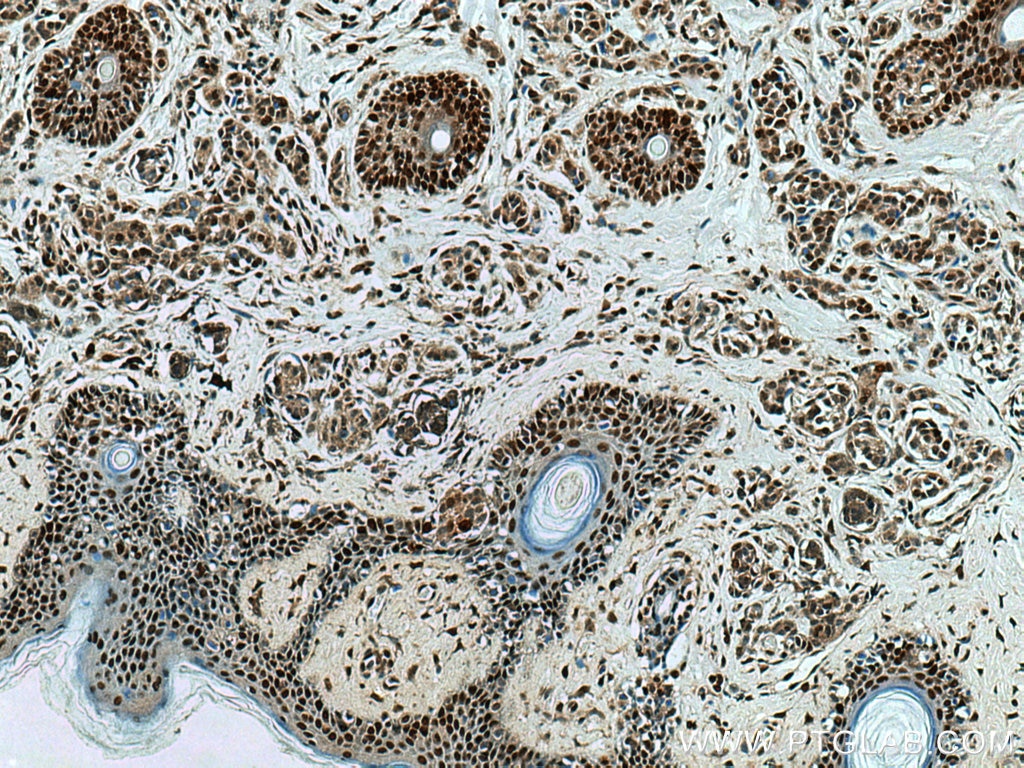
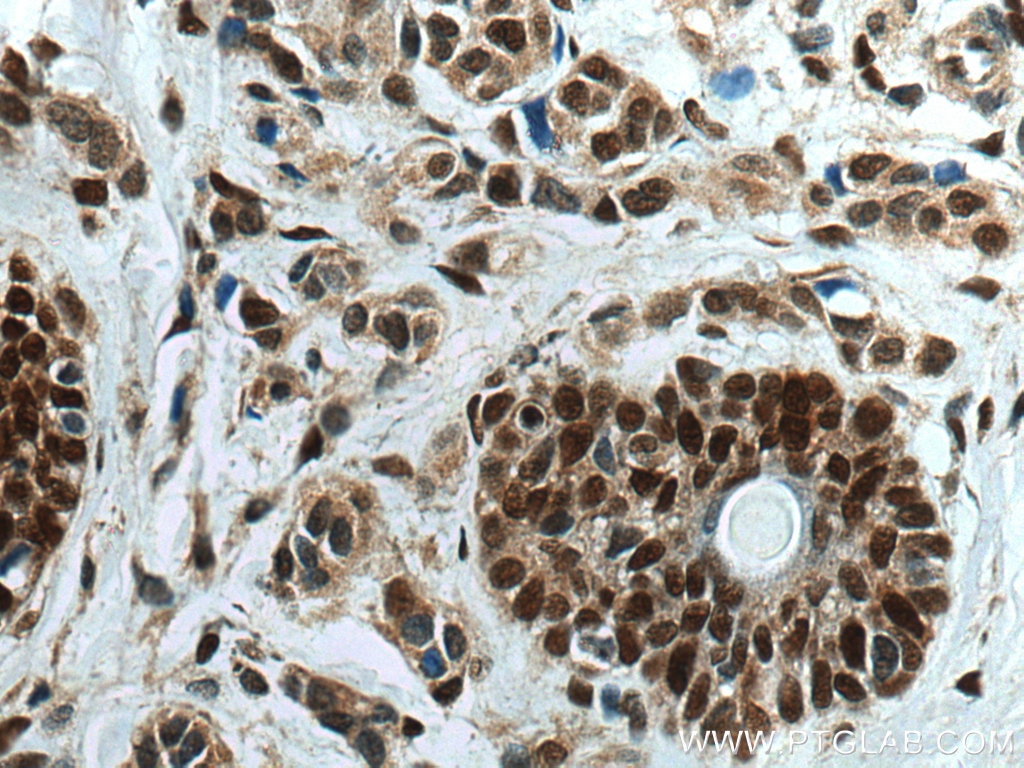
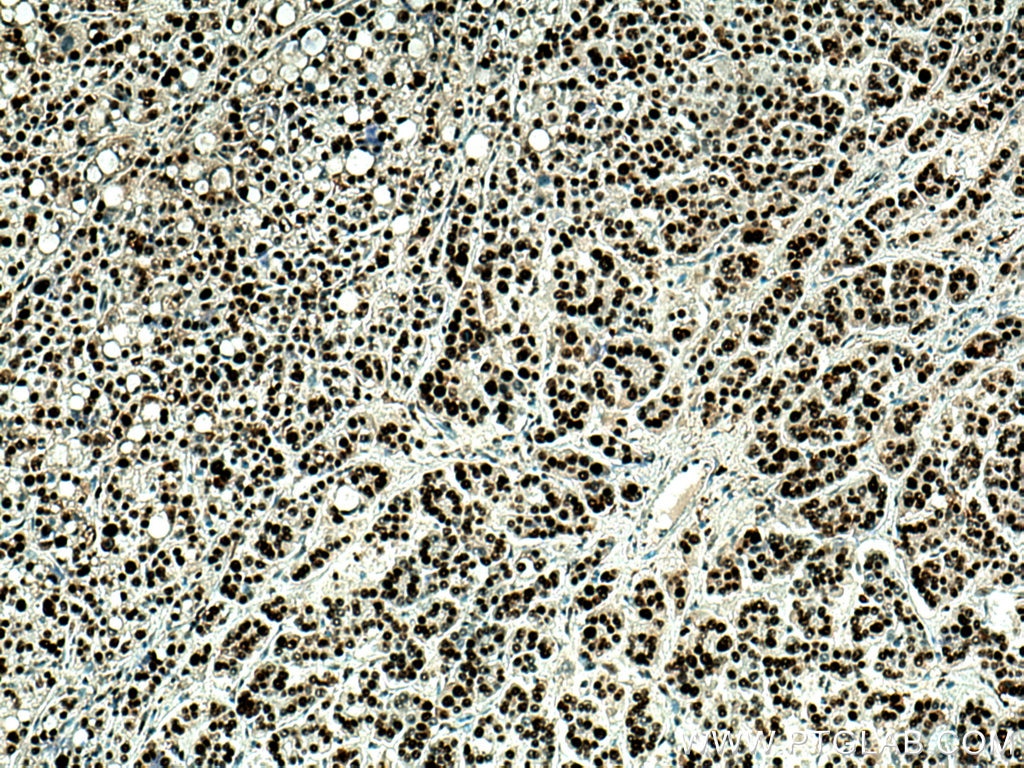
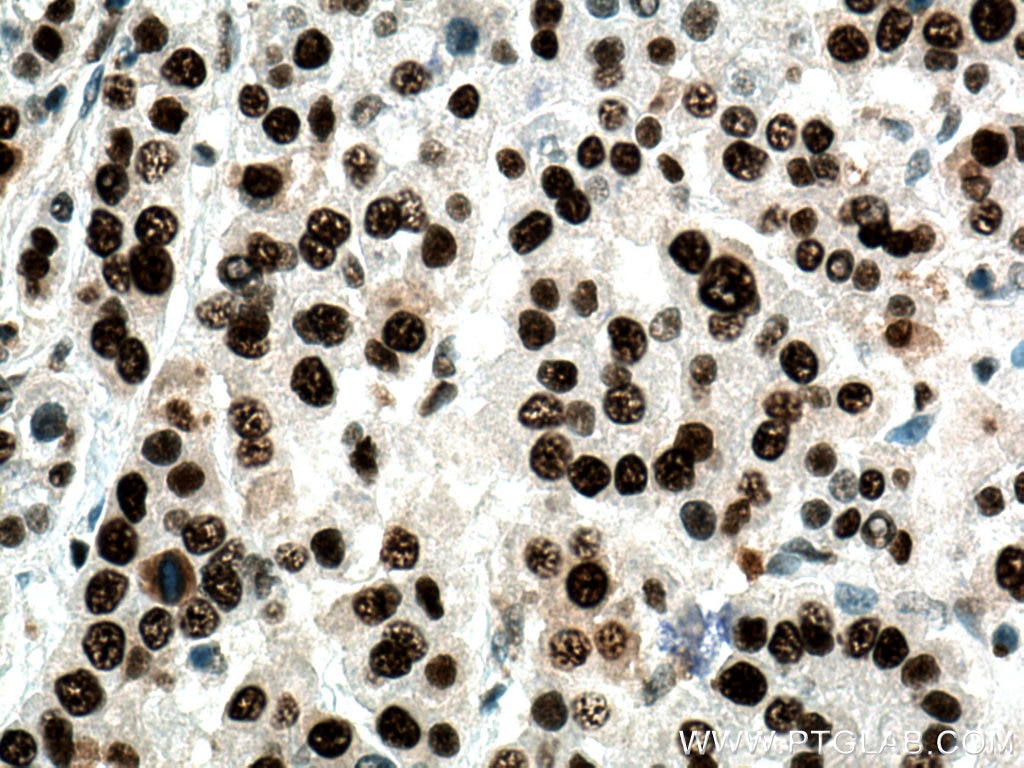
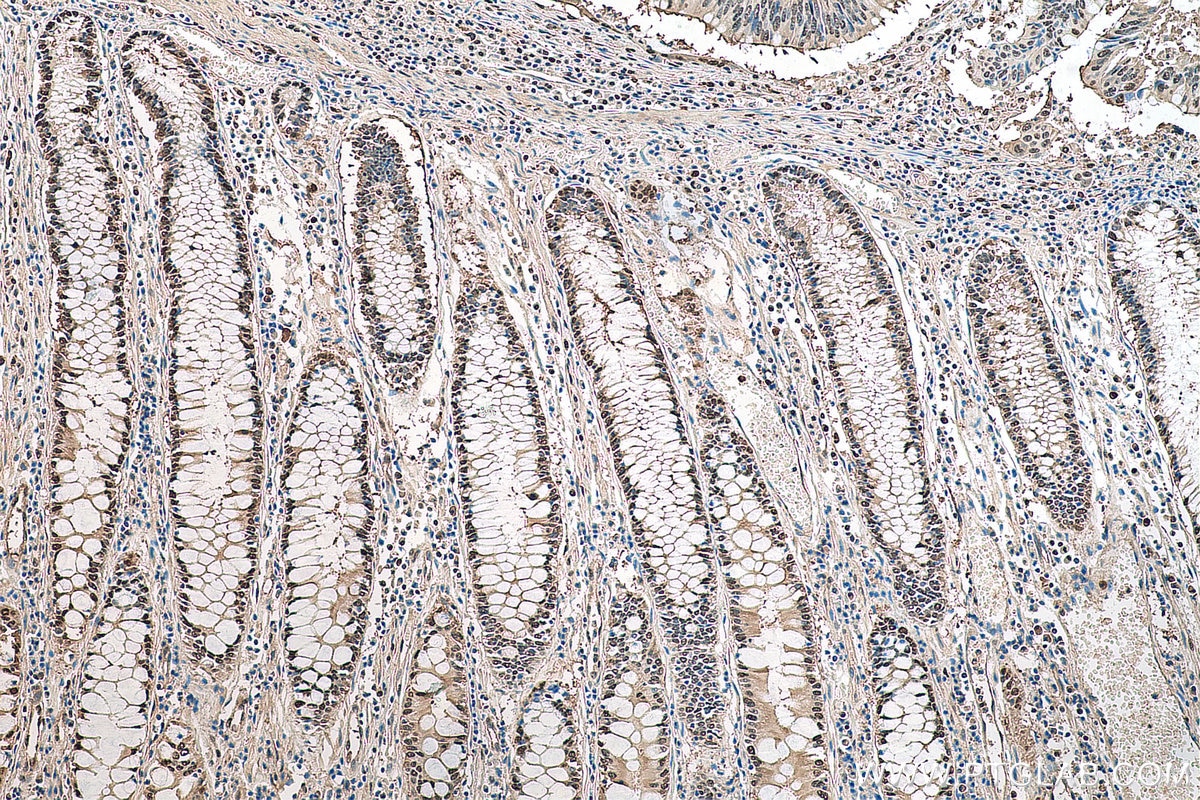
| Positive IHC detected in | human stomach cancer tissue, human breast cancer tissue, human colon cancer tissue, human liver cancer tissue, human malignant melanoma tissue Note: suggested antigen retrieval with TE buffer pH 9.0; (*) Alternatively, antigen retrieval may be performed with citrate buffer pH 6.0 |
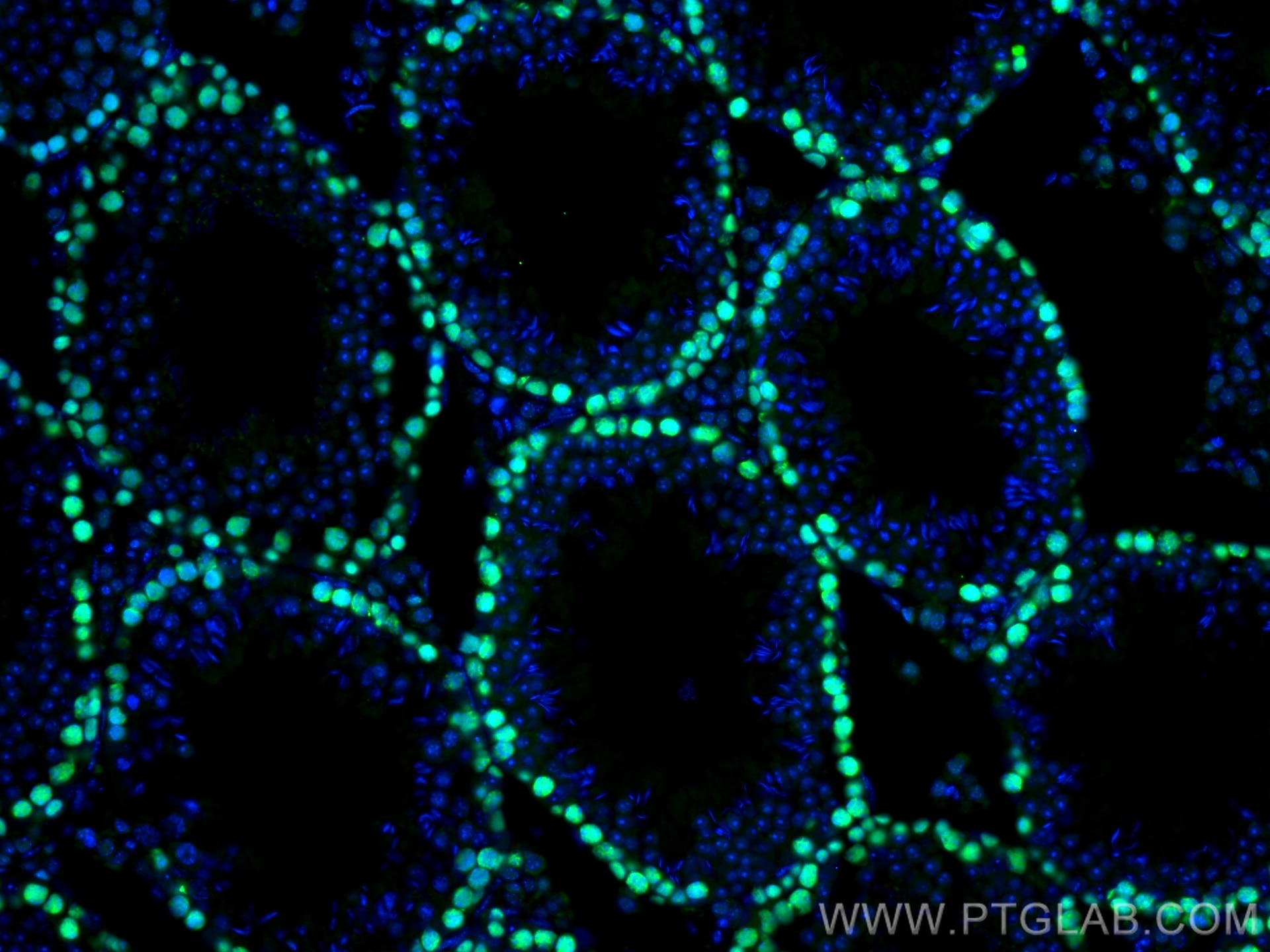
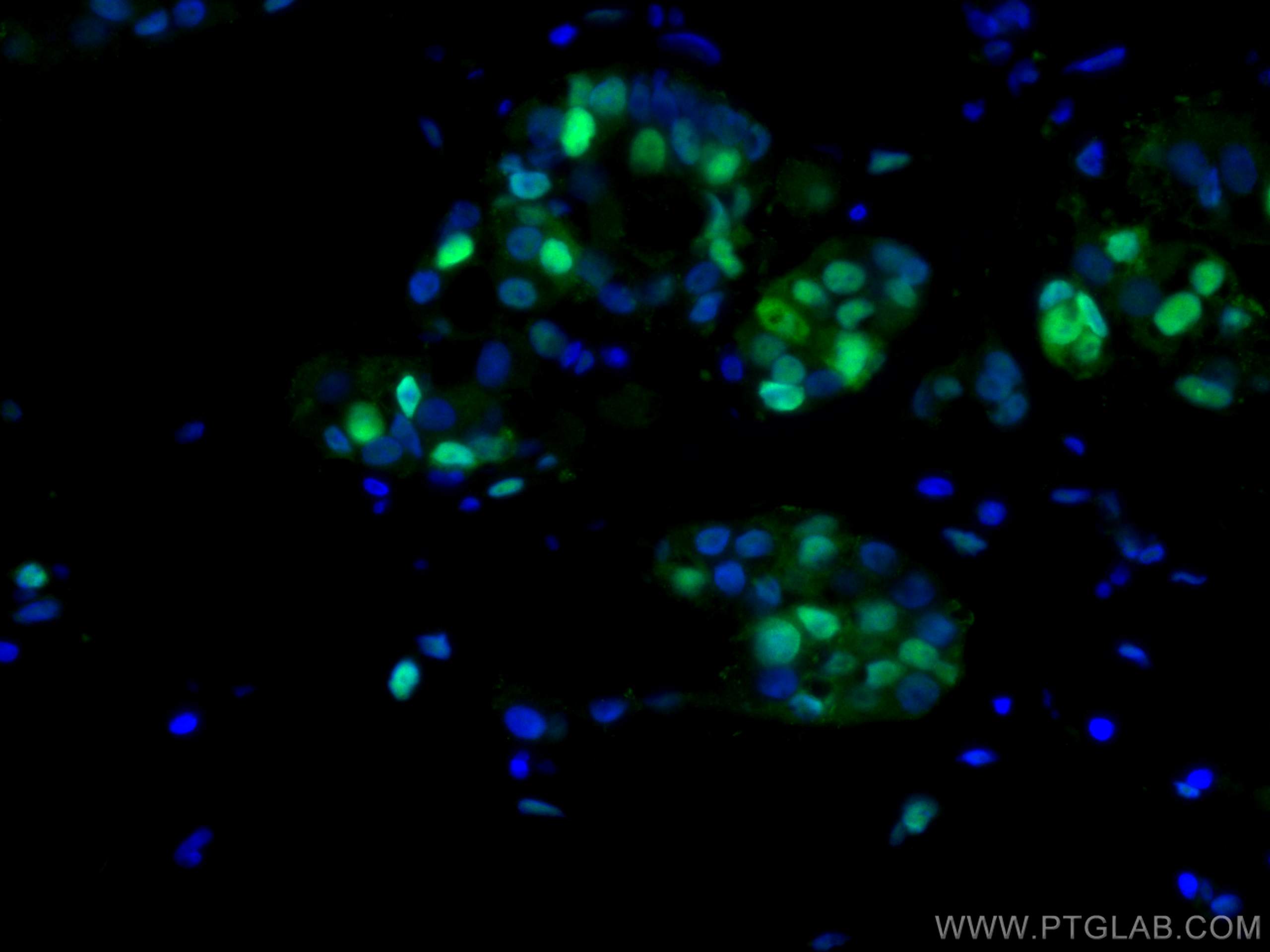
| Positive IF-P detected in | mouse testis tissue, human breast cancer tissue |
Recommended dilution
| Application | Dilution |
|---|---|
| Western Blot (WB) | WB : 1:5000-1:50000 |
| Immunoprecipitation (IP) | IP : 0.5-4.0 ug for 1.0-3.0 mg of total protein lysate |
| Immunohistochemistry (IHC) | IHC : 1:1500-1:6000 |
| Immunofluorescence (IF)-P | IF-P : 1:50-1:500 |
| It is recommended that this reagent should be titrated in each testing system to obtain optimal results. | |
| Sample-dependent, Check data in validation data gallery. | |
Product Information
10205-2-AP targets PCNA in WB, IHC, IF-P, IP, CoIP, ELISA, Cell treatment, Western Blot applications and shows reactivity with human, mouse, rat samples.
| Tested Reactivity | human, mouse, rat |
| Cited Reactivity | human, mouse, rat, rabbit, chicken, goat, sheep, ducks, medaka embryos |
| Host / Isotype | Rabbit / IgG |
| Class | Polyclonal |
| Type | Antibody |
| Immunogen |
CatNo: Ag0277 Product name: Recombinant human PCNA protein Source: e coli.-derived, PGEX-4T Tag: GST Domain: 8-256 aa of BC000491 Sequence: QGSILKKVLEALKDLINEACWDISSSGVNLQSMDSSHVSLVQLTLRSEGFDTYRCDRNLAMGVNLTSMSKILKCAGNEDIITLRAEDNADTLALVFEAPNQEKVSDYEMKLMDLDVEQLGIPEQEYSCVVKMPSGEFARICRDLSHIGDAVVISCAKDGVKFSASGELGNGNIKLSQTSNVDKEEEAVTIEMNEPVQLTFALRYLNFFTKATPLSSTVTLSMSADVPLVVEYKIADMGHLKYYLAPKIE Predict reactive species |
| Full Name | proliferating cell nuclear antigen |
| Calculated Molecular Weight | 29 kDa/31 kDa |
| Observed Molecular Weight | 36-38 kDa |
| GenBank Accession Number | BC000491 |
| Gene Symbol | PCNA |
| Gene ID (NCBI) | 5111 |
| RRID | AB_2160330 |
| Conjugate | Unconjugated |
| Form | Liquid |
| Purification Method | Antigen affinity purification |
| UNIPROT ID | P12004 |
| Storage Buffer | PBS with 0.02% sodium azide and 50% glycerol, pH 7.3. |
| Storage Conditions | Store at -20°C. Stable for one year after shipment. Aliquoting is unnecessary for -20oC storage. 20ul sizes contain 0.1% BSA. |
Background Information
Proliferating Cell Nuclear Antigen, commonly known as PCNA, is a protein that acts as a processivity factor for DNA polymerase δ in eukaryotic cells. This protein is an auxiliary protein of DNA polymerase delta and is involved in the control of eukaryotic DNA replication by increasing the polymerase's processibility during elongation of the leading strand. PCNA induces a robust stimulatory effect on the 3'-5' exonuclease and 3'-phosphodiesterase, but not apurinic-apyrimidinic (AP) endonuclease, APEX2 activities. It has to be loaded onto DNA in order to be able to stimulate APEX2. PCNA protein is highly conserved during evolution; the deduced amino acid sequences of rat and human differ by only 4 of 261 amino acids. PCNA has been used as loading control for proliferating cells. This antibody is a rabbit polyclonal antibody raised against an internal region of human PCNA. The calculated molecular weight of PCNA is 29 kDa, but modified PCNA is 36kDa (PMID: 1358458).
Protocols
| Product Specific Protocols | |
|---|---|
| IF protocol for PCNA antibody 10205-2-AP | Download protocol |
| IHC protocol for PCNA antibody 10205-2-AP | Download protocol |
| IP protocol for PCNA antibody 10205-2-AP | Download protocol |
| WB protocol for PCNA antibody 10205-2-AP | Download protocol |
| Standard Protocols | |
|---|---|
| Click here to view our Standard Protocols |
Publications
What published studies show
The PCNA Polyclonal antibody (Cat# 10205-2-AP) has 1,483 total citations published in journals including Nature, Nature Communications, Cell Metabolism, Immunity, Molecular Cancer, Cell Death & Disease, Cancer Letters, Redox Biology, ACS Nano, and Phytomedicine. Research fields encompass oncology (hepatocellular, lung, colorectal, pancreatic, gastric, and breast cancers), cardiovascular disease, liver and kidney pathology, neurology, stem cell biology, metabolism, immunology, and biomaterials/tissue engineering. Common applications include WB, IHC, IF, and IP, underscoring its versatility as a cell proliferation marker.
| Species | Application | Title |
|---|---|---|
J Hematol Oncol METTL16 promotes liver cancer stem cell self-renewal via controlling ribosome biogenesis and mRNA translation | ||
Mol Cancer Long non-coding RNA PVT1 promotes tumor progression by regulating the miR-143/HK2 axis in gallbladder cancer. | ||
Mol Cancer BRD9-p53-E2F1 circuit orchestrates cell growth and DNA damage repair in gastric cancer | ||
Cell Metab Hepatic FXR-FGF4 is required for bile acid homeostasis via an FGFR4-LRH-1 signal node under cholestatic stress | ||
Immunity Modulation of the mevalonate pathway by TCR engagement regulates T follicular helper cell generation in homeostasis and autoimmunity. |
Reviews
What customers say
Customers rate this antibody favorably across applications. It performs well in immunofluorescence, with one user reporting good results on mouse tissue at 1:100 and another noting it worked nicely on PFA-fixed PC3 cells at 1:50. For Western blot, it functioned effectively in human brown adipocytes at 1:2000. Overall, reviewers describe it as a reliable, high-performing antibody suited for both IF and WB, with consistent results across different cell and tissue types.
The reviews below have been submitted by verified Proteintech customers who received an incentive for providing their feedback.
MALLIKARJUNA (Verified Customer) (10-14-2025) | GOOD FOR IF
|
Mi (Verified Customer) (06-25-2023) | It works well in human brown adipocyte cells.
|
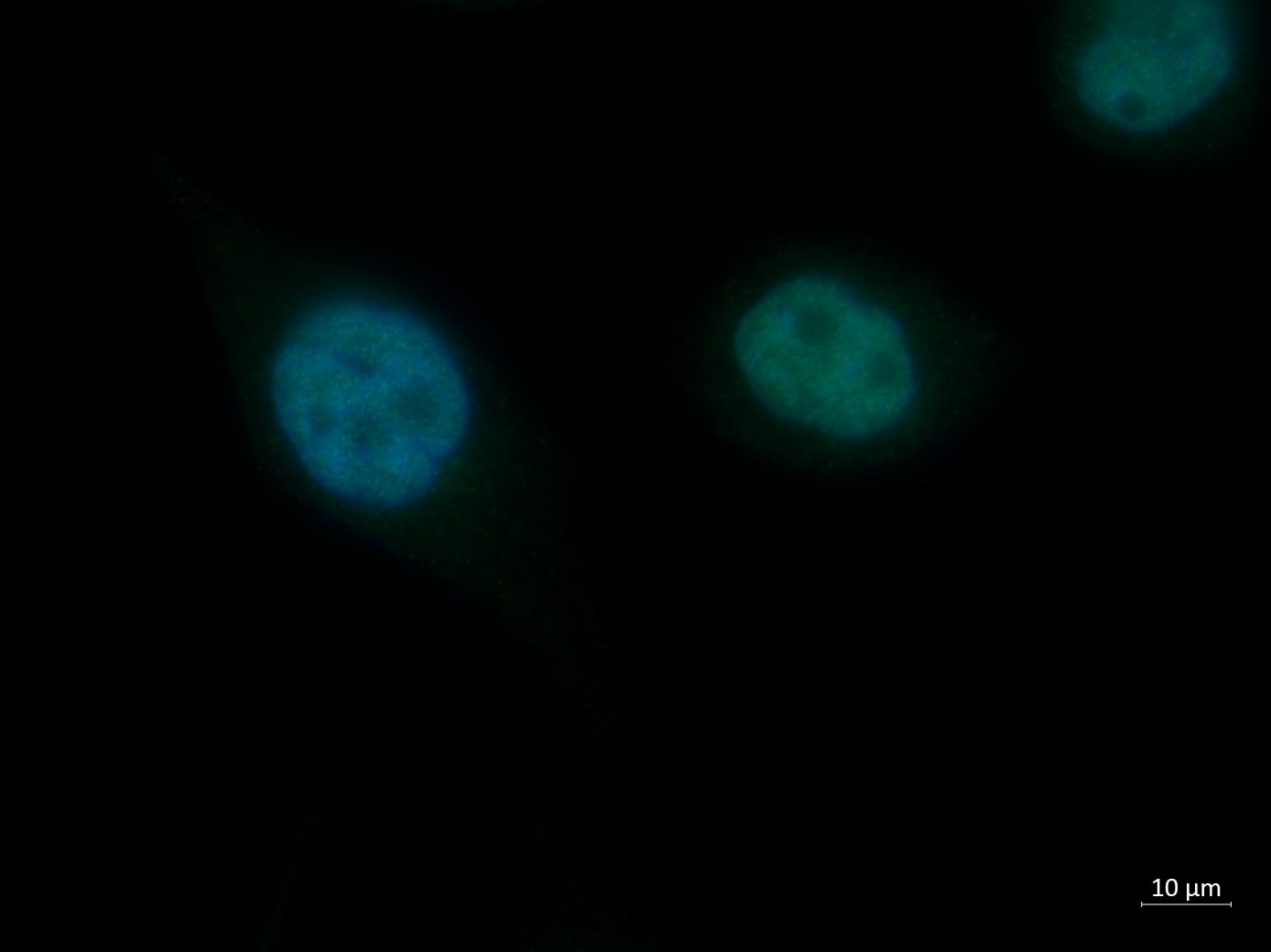
Emma (Verified Customer) (11-29-2021) | Nice antibody which worked well on PC3 cells fixed with 4% PFA. Antibody used at 1:50
 |




















