

Tested Applications
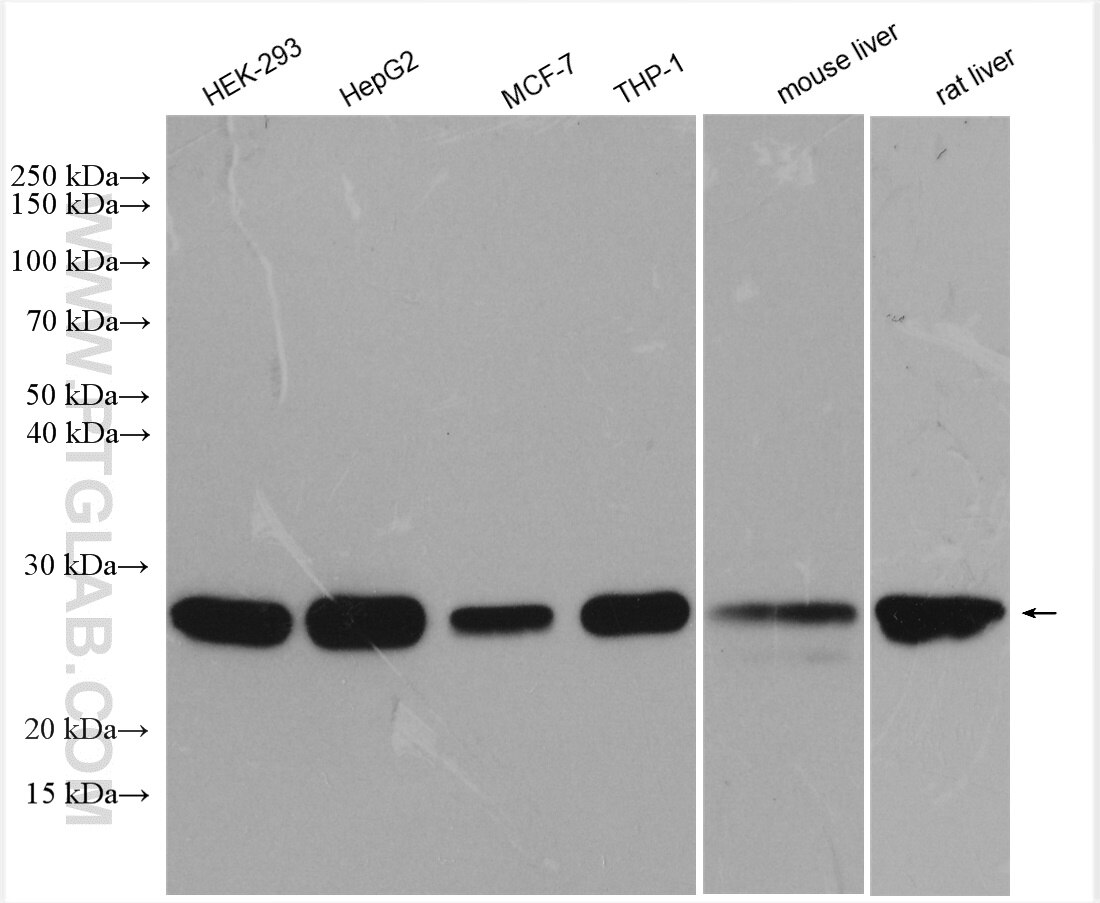
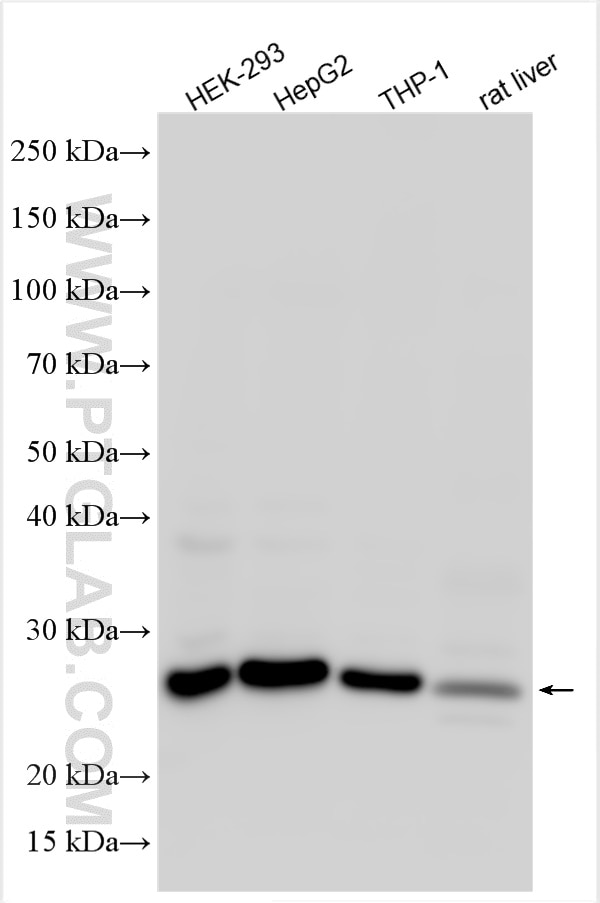
| Positive WB detected in | HEK-293 cells, HepG2 cells, MCF-7 cells, THP-1 cells, mouse liver tissue, rat liver tissue |
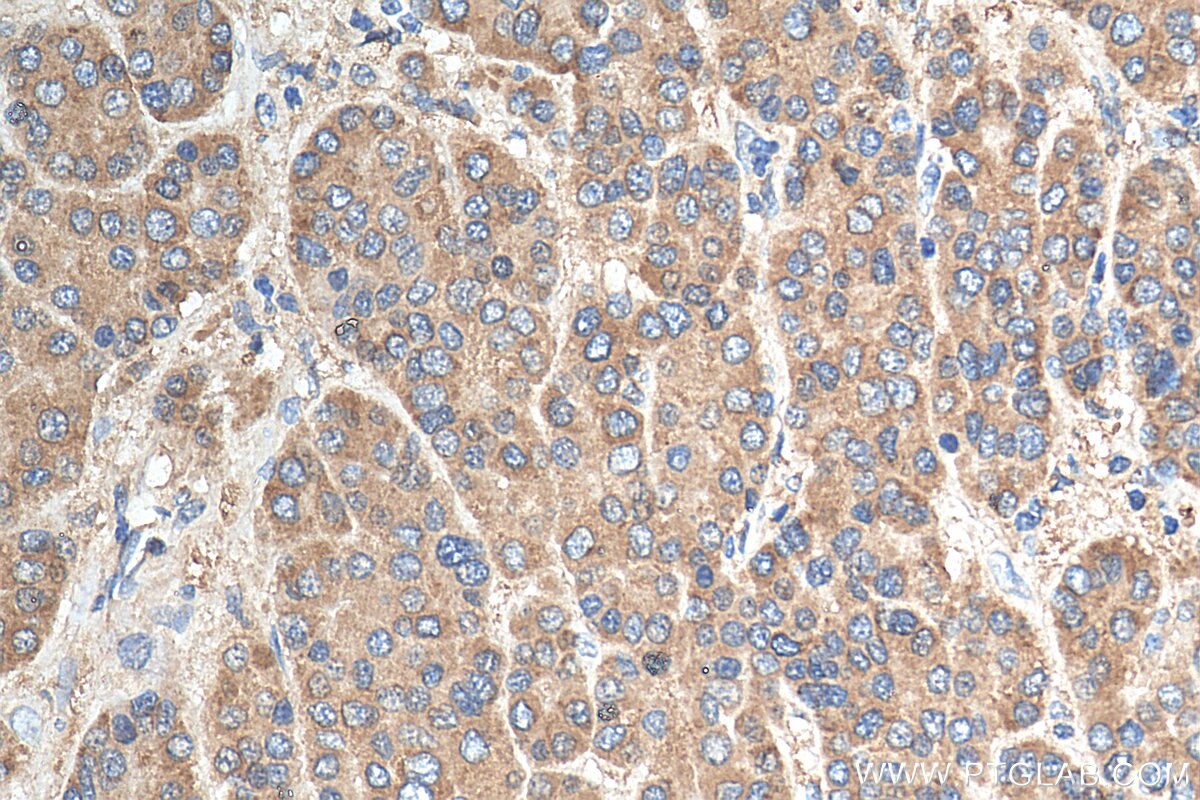
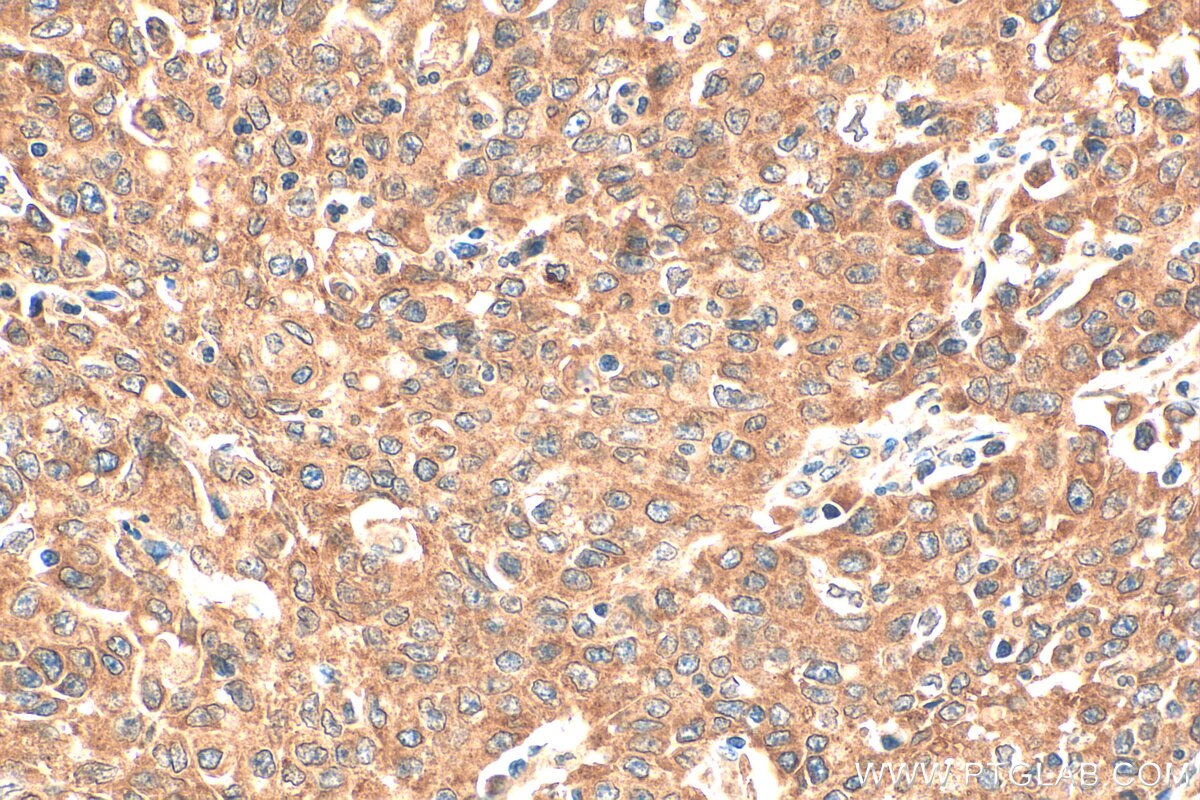
| Positive IHC detected in | human liver cancer tissue, human stomach cancer tissue Note: suggested antigen retrieval with TE buffer pH 9.0; (*) Alternatively, antigen retrieval may be performed with citrate buffer pH 6.0 |
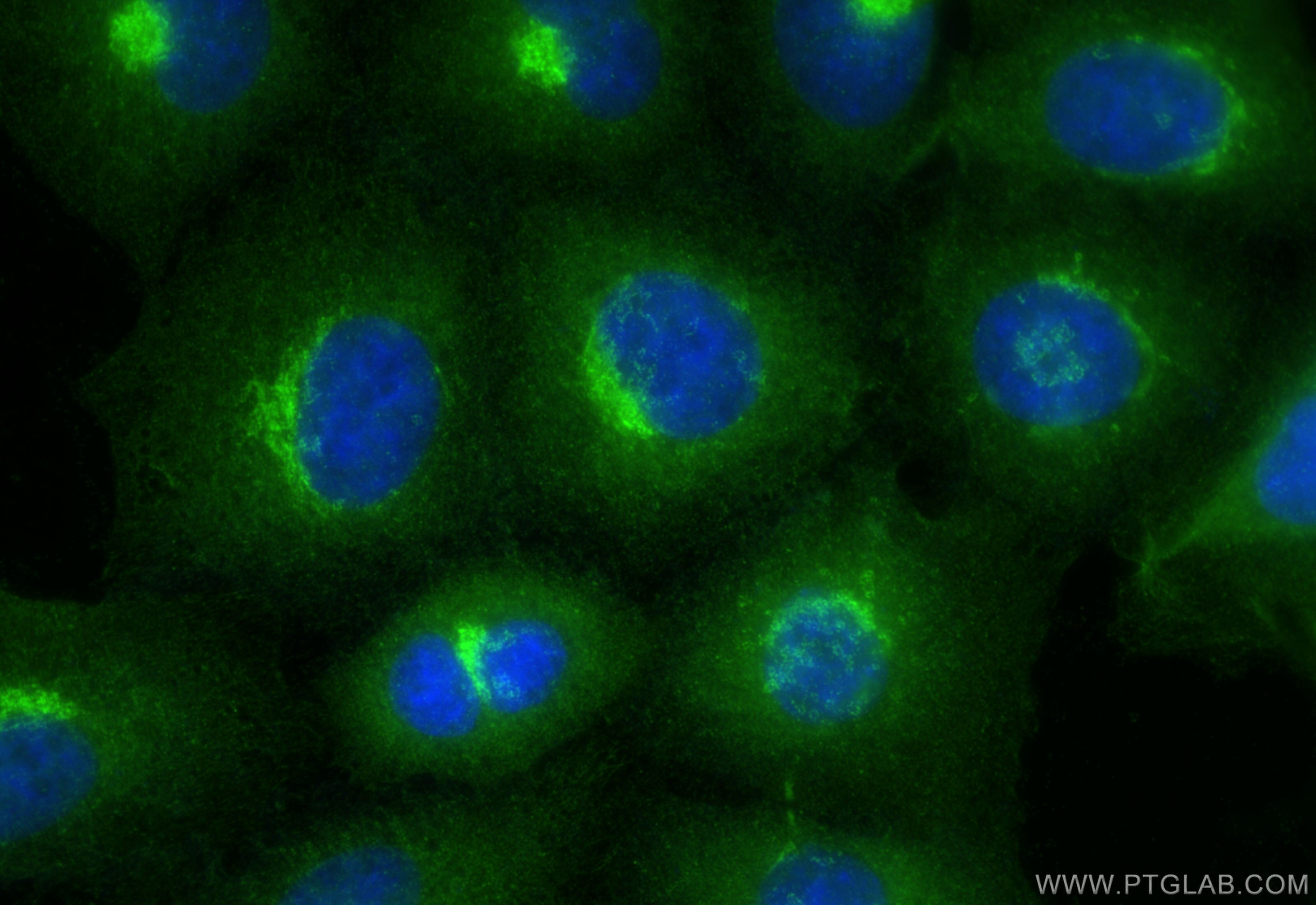
| Positive IF/ICC detected in | A549 cells |
Recommended dilution
| Application | Dilution |
|---|---|
| Western Blot (WB) | WB : 1:2000-1:10000 |
| Immunohistochemistry (IHC) | IHC : 1:50-1:500 |
| Immunofluorescence (IF)/ICC | IF/ICC : 1:50-1:500 |
| It is recommended that this reagent should be titrated in each testing system to obtain optimal results. | |
| Sample-dependent, Check data in validation data gallery. | |
Product Information
55087-1-AP targets PRDX3 in WB, IHC, IF/ICC, ELISA applications and shows reactivity with human, mouse, rat samples.
| Tested Reactivity | human, mouse, rat |
| Cited Reactivity | human, mouse, rat |
| Host / Isotype | Rabbit / IgG |
| Class | Polyclonal |
| Type | Antibody |
| Immunogen |
Peptide Predict reactive species |
| Full Name | peroxiredoxin 3 |
| Calculated Molecular Weight | 28 kDa |
| Observed Molecular Weight | 26-28 kDa |
| GenBank Accession Number | NM_006793 |
| Gene Symbol | PRDX3 |
| Gene ID (NCBI) | 10935 |
| RRID | AB_10860268 |
| Conjugate | Unconjugated |
| Form | Liquid |
| Purification Method | Antigen affinity purification |
| UNIPROT ID | P30048 |
| Storage Buffer | PBS with 0.02% sodium azide and 50% glycerol, pH 7.3. |
| Storage Conditions | Store at -20°C. Stable for one year after shipment. Aliquoting is unnecessary for -20oC storage. 20ul sizes contain 0.1% BSA. |
Background Information
PRDX3(Peroxiredoxin 3), also named as AOP1, HBC189 and MER5, belongs to the ahpC/TSA family. It is involved in redox regulation of the cell and protects radical-sensitive enzymes from oxidative damage by a radical-generating system. PRDX3 is required for MYC-mediated proliferation, transformation, and apoptosis after glucose withdrawal and essential for maintaining mitochondrial mass and membrane potential in transformed rat and human cells(PMID:12011429). PRDX3 acts synergistically with MAP3K13 to regulate the activation of NF-kappa-B in the cytosol. This antibody is specific to PRDX3.
Protocols
| Product Specific Protocols | |
|---|---|
| IF protocol for PRDX3 antibody 55087-1-AP | Download protocol |
| IHC protocol for PRDX3 antibody 55087-1-AP | Download protocol |
| WB protocol for PRDX3 antibody 55087-1-AP | Download protocol |
| Standard Protocols | |
|---|---|
| Click here to view our Standard Protocols |
Publications
What published studies show
The PRDX3 Polyclonal antibody (Cat# 55087-1-AP) has 6 citations published in Science, British Journal of Pharmacology, Respiration Research, Journal of Endocrinology, Cardiovascular Toxicology, and Journal of Cellular Biochemistry. The associated research fields include mitochondrial division and homeostasis, myocardial ischemia-reperfusion injury, macrophage polarization, adrenal steroidogenesis and redox regulation, hypertension, and neuroblastoma cell biology.
| Species | Application | Title |
|---|---|---|
Science Golgi-derived PI(4)P-containing vesicles drive late steps of mitochondrial division. | ||
Br J Pharmacol Luteolin ameliorates rat myocardial ischemia-reperfusion injury through peroxiredoxin II activation. | ||
J Endocrinol NNT is a key regulator of adrenal redox homeostasis and steroidogenesis in male mice. | ||
Respir Res Peroxiredoxin 3 has a crucial role in the macrophage polarization by regulating mitochondrial homeostasis | ||
Cardiovasc Toxicol Nrf1 Knock-Down in the Hypothalamic Paraventricular Nucleus Alleviates Hypertension Through Intervention of Superoxide Production-Removal Balance and Mitochondrial Function. | ||
J Cell Biochem Molecular basis underlying the biological effects elicited by extremely low-frequency magnetic field (ELF-MF) on neuroblastoma cells. |






