

Tested Applications
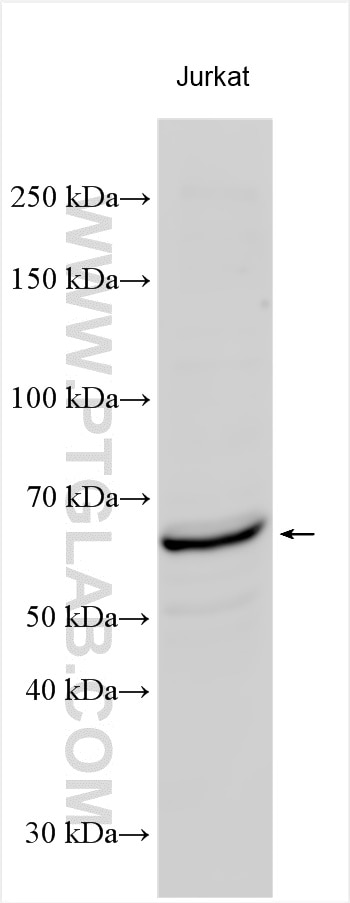
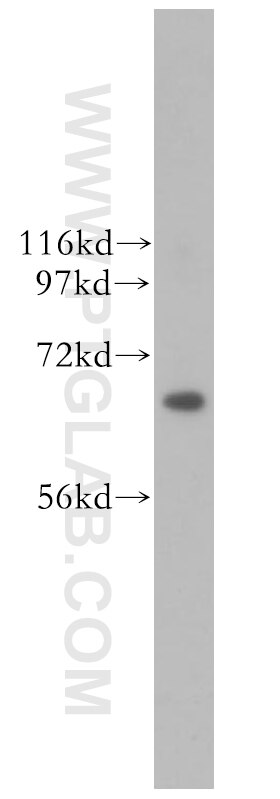
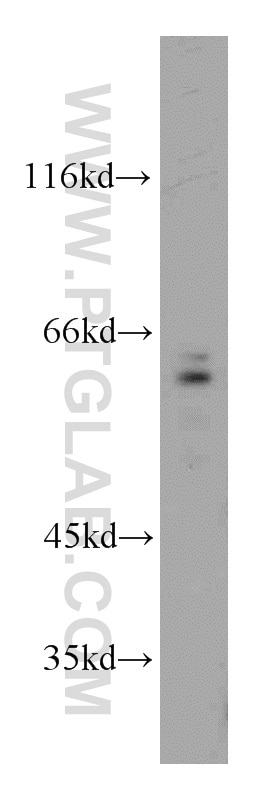
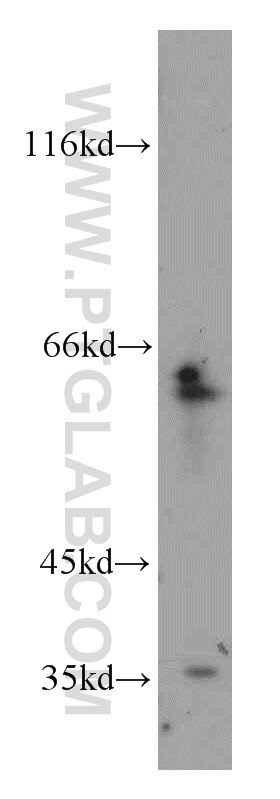
| Positive WB detected in | Jurkat cells, SMMC-7721 cells, HeLa cells |
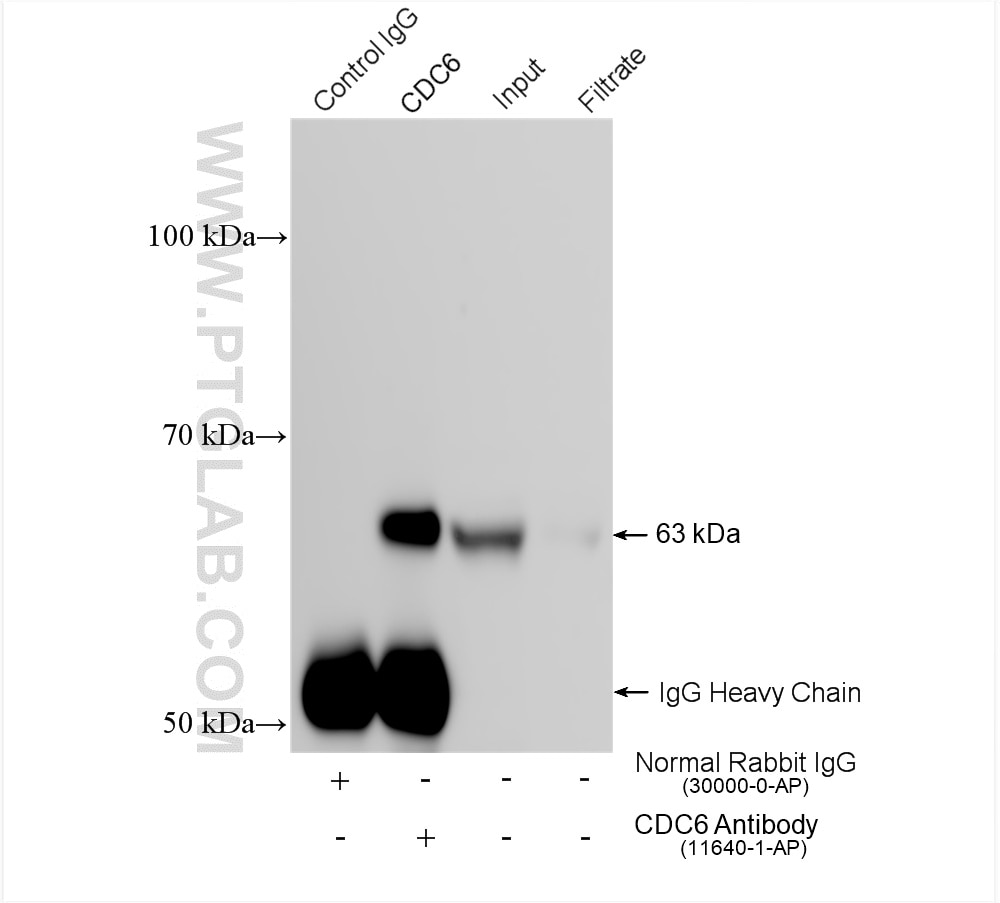
| Positive IP detected in | HeLa cells |
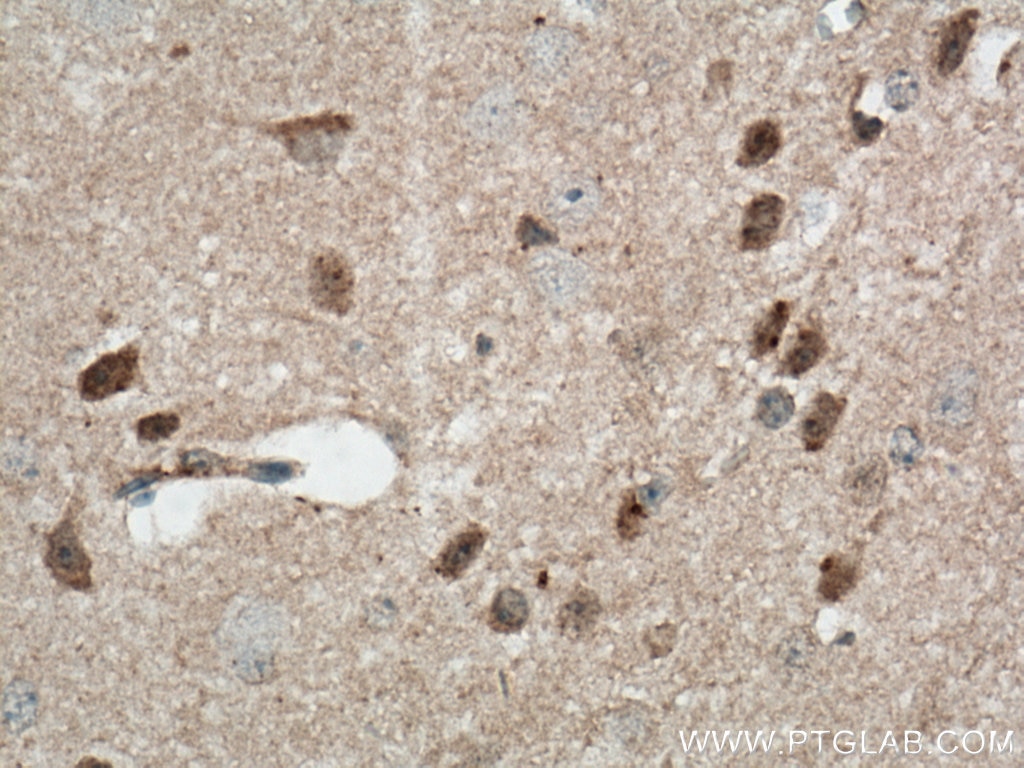
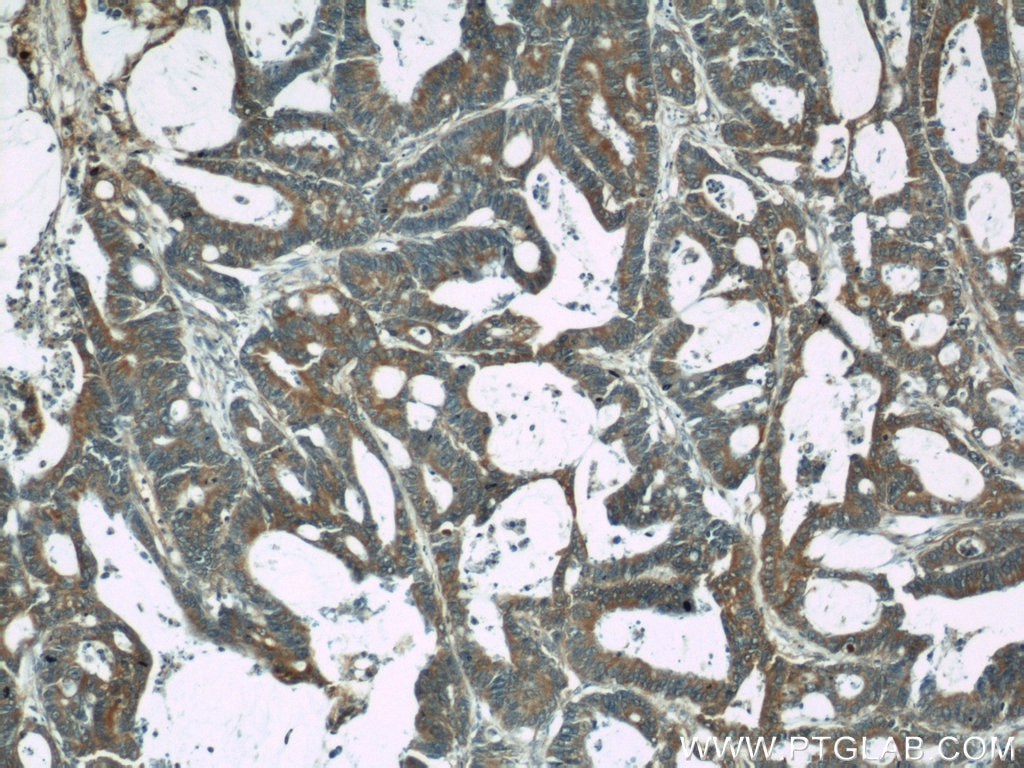
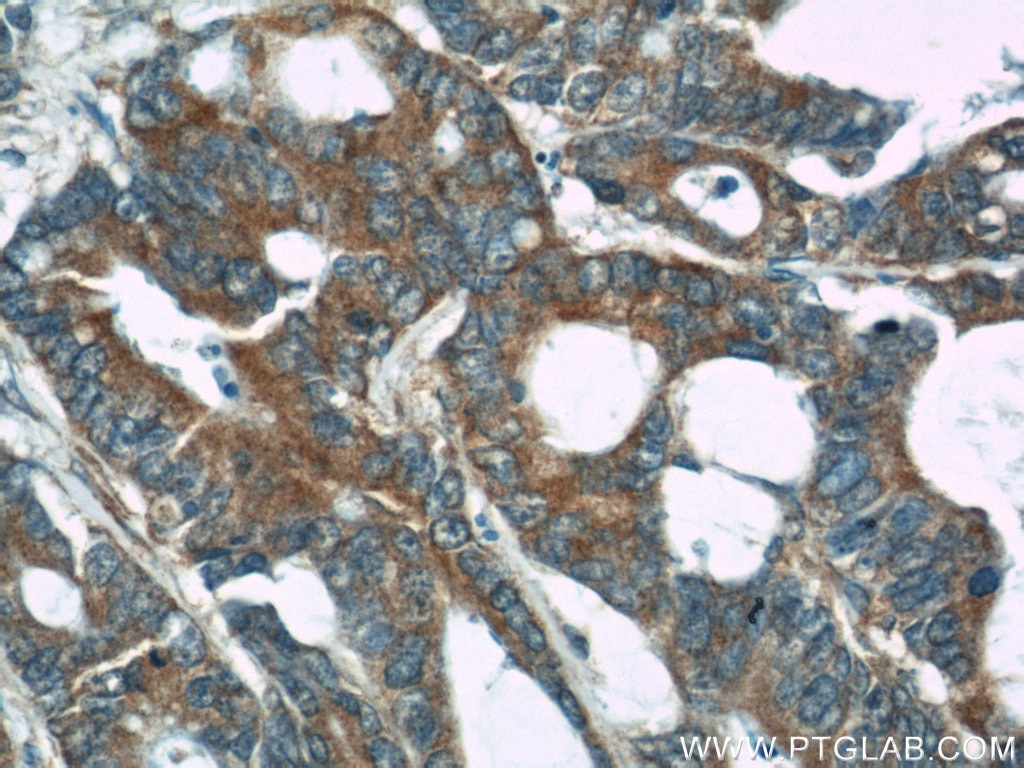
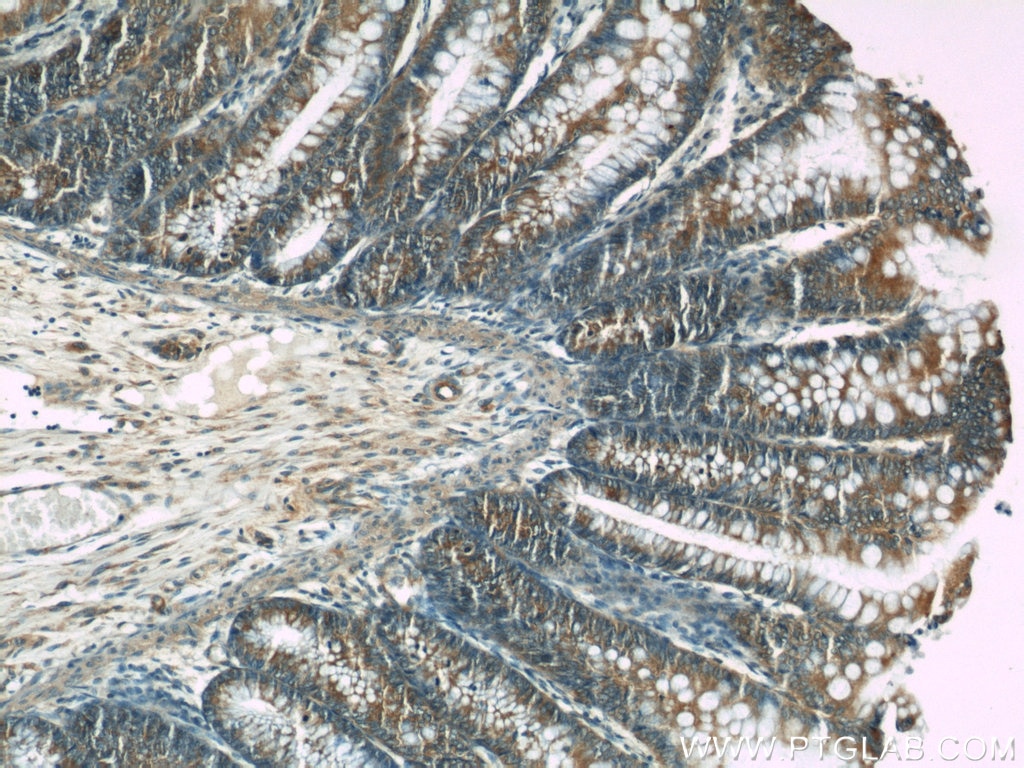
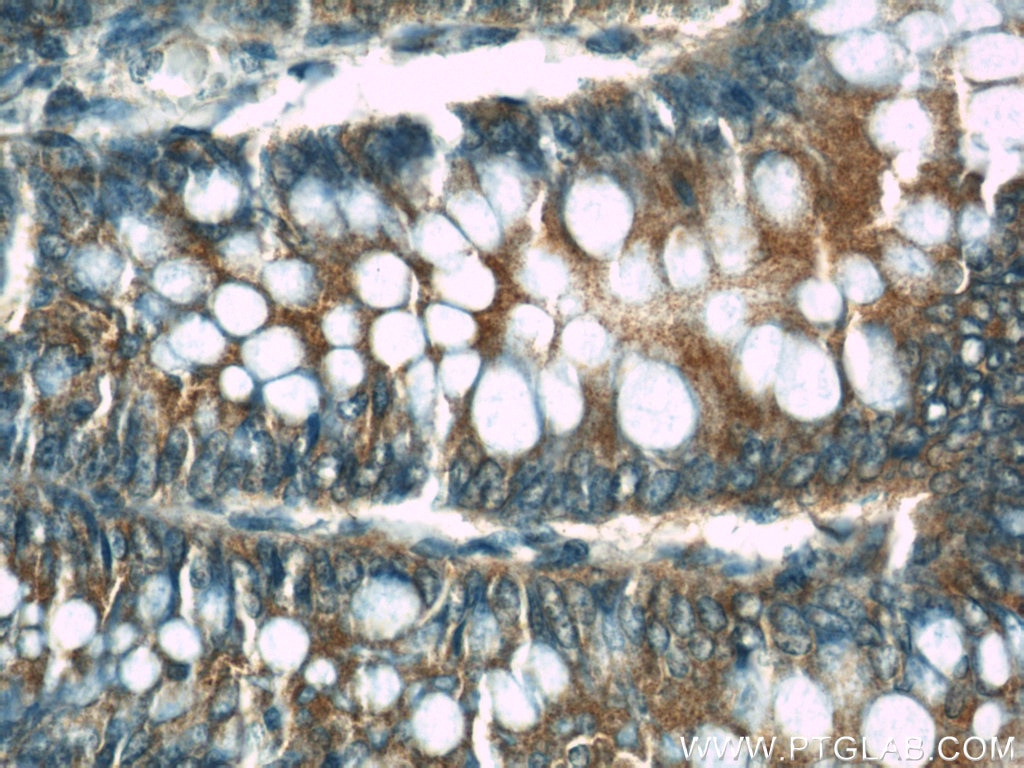
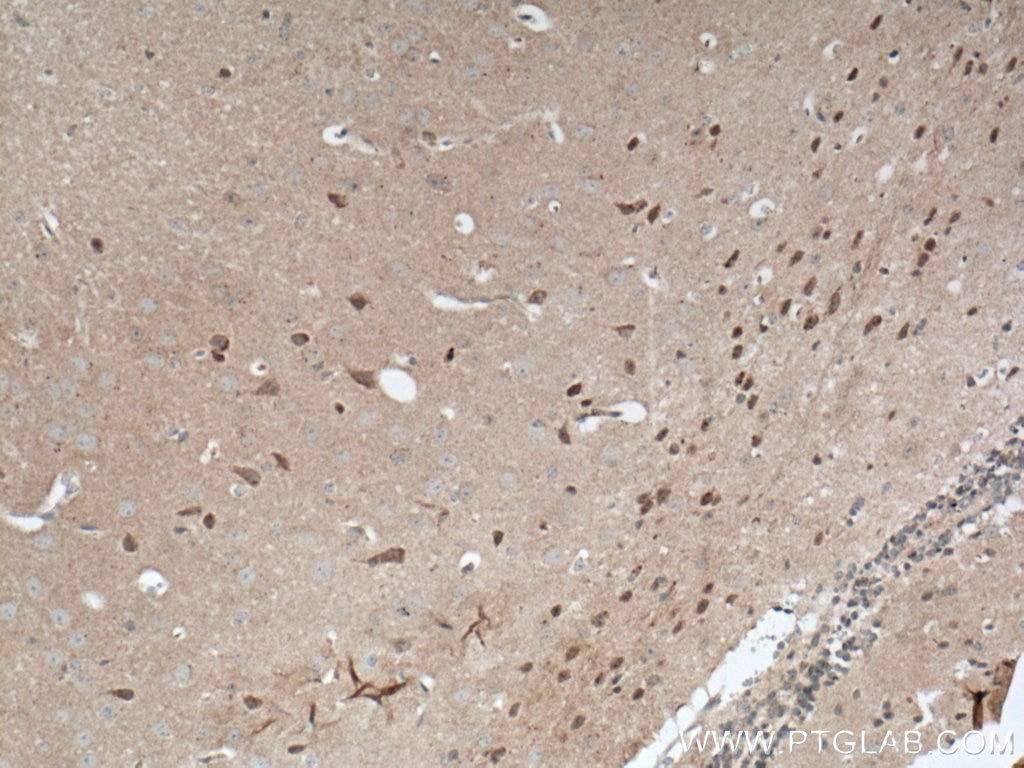
| Positive IHC detected in | mouse brain tissue, human colon cancer tissue, human colon tissue Note: suggested antigen retrieval with TE buffer pH 9.0; (*) Alternatively, antigen retrieval may be performed with citrate buffer pH 6.0 |
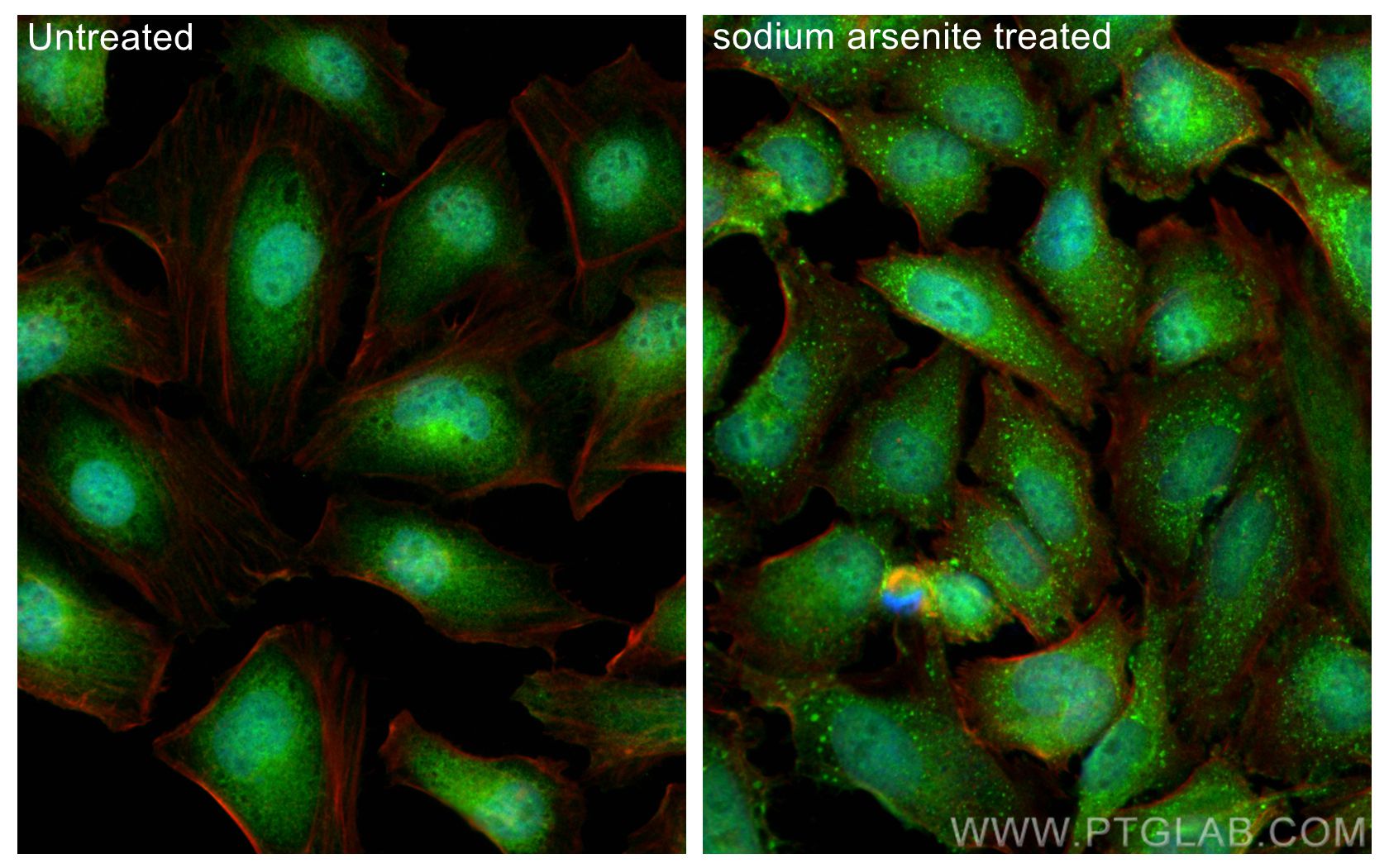
| Positive IF/ICC detected in | sodium arsenite treated HeLa cells |
Recommended dilution
| Application | Dilution |
|---|---|
| Western Blot (WB) | WB : 1:500-1:3000 |
| Immunoprecipitation (IP) | IP : 0.5-4.0 ug for 1.0-3.0 mg of total protein lysate |
| Immunohistochemistry (IHC) | IHC : 1:50-1:500 |
| Immunofluorescence (IF)/ICC | IF/ICC : 1:200-1:800 |
| It is recommended that this reagent should be titrated in each testing system to obtain optimal results. | |
| Sample-dependent, Check data in validation data gallery. | |
Product Information
11640-1-AP targets CDC6 in WB, IHC, IF/ICC, IP, ChIP, ELISA applications and shows reactivity with human, mouse, rat samples.
| Tested Reactivity | human, mouse, rat |
| Cited Reactivity | human, mouse |
| Host / Isotype | Rabbit / IgG |
| Class | Polyclonal |
| Type | Antibody |
| Immunogen |
CatNo: Ag2228 Product name: Recombinant human CDC6 protein Source: e coli.-derived, PGEX-4T Tag: GST Domain: 217-560 aa of BC025232 Sequence: QDLKKELKGFKTIMLNCMSLRTAQAVFPAIAQEICQEEVSRPAGKDMMRKLEKHMTAEKGPMIVLVLDEMDQLDSKGQDVLYTLFEWPWLSNSHLVLIGIANTLDLTDRILPRLQAREKCKPQLLNFPPYTRNQIVTILQDRLNQVSRDQVLDNAAVQFCARKVSAVSGDVRKALDVCRRAIEIVESDVKSQTILKPLSECKSPSEPLIPKRVGLIHISQVISEIDGNRMTLSQEGAQDSFPLQQKILVCSLMLLIRQLKIKEVTLGKLYEAYSKVCRKQQVAAVDQSECLSLSGLLEARGILGLKRNKETRLTKVFFKIEEKEIEHALKDKALIGNILATGLP Predict reactive species |
| Full Name | cell division cycle 6 homolog (S. cerevisiae) |
| Calculated Molecular Weight | 560 aa, 63 kDa |
| Observed Molecular Weight | 63 kDa |
| GenBank Accession Number | BC025232 |
| Gene Symbol | CDC6 |
| Gene ID (NCBI) | 990 |
| RRID | AB_2078519 |
| Conjugate | Unconjugated |
| Form | Liquid |
| Purification Method | Antigen affinity purification |
| UNIPROT ID | Q99741 |
| Storage Buffer | PBS with 0.02% sodium azide and 50% glycerol, pH 7.3. |
| Storage Conditions | Store at -20°C. Stable for one year after shipment. Aliquoting is unnecessary for -20oC storage. 20ul sizes contain 0.1% BSA. |
Background Information
CDC6, also named as CDC18L and HsCDC18, belongs to the CDC6/cdc18 family. It is involved in the initiation of DNA replication and functions as a regulator at the early steps of DNA replication. The active Cdc6 functioning as a dimer at replication origins (10793143,15096526). It also participates in checkpoint controls that ensure DNA replication is completed before mitosis is initiated. It localizes in cell nucleus during cell cyle G1, but translocates to the cytoplasm at the start of S phase. The subcellular translocation of this protein during cell cyle is regulated through its phosphorylation by Cdks. Defects in CDC6 are the cause of Meier-Gorlin syndrome type 5 (MGORS5). MGORS5 is a syndrome characterized by bilateral microtia, aplasia/hypoplasia of the patellae, and severe intrauterine and postnatal growth retardation with short stature and poor weight gain. This antibody is a rabbit polyclonal antibody raised against residues near the C terminus of human CDC6.
Protocols
| Product Specific Protocols | |
|---|---|
| IF protocol for CDC6 antibody 11640-1-AP | Download protocol |
| IHC protocol for CDC6 antibody 11640-1-AP | Download protocol |
| IP protocol for CDC6 antibody 11640-1-AP | Download protocol |
| WB protocol for CDC6 antibody 11640-1-AP | Download protocol |
| Standard Protocols | |
|---|---|
| Click here to view our Standard Protocols |
Publications
What published studies show
The CDC6 Polyclonal antibody (Cat# 11640-1-AP) has 28 citations. They appear in journals including Molecular Cancer, Advanced Science, Cell Death & Disease, Cancer Letters, PNAS, Oncotarget, International Journal of Molecular Sciences, Frontiers in Immunology, and PLoS Genetics. Research fields span cell cycle regulation, DNA replication, and cancer biology—covering hepatocellular, prostate, lung, breast, gastric, esophageal, bladder, and renal cancers—along with chromatin modification, apoptosis, and immune response. Applications are mainly WB, IHC, IF, and ChIP.
| Species | Application | Title |
|---|---|---|
Mol Cancer A novel LncRNA transcript, RBAT1, accelerates tumorigenesis through interacting with HNRNPL and cis-activating E2F3. | ||
Adv Sci (Weinh) Identification of PRDX5 as A Target for The Treatment of Castration-Resistant Prostate Cancer | ||
Cell Death Dis N-glycosylation of GDF15 abolishes its inhibitory effect on EGFR in AR inhibitor-resistant prostate cancer cells | ||
Cancer Lett N-myc downstream regulated gene1/Cap43 overexpression suppresses tumor growth by hepatic cancer cells through cell cycle arrest at the G0/G1 phase. | ||
Sci China Life Sci SETD3-mediated histidine methylation of MCM7 regulates DNA replication by facilitating chromatin loading of MCM | ||
Proc Natl Acad Sci U S A Cell division cycle 6, a mitotic substrate of polo-like kinase 1, regulates chromosomal segregation mediated by cyclin-dependent kinase 1 and separase. |













