

Tested Applications
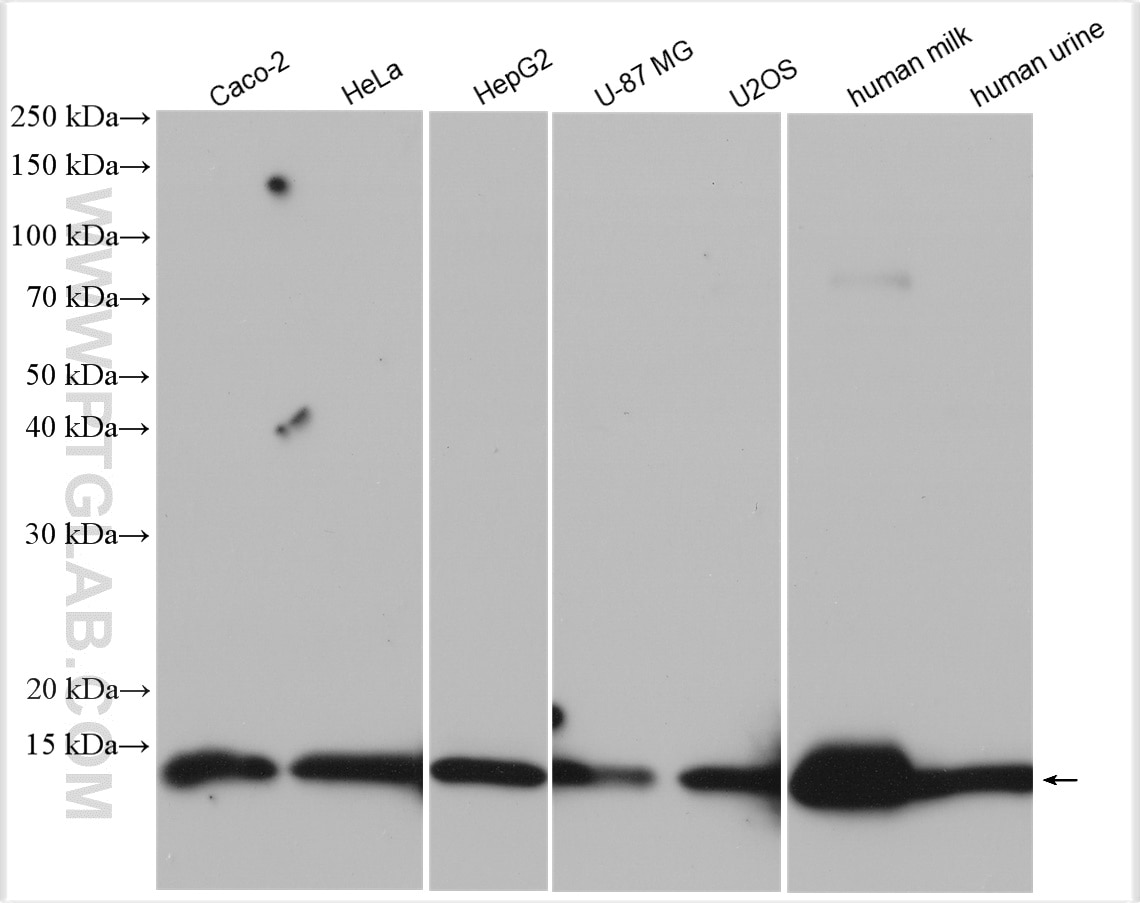
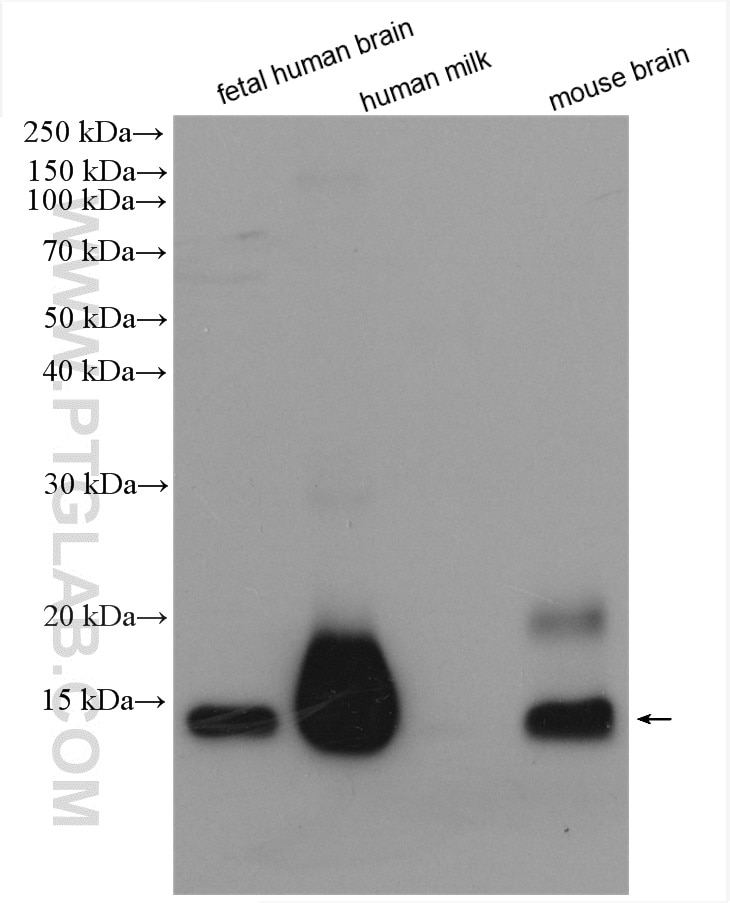
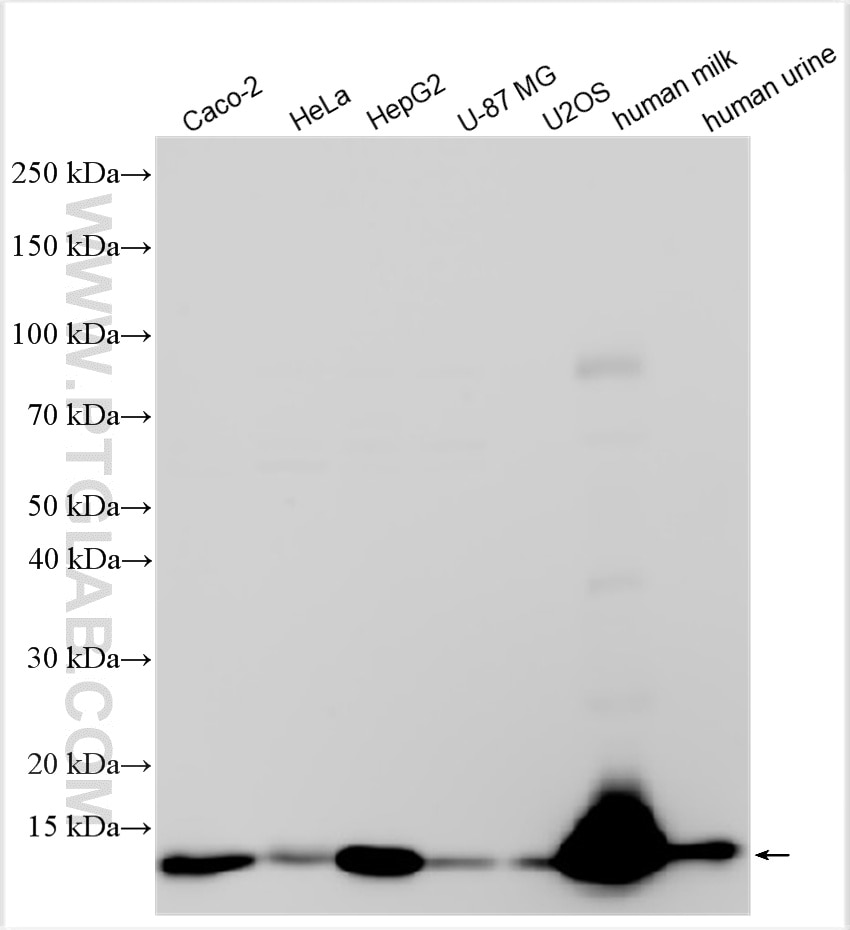
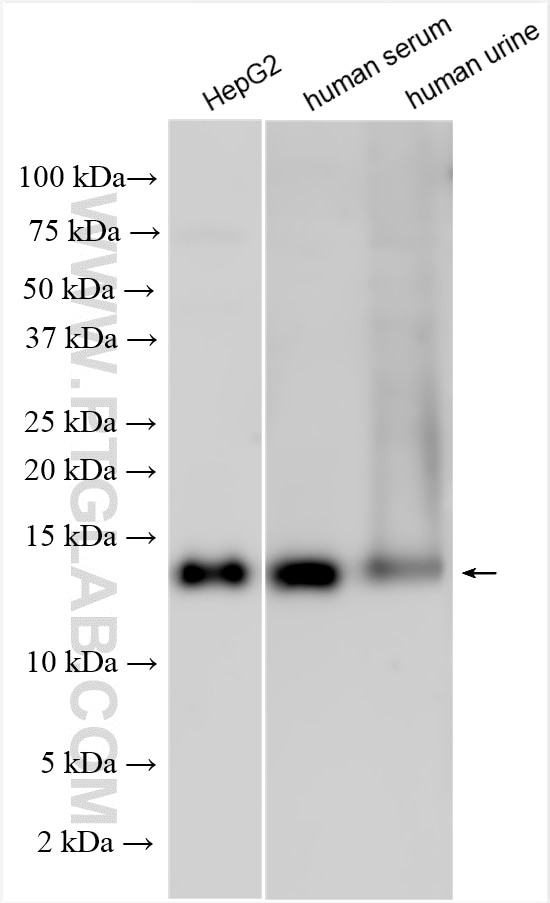
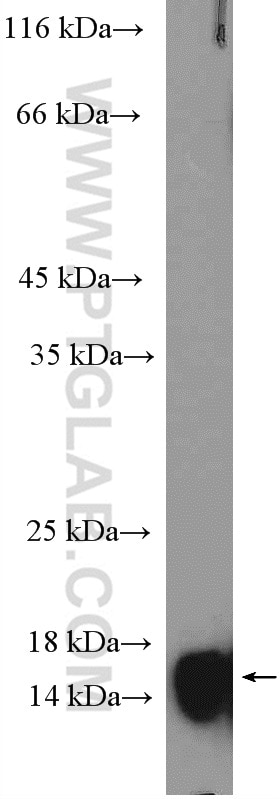
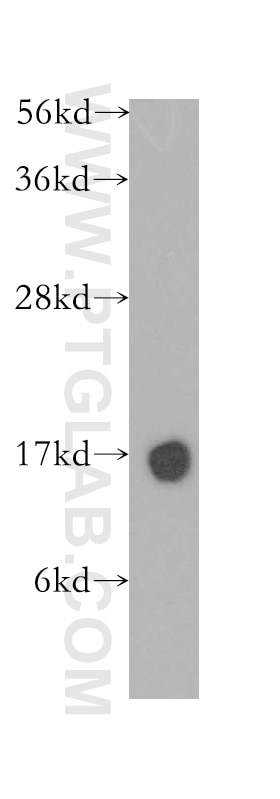
| Positive WB detected in | Caco-2 cells, fetal human brain tissue, HepG2 cells, human milk, HeLa cells, U-87 MG cells, U2OS cells, human urine, human serum, mouse brain tissue |
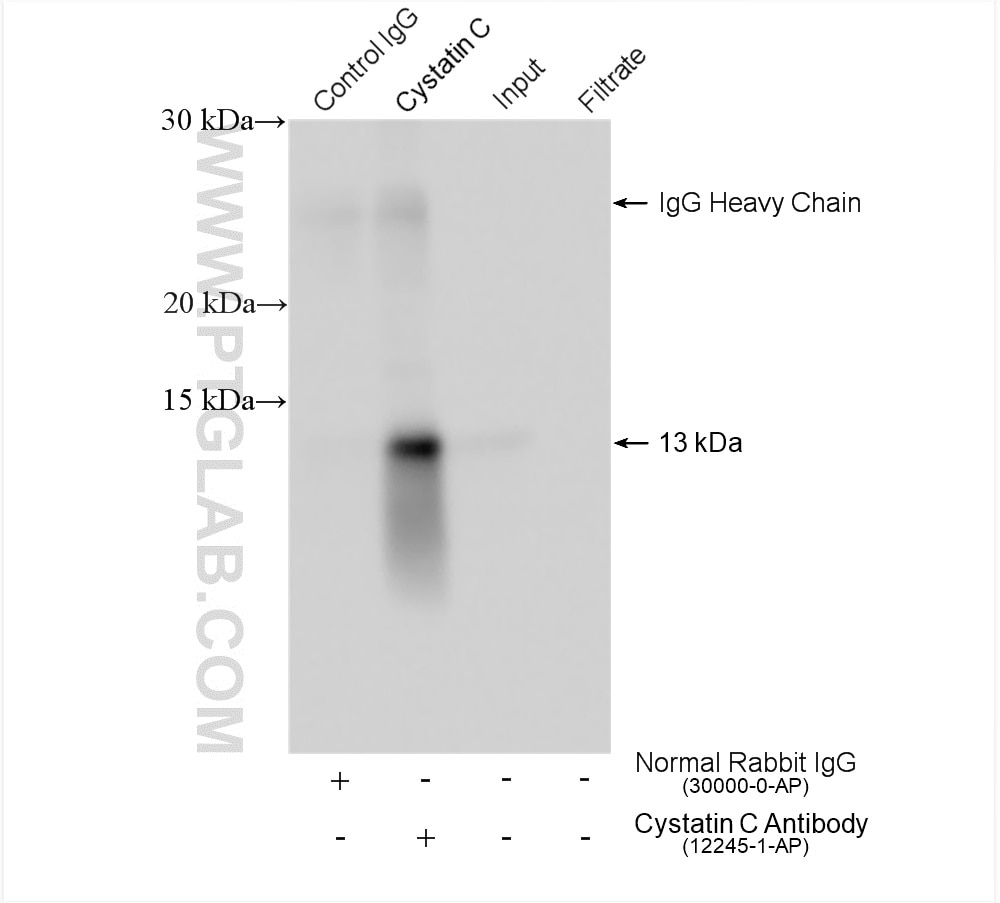
| Positive IP detected in | Caco-2 cells |
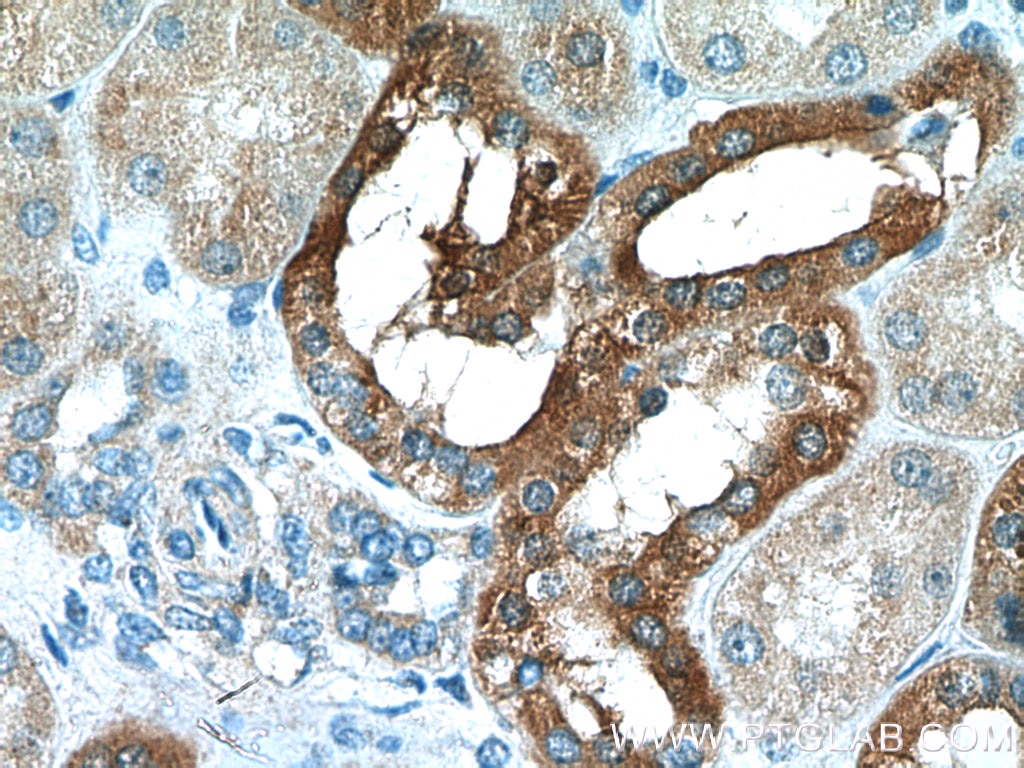
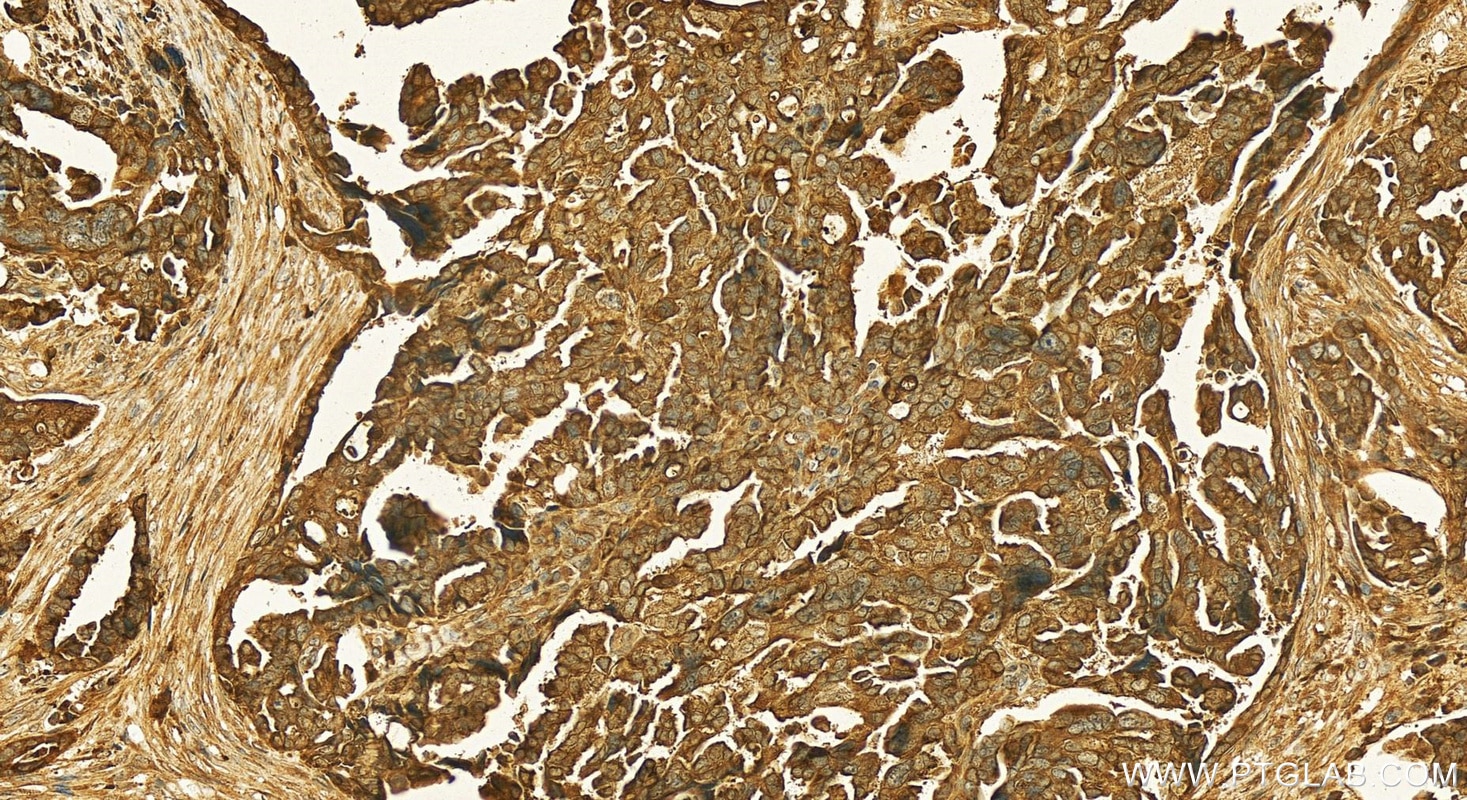
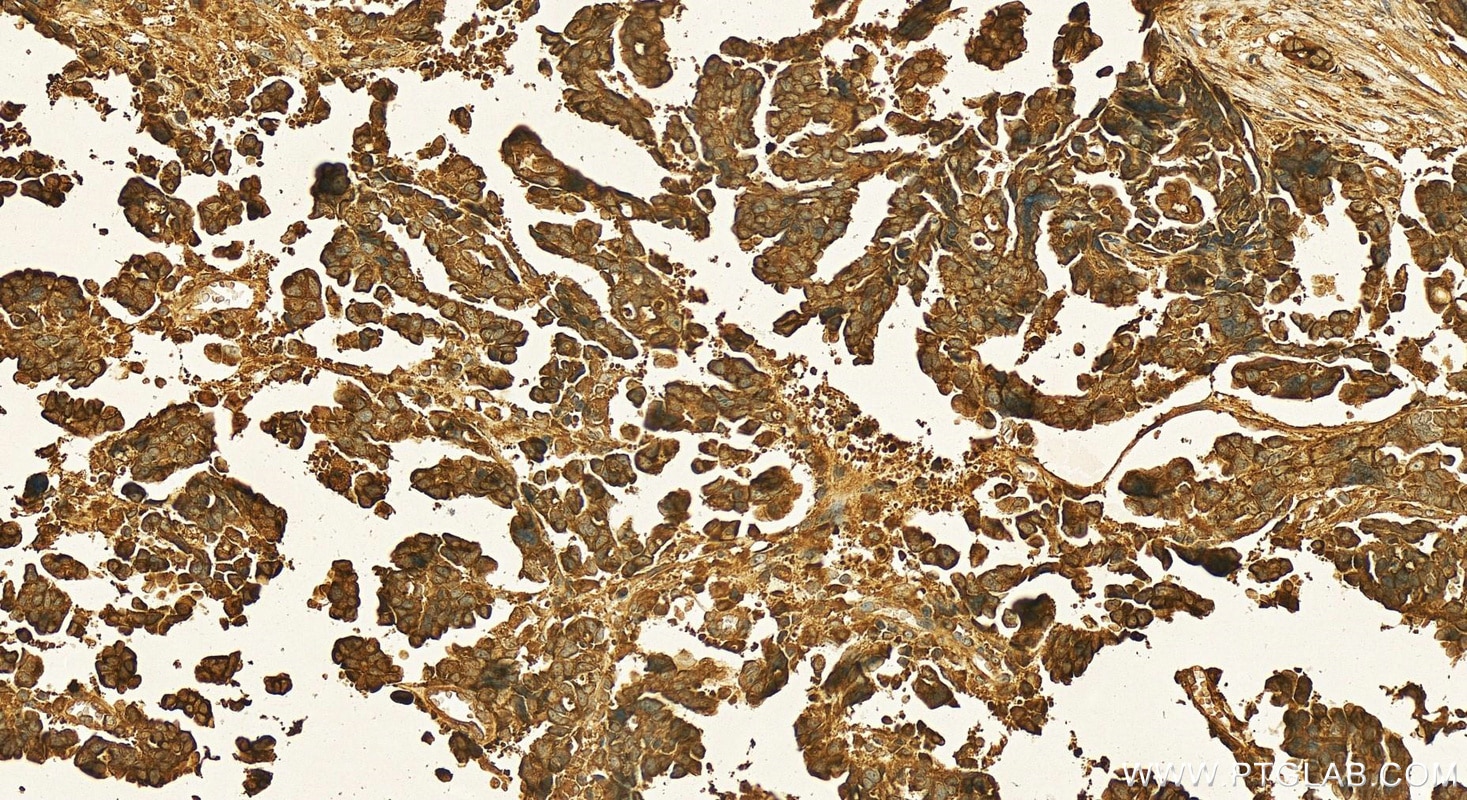
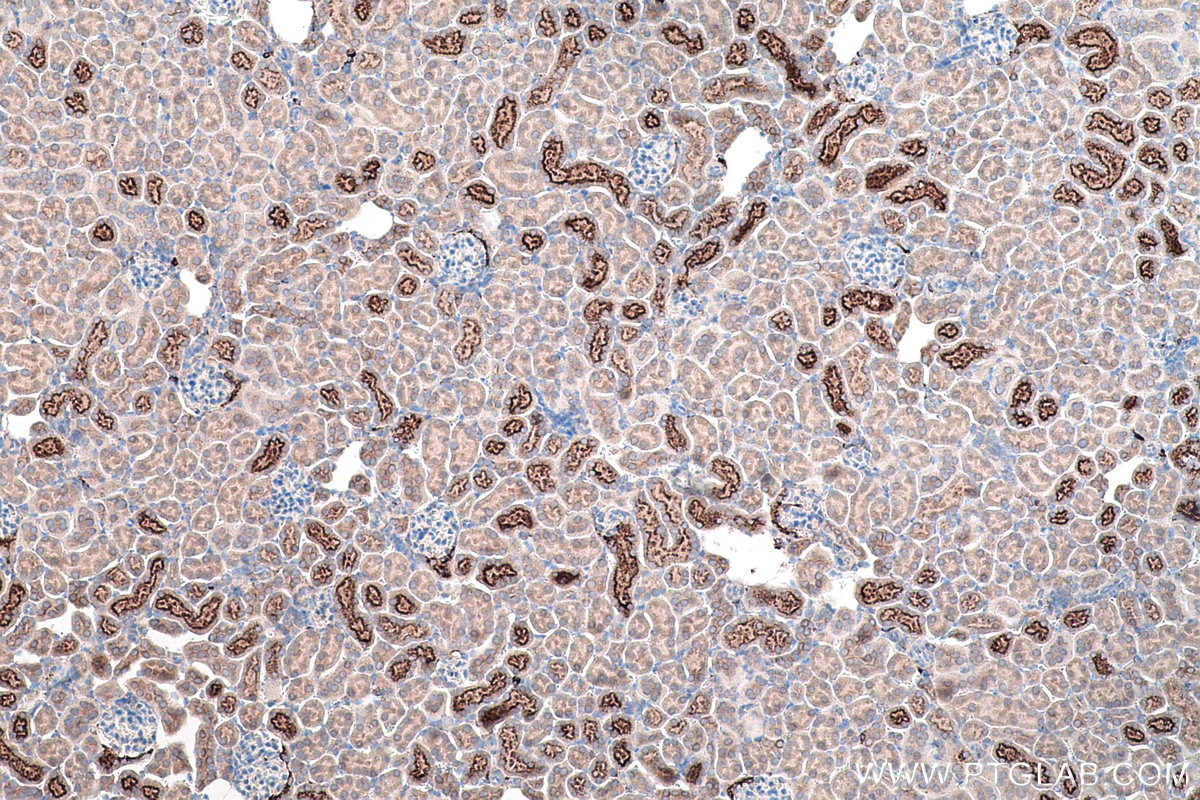
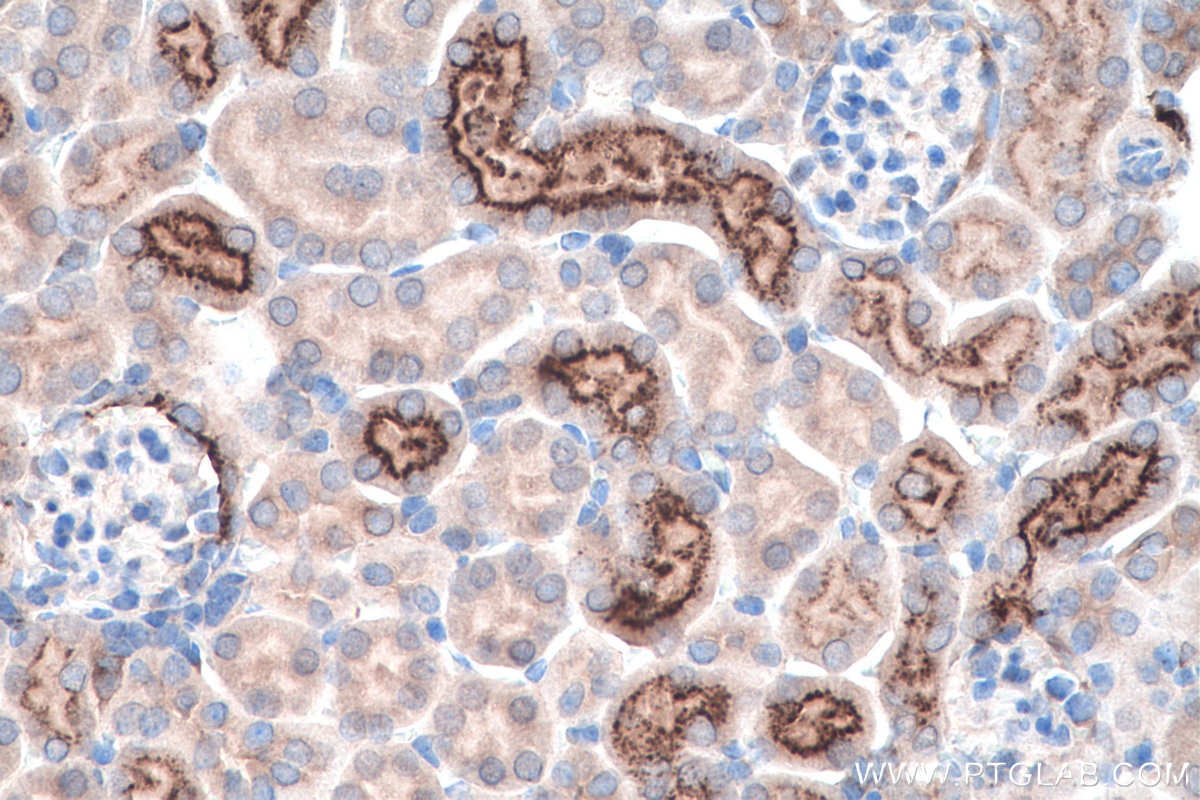
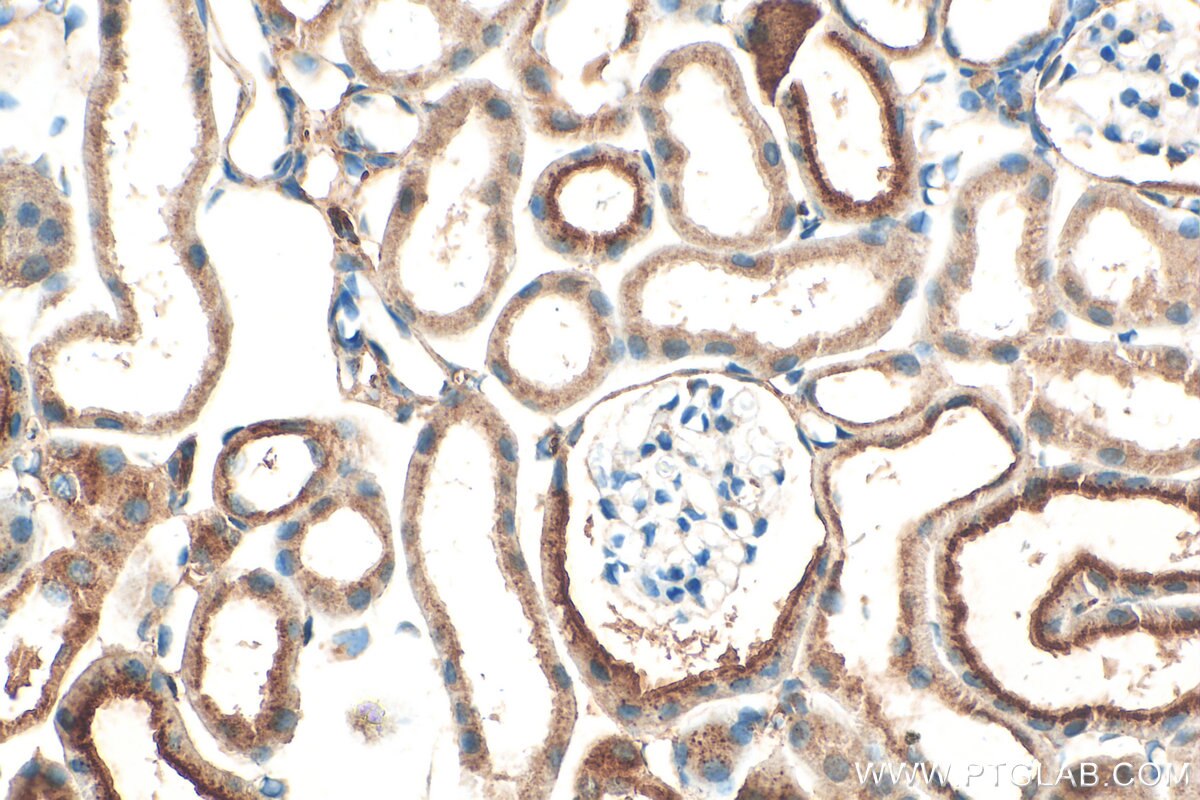
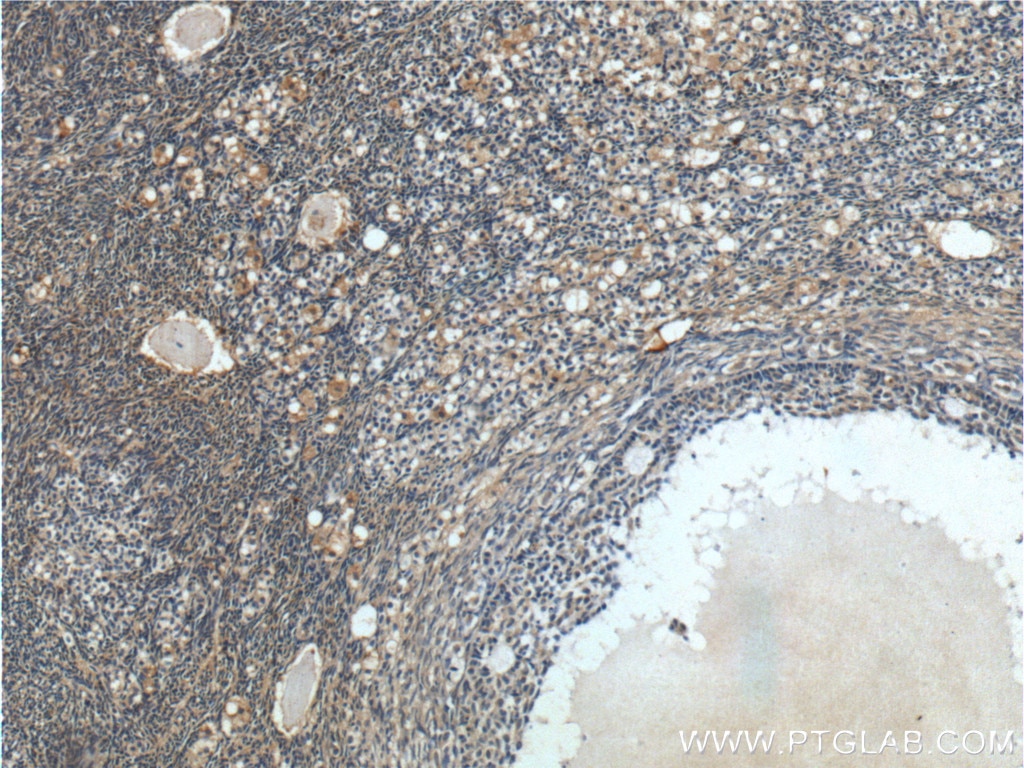
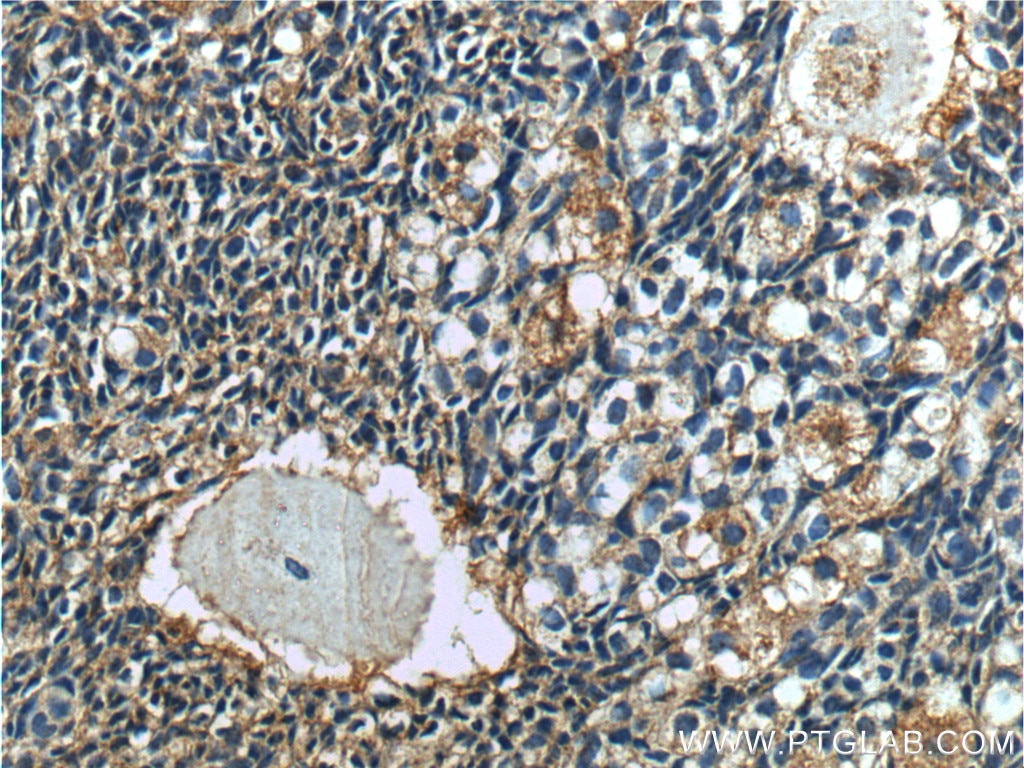
| Positive IHC detected in | mouse kidney tissue, human kidney tissue, human ovary tissue, human ovary cancer tissue Note: suggested antigen retrieval with TE buffer pH 9.0; (*) Alternatively, antigen retrieval may be performed with citrate buffer pH 6.0 |
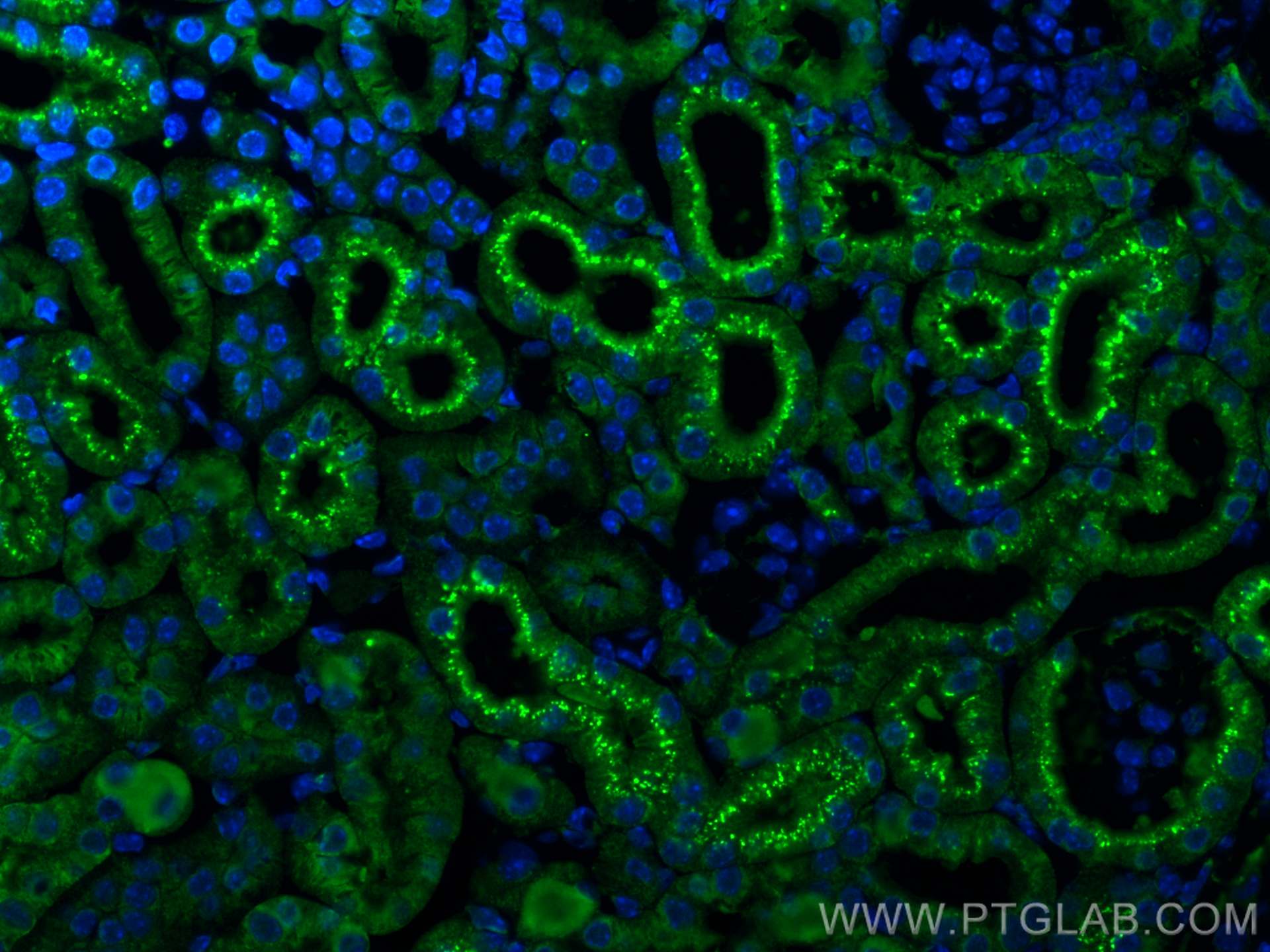
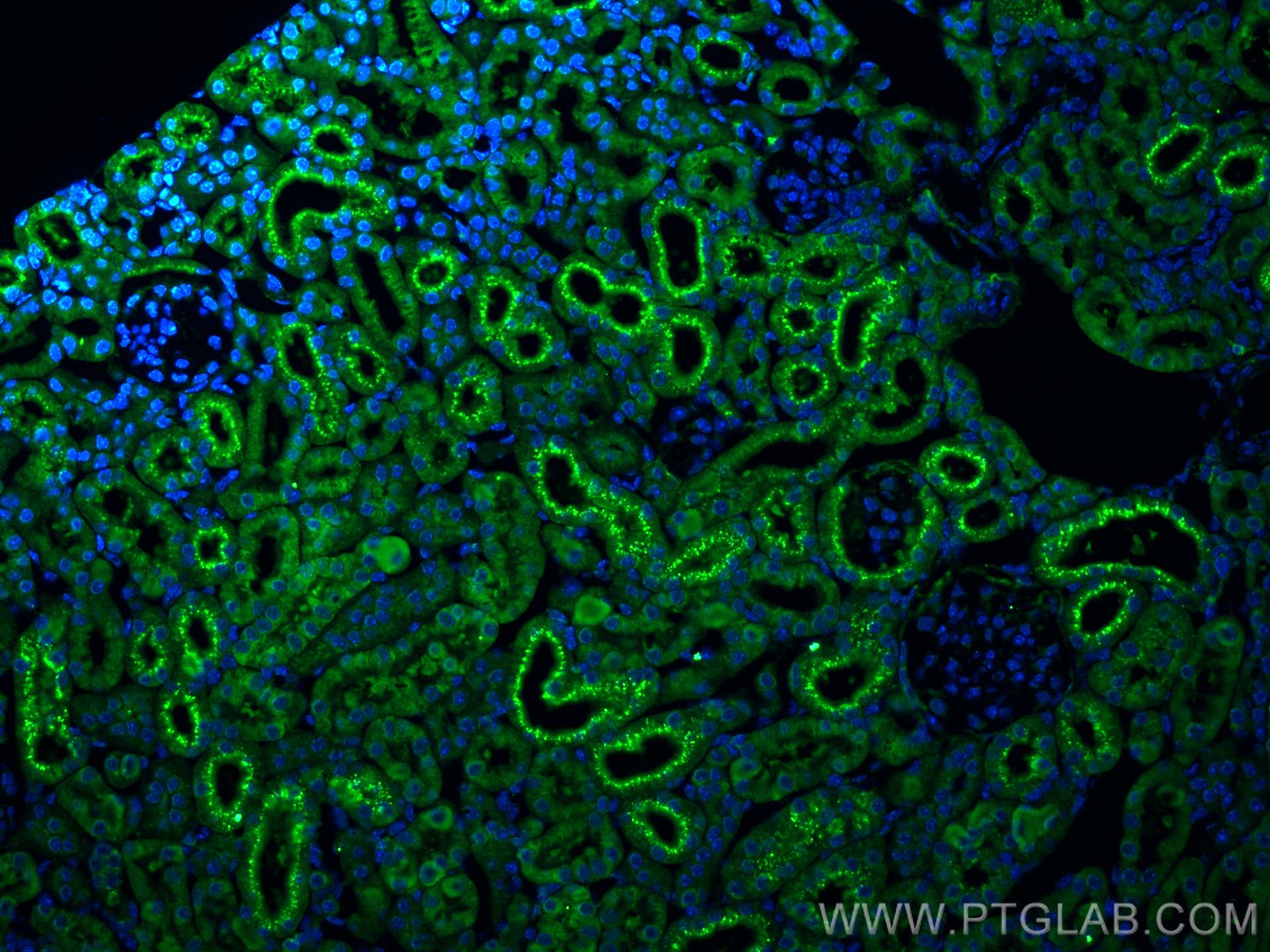
| Positive IF-P detected in | mouse kidney tissue |
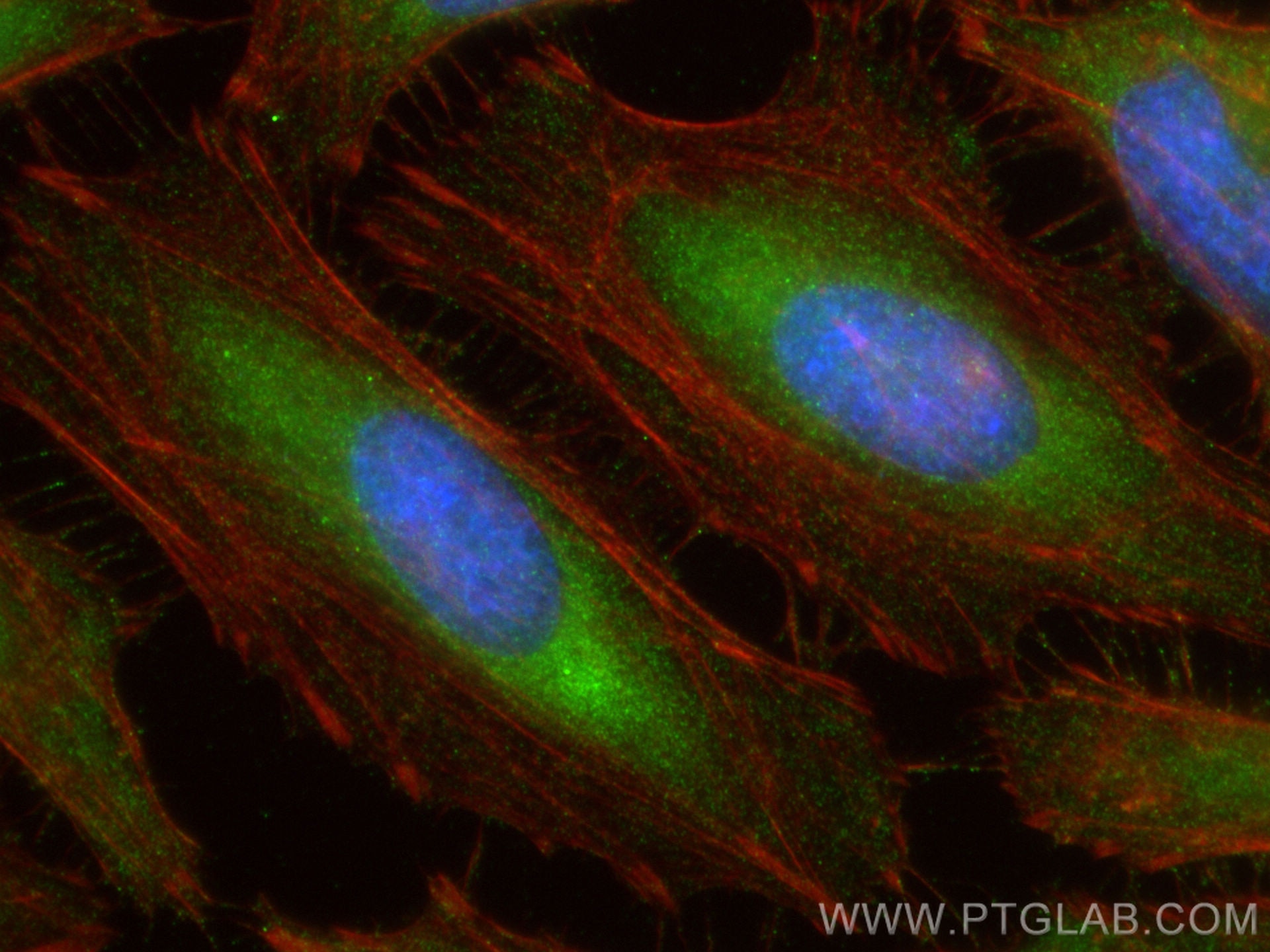
| Positive IF/ICC detected in | HeLa cells |
Recommended dilution
| Application | Dilution |
|---|---|
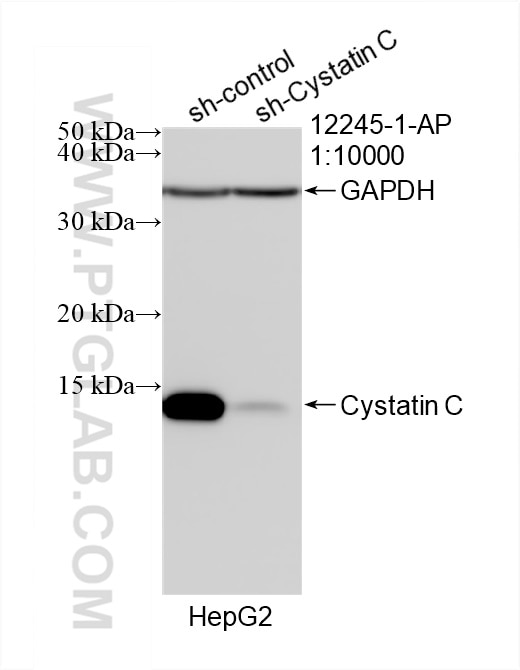
| Western Blot (WB) | WB : 1:2000-1:16000 |
| Immunoprecipitation (IP) | IP : 0.5-4.0 ug for 1.0-3.0 mg of total protein lysate |
| Immunohistochemistry (IHC) | IHC : 1:200-1:2000 |
| Immunofluorescence (IF)-P | IF-P : 1:50-1:500 |
| Immunofluorescence (IF)/ICC | IF/ICC : 1:50-1:500 |
| It is recommended that this reagent should be titrated in each testing system to obtain optimal results. | |
| Sample-dependent, Check data in validation data gallery. | |
Product Information
12245-1-AP targets Cystatin C in WB, IHC, IF/ICC, IF-P, IP, ELISA applications and shows reactivity with human, mouse samples.
| Tested Reactivity | human, mouse |
| Cited Reactivity | human, mouse, rat, pig, duck |
| Host / Isotype | Rabbit / IgG |
| Class | Polyclonal |
| Type | Antibody |
| Immunogen |
CatNo: Ag2890 Product name: Recombinant human Cystatin C protein Source: e coli.-derived, PGEX-4T Tag: GST Domain: 25-146 aa of BC013083 Sequence: AGSSPGKPPRLVGGPMDASVEEEGVRRALDFAVGEYNKASNDMYHSRALQVVRARKQIVAGVNYFLDVELGRTTCTKTQPNLDNCPFHDQPHLKRKAFCSFQIYAVPWQGTMTLSKSTCQDA Predict reactive species |
| Full Name | cystatin C |
| Calculated Molecular Weight | 146 aa, 16 kDa |
| Observed Molecular Weight | 13 kDa |
| GenBank Accession Number | BC013083 |
| Gene Symbol | Cystatin C |
| Gene ID (NCBI) | 1471 |
| RRID | AB_2088058 |
| Conjugate | Unconjugated |
| Form | Liquid |
| Purification Method | Antigen affinity purification |
| UNIPROT ID | P01034 |
| Storage Buffer | PBS with 0.02% sodium azide and 50% glycerol, pH 7.3. |
| Storage Conditions | Store at -20°C. Stable for one year after shipment. Aliquoting is unnecessary for -20oC storage. 20ul sizes contain 0.1% BSA. |
Background Information
Cystatin C is a 13-kDa inhibitor of cysteine proteinases which is secreted by all cell types and is completely cleared from the organism through glomerular filtration, shown to be an early and sensitive biomarker of renal dysfunction. It is also used as an emerging biomarker in cardiovascular disease. Cystatin C is involved in a variety of inflammatory reactions. The concentration of serum cystatin C has also been shown to be unaltered in certain inflammatory conditions or other disorders of metabolism. The plasma level of serum cystatin C can be expressed as its level of generation from cells and diet and its subsequent elimination through the gut, liver, and kidneys.
Protocols
| Product Specific Protocols | |
|---|---|
| IF protocol for Cystatin C antibody 12245-1-AP | Download protocol |
| IHC protocol for Cystatin C antibody 12245-1-AP | Download protocol |
| IP protocol for Cystatin C antibody 12245-1-AP | Download protocol |
| WB protocol for Cystatin C antibody 12245-1-AP | Download protocol |
| Standard Protocols | |
|---|---|
| Click here to view our Standard Protocols |
Publications
What published studies show
Anti-Cystatin C antibody (Cat# 12245-1-AP) has 43 citations across journals including Cell, Neuron, Cell Death & Differentiation, Experimental Molecular Medicine, Journal of Hazardous Materials, Free Radical Biology and Medicine, Scientific Reports, Journal of Cellular and Molecular Medicine, and Aging. Research fields span neurodegeneration (Alzheimer's, frontotemporal dementia), mitochondrial apoptosis and mitophagy, renal fibrosis, pulmonary fibrosis, cancer (hepatocellular, endometrial, esophageal), oxidative stress, cardiac injury, polycystic ovarian syndrome, environmental toxicology, and traditional Chinese medicine pharmacology.
| Species | Application | Title |
|---|---|---|
Cell Peripheral cancer attenuates amyloid pathology in Alzheimer's disease via cystatin-c activation of TREM2. | ||
Exp Mol Med YAP1 inhibits the senescence of alveolar epithelial cells by targeting Prdx3 to alleviate pulmonary fibrosis | ||
Neuron Macrophage-derived CTSS drives the age-dependent disruption of the blood-CSF barrier | ||
Cell Death Differ Transcriptional and ubiquitinative suppression of macrophage CST3 disrupts colonic homeostasis through defective efferocytosis. | ||
Biosens Bioelectron Microneedle patches integrated with lateral flow cassettes for blood-free chronic kidney disease point-of-care testing during a pandemic. | ||
J Hazard Mater Graphene oxide disrupted mitochondrial homeostasis through inducing intracellular redox deviation and autophagy-lysosomal network dysfunction in SH-SY5Y cells. |




















