

Tested Applications
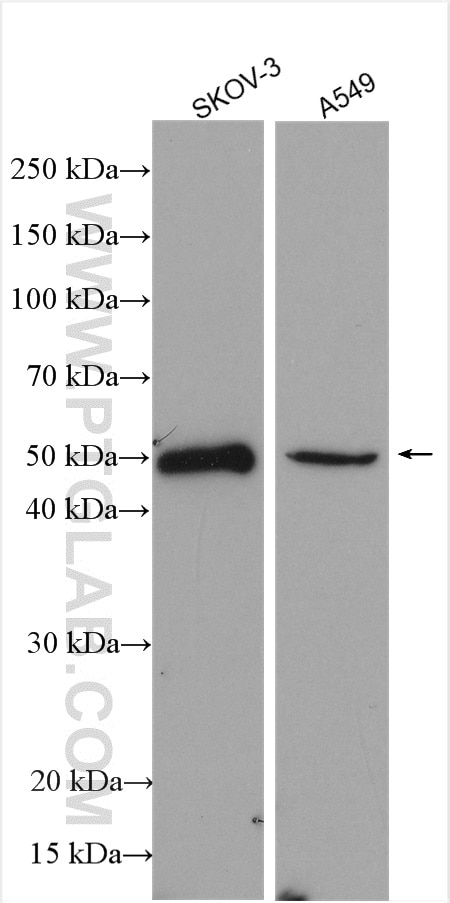
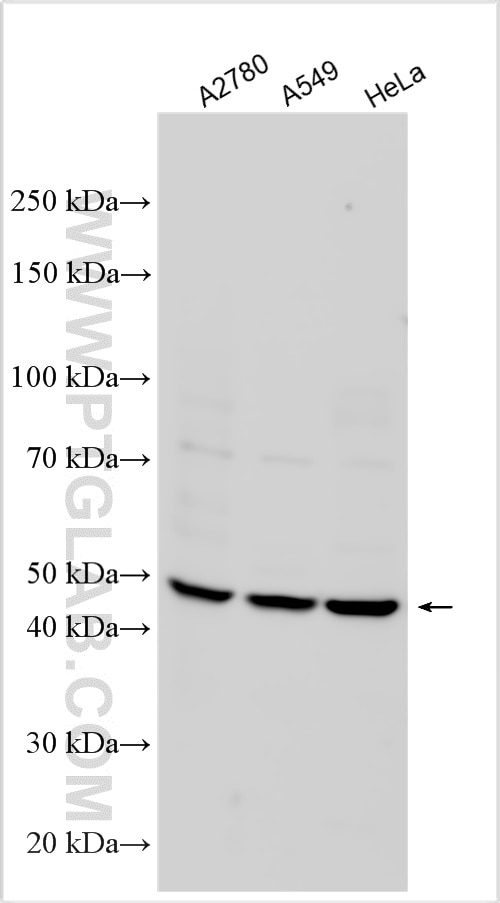
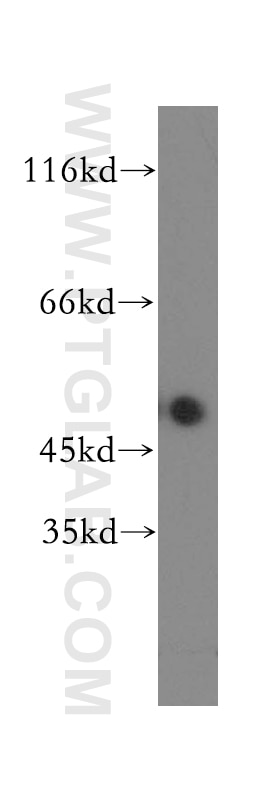
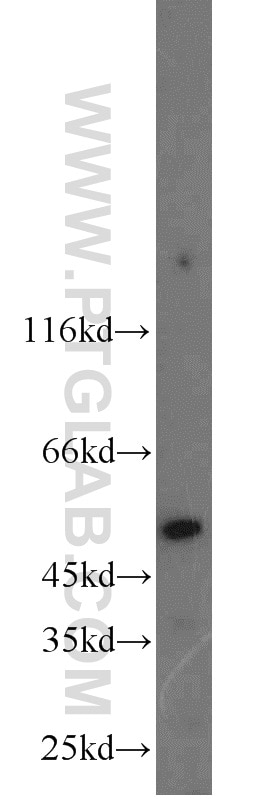
| Positive WB detected in | SKOV-3 cells, A2780 cells, COLO 320 cells, A549 cells, HeLa cells |
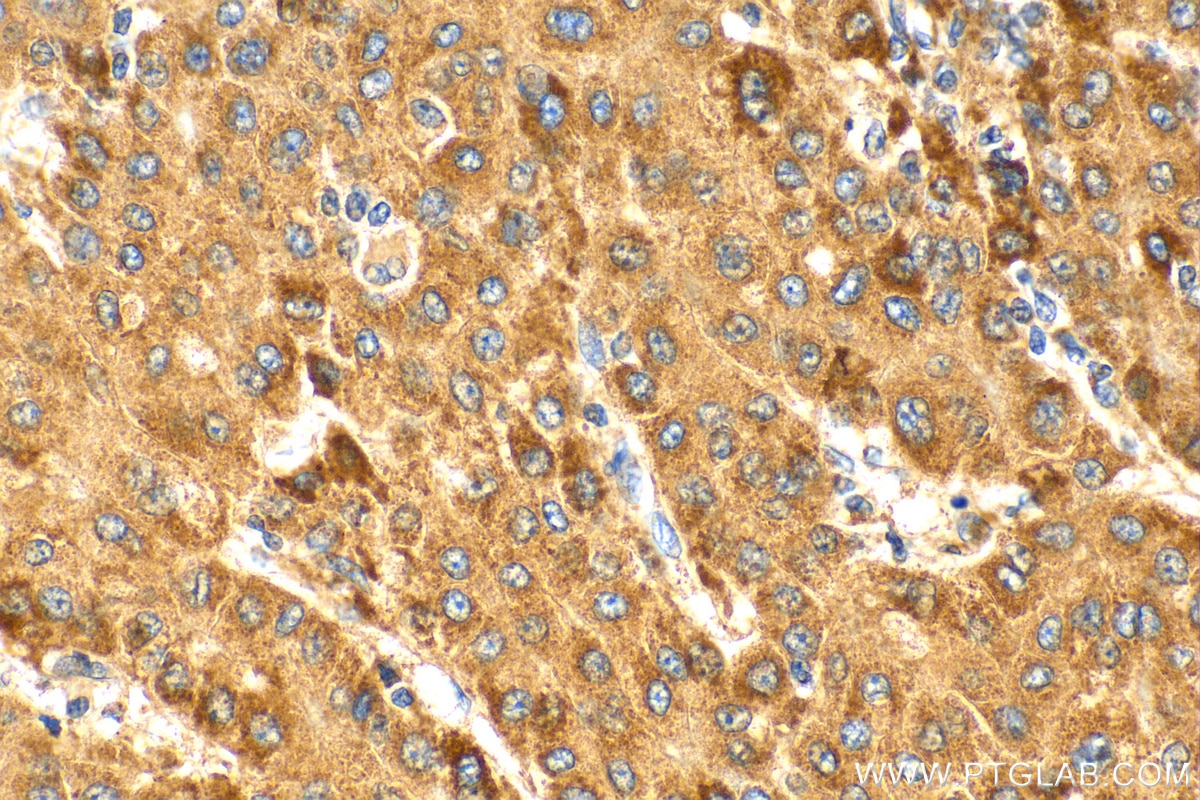
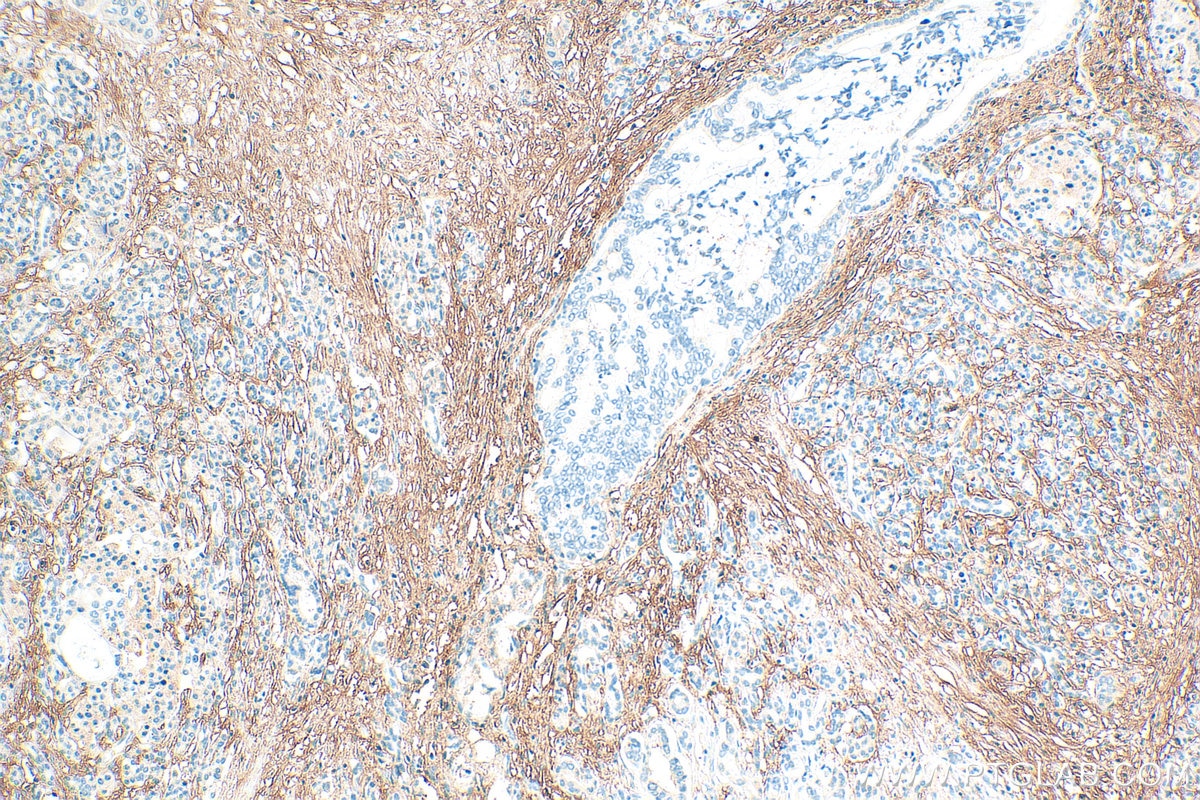
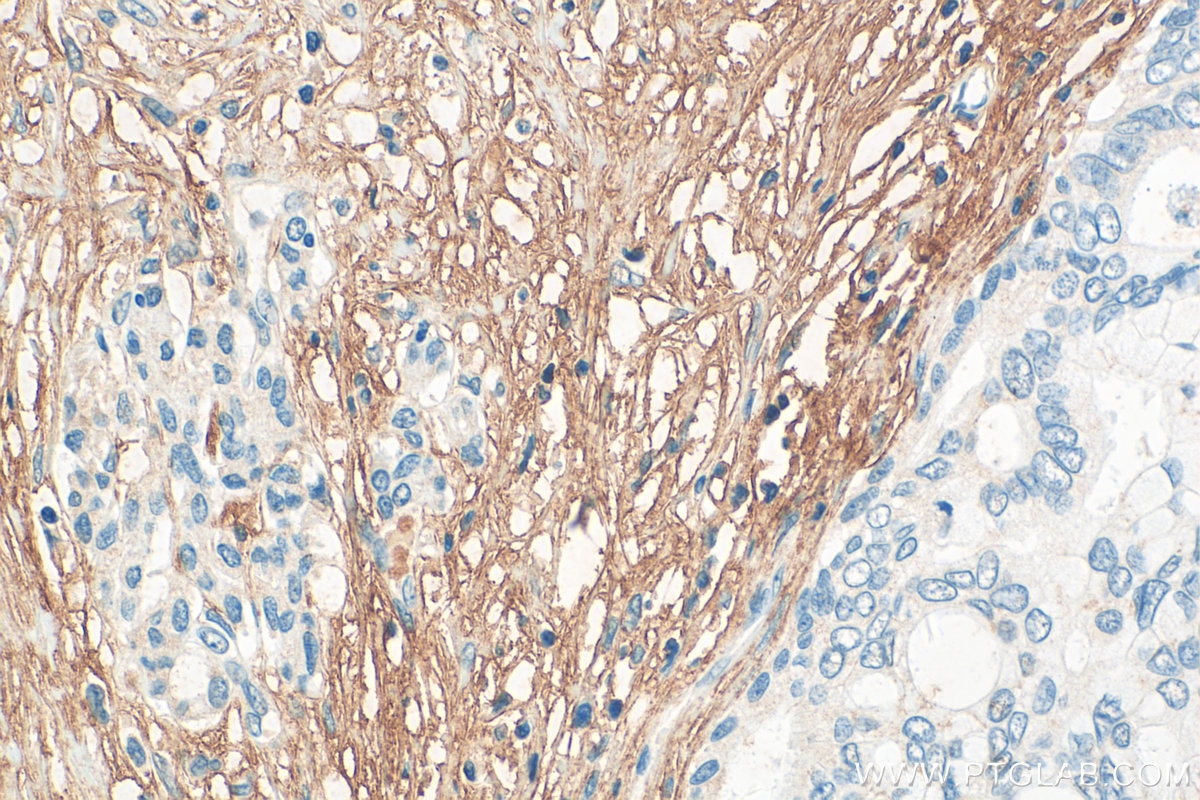
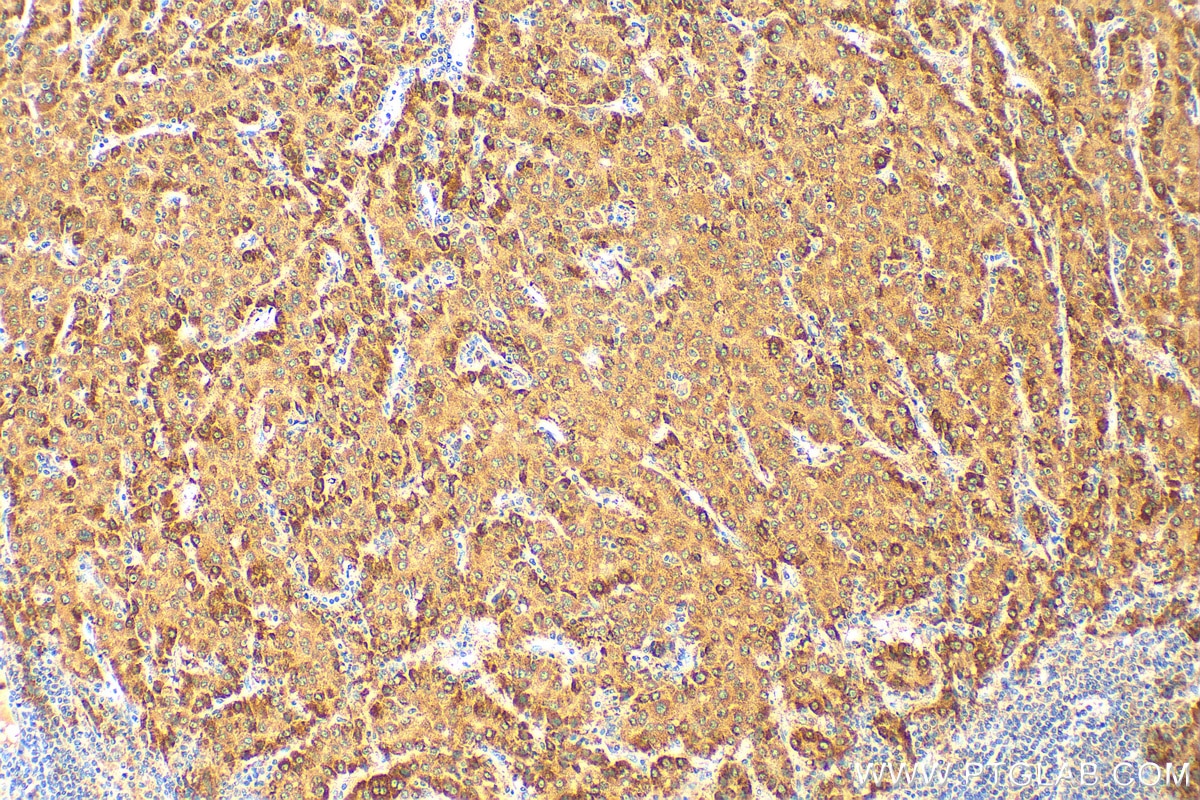
| Positive IHC detected in | human liver cancer tissue, human pancreas cancer tissue Note: suggested antigen retrieval with TE buffer pH 9.0; (*) Alternatively, antigen retrieval may be performed with citrate buffer pH 6.0 |
Recommended dilution
| Application | Dilution |
|---|---|
| Western Blot (WB) | WB : 1:500-1:2000 |
| Immunohistochemistry (IHC) | IHC : 1:50-1:500 |
| It is recommended that this reagent should be titrated in each testing system to obtain optimal results. | |
| Sample-dependent, Check data in validation data gallery. | |
Product Information
12267-1-AP targets PI16 in WB, IHC, IF, IP, CoIP, ELISA applications and shows reactivity with human samples.
| Tested Reactivity | human |
| Cited Reactivity | human, mouse |
| Host / Isotype | Rabbit / IgG |
| Class | Polyclonal |
| Type | Antibody |
| Immunogen |
CatNo: Ag2925 Product name: Recombinant human PI16 protein Source: e coli.-derived, PGEX-4T Tag: GST Domain: 1-300 aa of BC022399 Sequence: MHGSCSFLMLLLPLLLLLVATTGPVGALTDEEKRLMVELHNLYRAQVSPTASDMLHMRWDEELAAFAKAYARQCVWGHNKERGRRGENLFAITDEGMDVPLAMEEWHHEREHYNLSAATCSPGQMCGHYTQVVWAKTERIGCGSHFCEKLQGVEETNIELLVCNYEPPGNVKGKRPYQEGTPCSQCPSGYHCKNSLCEPIGSPEDAQDLPYLVTEAPSFRATEASDSRKMGTPSSLATGIPAFLVTEVSGSLATKALPAVETQAPTSLATKDPPSMATEAPPCVTTEVPSILAAHSLPSL Predict reactive species |
| Full Name | peptidase inhibitor 16 |
| Calculated Molecular Weight | 463 aa, 49 kDa |
| Observed Molecular Weight | 49 kDa |
| GenBank Accession Number | BC022399 |
| Gene Symbol | PI16 |
| Gene ID (NCBI) | 221476 |
| RRID | AB_10697651 |
| Conjugate | Unconjugated |
| Form | Liquid |
| Purification Method | Antigen affinity purification |
| UNIPROT ID | Q6UXB8 |
| Storage Buffer | PBS with 0.02% sodium azide and 50% glycerol, pH 7.3. |
| Storage Conditions | Store at -20°C. Stable for one year after shipment. Aliquoting is unnecessary for -20oC storage. 20ul sizes contain 0.1% BSA. |
Background Information
Peptidase inhibitor 16 (PI16) is localized to chromosome 6p21.2 in human, which is also called as prostate secretory protein 94-binding protein (PSPBP) and CD364. It is a member of the cysteine-rich secretory proteins, antigen 5, and pathogenesis-related proteins (CAP) superfamily (PMID: 32779397). PI16 is a cysteine-rich protein that is widely expressed in human tissuest (PMID: 18824526). PI16 is involved in extracellular matrix regulation, acts as a tumour suppressor gene and is a new independent prognostic marker of prostate cancer (PMID: 37525118, PMID: 17062675).
Protocols
| Product Specific Protocols | |
|---|---|
| IHC protocol for PI16 antibody 12267-1-AP | Download protocol |
| WB protocol for PI16 antibody 12267-1-AP | Download protocol |
| Standard Protocols | |
|---|---|
| Click here to view our Standard Protocols |
Publications
What published studies show
The PI16 Polyclonal antibody (Cat# 12267-1-AP) has 4 citations spanning journals including Cell, Cell Mol Biol Lett, Clin Cancer Res, and J Transl Med. Research fields covered include HIV host factor discovery in primary T cells, bladder cancer metastasis via NF-κB/ubiquitination pathways, intratumoral heterogeneity in acral and mucosal melanoma, and intestinal fibrosis in Crohn's disease. Applications cited include IP, WB, IHC, CoIP, and IF, with reactivity in human and mouse.
| Species | Application | Title |
|---|---|---|
Cell Systematic discovery of pro- and anti-HIV host factors in primary human CD4+ T cells. | ||
Cell Mol Biol Lett Peptidase inhibitor (PI16) impairs bladder cancer metastasis by inhibiting NF-κB activation via disrupting multiple-site ubiquitination of NEMO
| ||
Clin Cancer Res Single-cell transcriptomic landscape deciphers intratumoral heterogeneity and subtypes of acral and mucosal melanoma | ||
J Transl Med IL1β(+) macrophages promote intestinal fibrosis in Crohn's disease by secreting AREG to activate PI16(+) fibroblasts. |
Reviews
What customers say
The single review for this product (used at 1/200 dilution for IHC on mouse pancreatic cancer tissue) reports unsatisfactory specificity. The reviewer observed abundant non-specific staining of pancreatic ductal cells and normal acinar cells, while the antibody failed to stain fibroblasts in pancreatic cancer, which are expected to express the target antigen. Overall, the reviewer rated the product low and recommended that its specificity be improved.
The reviews below have been submitted by verified Proteintech customers who received an incentive for providing their feedback.
Kalliope Nina (Verified Customer) (08-20-2026) | Unspecific staining of pancreatic ductal cells and normal pancreatic acinar cells was abundant. Unfortunately, the antibody did not stain fibroblasts in pancreatic cancer, of which 50% or so are supposed to express PI16. The specificity of this antibody needs to be improved
|









