

Tested Applications
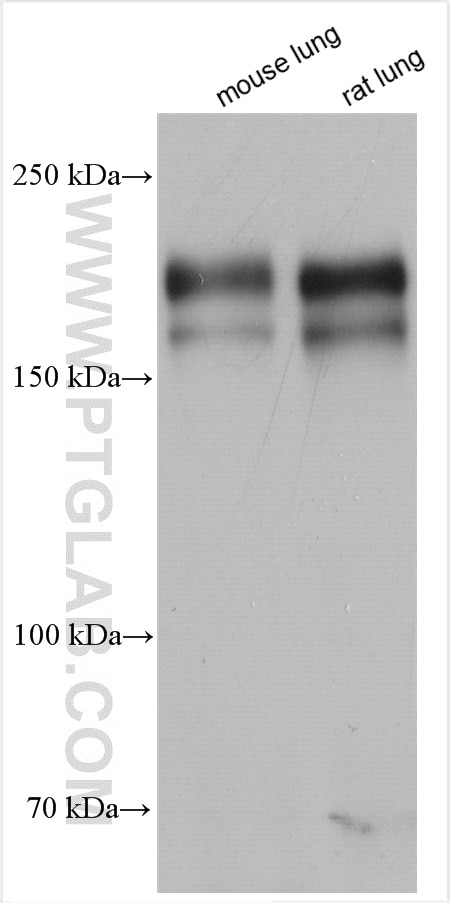
| Positive WB detected in | mouse lung tissue |
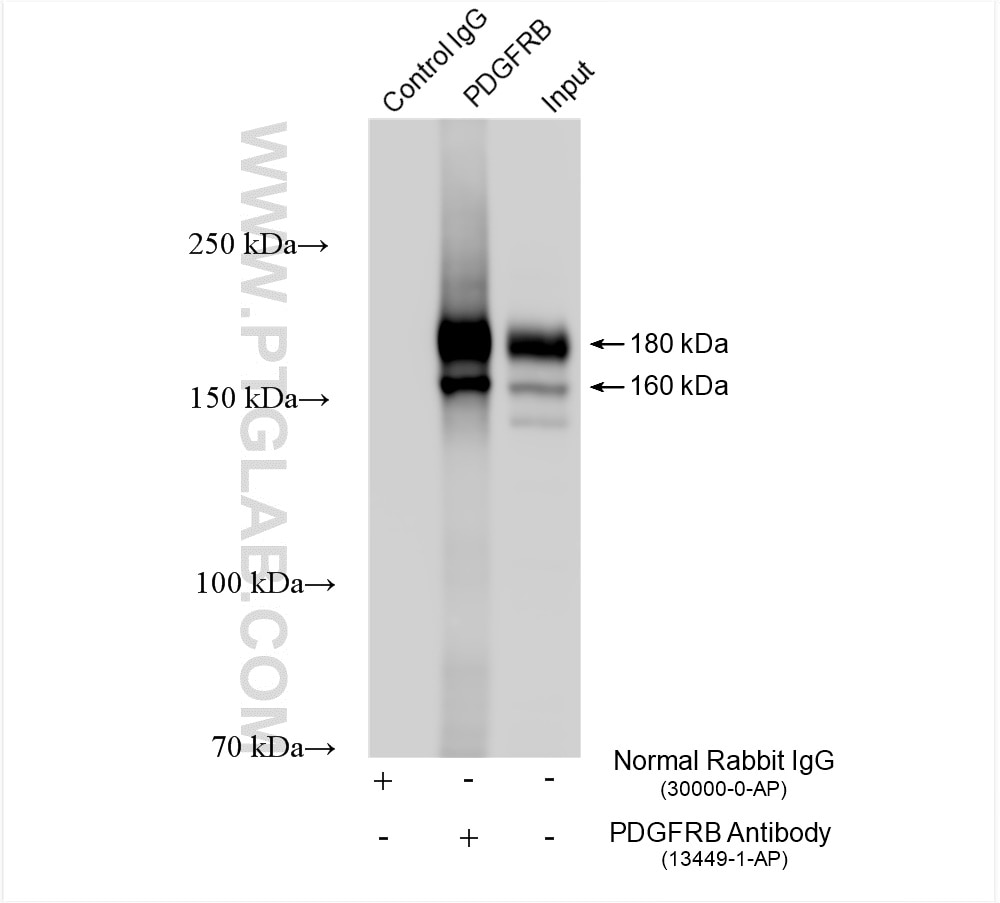
| Positive IP detected in | mouse lung tissue |
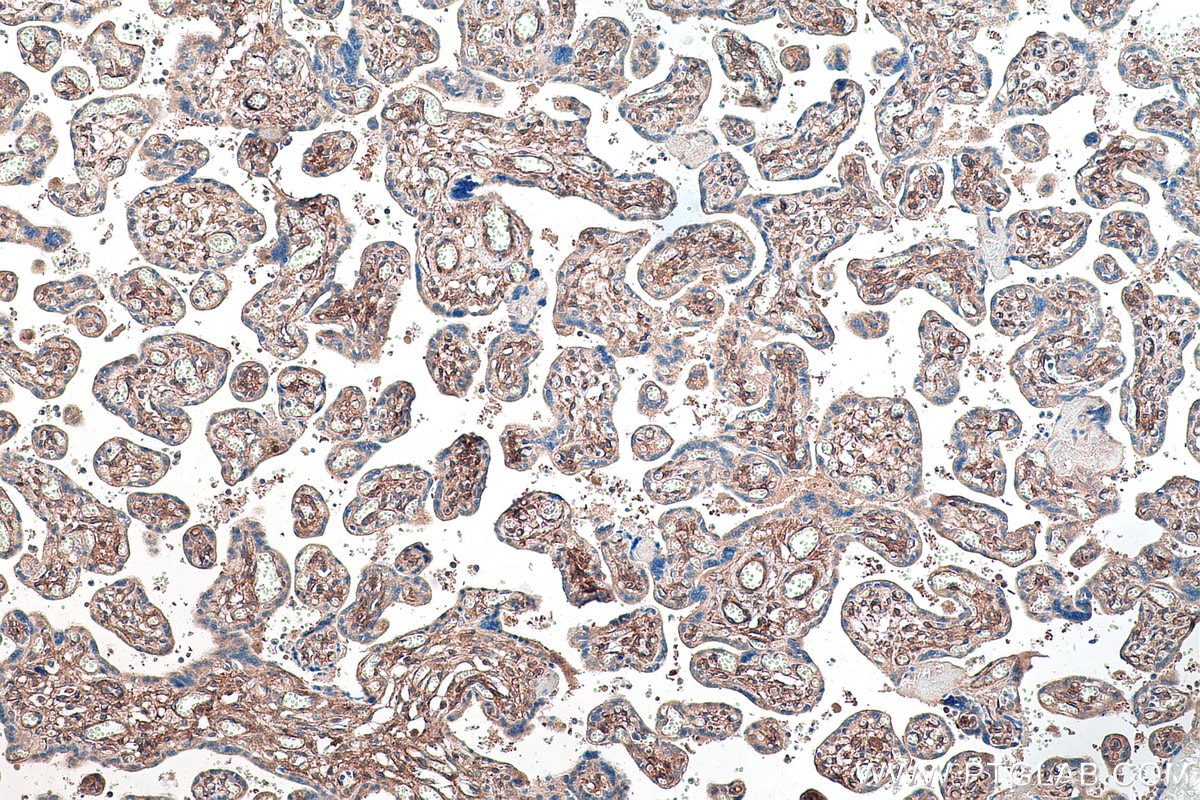
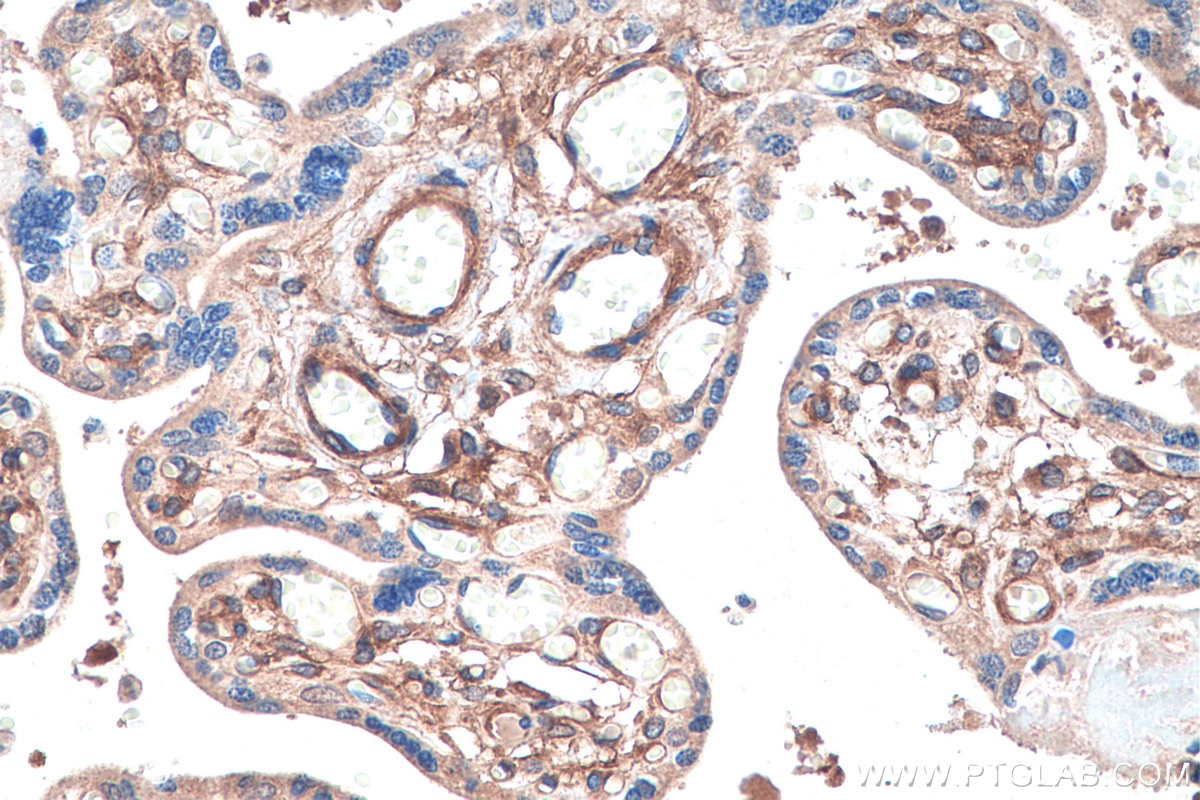
| Positive IHC detected in | human placenta tissue Note: suggested antigen retrieval with TE buffer pH 9.0; (*) Alternatively, antigen retrieval may be performed with citrate buffer pH 6.0 |
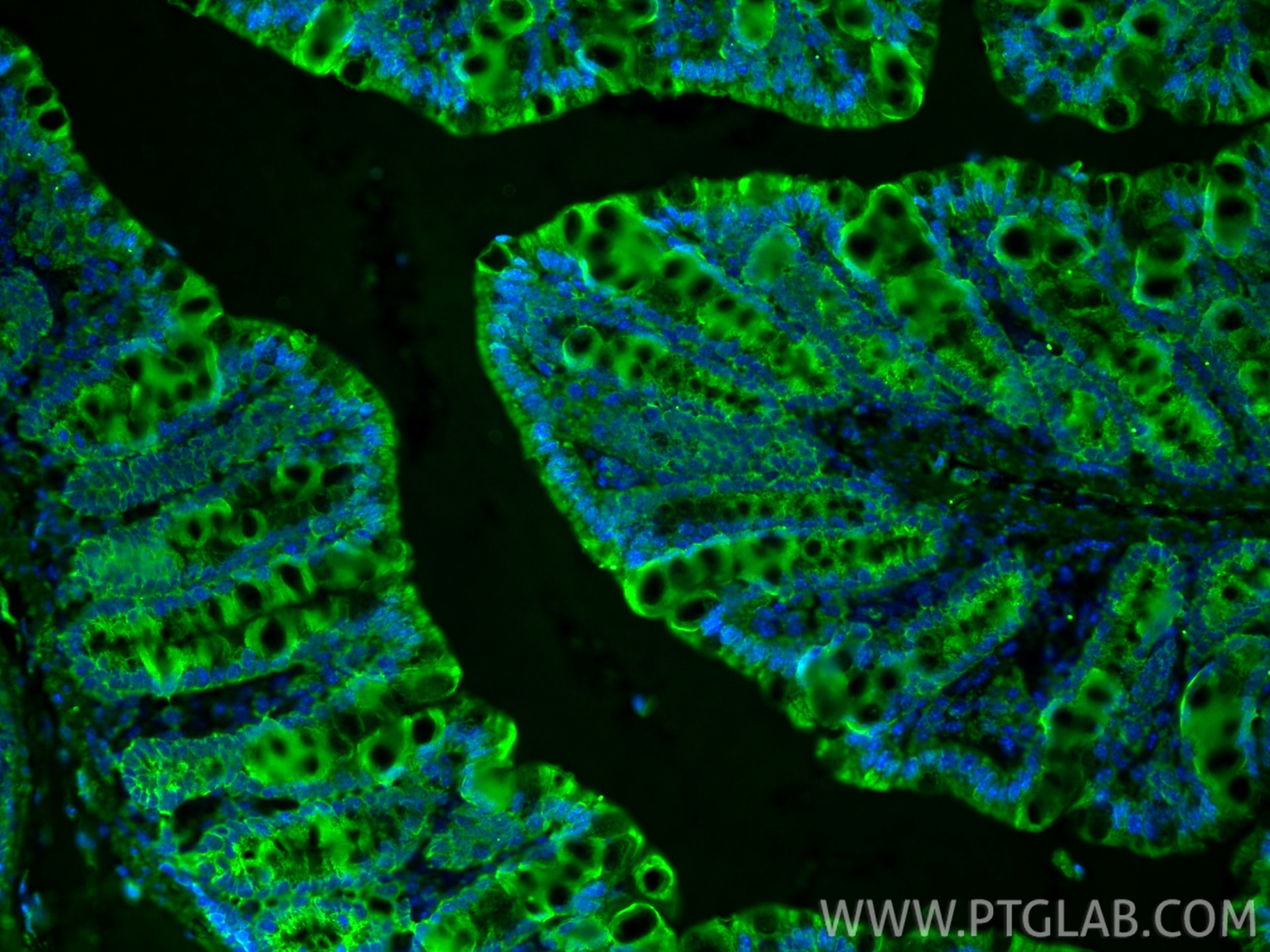
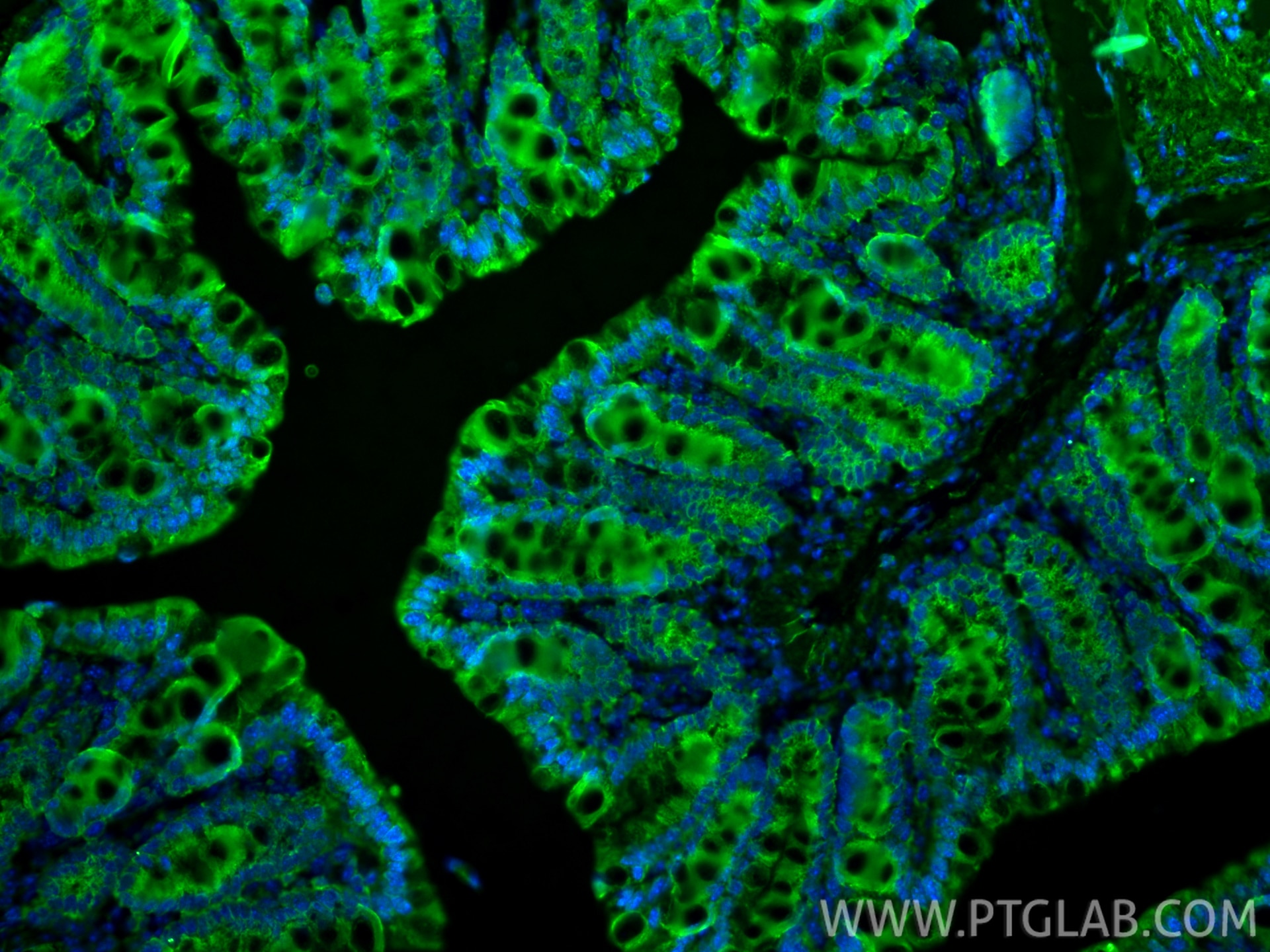
| Positive IF-P detected in | mouse colon tissue |
Recommended dilution
| Application | Dilution |
|---|---|
| Western Blot (WB) | WB : 1:2000-1:10000 |
| Immunoprecipitation (IP) | IP : 0.5-4.0 ug for 1.0-3.0 mg of total protein lysate |
| Immunohistochemistry (IHC) | IHC : 1:2000-1:8000 |
| Immunofluorescence (IF)-P | IF-P : 1:200-1:800 |
| It is recommended that this reagent should be titrated in each testing system to obtain optimal results. | |
| Sample-dependent, Check data in validation data gallery. | |
Product Information
13449-1-AP targets PDGFR beta/CD140b in WB, IHC, IF-P, IP, ELISA applications and shows reactivity with human, mouse, rat samples.
| Tested Reactivity | human, mouse, rat |
| Cited Reactivity | human, mouse, rat |
| Host / Isotype | Rabbit / IgG |
| Class | Polyclonal |
| Type | Antibody |
| Immunogen |
CatNo: Ag4285 Product name: Recombinant human PDGFRB protein Source: e coli.-derived, T-HIS Tag: 6*His Domain: 755-1106 aa of BC032224 Sequence: LDMKGDVKYADIESSNYMAPYDNYVPSAPERTCRATLINESPVLSYMDLVGFSYQVANGMEFLASKNCVHRDLAARNVLICEGKLVKICDFGLARDIMRDSNYISKGSTFLPLKWMAPESIFNSLYTTLSDVWSFGILLWEIFTLGGTPYPELPMNEQFYNAIKRGYRMAQPAHASDEIYEIMQKCWEEKFEIRPPFSQLVLLLERLLGEGYKKKYQQVDEEFLRSDHPAILRSQARLPGFHGLRSPLDTSSVLYTAVQPNEGDNDYIIPLPDPKPEVADEGPLEGSPSLASSTLNEVNTSSTISCDSPLEPQDEPEPEPQLELQVEPEPELEQLPDSGCPAPRAEAEDSFL Predict reactive species |
| Full Name | platelet-derived growth factor receptor, beta polypeptide |
| Calculated Molecular Weight | 1106 aa, 124 kDa |
| Observed Molecular Weight | 160-180 kDa |
| GenBank Accession Number | BC032224 |
| Gene Symbol | PDGFR beta |
| Gene ID (NCBI) | 5159 |
| RRID | AB_2162644 |
| Conjugate | Unconjugated |
| Form | Liquid |
| Purification Method | Antigen affinity purification |
| UNIPROT ID | P09619 |
| Storage Buffer | PBS with 0.02% sodium azide and 50% glycerol, pH 7.3. |
| Storage Conditions | Store at -20°C. Stable for one year after shipment. Aliquoting is unnecessary for -20oC storage. 20ul sizes contain 0.1% BSA. |
Background Information
PDGFRs are receptor tyrosine kinases with an extracellular ligand-binding domain and a cytoplasmic enzymatic domain. The signaling activity of PDGFRs is tightly regulated by an autoinhibitory allosteric conformation, and requires ligand-induced receptor dimerization at the cell surface to alleviate autoinhibition and achieve physiological activity (PMID: 21664579). PDGFR beta (platelet-derived growth factor receptor- β)/CD140b is a constitutive marker expressed by ASCs in the angiogenic behavior of human retinal endothelial cells (HREs). CD140b (PDGFRβ) plays a crucial role in controlling the intrinsic proliferation (PMID: 30976657)
Protocols
| Product Specific Protocols | |
|---|---|
| IF protocol for PDGFR beta/CD140b antibody 13449-1-AP | Download protocol |
| IHC protocol for PDGFR beta/CD140b antibody 13449-1-AP | Download protocol |
| IP protocol for PDGFR beta/CD140b antibody 13449-1-AP | Download protocol |
| WB protocol for PDGFR beta/CD140b antibody 13449-1-AP | Download protocol |
| Standard Protocols | |
|---|---|
| Click here to view our Standard Protocols |
Publications
What published studies show
The PDGFR beta/CD140b Polyclonal antibody (Cat# 13449-1-AP) has accumulated 74 citations published in journals including Cell Metabolism, Circulation Research, ACS Nano, Cell Discovery, Advanced Science, Nature Communications, EBioMedicine, Cell Reports, JCI Insight, Free Radical Biology and Medicine, and FASEB Journal. Associated research fields encompass oncology (glioblastoma, ovarian, bladder, gastric cancers), fibrosis (hepatic, renal, pulmonary), blood-brain barrier biology, angiogenesis, ferroptosis, and neurodegenerative disease.
| Species | Application | Title |
|---|---|---|
Cell Metab Metabolic regulation of the glioblastoma stem cell epitranscriptome by malate dehydrogenase 2 | ||
Circ Res Spatiotemporal ATF3 Expression Determines VSMC Fate in Abdominal Aortic Aneurysm | ||
ACS Nano Supramolecular Hydrogel Microspheres of Platelet-Derived Growth Factor Mimetic Peptide Promote Recovery from Spinal Cord Injury | ||
Adv Sci (Weinh) Disruption of the Clock Component Bmal1 in Mice Promotes Cancer Metastasis through the PAI-1-TGF-β-myoCAF-Dependent Mechanism | ||
Alzheimers Dement Structural changes in cerebral microvasculature induced by ferroptosis contribute to blood-brain barrier disruption in Alzheimer's disease: an autopsy study |
Reviews
What customers say
Both reviews are 5-star. One user (Nov 2025) reported excellent performance in Western Blot on liver tissue at a 1:1000 dilution, simply stating it is "good for Western." The other user (Nov 2020) validated the antibody using EDTA plasma on an antibody microarray. Overall, reviewers find this antibody reliable across different applications, with particular praise for its Western Blot performance.
The reviews below have been submitted by verified Proteintech customers who received an incentive for providing their feedback.
MALLIKARJUNA (Verified Customer) (11-07-2025) | GOOD FOR WESTERN
|
Carly (Verified Customer) (11-17-2020) | Tested using EDTA plasma on an antibody microarray
|







