

Tested Applications
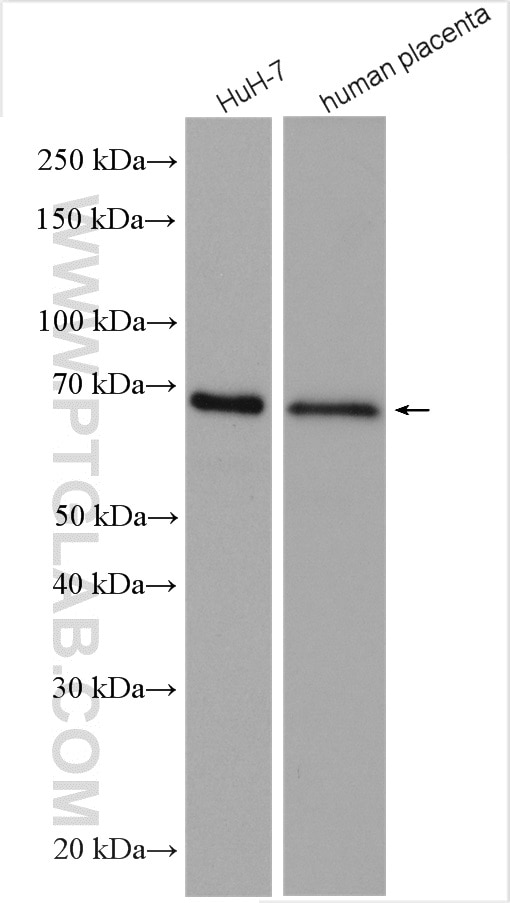
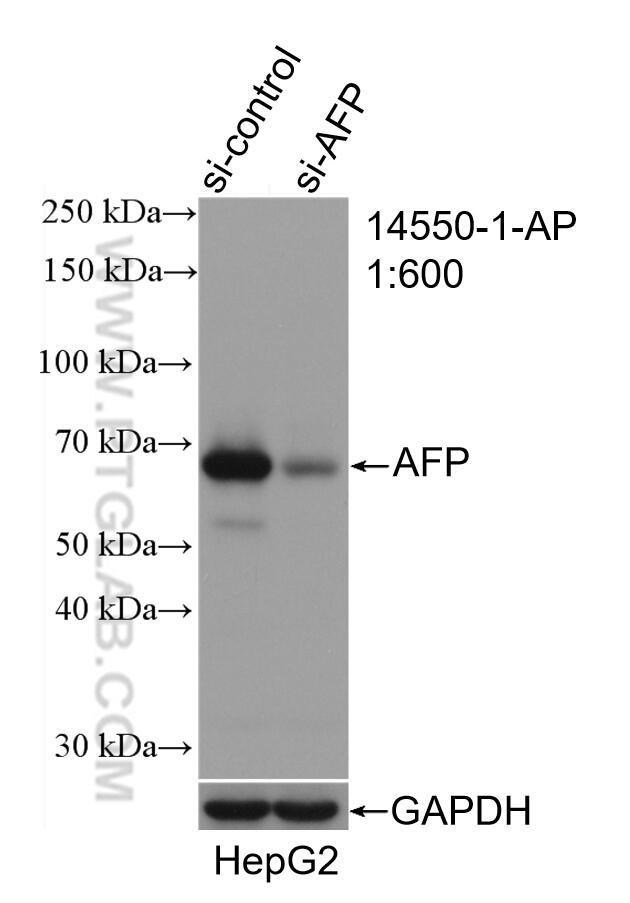
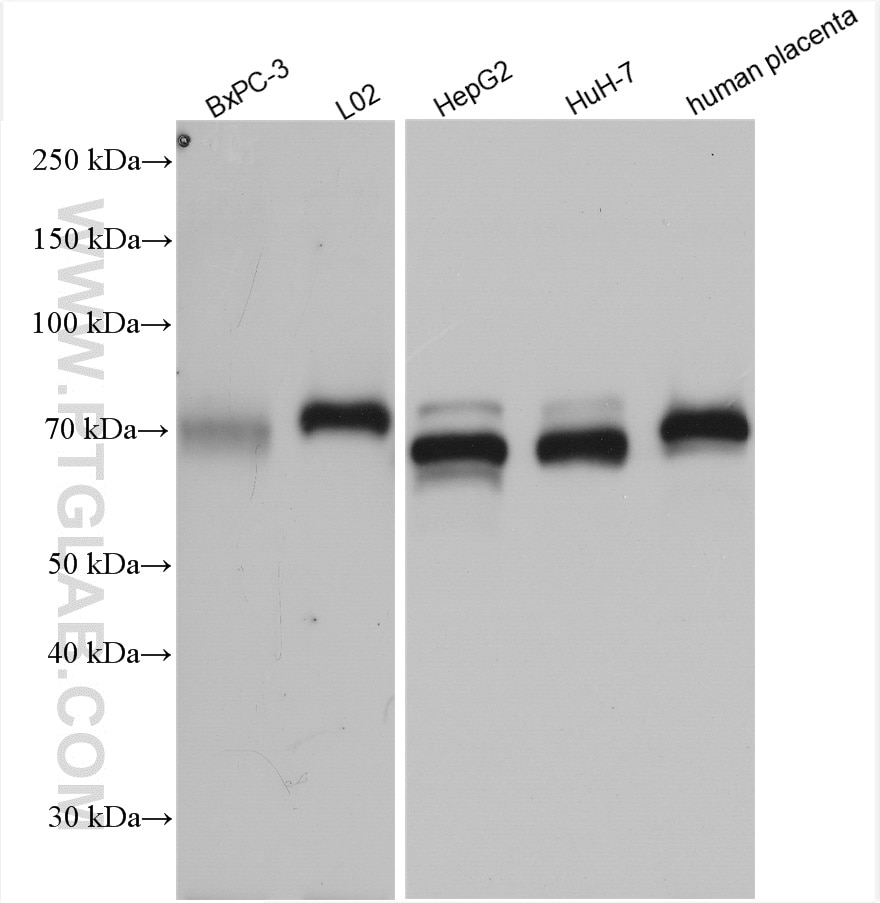
| Positive WB detected in | BxPC-3 cells, HepG2 cells, HuH-7 cells, L02 cells, HepG2cells, human placenta tissue |
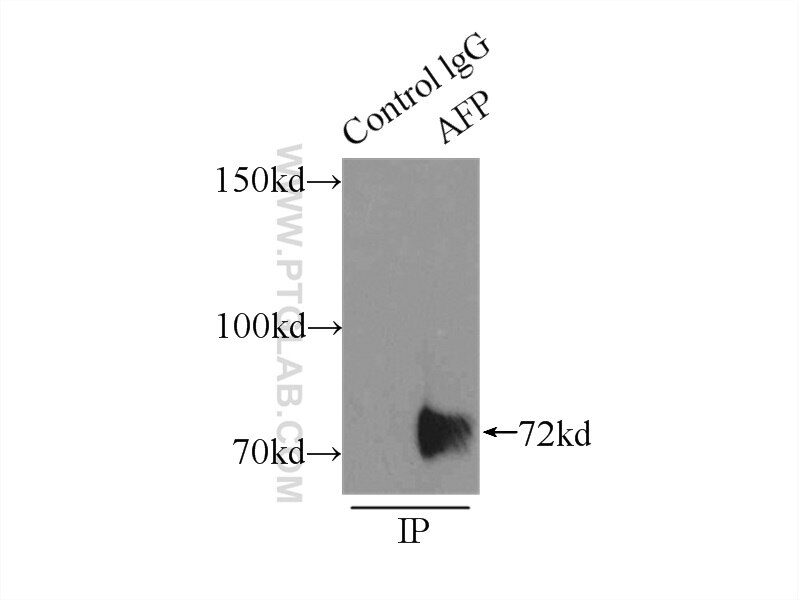
| Positive IP detected in | HepG2 cells |
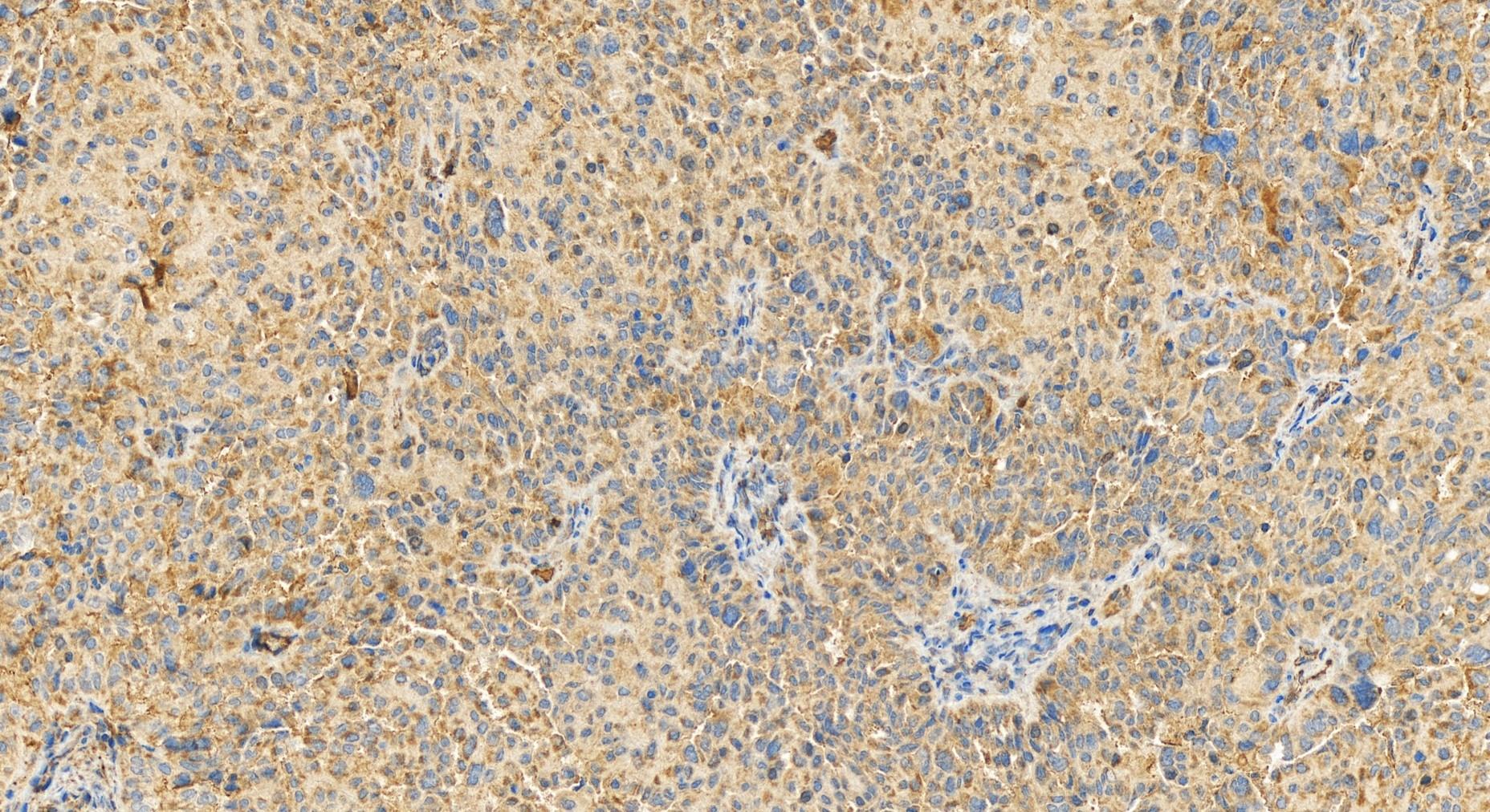
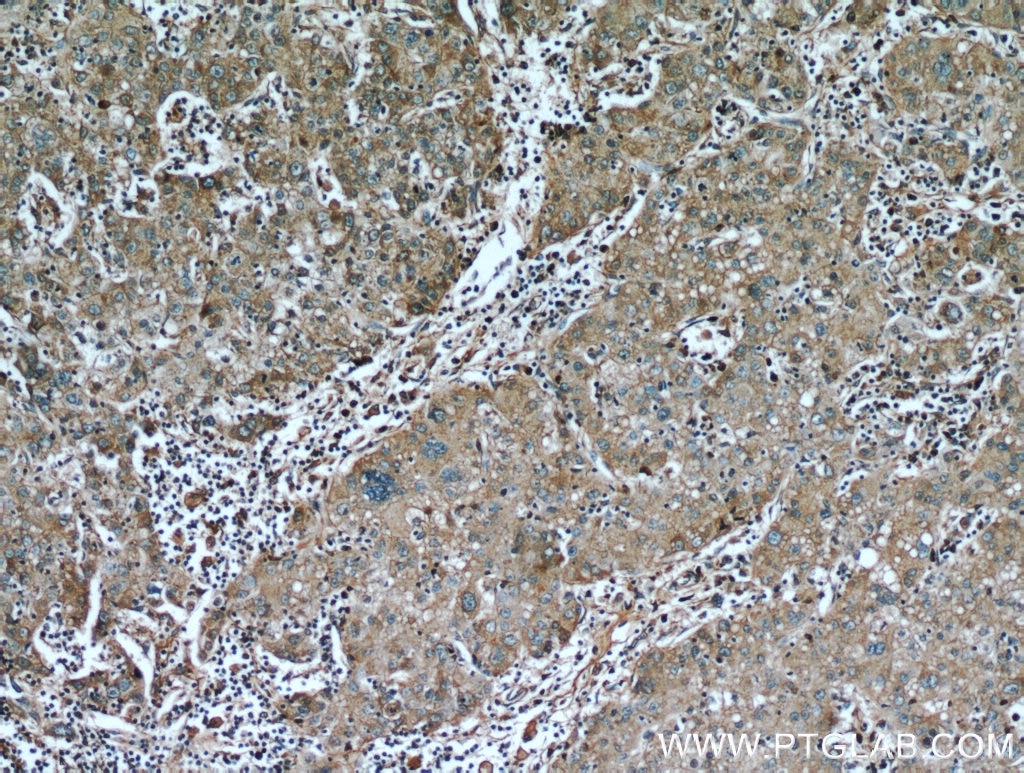
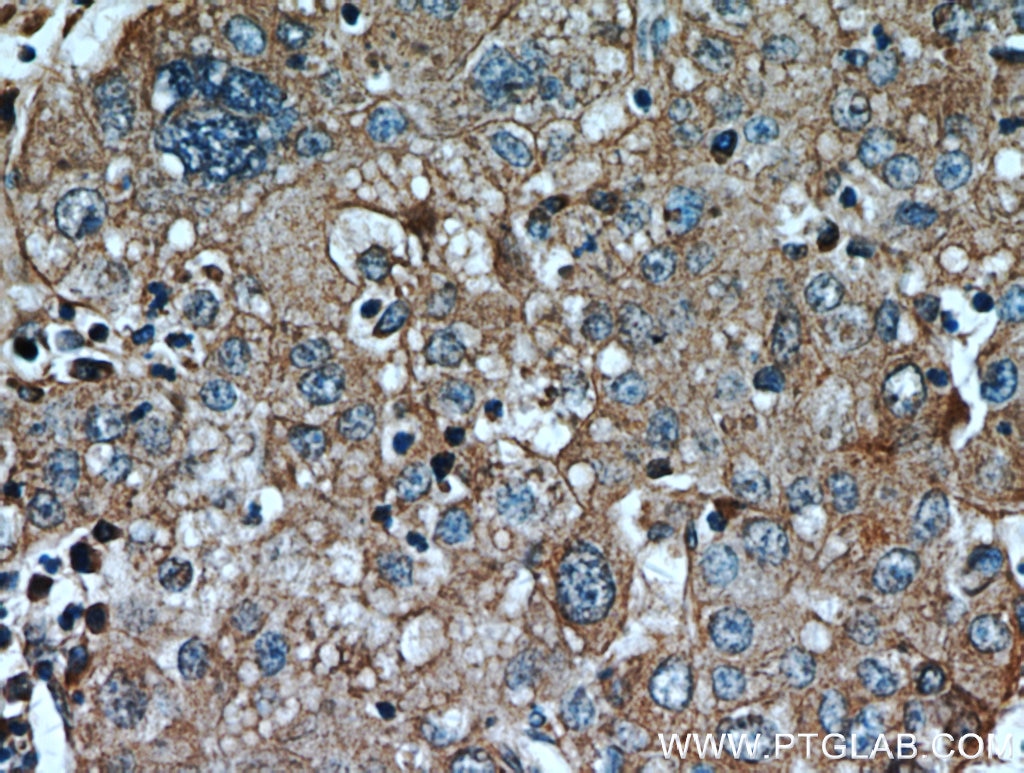
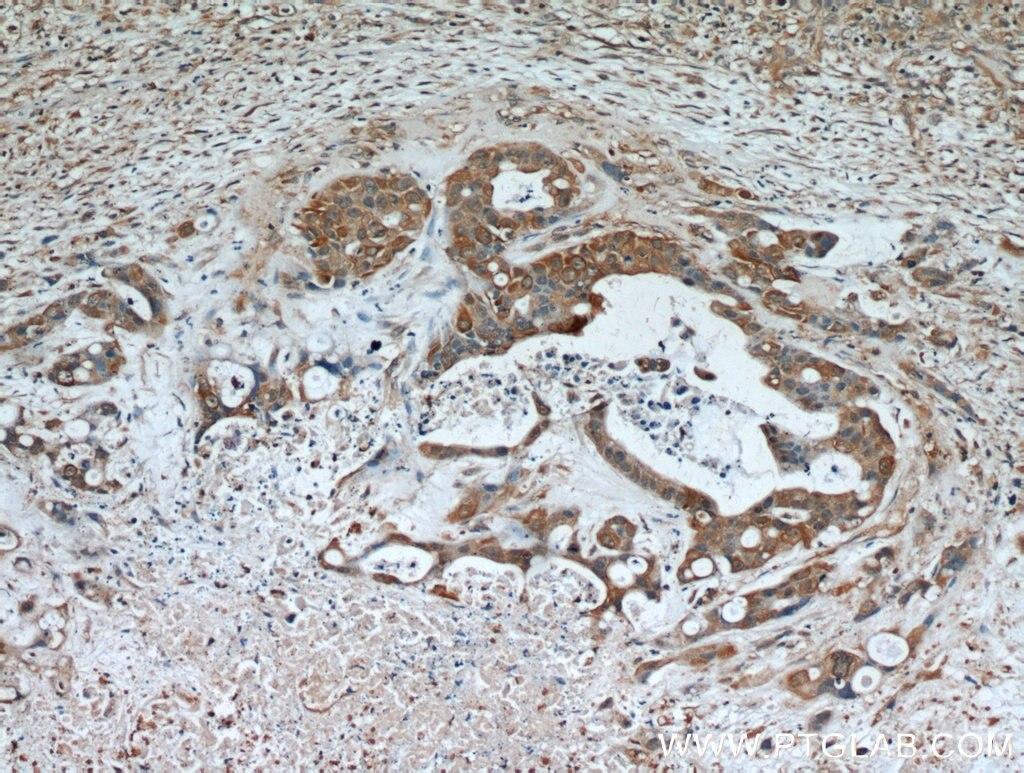
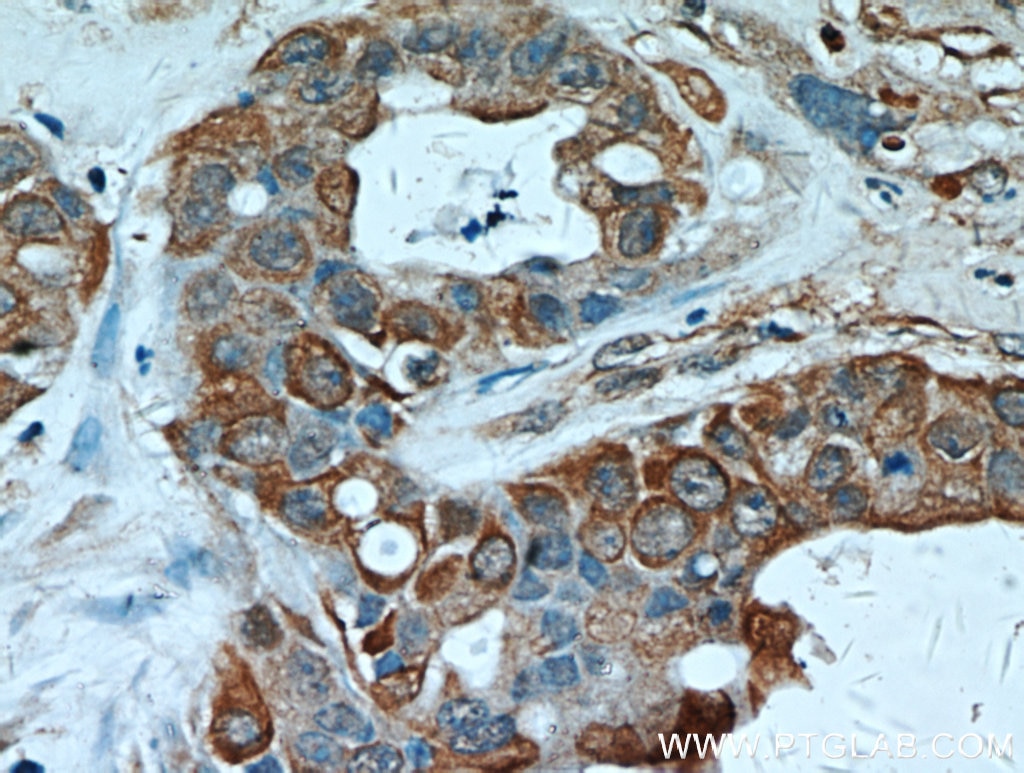
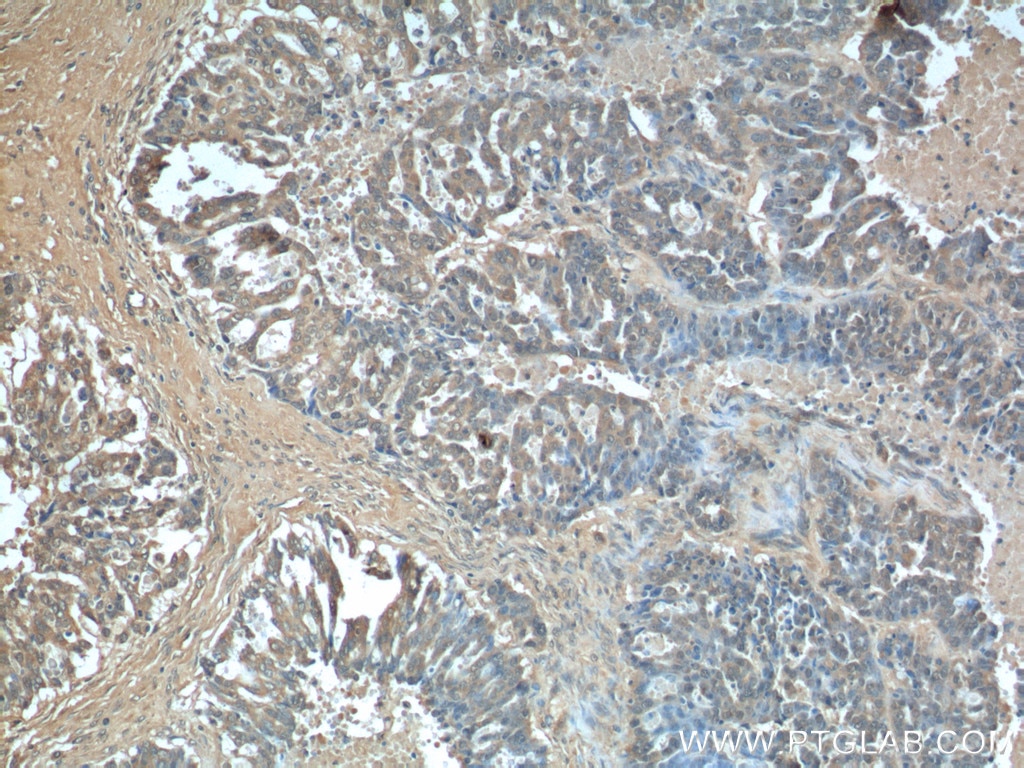
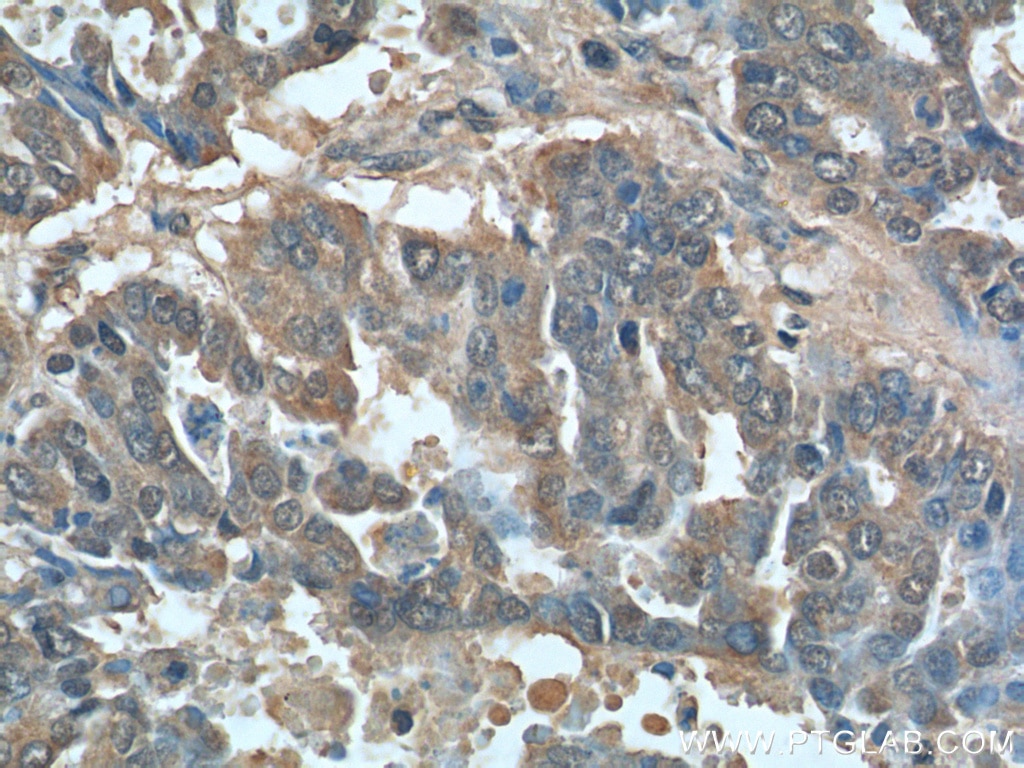
| Positive IHC detected in | human ovary cancer tissue, human liver cancer tissue, human ovary tumor tissue Note: suggested antigen retrieval with TE buffer pH 9.0; (*) Alternatively, antigen retrieval may be performed with citrate buffer pH 6.0 |
Recommended dilution
| Application | Dilution |
|---|---|
| Western Blot (WB) | WB : 1:2000-1:10000 |
| Immunoprecipitation (IP) | IP : 0.5-4.0 ug for 1.0-3.0 mg of total protein lysate |
| Immunohistochemistry (IHC) | IHC : 1:250-1:1000 |
| It is recommended that this reagent should be titrated in each testing system to obtain optimal results. | |
| Sample-dependent, Check data in validation data gallery. | |
Product Information
14550-1-AP targets AFP in WB, IHC, IF, IP, CoIP, ELISA applications and shows reactivity with human samples.
| Tested Reactivity | human |
| Cited Reactivity | human, chicken, goat |
| Host / Isotype | Rabbit / IgG |
| Class | Polyclonal |
| Type | Antibody |
| Immunogen |
CatNo: Ag6089 Product name: Recombinant human AFP protein Source: e coli.-derived, PET28a Tag: 6*His Domain: 260-609 aa of BC027881 Sequence: LDVAHVHEHCCRGDVLDCLQDGEKIMSYICSQQDTLSNKITECCKLTTLERGQCIIHAENDEKPEGLSPNLNRFLGDRDFNQFSSGEKNIFLASFVHEYSRRHPQLAVSVILRVAKGYQELLEKCFQTENPLECQDKGEEELQKYIQESQALAKRSCGLFQKLGEYYLQNAFLVAYTKKAPQLTSSELMAITRKMAATAATCCQLSEDKLLACGEGAADIIIGHLCIRHEMTPVNPGVGQCCTSSYANRRPCFSSLVVDETYVPPAFSDDKFIFHKDLCQAQGVALQTMKQEFLINLVKQKPQITEEQLEAVIADFSGLLEKCCQGQEQEVCFAEEGQKLISKTRAALGV Predict reactive species |
| Full Name | alpha-fetoprotein |
| Calculated Molecular Weight | 69 kDa |
| Observed Molecular Weight | 68-72 kDa |
| GenBank Accession Number | BC027881 |
| Gene Symbol | AFP |
| Gene ID (NCBI) | 174 |
| RRID | AB_2223933 |
| Conjugate | Unconjugated |
| Form | Liquid |
| Purification Method | Antigen affinity purification |
| UNIPROT ID | P02771 |
| Storage Buffer | PBS with 0.02% sodium azide and 50% glycerol, pH 7.3. |
| Storage Conditions | Store at -20°C. Stable for one year after shipment. Aliquoting is unnecessary for -20oC storage. 20ul sizes contain 0.1% BSA. |
Background Information
AFP (Alpha-fetoprotein) is a major plasma protein in the fetus and its concentration is very low in the adult (PMID:24120489). AFP can be detected at abnormally high concentrations in hepatocellular carcinomas as well as in the plasma and ascitic fluid of adults with hepatoma, indicating that AFP can serve as a tumor marker (PMID: 18669658). AFP is also a glycosylated protein and based on its binding capability to lectin Lens Culinaris Agglutinin (LCA), and total AFP can be separated into three different glycoforms, AFP-L1, AFP-L2, and AFP-L3. Core-fucosylated form of AFP (AFP-L3) is a more specific indicator than total AFP for HCC (PMID: 33128033, 35458505)
Protocols
| Product Specific Protocols | |
|---|---|
| IHC protocol for AFP antibody 14550-1-AP | Download protocol |
| IP protocol for AFP antibody 14550-1-AP | Download protocol |
| WB protocol for AFP antibody 14550-1-AP | Download protocol |
| Standard Protocols | |
|---|---|
| Click here to view our Standard Protocols |
Publications
What published studies show
The AFP Polyclonal antibody (catalog number 14550-1-AP) has 172 citations. These appear across numerous journals, including high-impact titles such as Cancer Cell, Cell, Nature Communications, Nature Metabolism, Nature Cell Biology, Cell Reports, Cell Death & Disease, Journal of Clinical Investigation, Theranostics, and Stem Cell Research, among many others. The associated research fields are dominated by hepatocellular carcinoma and liver cancer biology, including tumor initiation, metastasis, and drug resistance, as well as liver fibrosis, hepatocarcinogenesis, and AFP-related signaling. A substantial portion also covers stem cell and iPSC research, including pluripotency, hepatic differentiation, and organoid studies.
| Species | Application | Title |
|---|---|---|
Cancer Cell Genomic and Transcriptomic Profiling of Combined Hepatocellular and Intrahepatic Cholangiocarcinoma Reveals Distinct Molecular Subtypes. | ||
Cell Res Glucose starvation mimetic aldometanib removes immune barriers permitting mice with hepatocellular carcinoma to live to normal ages. | ||
Nat Metab Fatty acid binding protein 5 suppression attenuates obesity-induced hepatocellular carcinoma by promoting ferroptosis and intratumoral immune rewiring | ||
Gut High-protein diets alleviate tumour growth and drug resistance by promoting AKT aggregation and turnover | ||












