

Tested Applications
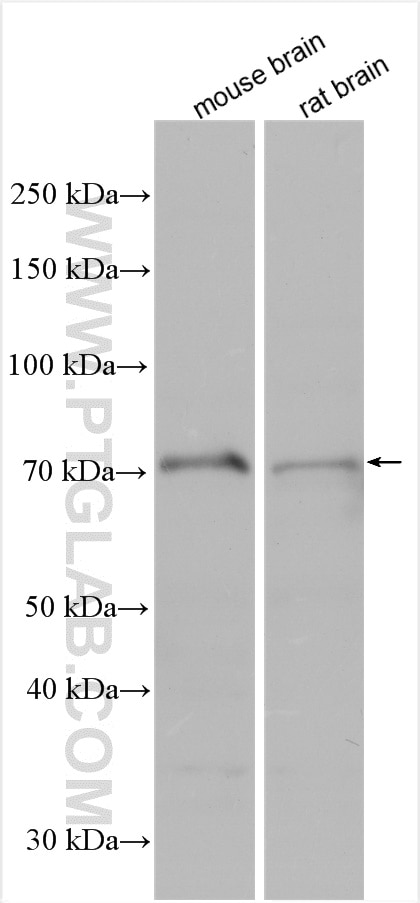
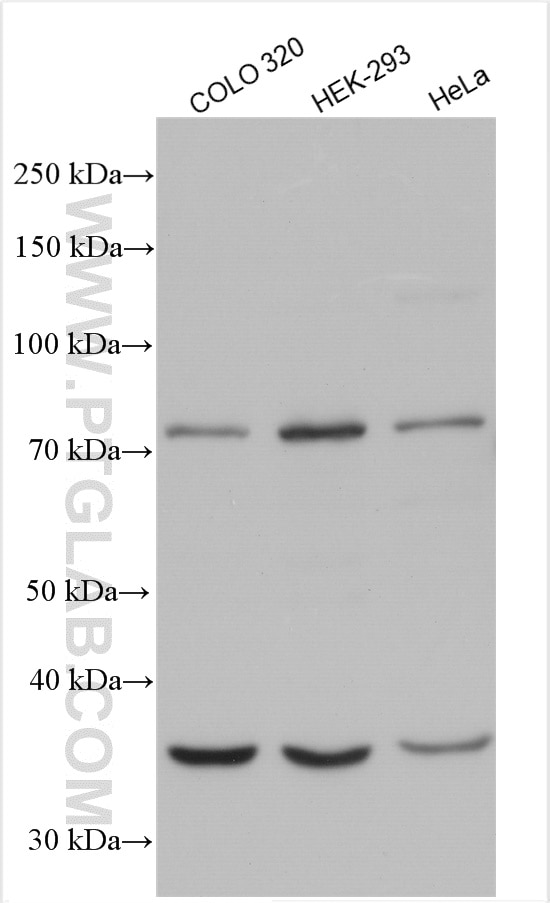
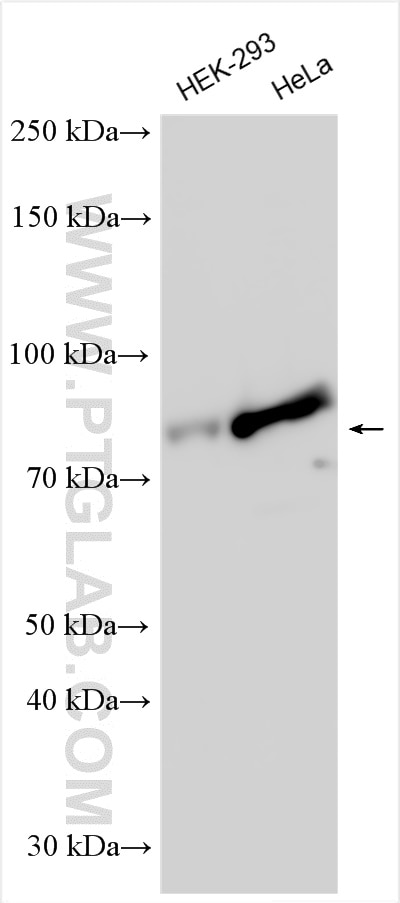
| Positive WB detected in | HEK-293 cells, mouse brain tissue, COLO 320 cells, rat brain tissue, HeLa cells |
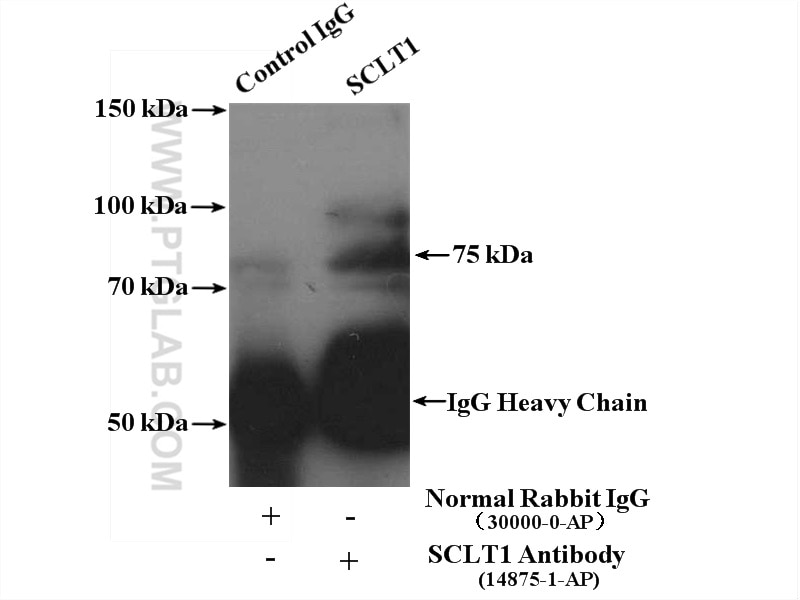
| Positive IP detected in | human placenta tissue |
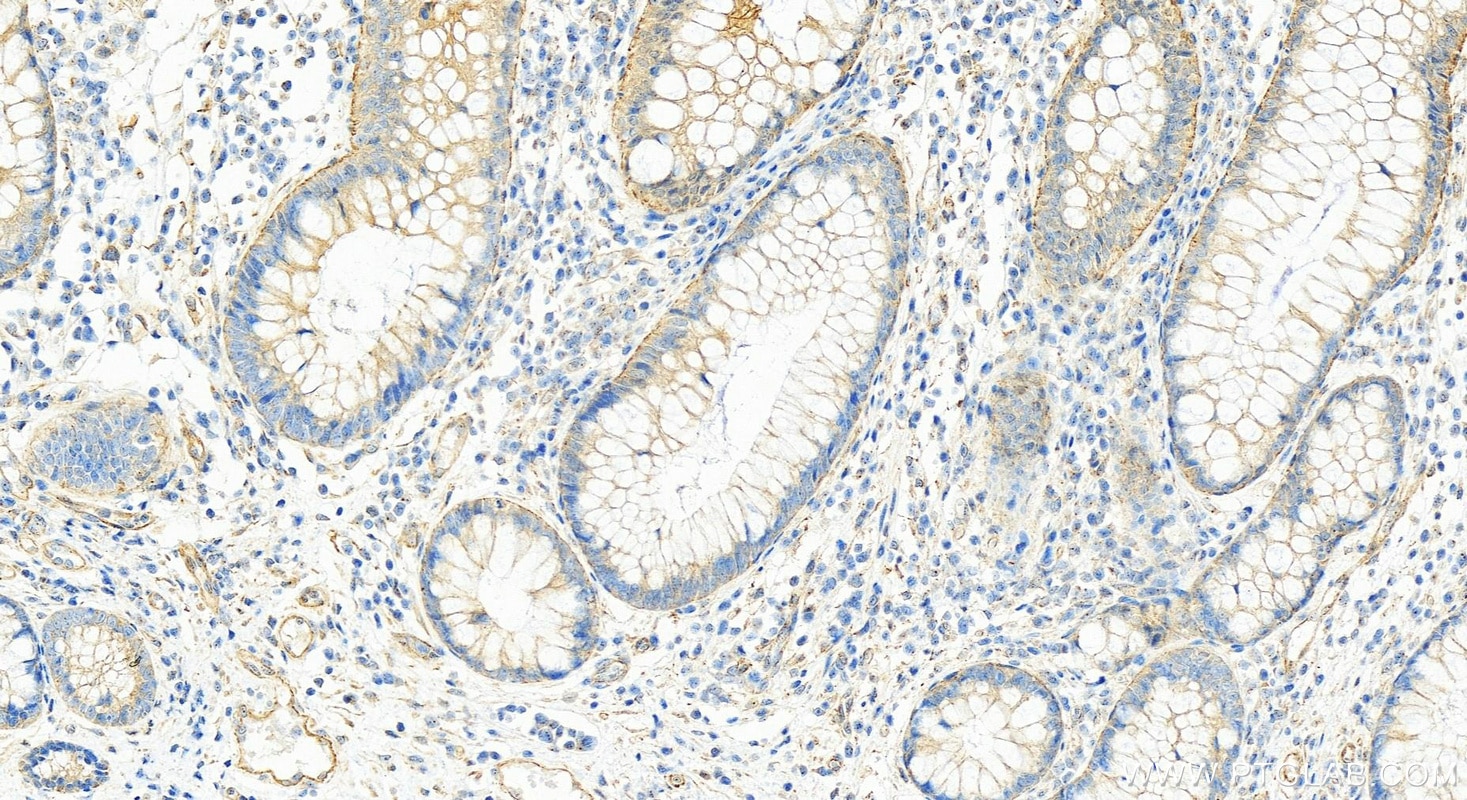
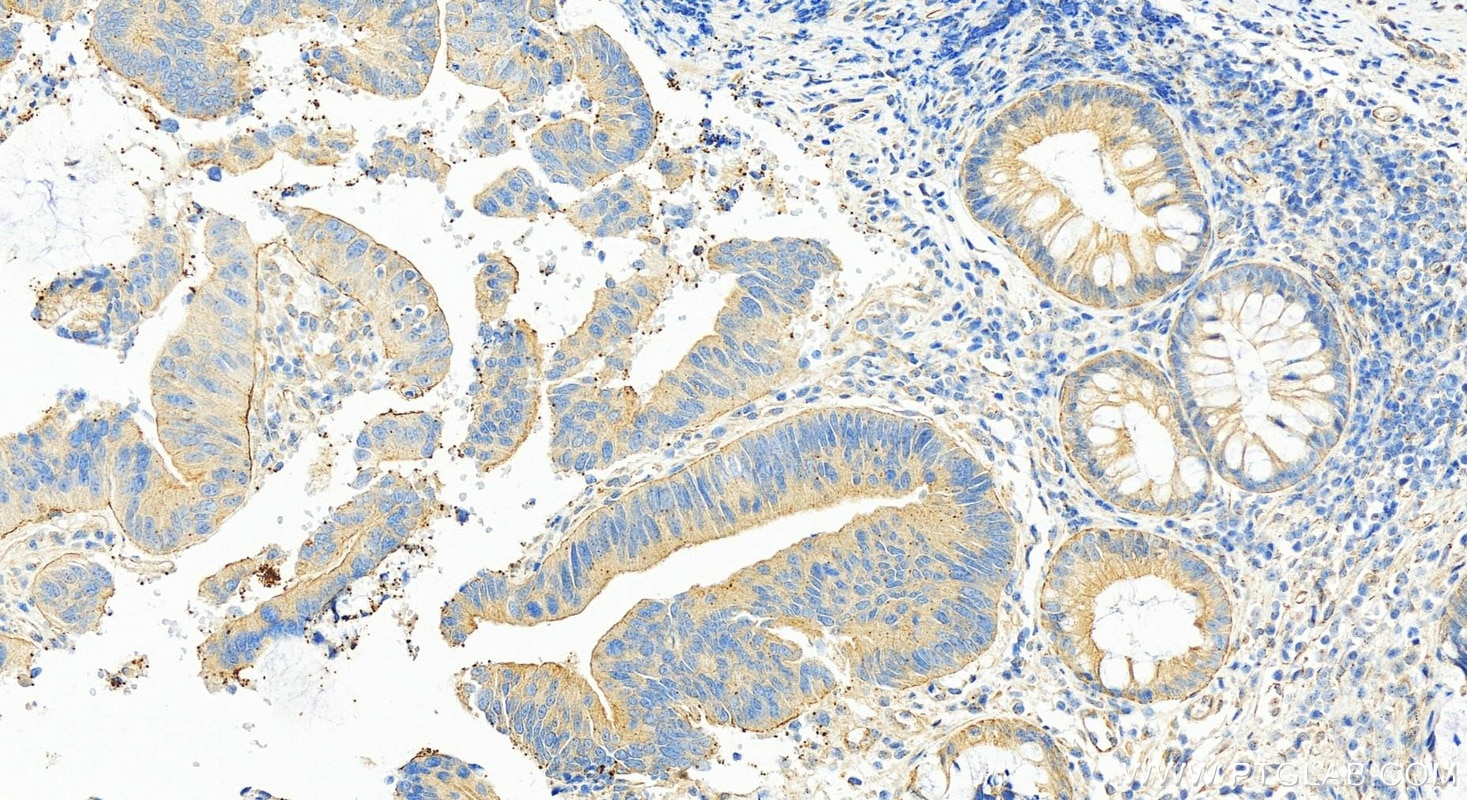
| Positive IHC detected in | human colon cancer tissue Note: suggested antigen retrieval with TE buffer pH 9.0; (*) Alternatively, antigen retrieval may be performed with citrate buffer pH 6.0 |
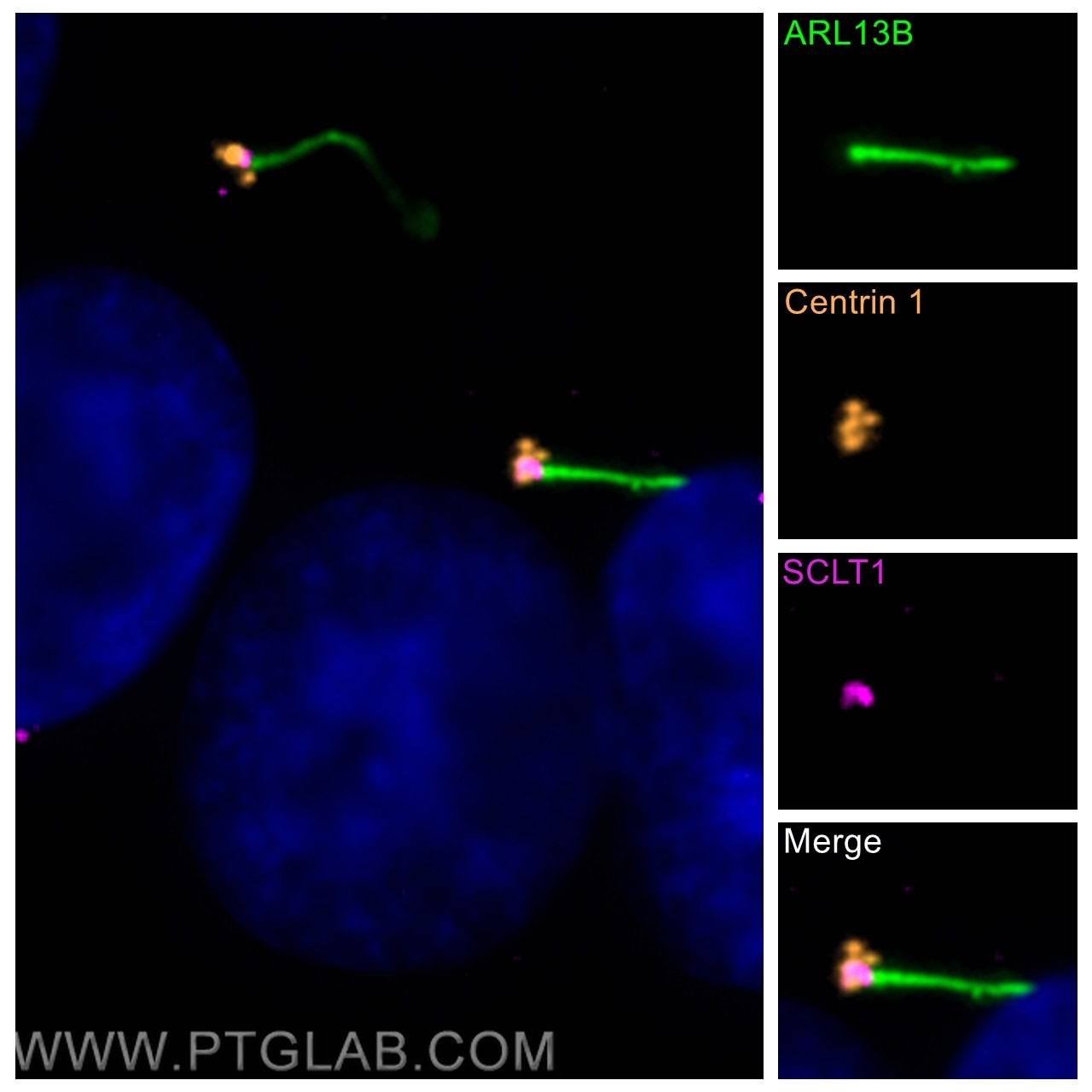
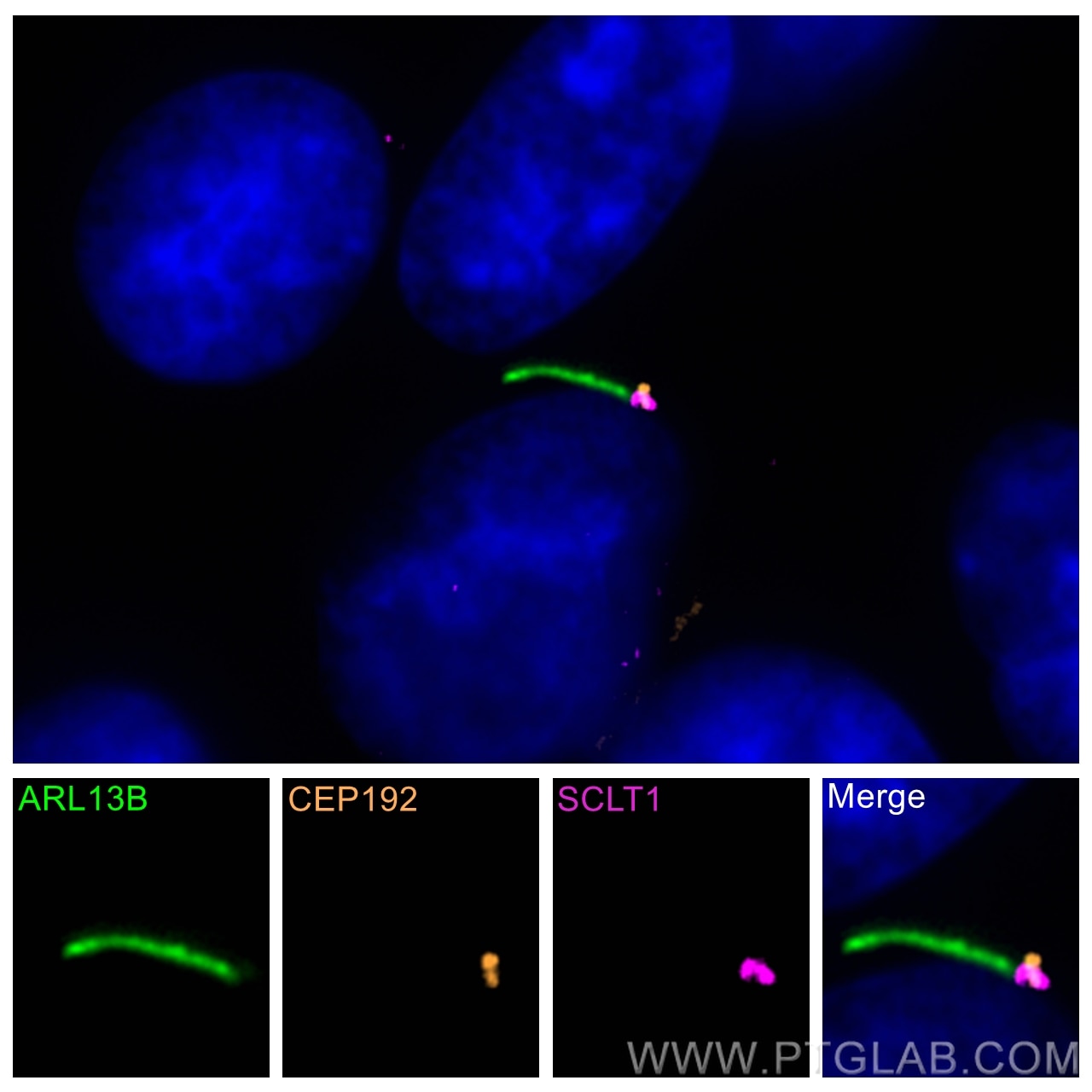
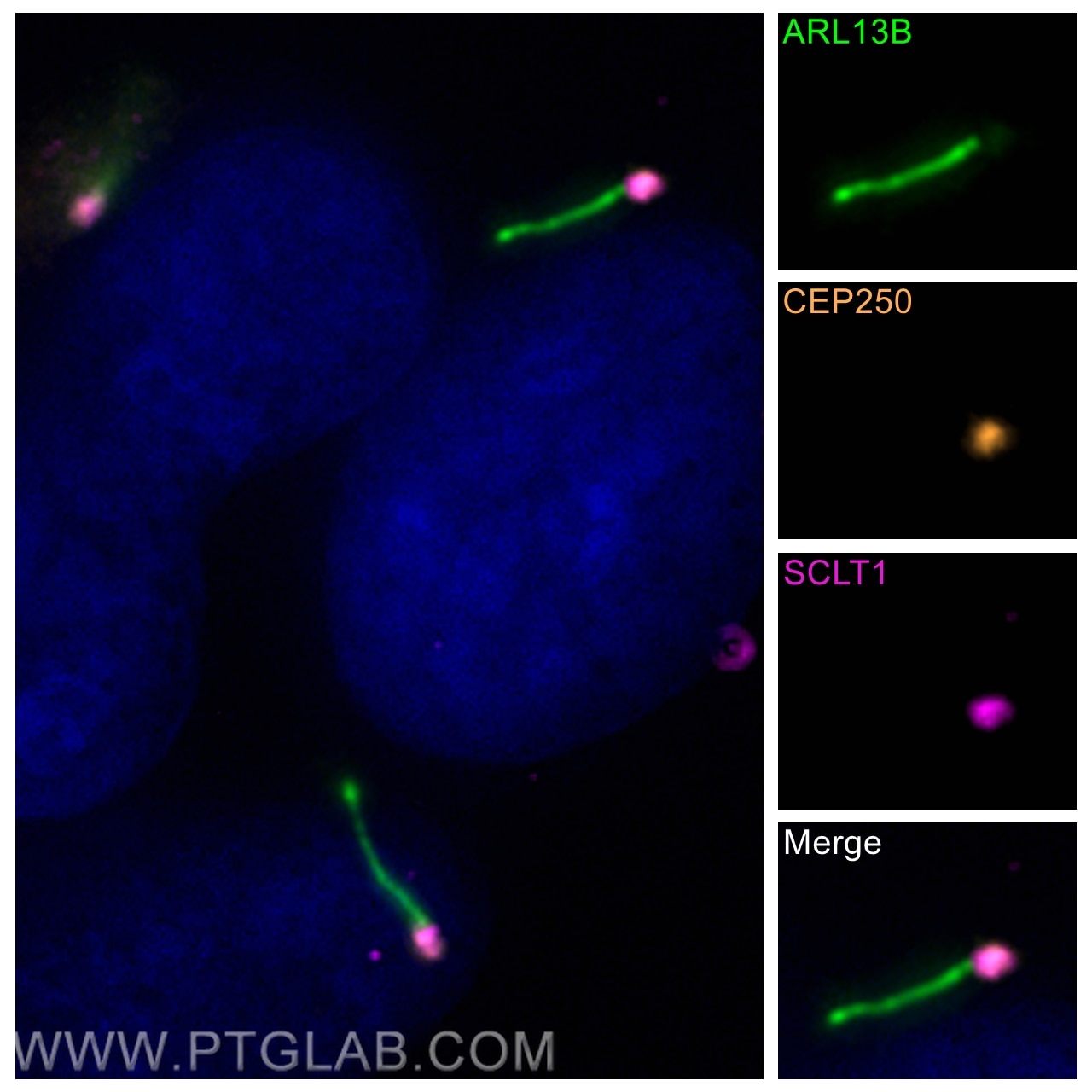
| Positive IF/ICC detected in | hTERT-RPE1 cells |
Recommended dilution
| Application | Dilution |
|---|---|
| Western Blot (WB) | WB : 1:1000-1:6000 |
| Immunoprecipitation (IP) | IP : 0.5-4.0 ug for 1.0-3.0 mg of total protein lysate |
| Immunohistochemistry (IHC) | IHC : 1:600-1:2400 |
| Immunofluorescence (IF)/ICC | IF/ICC : 1:300-1:1200 |
| It is recommended that this reagent should be titrated in each testing system to obtain optimal results. | |
| Sample-dependent, Check data in validation data gallery. | |
Product Information
14875-1-AP targets SCLT1 in WB, IHC, IF/ICC, IP, ELISA applications and shows reactivity with human, mouse, rat samples.
| Tested Reactivity | human, mouse, rat |
| Cited Reactivity | human, mouse |
| Host / Isotype | Rabbit / IgG |
| Class | Polyclonal |
| Type | Antibody |
| Immunogen |
CatNo: Ag6646 Product name: Recombinant human SCLT1 protein Source: e coli.-derived, PGEX-4T Tag: GST Domain: 1-79 aa of BC064428 Sequence: MAAEIDFLREQNRRLNEDFRRYQMESFSKYSSVQKAVCQGEGDDTFENLVFDQSFLAPLVTEYDKHLGELNGQLKYYQA Predict reactive species |
| Full Name | sodium channel and clathrin linker 1 |
| Calculated Molecular Weight | 81 kDa |
| Observed Molecular Weight | 36 kDa,75-80 kDa |
| GenBank Accession Number | BC064428 |
| Gene Symbol | SCLT1 |
| Gene ID (NCBI) | 132320 |
| RRID | AB_2183691 |
| Conjugate | Unconjugated |
| Form | Liquid |
| Purification Method | Antigen affinity purification |
| UNIPROT ID | Q96NL6 |
| Storage Buffer | PBS with 0.02% sodium azide and 50% glycerol, pH 7.3. |
| Storage Conditions | Store at -20°C. Stable for one year after shipment. Aliquoting is unnecessary for -20oC storage. 20ul sizes contain 0.1% BSA. |
Protocols
| Product Specific Protocols | |
|---|---|
| IF protocol for SCLT1 antibody 14875-1-AP | Download protocol |
| IHC protocol for SCLT1 antibody 14875-1-AP | Download protocol |
| IP protocol for SCLT1 antibody 14875-1-AP | Download protocol |
| WB protocol for SCLT1 antibody 14875-1-AP | Download protocol |
| Standard Protocols | |
|---|---|
| Click here to view our Standard Protocols |
Publications
What published studies show
The SCLT1 Polyclonal antibody (Cat# 14875-1-AP) has accumulated 13 citations published in high-impact journals including Nature Communications, Advanced Science, Science Advances, Developmental Cell, Cell Reports, Journal of Cell Biology, eLife, Genomics Proteomics Bioinformatics, and Life Science Alliance. Associated research fields encompass ciliogenesis, ciliary intraflagellar transport, phase separation, cellular senescence, photoreceptor connecting cilia disassembly, non-small cell lung cancer resistance, and Mendelian orofacial cleft genetics.
| Species | Application | Title |
|---|---|---|
Nat Commun Phosphatidylinositol phosphate kinase PIPKIγ and phosphatase INPP5E coordinate initiation of ciliogenesis. | ||
Nat Commun TALPID3 and ANKRD26 selectively orchestrate FBF1 localization and cilia gating. | ||
Adv Sci (Weinh) The ARPKD Protein DZIP1L Regulates Ciliary Protein Entry by Modulating the Architecture and Function of Ciliary Transition Fibers | ||
Sci Adv Ciliopathy protein HYLS1 coordinates the biogenesis and signaling of primary cilia by activating the ciliary lipid kinase PIPKIγ. | ||
Dev Cell ASK1-Mediated Phosphorylation Blocks HDAC6 Ubiquitination and Degradation to Drive the Disassembly of Photoreceptor Connecting Cilia. |










