

Tested Applications
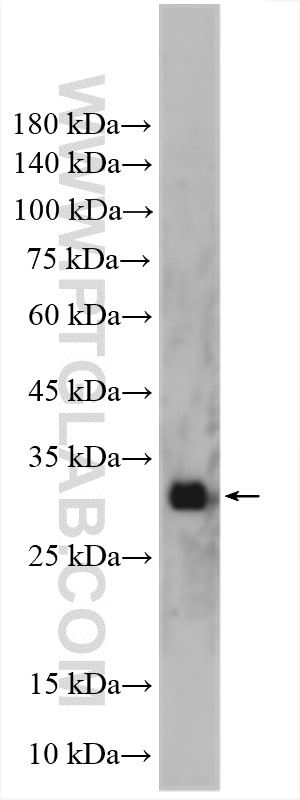
| Positive WB detected in | mouse bladder tissue |
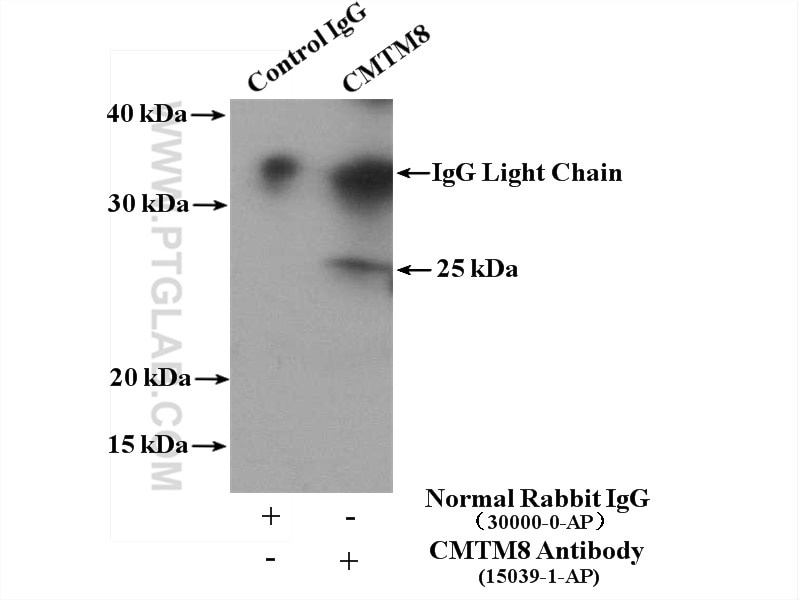
| Positive IP detected in | mouse liver tissue |
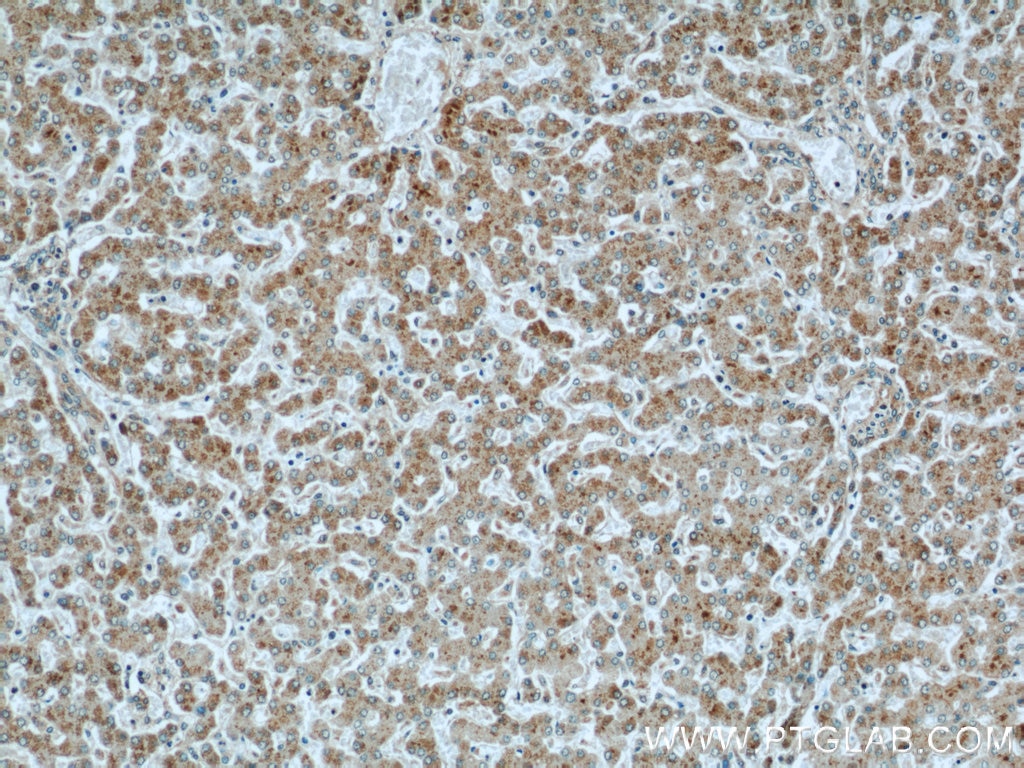
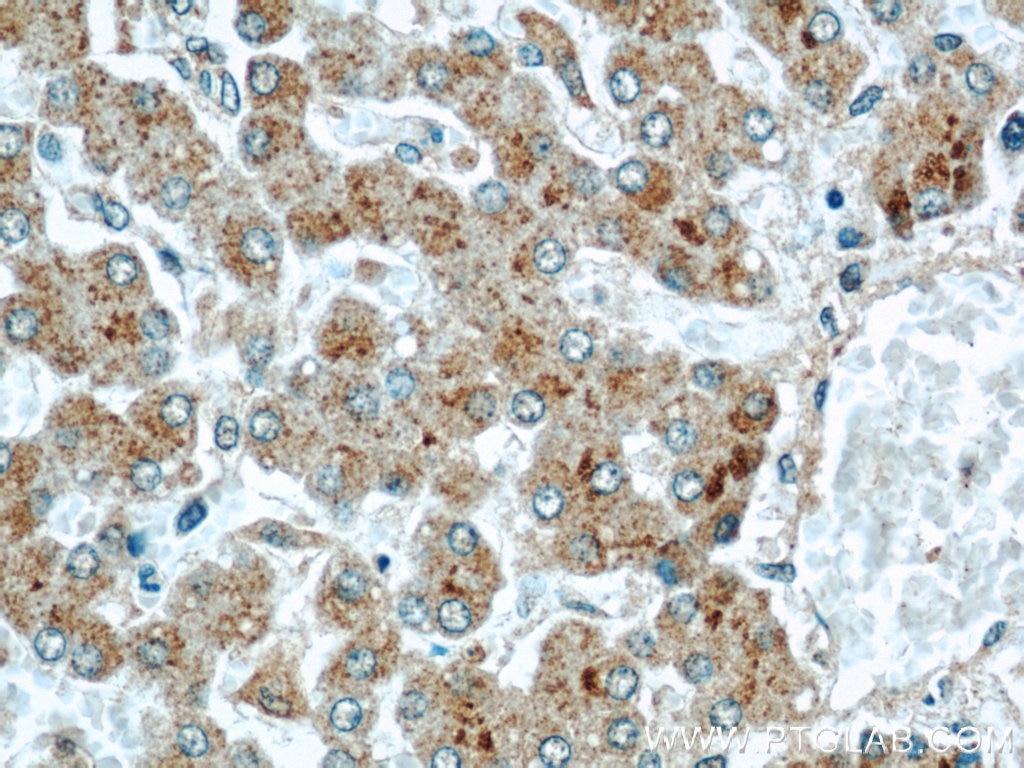
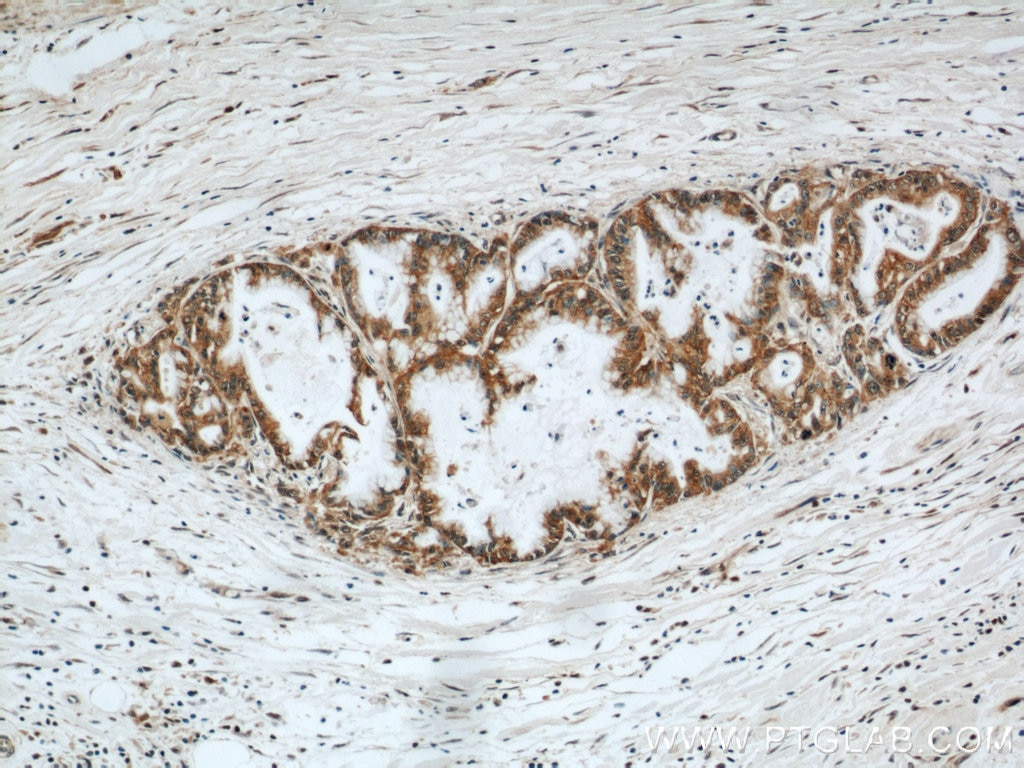
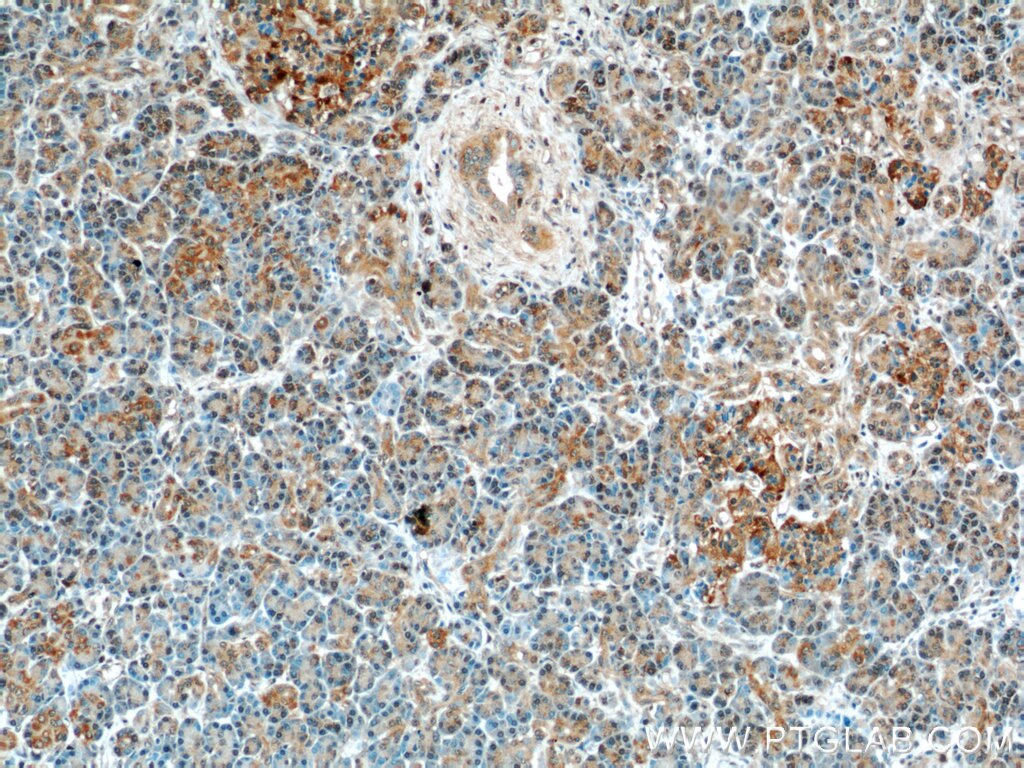
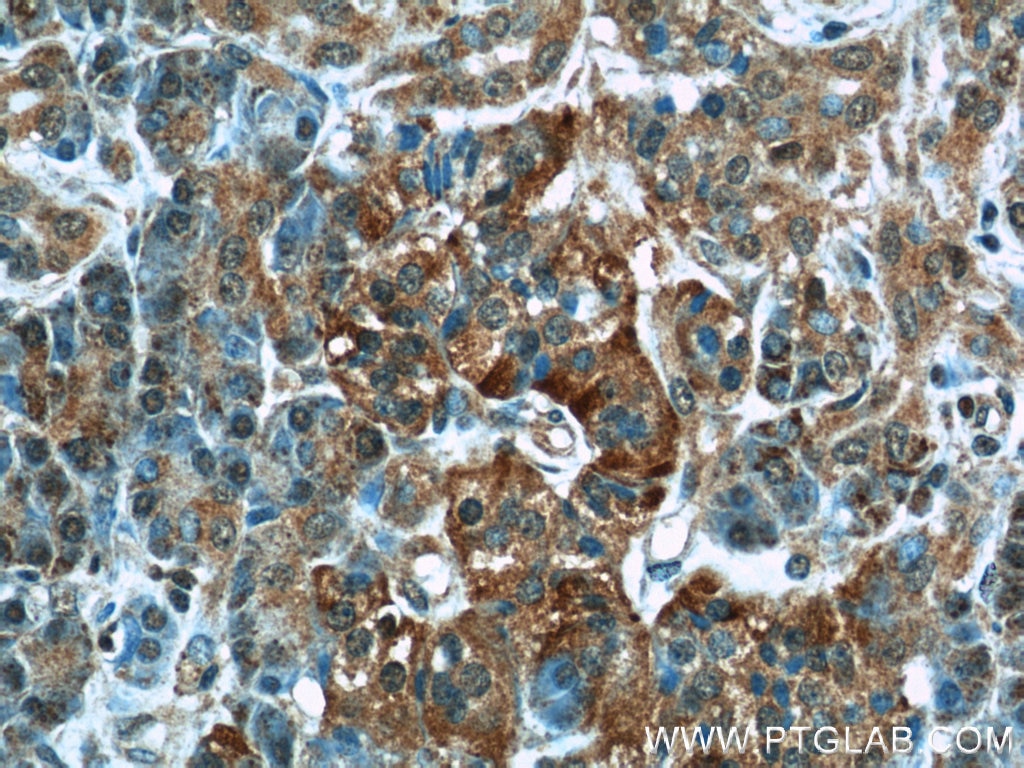
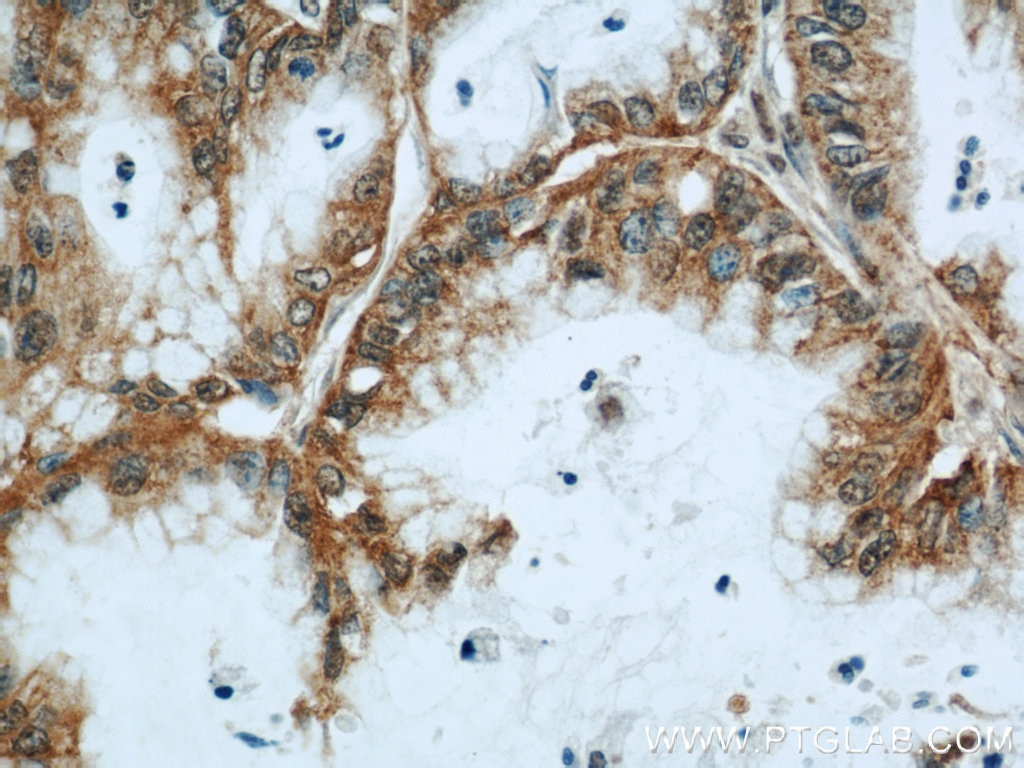
| Positive IHC detected in | human liver tissue, human pancreas tissue, human pancreas cancer tissue Note: suggested antigen retrieval with TE buffer pH 9.0; (*) Alternatively, antigen retrieval may be performed with citrate buffer pH 6.0 |
Recommended dilution
| Application | Dilution |
|---|---|
| Western Blot (WB) | WB : 1:500-1:2000 |
| Immunoprecipitation (IP) | IP : 0.5-4.0 ug for 1.0-3.0 mg of total protein lysate |
| Immunohistochemistry (IHC) | IHC : 1:20-1:200 |
| It is recommended that this reagent should be titrated in each testing system to obtain optimal results. | |
| Sample-dependent, Check data in validation data gallery. | |
Product Information
15039-1-AP targets CMTM8 in WB, IHC, IP, ELISA applications and shows reactivity with human, mouse samples.
| Tested Reactivity | human, mouse |
| Cited Reactivity | human, mouse |
| Host / Isotype | Rabbit / IgG |
| Class | Polyclonal |
| Type | Antibody |
| Immunogen |
CatNo: Ag6776 Product name: Recombinant human CMTM8 protein Source: e coli.-derived, PGEX-4T Tag: GST Domain: 1-173 aa of BC041390 Sequence: MEEPQRARSHTVTTTASSFAENFSTSSSSFAYDREFLRTLHGFLIVAEIVLGLLVWTLIAGTEYFRVPAFGWVMFVAVSYWVLTVFFLIIYITMTYTRIPQVPWTTVGLCFNGSAFVLYLSAAVVDASSVSPERDSHNFNSWAASSFFAFLVTICYAGNTYFSFIAWRSRTIQ Predict reactive species |
| Full Name | CKLF-like MARVEL transmembrane domain containing 8 |
| Calculated Molecular Weight | 20 kDa |
| Observed Molecular Weight | 25-28 kDa |
| GenBank Accession Number | BC041390 |
| Gene Symbol | CMTM8 |
| Gene ID (NCBI) | 152189 |
| RRID | AB_10949191 |
| Conjugate | Unconjugated |
| Form | Liquid |
| Purification Method | Antigen affinity purification |
| UNIPROT ID | Q8IZV2 |
| Storage Buffer | PBS with 0.02% sodium azide and 50% glycerol, pH 7.3. |
| Storage Conditions | Store at -20°C. Stable for one year after shipment. Aliquoting is unnecessary for -20oC storage. 20ul sizes contain 0.1% BSA. |
Background Information
CMTM8, also known as CKLFSF8, is a member of the chemokine-like factor superfamily (CKLFSF). Proteins of this family share similarity with both the chemokine and the transmembrane 4 superfamilies. CMTM8 is an attenuator of EGF-induced signaling (PMID: 16263120). Overexpression of CMTM8 accelerates ligand-induced clearance of EGFR from the cell surface and induces apoptosis via caspase-dependent and -independent pathways (PMID: 17149703). An alternative splice form of CMTM8, CMTM8-v2, arises from a deletion of exon 2. CMTM8-v2 maintains the ability to induce apoptosis (PMID: 17681841).
Protocols
| Product Specific Protocols | |
|---|---|
| IHC protocol for CMTM8 antibody 15039-1-AP | Download protocol |
| IP protocol for CMTM8 antibody 15039-1-AP | Download protocol |
| WB protocol for CMTM8 antibody 15039-1-AP | Download protocol |
| Standard Protocols | |
|---|---|
| Click here to view our Standard Protocols |
Publications
What published studies show
The antibody is CMTM8 (Cat# 15039-1-AP), with a total of 6 citations. These appear in British Journal of Pharmacology, Cancers, Oncology Reports, BMC Gastroenterology, DNA and Cell Biology, and Bioengineered. Research fields span tumor immune escape via Notch signaling, cancer biomarker identification, bladder cancer progression, EMT-related prognostic markers in colon cancer, gastric cancer prognosis, and triple-negative breast cancer invasion and metastasis. Applications include WB and IHC in both human and mouse samples.
| Species | Application | Title |
|---|---|---|
Br J Pharmacol CKLF-like MARVEL transmembrane domain-containing superfamily 8 (CMTM8) promotes Notch signalling to maintain CD8(+) T cell- and NK cell-dependent tumour immune escape.
| ||
Cancers (Basel) The MAL Family of Proteins: Normal Function, Expression in Cancer, and Potential Use as Cancer Biomarkers | ||
BMC Gastroenterol Identification and validation of EMT-immune-related prognostic biomarkers CDKN2A, CMTM8 and ILK in colon cancer. | ||
DNA Cell Biol Downregulated CMTM8 Correlates with Poor Prognosis in Gastric Cancer Patients. | ||
Bioengineered MicroRNA-582-5p promotes triple-negative breast cancer invasion and metastasis by antagonizing CMTM8 |









