

Tested Applications
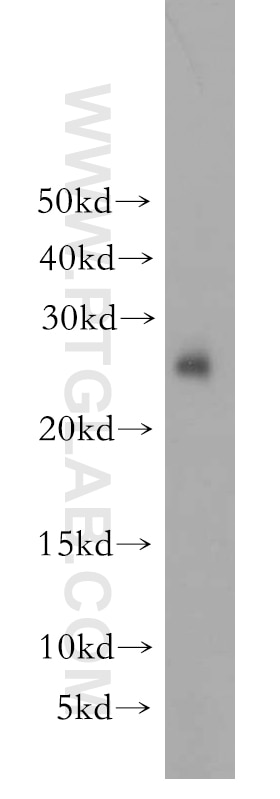
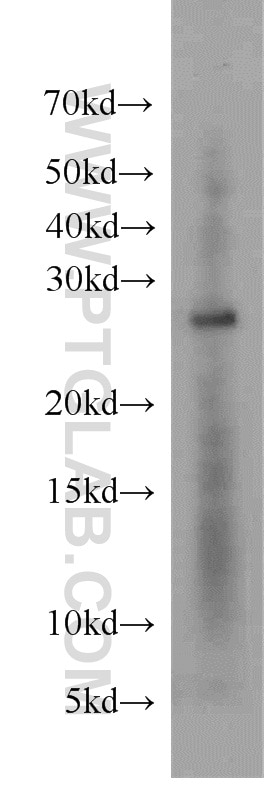
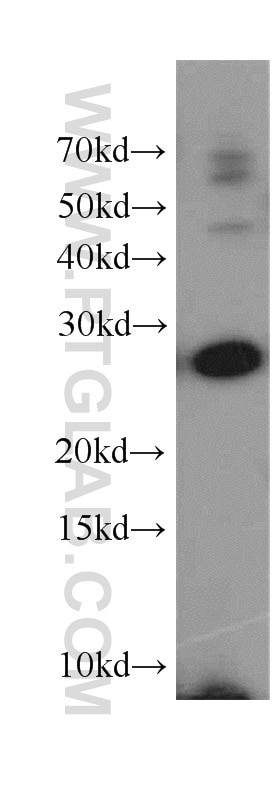
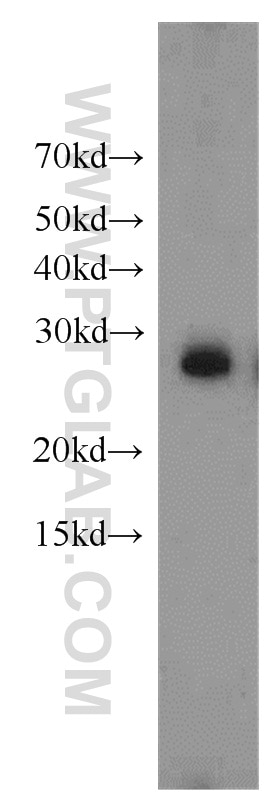
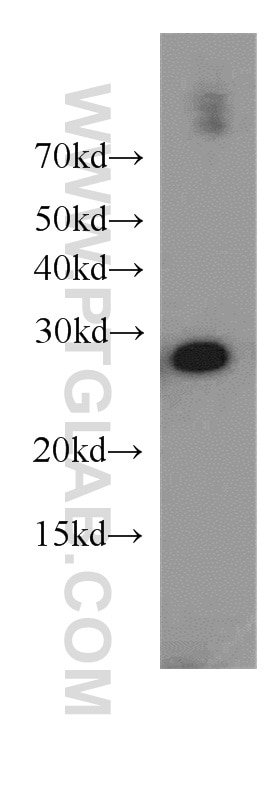
| Positive WB detected in | human brain tissue, A431 cells, mouse brain tissue, NIH/3T3 cells, Raji cells |
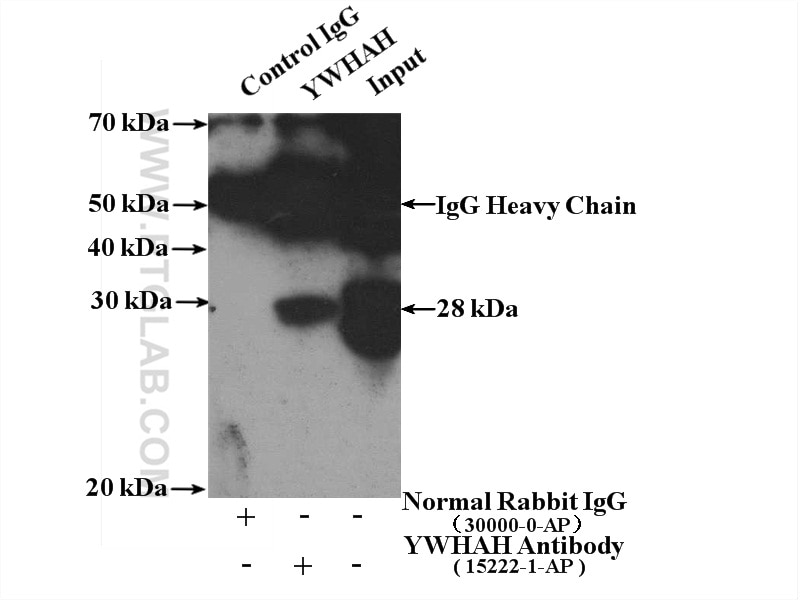
| Positive IP detected in | NIH/3T3 cells |
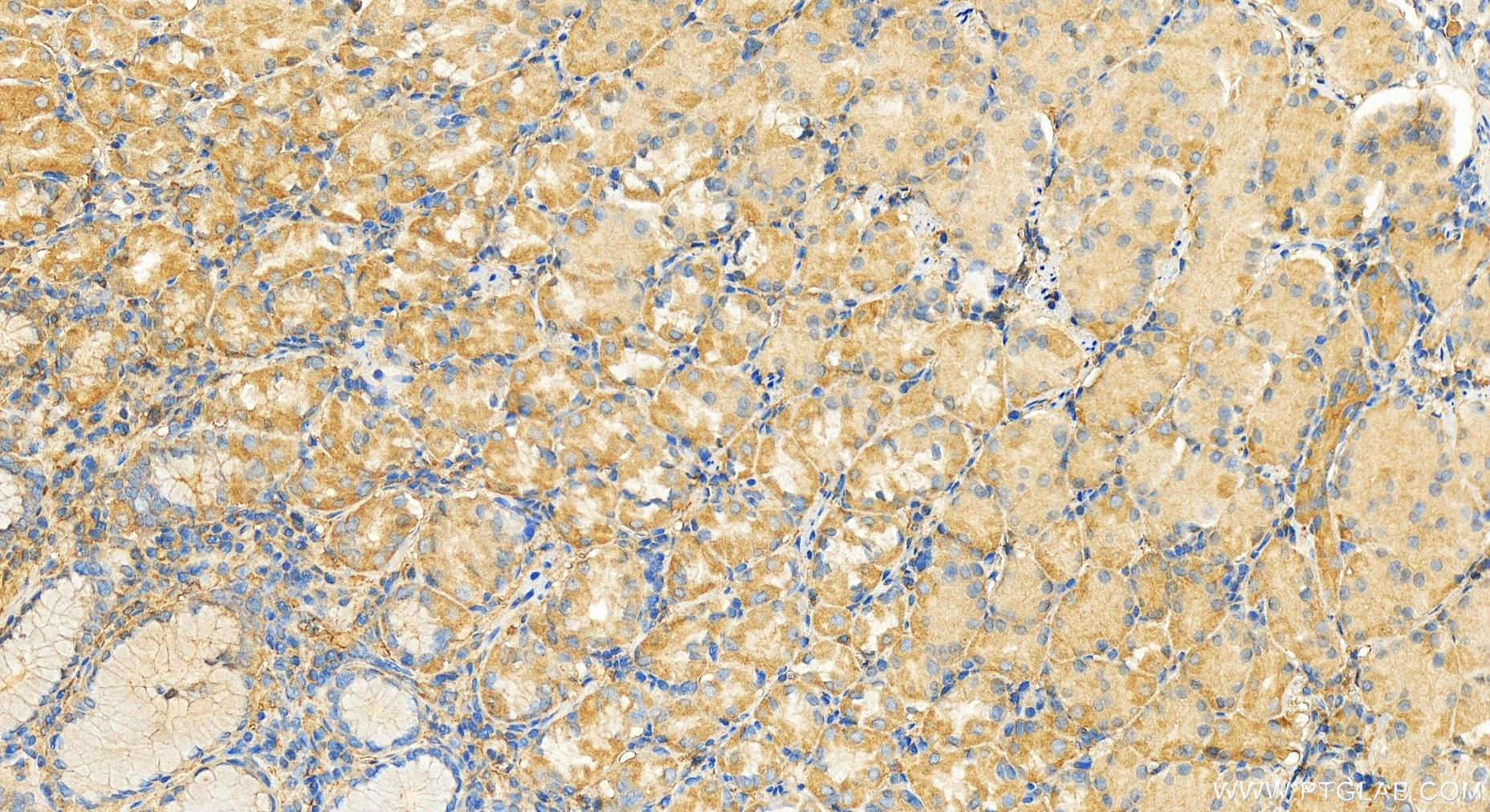
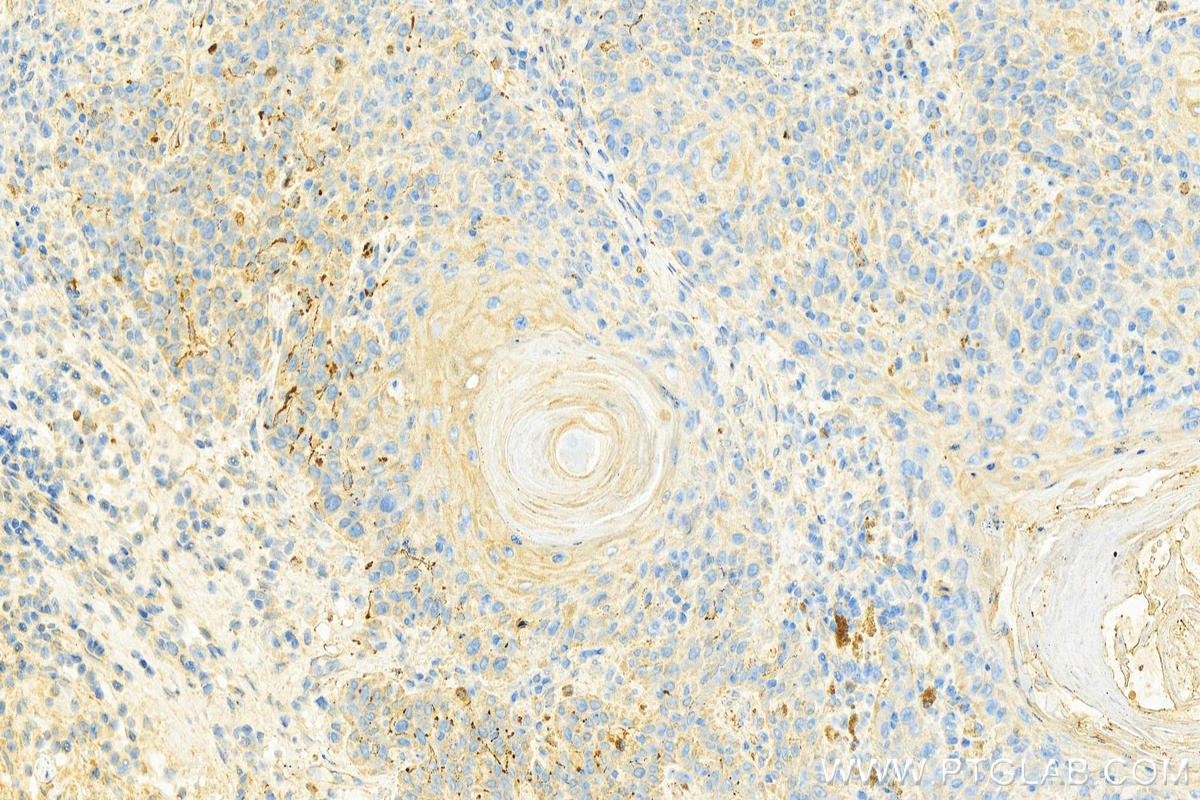
| Positive IHC detected in | human skin cancer tissue, human stomach tissue Note: suggested antigen retrieval with TE buffer pH 9.0; (*) Alternatively, antigen retrieval may be performed with citrate buffer pH 6.0 |
Recommended dilution
| Application | Dilution |
|---|---|
| Western Blot (WB) | WB : 1:500-1:2000 |
| Immunoprecipitation (IP) | IP : 0.5-4.0 ug for 1.0-3.0 mg of total protein lysate |
| Immunohistochemistry (IHC) | IHC : 1:50-1:500 |
| It is recommended that this reagent should be titrated in each testing system to obtain optimal results. | |
| Sample-dependent, Check data in validation data gallery. | |
Product Information
15222-1-AP targets YWHAH in WB, IHC, IF, IP, CoIP, RIP, ELISA applications and shows reactivity with human, mouse, rat samples.
| Tested Reactivity | human, mouse, rat |
| Cited Reactivity | human, mouse, rat |
| Host / Isotype | Rabbit / IgG |
| Class | Polyclonal |
| Type | Antibody |
| Immunogen |
CatNo: Ag7435 Product name: Recombinant human YWHAH protein Source: e coli.-derived, PGEX-4T Tag: GST Domain: 1-246 aa of BC003047 Sequence: MGDREQLLQRARLAEQAERYDDMASAMKAVTELNEPLSNEDRNLLSVAYKNVVGARRSSWRVISSIEQKTMADGNEKKLEKVKAYREKIEKELETVCNDVLSLLDKFLIKNCNDFQYESKVFYLKMKGDYYRYLAEVASGEKKNSVVEASEAAYKEAFEISKEQMQPTHPIRLGLALNFSVFYYEIQNAPEQACLLAKQAFDDAIAELDTLNEDSYKDSTLIMQLLRDNLTLWTSDQQDEEAGEGN Predict reactive species |
| Full Name | tyrosine 3-monooxygenase/tryptophan 5-monooxygenase activation protein, eta polypeptide |
| Calculated Molecular Weight | 28 kDa |
| Observed Molecular Weight | 28 kDa |
| GenBank Accession Number | BC003047 |
| Gene Symbol | YWHAH |
| Gene ID (NCBI) | 7533 |
| RRID | AB_10863119 |
| Conjugate | Unconjugated |
| Form | Liquid |
| Purification Method | Antigen affinity purification |
| UNIPROT ID | Q04917 |
| Storage Buffer | PBS with 0.02% sodium azide and 50% glycerol, pH 7.3. |
| Storage Conditions | Store at -20°C. Stable for one year after shipment. Aliquoting is unnecessary for -20oC storage. 20ul sizes contain 0.1% BSA. |
Background Information
YWHAH (also known as 14-3-3 eta) is a member of 14-3-3 proteins which were the first phosphoserine/phosphothreonine-binding proteins to be discovered. 14-3-3 family members interact with a wide spectrum of proteins and possess diverse functions. Mammals express seven distinct 14-3-3 isoforms (gamma, epsilon, beta, zeta, sigma, theta, tau) that form multiple homo- and hetero- dimmers. 14-3-3 proteins display the highest expression levels in the brain, and have been implicated in several neurodegenerative diseases, including Alzheimer's disease and amyotrophic lateral sclerosis. This antibody was raised against the full-length YWHAH.
Protocols
| Product Specific Protocols | |
|---|---|
| IF protocol for YWHAH antibody 15222-1-AP | Download protocol |
| IHC protocol for YWHAH antibody 15222-1-AP | Download protocol |
| IP protocol for YWHAH antibody 15222-1-AP | Download protocol |
| WB protocol for YWHAH antibody 15222-1-AP | Download protocol |
| Standard Protocols | |
|---|---|
| Click here to view our Standard Protocols |
Publications
What published studies show
The anti-14-3-3η antibody (Cat# 15222-1-AP) has 11 total citations. Citations appear in journals including Nature Communications, Journal of Experimental & Clinical Cancer Research, Phytomedicine, Journal of Hazardous Materials, Cell Reports, Cells, European Journal of Pharmacology, Frontiers in Cell and Developmental Biology, American Journal of Chinese Medicine, Cell Biology International, and Journal of Neurological Sciences. Research fields span oncology (hepatocellular carcinoma, glioblastoma, lymphoma), cardiovascular disease (myocardial ischemia/reperfusion injury), ferroptosis, bone homeostasis, hepatic steatosis, and neurodegeneration.
| Species | Application | Title |
|---|---|---|
J Exp Clin Cancer Res 14-3-3ζ inhibits heme oxygenase-1 (HO-1) degradation and promotes hepatocellular carcinoma proliferation: involvement of STAT3 signaling.
| ||
Phytomedicine Astragaloside IV mitigates myocardial ischemia/reperfusion injury by modulating the 14-3-3η/GPX4 axis, reducing mitochondrial dysfunction, ferroptosis, and apoptosis.
| ||
J Hazard Mater YTHDC2 mediated RNA m6A modification contributes to PM2.5-induced hepatic steatosis | ||
Am J Chin Med Puerarin Attenuates Myocardial Ischemia-Reperfusion Damage by Targeting Ferroptosis through 14-3-3η Modulation | ||
Reviews
What customers say
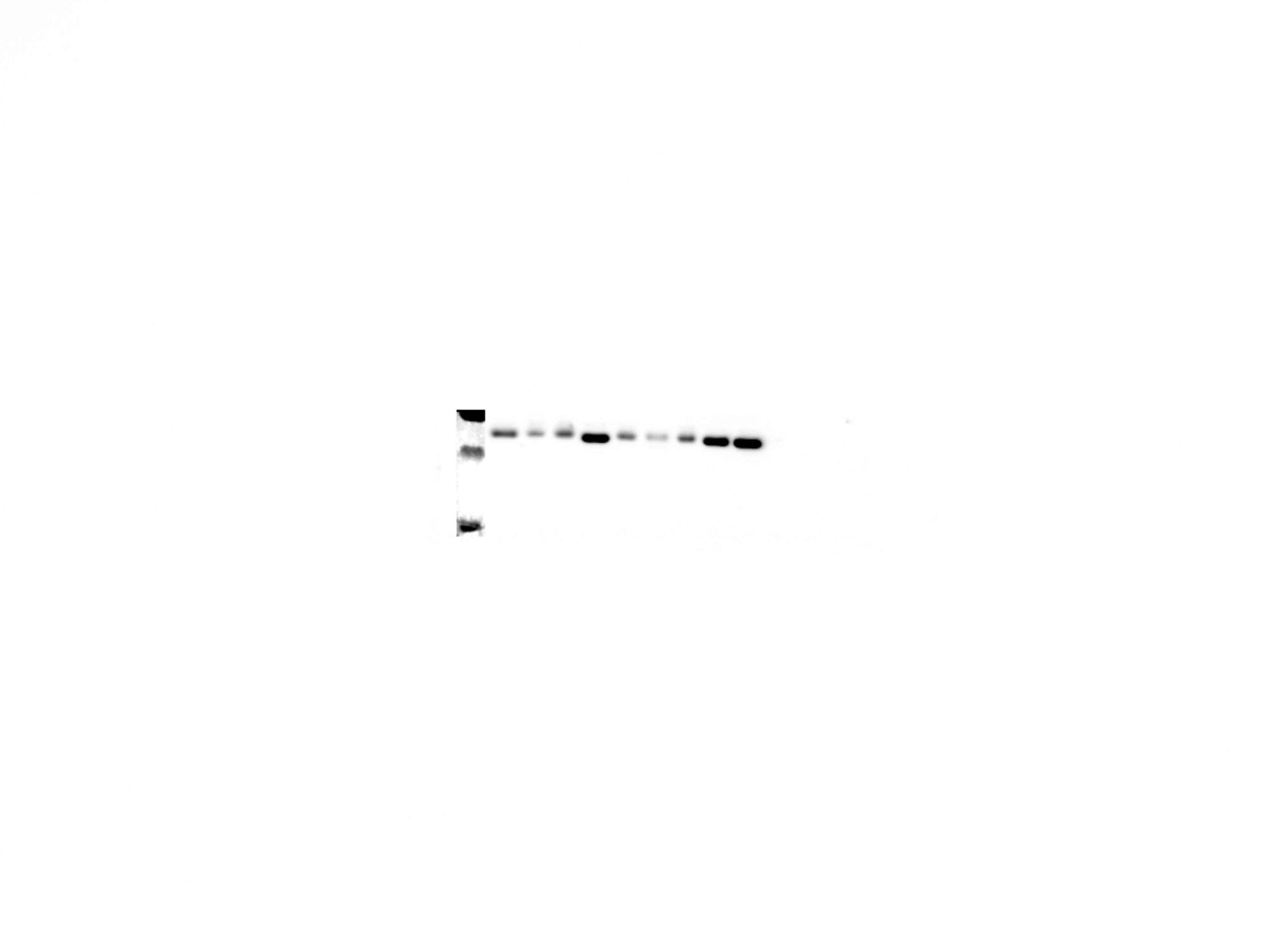
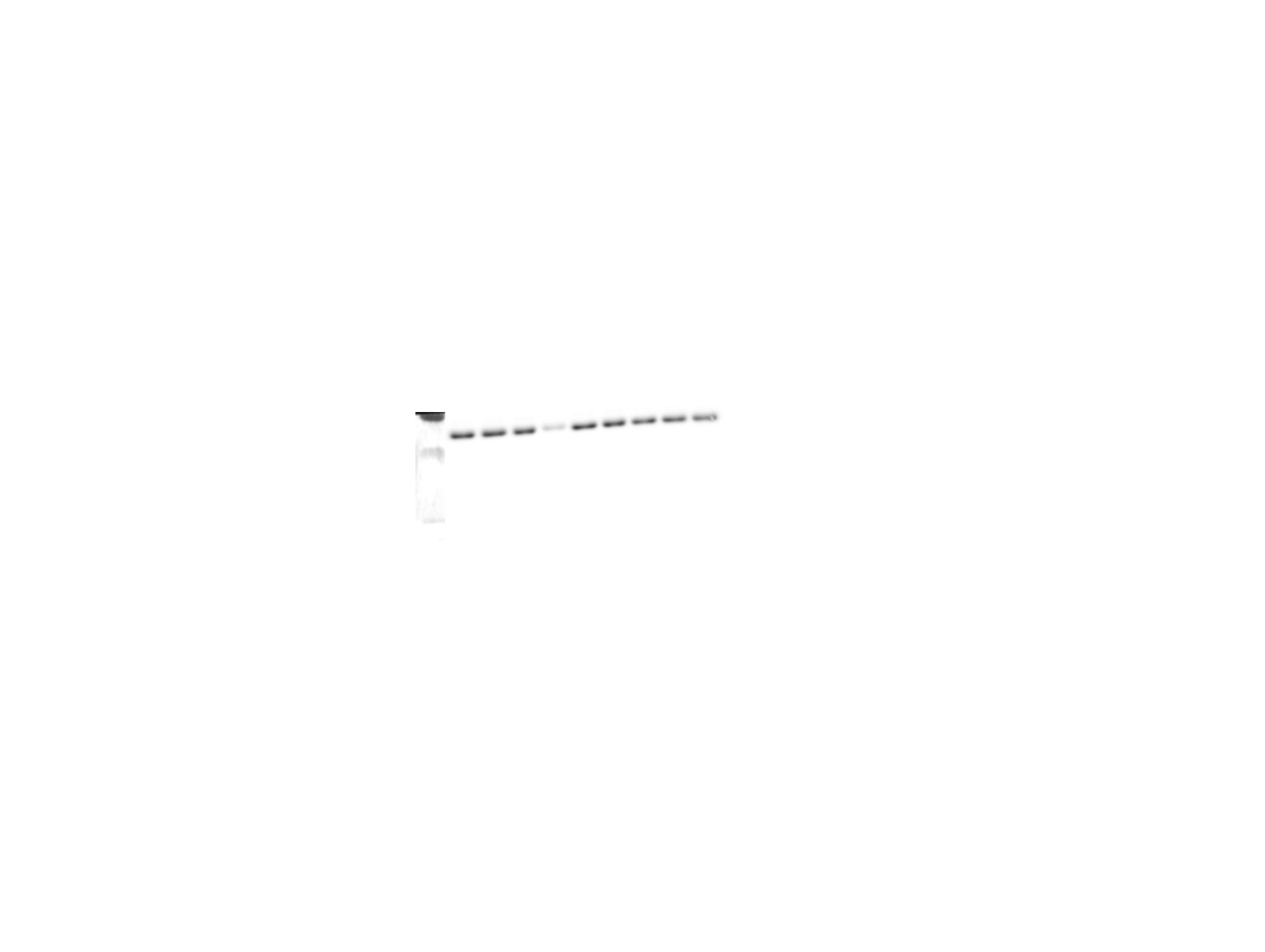
Both reviewers (the same user) gave this antibody a perfect 5-star rating for Western Blot applications on extracellular vesicles from rat brain. One review at 1:2000 dilution described it as a "very expressive antibody" on BDEVs, while the other at 1:1000 noted it "works extremely well on hard to develop samples." Overall, users report strong performance and high signal quality, particularly with challenging EV samples.
The reviews below have been submitted by verified Proteintech customers who received an incentive for providing their feedback.
Vicki (Verified Customer) (01-13-2023) | Very expressive antibody used on BDEVs
 |
Vicki (Verified Customer) (09-12-2022) | Works extremely well on hard to develop samples
 |









