
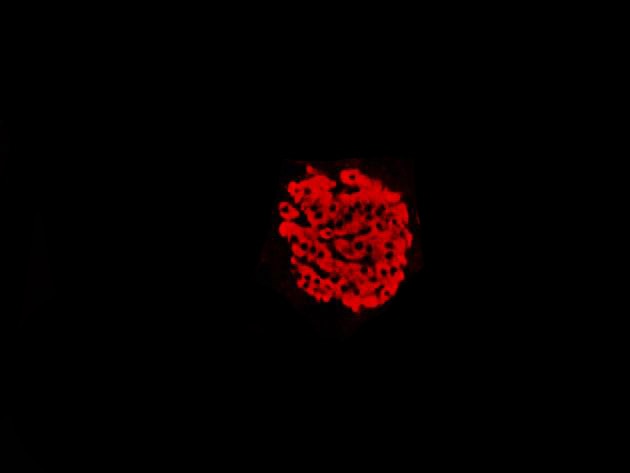

Tested Applications
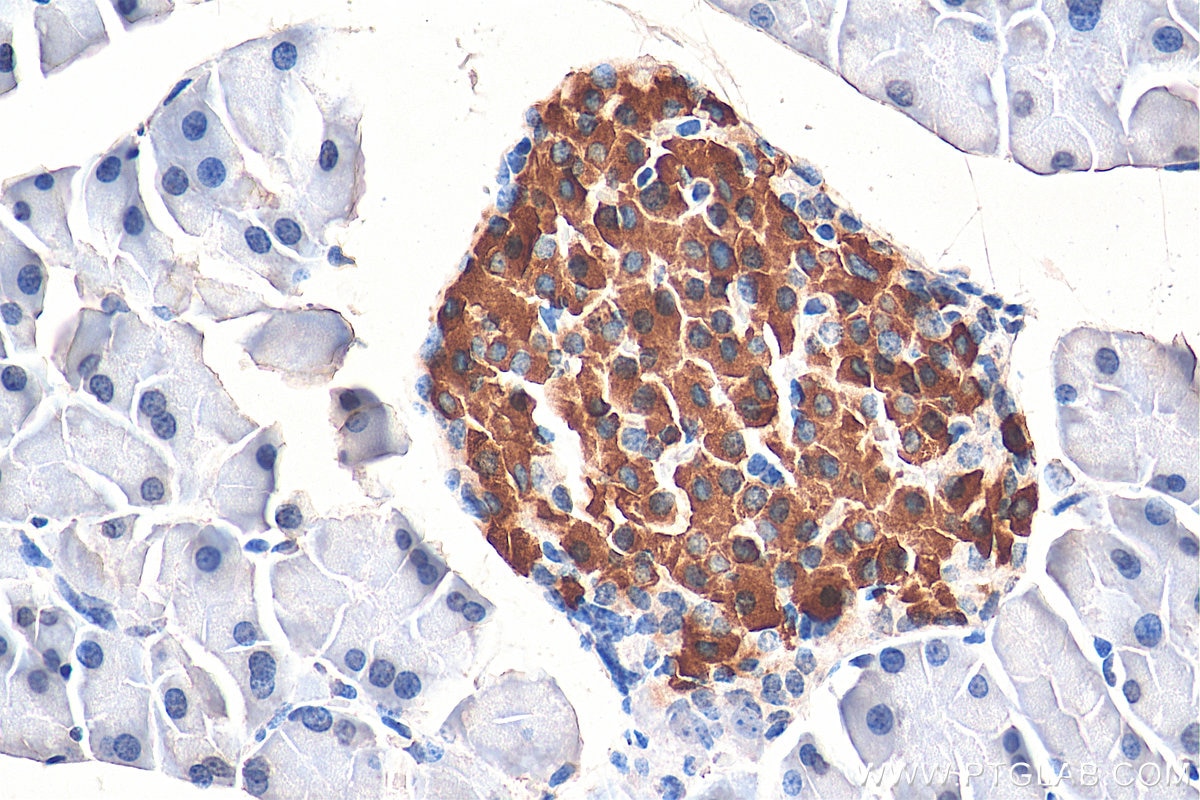
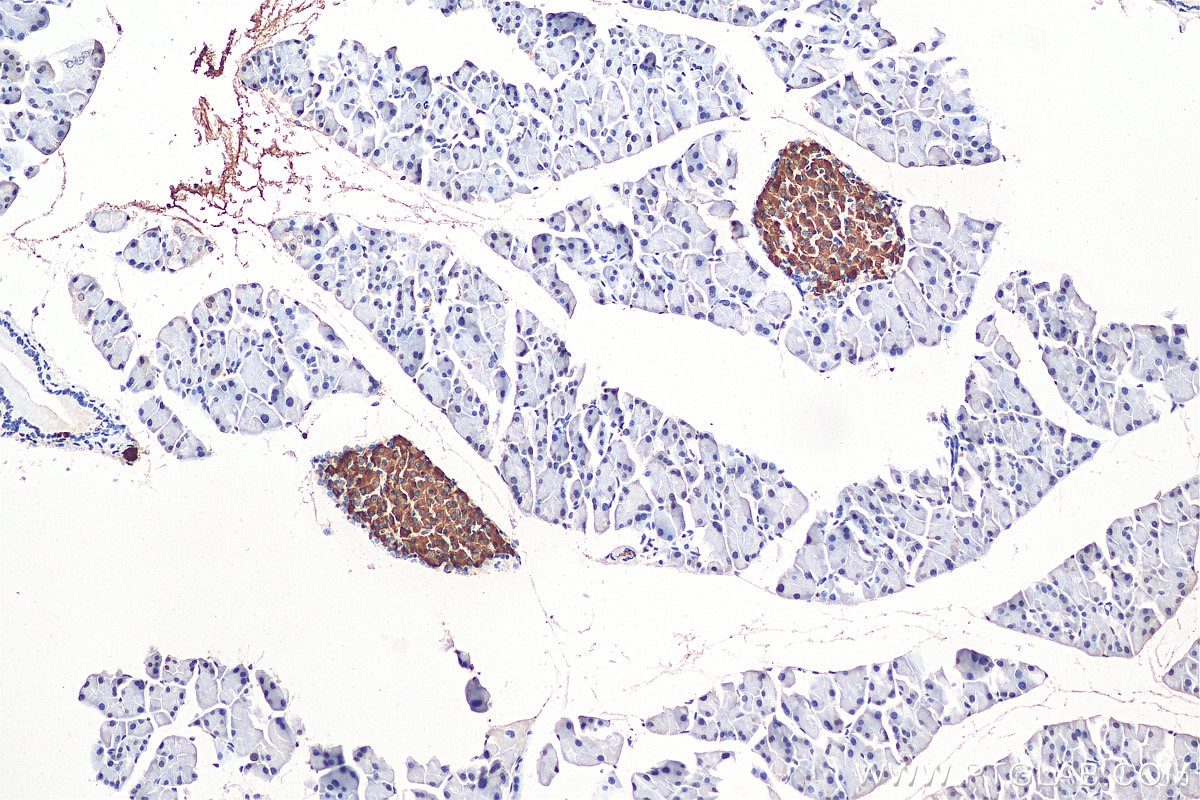
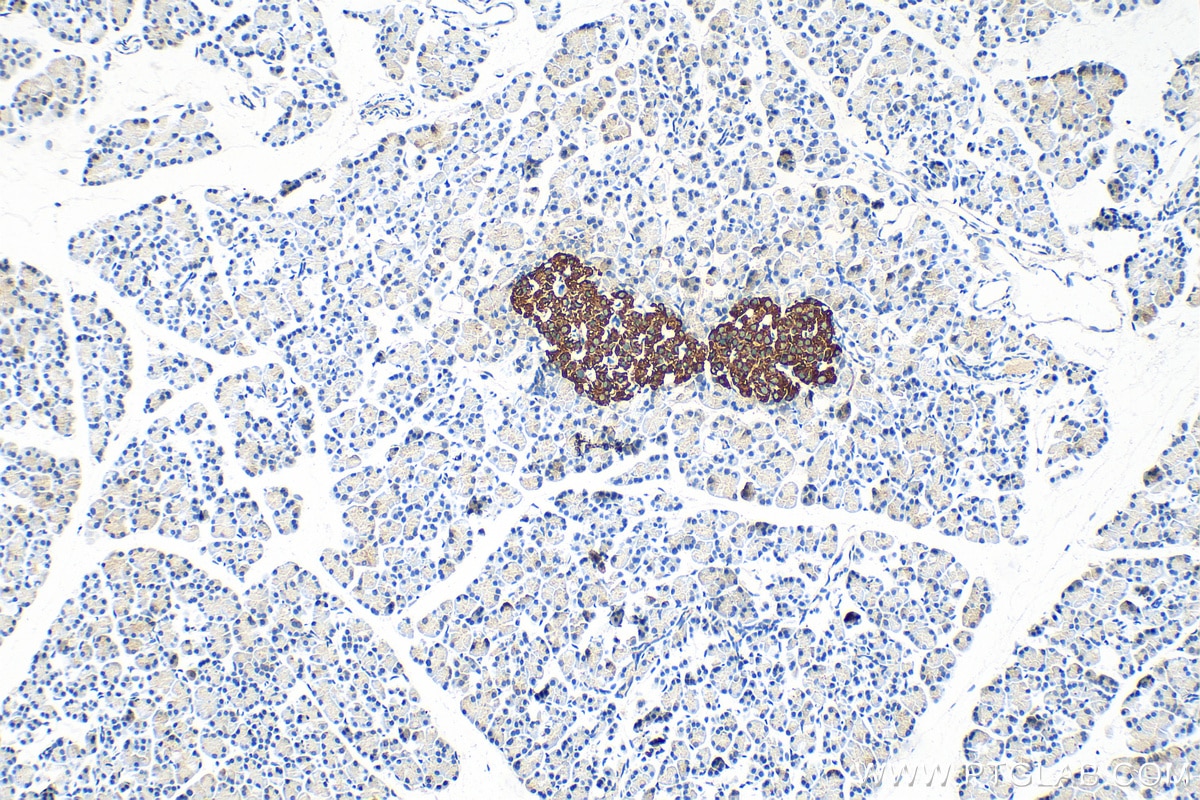
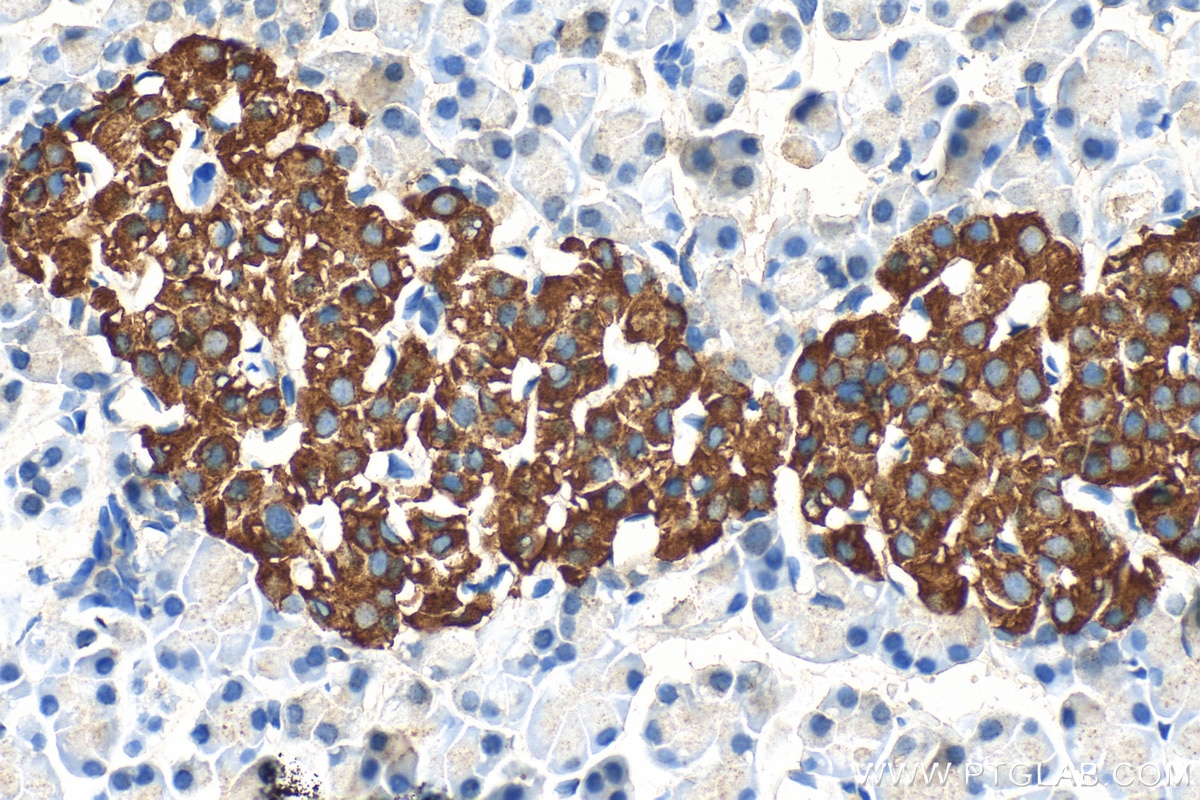
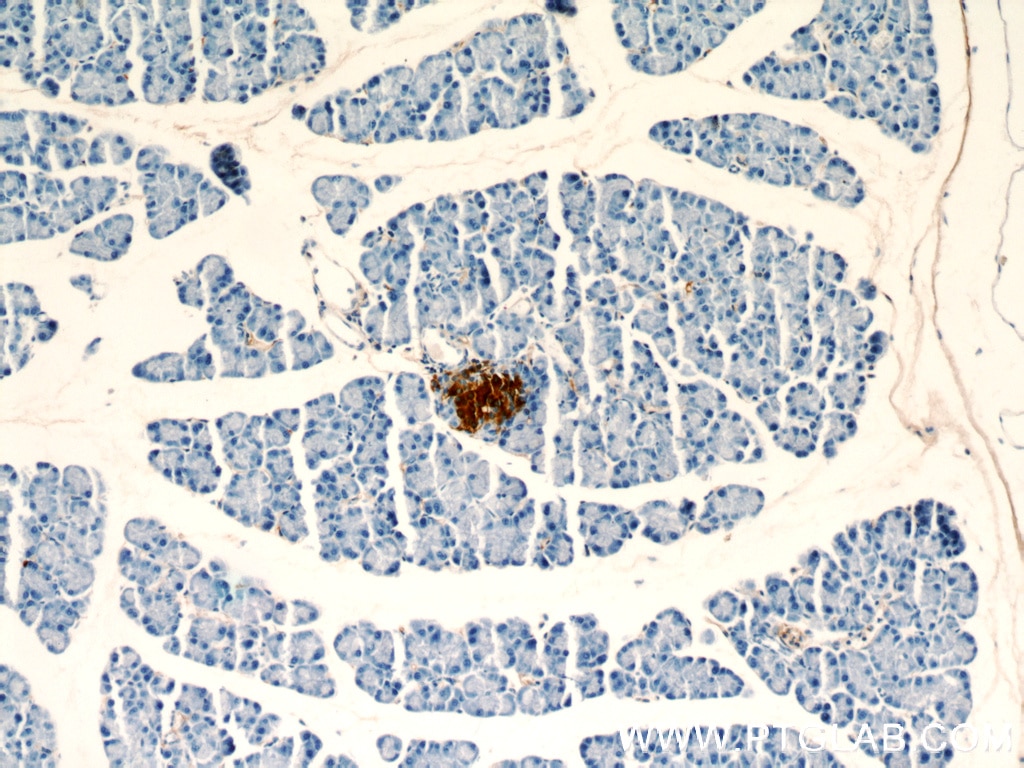
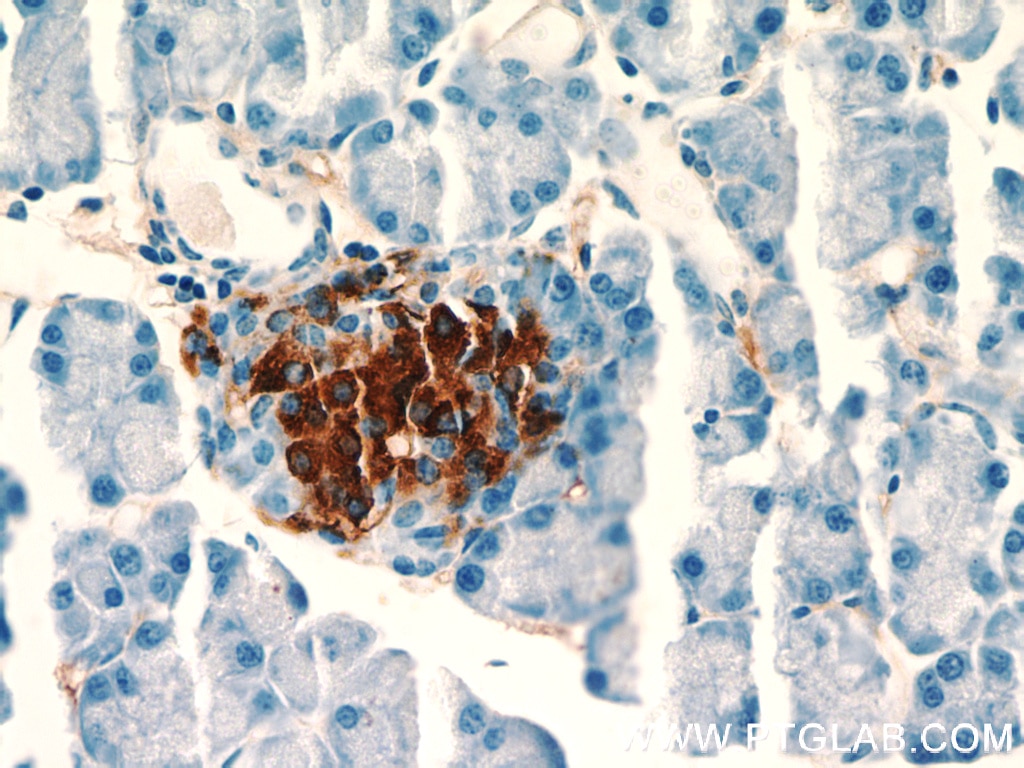
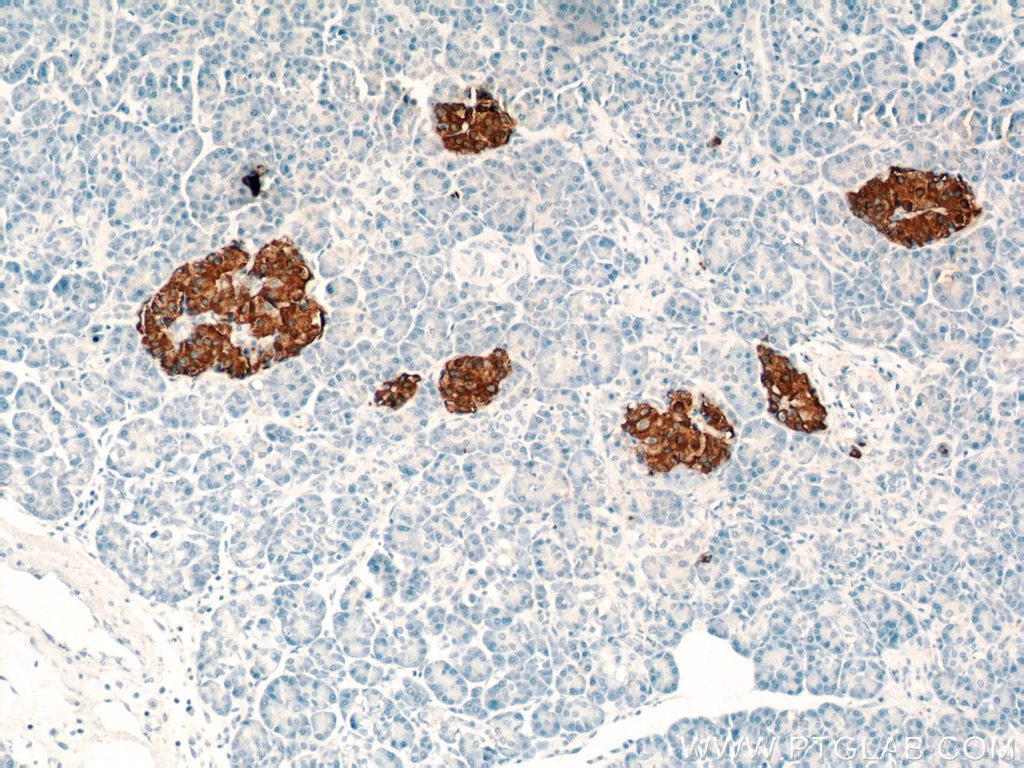
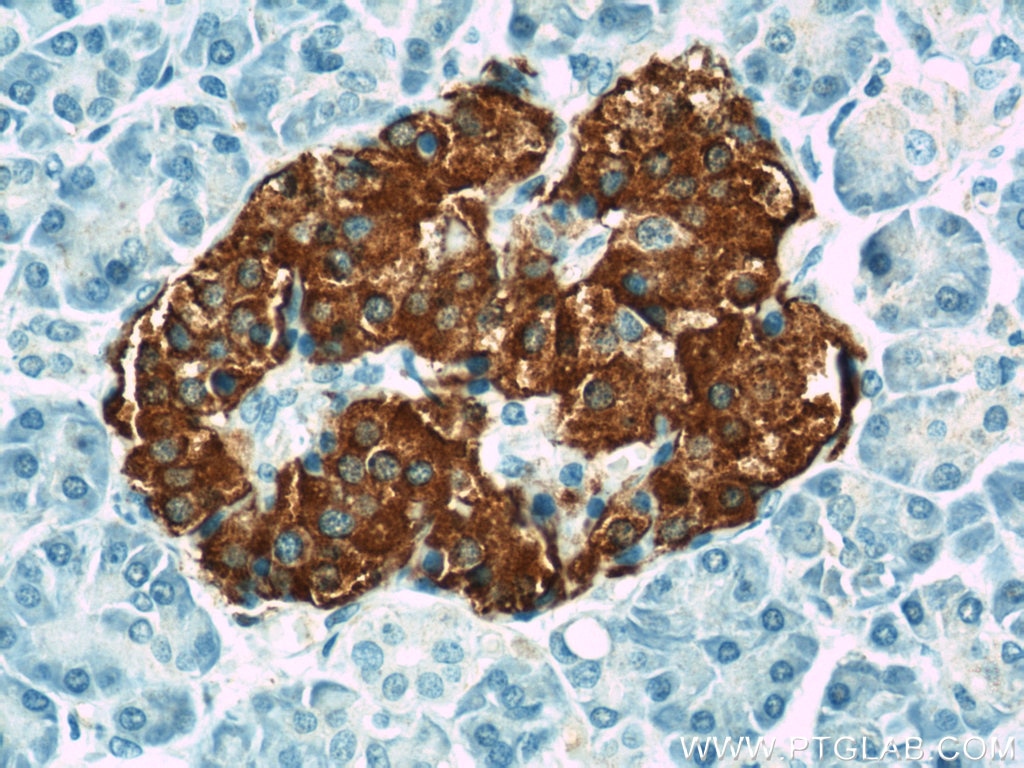
| Positive IHC detected in | mouse pancreas tissue, human pancreas tissue, rat pancreas tissue Note: suggested antigen retrieval with TE buffer pH 9.0; (*) Alternatively, antigen retrieval may be performed with citrate buffer pH 6.0 |
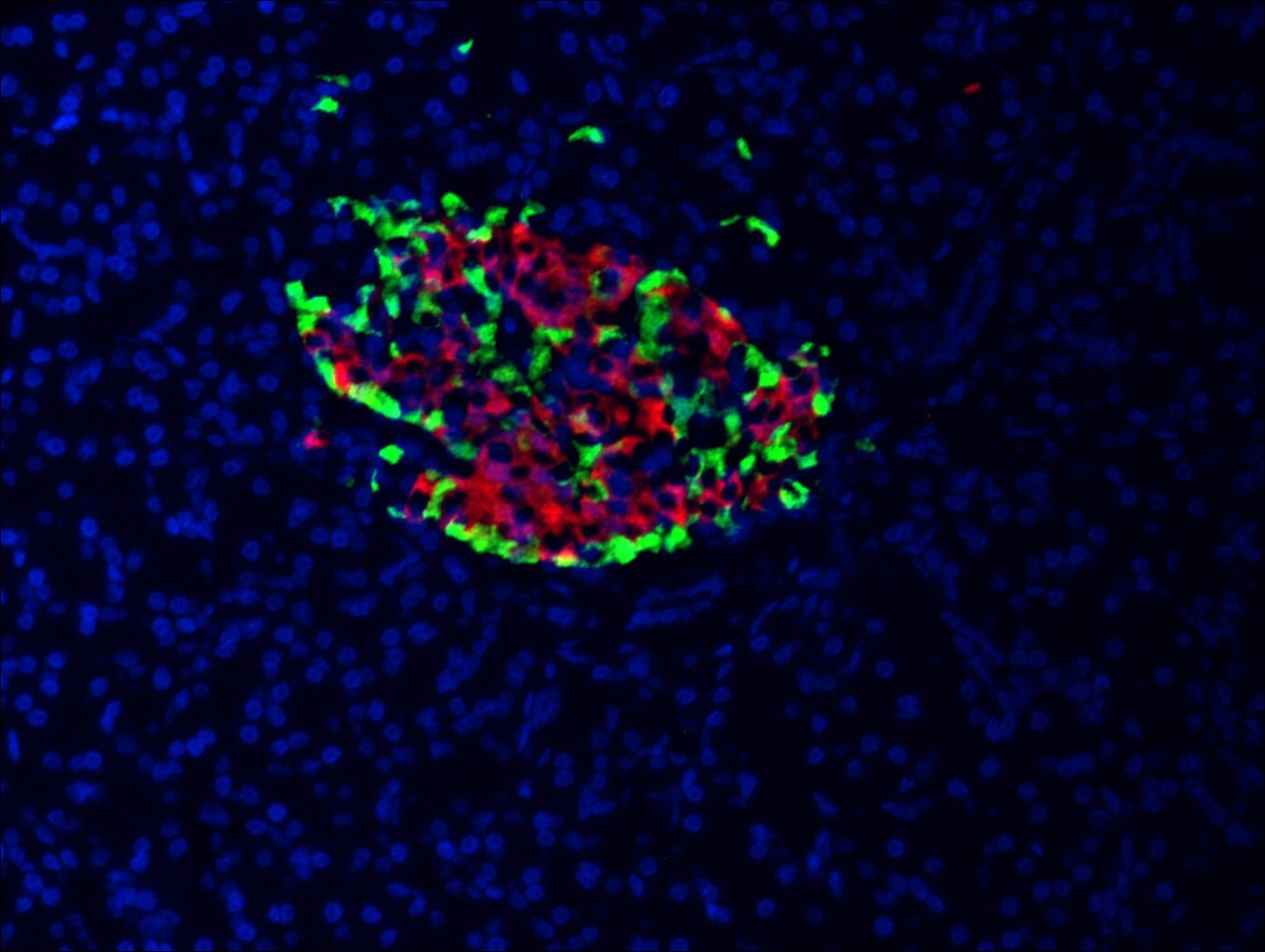
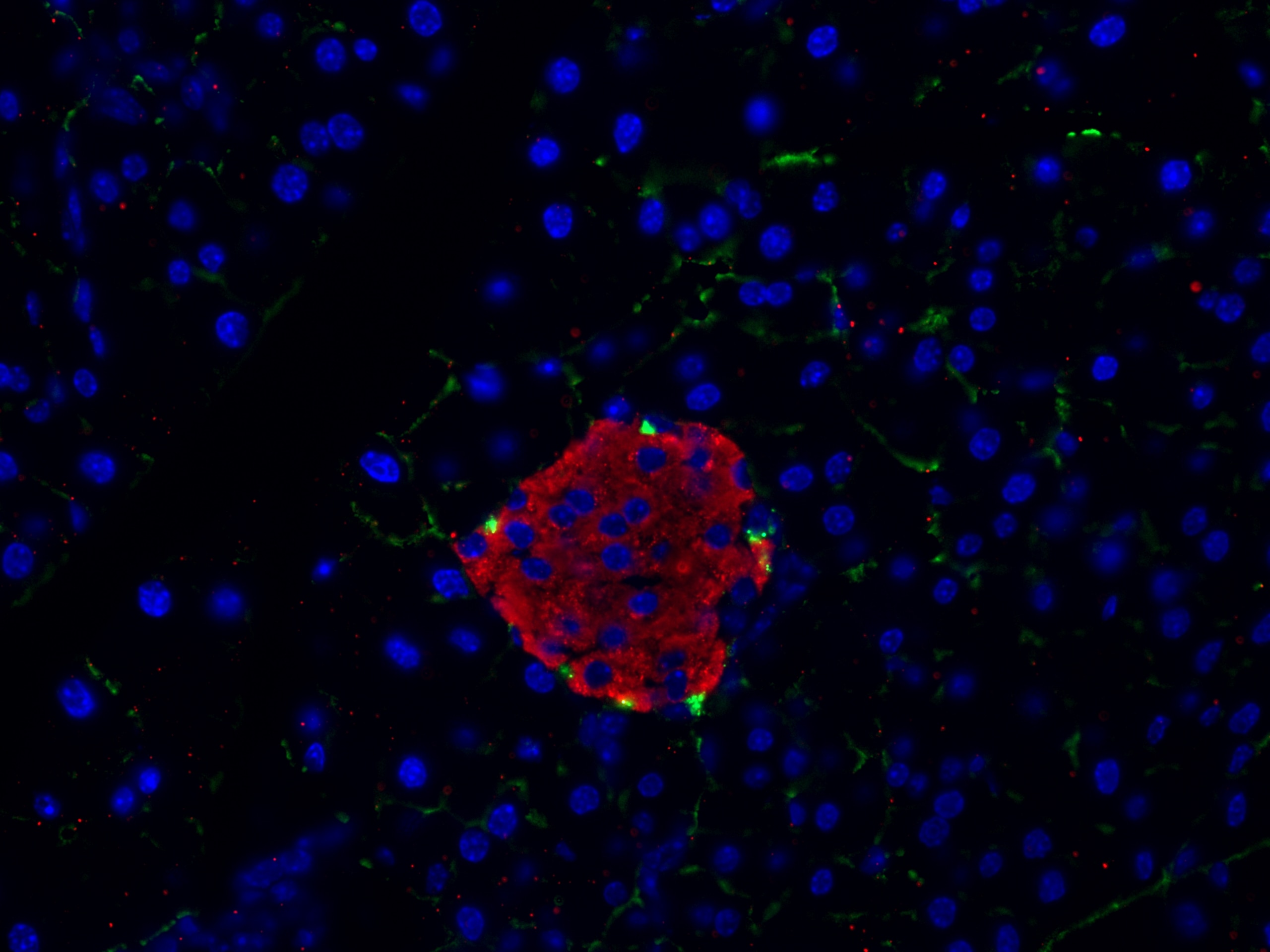
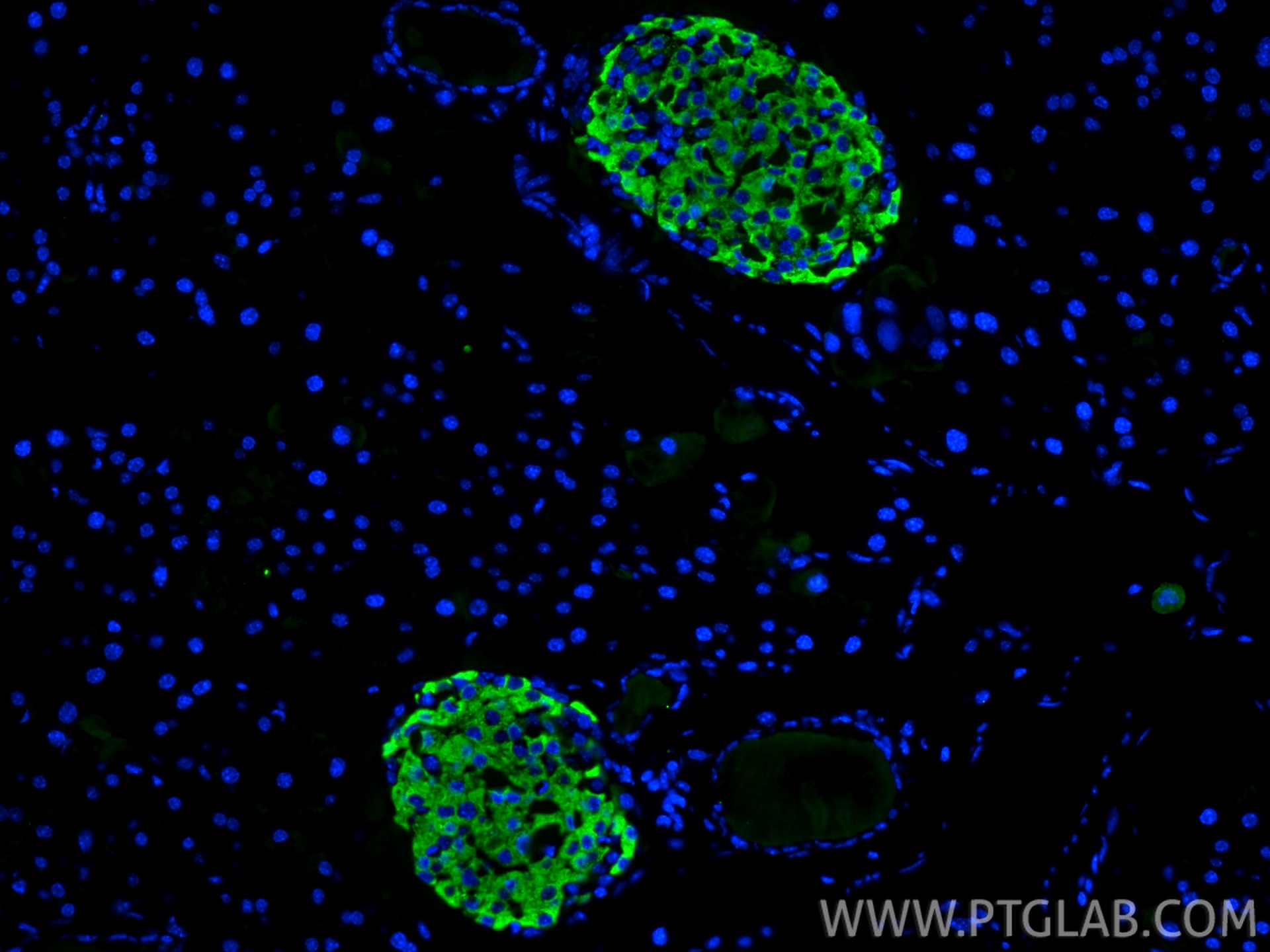
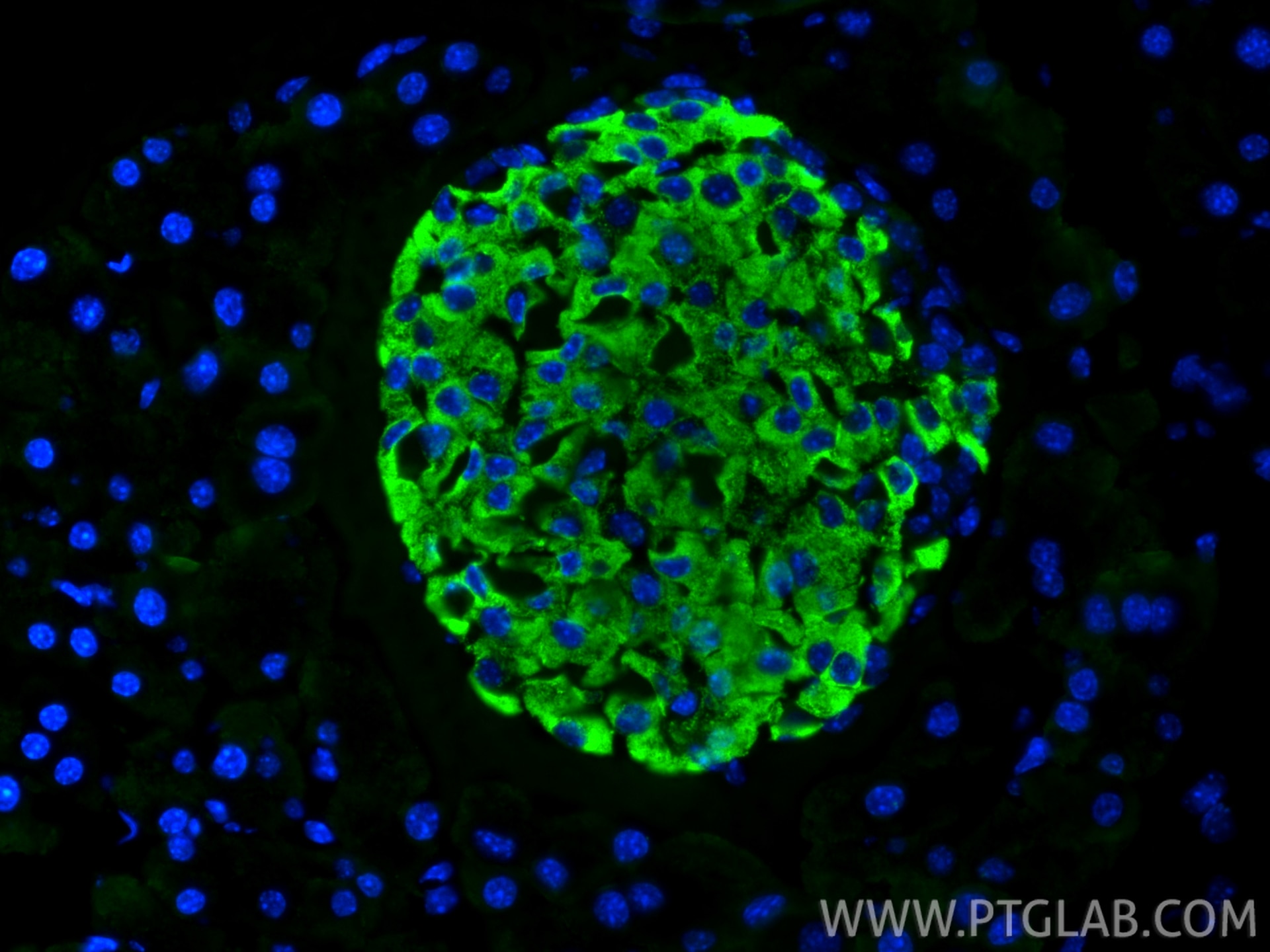
| Positive IF-P detected in | human pancreas tissue, mouse pancreas tissue |
Recommended dilution
| Application | Dilution |
|---|---|
| Immunohistochemistry (IHC) | IHC : 1:500-1:2000 |
| Immunofluorescence (IF)-P | IF-P : 1:50-1:500 |
| It is recommended that this reagent should be titrated in each testing system to obtain optimal results. | |
| Sample-dependent, Check data in validation data gallery. | |
Product Information
15848-1-AP targets INS in IHC, IF-P, ELISA applications and shows reactivity with human, mouse, rat samples.
| Tested Reactivity | human, mouse, rat |
| Cited Reactivity | human, mouse, rat, zebrafish |
| Host / Isotype | Rabbit / IgG |
| Class | Polyclonal |
| Type | Antibody |
| Immunogen |
CatNo: Ag8630 Product name: Recombinant human Insulin protein Source: e coli.-derived, PGEX-4T Tag: GST Domain: 1-110 aa of BC005255 Sequence: MALWMRLLPLLALLALWGPDPAAAFVNQHLCGSHLVEALYLVCGERGFFYTPKTRREAEDLQVGQVELGGGPGAGSLQPLALEGSLQKRGIVEQCCTSICSLYQLENYCN Predict reactive species |
| Full Name | INS |
| Calculated Molecular Weight | 110 aa, 12 kDa |
| GenBank Accession Number | BC005255 |
| Gene Symbol | INS |
| Gene ID (NCBI) | 3630 |
| RRID | AB_10597100 |
| Conjugate | Unconjugated |
| Form | Liquid |
| Purification Method | Antigen affinity purification |
| UNIPROT ID | P01308 |
| Storage Buffer | PBS with 0.02% sodium azide and 50% glycerol, pH 7.3. |
| Storage Conditions | Store at -20°C. Stable for one year after shipment. Aliquoting is unnecessary for -20oC storage. 20ul sizes contain 0.1% BSA. |
Background Information
INS is a peptide hormone, produced by beta cells of the pancreas, and is central to regulating carbohydrate and fat metabolism in the body. It participates in glucose utilization, protein synthesis and in the formation and storage of neutral lipids. INS is synthesized as a precursor molecule, proinsulin, which is processed prior to secretion. A- and B-peptides are joined together by a disulfide bond to form INS, while the central portion of the precursor molecule is cleaved and released as the C-peptide. Defects in INS results in type 1 diabetes mellitus.
Protocols
| Product Specific Protocols | |
|---|---|
| IF protocol for INS antibody 15848-1-AP | Download protocol |
| IHC protocol for INS antibody 15848-1-AP | Download protocol |
| Standard Protocols | |
|---|---|
| Click here to view our Standard Protocols |
Publications
What published studies show
The INS Polyclonal antibody (Cat# 15848-1-AP) has 114 citations spanning journals such as Cell, Nature Metabolism, Nature Communications, Gastroenterology, Diabetes, Cell Reports, Science Advances, EMBO Reports, and JCI Insight. Associated research fields include type 1 and type 2 diabetes, pancreatic islet biology, β-cell function and apoptosis, insulin secretion, islet transplantation, gut microbiome–diabetes interactions, autoimmune inflammation, and neurodegeneration. Cited applications include IHC, IF, and ELISA across human, mouse, rat, and zebrafish models.
| Species | Application | Title |
|---|---|---|
Gastroenterology Cancer-associated endocrine cells participate in pancreatic carcinogenesis | ||
Nat Metab Islet transplantation in the subcutaneous space achieves long-term euglycaemia in preclinical models of type 1 diabetes. | ||
Sci Bull (Beijing) Injectable self-healing hydrogels loaded with islet-integrated microfiber scaffolds for islet transplantation in diabetes mellitus |
Reviews
What customers say
Both reviewers rated the antibody 5 stars. One user found it very good for immunofluorescence. Another reported excellent performance in immunohistochemistry on mouse pancreas at a 1:1000 dilution, noting selective staining of islet beta cells with no background staining. Overall, customers are highly satisfied with the antibody's specificity and performance across IF and IHC applications.
The reviews below have been submitted by verified Proteintech customers who received an incentive for providing their feedback.
Boyan (Verified Customer) (05-14-2021) | very good for IF
|
Isha (Verified Customer) (01-06-2021) | Worked really well with mice pancreas. Selectively stained islets beta cells, no background staining
|














