



Tested Applications
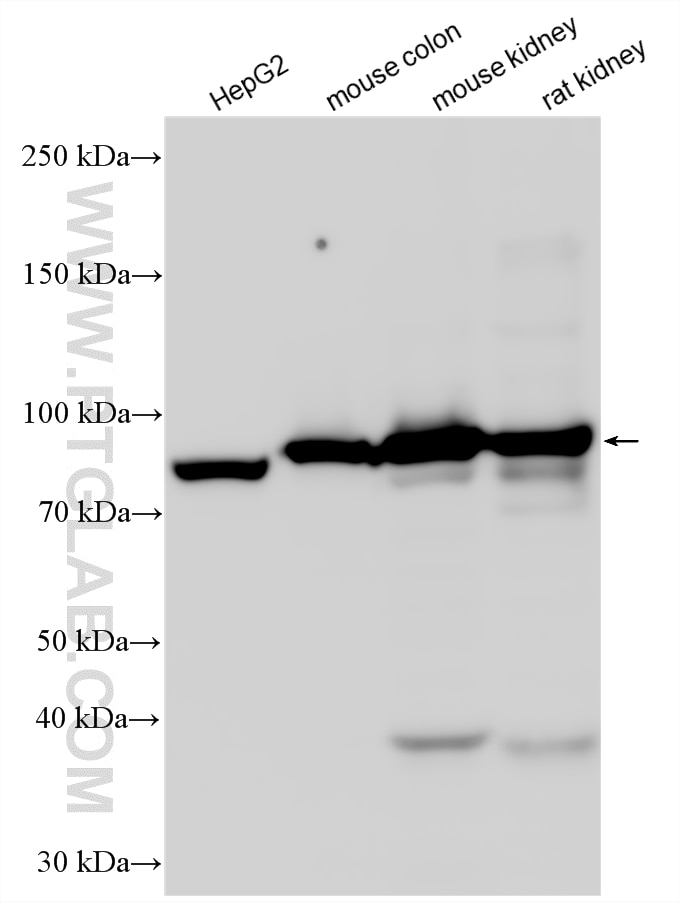
| Positive WB detected in | HepG2 cells, mouse colon tissue, mouse kidney tissue, rat kidney tissue |
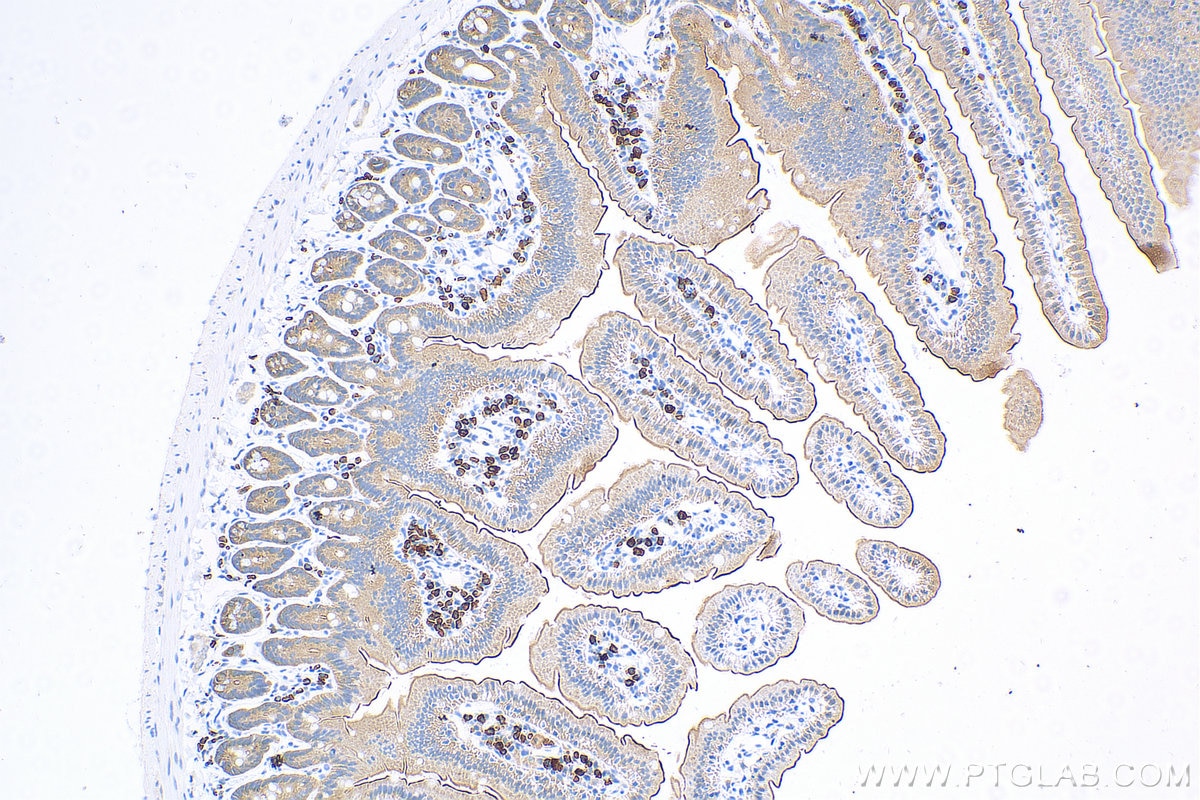
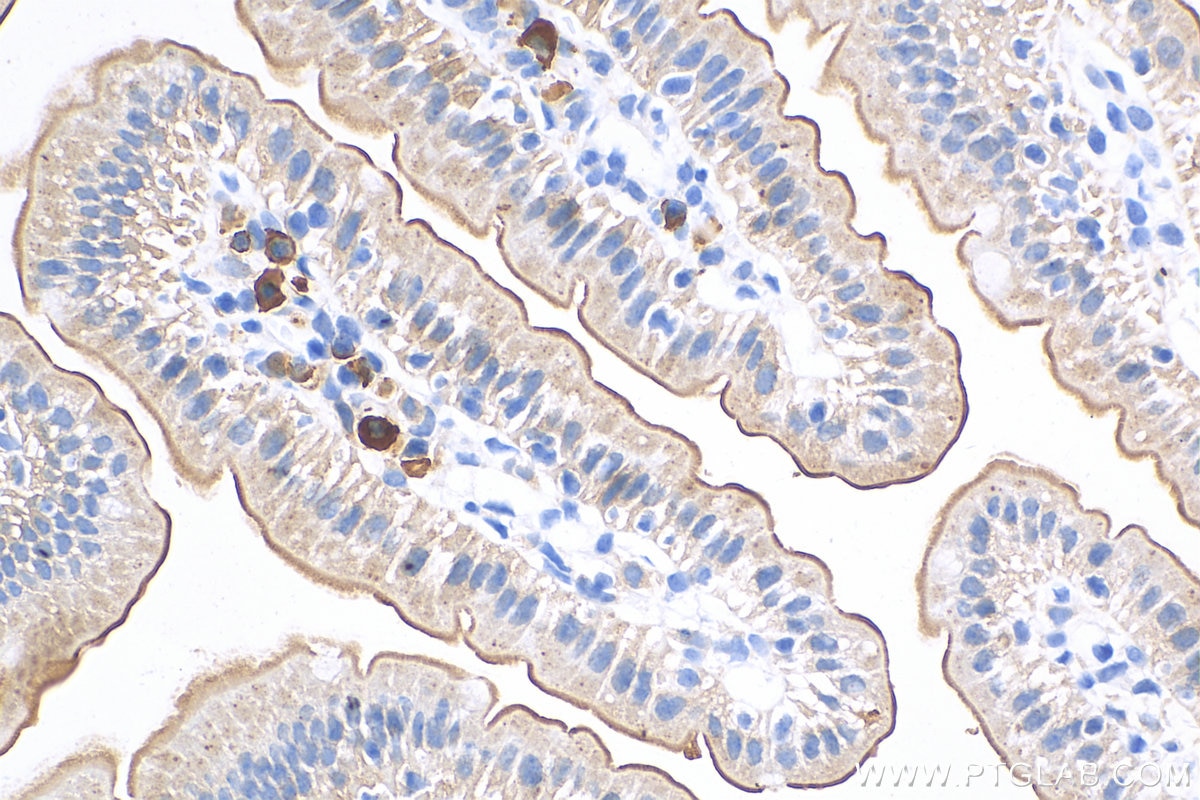
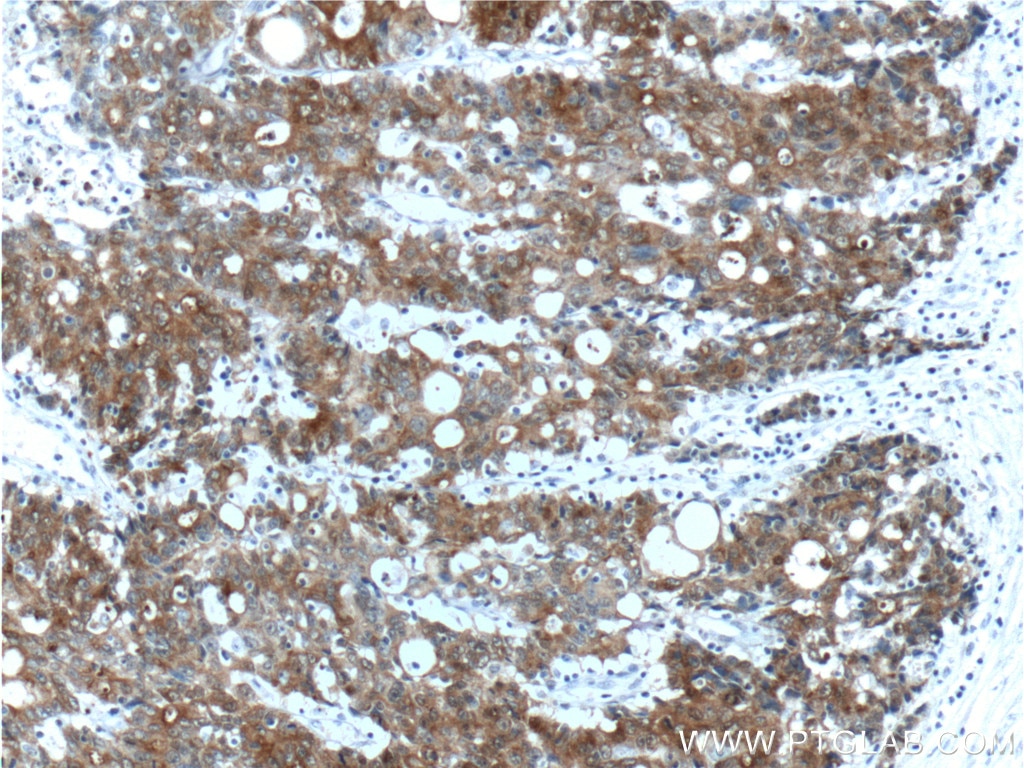
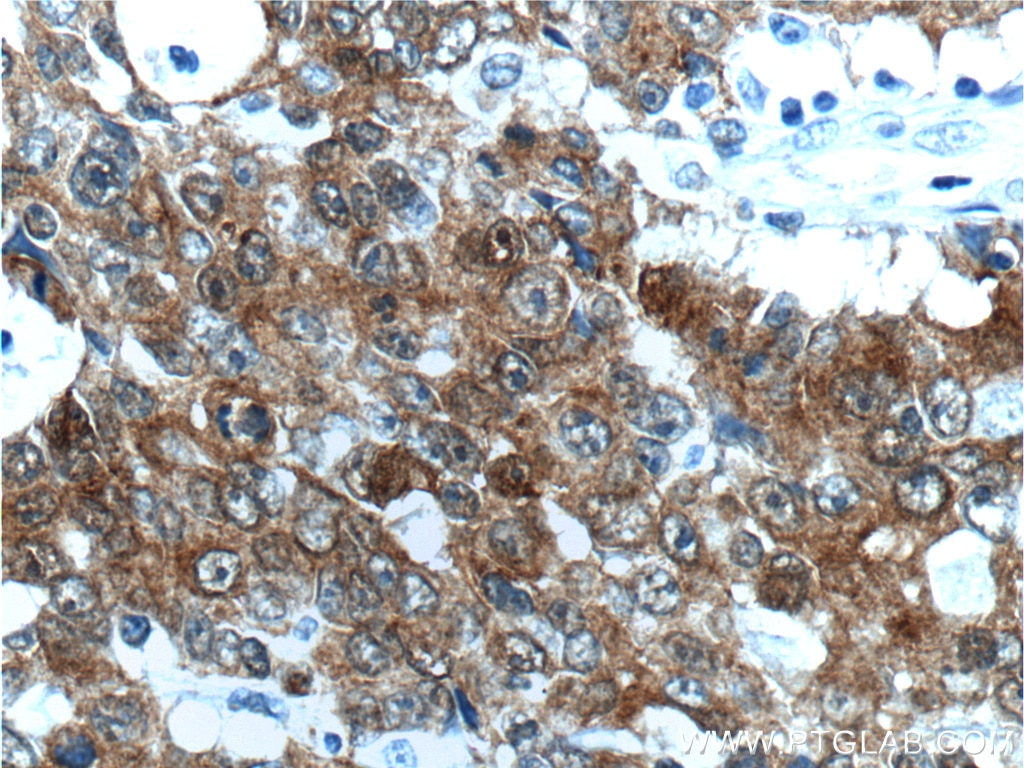
| Positive IHC detected in | mouse small intestine tissue, human colon cancer tissue Note: suggested antigen retrieval with TE buffer pH 9.0; (*) Alternatively, antigen retrieval may be performed with citrate buffer pH 6.0 |
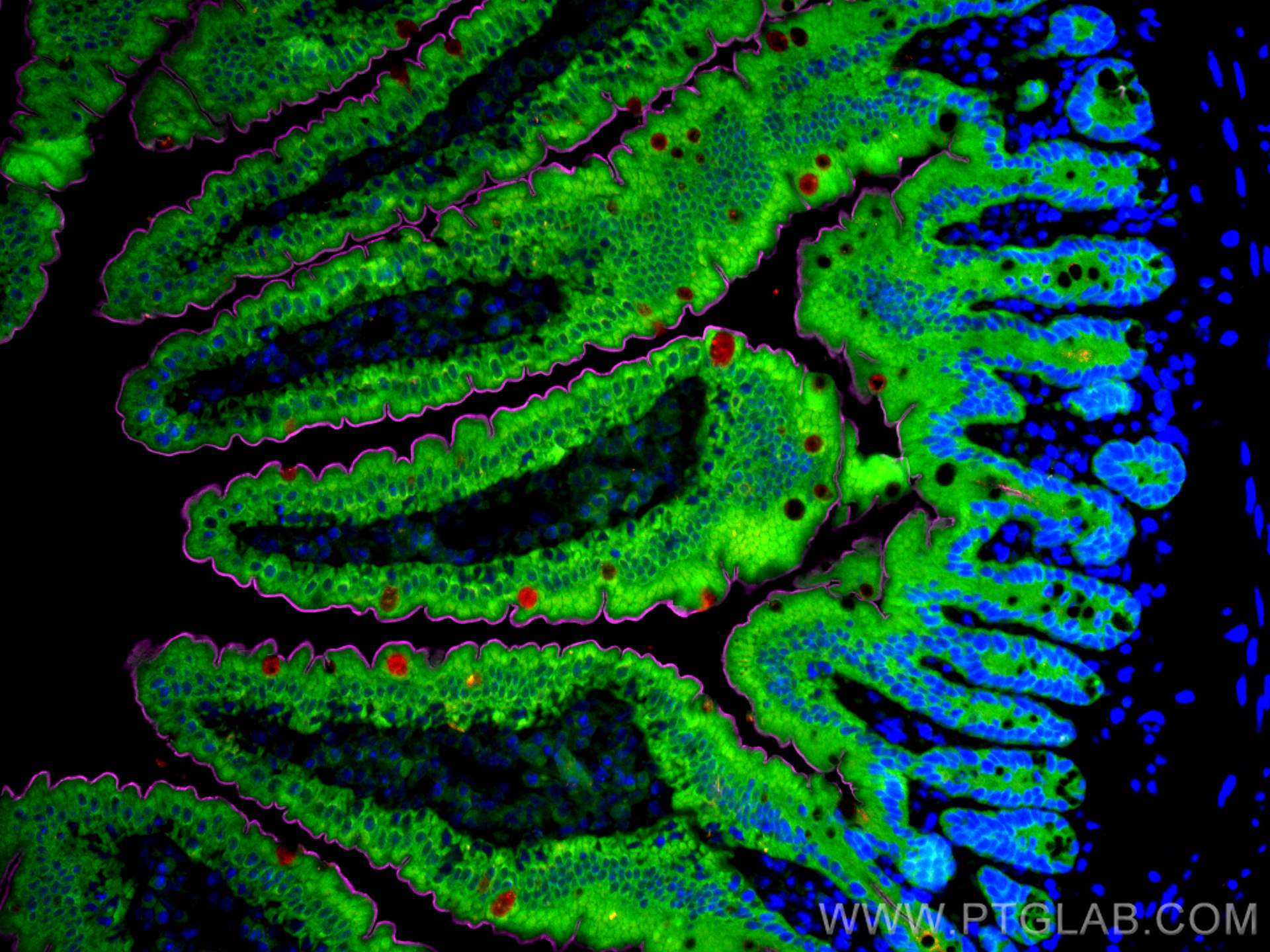
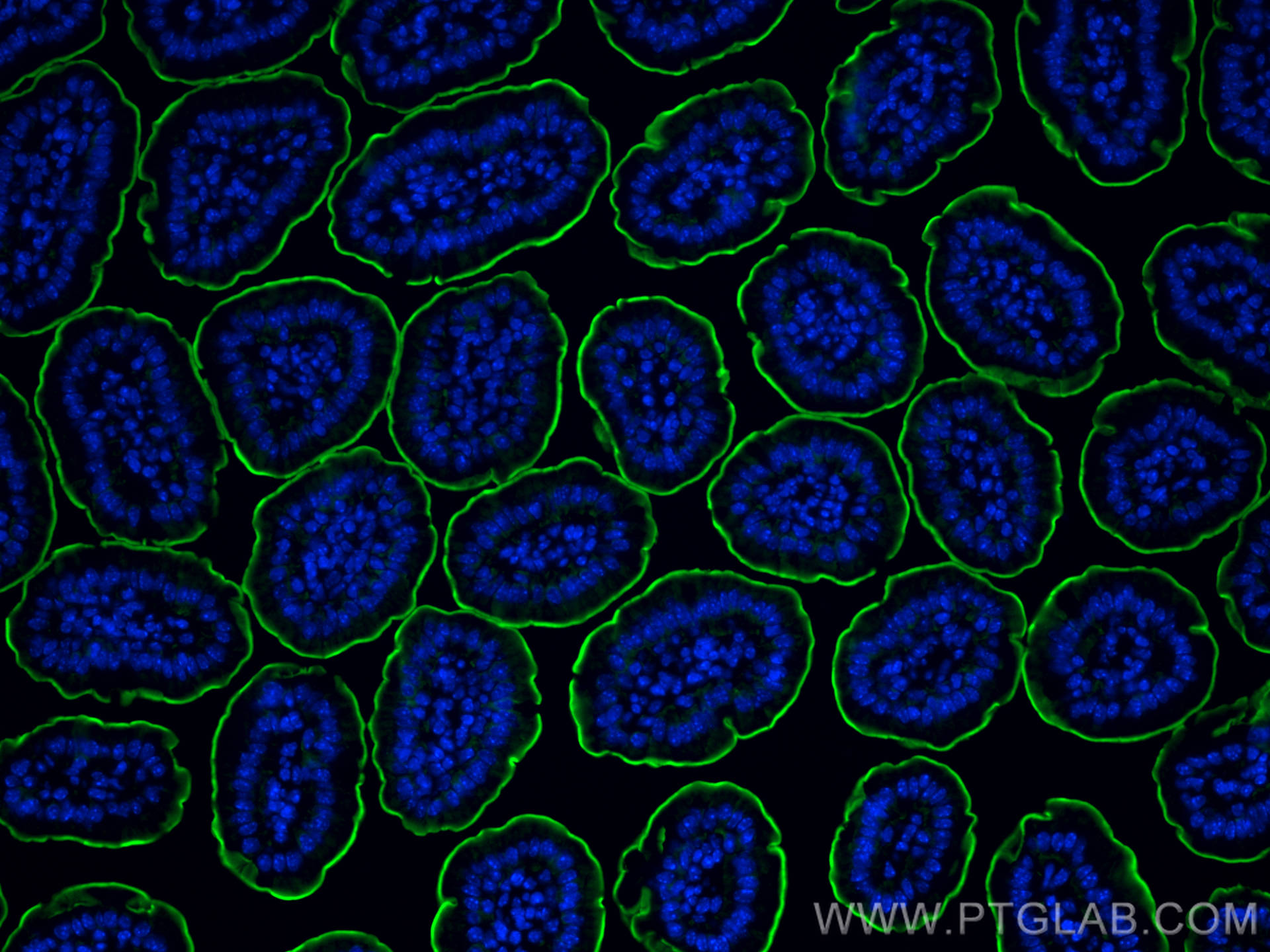
| Positive IF-P detected in | mouse small intestine tissue |
| Positive IF-Fro detected in | mouse small intestine tissue |
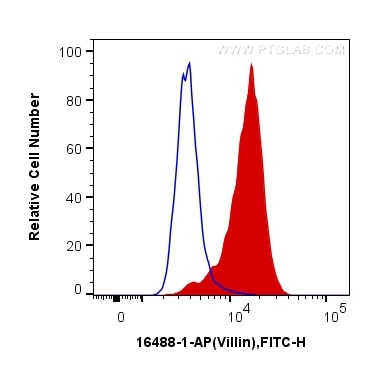
| Positive FC (Intra) detected in | HepG2 cells |
Recommended dilution
| Application | Dilution |
|---|---|
| Western Blot (WB) | WB : 1:20000-1:100000 |
| Immunohistochemistry (IHC) | IHC : 1:2500-1:10000 |
| Immunofluorescence (IF)-P | IF-P : 1:50-1:500 |
| Immunofluorescence (IF)-FRO | IF-FRO : 1:200-1:800 |
| Flow Cytometry (FC) (INTRA) | FC (INTRA) : 0.20 ug per 10^6 cells in a 100 µl suspension |
| It is recommended that this reagent should be titrated in each testing system to obtain optimal results. | |
| Sample-dependent, Check data in validation data gallery. | |
Product Information
16488-1-AP targets Villin in WB, IHC, IF-P, IF-Fro, FC (Intra), ELISA applications and shows reactivity with human, mouse, rat samples.
| Tested Reactivity | human, mouse, rat |
| Cited Reactivity | human, mouse, rat, pig, zebrafish |
| Host / Isotype | Rabbit / IgG |
| Class | Polyclonal |
| Type | Antibody |
| Immunogen |
CatNo: Ag9610 Product name: Recombinant human VIL1 protein Source: e coli.-derived, PGEX-4T Tag: GST Domain: 1-350 aa of BC017303 Sequence: MTKLSAQVKGSLNITTPGLQIWRIEAMQMVPVPSSTFGSFFDGDCYIILAIHKTASSLSYDIHYWIGQDSSLDEQGAAAIYTTQMDDFLKGRAVQHREVQGNESEAFRGYFKQGLVIRKGGVASGMKHVETNSYDVQRLLHVKGKRNVVAGEVEMSWKSFNRGDVFLLDLGKLIIQWNGPESTRMERLRGMTLAKEIRDQERGGRTYVGVVDGENELASPKLMEVMNHVLGKRRELKAAVPDTVVEPALKAALKLYHVSDSEGNLVVREVATRPLTQDLLSHEDCYILDQGGLKIYVWKGKKANEQEKKGAMSHALNFIKAKQYPPSTQVEVQNDGAESAVFQQLFQKWT Predict reactive species |
| Full Name | villin 1 |
| Calculated Molecular Weight | 827aa,93 kDa; 826aa,93 kDa |
| Observed Molecular Weight | 93 kDa |
| GenBank Accession Number | BC017303 |
| Gene Symbol | Villin |
| Gene ID (NCBI) | 7429 |
| RRID | AB_2215975 |
| Conjugate | Unconjugated |
| Form | Liquid |
| Purification Method | Antigen affinity purification |
| UNIPROT ID | P09327 |
| Storage Buffer | PBS with 0.02% sodium azide and 50% glycerol, pH 7.3. |
| Storage Conditions | Store at -20°C. Stable for one year after shipment. Aliquoting is unnecessary for -20oC storage. 20ul sizes contain 0.1% BSA. |
Background Information
Villin 1 (VIL1) is a 95-kd F-actin bundling and severing protein and its expression is restricted to epithelial cells with a brush border, like epithelial cells of the intestinal mucosa, gall bladder, renal proximal tubules and ductuli efferentes of the testis. VIL1 has been reported to be an epithelial cell-specific anti-apoptotic protein, and to have an important function in regulating actin dynamics, cell morphology, epithelial-to-mesenchymal transitions, cell migration and cell survival. In addition, VIL1 is a useful diagnostic marker for of various cancer, like cervical and endometrial adenocarcinomas, renal cell carcinoma. VIL1 was recently identified as a novel biomarker predictive for postoperative recurrence and poorer prognosis of high serum AFP associated HCC.
Protocols
| Product Specific Protocols | |
|---|---|
| FC protocol for Villin antibody 16488-1-AP | Download protocol |
| IF protocol for Villin antibody 16488-1-AP | Download protocol |
| IHC protocol for Villin antibody 16488-1-AP | Download protocol |
| WB protocol for Villin antibody 16488-1-AP | Download protocol |
| Standard Protocols | |
|---|---|
| Click here to view our Standard Protocols |
Publications
What published studies show
The Villin (VIL1) Polyclonal Antibody (Cat# 16488-1-AP) has 34 citations across journals including Nature Biotechnology, Nature Communications, Science Translational Medicine, Cell Reports Medicine, Journal of Experimental Medicine, Phytomedicine, PNAS, mBio, and PLoS Pathogens. Research fields span intestinal stem cell biology, colorectal cancer, inflammatory bowel disease, ferroptosis, radioprotection, viral infections, cholesterol transport, and organoid models.
| Species | Application | Title |
|---|---|---|
Nat Biotechnol Reversible epiblast regionalization determines differentiation potential of human pluripotent stem cells. | ||
Nat Commun Bile acids-mediated intracellular cholesterol transport promotes intestinal cholesterol absorption and NPC1L1 recycling | ||
Redox Biol Differentiation of intestinal stem cells toward goblet cells under systemic iron overload stress are associated with inhibition of Notch signaling pathway and ferroptosis | ||
Sci Transl Med Oral delivery of liquid mRNA therapeutics by an engineered capsule for treatment of preclinical intestinal disease | ||
J Exp Med Human ITGAV variants are associated with immune dysregulation, brain abnormalities, and colitis |











