

Tested Applications
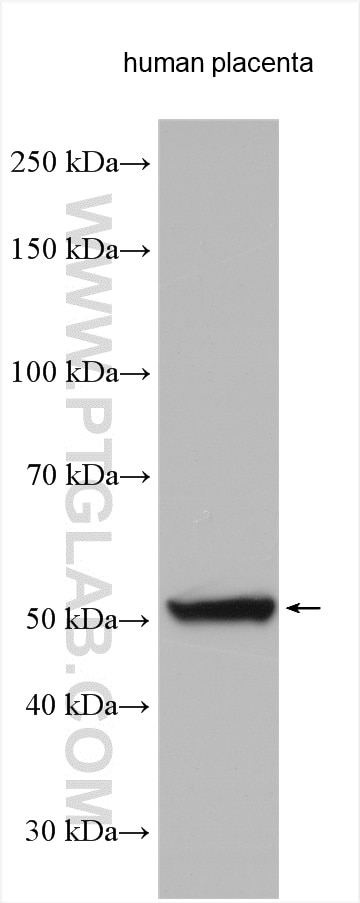
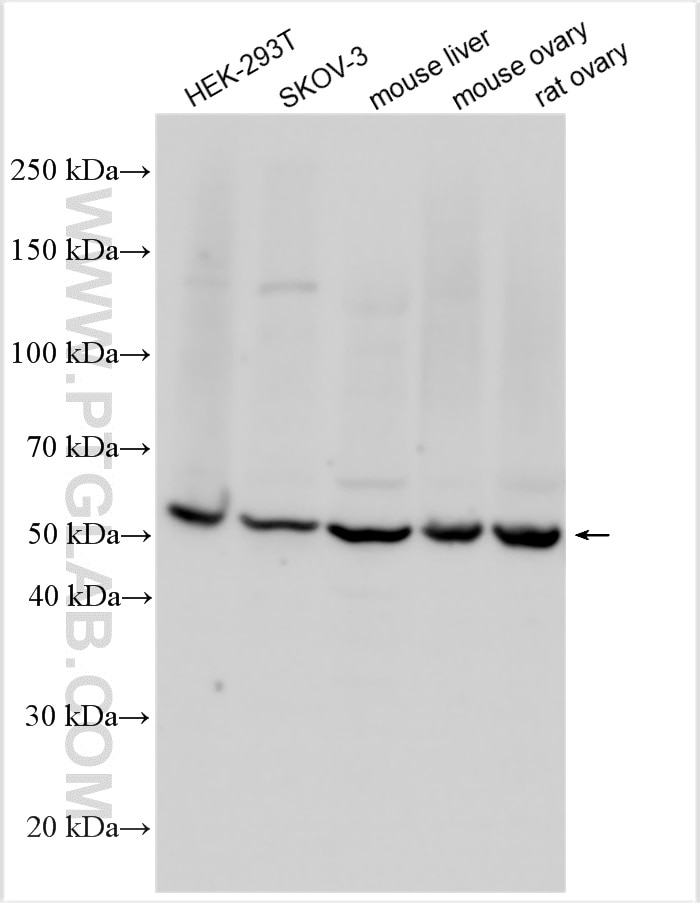
| Positive WB detected in | HEK-293T cells, human placenta tissue, SKOV-3 cells, mouse liver tissue, mouse ovary tissue, rat ovary tissue |
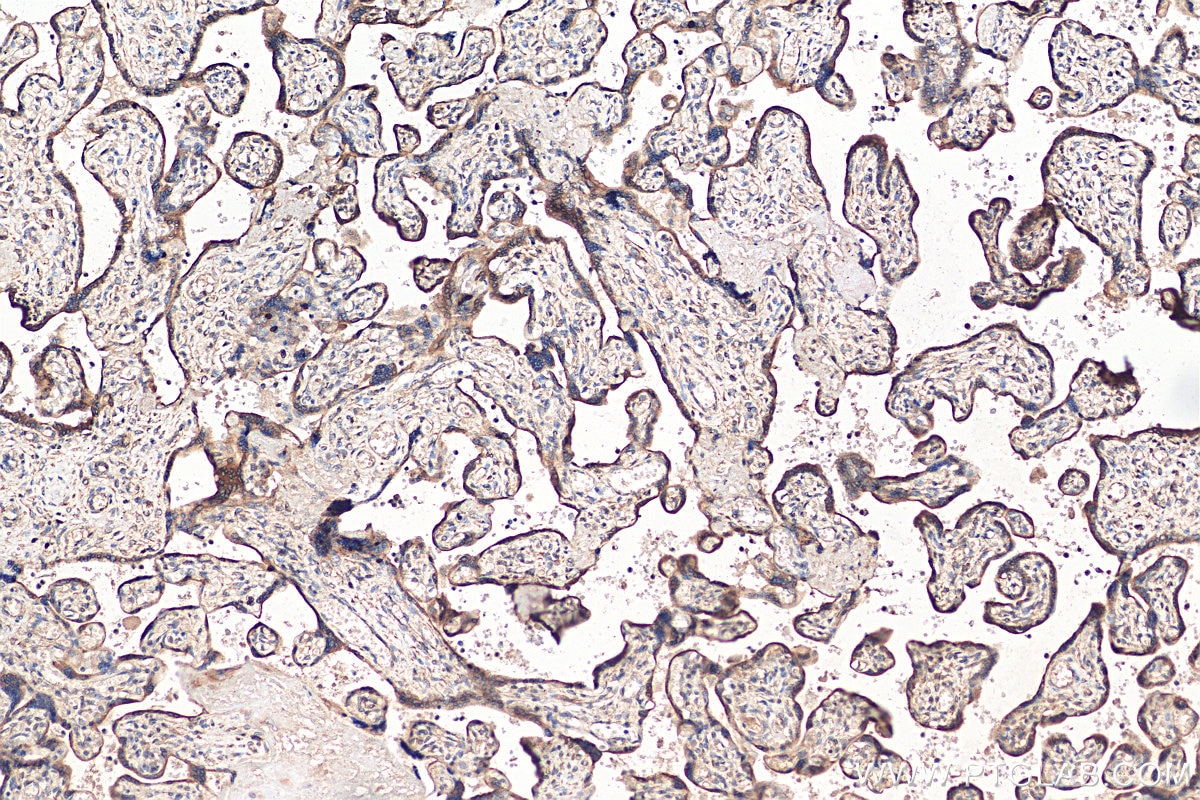
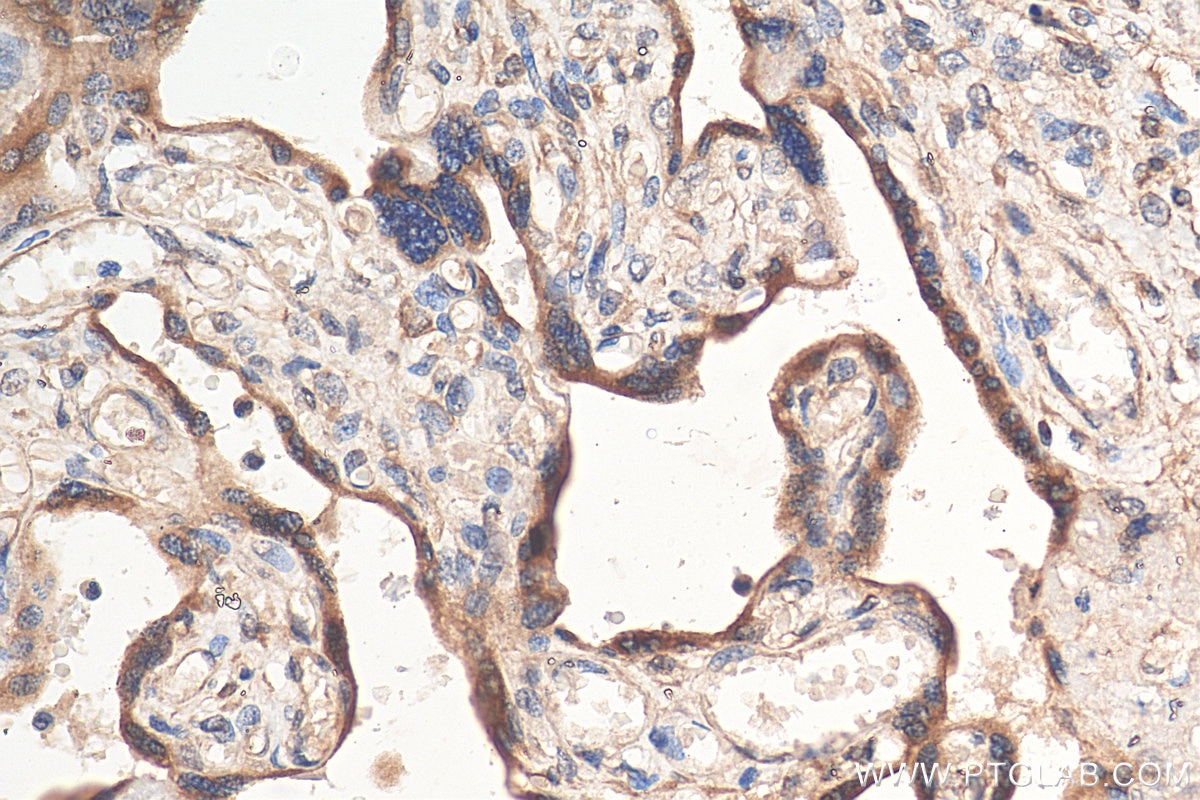
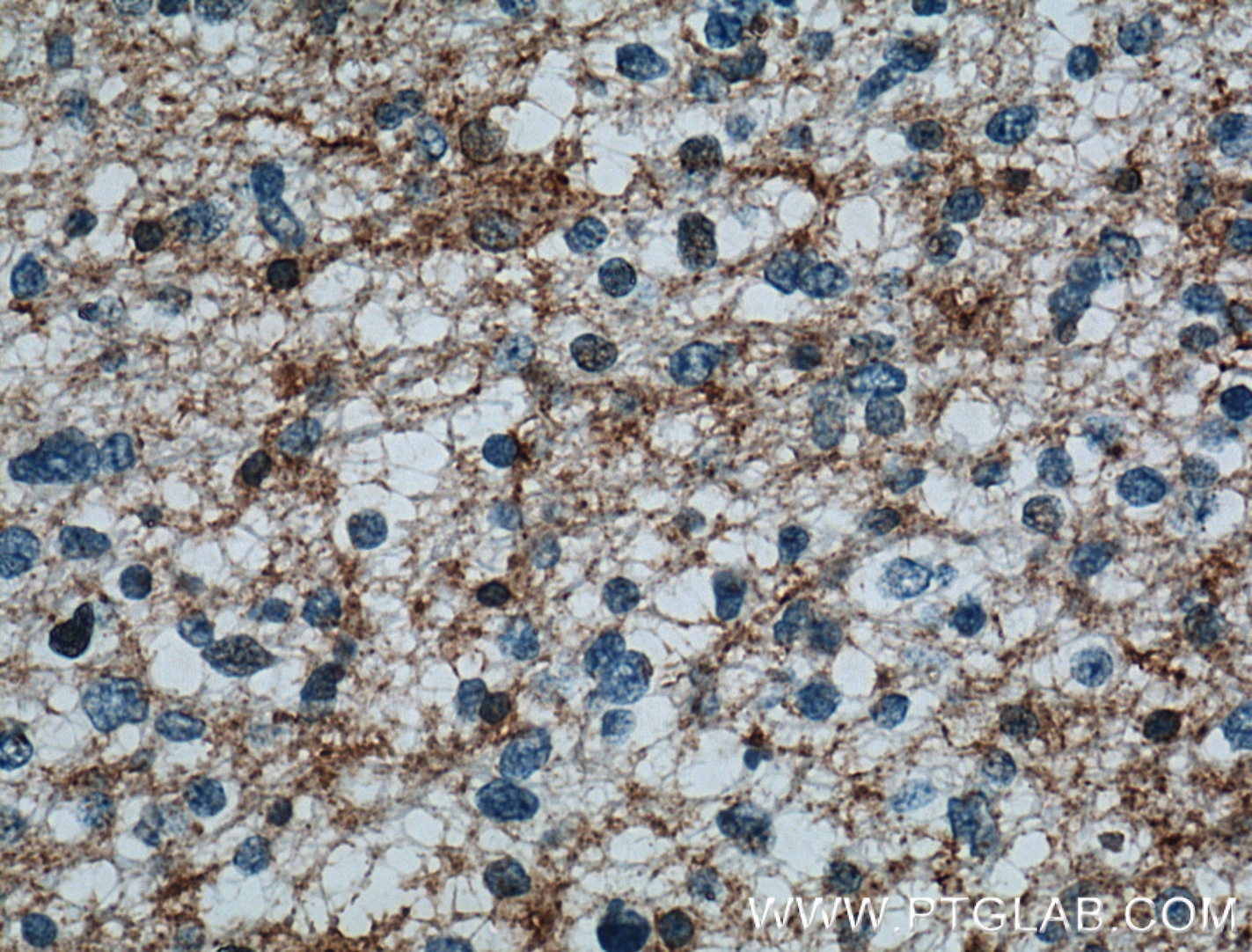
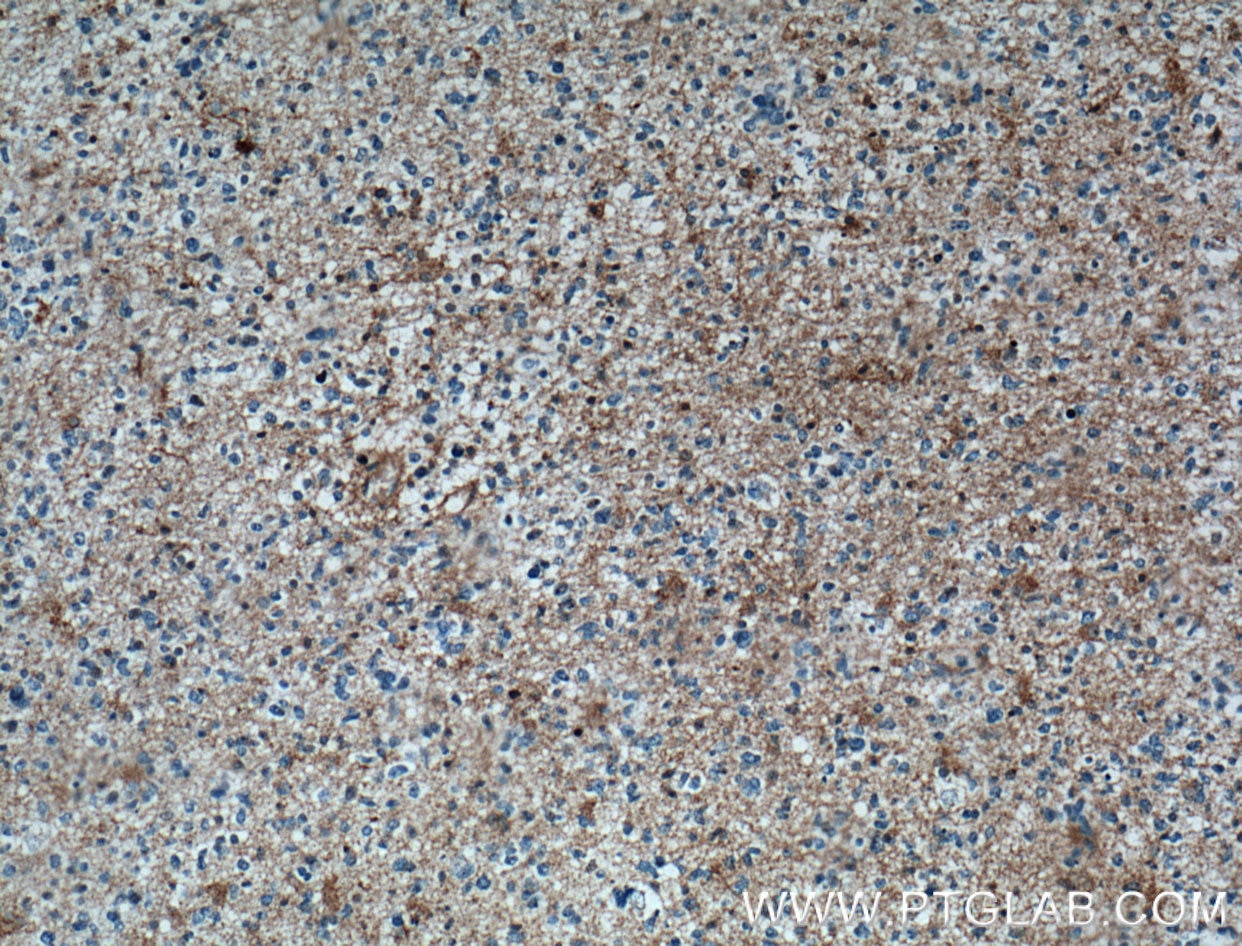
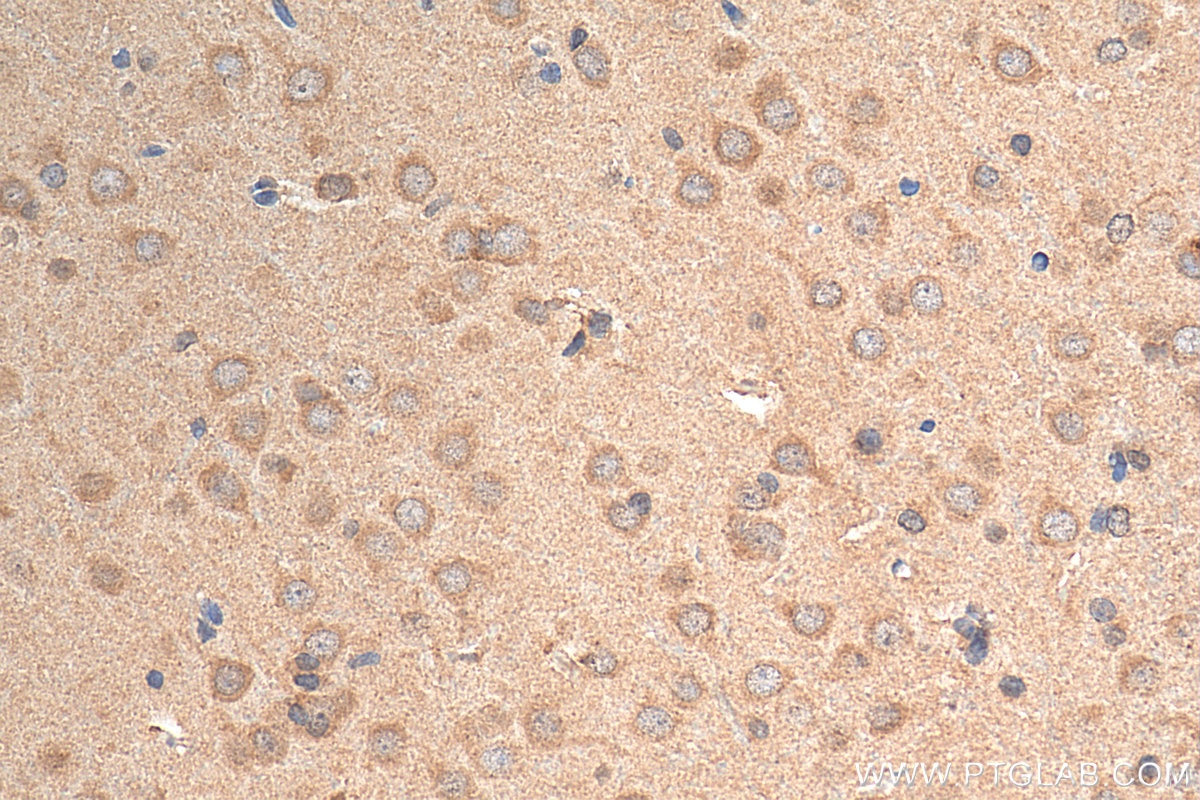
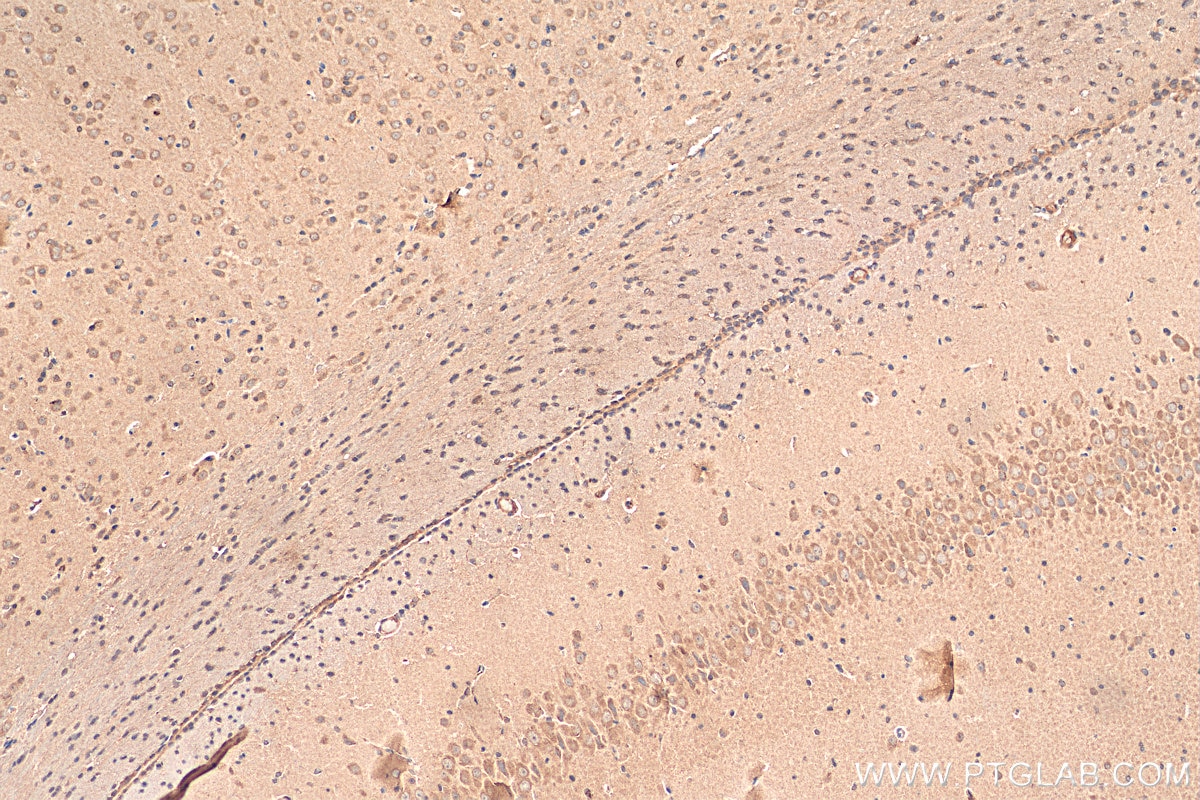
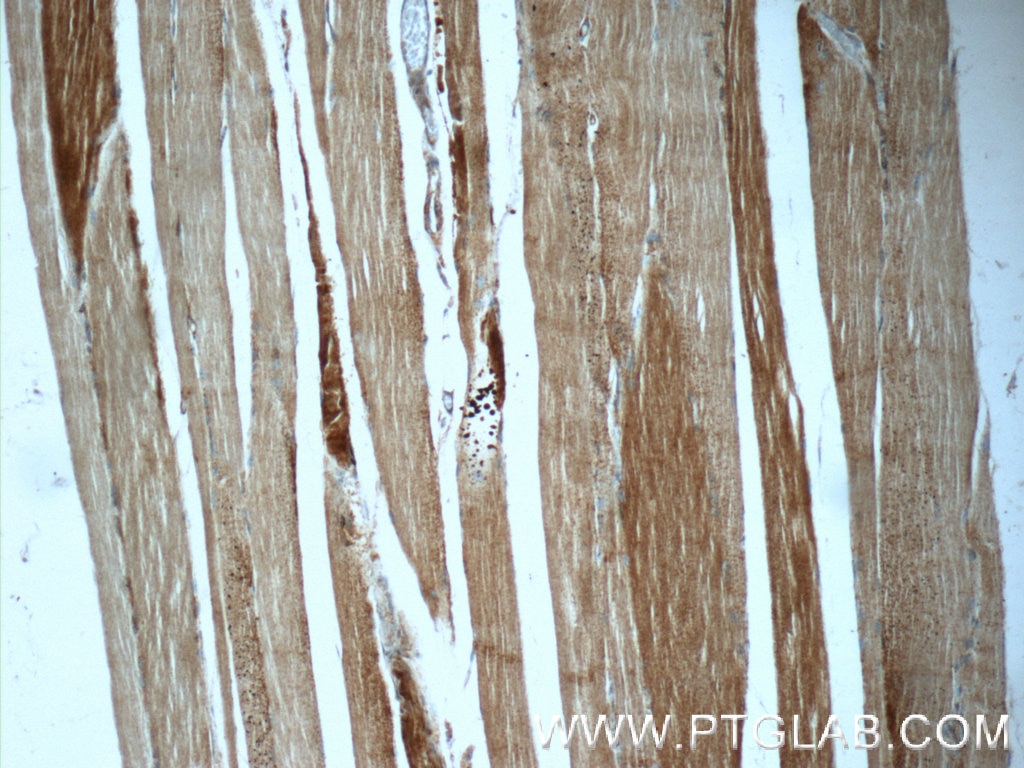
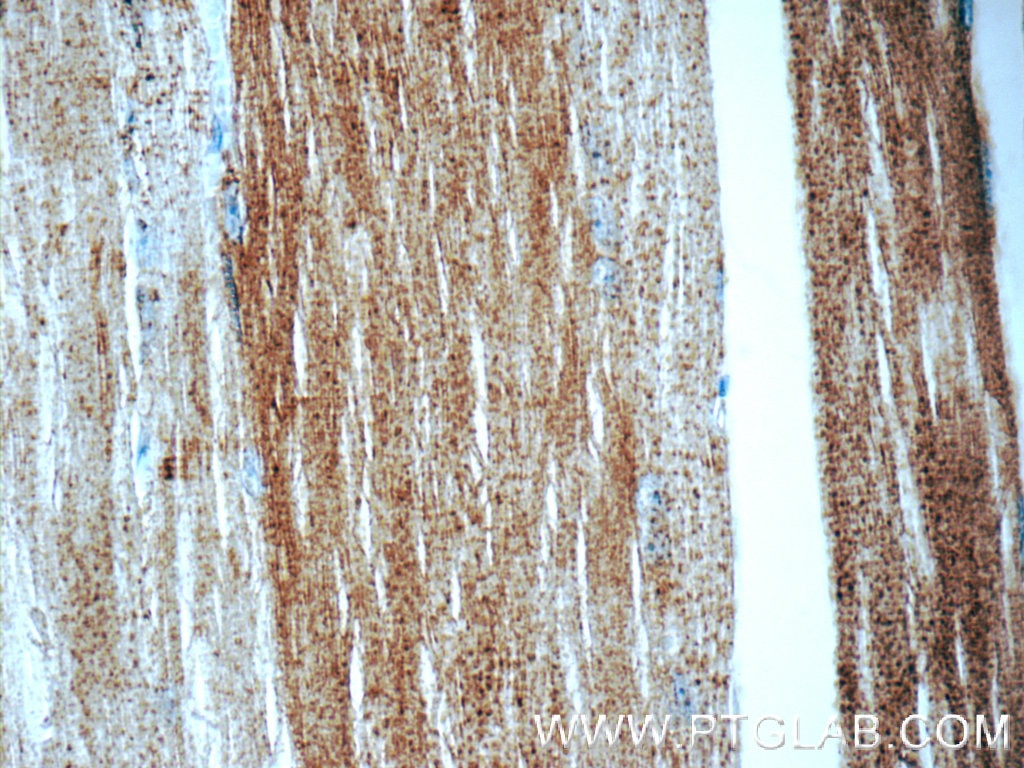
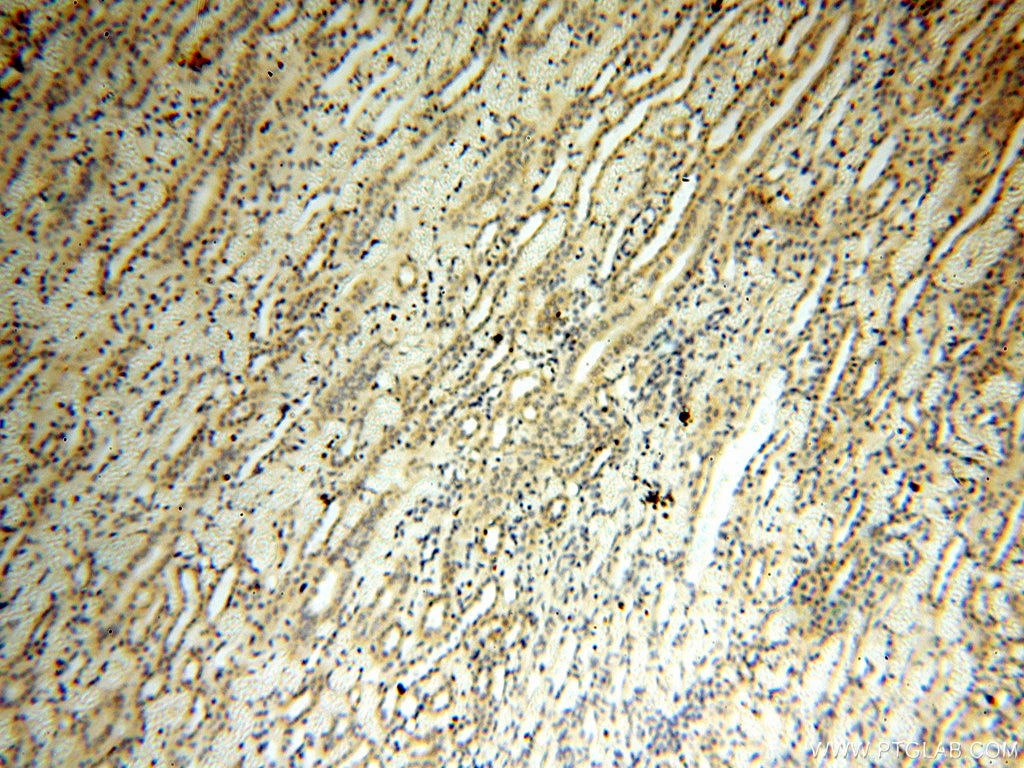
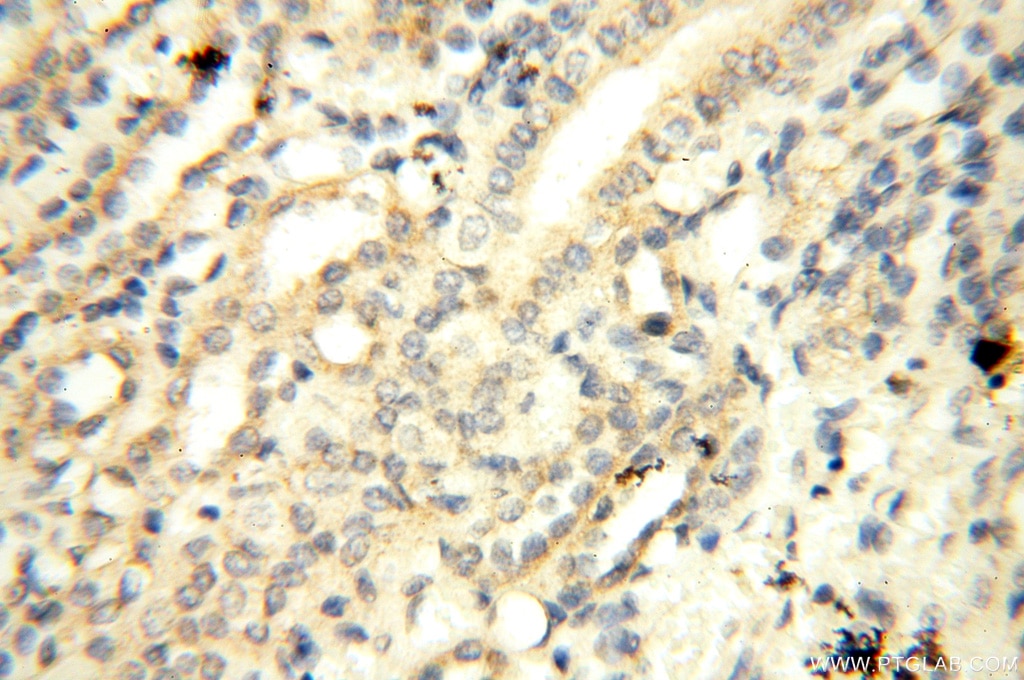
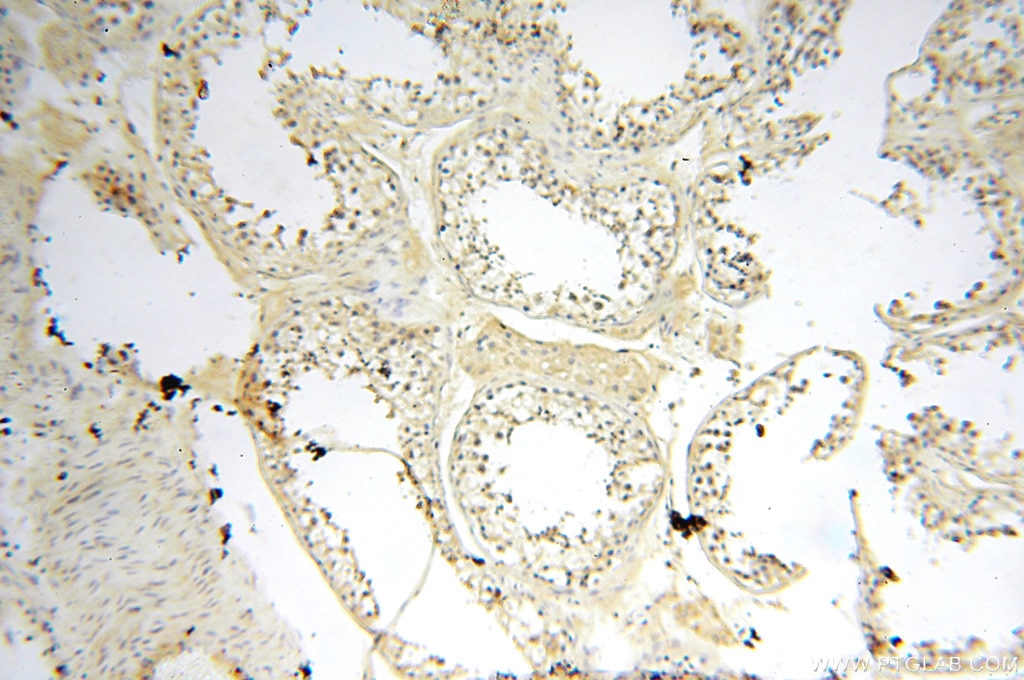
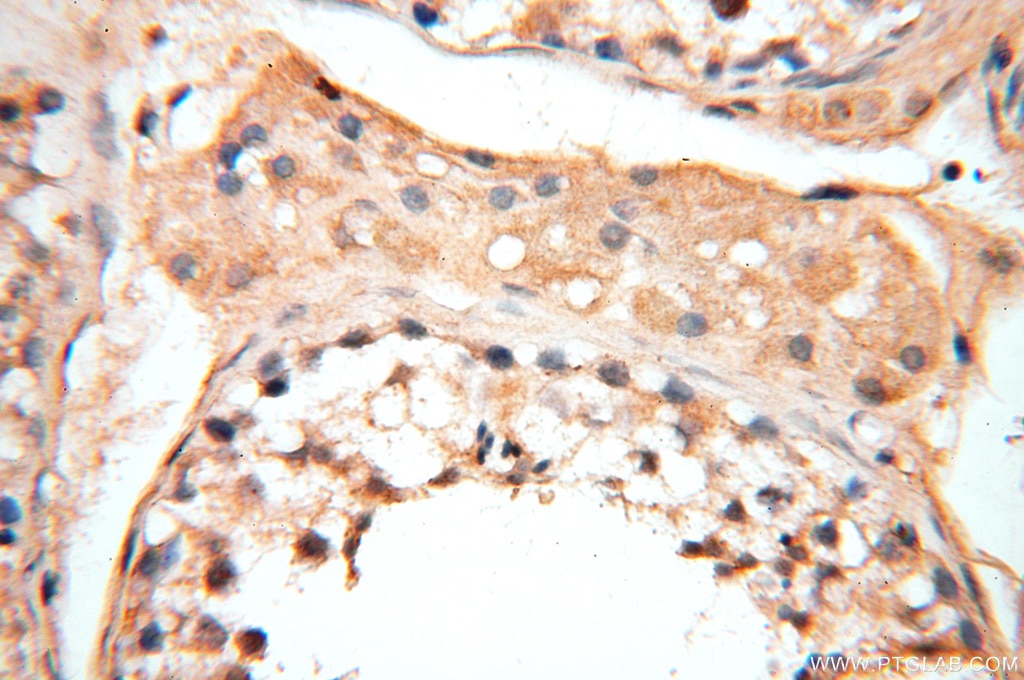
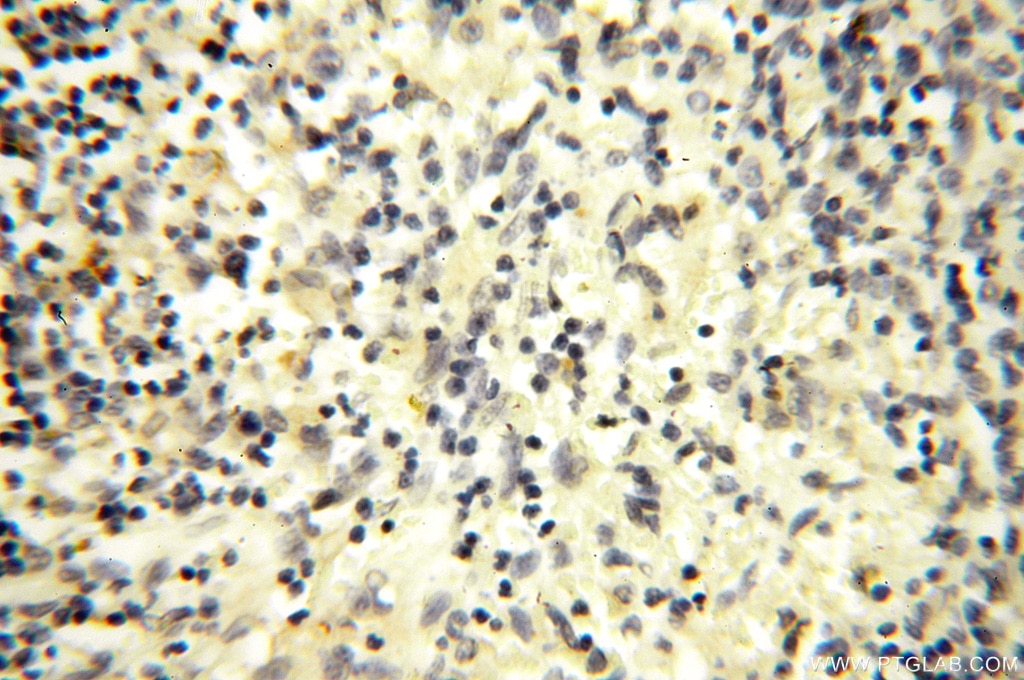
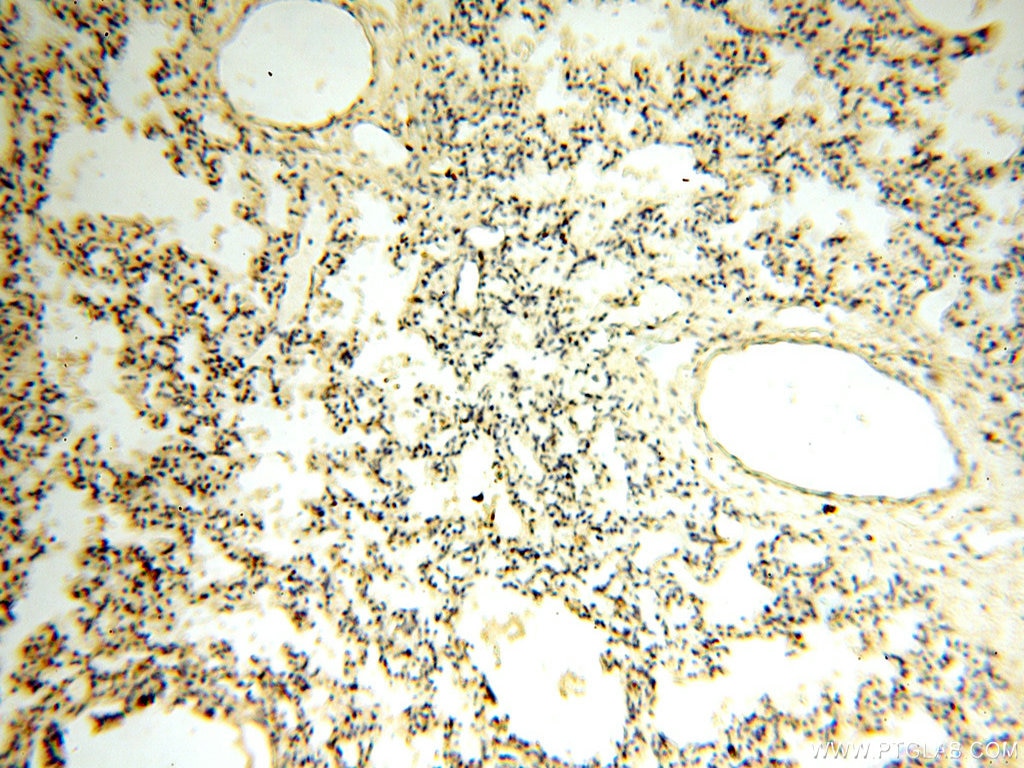
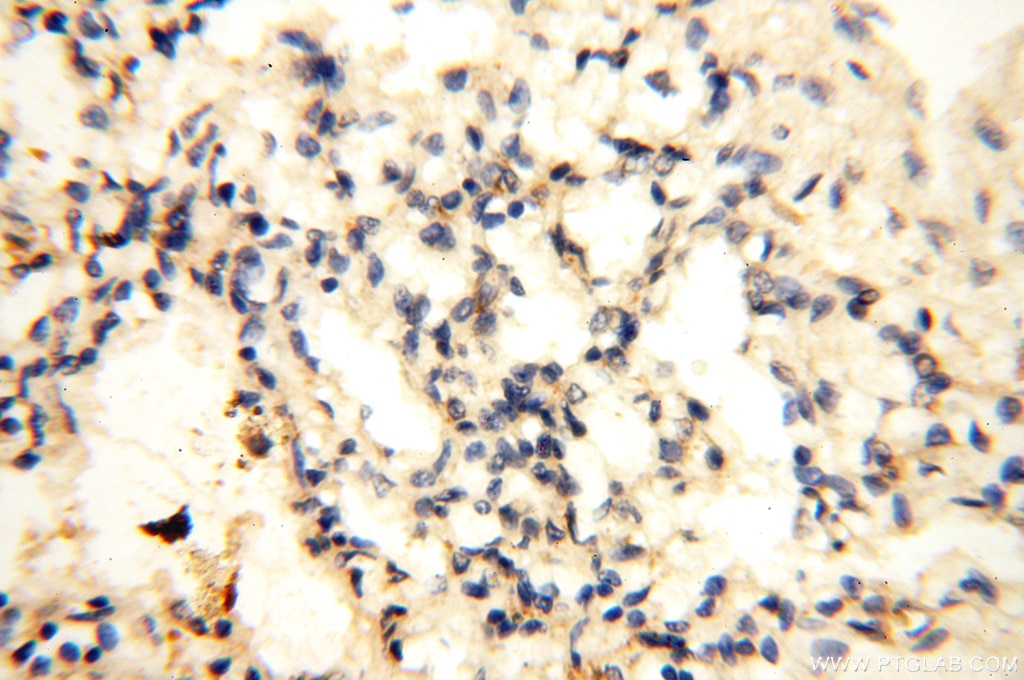
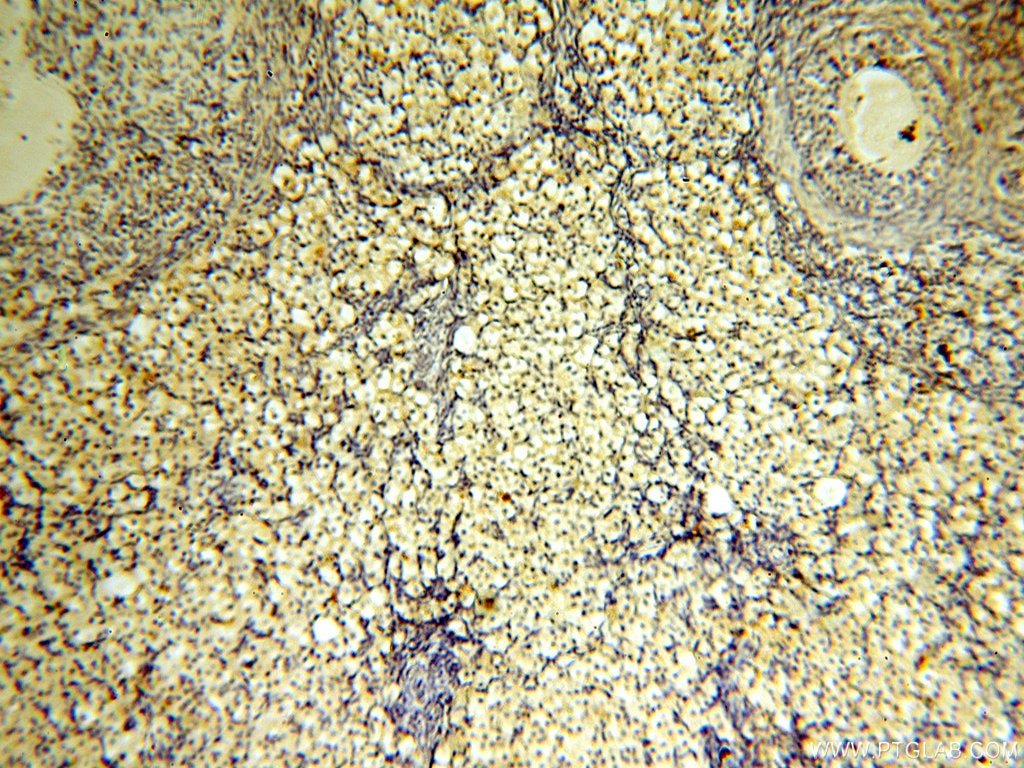
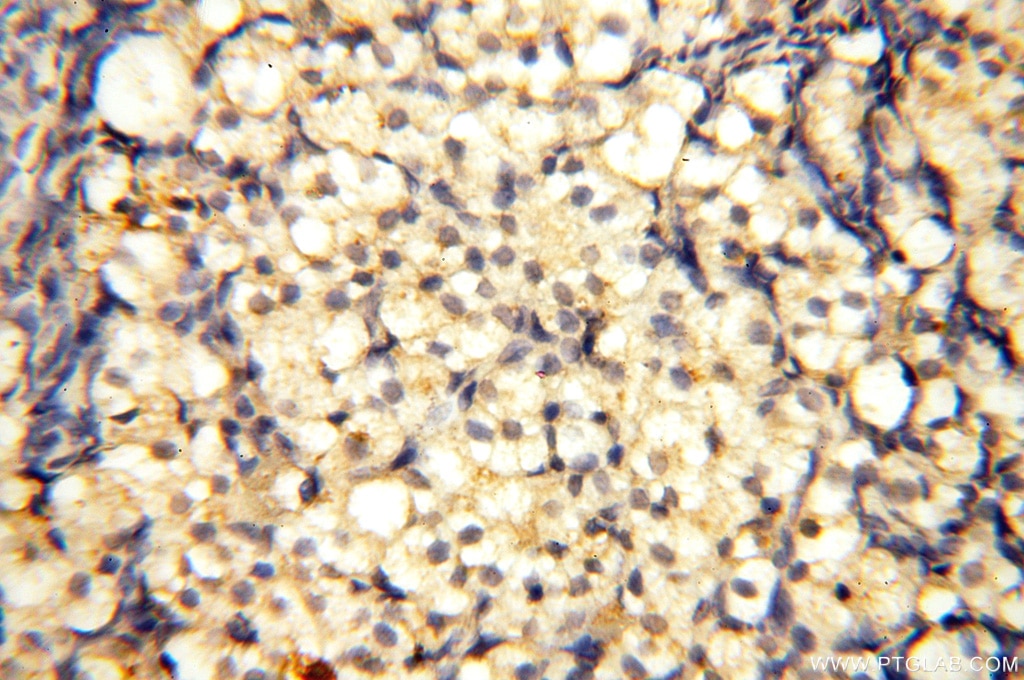
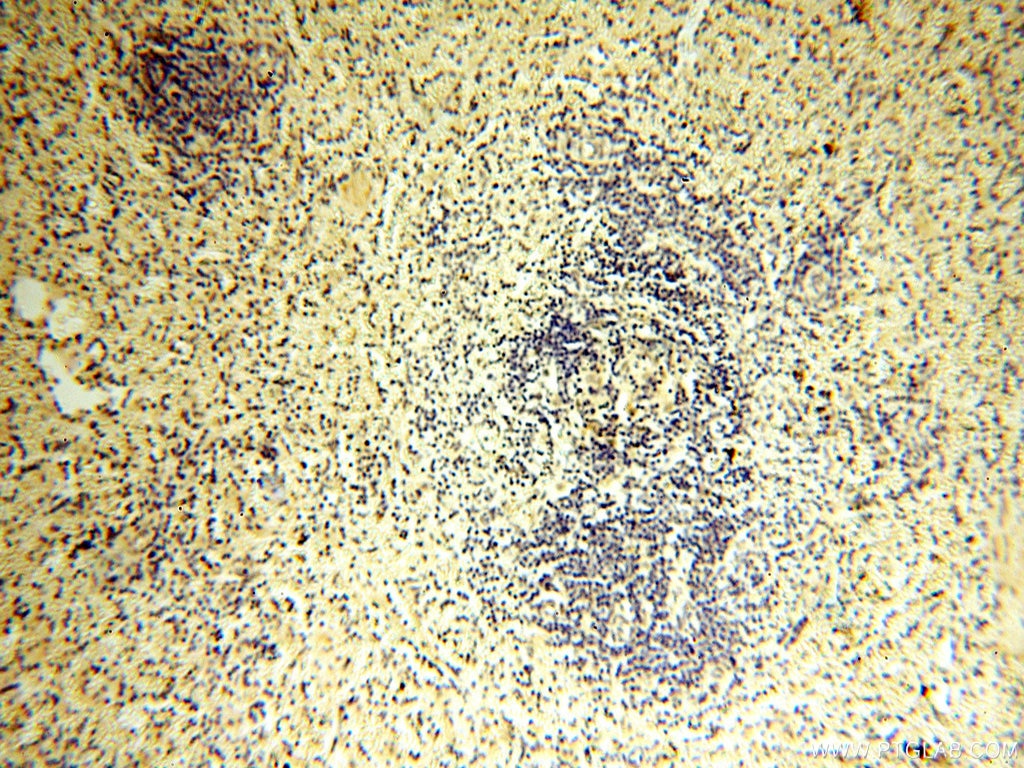
| Positive IHC detected in | human placenta tissue, rat brain tissue, human kidney tissue, human skeletal muscle tissue, human gliomas tissue, human testis tissue, human spleen tissue, human lung tissue, human ovary tissue Note: suggested antigen retrieval with TE buffer pH 9.0; (*) Alternatively, antigen retrieval may be performed with citrate buffer pH 6.0 |
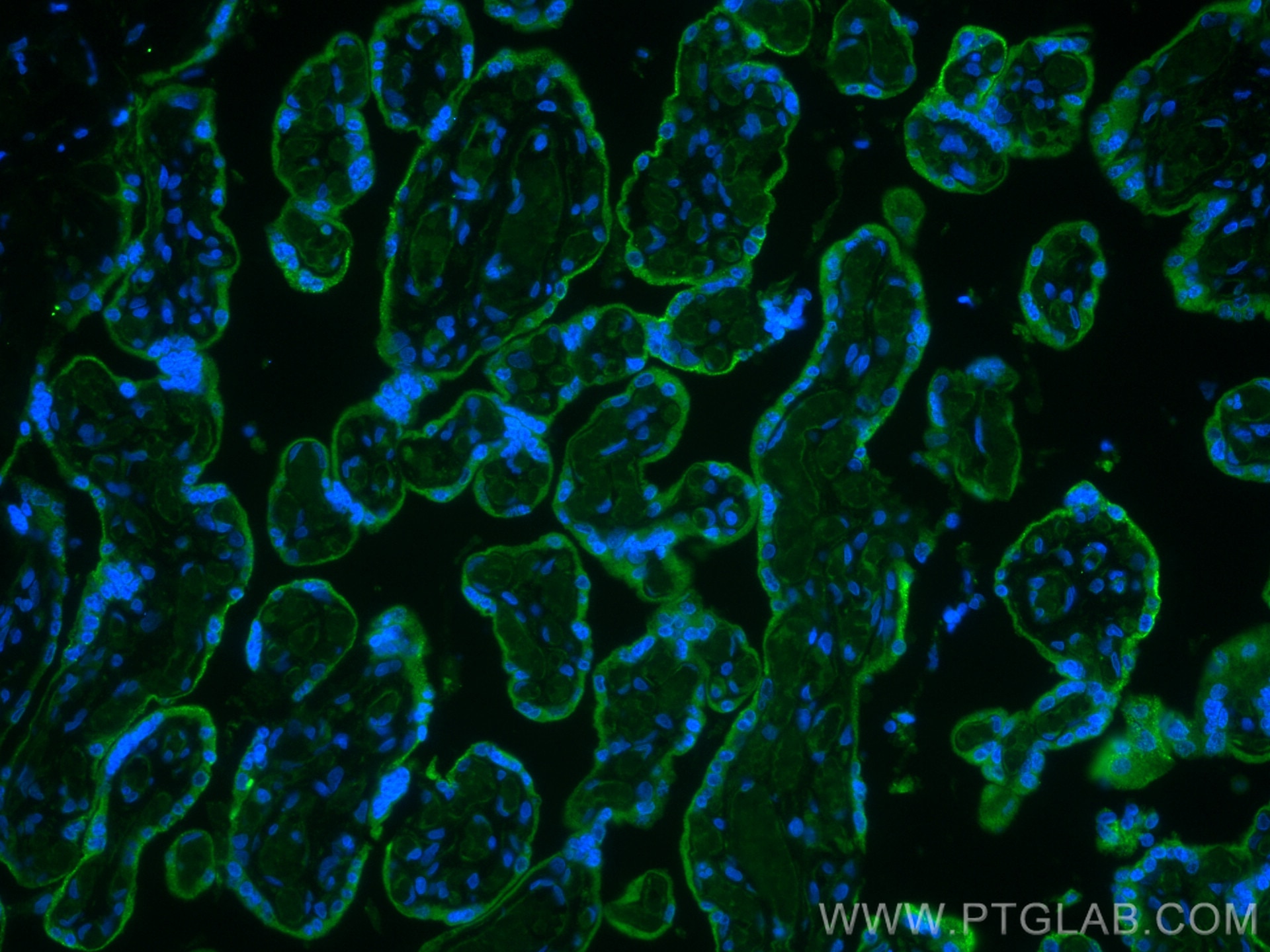
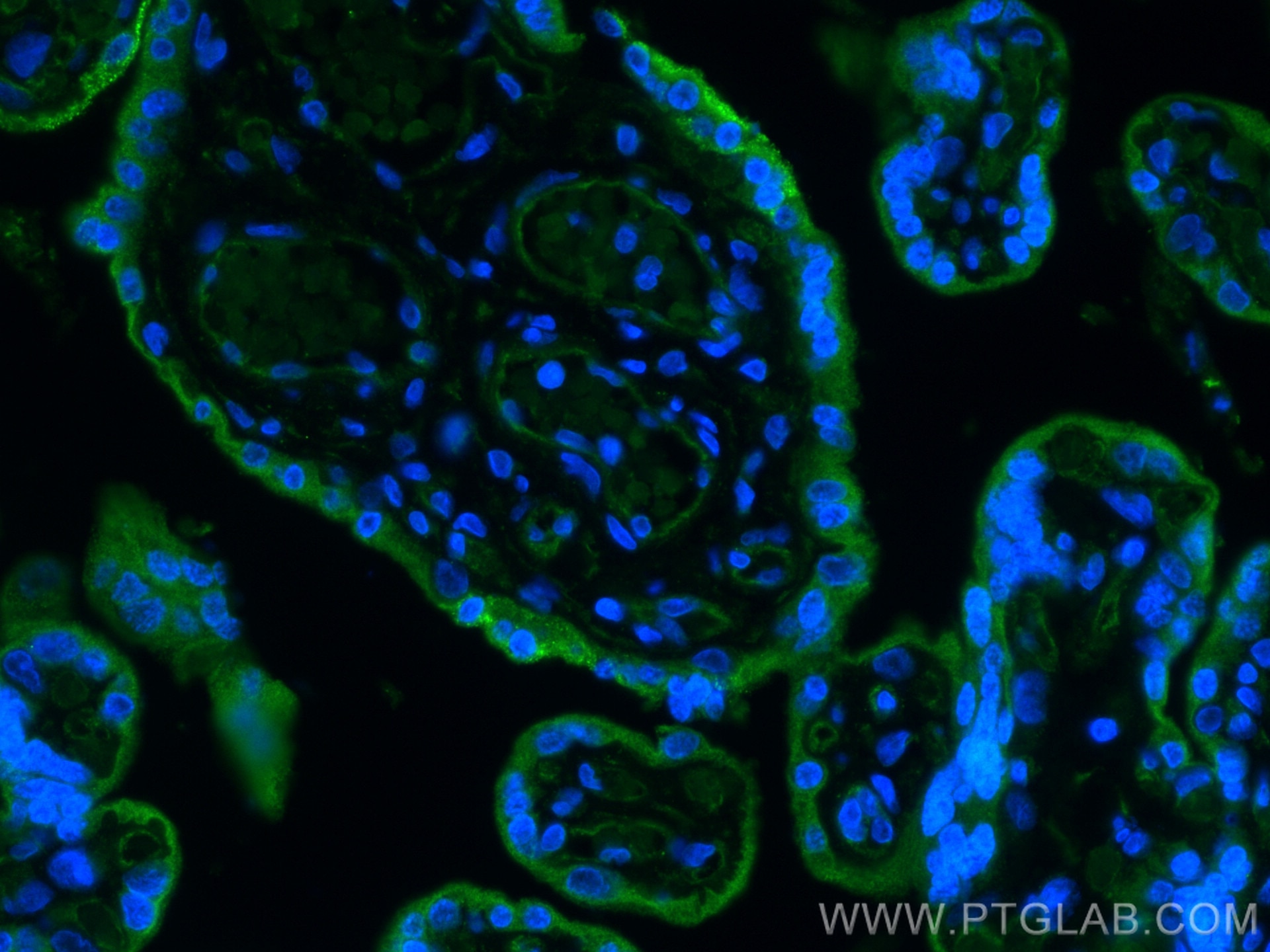
| Positive IF-P detected in | human placenta tissue |
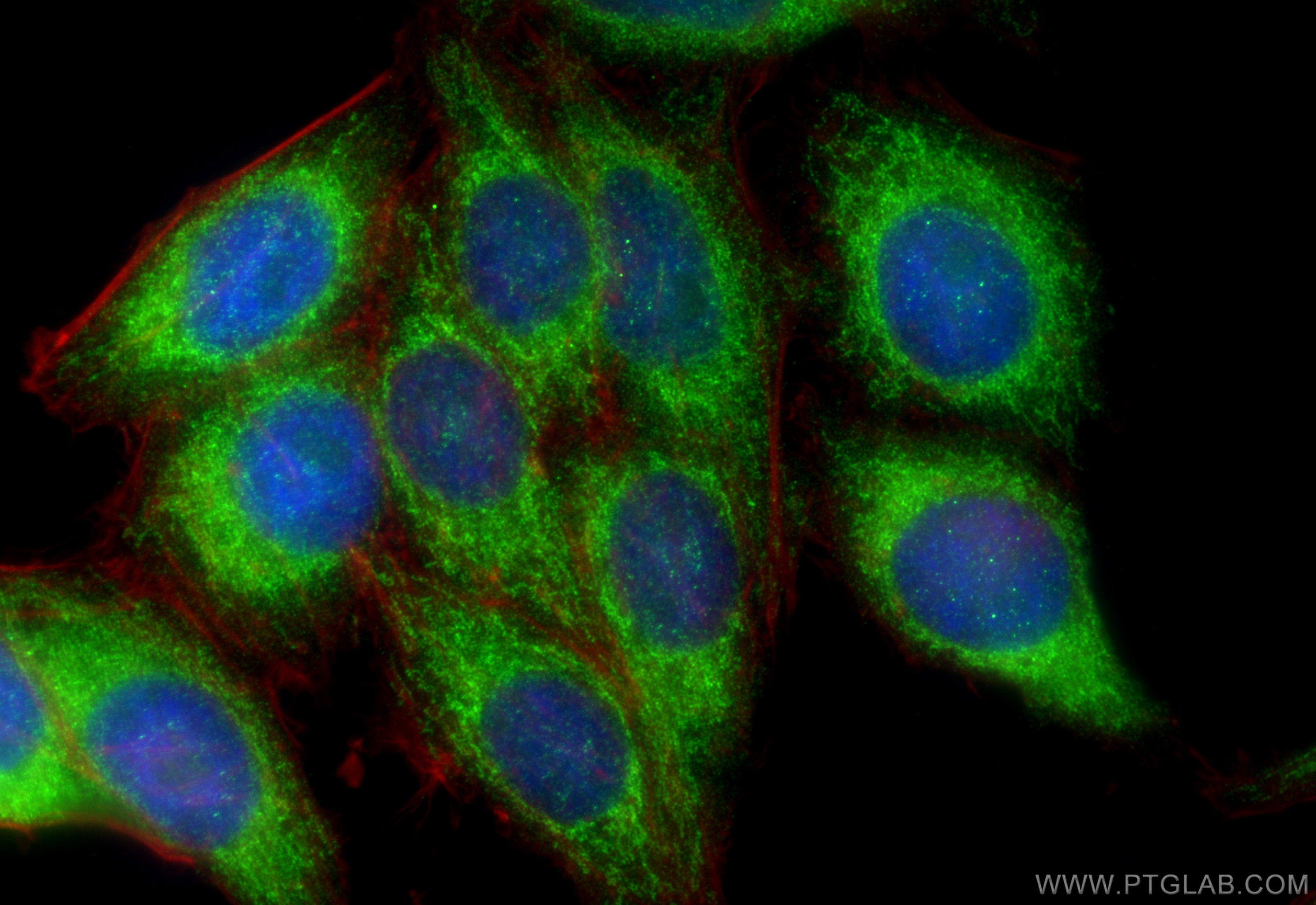
| Positive IF/ICC detected in | HepG2 cells |
Recommended dilution
| Application | Dilution |
|---|---|
| Western Blot (WB) | WB : 1:500-1:1000 |
| Immunohistochemistry (IHC) | IHC : 1:50-1:500 |
| Immunofluorescence (IF)-P | IF-P : 1:50-1:500 |
| Immunofluorescence (IF)/ICC | IF/ICC : 1:200-1:800 |
| It is recommended that this reagent should be titrated in each testing system to obtain optimal results. | |
| Sample-dependent, Check data in validation data gallery. | |
Product Information
16554-1-AP targets CYP19A1 in WB, IHC, IF/ICC, IF-P, ELISA applications and shows reactivity with human, mouse, rat samples.
| Tested Reactivity | human, mouse, rat |
| Cited Reactivity | human, mouse, rat, sheep, goat, geese |
| Host / Isotype | Rabbit / IgG |
| Class | Polyclonal |
| Type | Antibody |
| Immunogen |
CatNo: Ag9765 Product name: Recombinant human CYP19A1 protein Source: e coli.-derived, PGEX-4T Tag: GST Domain: 1-181 aa of BC022896 Sequence: MVLEMLNPIHYNITSIVPEAMPAATMPVLLLTGLFLLVWNYEGTSSIPGPGYCMGIGPLISHGRFLWMGIGSACNYYNRVYGEFMRVWISGEETLIISKSSSMFHIMKHNHYSSRFGSKLGLQCIGMHEKGIIFNNNPELWKTTRPFFMKALSGPGLVRMVTVCAESLKTHLLLFTPASVN Predict reactive species |
| Full Name | cytochrome P450, family 19, subfamily A, polypeptide 1 |
| Calculated Molecular Weight | 20 kDa, 25 kDa, 58 kDa |
| Observed Molecular Weight | 55-58 kDa |
| GenBank Accession Number | BC022896 |
| Gene Symbol | CYP19A1 |
| Gene ID (NCBI) | 1588 |
| RRID | AB_2088670 |
| Conjugate | Unconjugated |
| Form | Liquid |
| Purification Method | Antigen affinity purification |
| UNIPROT ID | P11511 |
| Storage Buffer | PBS with 0.02% sodium azide and 50% glycerol, pH 7.3. |
| Storage Conditions | Store at -20°C. Stable for one year after shipment. Aliquoting is unnecessary for -20oC storage. 20ul sizes contain 0.1% BSA. |
Background Information
CYP19A1(Cytochrome P450 19A1) is also named as ARO1(aromatase), CYAR, CYP19, estrogen synthase and belongs to the cytochrome P450 family. It is a terminal enzyme which transforms irreversibly androgens into estrogens and it is present in the endoplasmic reticulum of numerous tissues(PMID:16406261). The gene encodes a protein with the molecular weight between 46 kDa and 69 kDa(PMID:8129748) and the protein can be glycosylated, but the level of glycosylation does not seem to be essential for CYP19A1 activity(PMID:12606587). Brain aromatase may be neuroprotective by increasing the local estrogen levels in injured neurons so that genetic variation in the brain aromatase gene may modify the risk for AD(PMID:16767510).
Protocols
| Product Specific Protocols | |
|---|---|
| IF protocol for CYP19A1 antibody 16554-1-AP | Download protocol |
| IHC protocol for CYP19A1 antibody 16554-1-AP | Download protocol |
| WB protocol for CYP19A1 antibody 16554-1-AP | Download protocol |
| Standard Protocols | |
|---|---|
| Click here to view our Standard Protocols |
Publications
What published studies show
The CYP19A1 (aromatase) polyclonal antibody (Cat# 16554-1-AP) has 43 citations. These appear in journals including J Ovarian Res, Sci Rep, J Steroid Biochem Mol Biol, J Ethnopharmacol, Cell Death Discov, Fertil Steril, Endocrinology, EMBO Rep, Phytomedicine, Nat Mater, and others. Research fields span reproductive endocrinology (PCOS, premature ovarian insufficiency, steroidogenesis, granulosa cell biology), oncology (osteosarcoma, gastric cancer), pharmacology, neuroscience, and metabolic signaling.
| Species | Application | Title |
|---|---|---|
Research (Wash D C) Circulating Interleukin-6 Mediates PM2.5-Induced Ovarian Injury by Suppressing the PPARγ Pathway | ||
Phytomedicine Integrating serum pharmacochemistry, network pharmacology, and metabolomics to explore the protective mechanism of Hua-Feng-Dan in ischemic stroke. | ||
Adv Healthc Mater Macrophage Membrane-Cloaked, ROS-Triggered Quercetin Nanocarriers Target Ovarian Lesions to Treat Polycystic Ovary Syndrome. | ||
Cell Death Discov mTORC1 accelerates osteosarcoma progression via m6A-dependent stabilization of USP7 mRNA | ||
Int J Biol Macromol A novel nuclear receptor NR1D1 suppresses HSD17B12 transcription to regulate granulosa cell apoptosis and autophagy via the AMPK pathway in sheep | ||
Anim Nutr Effects of dietary protein level on reproductive performance, transcriptomics and metabolomics of ovaries of female northern snakehead (Channa argus) broodstock. |
























