

Tested Applications
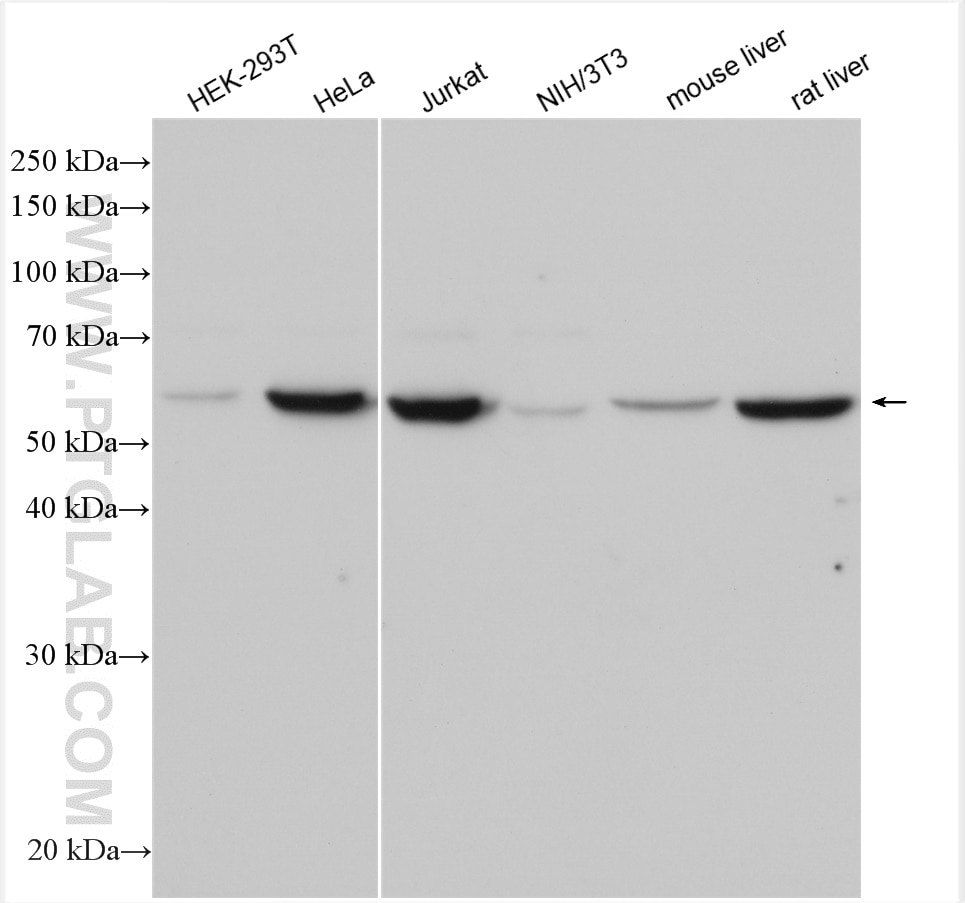
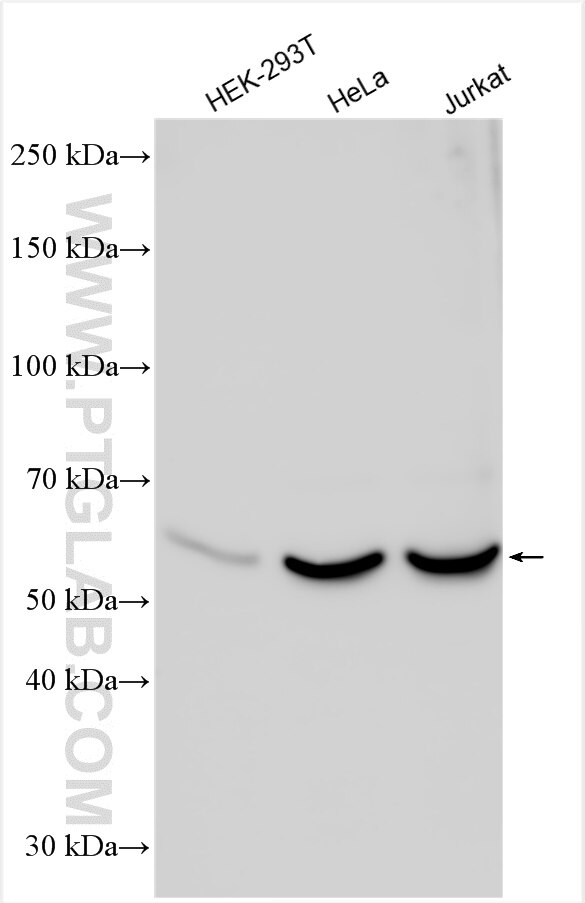
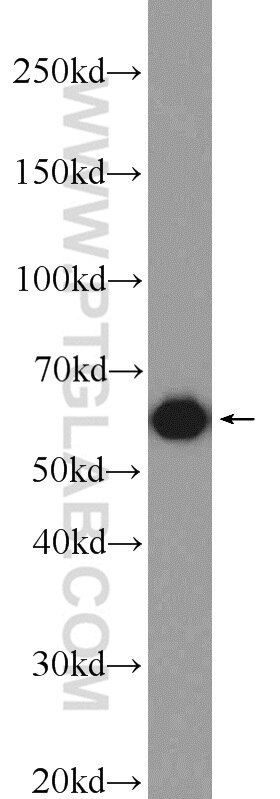
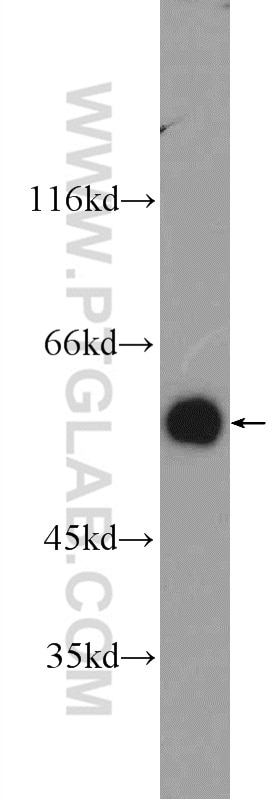
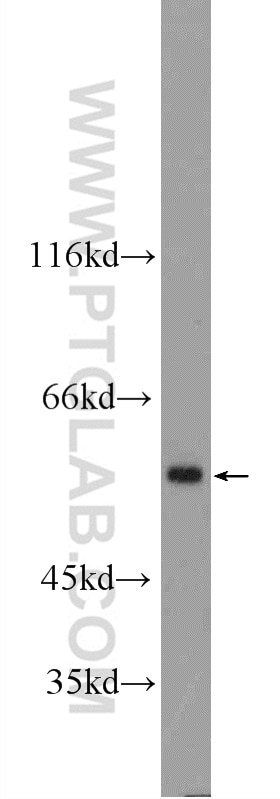
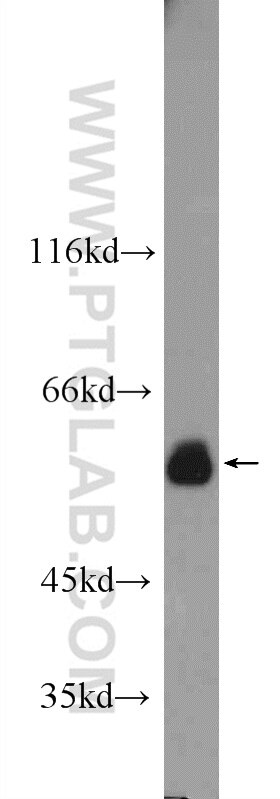
| Positive WB detected in | HEK-293T cells, HEK-293 cells, HeLa cells, HepG2 cells, mouse liver tissue, SMMC-7721 cells, Jurkat cells, NIH/3T3 cells, rat liver tissue |
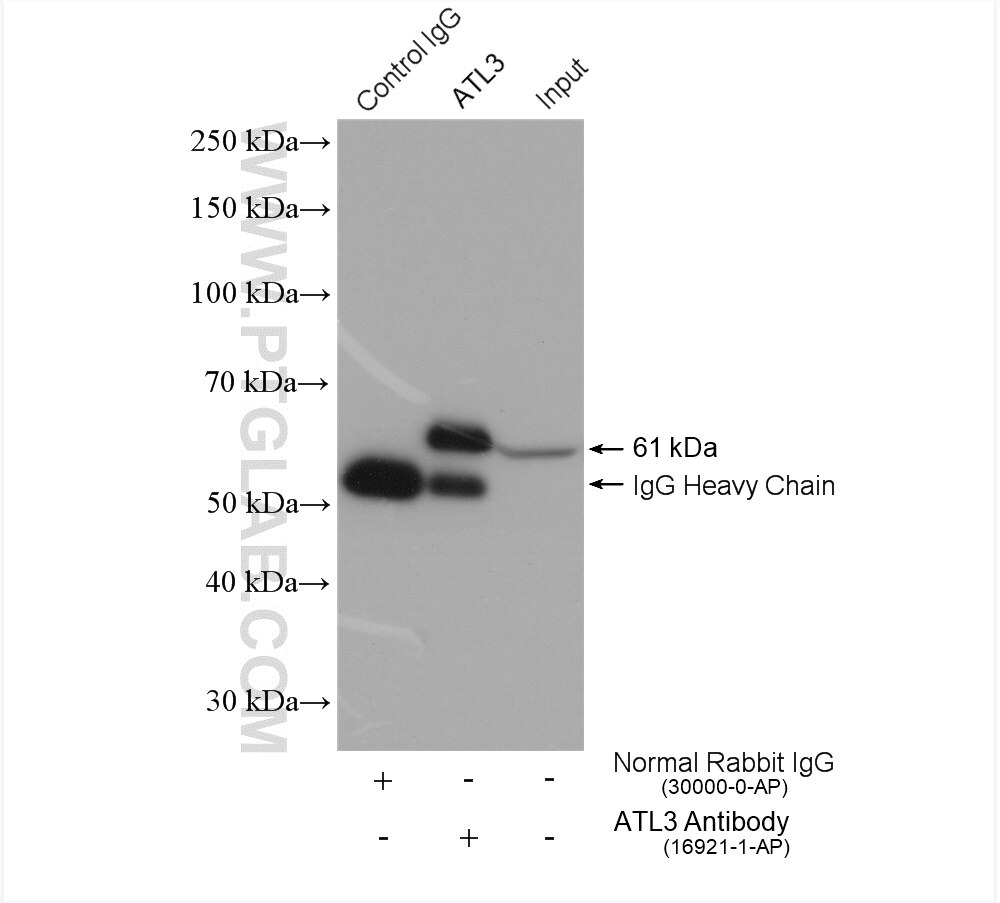
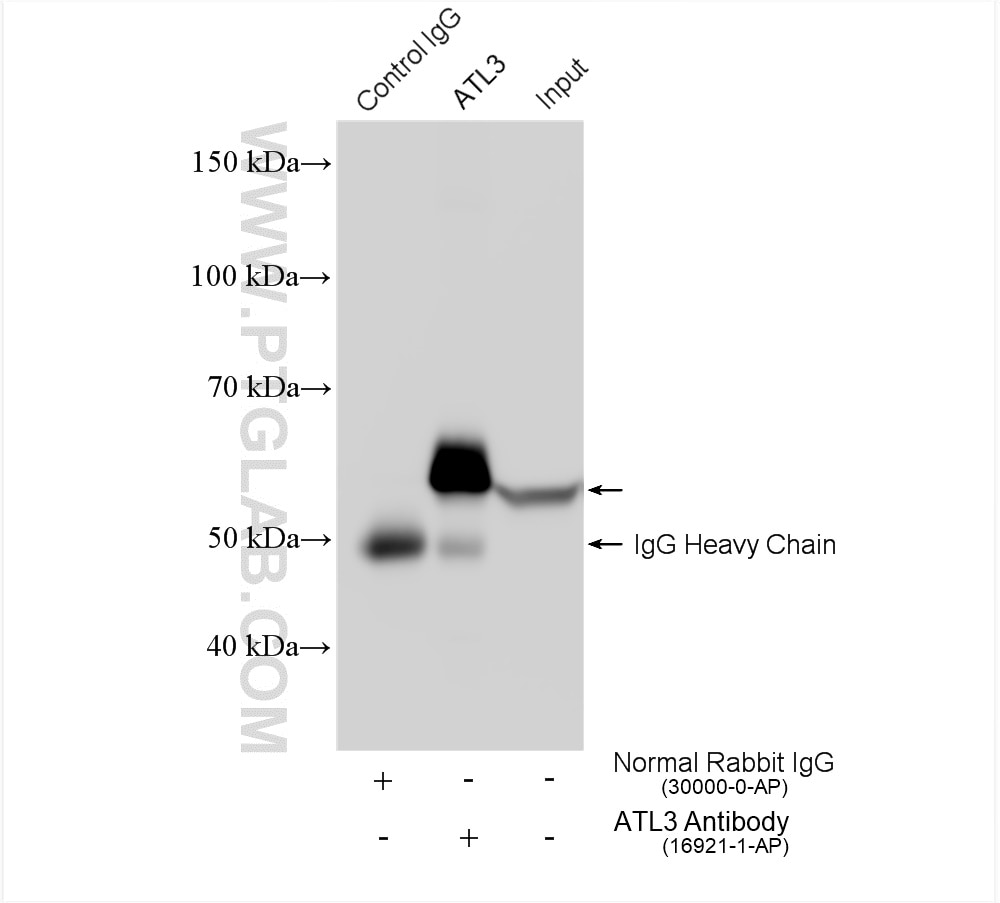
| Positive IP detected in | HeLa cells |
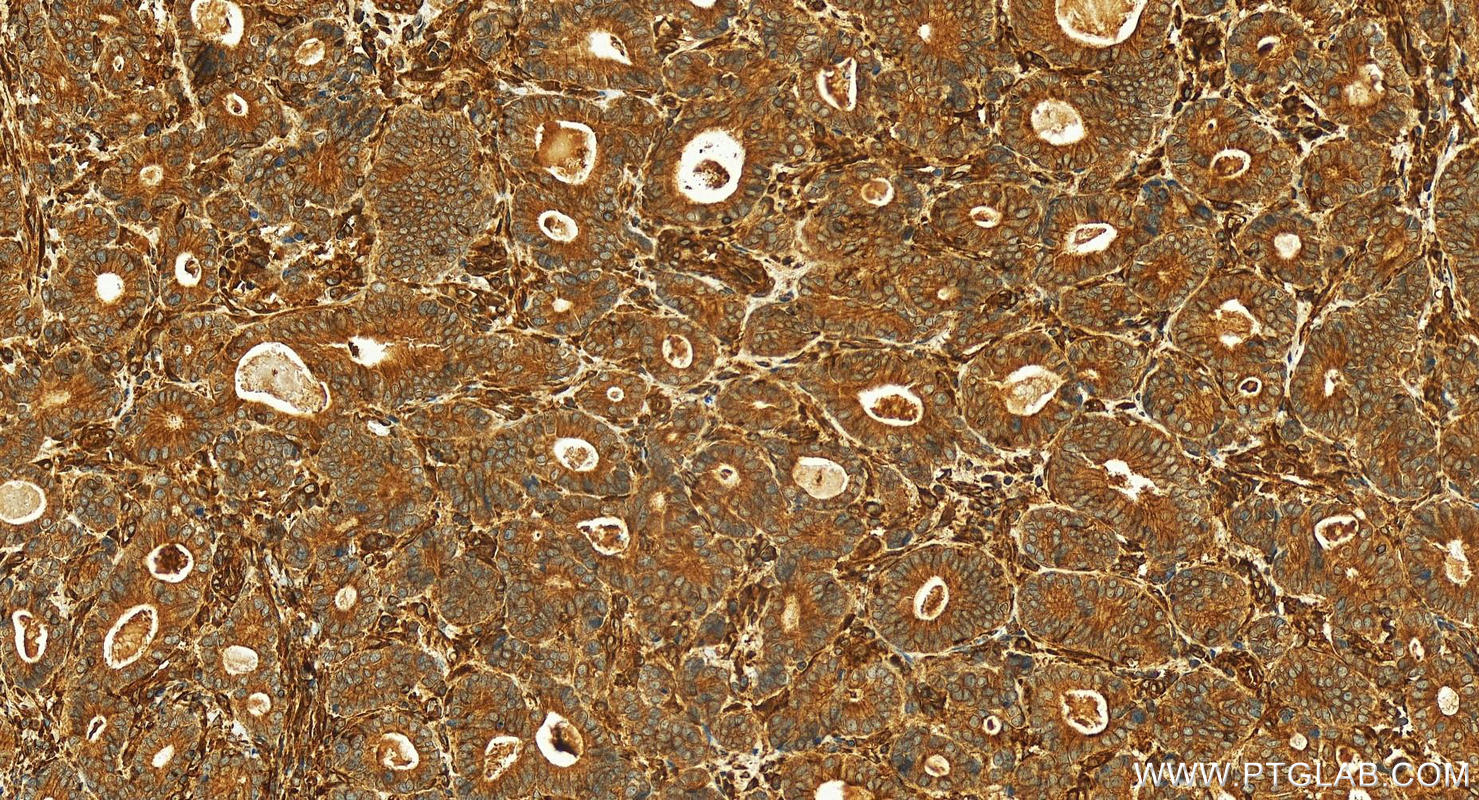
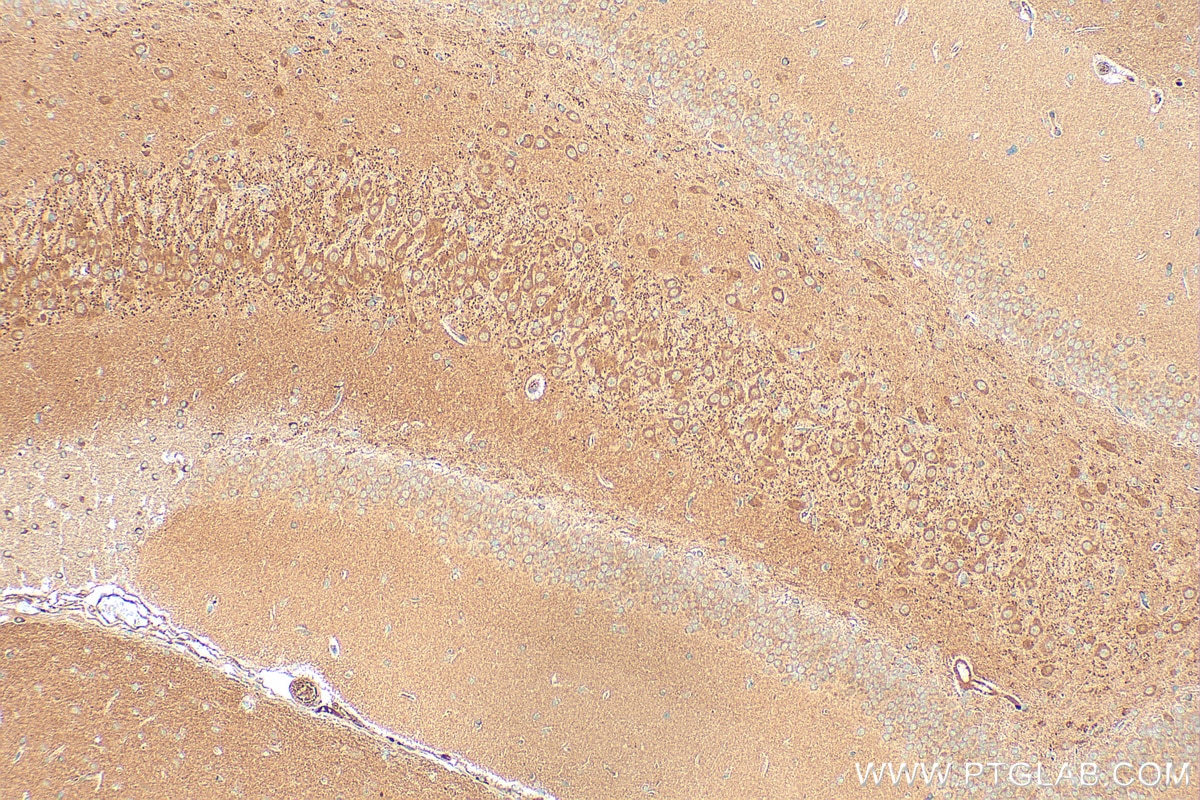
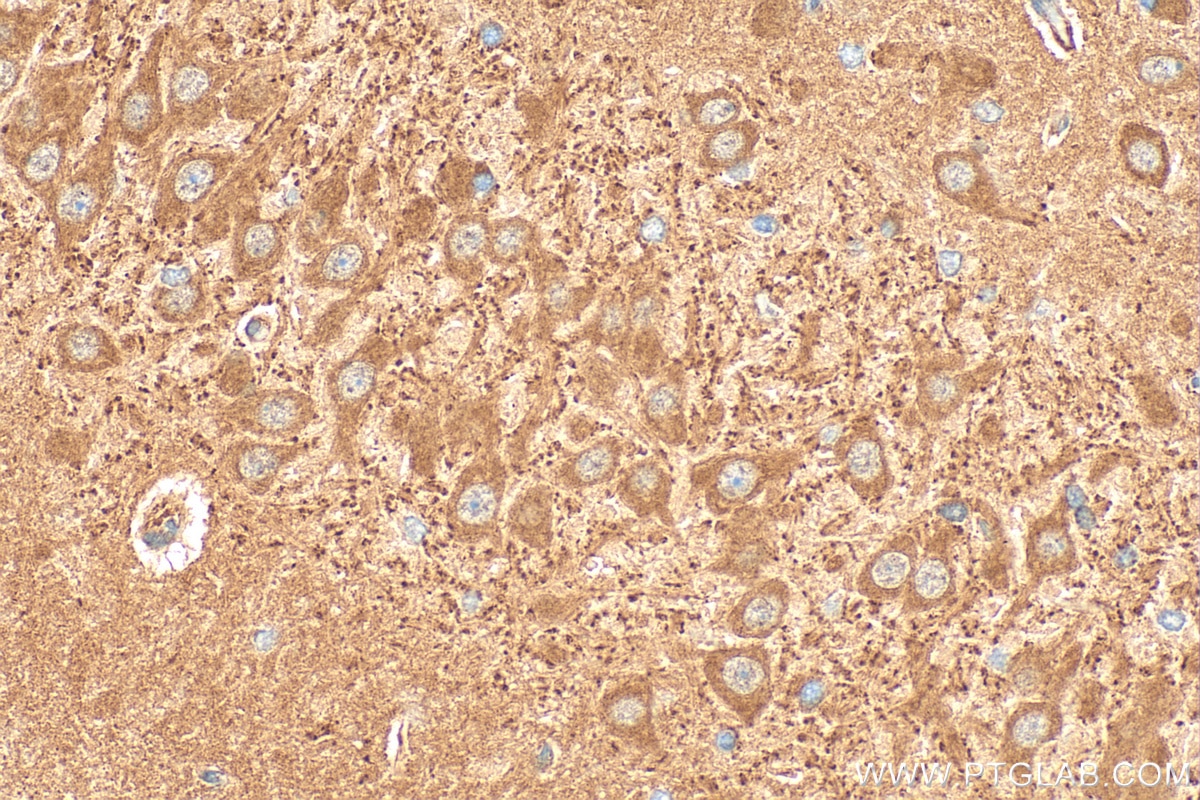
| Positive IHC detected in | human stomach cancer tissue, rat brain tissue Note: suggested antigen retrieval with TE buffer pH 9.0; (*) Alternatively, antigen retrieval may be performed with citrate buffer pH 6.0 |
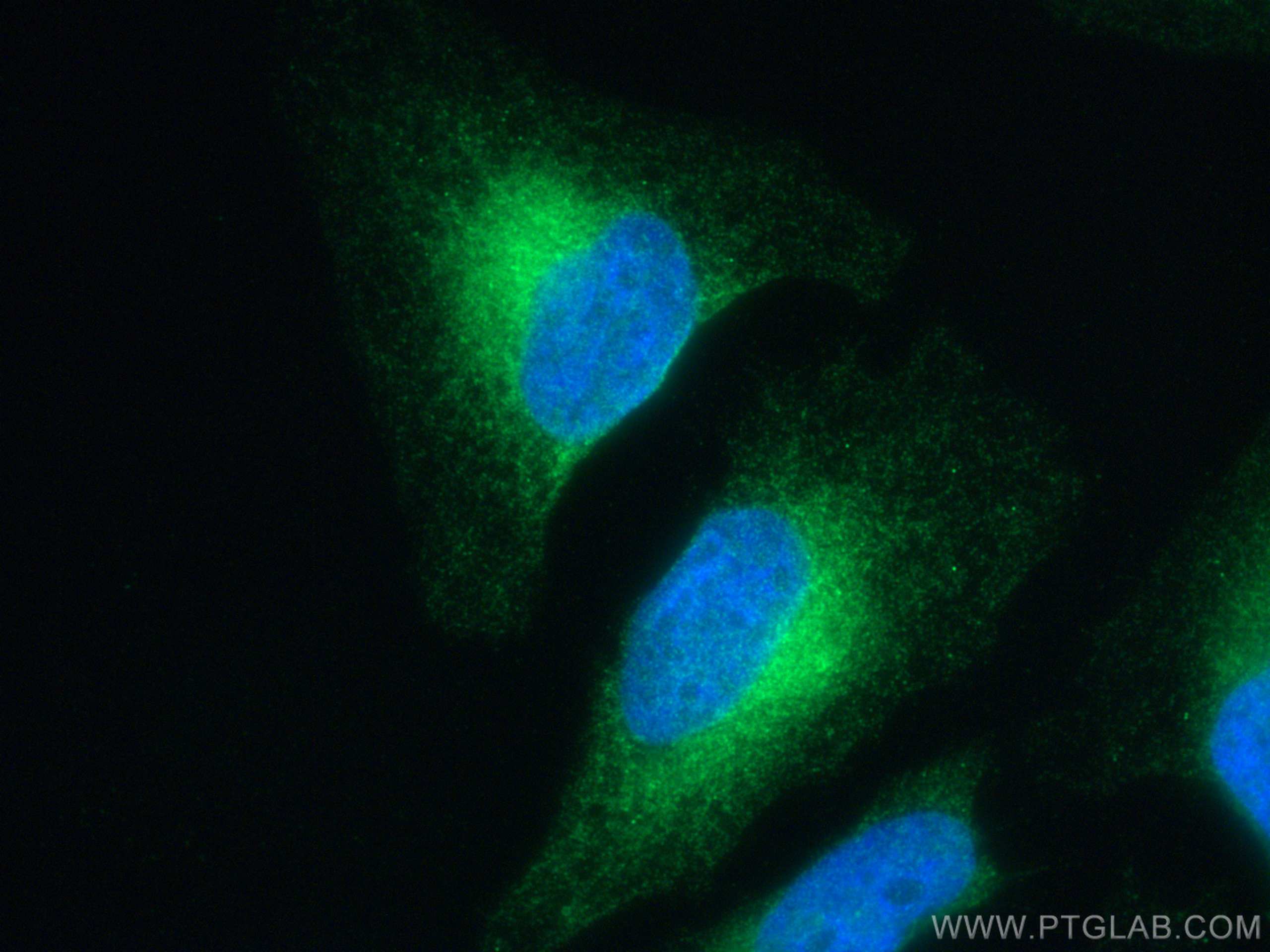
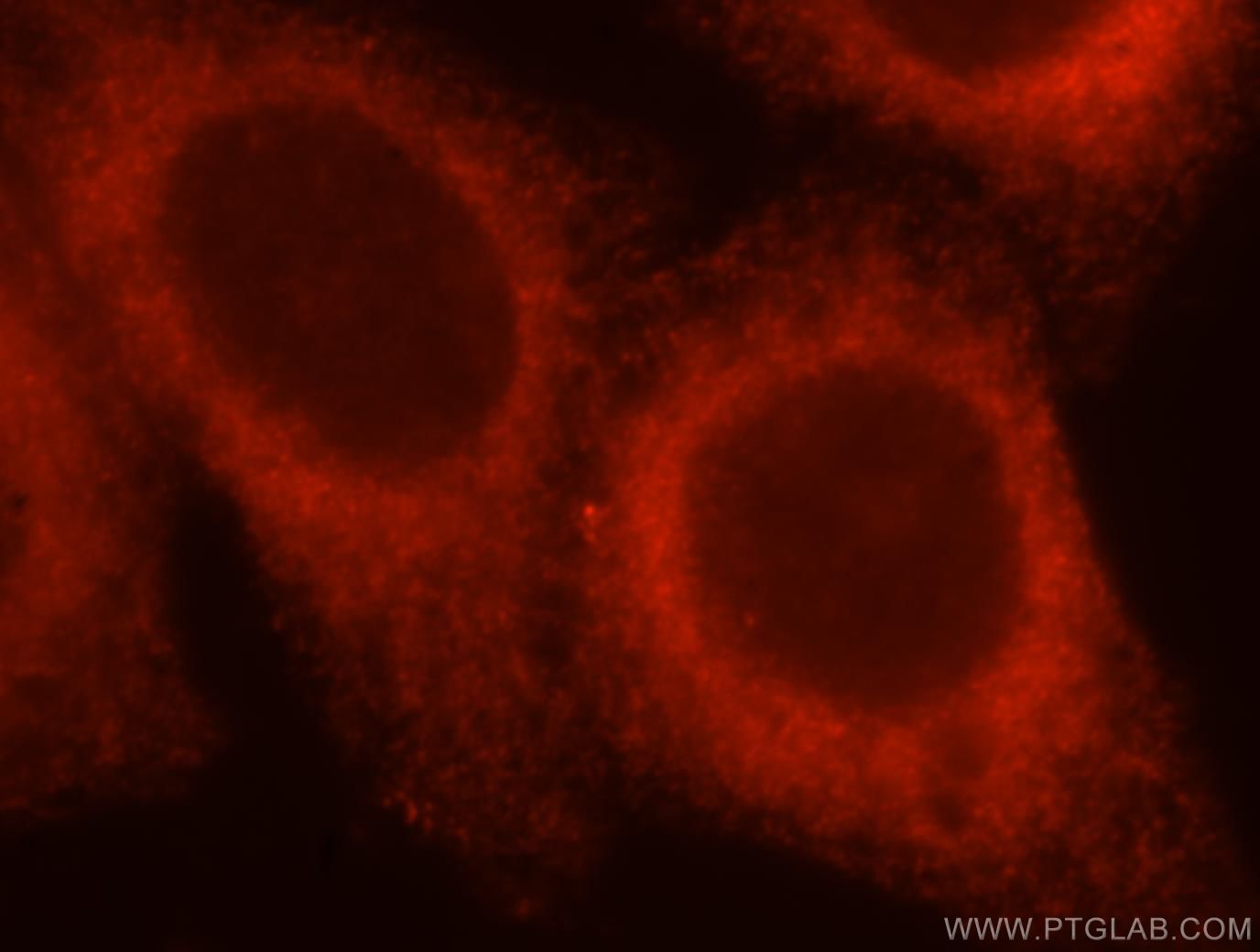
| Positive IF/ICC detected in | HeLa cells, HepG2 cells |
Recommended dilution
| Application | Dilution |
|---|---|
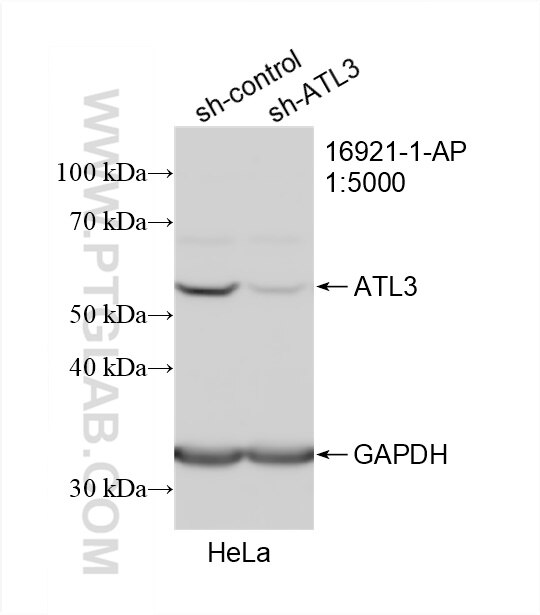
| Western Blot (WB) | WB : 1:2000-1:12000 |
| Immunoprecipitation (IP) | IP : 0.5-4.0 ug for 1.0-3.0 mg of total protein lysate |
| Immunohistochemistry (IHC) | IHC : 1:50-1:500 |
| Immunofluorescence (IF)/ICC | IF/ICC : 1:50-1:500 |
| It is recommended that this reagent should be titrated in each testing system to obtain optimal results. | |
| Sample-dependent, Check data in validation data gallery. | |
Product Information
16921-1-AP targets ATL3 in WB, IHC, IF/ICC, IP, CoIP, ELISA applications and shows reactivity with human, mouse, rat samples.
| Tested Reactivity | human, mouse, rat |
| Cited Reactivity | human, mouse, monkey, chicken |
| Host / Isotype | Rabbit / IgG |
| Class | Polyclonal |
| Type | Antibody |
| Immunogen |
CatNo: Ag10279 Product name: Recombinant human ATL3 protein Source: e coli.-derived, PGEX-4T Tag: GST Domain: 1-351 aa of BC077727 Sequence: MLSPQRVAAAASRGADDAMESSKPGPVQVVLVQKDQHSFELDEKALASILLQDHIRDLDVVVVSVAGAFRKGKSFILDFMLRYLYSQKESGHSNWLGDPEEPLTGFSWRGGSDPETTGIQIWSEVFTVEKPGGKKVAVVLMDTQGAFDSQSTVKDCATIFALSTMTSSVQIYNLSQNIQEDDLQQLQLFTEYGRLAMDEIFQKPFQTLMFLVRDWSFPYEYSYGLQGGMAFLDKRLQVKEHQHEEIQNVRNHIHSCFSDVTCFLLPHPGLQVATSPDFDGKLKDIAGEFKEQLQALIPYVLNPSKLMEKEINGSKVTCRGLLEYFKAYIKIYQGEDLPHPKSMLQATAEAN Predict reactive species |
| Full Name | atlastin GTPase 3 |
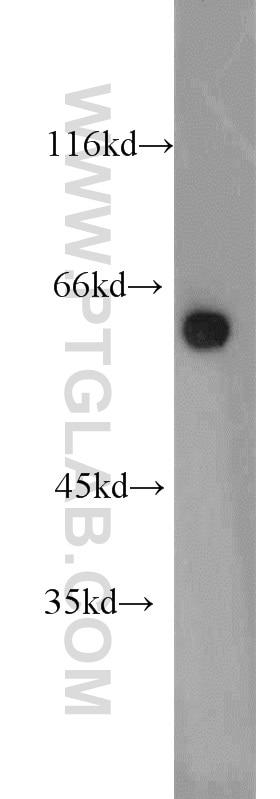
| Calculated Molecular Weight | 541 aa, 61 kDa |
| Observed Molecular Weight | 61 kDa |
| GenBank Accession Number | BC077727 |
| Gene Symbol | ATL3 |
| Gene ID (NCBI) | 25923 |
| RRID | AB_2290228 |
| Conjugate | Unconjugated |
| Form | Liquid |
| Purification Method | Antigen affinity purification |
| UNIPROT ID | Q6DD88 |
| Storage Buffer | PBS with 0.02% sodium azide and 50% glycerol, pH 7.3. |
| Storage Conditions | Store at -20°C. Stable for one year after shipment. Aliquoting is unnecessary for -20oC storage. 20ul sizes contain 0.1% BSA. |
Background Information
ATL3, belonging to a class of dynamin-like GTPase, was reported to mediate ER fusion. ATL3 is required for the proper formation of the network of interconnected tubules of the endoplasmic reticulum. ATL3 functions as a receptor for ER-phagy, promoting tubular ER degradation upon starvation. Mutations in this gene may be associated with hereditary sensory neuropathy type IF.
Protocols
| Product Specific Protocols | |
|---|---|
| IF protocol for ATL3 antibody 16921-1-AP | Download protocol |
| IHC protocol for ATL3 antibody 16921-1-AP | Download protocol |
| IP protocol for ATL3 antibody 16921-1-AP | Download protocol |
| WB protocol for ATL3 antibody 16921-1-AP | Download protocol |
| Standard Protocols | |
|---|---|
| Click here to view our Standard Protocols |
Publications
What published studies show
ATL3 Polyclonal antibody (Cat# 16921-1-AP) has 35 citations published in journals including Nature, Nature Communications, Nature Cell Biology, Cell Research, Neuron, Molecular Cell, Advanced Science, EMBO Journal, Current Biology, Cell Discovery, Developmental Cell, and Nature Structural & Molecular Biology. Research fields span ER morphology, ER-phagy (selective autophagy), organelle dynamics, neurodegeneration, cancer biology, virology, and lipid metabolism, with applications primarily in Western blot, immunofluorescence, and co-immunoprecipitation.
| Species | Application | Title |
|---|---|---|
Signal Transduct Target Ther Targeting intracellular cholesterol imbalance rescues sarcomere-ER contact site signaling and ER remodeling in dilated cardiomyopathy. | ||
Cell Res DNA damage triggers tubular endoplasmic reticulum extension to promote apoptosis by facilitating ER-mitochondria signaling. | ||
Nat Cell Biol Cholesterol sensing by the SCAP-FAM134B complex regulates ER-phagy and STING innate immunity. | ||
Mol Neurodegener Pathological characteristics of axons and alterations of proteomic and lipidomic profiles in midbrain dopaminergic neurodegeneration induced by WDR45-deficiency |
















