

Tested Applications
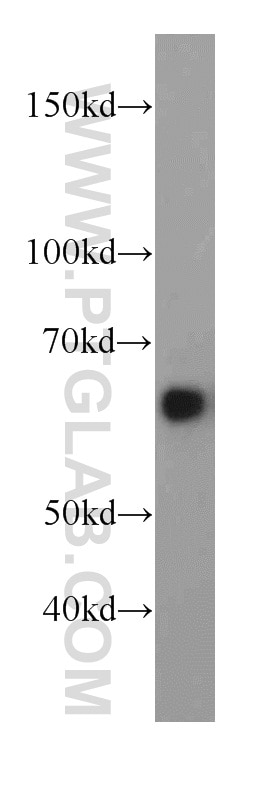
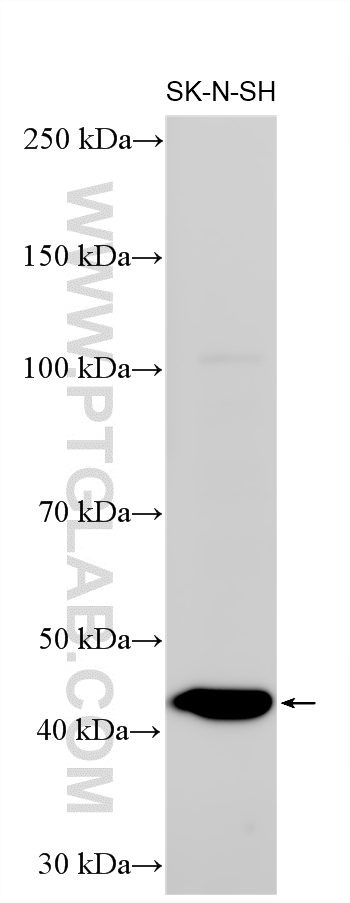
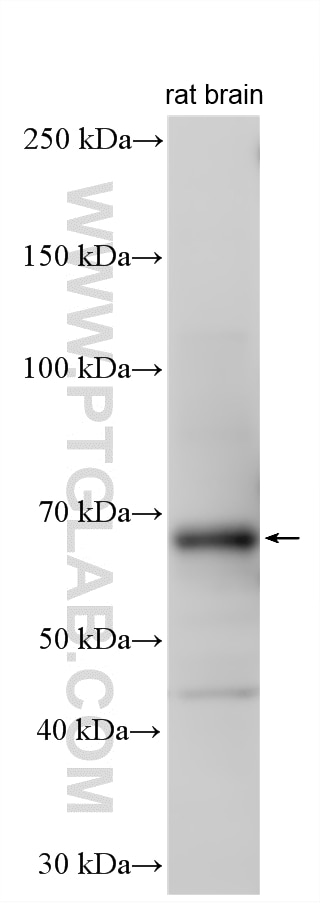
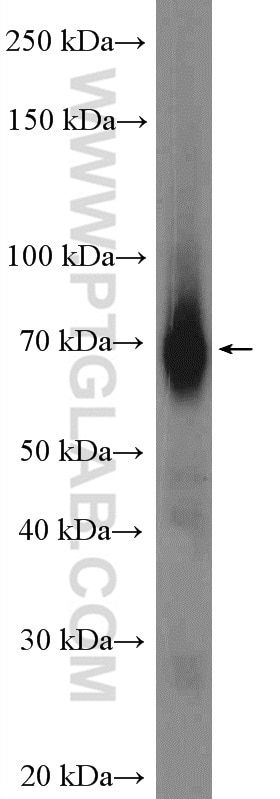
| Positive WB detected in | mouse brain tissue, mouse liver tissue, rat brain tissue, SK-N-SH cells |
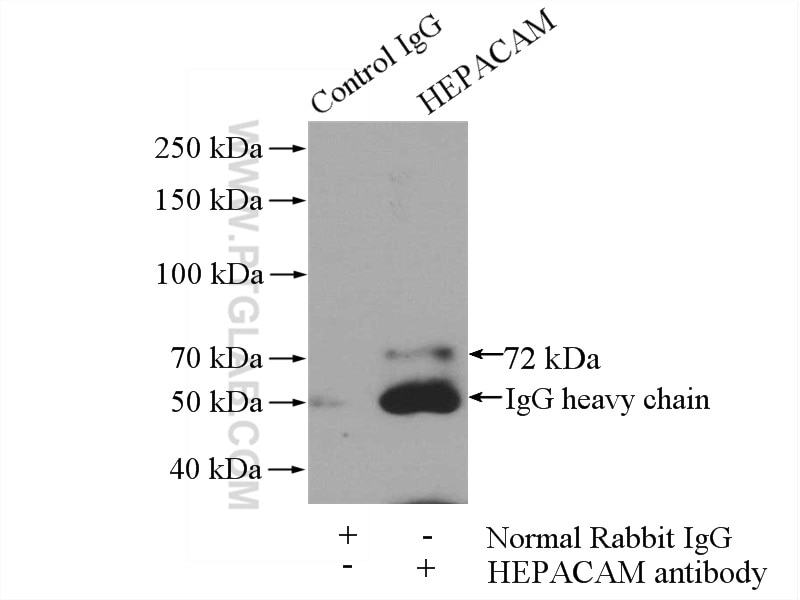
| Positive IP detected in | rat brain tissue |
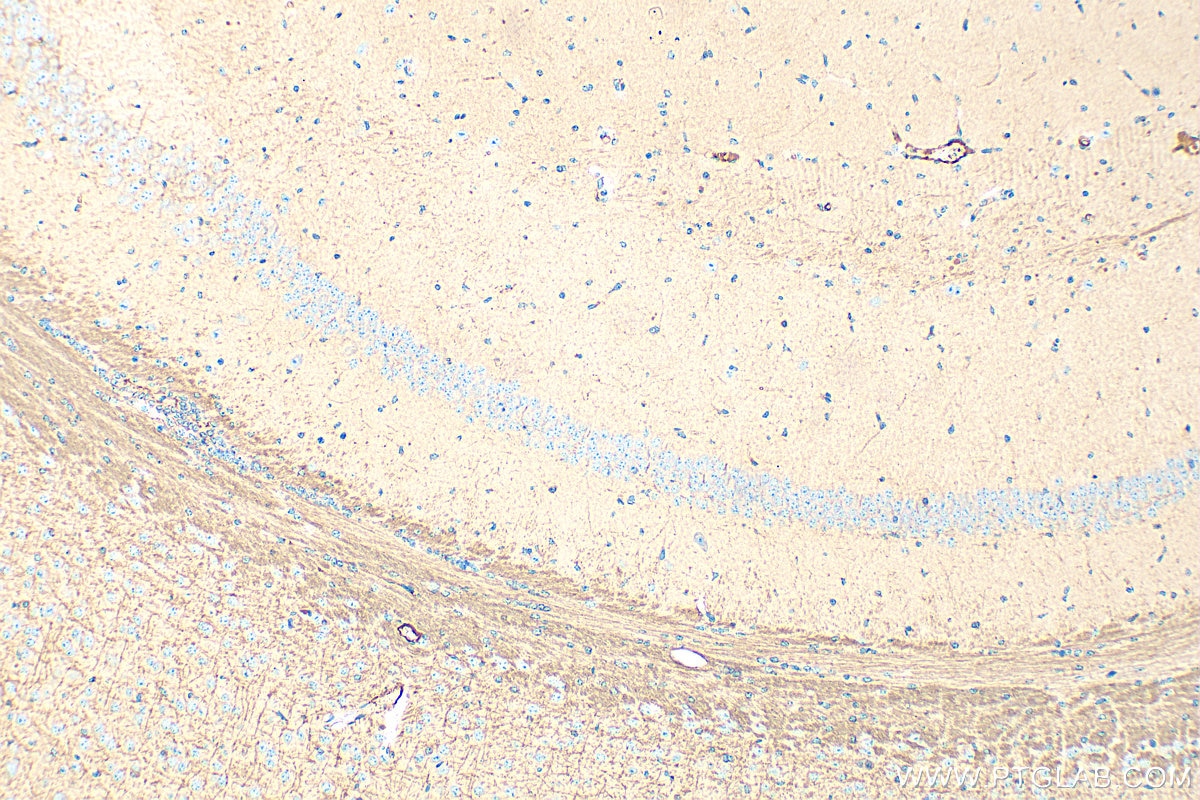
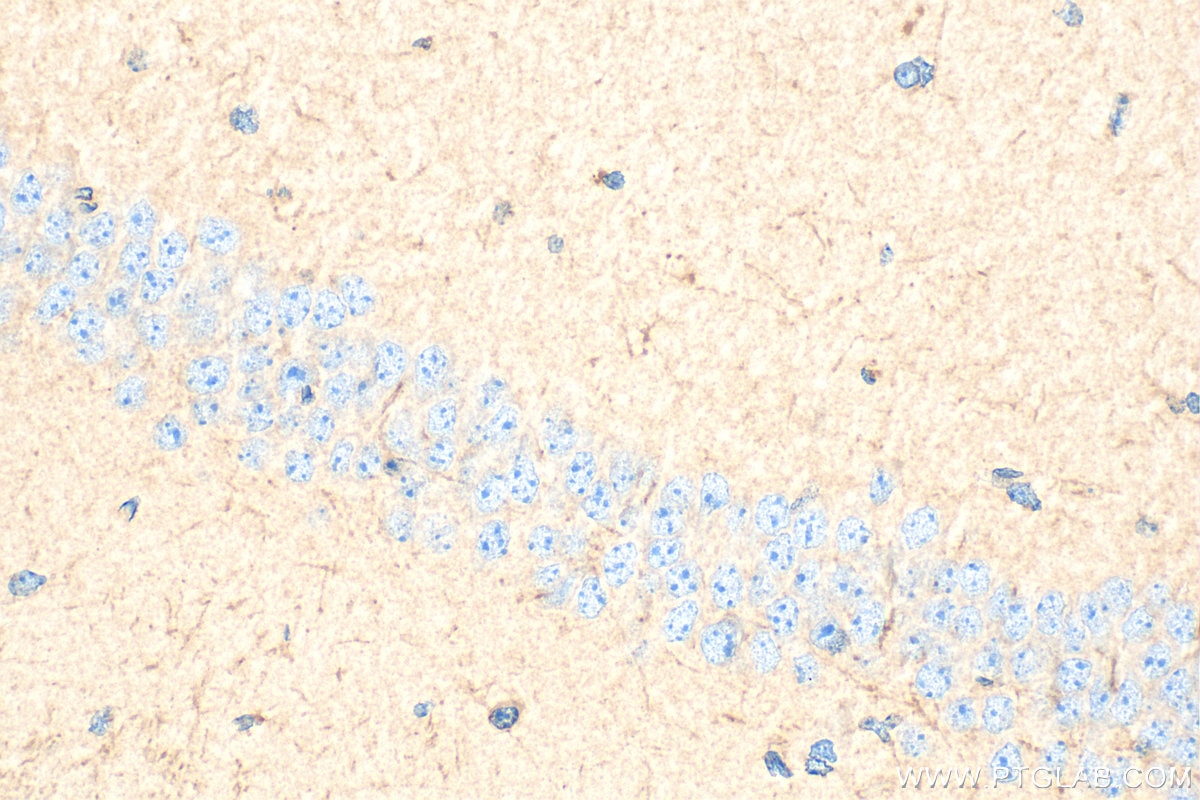
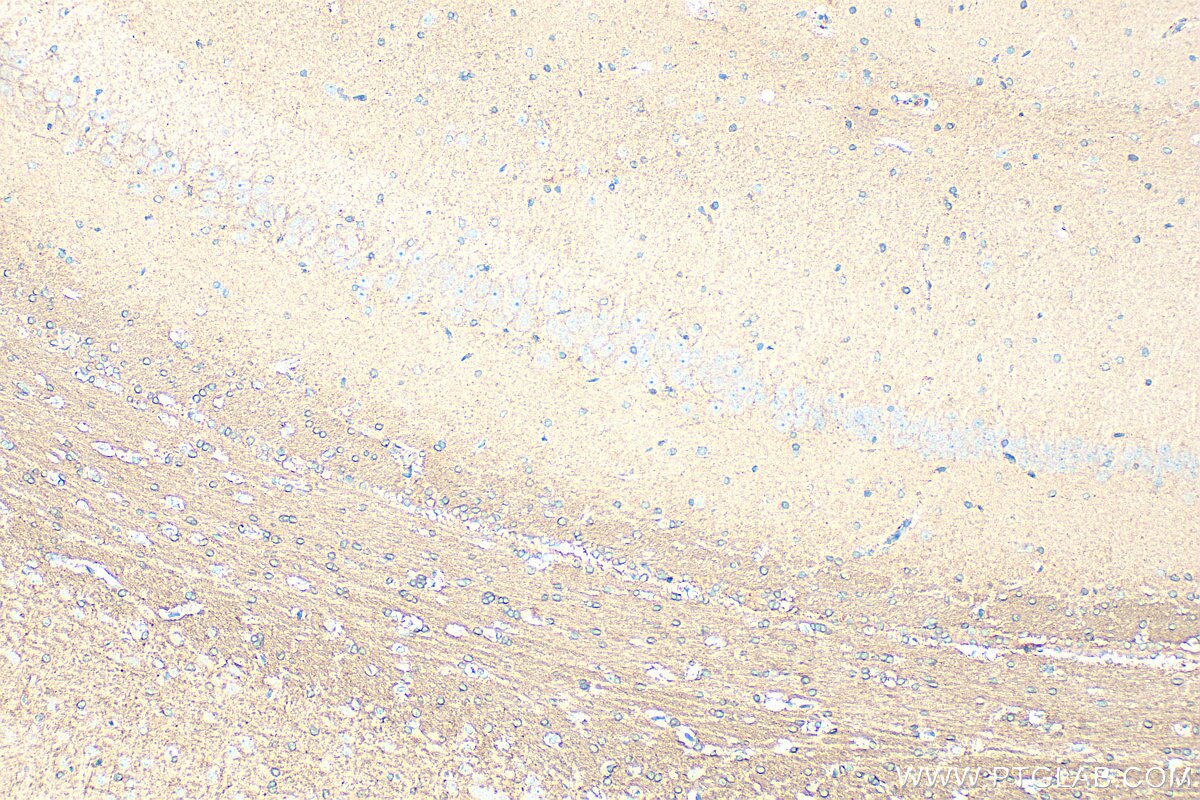
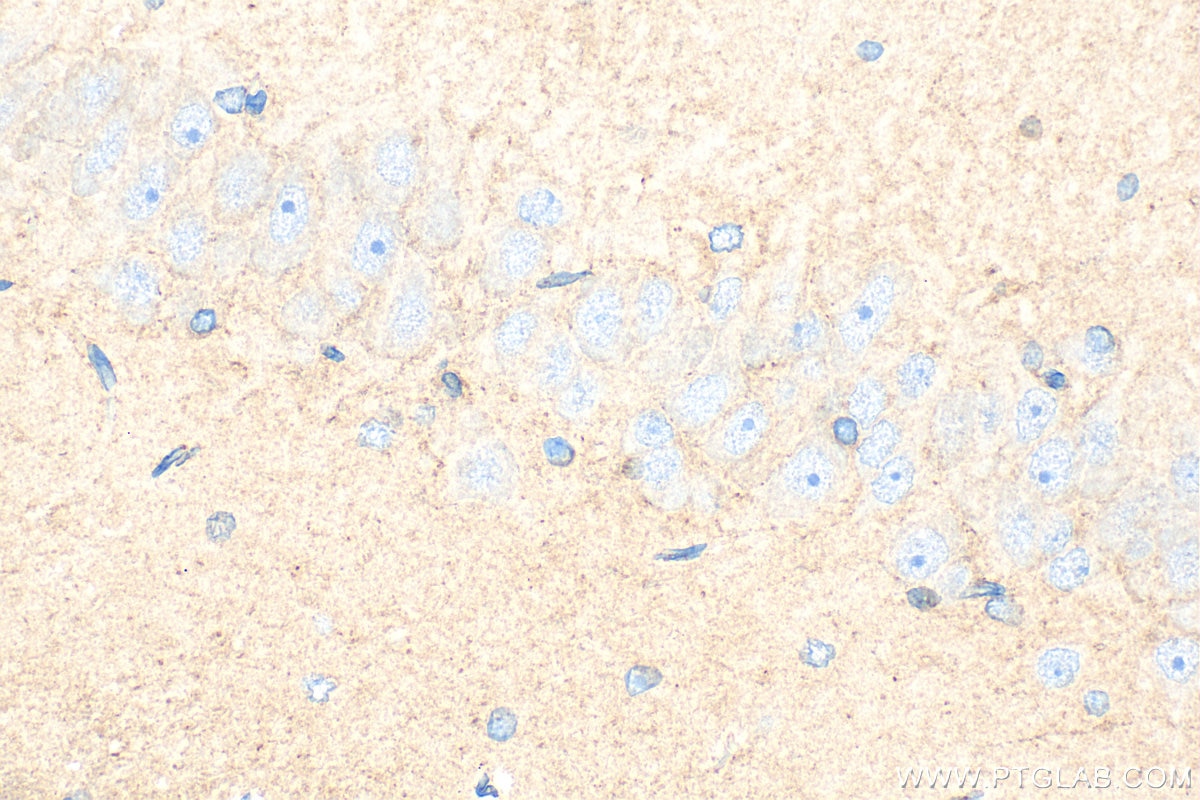
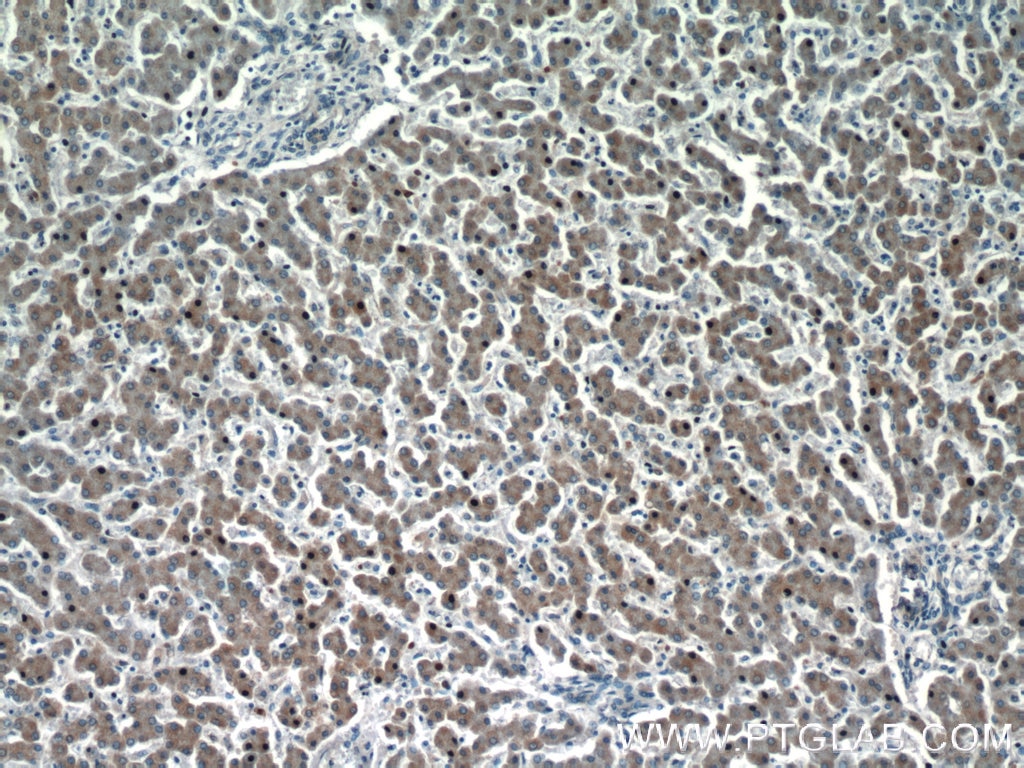
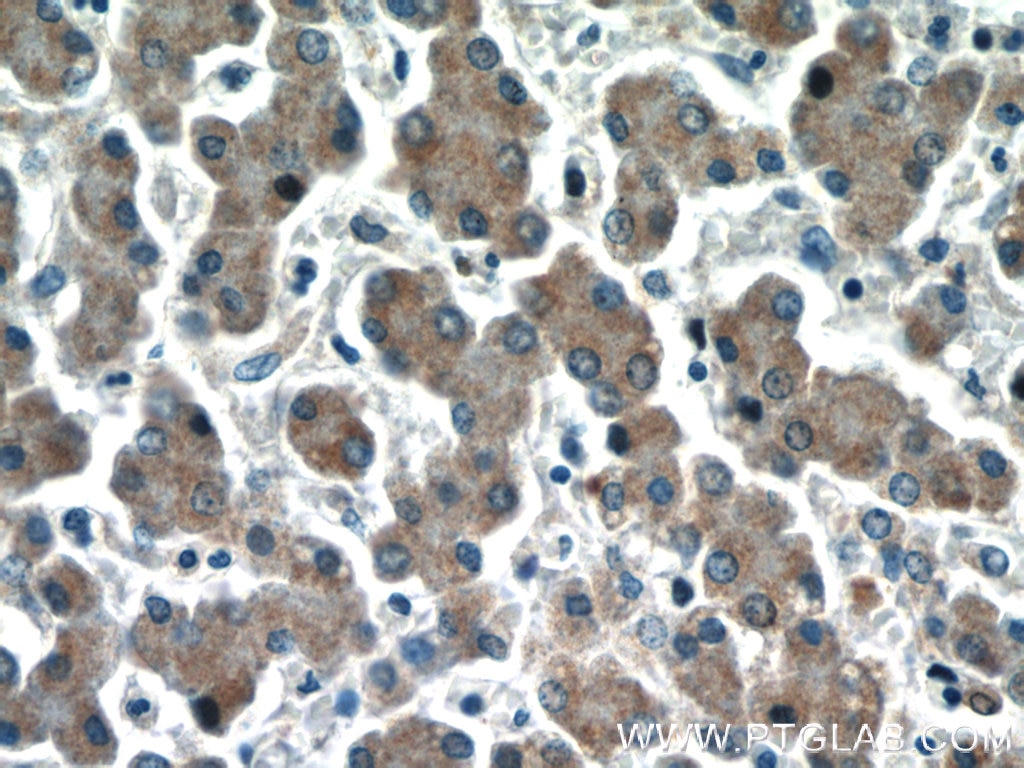
| Positive IHC detected in | mouse brain tissue, human liver tissue, rat brain tissue Note: suggested antigen retrieval with TE buffer pH 9.0; (*) Alternatively, antigen retrieval may be performed with citrate buffer pH 6.0 |
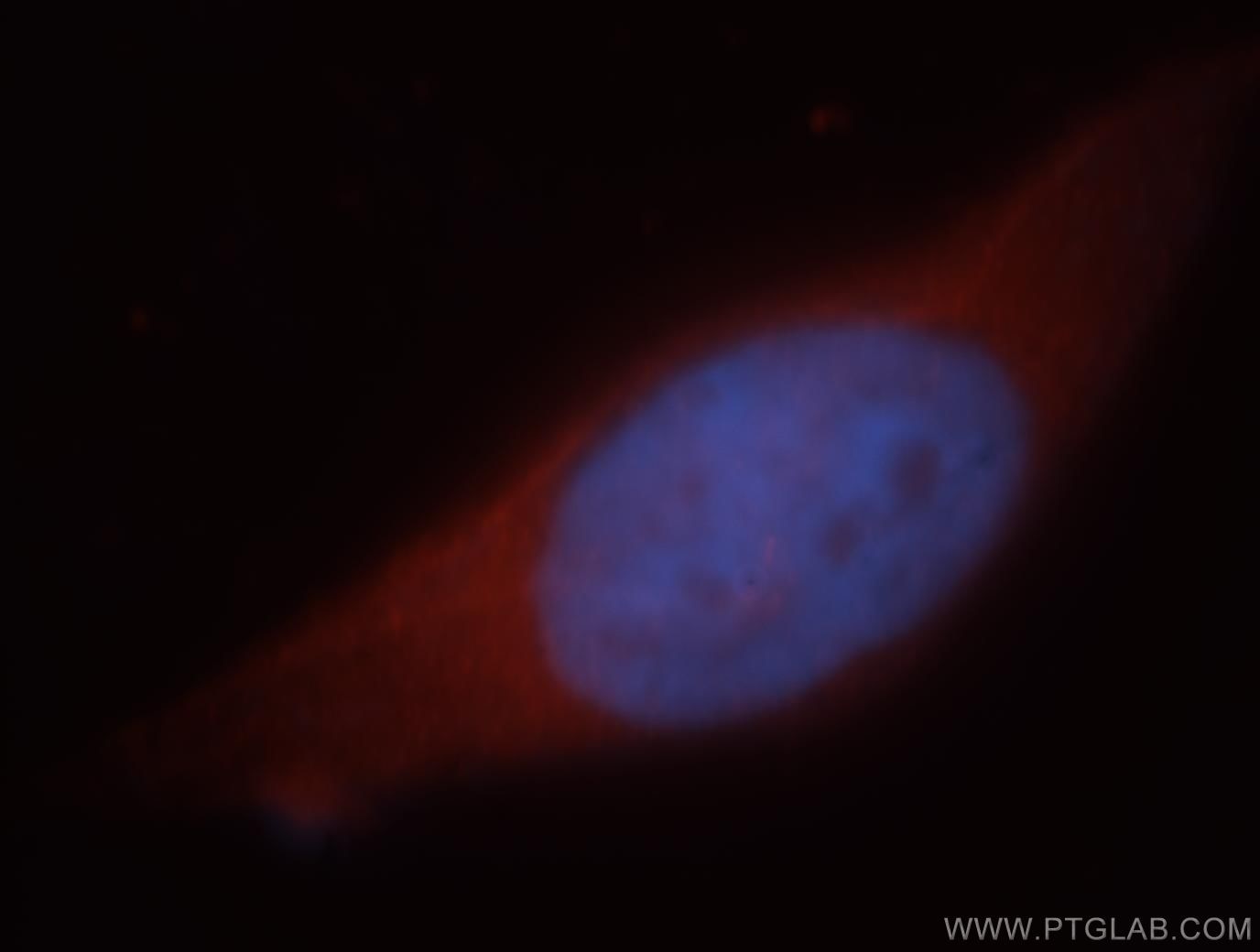
| Positive IF/ICC detected in | MCF-7 cells |
Recommended dilution
| Application | Dilution |
|---|---|
| Western Blot (WB) | WB : 1:500-1:1000 |
| Immunoprecipitation (IP) | IP : 0.5-4.0 ug for 1.0-3.0 mg of total protein lysate |
| Immunohistochemistry (IHC) | IHC : 1:50-1:800 |
| Immunofluorescence (IF)/ICC | IF/ICC : 1:10-1:100 |
| It is recommended that this reagent should be titrated in each testing system to obtain optimal results. | |
| Sample-dependent, Check data in validation data gallery. | |
Product Information
18177-1-AP targets HEPACAM in WB, IHC, IF/ICC, IP, ELISA applications and shows reactivity with human, mouse, rat samples.
| Tested Reactivity | human, mouse, rat |
| Cited Reactivity | human, mouse, rat |
| Host / Isotype | Rabbit / IgG |
| Class | Polyclonal |
| Type | Antibody |
| Immunogen |
CatNo: Ag12870 Product name: Recombinant human HEPACAM protein Source: e coli.-derived, PGEX-4T Tag: GST Domain: 36-242 aa of BC104831 Sequence: ITSPVRLIHGTVGKSALLSVQYSSTSSDRPVVKWQLKRDKPVTVVQSIGTEVIGTLRPDYRDRIRLFENGSLLLSDLQLADEGTYEVEISITDDTFTGEKTINLTVDVPISRPQVLVASTTVLELSEAFTLNCSHENGTKPSYTWLKDGKPLLNDSRMLLSPDQKVLTITRVLMEDDDLYSCVVENPISQGRSLPVKITVYRRSSLY Predict reactive species |
| Full Name | hepatocyte cell adhesion molecule |
| Calculated Molecular Weight | 416 aa, 46 kDa |
| Observed Molecular Weight | 46-72 kDa |
| GenBank Accession Number | BC104831 |
| Gene Symbol | HEPACAM |
| Gene ID (NCBI) | 220296 |
| RRID | AB_2279680 |
| Conjugate | Unconjugated |
| Form | Liquid |
| Purification Method | Antigen affinity purification |
| UNIPROT ID | Q14CZ8 |
| Storage Buffer | PBS with 0.02% sodium azide and 50% glycerol, pH 7.3. |
| Storage Conditions | Store at -20°C. Stable for one year after shipment. Aliquoting is unnecessary for -20oC storage. 20ul sizes contain 0.1% BSA. |
Background Information
HepaCAM (hepatocyte cell adhesion molecule), also known as GlialCAM, is a single-pass type I membrane glycoprotein of 416 amino acids. It displays a typical structure of immunoglobulin (Ig)-like adhesion molecules including two extracellular Ig-like domains, a transmembrane segment, and a cytoplasmic tail. It has been shown that hepaCAM forms a cis-homodimer on the cell surface, and modulates cell-matrix interaction. It is predominantly expressed in the CNS glial cells. Defects in HEPACAM gene are the cause of megalencephalic leukoencephalopathy with subcortical cysts type 2A (MLC2A). HEPACAM has also been suggested as a tumor suppressor gene.
Protocols
| Product Specific Protocols | |
|---|---|
| IF protocol for HEPACAM antibody 18177-1-AP | Download protocol |
| IHC protocol for HEPACAM antibody 18177-1-AP | Download protocol |
| IP protocol for HEPACAM antibody 18177-1-AP | Download protocol |
| WB protocol for HEPACAM antibody 18177-1-AP | Download protocol |
| Standard Protocols | |
|---|---|
| Click here to view our Standard Protocols |
Publications
What published studies show
The anti-HepaCAM antibody (Cat# 18177-1-AP) has accumulated 27 citations published in journals including Nature Communications, Science Advances, Journal of Urology, British Journal of Cancer, International Journal of Oncology, Cells, Neurobiology of Disease, Glia, Molecular Medicine Reports, Cell Signaling, Journal of Neuroscience, Development, Human Molecular Genetics, Prostate, and Urology. Associated research fields encompass astrocyte biology, neuronal development, cancer (prostate, bladder, renal, glioblastoma), leukodystrophy MLC, exosome signaling, and cell adhesion.
| Species | Application | Title |
|---|---|---|
Nat Commun Astroglial exosome HepaCAM signaling and ApoE antagonization coordinates early postnatal cortical pyramidal neuronal axon growth and dendritic spine formation
| ||
Sci Adv Inflammatory cytokines disrupt astrocyte exosomal HepaCAM-mediated protection against neuronal excitotoxicity in the SOD1G93A ALS model | ||
J Urol Exploration of the correlations between interferon-γ in patient serum and HEPACAM in bladder transitional cell carcinoma, and the interferon-γ mechanism inhibiting BIU-87 proliferation. | ||
Br J Cancer Long noncoding RNA HOTAIR regulates the invasion and metastasis of prostate cancer by targeting hepaCAM. | ||
Int J Oncol HepaCAM‑PIK3CA axis regulates the reprogramming of glutamine metabolism to inhibit prostate cancer cell proliferation. | ||













