

Tested Applications
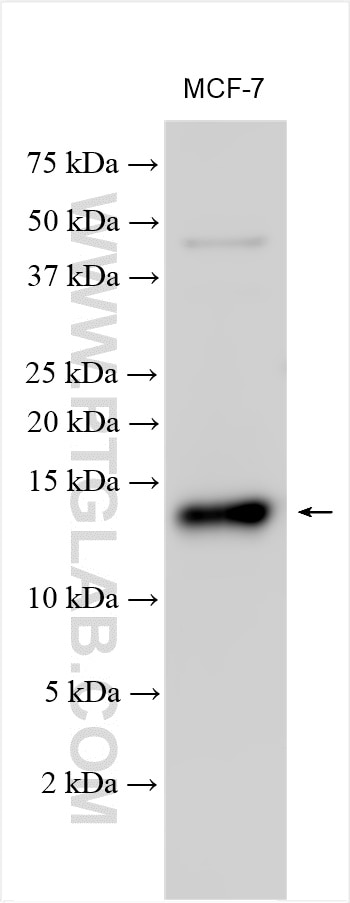
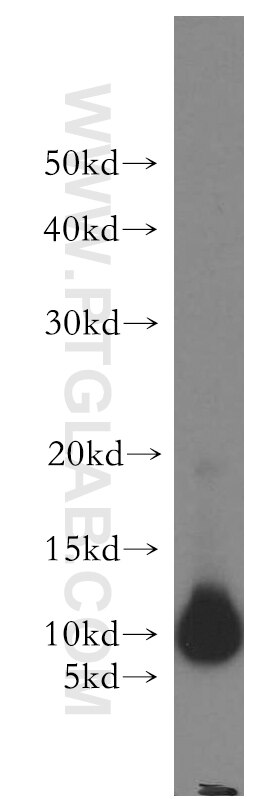
| Positive WB detected in | MCF-7 cells, mouse pancreas tissue |
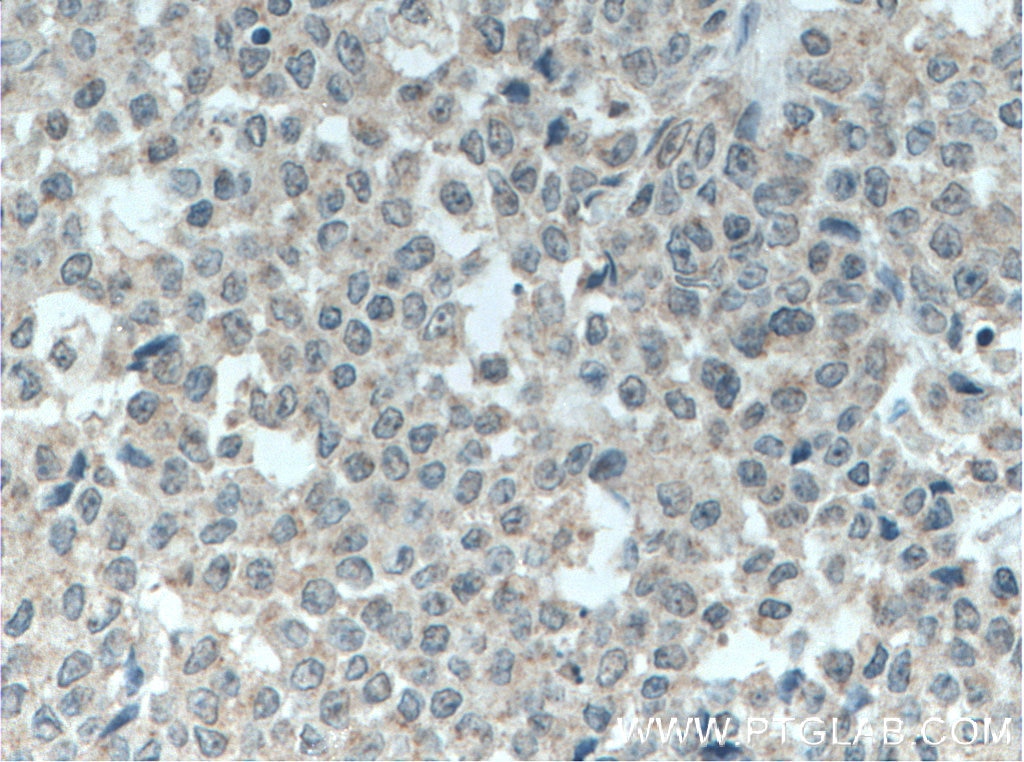
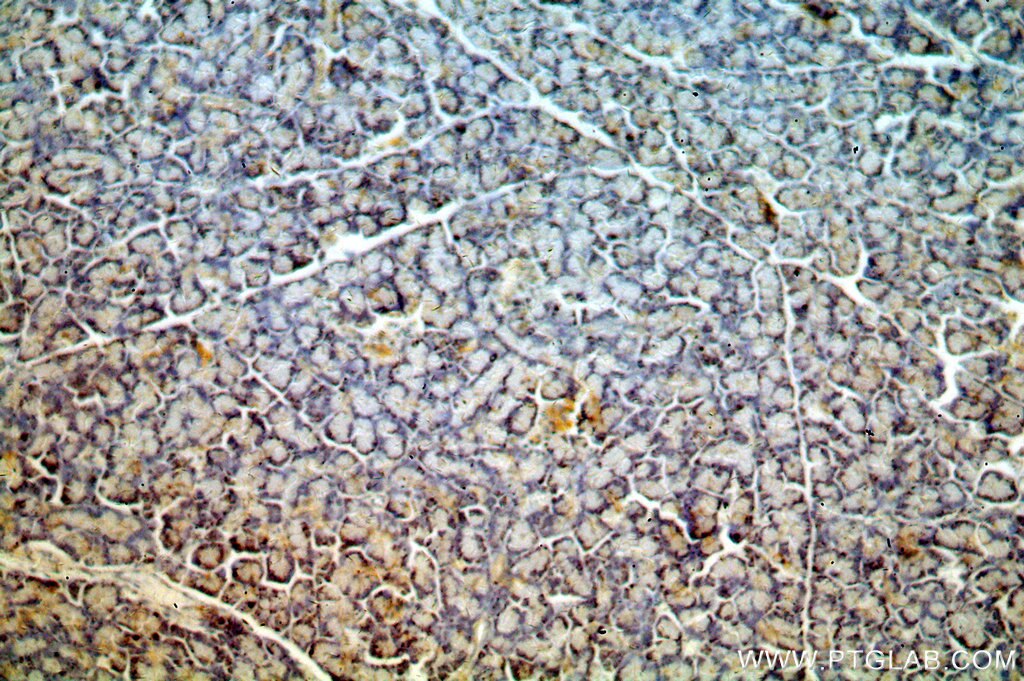
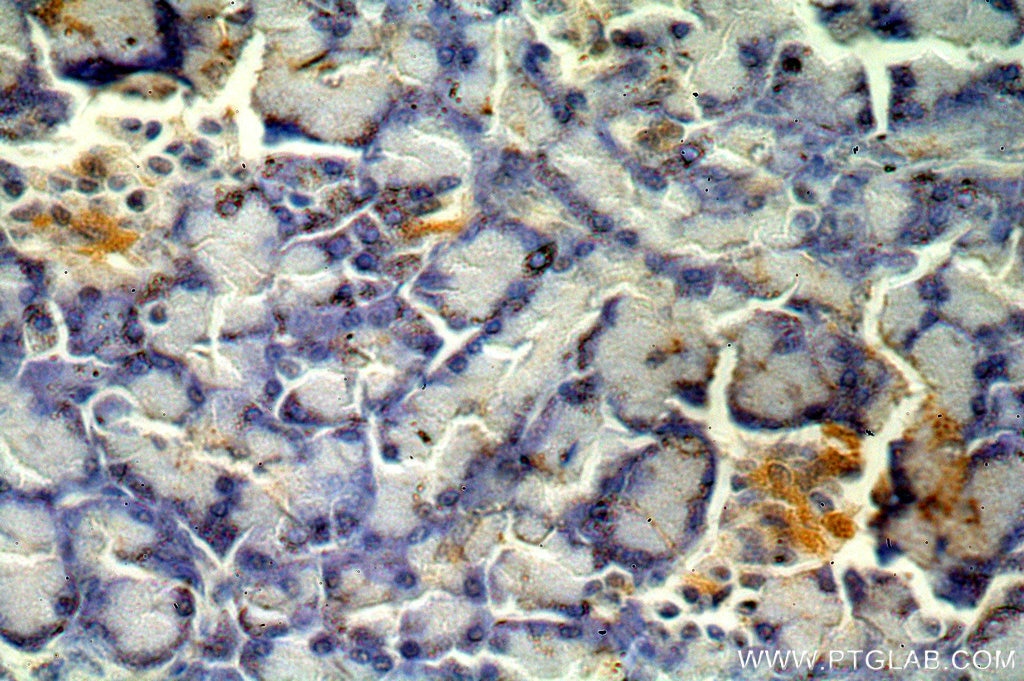
| Positive IHC detected in | human colon cancer tissue, human pancreas tissue Note: suggested antigen retrieval with TE buffer pH 9.0; (*) Alternatively, antigen retrieval may be performed with citrate buffer pH 6.0 |
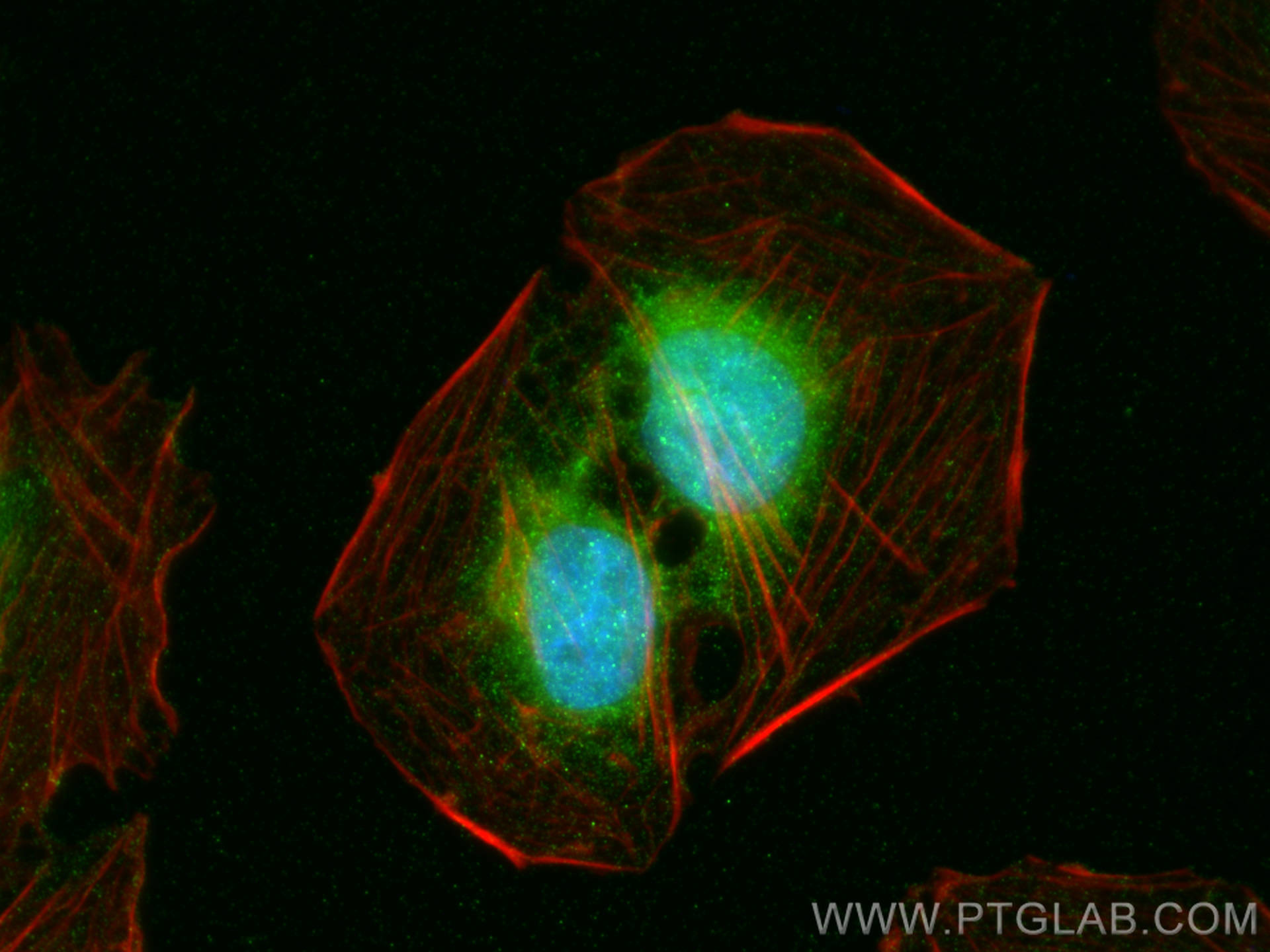
| Positive IF/ICC detected in | U2OS cells |
Recommended dilution
| Application | Dilution |
|---|---|
| Western Blot (WB) | WB : 1:500-1:1000 |
| Immunohistochemistry (IHC) | IHC : 1:50-1:500 |
| Immunofluorescence (IF)/ICC | IF/ICC : 1:200-1:800 |
| It is recommended that this reagent should be titrated in each testing system to obtain optimal results. | |
| Sample-dependent, Check data in validation data gallery. | |
Product Information
19912-1-AP targets PPDPF in WB, IHC, IF/ICC, ELISA applications and shows reactivity with human, mouse samples.
| Tested Reactivity | human, mouse |
| Cited Reactivity | human, mouse |
| Host / Isotype | Rabbit / IgG |
| Class | Polyclonal |
| Type | Antibody |
| Immunogen |
CatNo: Ag13740 Product name: Recombinant human C20orf149 protein Source: e coli.-derived, PGEX-4T Tag: GST Domain: 1-114 aa of BC002531 Sequence: MAAIPSSGSLVATHDYYRRRLGSTSSNSSCSSTECPGEAIPHPPGLPKADPGHWWASFFFGKSTLPFMATVLESAEHSEPPQASSSMTACGLARDAPRKQPGGQSSTASAGPPS Predict reactive species |
| Full Name | chromosome 20 open reading frame 149 |
| Calculated Molecular Weight | 114 aa, 12 kDa |
| Observed Molecular Weight | 10-12 kDa |
| GenBank Accession Number | BC002531 |
| Gene Symbol | PPDPF |
| Gene ID (NCBI) | 79144 |
| RRID | AB_10642438 |
| Conjugate | Unconjugated |
| Form | Liquid |
| Purification Method | Antigen affinity purification |
| UNIPROT ID | Q9H3Y8 |
| Storage Buffer | PBS with 0.02% sodium azide and 50% glycerol, pH 7.3. |
| Storage Conditions | Store at -20°C. Stable for one year after shipment. Aliquoting is unnecessary for -20oC storage. 20ul sizes contain 0.1% BSA. |
Background Information
Pancreatic progenitor cell differentiation and proliferation factor (PPDPF), also known as C20orf149 and EXPDF, belongs to the PPDPF family. PPDPF is a key regulator for the development of exocrine pancreas. PPDPF is highly expressed in various cancers, including HCC, colorectal cancer, prostate cancer, etc (PMID: 34031390, 34975328, 37027301). PPDPF consists of 114 amino acids and the molecular weight is 12 kDa.
Protocols
| Product Specific Protocols | |
|---|---|
| IF protocol for PPDPF antibody 19912-1-AP | Download protocol |
| IHC protocol for PPDPF antibody 19912-1-AP | Download protocol |
| WB protocol for PPDPF antibody 19912-1-AP | Download protocol |
| Standard Protocols | |
|---|---|
| Click here to view our Standard Protocols |
Publications
What published studies show
The PPDPF Polyclonal antibody (Cat# 19912-1-AP) has 9 citations published in journals including Cell Metabolism, Science Advances, Cancer Letters, International Journal of Biological Sciences, Oncogene, Cell Reports, EMBO Reports, Frontiers in Oncology, and Medicine (Baltimore). Research fields span mitochondrial proteomics, chronic kidney disease, esophageal squamous cell carcinoma, non-small cell lung cancer, cholangiocarcinoma, hepatocellular carcinoma, colorectal cancer, and ovarian cancer, with applications primarily in Western blot, IHC, and IF.
| Species | Application | Title |
|---|---|---|
Cell Metab Quantitative high-confidence human mitochondrial proteome and its dynamics in cellular context. | ||
Sci Adv PPDPF preserves integrity of proximal tubule by modulating NMNAT activity in chronic kidney diseases | ||
Cancer Lett PPDPF Promotes Esophageal Squamous Cell Carcinoma Progression by Blocking PCCA Binding to PCCB and Inhibiting Methionine Catabolism
| ||
Int J Biol Sci PPDPF Promotes the Progression and acts as an Antiapoptotic Protein in Non-Small Cell Lung Cancer. | ||
Oncogene PPDPF-mediated regulation of BCAA metabolism enhances mTORC1 activity and drives cholangiocarcinoma progression | ||
Cell Rep PPDPF suppresses the development of hepatocellular carcinoma through TRIM21-mediated ubiquitination of RIPK1 |







