

Tested Applications
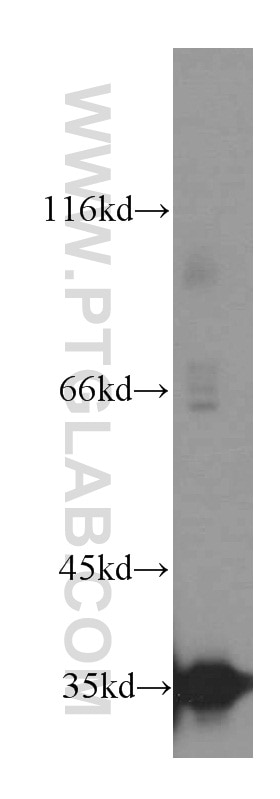
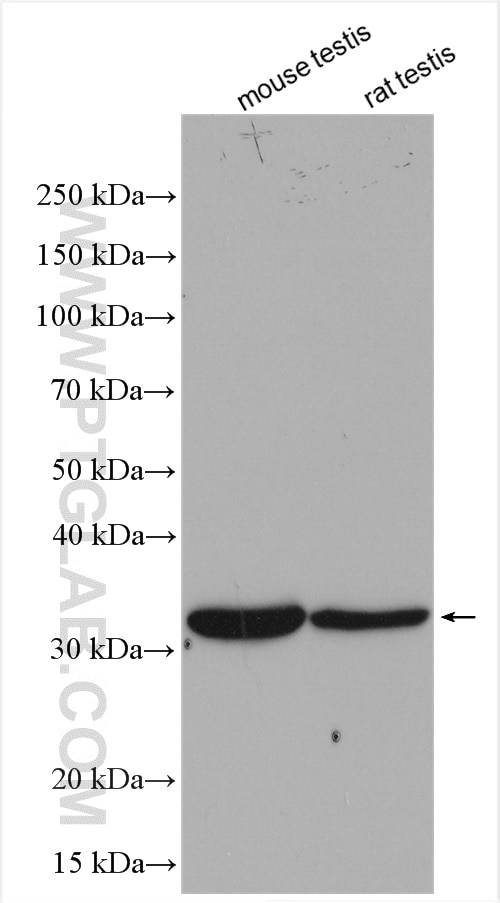
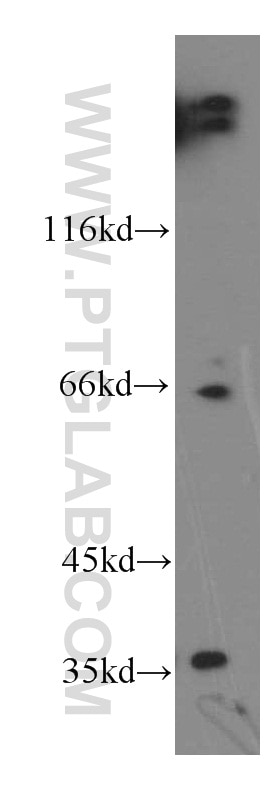
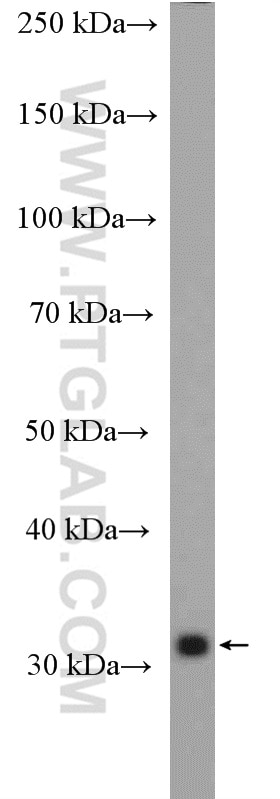
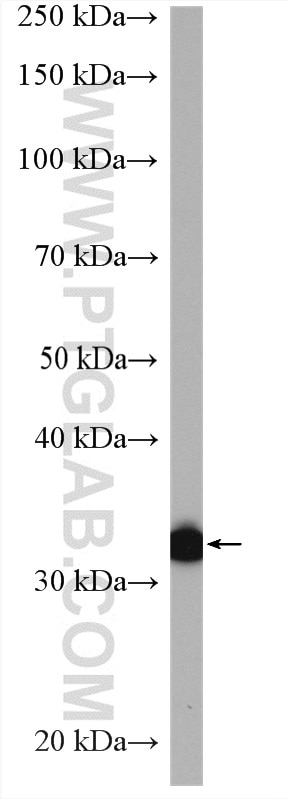
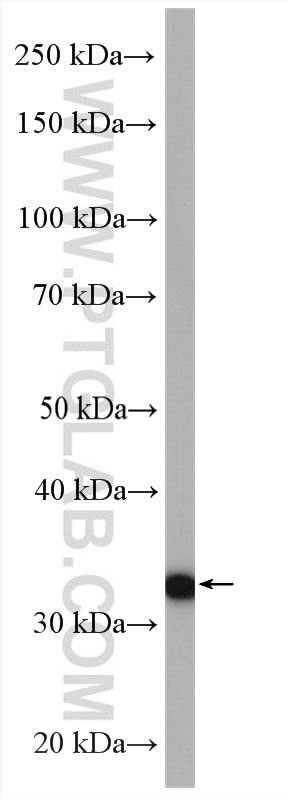
| Positive WB detected in | human testis tissue, mouse brain tissue, mouse lung tissue, mouse testis tissue, A549 cells, rat testis tissue |
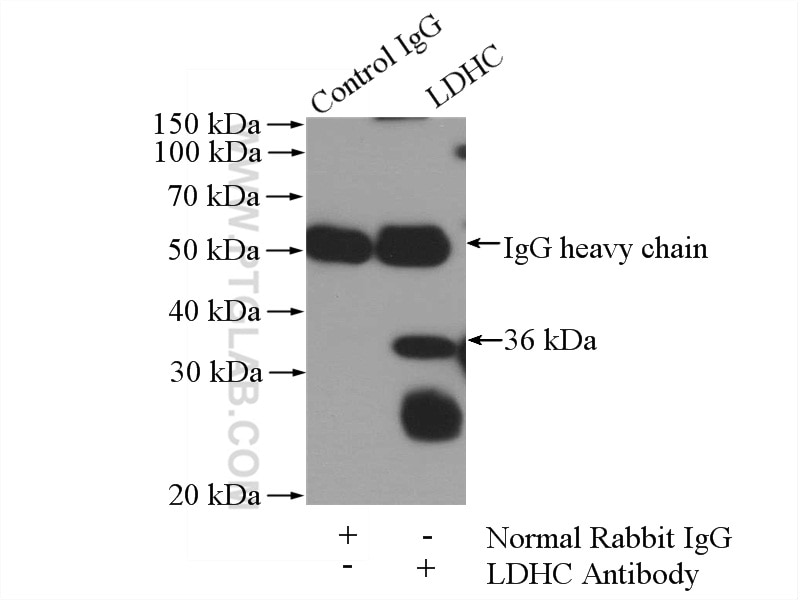
| Positive IP detected in | mouse testis tissue |
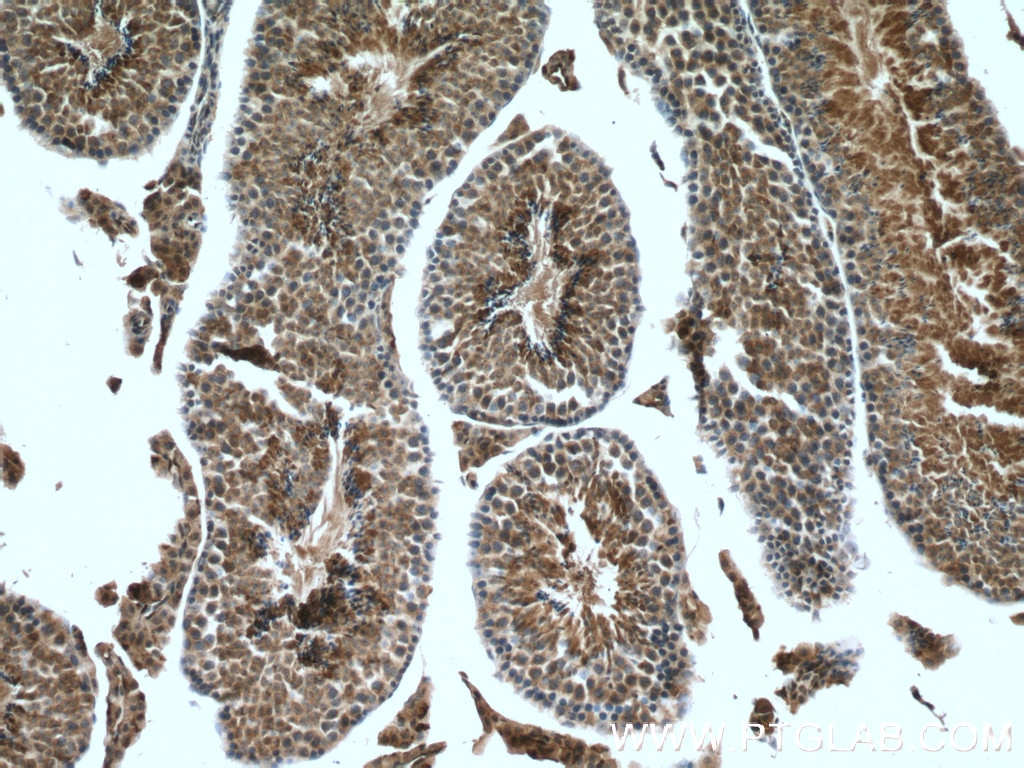
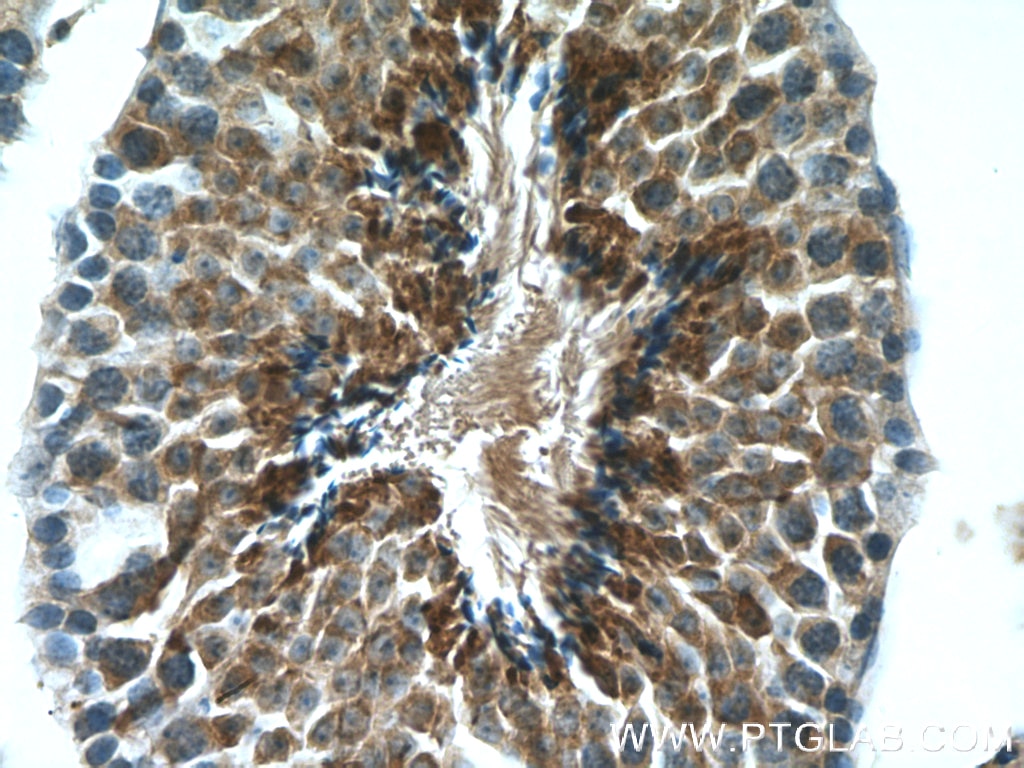
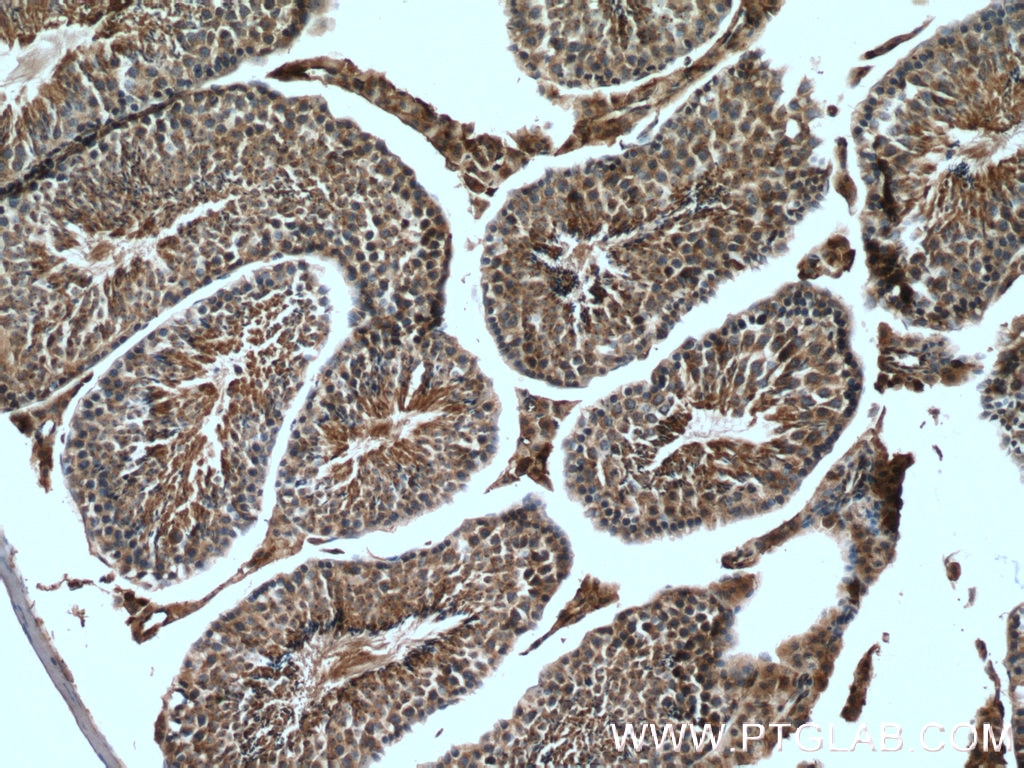
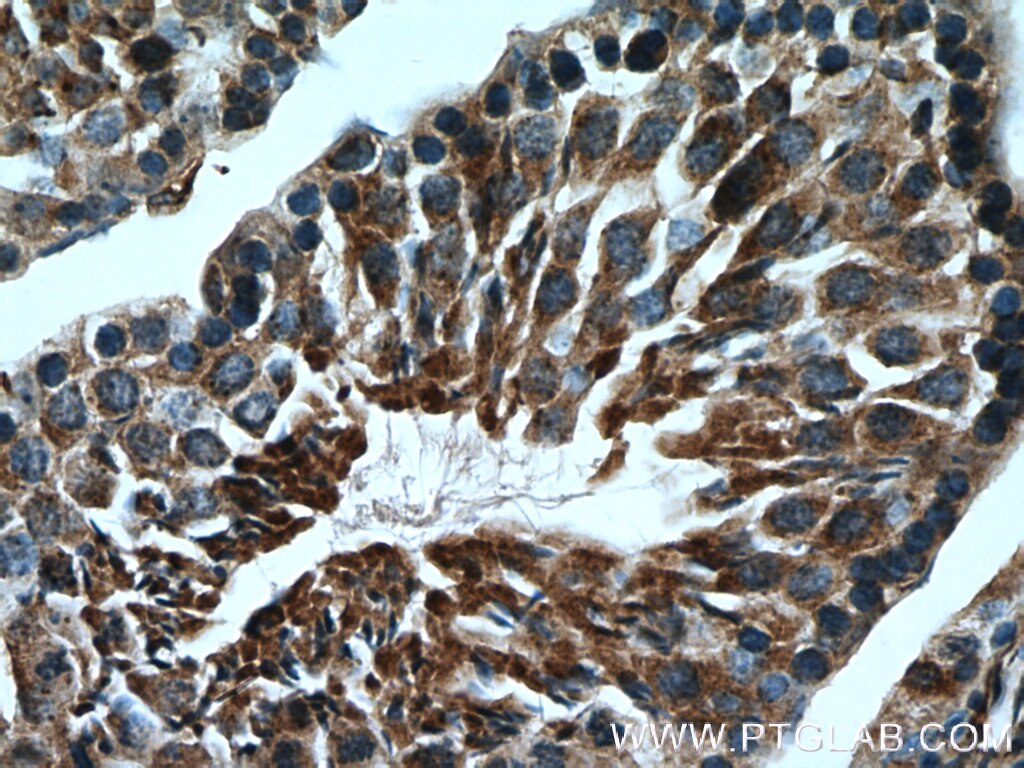
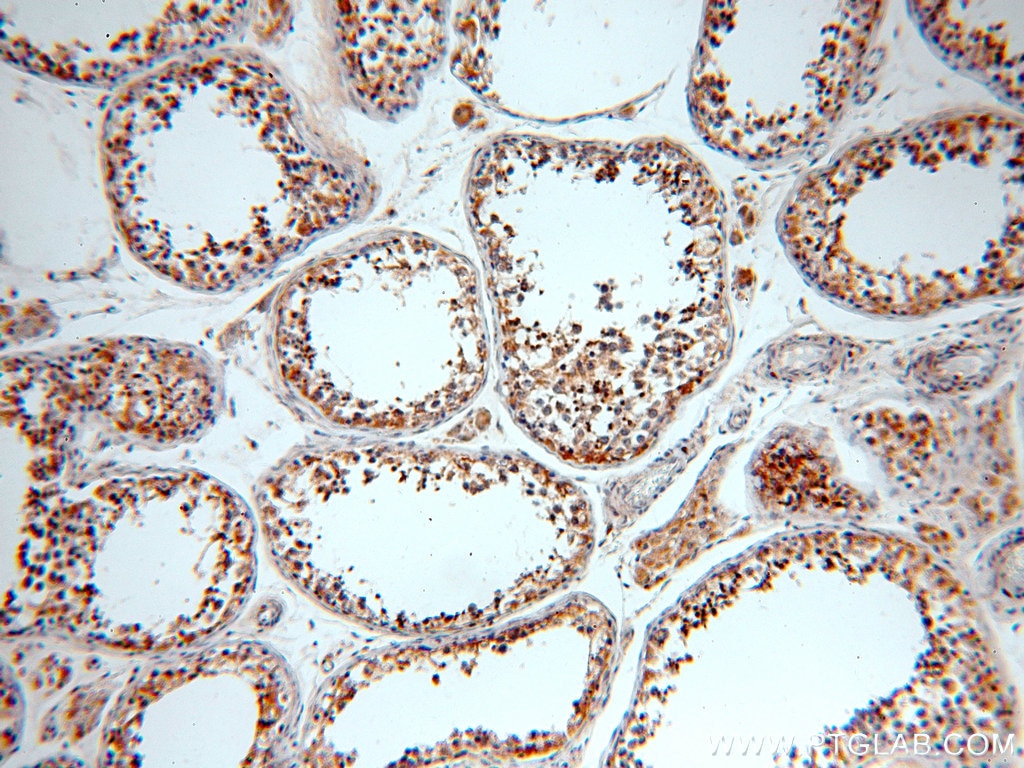
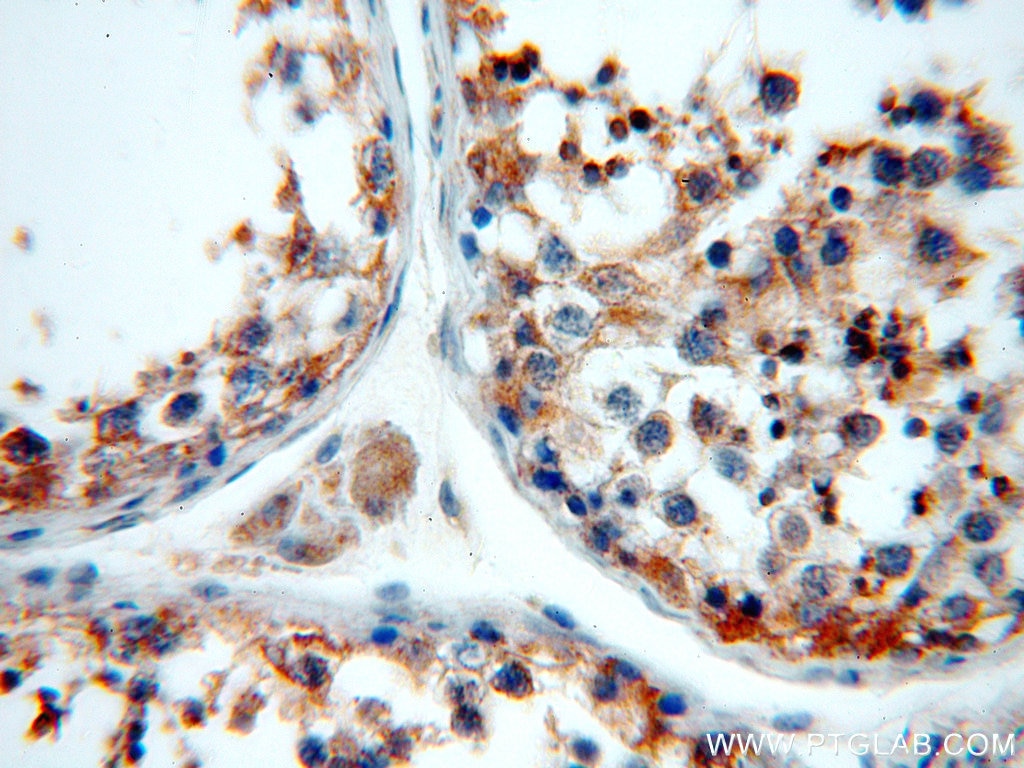
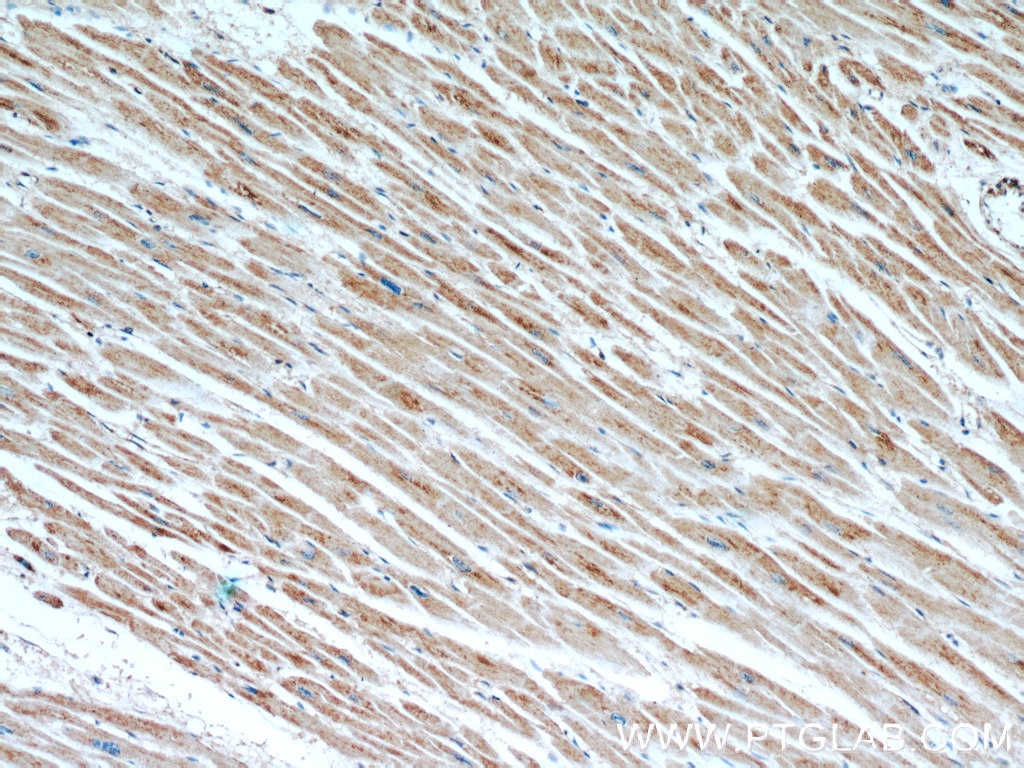
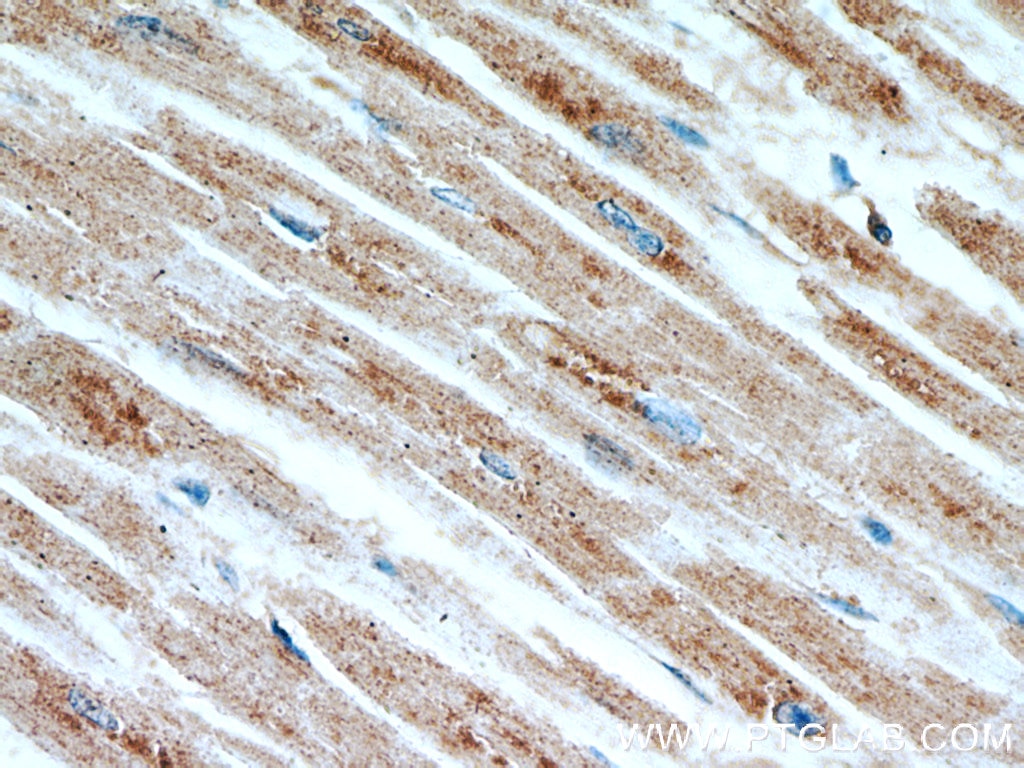
| Positive IHC detected in | mouse testis tissue, human testis tissue, human heart tissue Note: suggested antigen retrieval with TE buffer pH 9.0; (*) Alternatively, antigen retrieval may be performed with citrate buffer pH 6.0 |
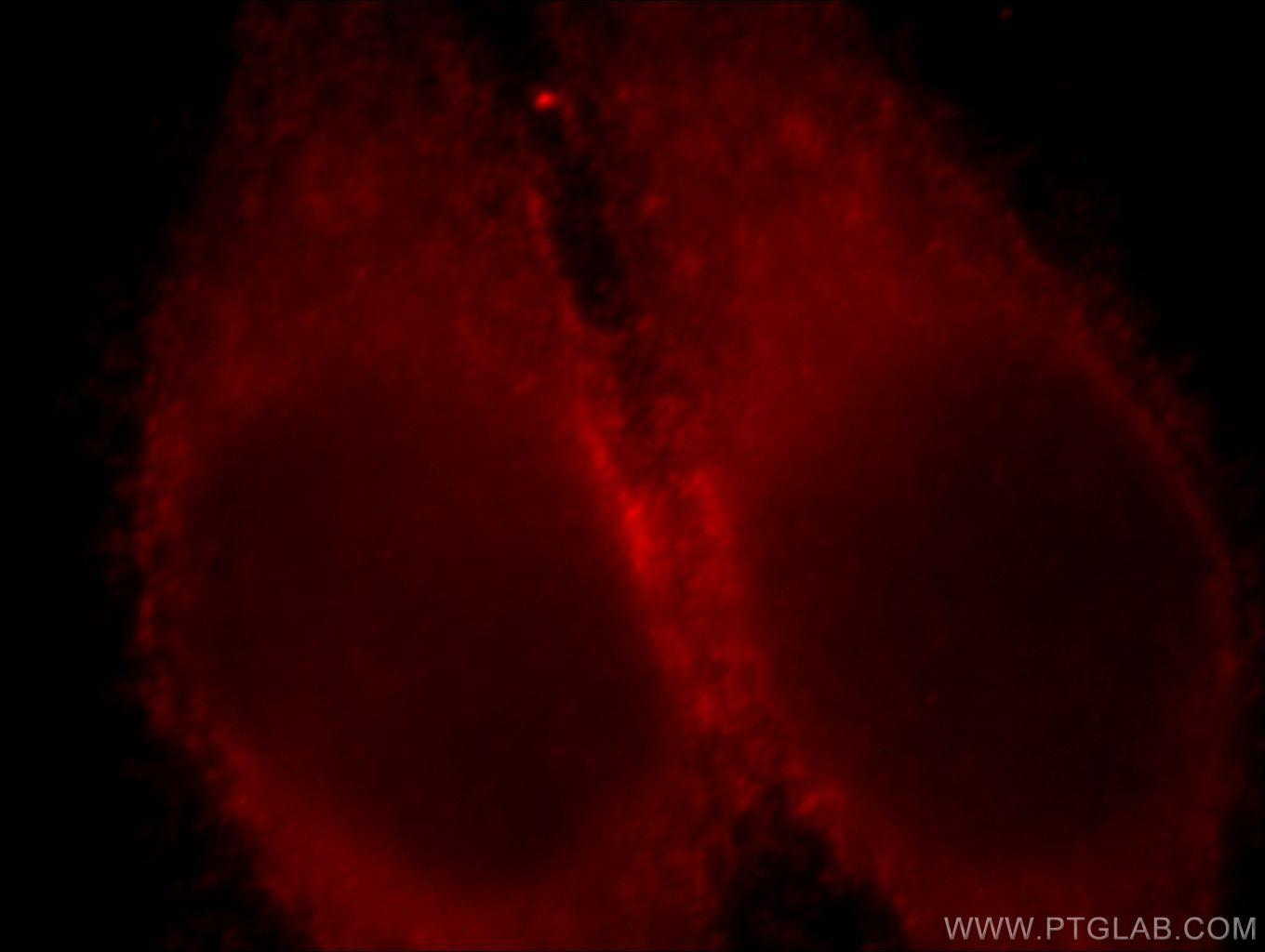
| Positive IF/ICC detected in | Hela cells |
Recommended dilution
| Application | Dilution |
|---|---|
| Western Blot (WB) | WB : 1:200-1:1000 |
| Immunoprecipitation (IP) | IP : 0.5-4.0 ug for 1.0-3.0 mg of total protein lysate |
| Immunohistochemistry (IHC) | IHC : 1:200-1:800 |
| Immunofluorescence (IF)/ICC | IF/ICC : 1:10-1:100 |
| It is recommended that this reagent should be titrated in each testing system to obtain optimal results. | |
| Sample-dependent, Check data in validation data gallery. | |
Product Information
19989-1-AP targets LDHC-Specific in WB, IHC, IF/ICC, IP, ELISA applications and shows reactivity with human, mouse, rat samples.
| Tested Reactivity | human, mouse, rat |
| Cited Reactivity | mouse, pig |
| Host / Isotype | Rabbit / IgG |
| Class | Polyclonal |
| Type | Antibody |
| Immunogen |
Peptide Predict reactive species |
| Full Name | lactate dehydrogenase C |
| Calculated Molecular Weight | 36 kDa |
| Observed Molecular Weight | 30-36 kDa |
| GenBank Accession Number | NM_002301 |
| Gene Symbol | LDHC |
| Gene ID (NCBI) | 3948 |
| RRID | AB_10637847 |
| Conjugate | Unconjugated |
| Form | Liquid |
| Purification Method | Antigen affinity purification |
| UNIPROT ID | P07864 |
| Storage Buffer | PBS with 0.02% sodium azide and 50% glycerol, pH 7.3. |
| Storage Conditions | Store at -20°C. Stable for one year after shipment. Aliquoting is unnecessary for -20oC storage. 20ul sizes contain 0.1% BSA. |
Background Information
LDHC, also named as CT32 and LDH-X, belongs to the LDH/MDH superfamily and LDH family. LDHC is a possible role in sperm motility. LDHC catalyzes the reaction: (S)-lactate + NAD+ = pyruvate + NADH. LDHC is a testis-specific isoform. Abnormal LDHC expression is associated with several forms of cancer. The antibody has no cross reaction with LDHA and LDHB.
Protocols
| Product Specific Protocols | |
|---|---|
| IF protocol for LDHC-Specific antibody 19989-1-AP | Download protocol |
| IHC protocol for LDHC-Specific antibody 19989-1-AP | Download protocol |
| IP protocol for LDHC-Specific antibody 19989-1-AP | Download protocol |
| WB protocol for LDHC-Specific antibody 19989-1-AP | Download protocol |
| Standard Protocols | |
|---|---|
| Click here to view our Standard Protocols |
Publications
What published studies show
The LDHC-Specific Polyclonal antibody (Cat# 19989-1-AP) has 6 citations published in Int J Biol Macromol, Front Pharmacol, PLoS Genet, Andrology, Tissue Cell, and Med Sci Monit. Research fields span reproductive biology (spermatogenesis, testicular damage, contraceptive drug assessment), glycolysis/metabolism (AGEs/RAGE/HIF-1α axis, L-2-hydroxyglutarate effects), implantation/STAT3 signaling, and epigenetics (centromere/heterochromatin conformation). Applications cited include WB, IHC, and IF in mouse and pig models.
| Species | Application | Title |
|---|---|---|
Int J Biol Macromol Genome-wide analysis reveals porcine LIFR regulated by DNA methylation promotes the implantation process via the STAT3 signaling | ||
Front Pharmacol Combination of the Herbs Radix Rehmanniae and Cornus Officinalis Mitigated Testicular Damage From Diabetes Mellitus by Enhancing Glycolysis via the AGEs/RAGE/HIF-1α Axis. | ||
PLoS Genet L-2-hydroxyglutarate regulates centromere and heterochromatin conformation in the male germline | ||
Andrology Generation of humanized LDHC knock-in mice as a tool to assess human LDHC-targeting contraceptive drugs | ||
Tissue Cell HSPA1A-BAG5 chaperone complex promotes spermatogenesis by driving ubiquitination-mediated degradation of ATF2. | ||
Reviews
What customers say
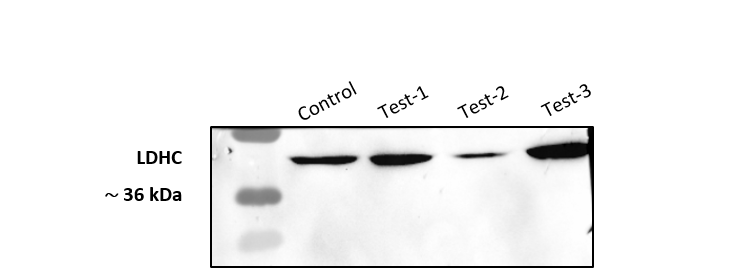
The single review for this product reports a 4-star rating. The user performed Western Blot on lung cancer cell lines using a 1:1000 dilution and found the results to be clear. Overall, the feedback is positive, indicating reliable performance for WB applications in lung cancer cell line analysis.
The reviews below have been submitted by verified Proteintech customers who received an incentive for providing their feedback.
Shinford (Verified Customer) (09-23-2023) | Utilizing the concentration of 1:1000, WB results are clear in kinds lung cancer cell lines.
 |

















