

Tested Applications
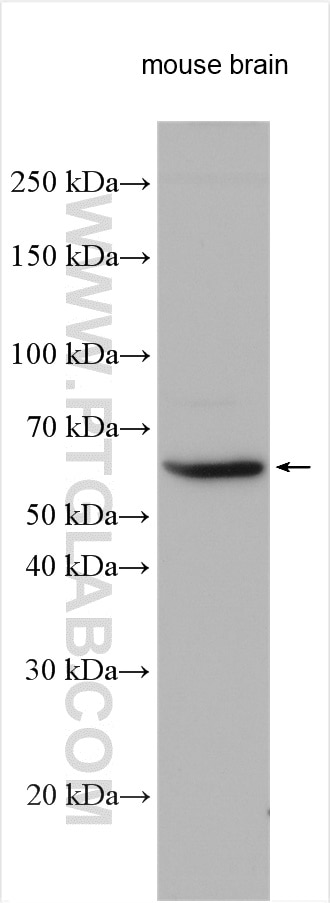
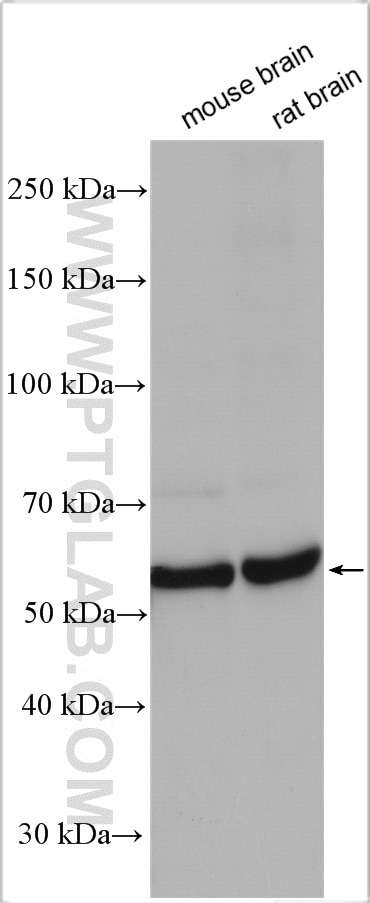
| Positive WB detected in | mouse brain tissue, rat brain tissue |
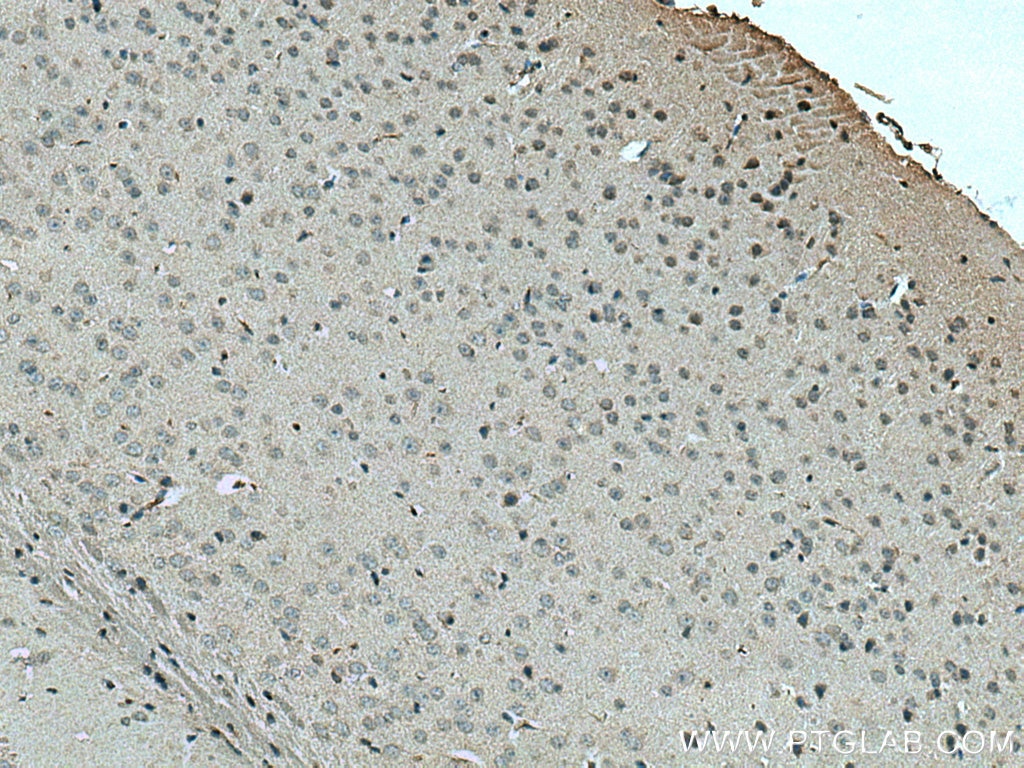
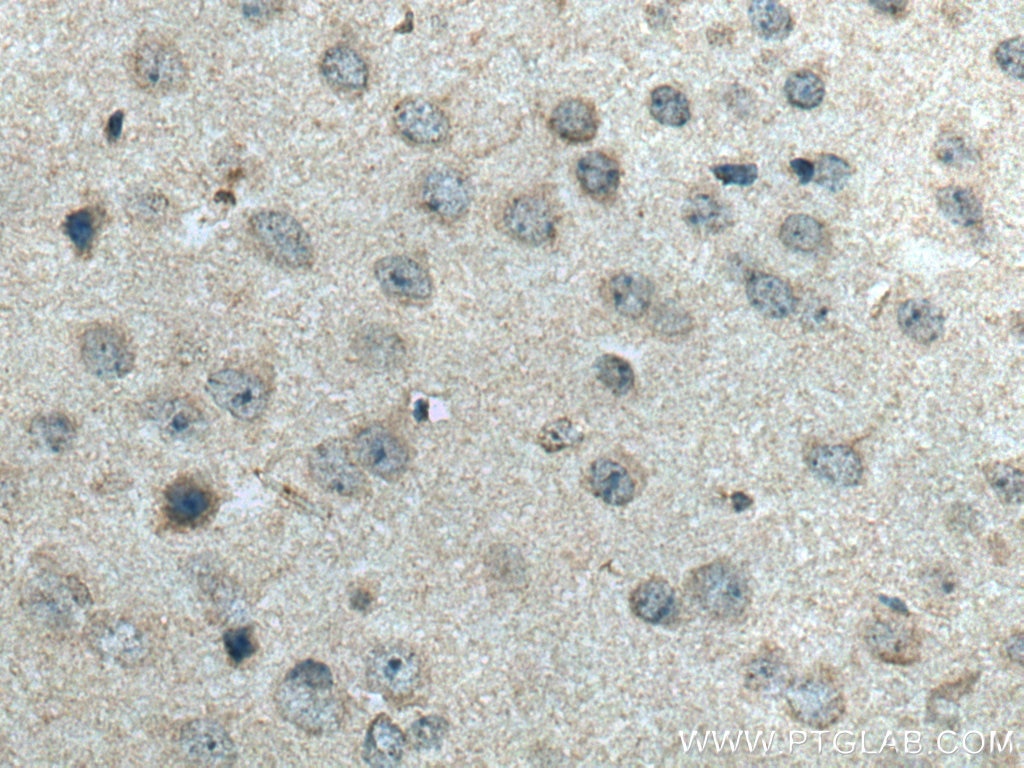
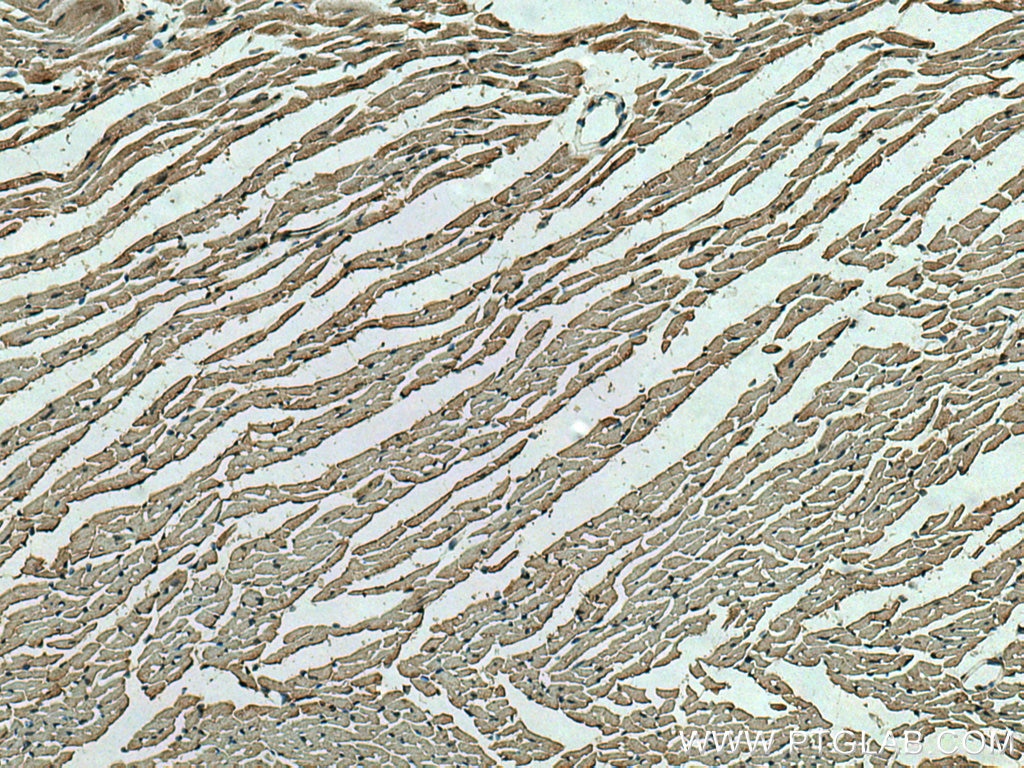
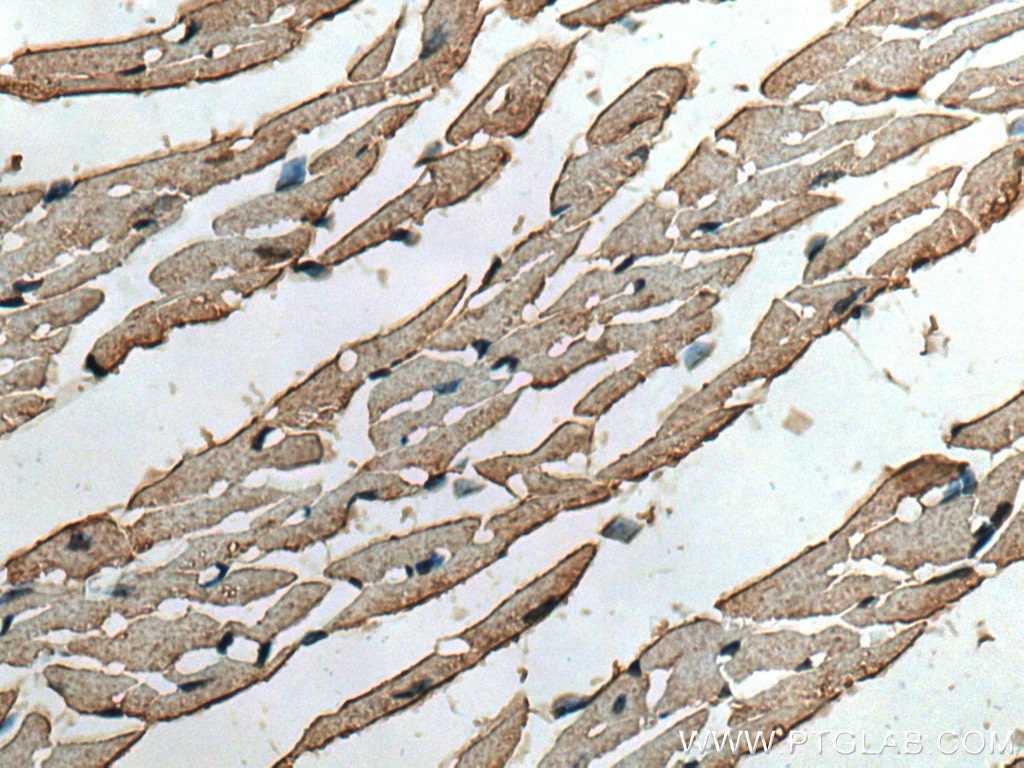
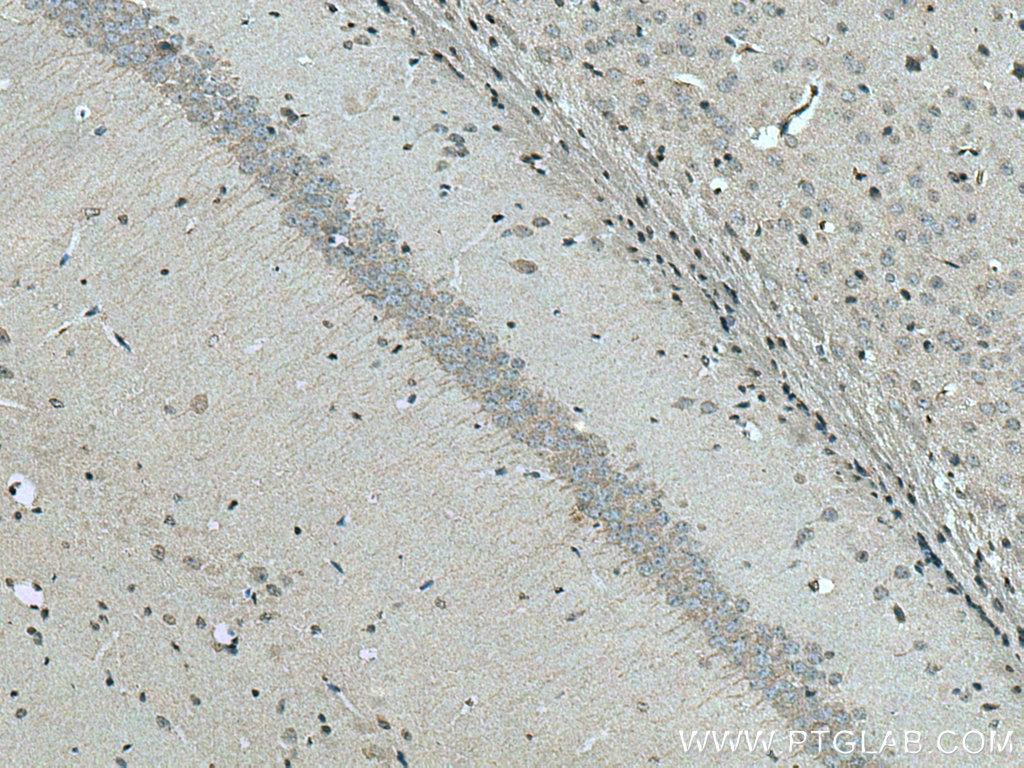
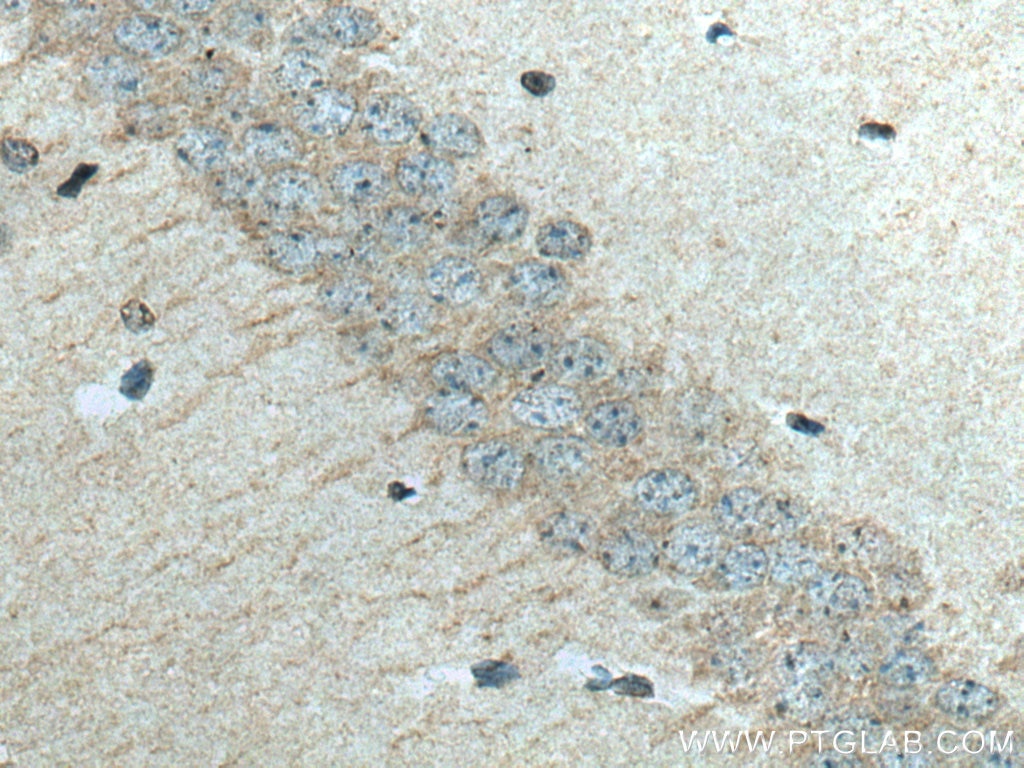
| Positive IHC detected in | mouse brain tissue, mouse heart tissue Note: suggested antigen retrieval with TE buffer pH 9.0; (*) Alternatively, antigen retrieval may be performed with citrate buffer pH 6.0 |
Recommended dilution
| Application | Dilution |
|---|---|
| Western Blot (WB) | WB : 1:500-1:2000 |
| Immunohistochemistry (IHC) | IHC : 1:50-1:500 |
| It is recommended that this reagent should be titrated in each testing system to obtain optimal results. | |
| Sample-dependent, Check data in validation data gallery. | |
Product Information
21430-1-AP targets SLC24A6 in WB, IHC, IF, CoIP, ELISA applications and shows reactivity with human, mouse, rat samples.
| Tested Reactivity | human, mouse, rat |
| Cited Reactivity | human, mouse, rat |
| Host / Isotype | Rabbit / IgG |
| Class | Polyclonal |
| Type | Antibody |
| Immunogen |
CatNo: Ag16034 Product name: Recombinant human SLC24A6 protein Source: e coli.-derived, PGEX-4T Tag: GST Domain: 240-333 aa of BC098360 Sequence: YVVTVILCTWIYQRQRRGSLFCPMPVTPEILSDSEEDRVSSNTNSYDYGDEYRPLFFYQETTAQILVRALNPLDYMKWRRKSAYWKALKVFKLP Predict reactive species |
| Full Name | solute carrier family 24 (sodium/potassium/calcium exchanger), member 6 |
| Calculated Molecular Weight | 584 aa, 64 kDa |
| Observed Molecular Weight | 64 kDa |
| GenBank Accession Number | BC098360 |
| Gene Symbol | SLC24A6 |
| Gene ID (NCBI) | 80024 |
| RRID | AB_10858637 |
| Conjugate | Unconjugated |
| Form | Liquid |
| Purification Method | Antigen affinity purification |
| UNIPROT ID | Q6J4K2 |
| Storage Buffer | PBS with 0.02% sodium azide and 50% glycerol, pH 7.3. |
| Storage Conditions | Store at -20°C. Stable for one year after shipment. Aliquoting is unnecessary for -20oC storage. 20ul sizes contain 0.1% BSA. |
Background Information
SLC24A6, also named as NCLX, is a kind of mitochondrial sodium/calcium antiporter that mediates sodium-dependent calcium efflux from mitochondrion by mediating the exchange of 3 sodium ions per 1 calcium ion. It has been reported that SLC24A6 plays a key role in attenuating potential ROS production and injury upon cardiac reperfusion. SLC24A6 is associated with mitochondrial calcium homeostasis by mediating mitochondrial calcium extrusion. (PMID: 32728214, 20018762, 28219928)
Protocols
| Product Specific Protocols | |
|---|---|
| IHC protocol for SLC24A6 antibody 21430-1-AP | Download protocol |
| WB protocol for SLC24A6 antibody 21430-1-AP | Download protocol |
| Standard Protocols | |
|---|---|
| Click here to view our Standard Protocols |
Publications
What published studies show
The SLC24A6 (NCLX) polyclonal antibody (Cat# 21430-1-AP) has 16 citations spanning journals including Nature Communications, Cell Death & Disease, EMBO Journal, Experimental Neurology, iScience, and Glia. Research fields covered include mitochondrial calcium homeostasis, mitochondrial disease, cancer (cisplatin resistance, liver cancer), Alzheimer's disease, diabetes, ischemic brain injury, cardiac ischemia-reperfusion, osteoarthritis, and retinal biology. Applications cited include WB, IHC, IF, and CoIP across human, mouse, and rat species.
| Species | Application | Title |
|---|---|---|
Nat Commun TMEM65-dependent Ca2+ extrusion safeguards mitochondrial homeostasis.
| ||
Nat Commun The mitochondrial fusion protein OPA1 is dispensable in the liver and its absence induces mitohormesis to protect liver from drug-induced injury | ||
Nat Commun Loss of TMEM65 in mice causes mitochondrial disease mediated by mitochondrial Ca(2). | ||
Cell Death Dis Lon upregulation contributes to cisplatin resistance by triggering NCLX-mediated mitochondrial Ca2+ release in cancer cells. | ||
Cell Commun Signal Cell-type-specific dysregulation of mitochondrial calcium signaling in Alzheimer's disease. | ||
EMBO J O-GlcNAcylation of circadian clock protein Bmal1 impairs cognitive function in diabetic mice |
Reviews
What customers say
Both reviews rate the antibody 5 stars for Western Blot. One user tested it on mouse brain lysate at 1:1000 dilution with 15 µg/well of total protein, obtaining a single clear band at approximately 55 kDa. Another user used it on NRVCMs at the same dilution and reported a visible band at the expected size. Overall, the antibody is well received for producing specific, correctly sized bands in WB applications.
The reviews below have been submitted by verified Proteintech customers who received an incentive for providing their feedback.
Marta (Verified Customer) (12-01-2025) | Used the primary antibody with 15 µg/well of total protein from whole mouse brain lysate. Obtained a single, clear band at approximately 55 kDa.
|
Marco (Verified Customer) (07-09-2024) | visible band at the right size
|









