

Tested Applications
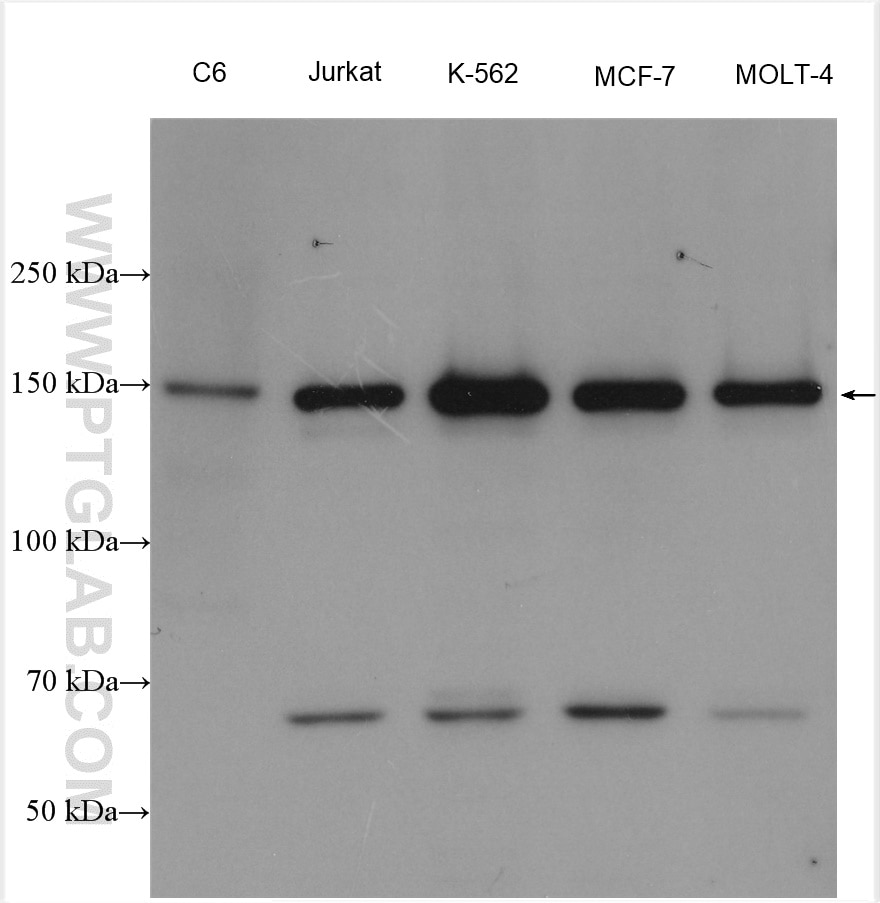
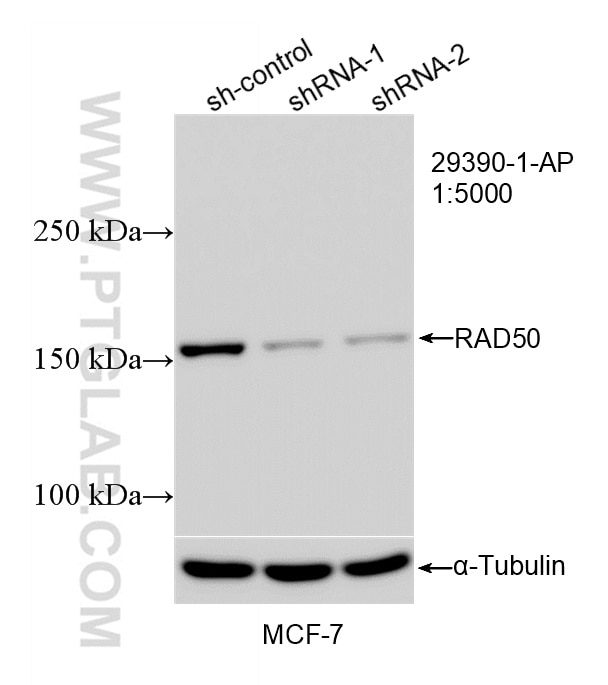
| Positive WB detected in | C6 cells, MCF-7 cells, Jurkat cells, K-562 cells, MOLT-4 cells |
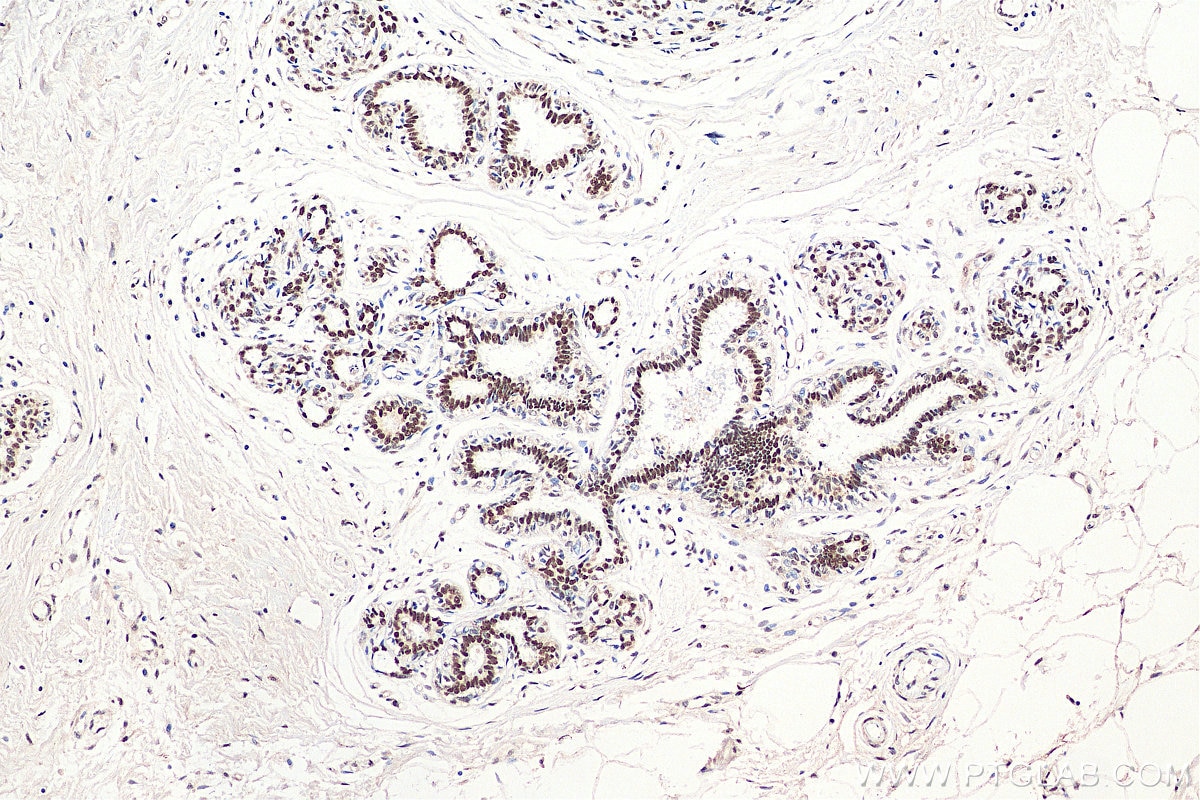
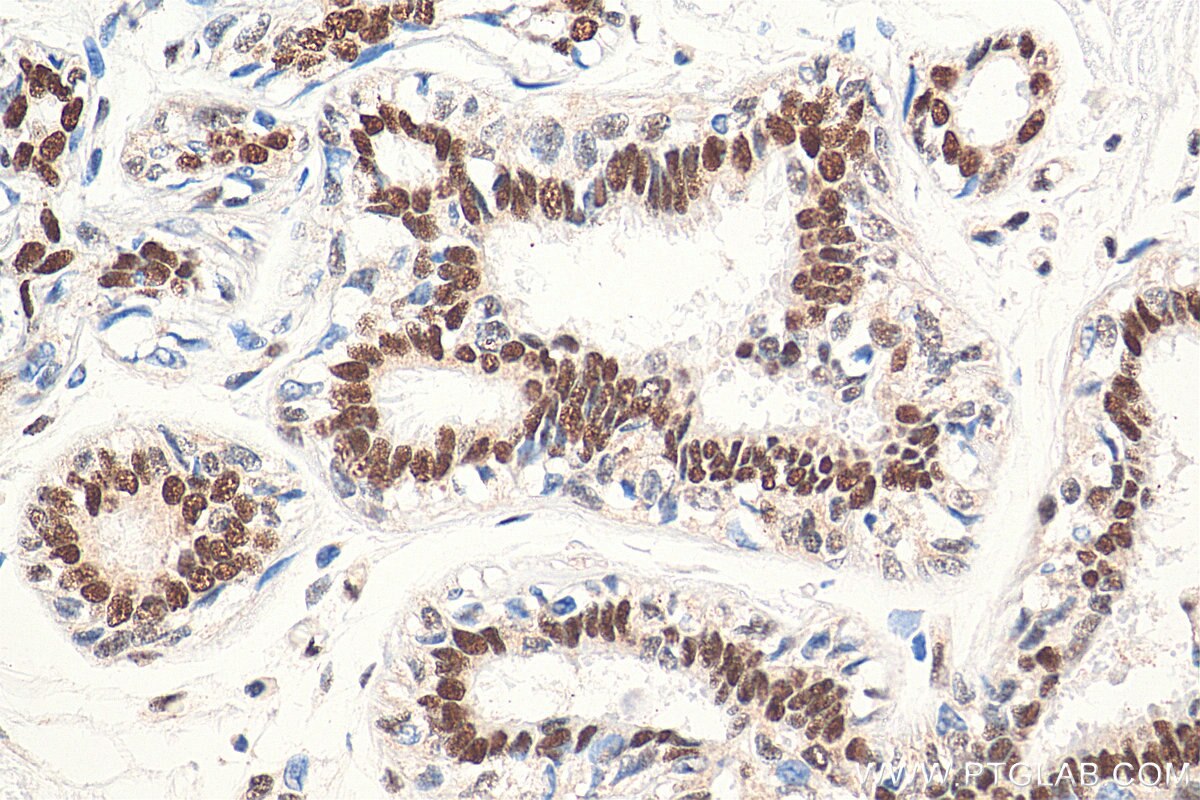
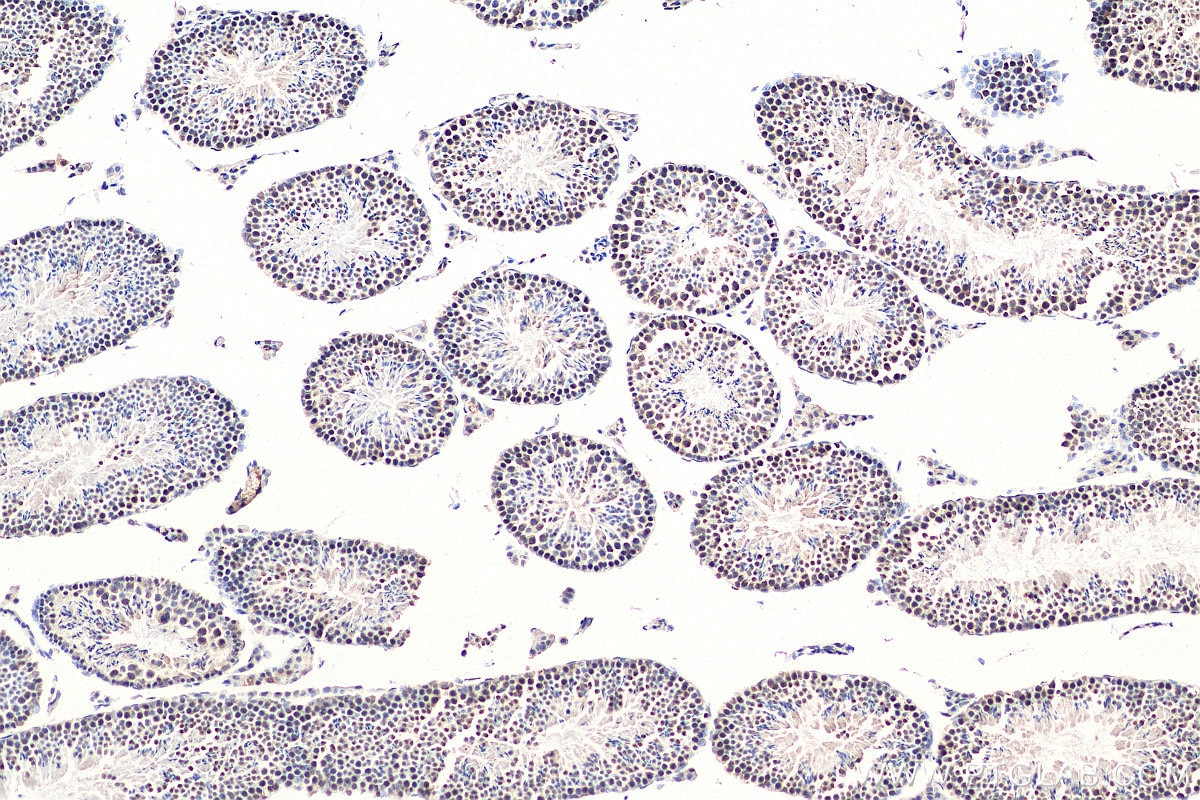
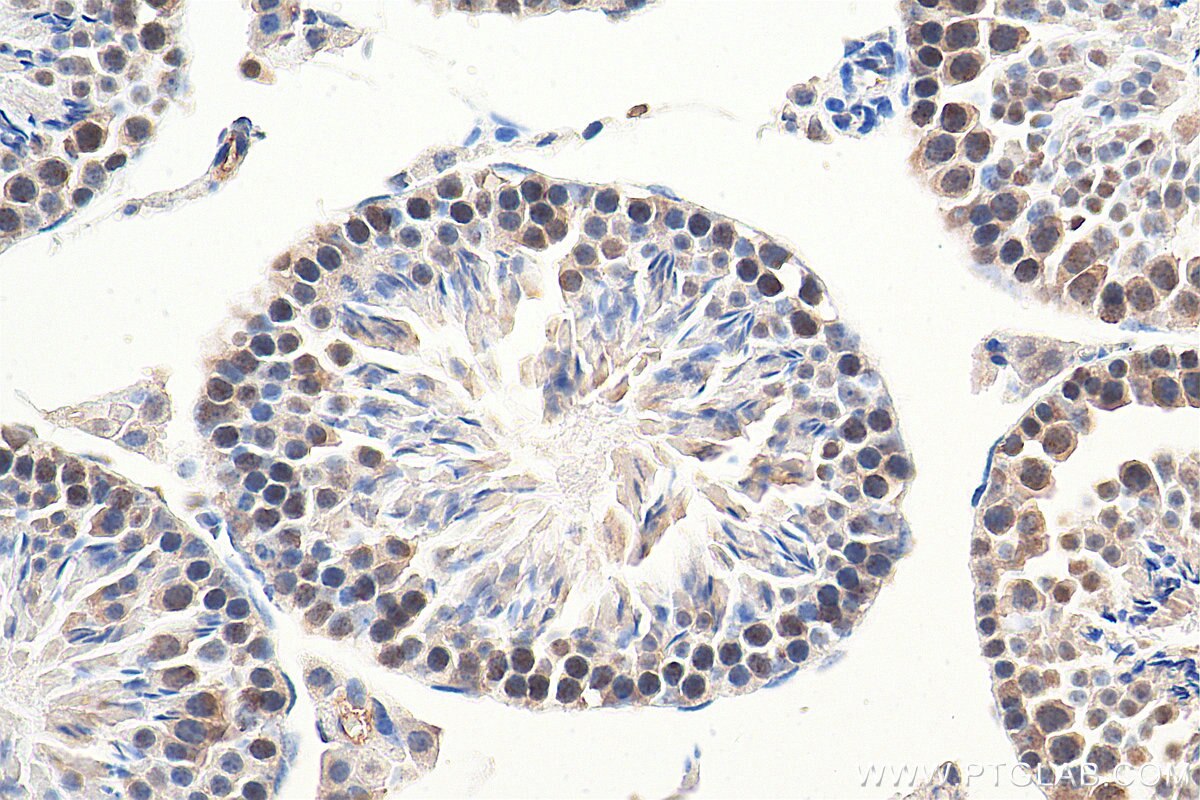
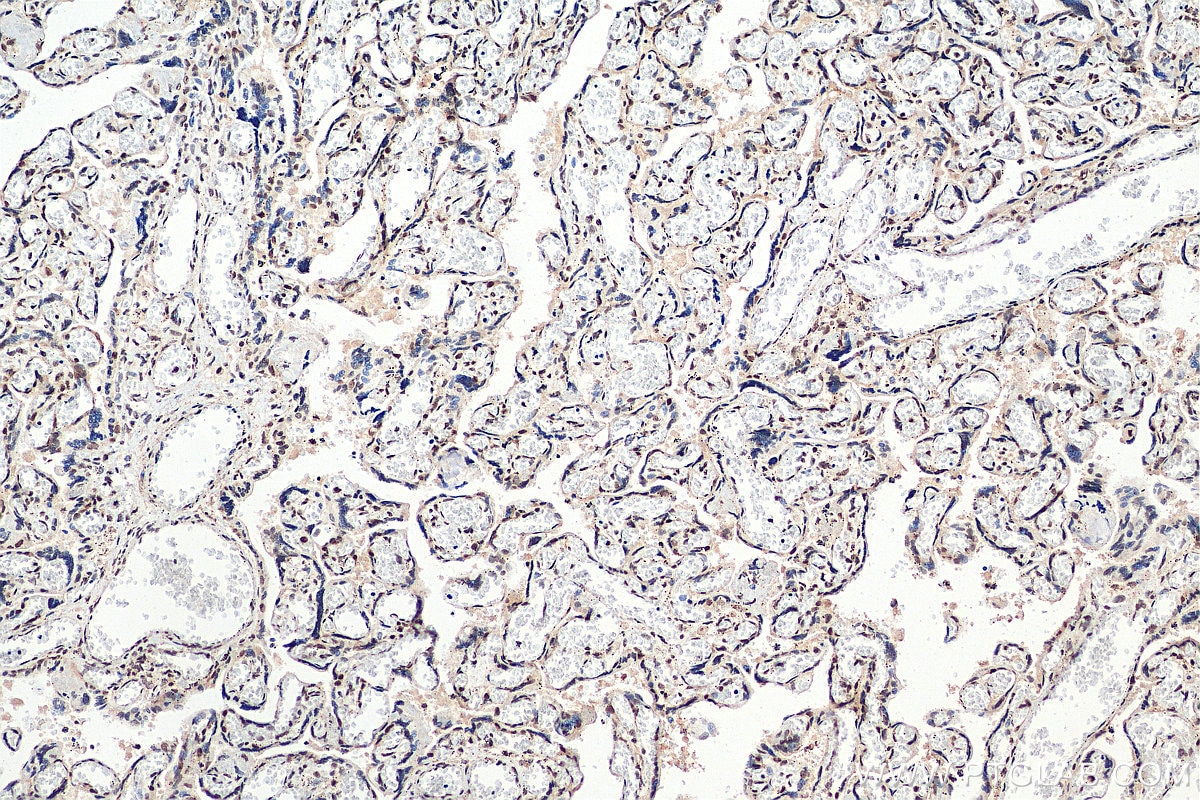
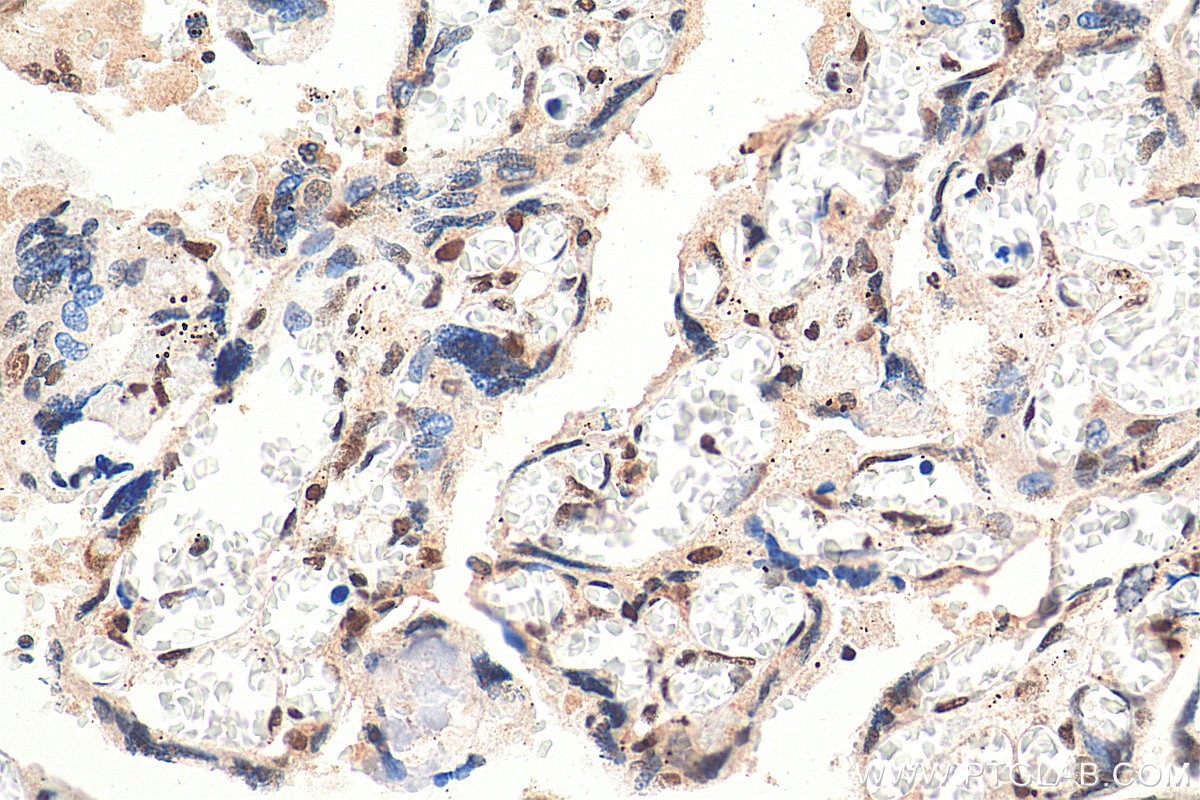
| Positive IHC detected in | human breast cancer tissue, mouse testis tissue, human placenta tissue Note: suggested antigen retrieval with TE buffer pH 9.0; (*) Alternatively, antigen retrieval may be performed with citrate buffer pH 6.0 |
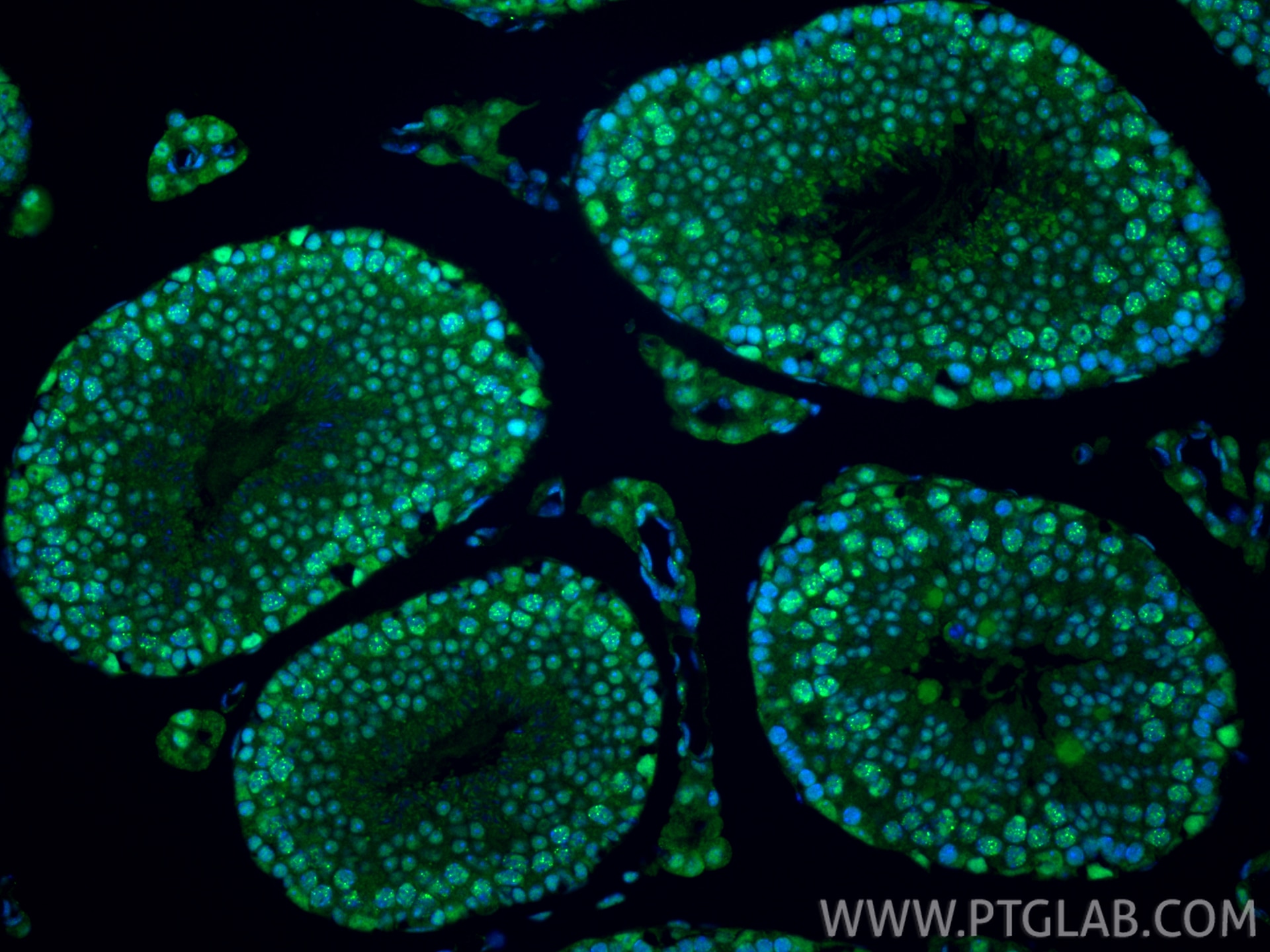
| Positive IF-P detected in | mouse testis tissue |
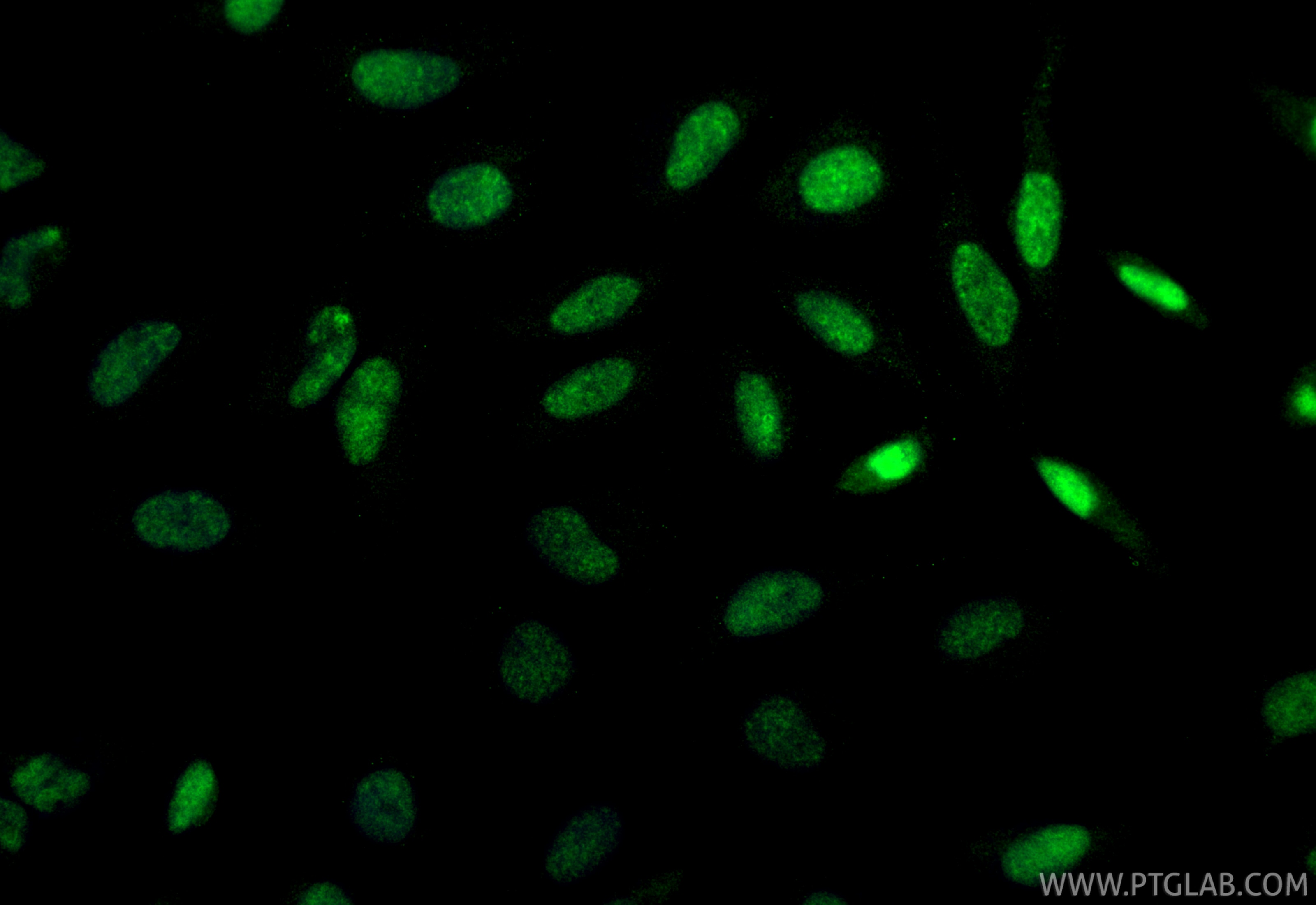
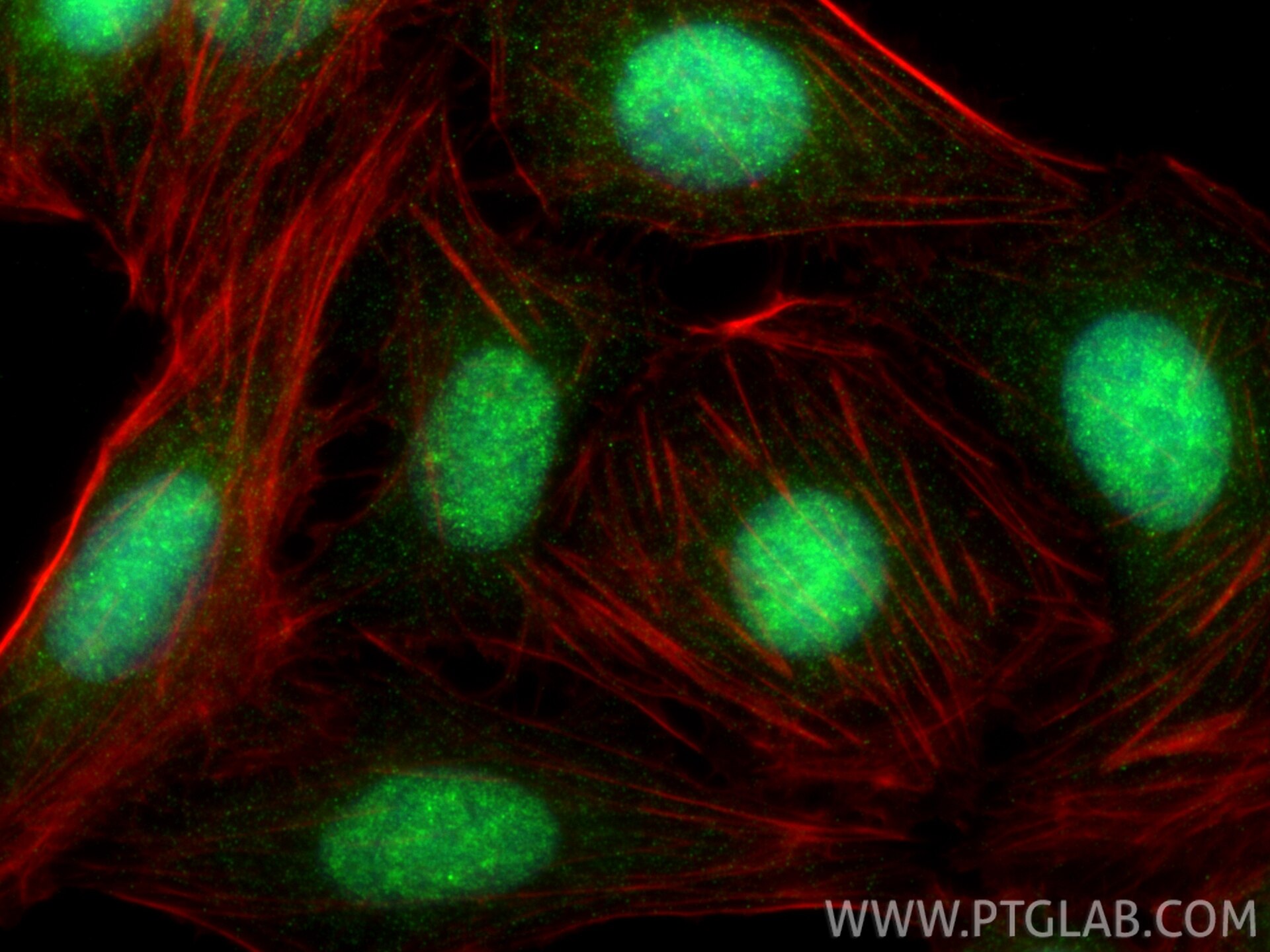
| Positive IF/ICC detected in | U2OS cells, HeLa cells |
Recommended dilution
| Application | Dilution |
|---|---|
| Western Blot (WB) | WB : 1:2000-1:10000 |
| Immunohistochemistry (IHC) | IHC : 1:400-1:1600 |
| Immunofluorescence (IF)-P | IF-P : 1:50-1:500 |
| Immunofluorescence (IF)/ICC | IF/ICC : 1:200-1:800 |
| It is recommended that this reagent should be titrated in each testing system to obtain optimal results. | |
| Sample-dependent, Check data in validation data gallery. | |
Product Information
29390-1-AP targets RAD50 in WB, IHC, IF/ICC, IF-P, ELISA applications and shows reactivity with human, mouse, rat samples.
| Tested Reactivity | human, mouse, rat |
| Cited Reactivity | human, mouse |
| Host / Isotype | Rabbit / IgG |
| Class | Polyclonal |
| Type | Antibody |
| Immunogen |
CatNo: Ag29949 Product name: Recombinant human RAD50 protein Source: e coli.-derived, PGEX-4T Tag: GST Domain: 275-425 aa of NM_005732 Sequence: LDSRKKQMEKDNSELEEKMEKVFQGTDEQLNDLYHNHQRTVREKERKLVDCHRELEKLNKESRLLNQEKSELLVEQGRLQLQADRHQEHIRARDSLIQSLATQLELDGFERGPFSERQIKNFHKLVRERQEGEAKTANQLMNDFAEKETLK Predict reactive species |
| Full Name | RAD50 homolog (S. cerevisiae) |
| Calculated Molecular Weight | 154 kDa |
| Observed Molecular Weight | 154 kDa |
| GenBank Accession Number | NM_005732 |
| Gene Symbol | RAD50 |
| Gene ID (NCBI) | 10111 |
| RRID | AB_2918289 |
| Conjugate | Unconjugated |
| Form | Liquid |
| Purification Method | Antigen affinity purification |
| UNIPROT ID | Q92878 |
| Storage Buffer | PBS with 0.02% sodium azide and 50% glycerol, pH 7.3. |
| Storage Conditions | Store at -20°C. Stable for one year after shipment. Aliquoting is unnecessary for -20oC storage. 20ul sizes contain 0.1% BSA. |
Background Information
RAD50 belongs to the ABC-ATPase protein family that concurs in forming the Nucleotide Binding Domain (NBD). ATP binding to Rad50 induces a conformational change that dramatically increases the Rad50 NBD affinity for itself, allowing for its dimerization (PMID: 37569756). The Mre11-Rad50 (MR) complex has key functions in the detection, signaling and repair of DNA breaks (PMID: 35501303).
Protocols
| Product Specific Protocols | |
|---|---|
| IF protocol for RAD50 antibody 29390-1-AP | Download protocol |
| IHC protocol for RAD50 antibody 29390-1-AP | Download protocol |
| WB protocol for RAD50 antibody 29390-1-AP | Download protocol |
| Standard Protocols | |
|---|---|
| Click here to view our Standard Protocols |
Publications
What published studies show
The RAD50 Polyclonal Antibody (Cat# 29390-1-AP) has 9 citations across journals including Cell Death Dis, Oncogene, Cell Genom, Cell Reports, J Transl Med, CNS Neurosci Ther, Ecotoxicol Environ Saf, iScience, and J Biol Chem. Research fields span cancer biology (colorectal, prostate, hepatocellular, glioblastoma, AML, endometrial), DNA repair mechanisms, antiviral defense, and ecotoxicology. Cited applications include WB and IF in human and mouse samples.
| Species | Application | Title |
|---|---|---|
Cell Death Dis CNOT7 facilitates radiation resistance in colorectal cancer through TRIM21/XRCC6-mediated non-homologous end joining repair. | ||
J Transl Med Modulation of SRC by SNTB1 activates the Hippo-YAP pathway during colon adenocarcinoma metastasis | ||
Oncogene YEATS2 promotes DNA repair and induces anoikis resistance by enhancing chromatin accessibility to drive prostate cancer metastasis. | ||
Cell Genom NRDE2 deficiency impairs homologous recombination repair and sensitizes hepatocellular carcinoma to PARP inhibitors | ||
Cell Rep PATZ1 condensation adjacent to PML nuclear bodies suppresses HBoV transcription as an intrinsic antiviral defense. | ||
Ecotoxicol Environ Saf Adolescent cetylpyridinium chloride exposure impairs homologous recombination repair and induces granulosa cell apoptosis and follicular atresia via FOXM1/CREBBP complex suppression |
Reviews
What customers say
Customers report that this antibody performs well for Western Blot, with one user noting strong results at a 1:2000 dilution in HeLa cells. Another user found it to work correctly for Immunofluorescence in hTERT RPE-1 cells, though they indicated further testing was needed to fully confirm performance. Overall, the reviews are positive, with an average rating of 4.5 out of 5, reflecting reliable performance across applications.
The reviews below have been submitted by verified Proteintech customers who received an incentive for providing their feedback.
Arnaud (Verified Customer) (09-26-2025) | Work very well at 1:2000 dilution
|
Veronica (Verified Customer) (11-14-2022) | The antibody seems to work correctly. However, further tests need to be done.
|












