

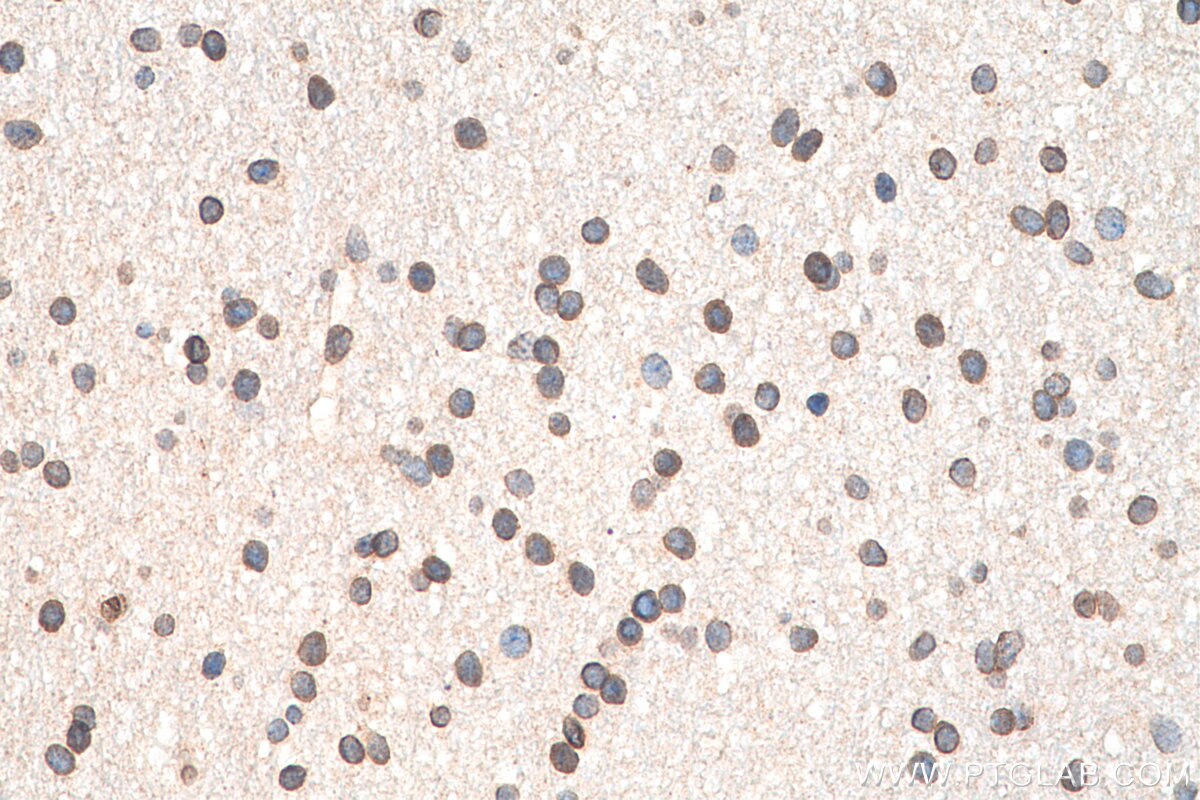
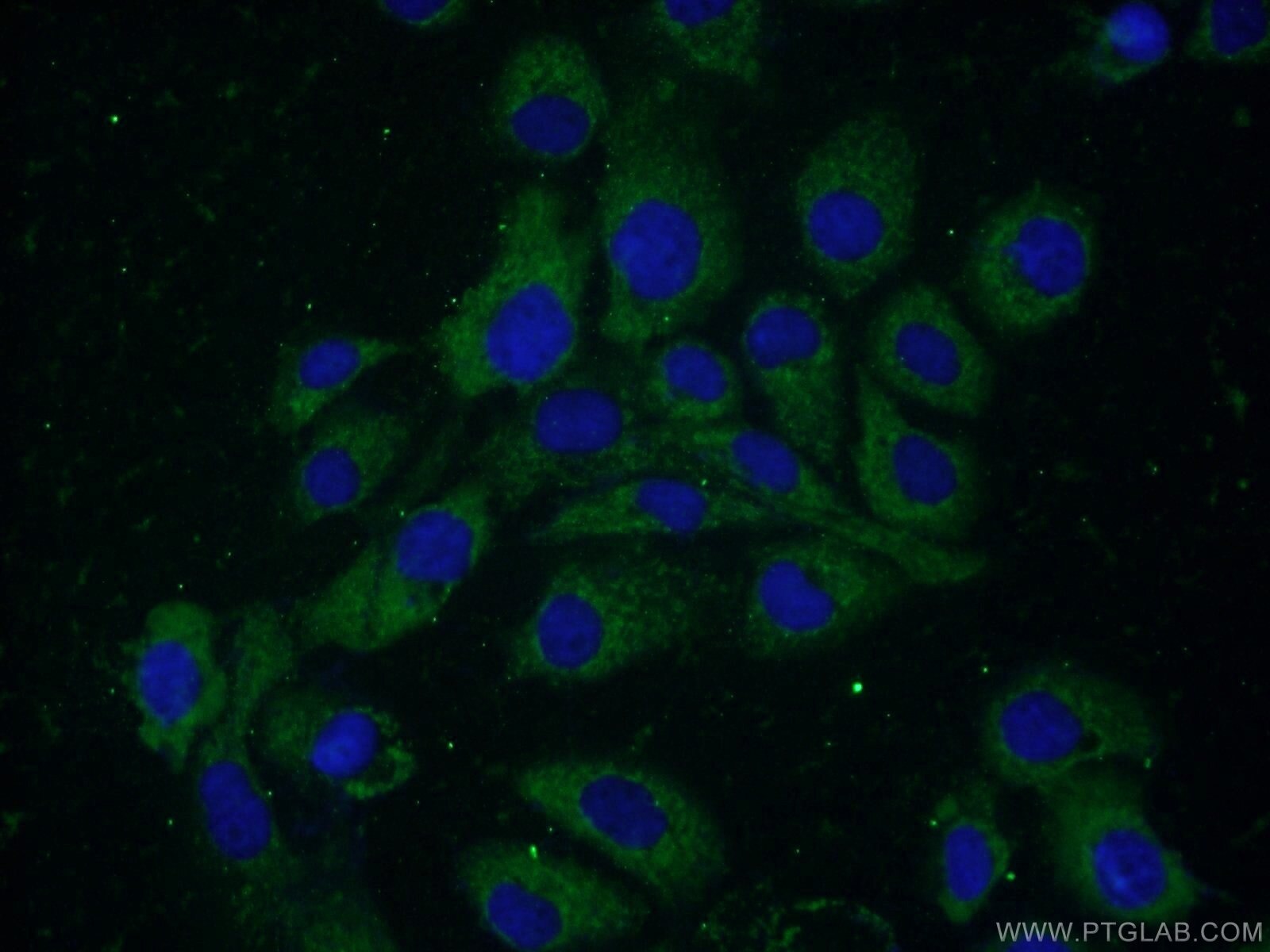

Tested Applications
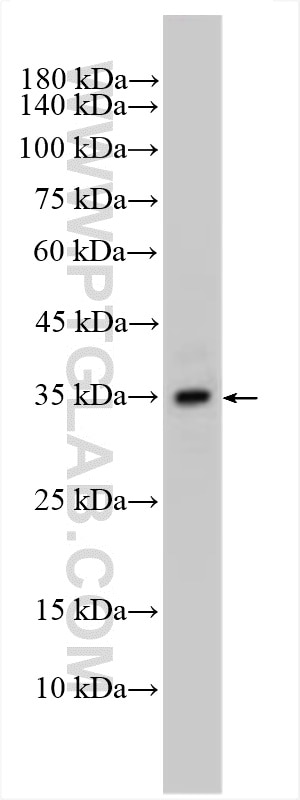
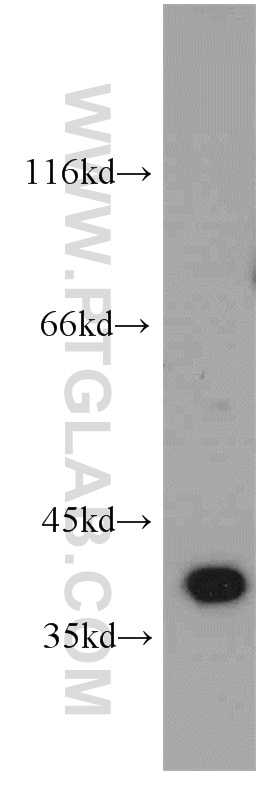
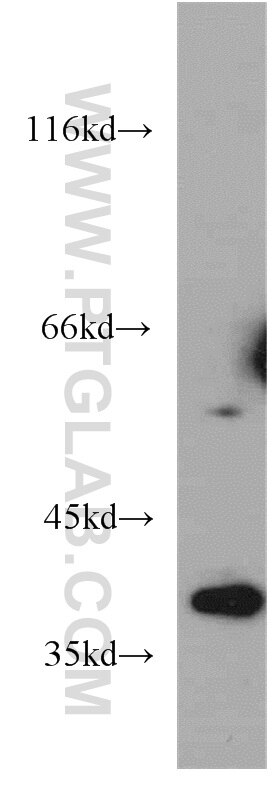
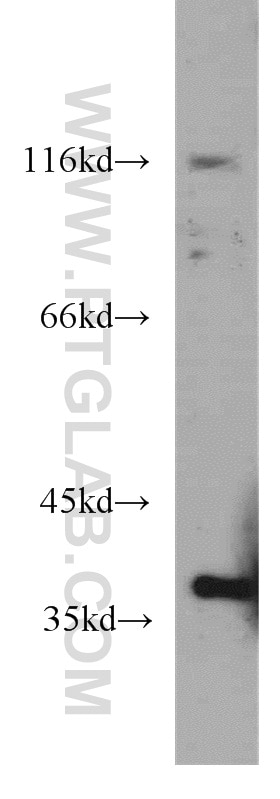
| Positive WB detected in | Neuro-2a cells, A431 cells, mouse brain tissue, Y79 cells, rat brain tissue |
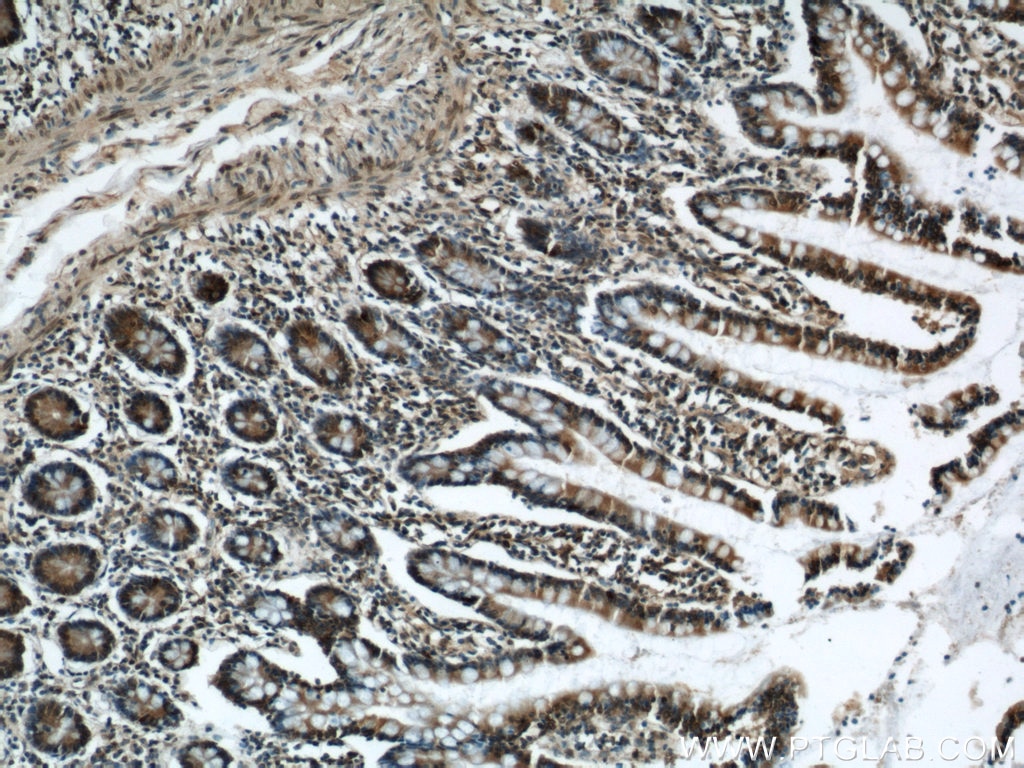
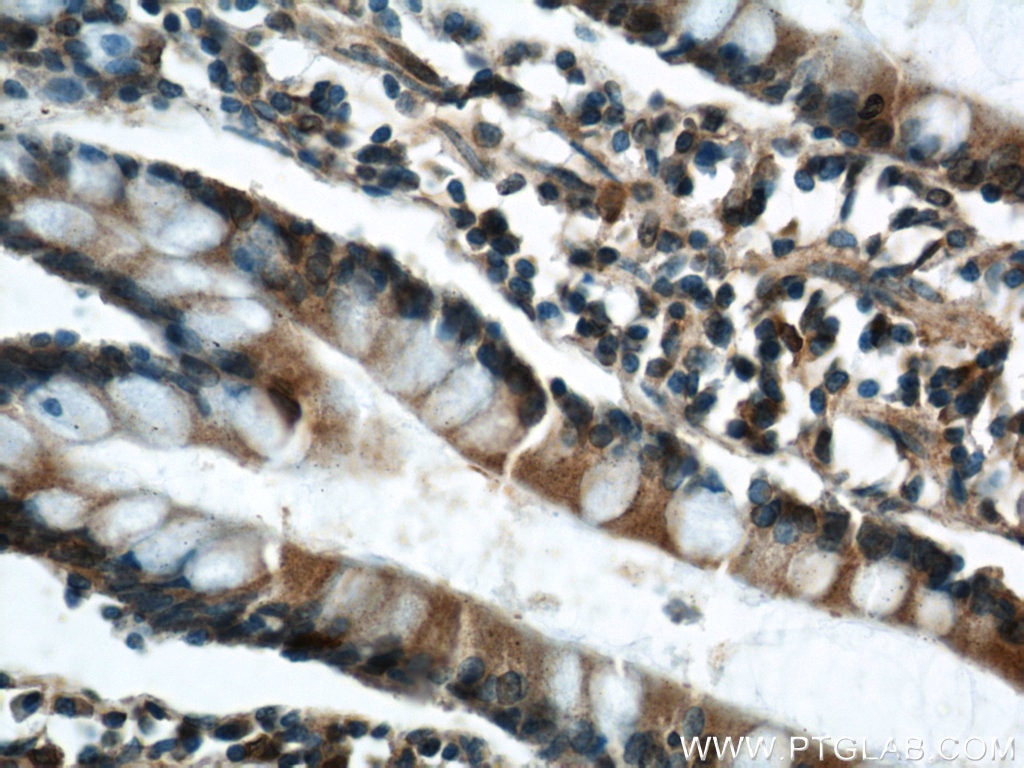
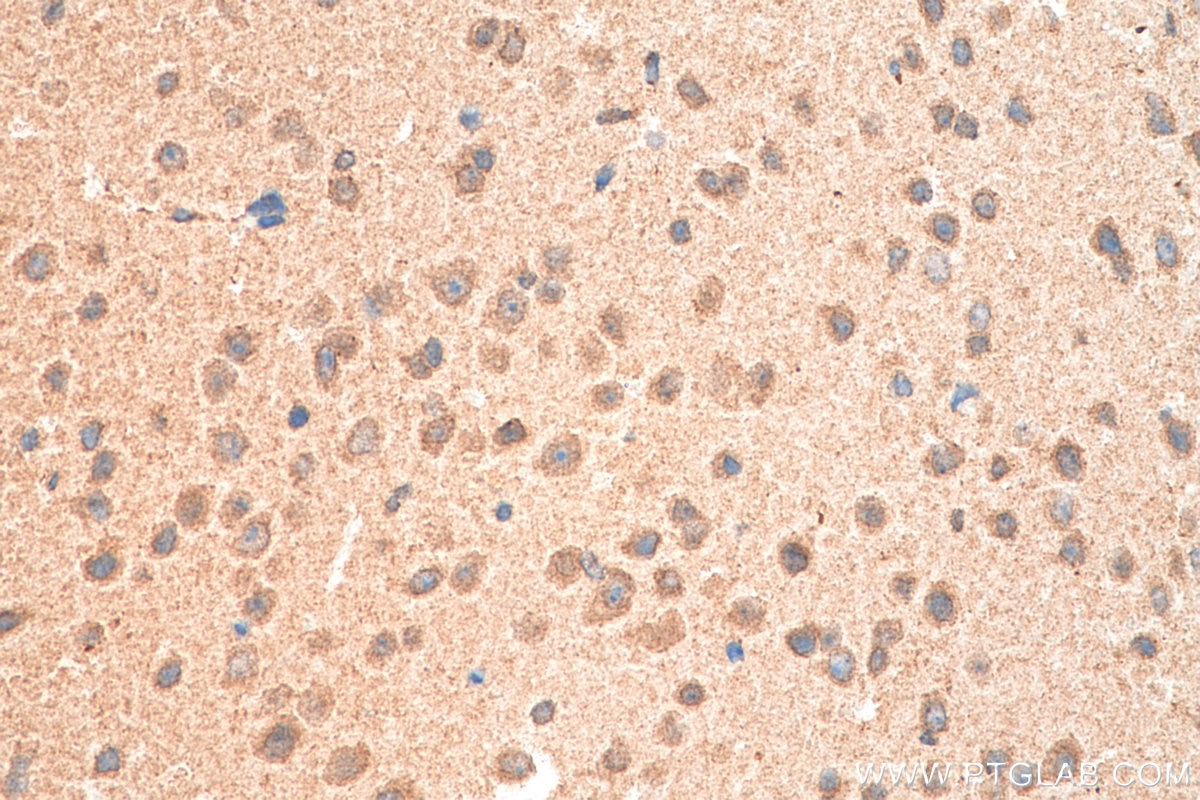
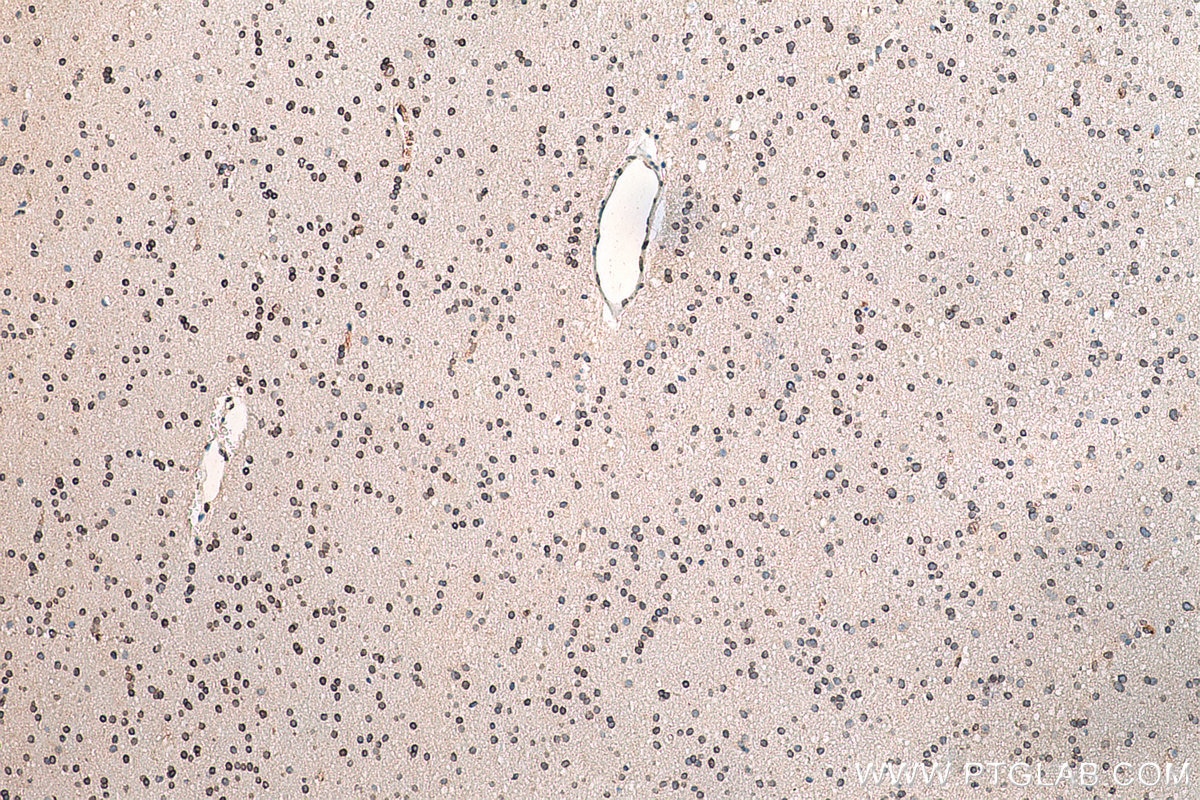
| Positive IHC detected in | human gliomas tissue, human small intestine tissue, mouse brain tissue Note: suggested antigen retrieval with TE buffer pH 9.0; (*) Alternatively, antigen retrieval may be performed with citrate buffer pH 6.0 |
| Positive IF/ICC detected in | A431 cells |
Recommended dilution
| Application | Dilution |
|---|---|
| Western Blot (WB) | WB : 1:500-1:1000 |
| Immunohistochemistry (IHC) | IHC : 1:250-1:1000 |
| Immunofluorescence (IF)/ICC | IF/ICC : 1:10-1:100 |
| It is recommended that this reagent should be titrated in each testing system to obtain optimal results. | |
| Sample-dependent, Check data in validation data gallery. | |
Product Information
55023-1-AP targets ELOVL4 in WB, IHC, IF/ICC, ELISA applications and shows reactivity with human, mouse, rat samples.
| Tested Reactivity | human, mouse, rat |
| Cited Reactivity | human, mouse, rat |
| Host / Isotype | Rabbit / IgG |
| Class | Polyclonal |
| Type | Antibody |
| Immunogen |
Peptide Predict reactive species |
| Full Name | elongation of very long chain fatty acids (FEN1/Elo2, SUR4/Elo3, yeast)-like 4 |
| Calculated Molecular Weight | 37 kDa |
| Observed Molecular Weight | 37-40 kDa |
| GenBank Accession Number | NM_022726 |
| Gene Symbol | ELOVL4 |
| Gene ID (NCBI) | 6785 |
| RRID | AB_10859792 |
| Conjugate | Unconjugated |
| Form | Liquid |
| Purification Method | Antigen affinity purification |
| UNIPROT ID | Q9GZR5 |
| Storage Buffer | PBS with 0.02% sodium azide and 50% glycerol, pH 7.3. |
| Storage Conditions | Store at -20°C. Stable for one year after shipment. Aliquoting is unnecessary for -20oC storage. 20ul sizes contain 0.1% BSA. |
Background Information
ELOVL4, also named as ADMD, STGD2 and STGD3, belongs to the ELO family. It is a component of the fatty acid elongation system. Elovl4 is involved in the biosynthesis of very long chain fatty acids. It seems to represent a photoreceptor-specific component of the fatty acid elongation system residing on the endoplasmic reticulum. ELOVL4 may be implicated in docosahexaenoic acid (DHA) biosynthesis, which requires dietary consumption of the essential alpha-linolenic acid and a subsequent series of three elongation steps. Defects in ELOVL4 are the cause of Stargardt disease type 3 (STGD3). The antibody is specific to ELOVL4.
Protocols
| Product Specific Protocols | |
|---|---|
| IF protocol for ELOVL4 antibody 55023-1-AP | Download protocol |
| IHC protocol for ELOVL4 antibody 55023-1-AP | Download protocol |
| WB protocol for ELOVL4 antibody 55023-1-AP | Download protocol |
| Standard Protocols | |
|---|---|
| Click here to view our Standard Protocols |
Publications
What published studies show
The ELOVL4 Polyclonal antibody (Cat# 55023-1-AP) has 11 citations published in journals including Nature Communications, Journal of Clinical Investigation, Science Advances, Chinese Medicine, Ocular Surface, International Journal of Molecular Sciences, Investigative Ophthalmology & Visual Science, Journal of Pharmacological Sciences, and Lipids. Research fields covered include lipid metabolism, meibomian gland/ocular surface biology, spinocerebellar ataxia, viral replication, wound repair, and gastric inflammation.
| Species | Application | Title |
|---|---|---|
Nat Commun Unraveling the spatial organization and development of human thymocytes through integration of spatial transcriptomics and single-cell multi-omics profiling
| ||
J Clin Invest Staphylococcus aureus accessory gene regulator quorum-sensing system inhibits keratinocyte lipid enzymes and delays wound repair. | ||
Sci Adv Hepatoviruses promote very-long-chain fatty acid and sphingolipid synthesis for viral RNA replication and quasi-enveloped virus release | ||
Chin Med The tibetan medicine Zuozhu-Daxi can prevent Helicobacter pylori induced-gastric mucosa inflammation by inhibiting lipid metabolism | ||
Ocul Surf PPARγ regulates meibocyte differentiation and lipid synthesis of cultured human meibomian gland epithelial cells (hMGEC). | ||












