




Tested Applications
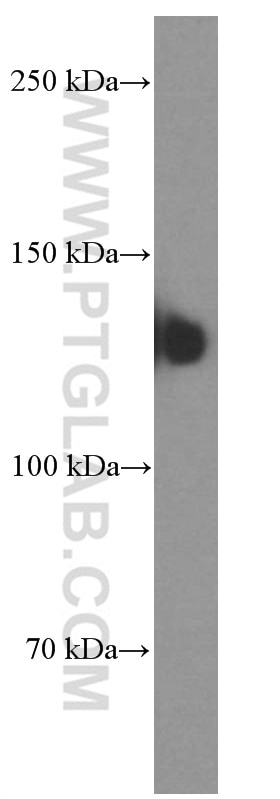
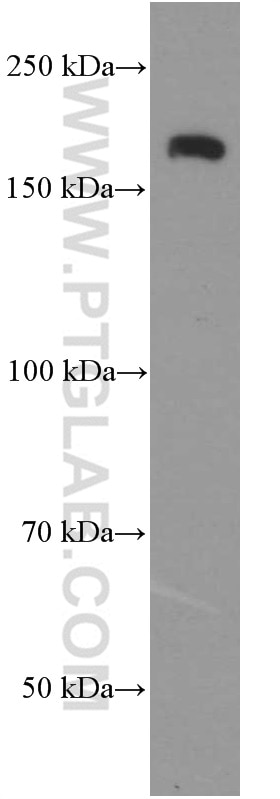
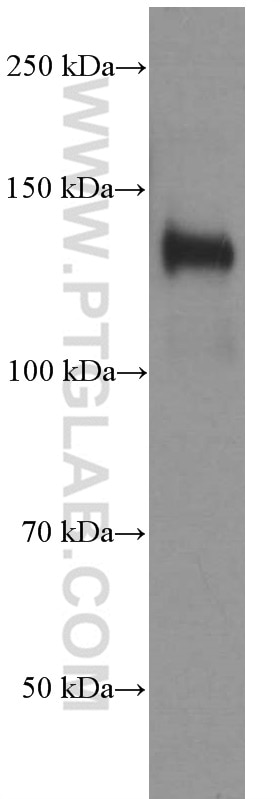
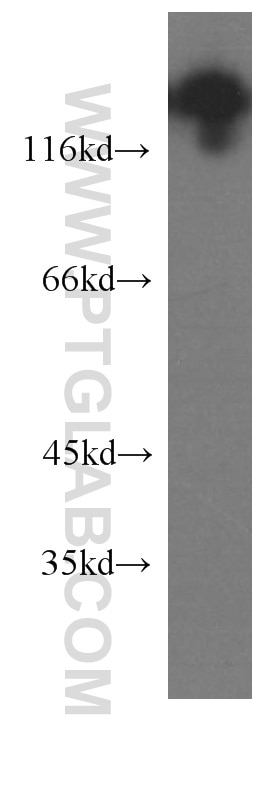
| Positive WB detected in | fetal human brain tissue, C6 cells, human brain tissue, pig brain tissue |
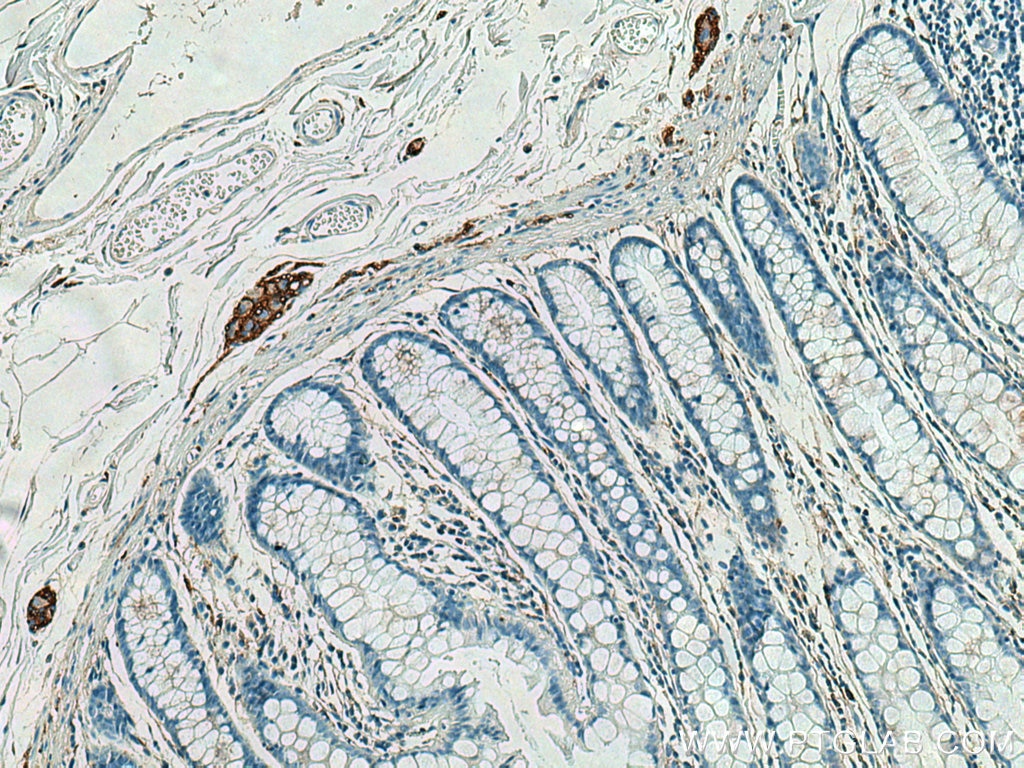
| Positive IHC-Autostainer detected in | human appendicitis tissue |
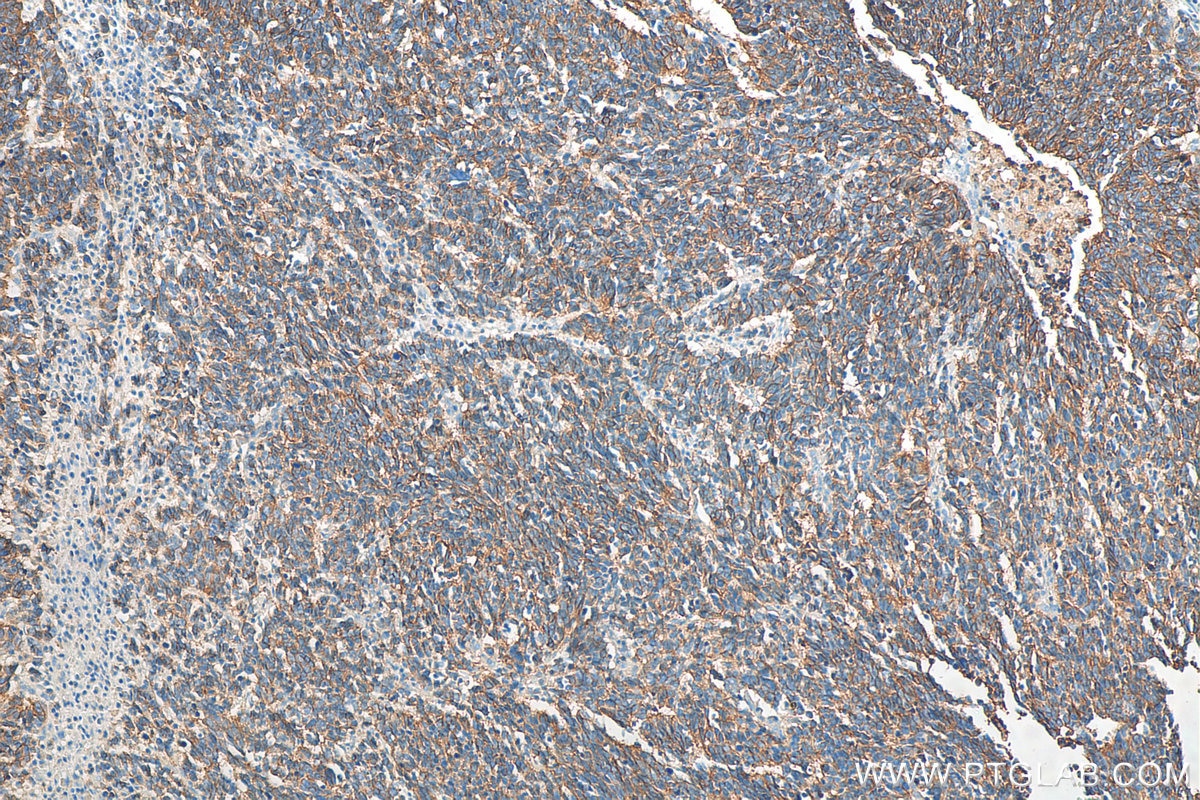
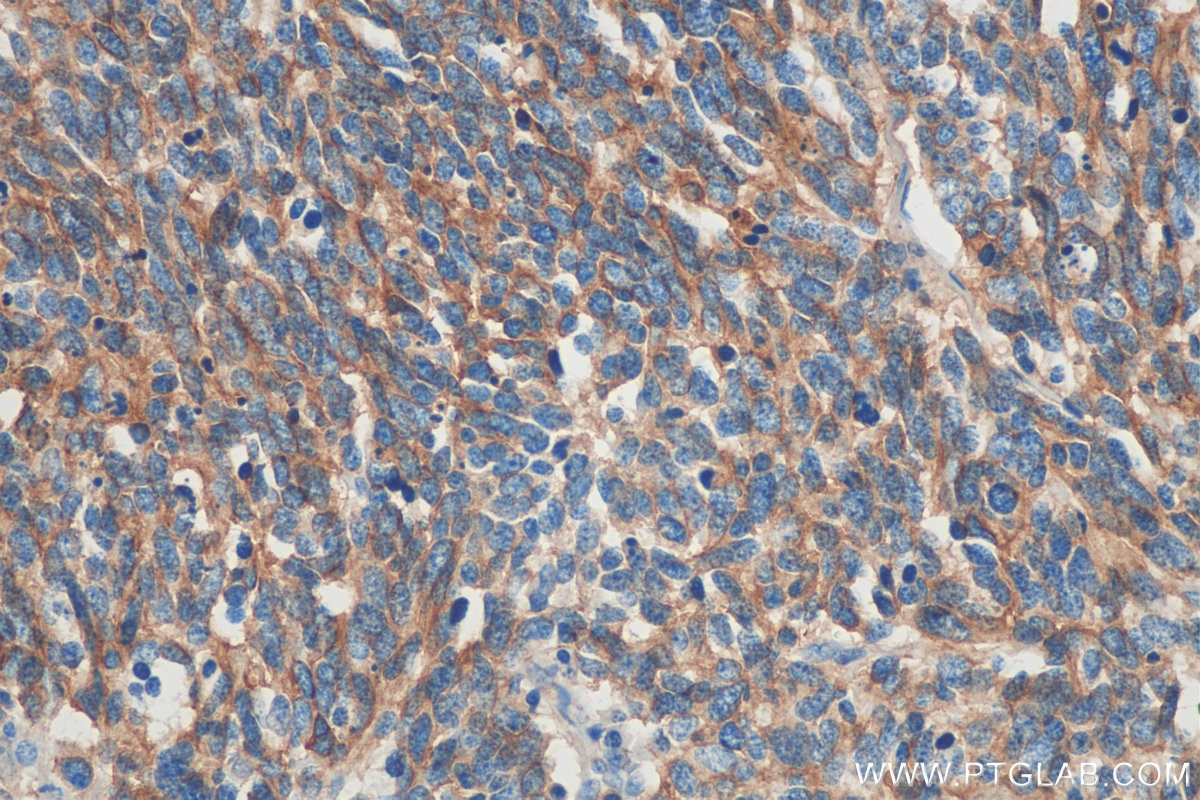
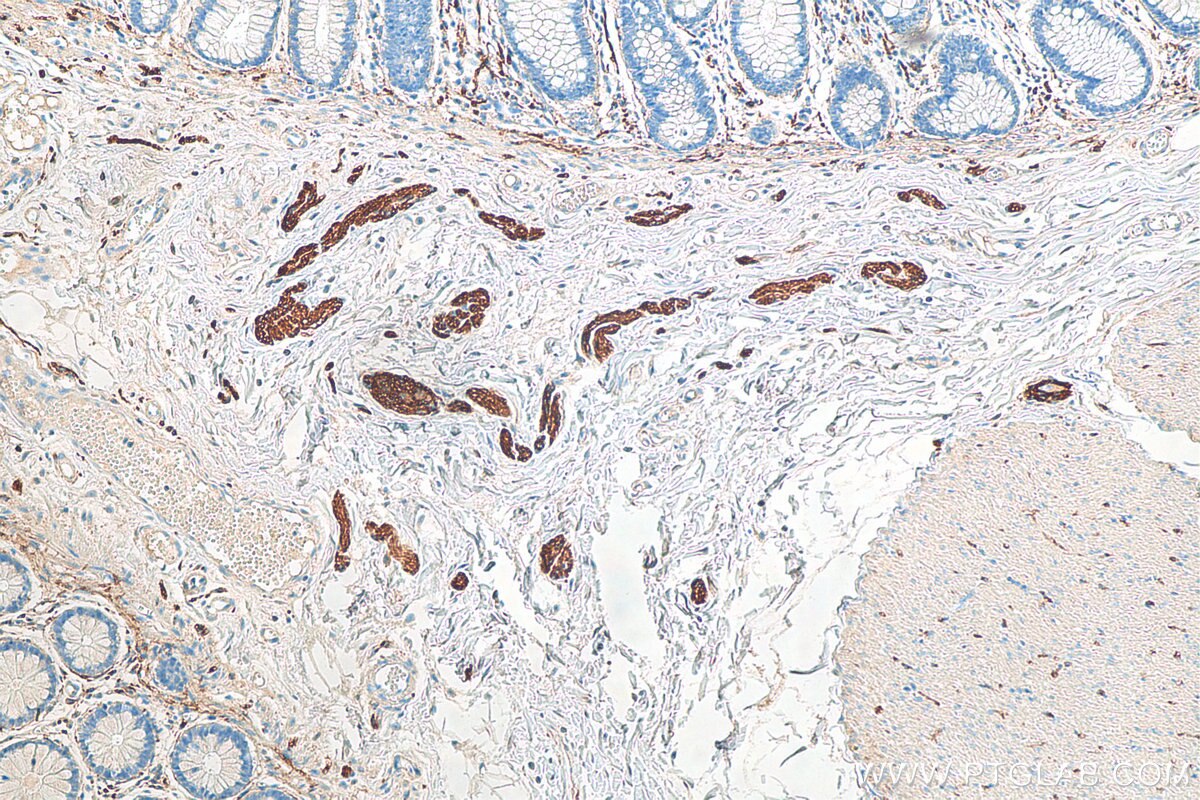
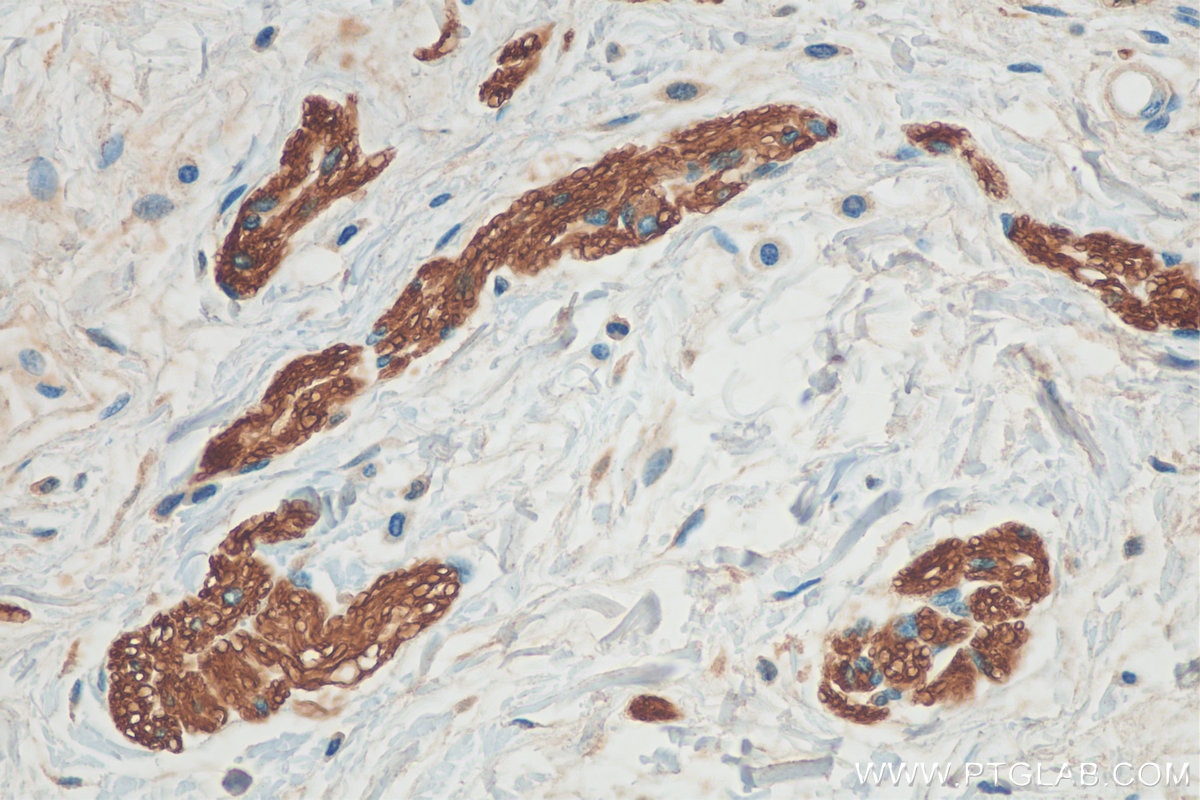
| Positive IHC detected in | human lung cancer tissue, human colon tissue, human liver tissue, human appendicitis tissue Note: suggested antigen retrieval with TE buffer pH 9.0; (*) Alternatively, antigen retrieval may be performed with citrate buffer pH 6.0 |
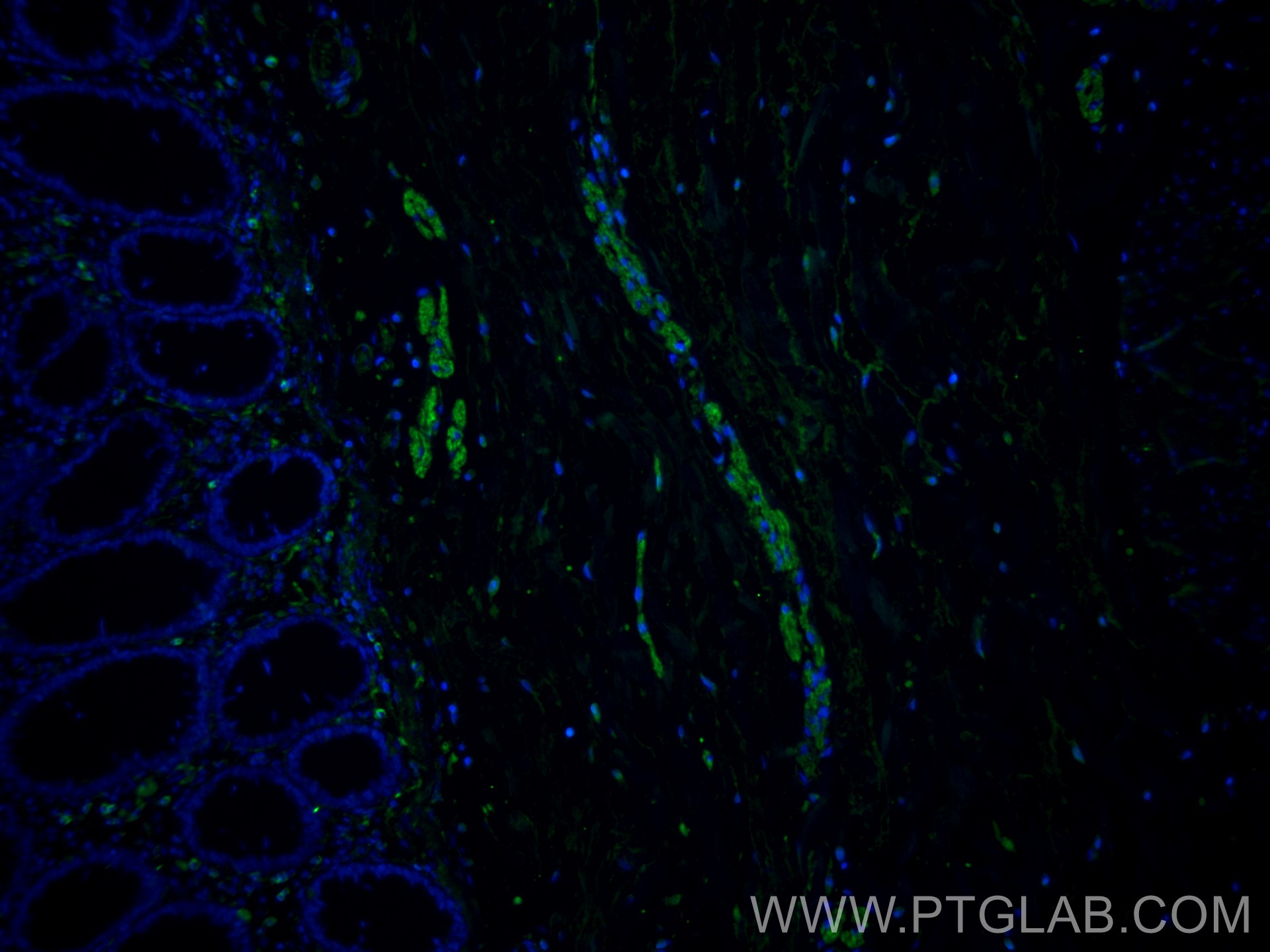
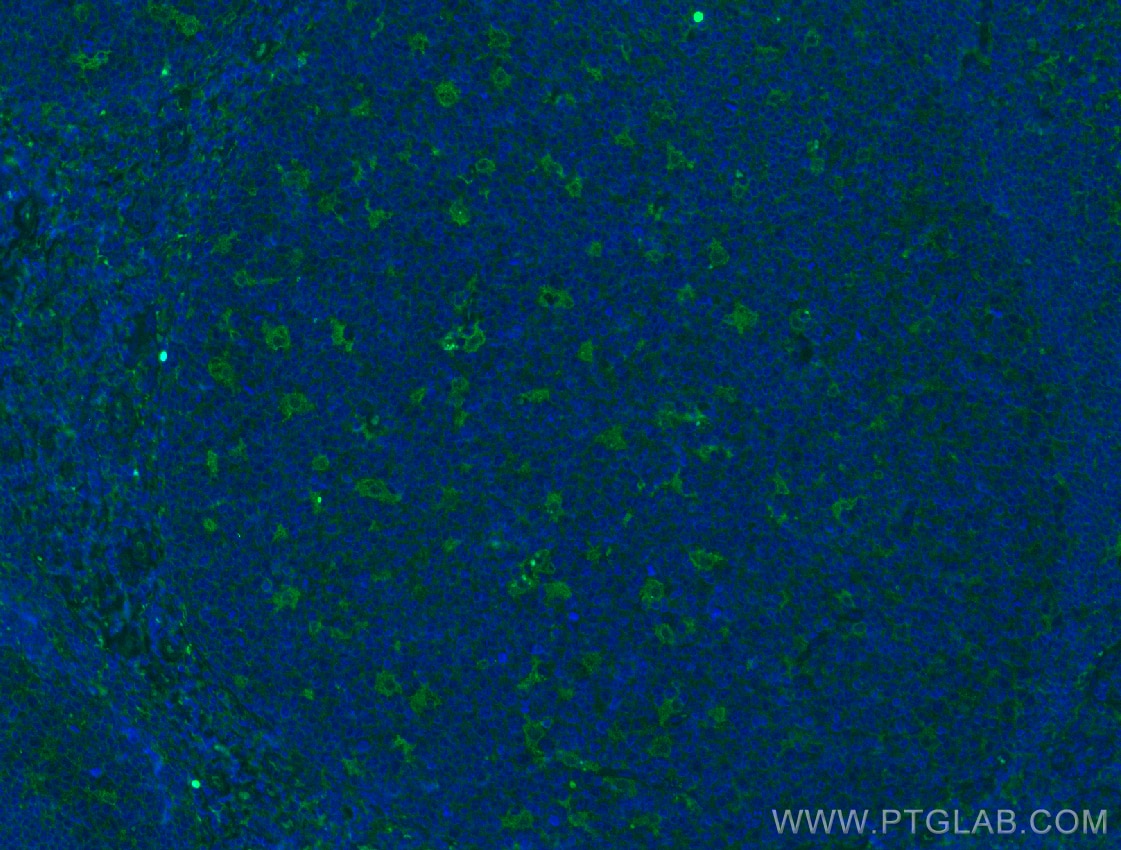
| Positive IF-P detected in | human colon tissue, human tonsillitis tissue |
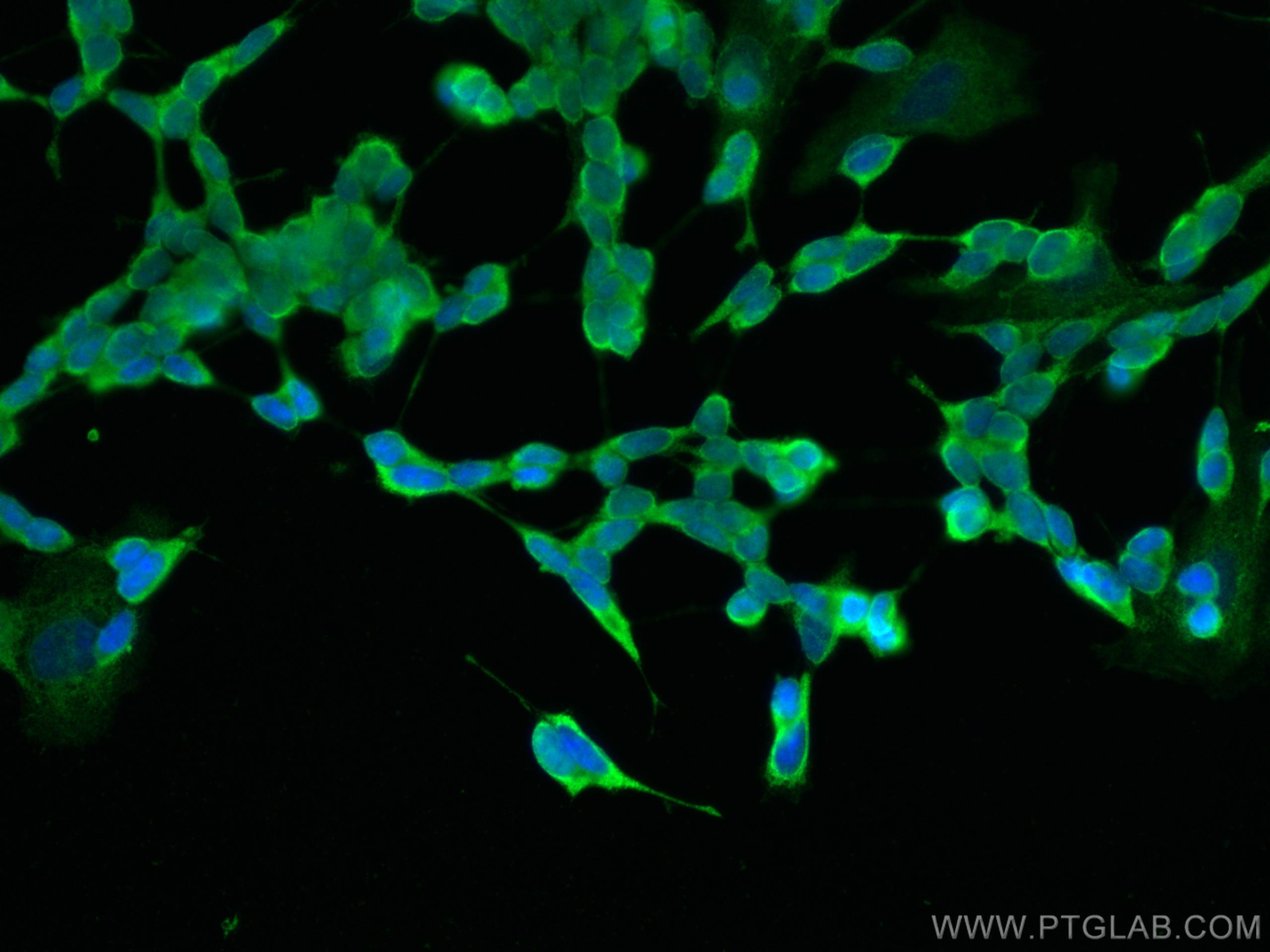
| Positive IF/ICC detected in | SH-SY5Y cells, human colon tissue |
Recommended dilution
| Application | Dilution |
|---|---|
| Western Blot (WB) | WB : 1:1000-1:8000 |
| Immunohistochemistry (IHC)-AUTOSTAINER | IHC-AUTOSTAINER : 1:2000-1:8000 |
| Immunohistochemistry (IHC) | IHC : 1:2000-1:8000 |
| Immunofluorescence (IF)-P | IF-P : 1:200-1:800 |
| Immunofluorescence (IF)/ICC | IF/ICC : 1:200-1:800 |
| It is recommended that this reagent should be titrated in each testing system to obtain optimal results. | |
| Sample-dependent, Check data in validation data gallery. | |
Product Information
60238-1-Ig targets NCAM1/CD56 in WB, IHC, IHC-Autostainer, IF/ICC, IF-P, ELISA applications and shows reactivity with human, rat, pig samples.
| Tested Reactivity | human, rat, pig |
| Cited Reactivity | human, mouse |
| Host / Isotype | Mouse / IgG1 |
| Class | Monoclonal |
| Type | Antibody |
| Immunogen |
CatNo: Ag5732 Product name: Recombinant human NCAM1/CD56 protein Source: e coli.-derived, PET28a Tag: 6*His Domain: 30-352 aa of BC047244 Sequence: EISVGESKFFLCQVAGDAKDKDISWFSPNGEKLTPNQQRISVVWNDDSSSTLTIYNANIDDAGIYKCVVTGEDGSESEATVNVKIFQKLMFKNAPTPQEFREGEDAVIVCDVVSSLPPTIIWKHKGRDVILKKDVRFIVLSNNYLQIRGIKKTDEGTYRCEGRILARGEINFKDIQVIVNVPPTIQARQNIVNATANLGQSVTLVCDAEGFPEPTMSWTKDGEQIEQEEDDEKYIFSDDSSQLTIKKVDKNDEAEYICIAENKAGEQDATIHLKVFAKPKITYVENQTAMELEEQVTLTCEASGDPIPSITWRTSTRNISSEE Predict reactive species |
| Full Name | neural cell adhesion molecule 1 |
| Calculated Molecular Weight | 95 kDa |
| Observed Molecular Weight | 140 kDa |
| GenBank Accession Number | BC047244 |
| Gene Symbol | NCAM1 |
| Gene ID (NCBI) | 4684 |
| ENSEMBL Gene ID | ENSG00000149294 |
| RRID | AB_2881361 |
| Conjugate | Unconjugated |
| Form | Liquid |
| Purification Method | Protein G purification |
| UNIPROT ID | P13591 |
| Storage Buffer | PBS with 0.02% sodium azide and 50% glycerol, pH 7.3. |
| Storage Conditions | Store at -20°C. Stable for one year after shipment. Aliquoting is unnecessary for -20oC storage. 20ul sizes contain 0.1% BSA. |
Background Information
Neural cell adhesion molecule 1 (NCAM1, also known as CD56) is a cell adhesion glycoprotein of the immunoglobulin (Ig) superfamily. It is a multifunction protein involved in synaptic plasticity, neurodevelopment, and neurogenesis. NCAM1 is expressed on human neurons, glial cells, skeletal muscle cells, NK cells and a subset of T cells, and the expression is observed in a wide variety of human tumors, including myeloma, myeloid leukemia, neuroendocrine tumors, Wilms' tumor, neuroblastoma, and NK/T cell lymphomas. Three major isoforms of NCAM1, with molecular masses of 120, 140, and 180 kDa, are generated by alternative splicing of mRNA (PMID: 9696812). The glycosylphosphatidylinositol (GPI)-anchored NCAM120 and the transmembrane NCAM140 and NCAM180 consist of five Ig-like domains and two fibronection-type III repeats (FNIII). All three forms can be posttranslationally modified by addition of polysialic acid (PSA) (PMID: 14976519). Several other isofroms have also been described (PMID: 1856291).
Protocols
| Product Specific Protocols | |
|---|---|
| IF protocol for NCAM1/CD56 antibody 60238-1-Ig | Download protocol |
| IHC protocol for NCAM1/CD56 antibody 60238-1-Ig | Download protocol |
| WB protocol for NCAM1/CD56 antibody 60238-1-Ig | Download protocol |
| Standard Protocols | |
|---|---|
| Click here to view our Standard Protocols |
Publications
What published studies show
The NCAM1/CD56 Monoclonal antibody (1E8C9), catalog number 60238-1-Ig, has 14 citations appearing in journals including Cell Host Microbe, Nat Commun, Hepatology, J Adv Res, Small, J Transl Med, Commun Biol, iScience, Cell Biol Toxicol, Rheumatology (Oxford), Exp Cell Res, Tuberculosis, Jpn J Clin Oncol, and Stem Cells Dev. Research fields span necrotizing enterocolitis, liver fibrosis, ferroptosis in osteosarcoma, NK cell immunotherapy, COPD, cervical cancer, hepatocellular carcinoma, glomerulonephritis, pulmonary tuberculosis, melanoma, and dental stem cell biology.
| Species | Application | Title |
|---|---|---|
Cell Host Microbe Microbiota regulates neonatal disease tolerance to virus-evoked necrotizing enterocolitis by shaping the STAT1-NLRC5 axis in the intestinal epithelium | ||
Hepatology Hepatocyte-derived MASP1-enriched small extracellular vesicles activate HSCs to promote liver fibrosis | ||
J Adv Res Ion interference induced by Ca-Mn nanoplatform enhances ferroptosis and promotes immune response for osteosarcoma treatment | ||
Small Nanobody-Engineered Natural Killer Cell Conjugates for Solid Tumor Adoptive Immunotherapy | ||
J Transl Med Systematic analysis of various RNA transcripts and construction of biological regulatory networks at the post-transcriptional level for chronic obstructive pulmonary disease | ||
Commun Biol SREBF2 enhances lipid metabolism and represses anti-tumor immune responses in cervical cancer by increasing ACAT2. |















