
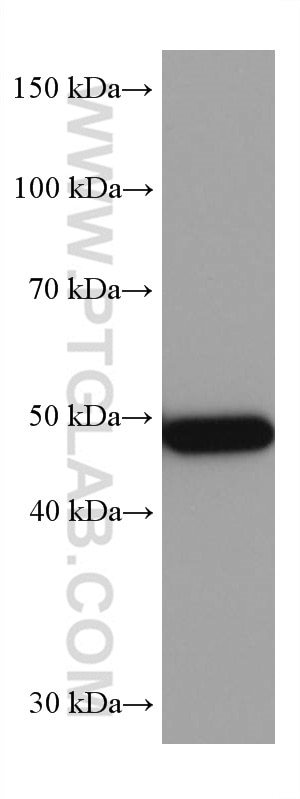
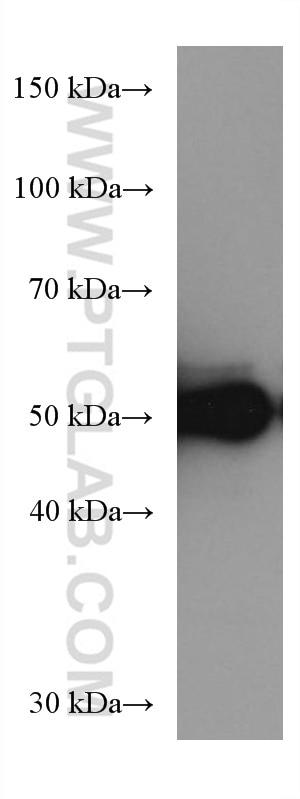
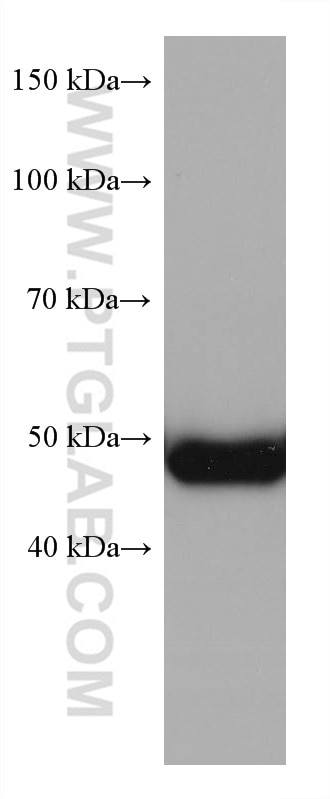
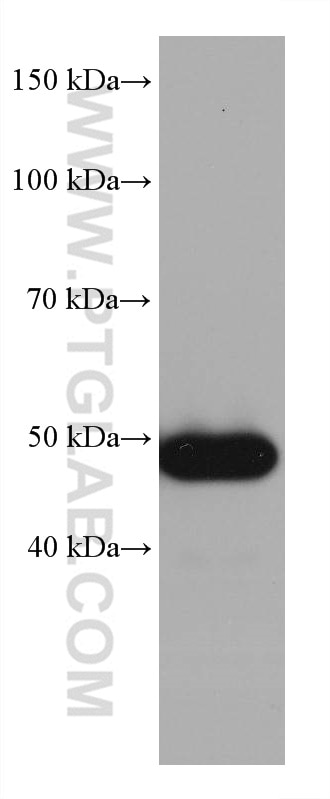



Tested Applications
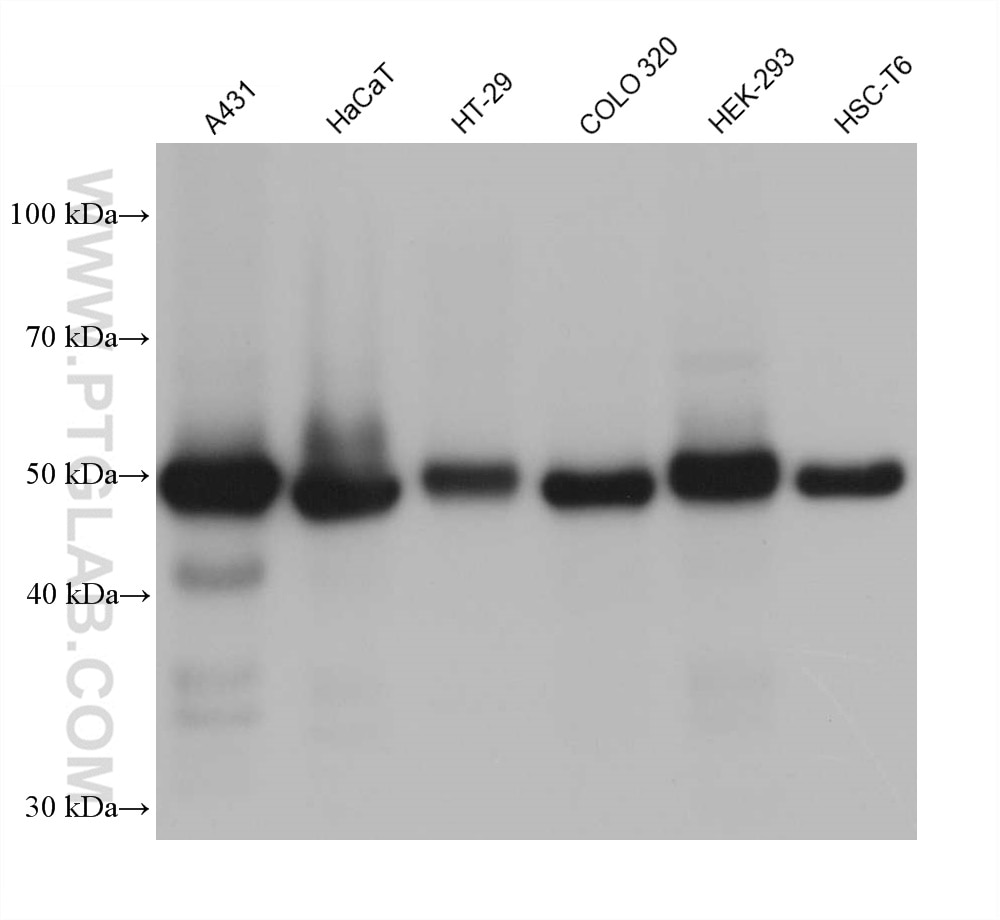
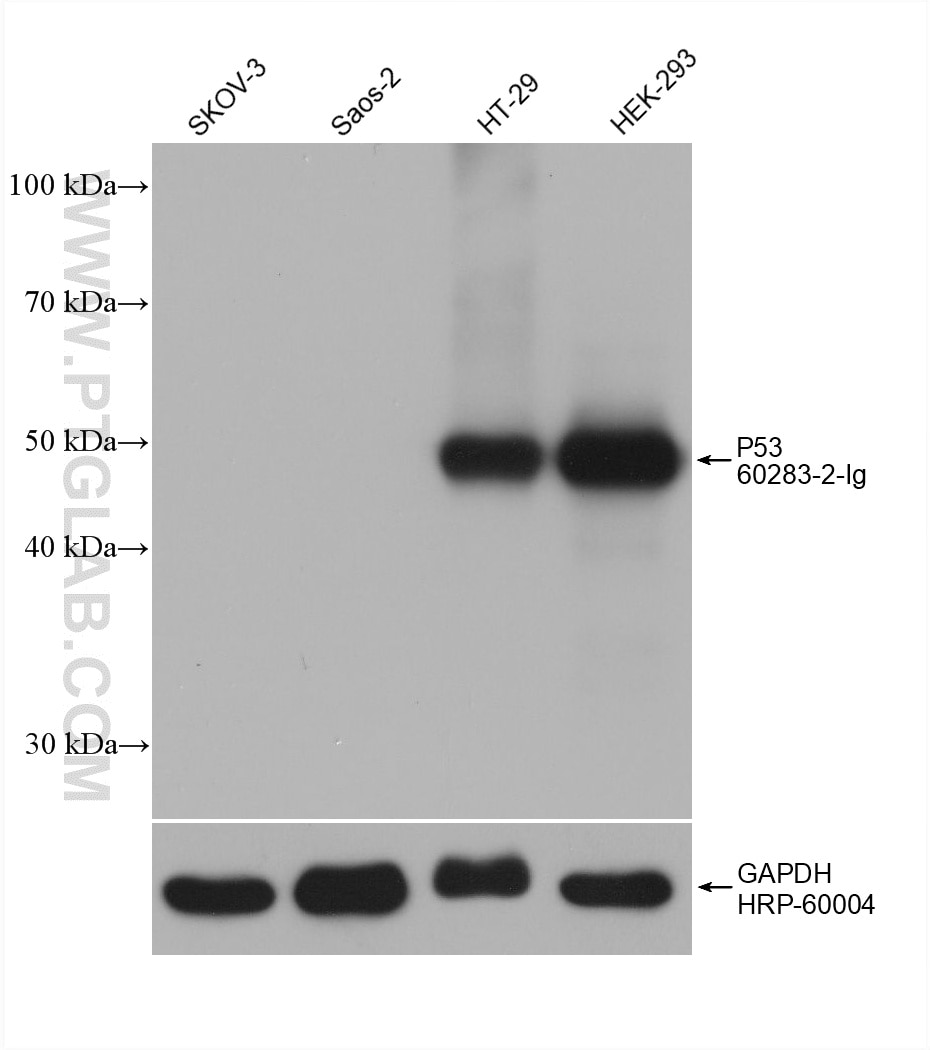
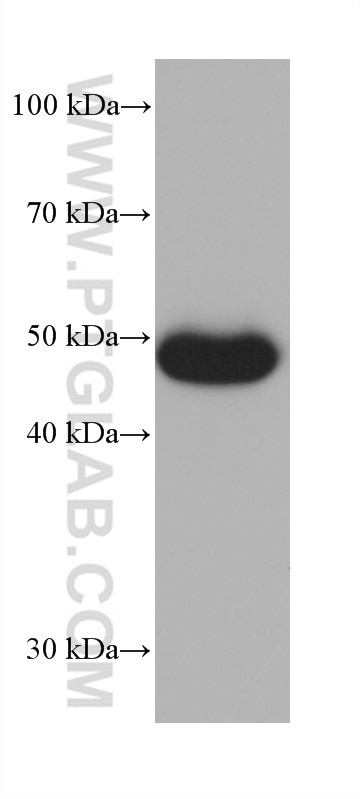
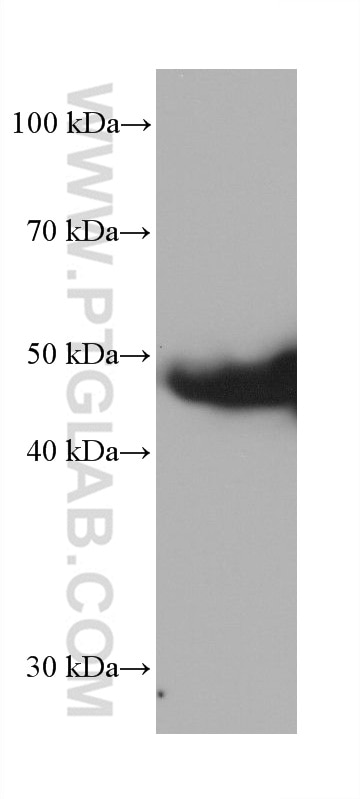
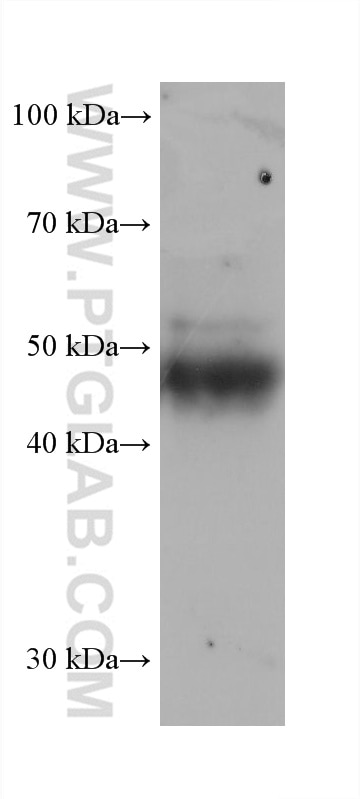
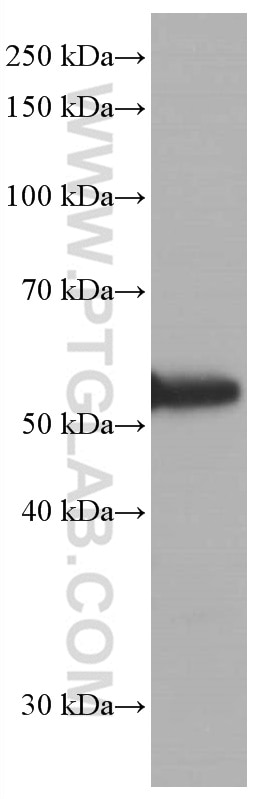
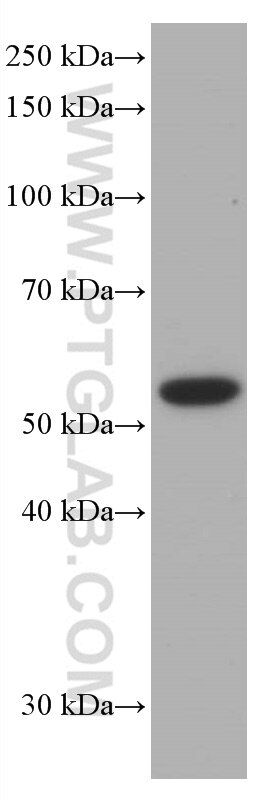
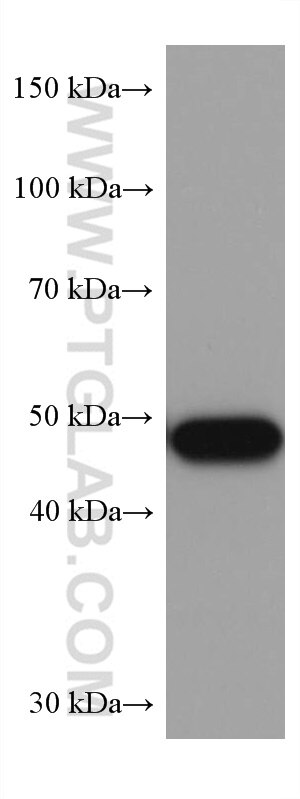
| Positive WB detected in | A431 cells, COLO 320 cells, HSC-T6 cells, ROS1728 cells, rat thymus tissue, HaCaT cells, HT-29 cells, HEK-293 cells |
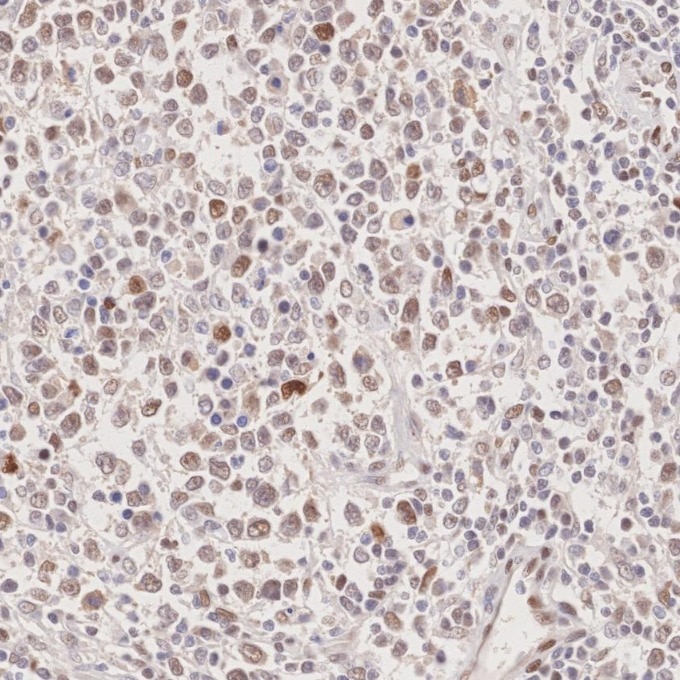
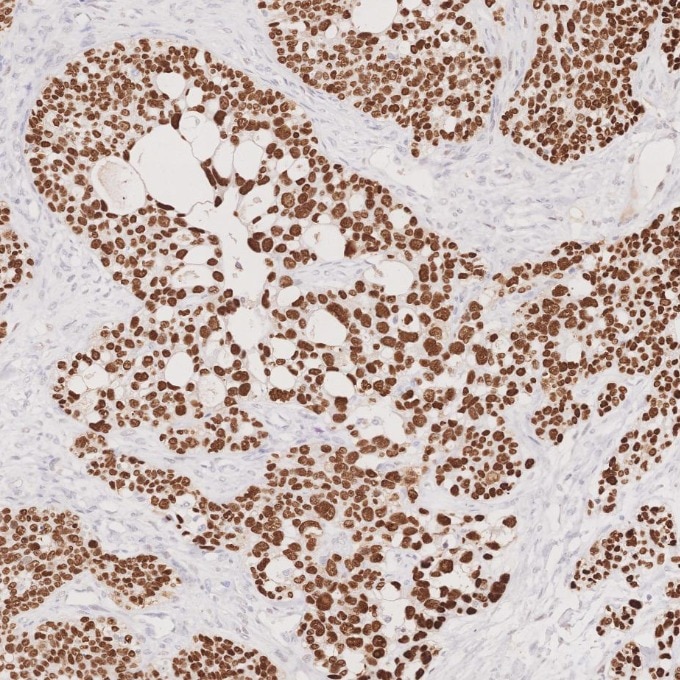
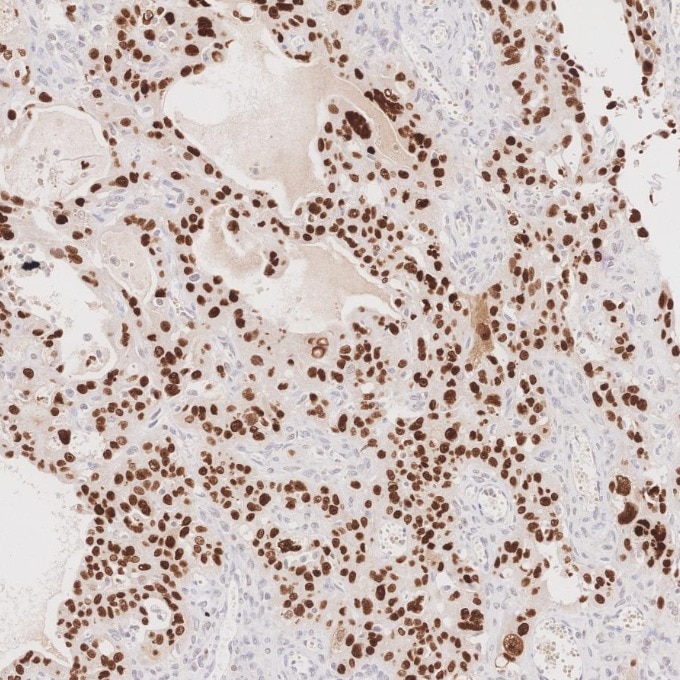
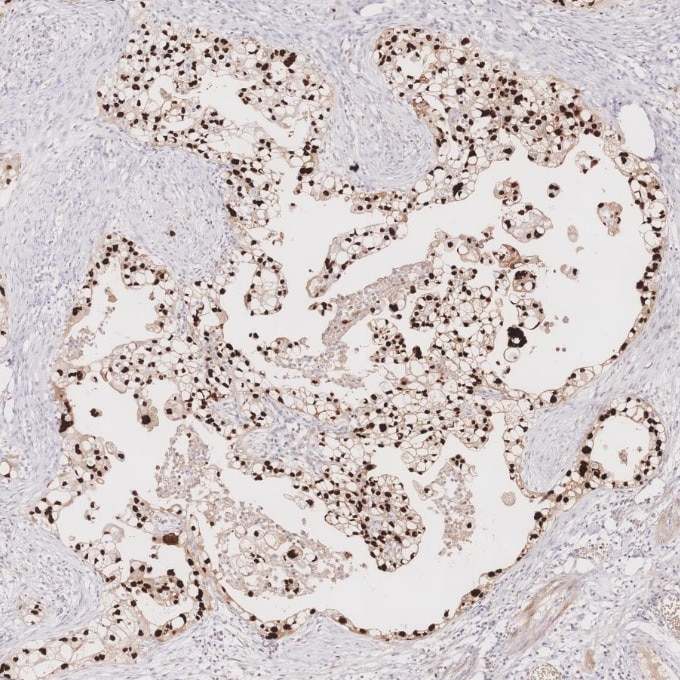
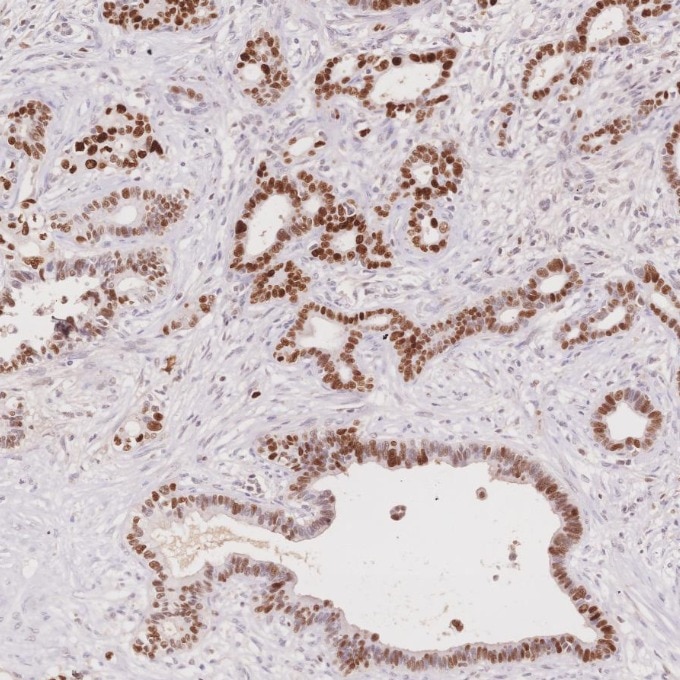
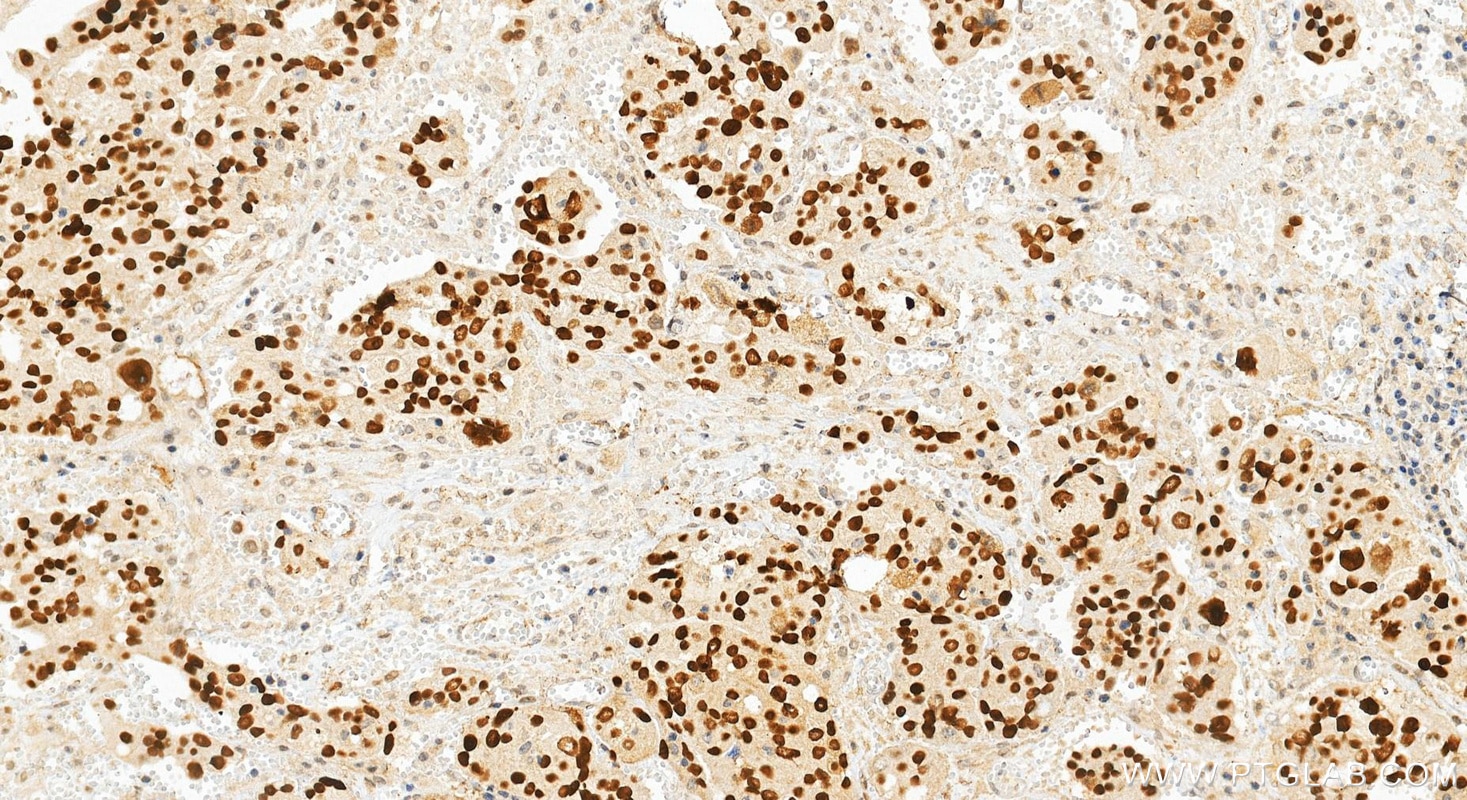
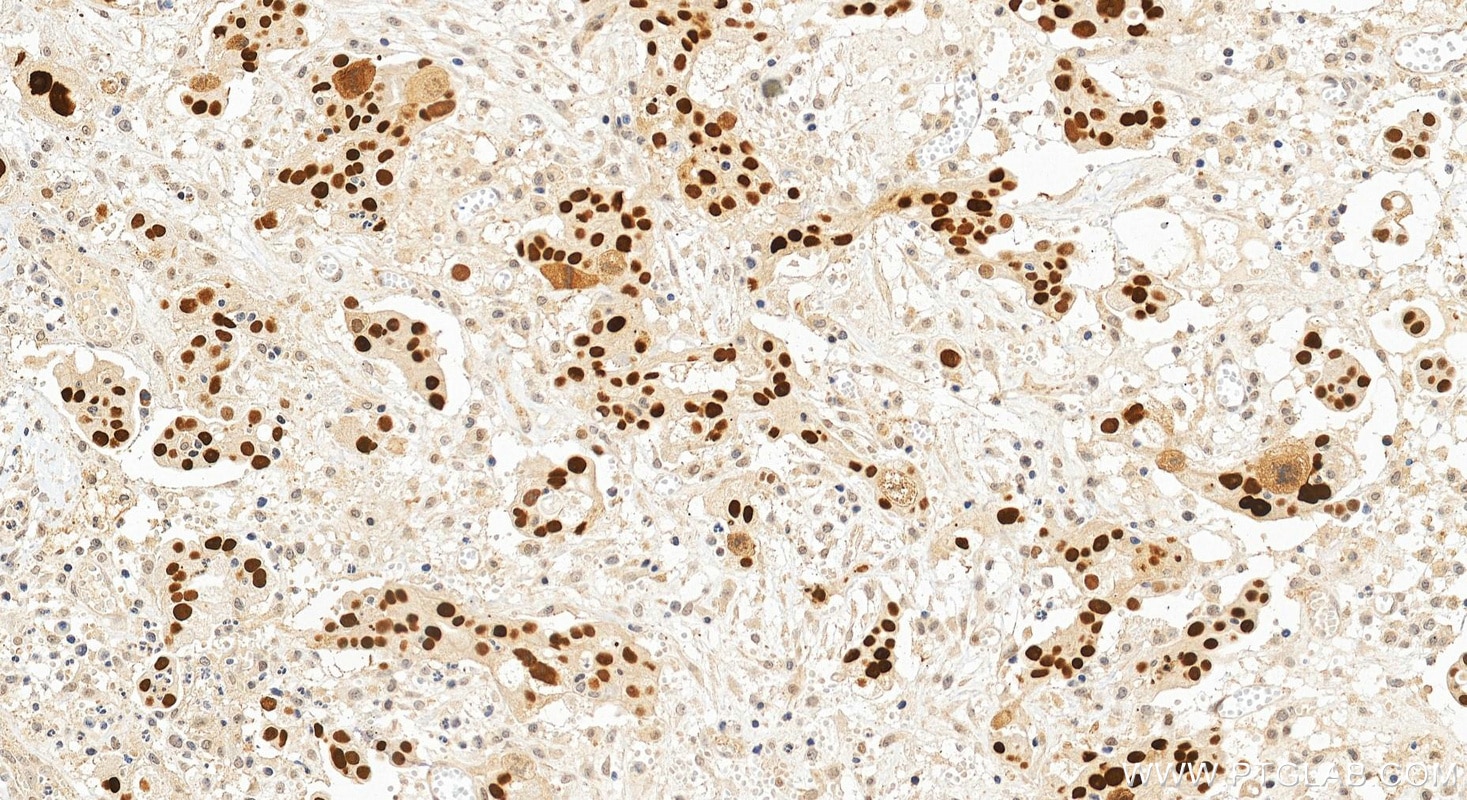
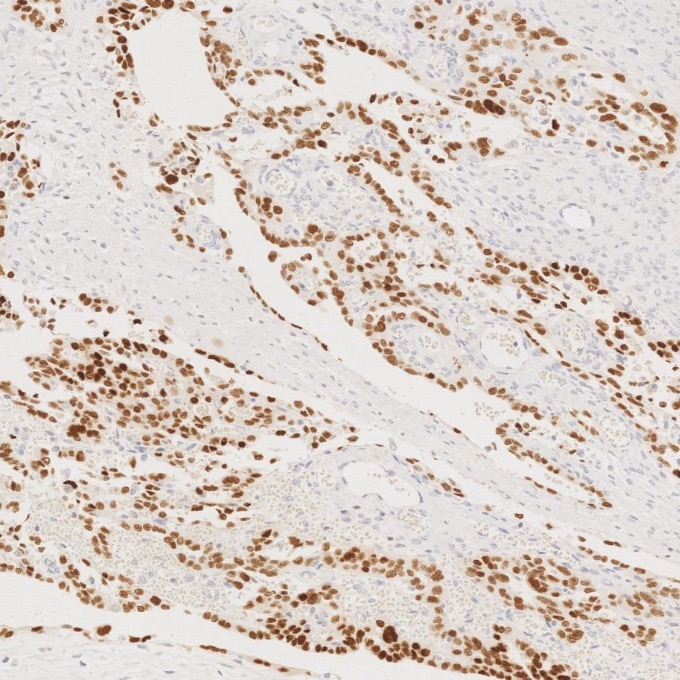
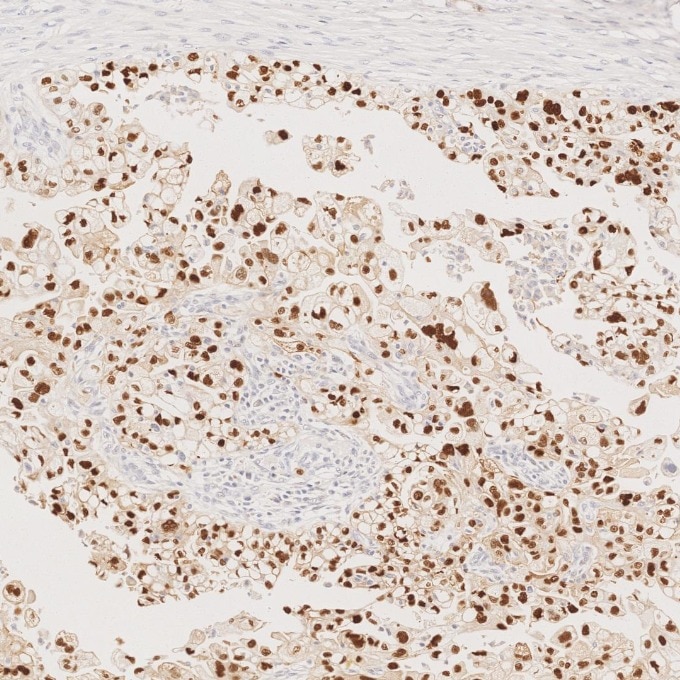
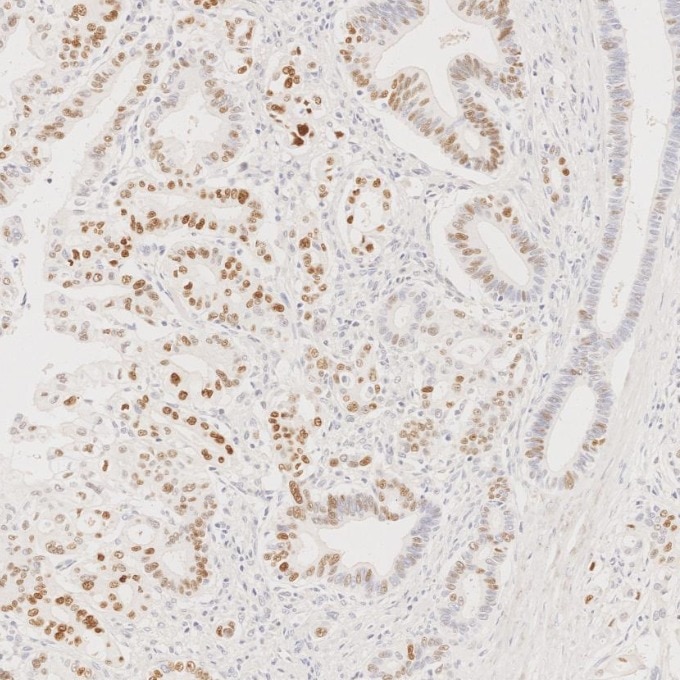
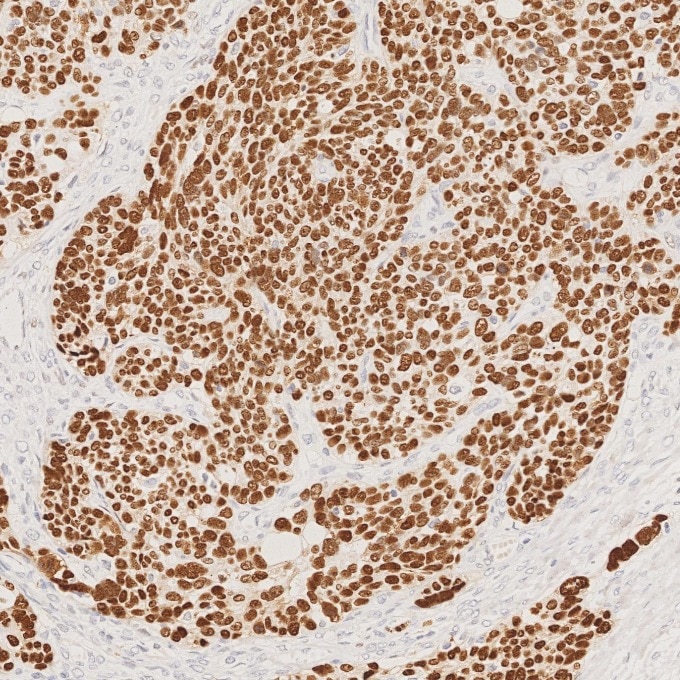
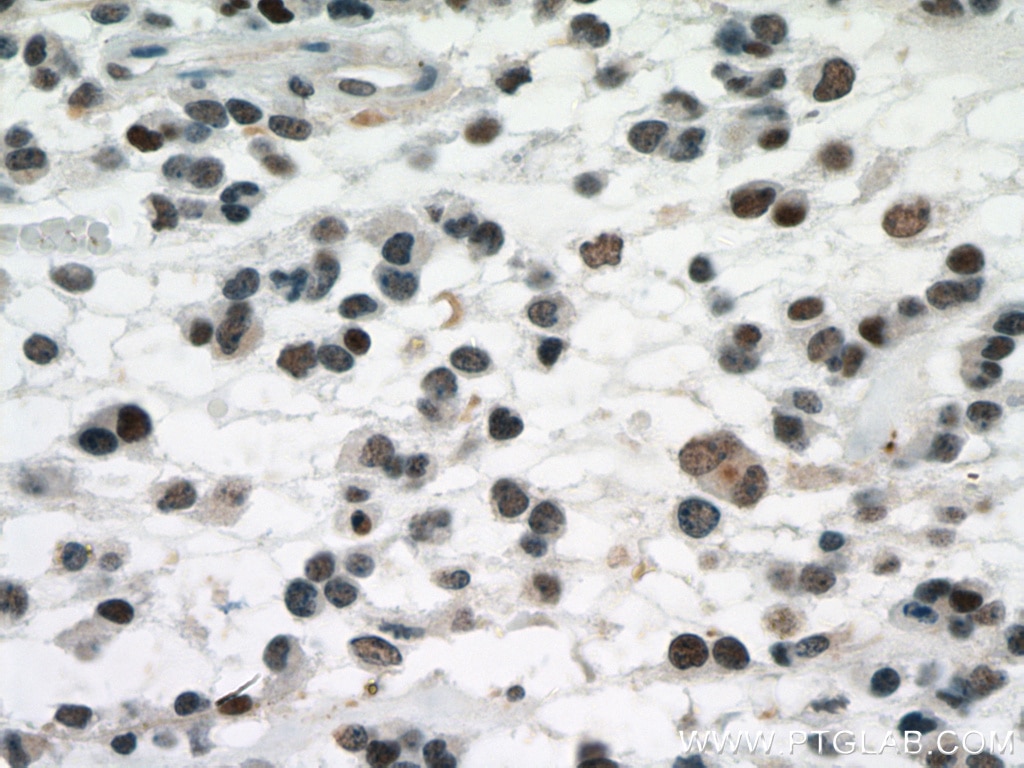
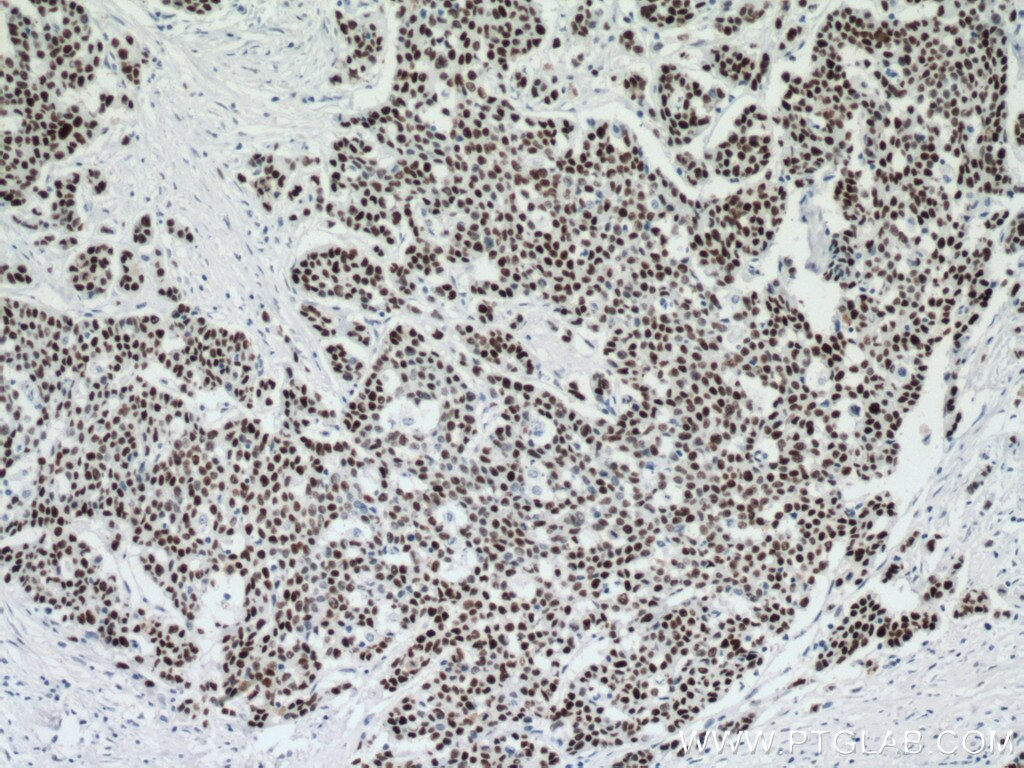
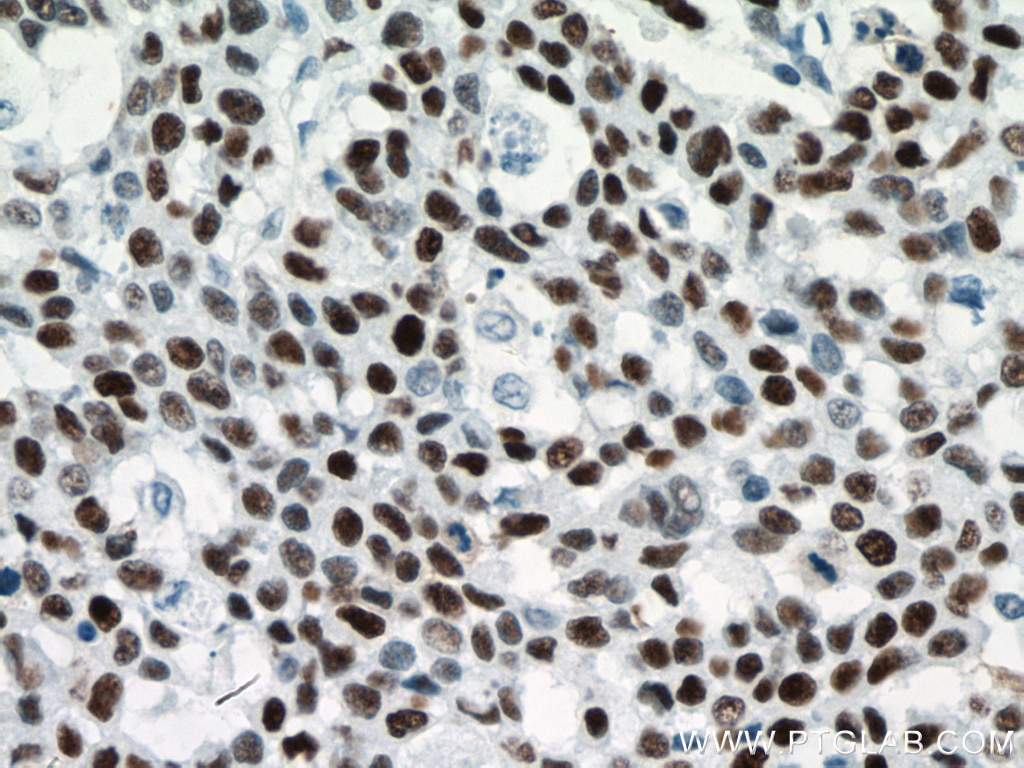
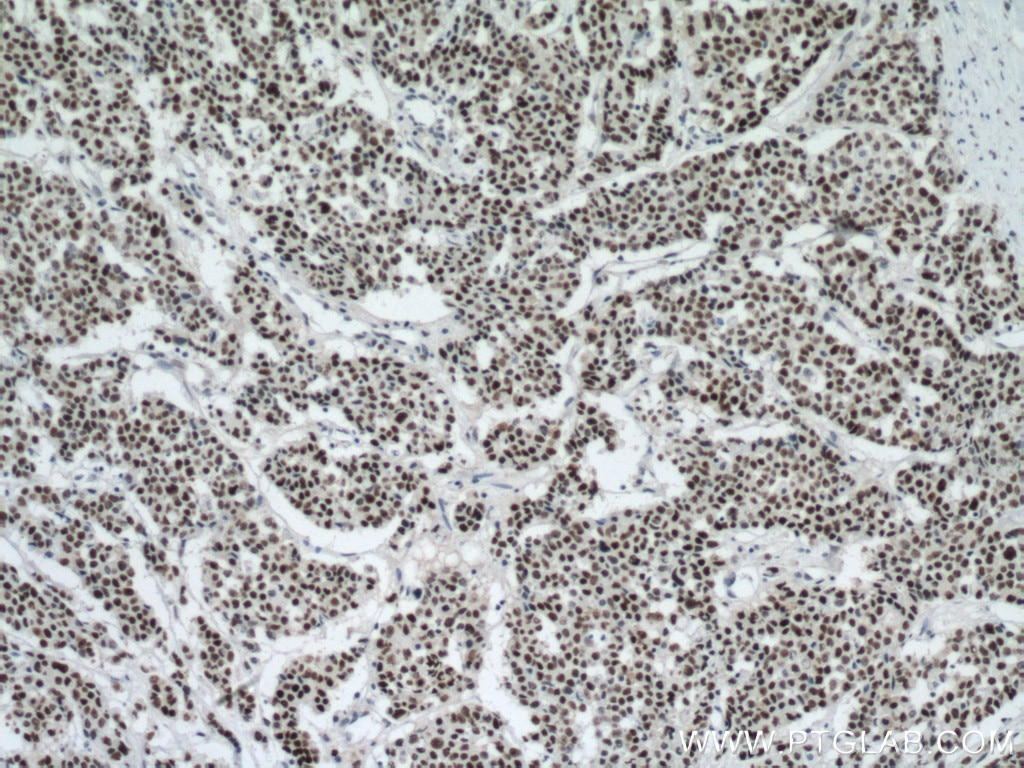
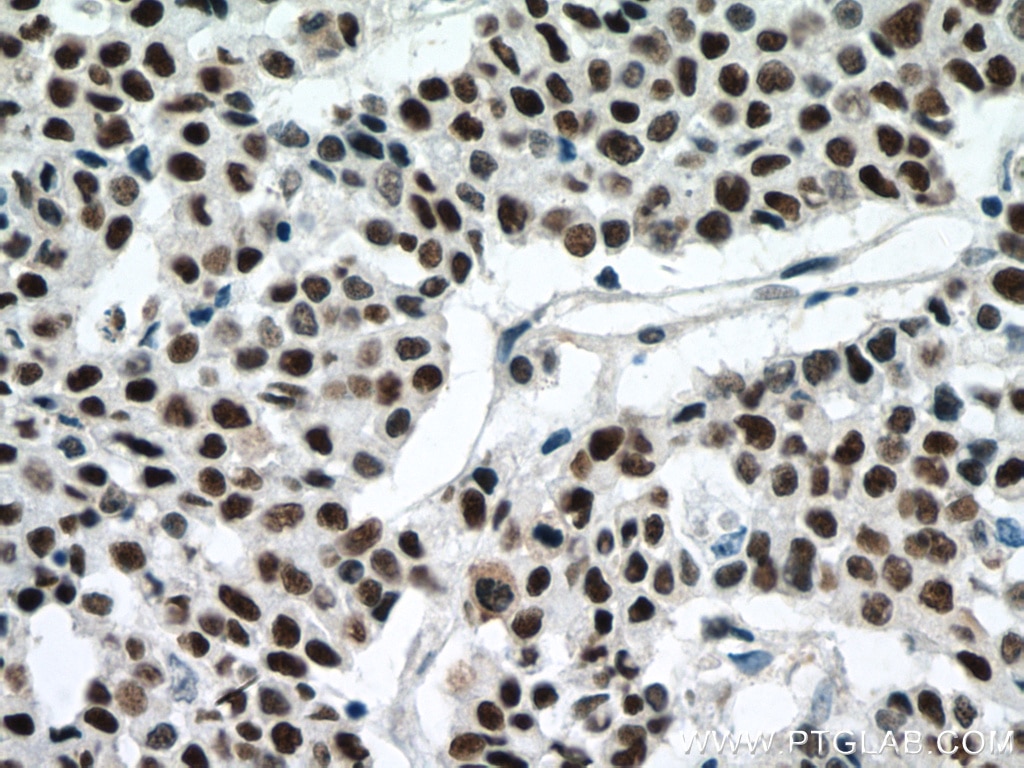
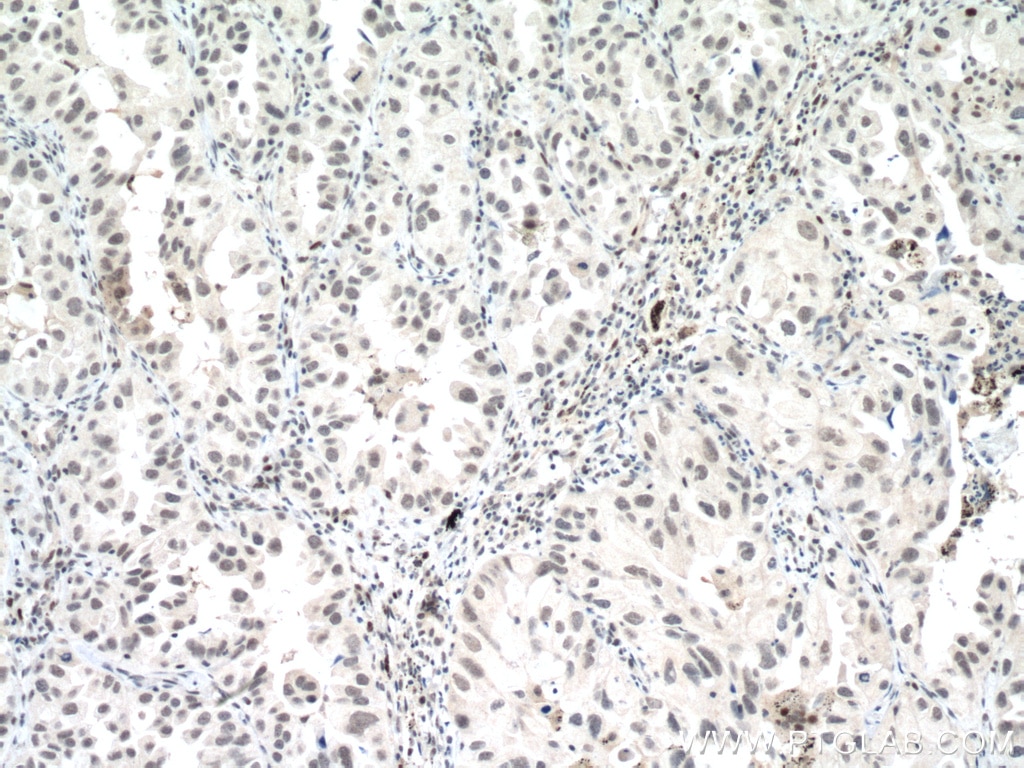
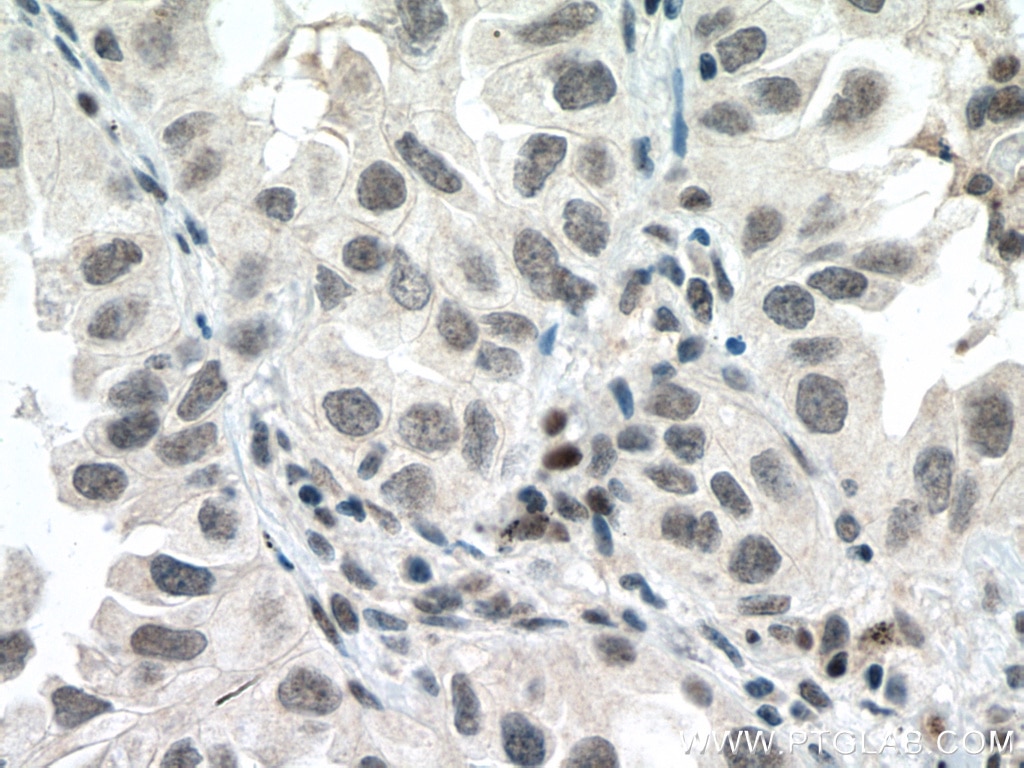
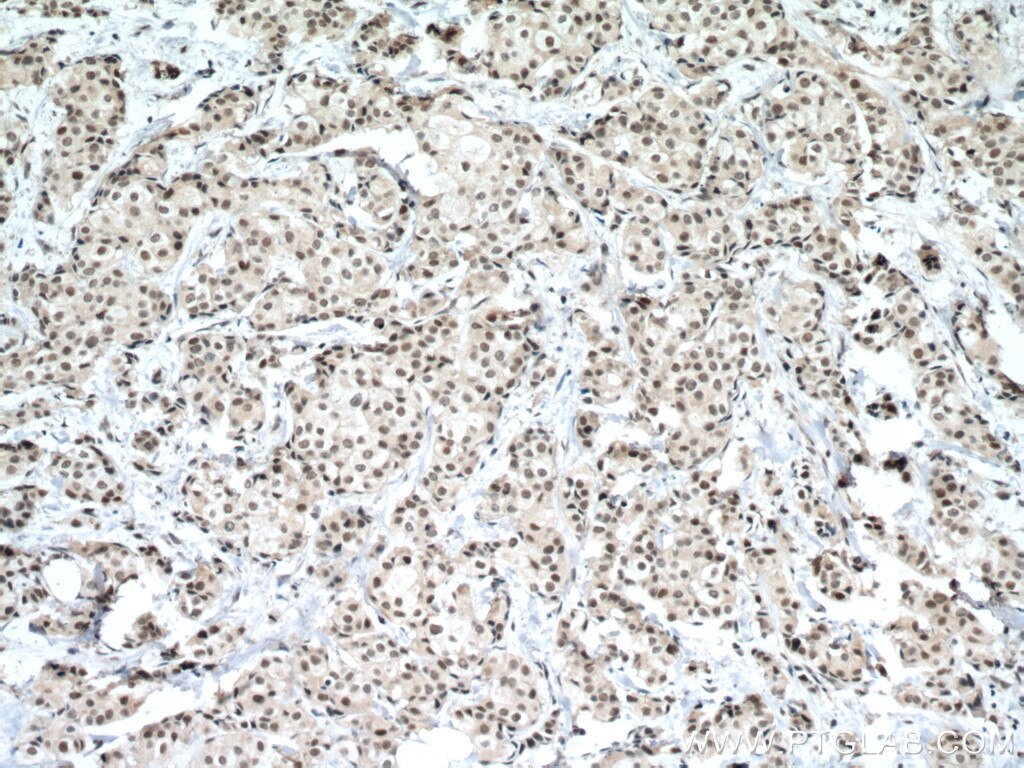
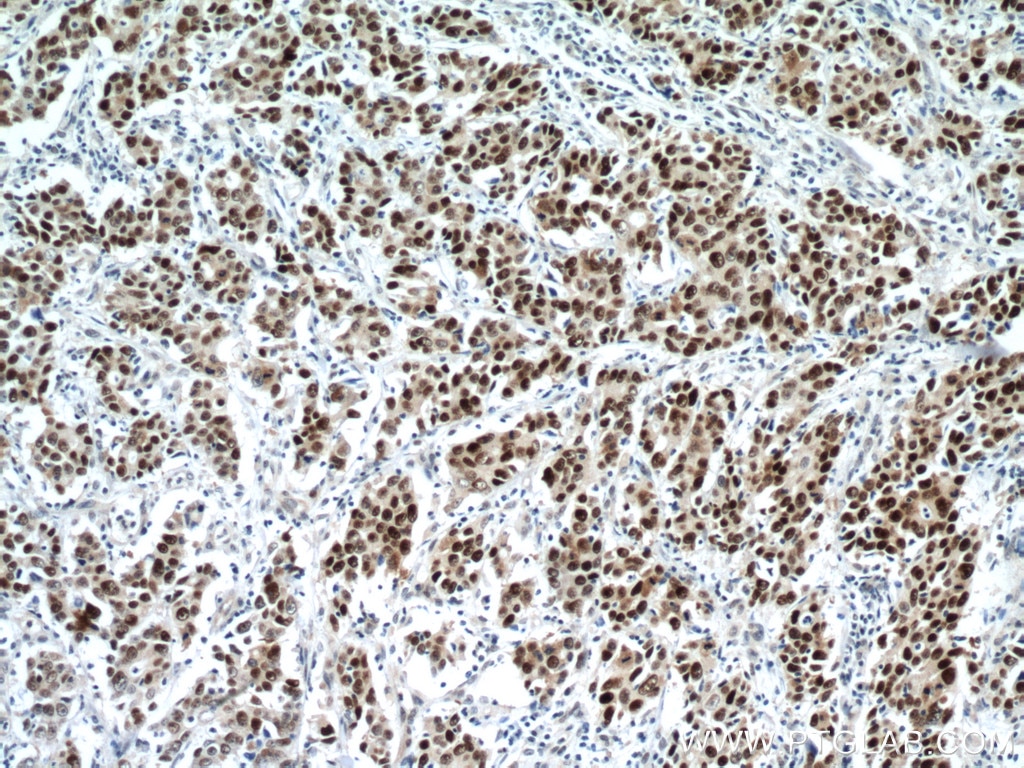
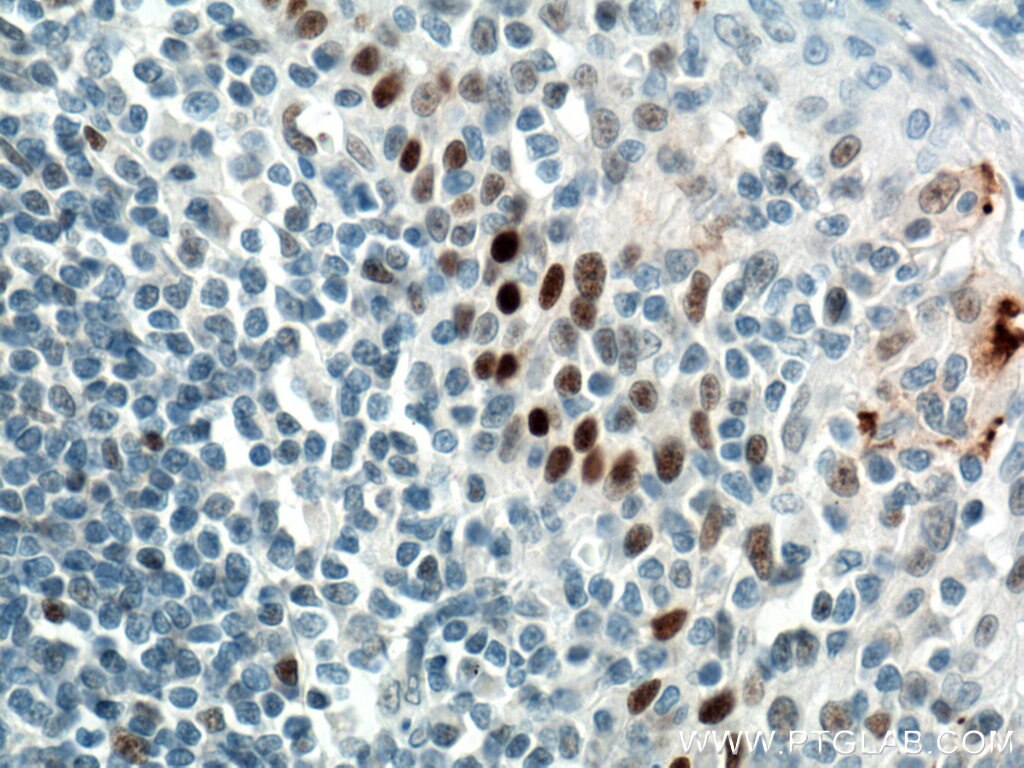
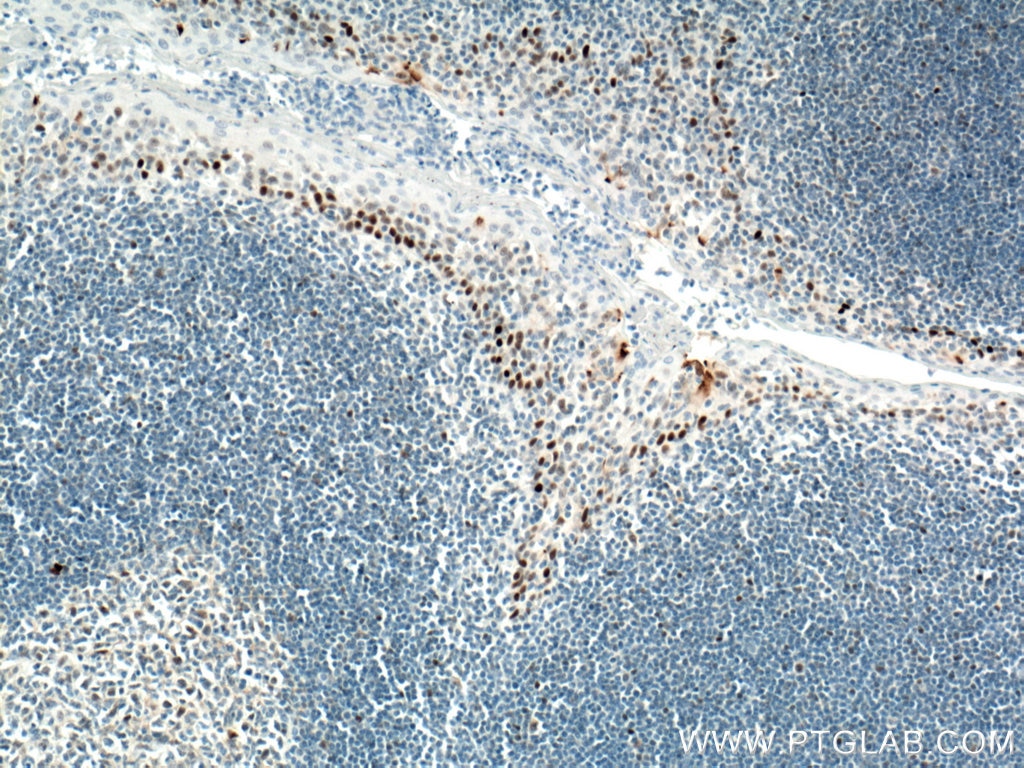
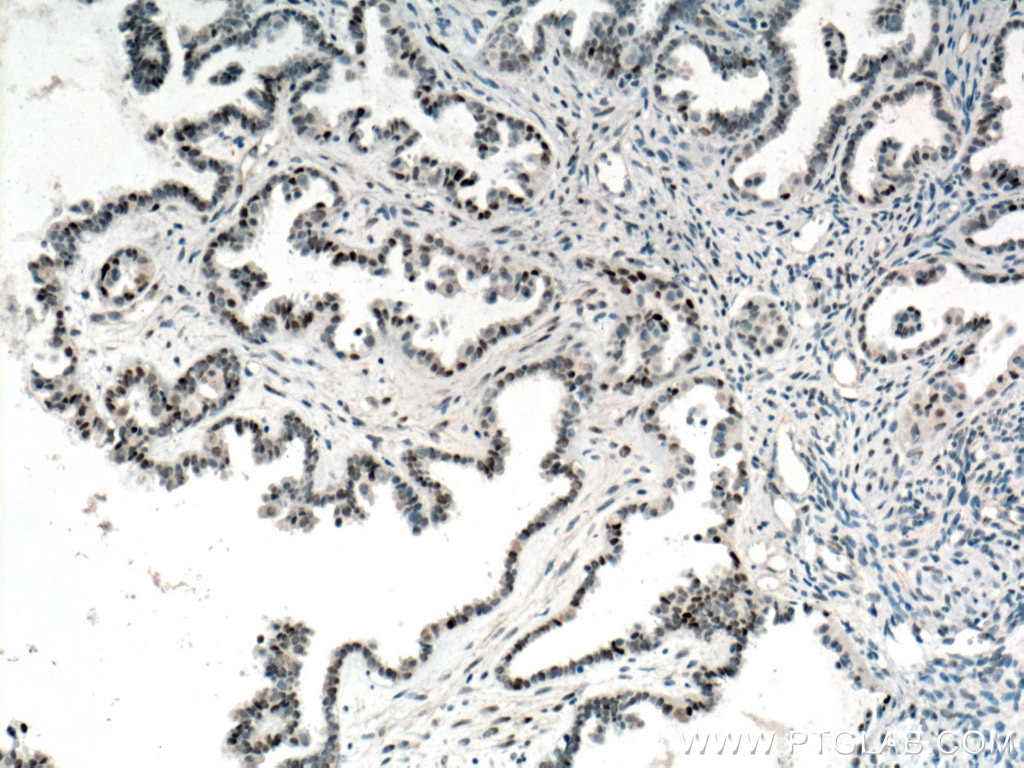
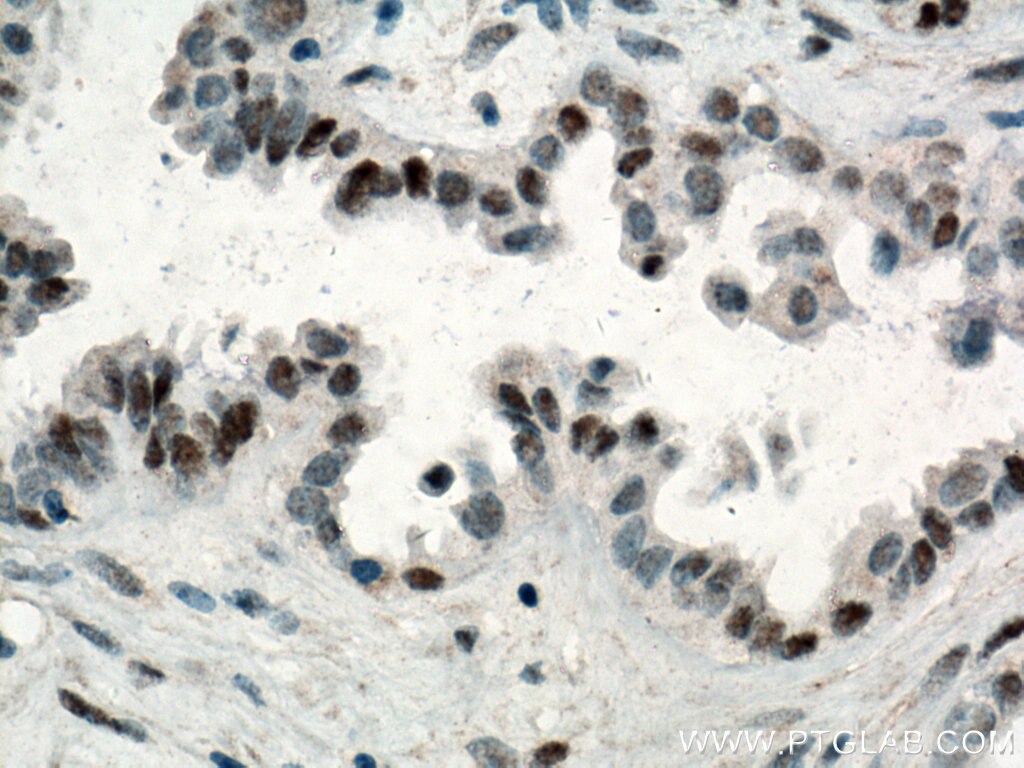
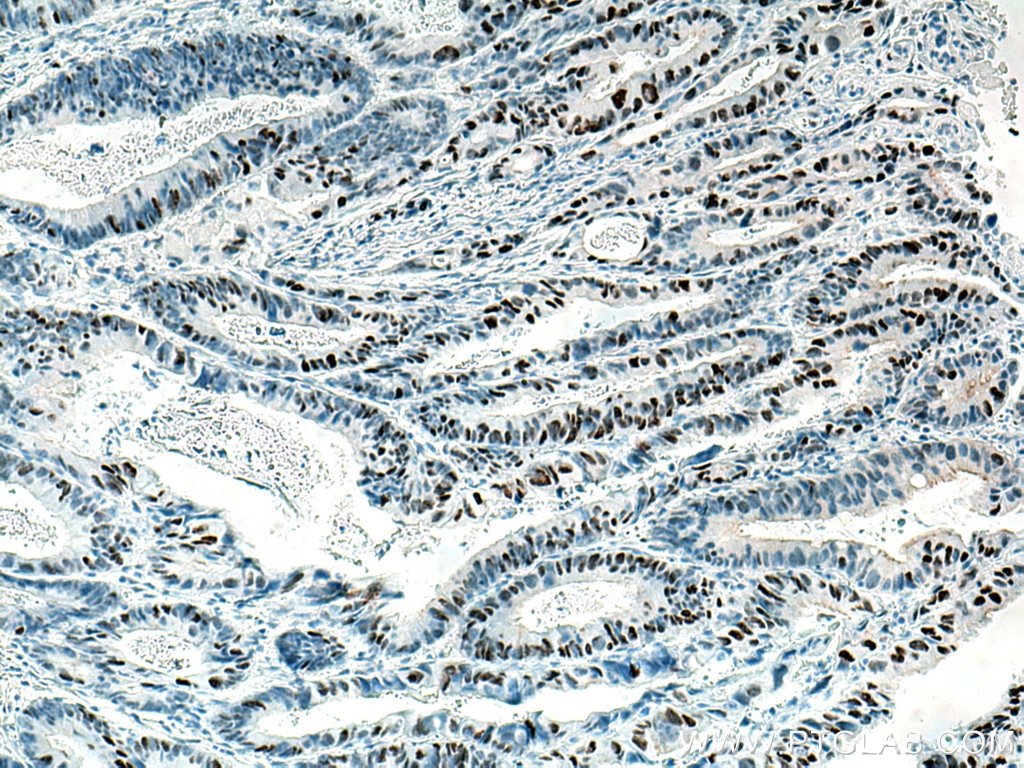
| Positive IHC-Autostainer detected in | human pancreas cancer tissue, human ovary cancer tissue, human lymphoma tissue |
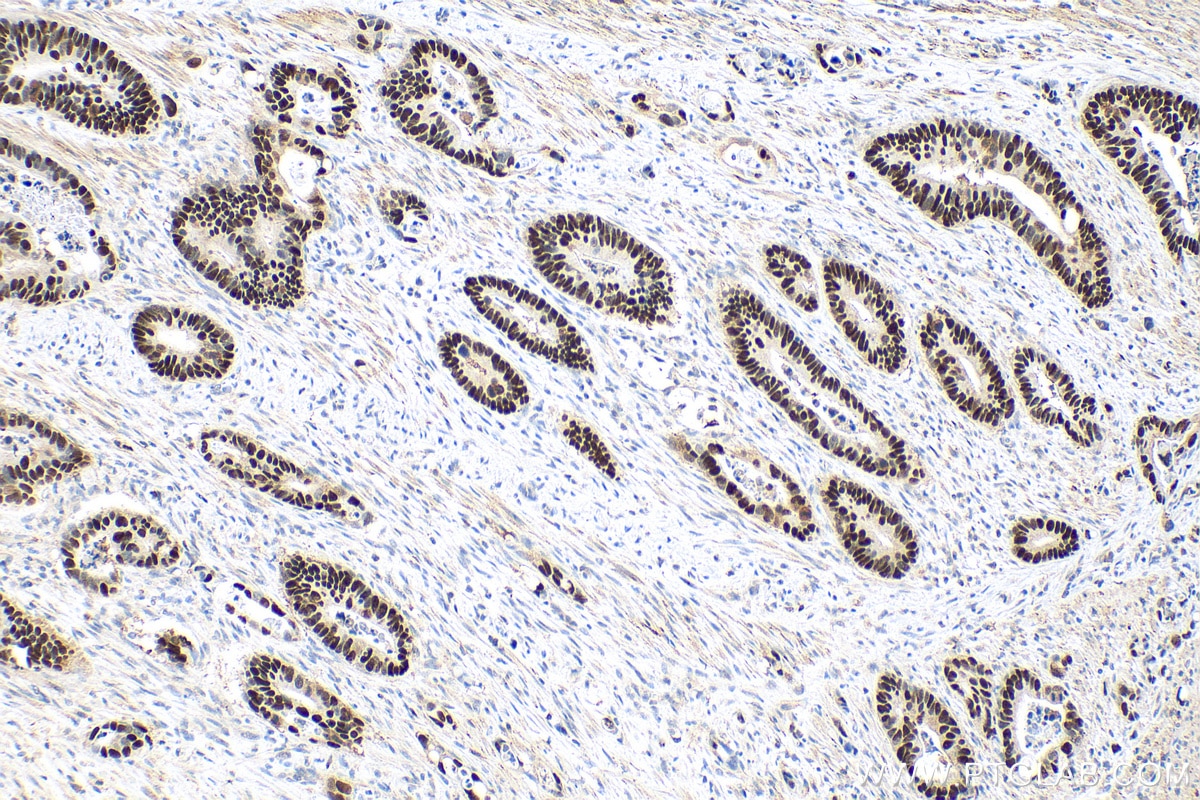
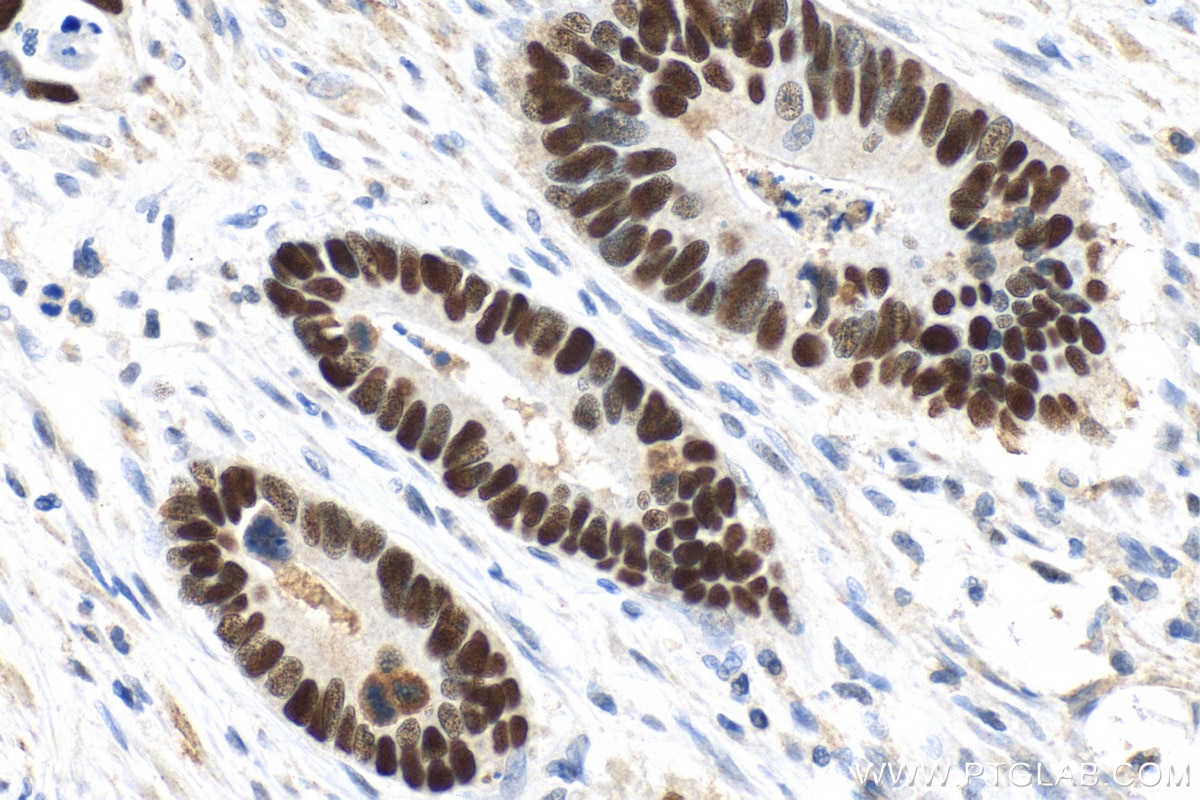
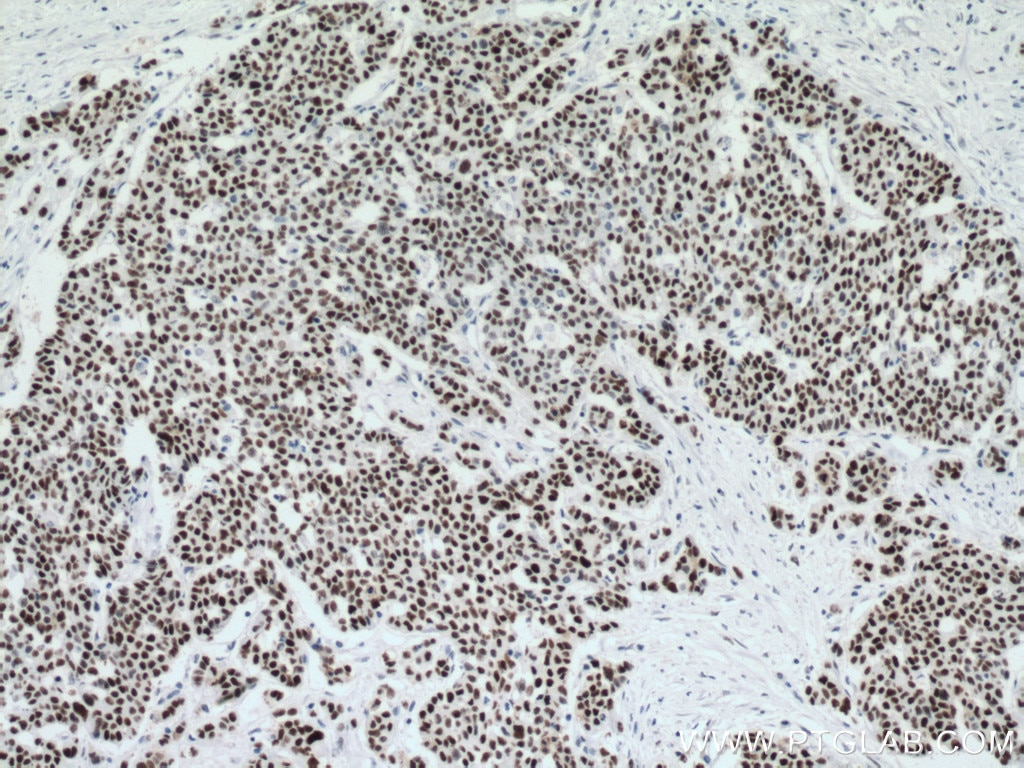
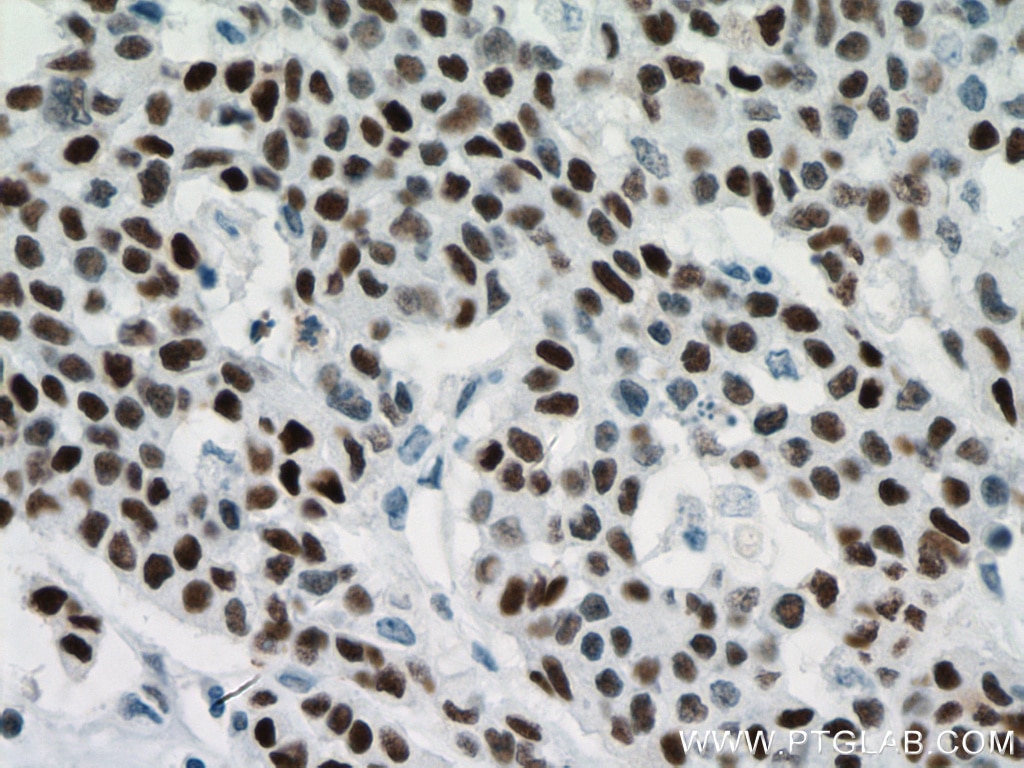
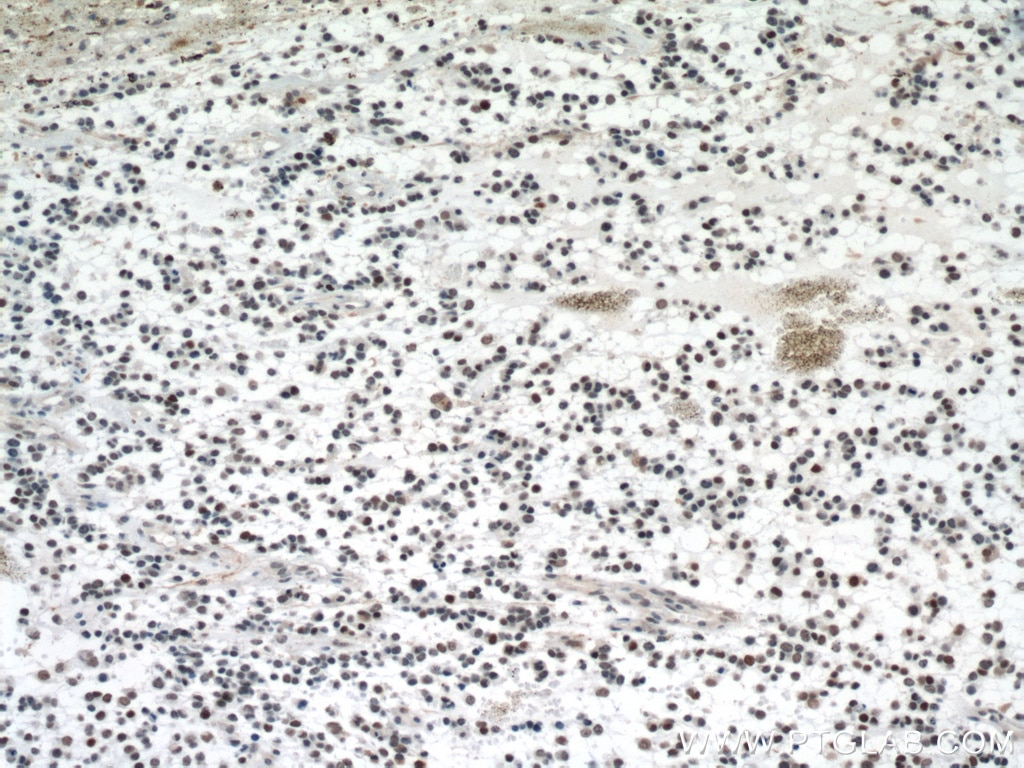
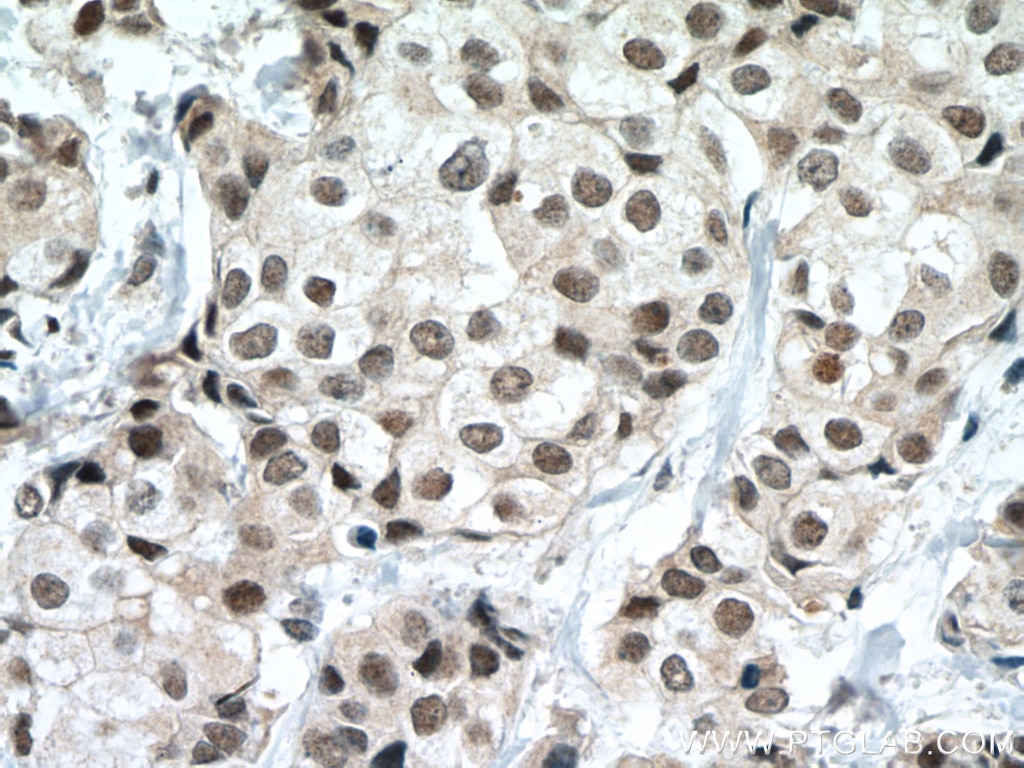
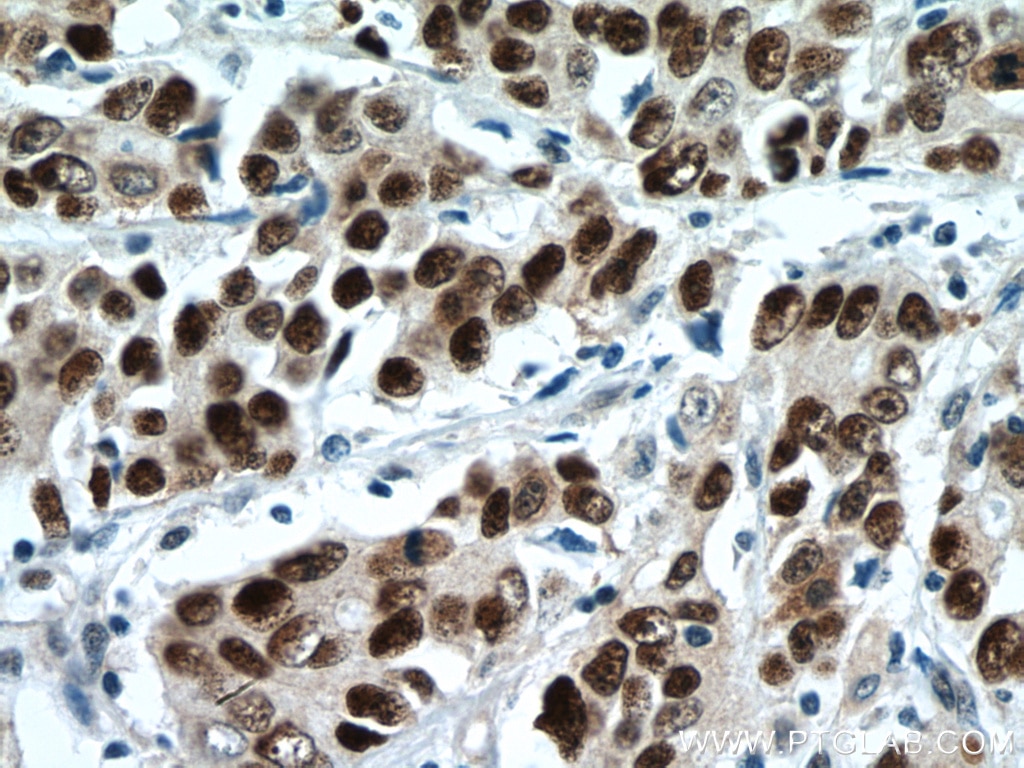
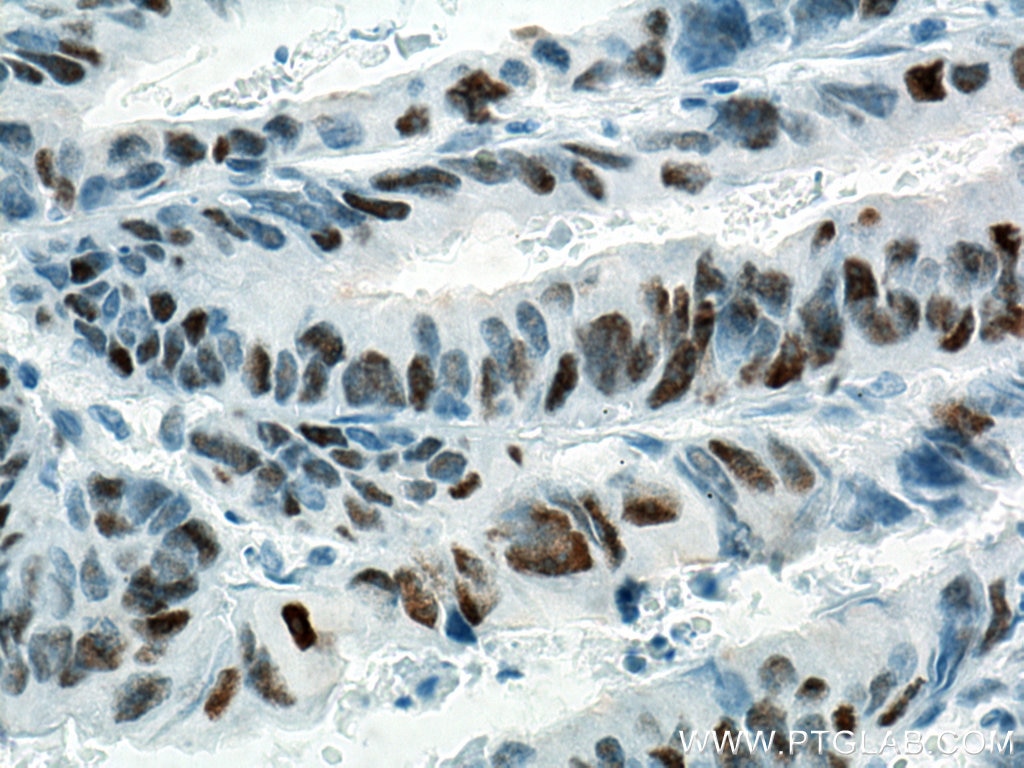
| Positive IHC detected in | human ovary cancer tissue, human stomach cancer tissue, human lung cancer tissue, human tonsillitis tissue, human ovary tumor tissue, human colon cancer tissue, human gliomas tissue, human breast cancer tissue, human skin cancer tissue, human ovary cancer tissue, human pancreas cancer tissue Note: suggested antigen retrieval with TE buffer pH 9.0; (*) Alternatively, antigen retrieval may be performed with citrate buffer pH 6.0 |
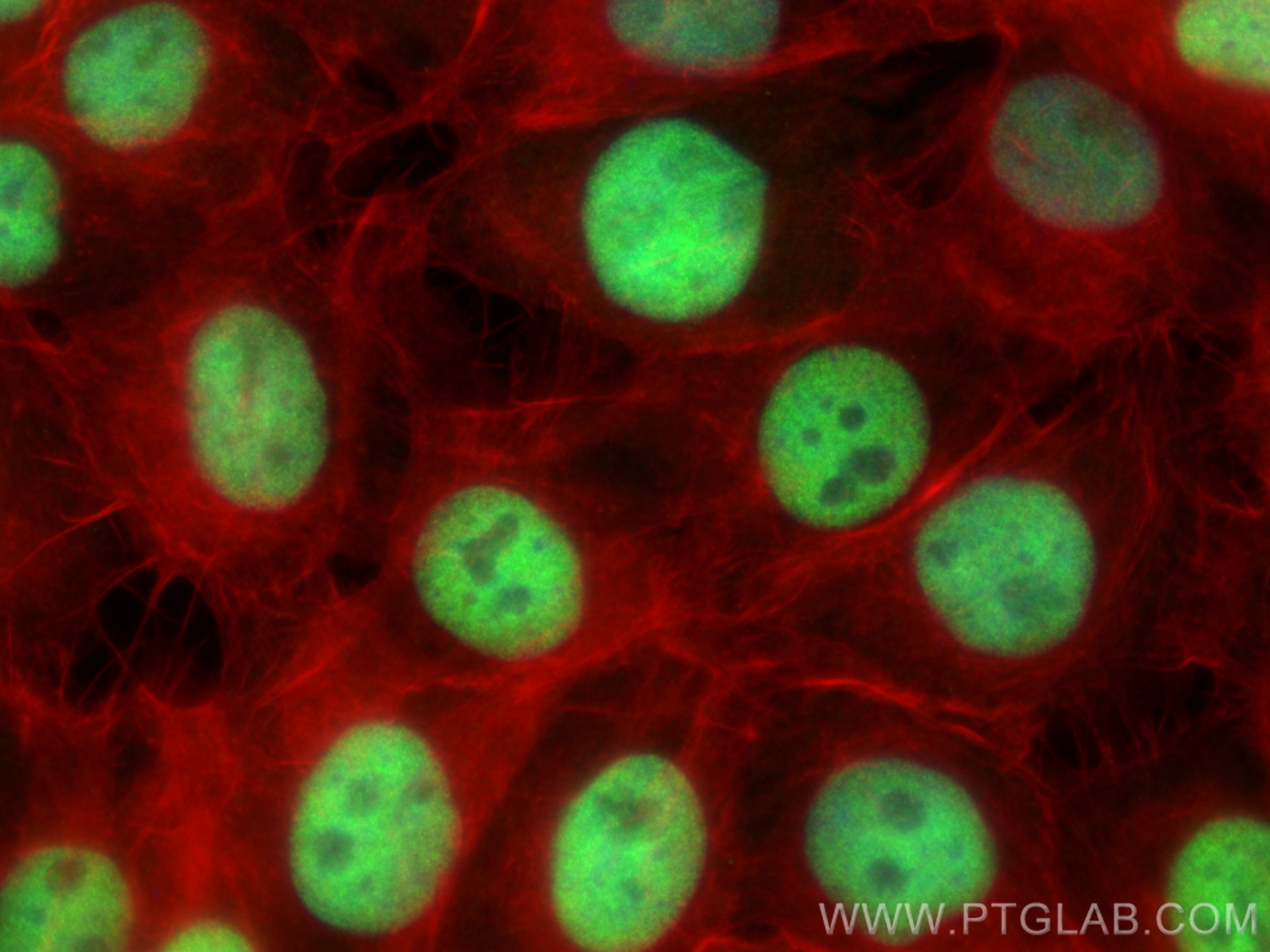
| Positive IF/ICC detected in | A431 cells |
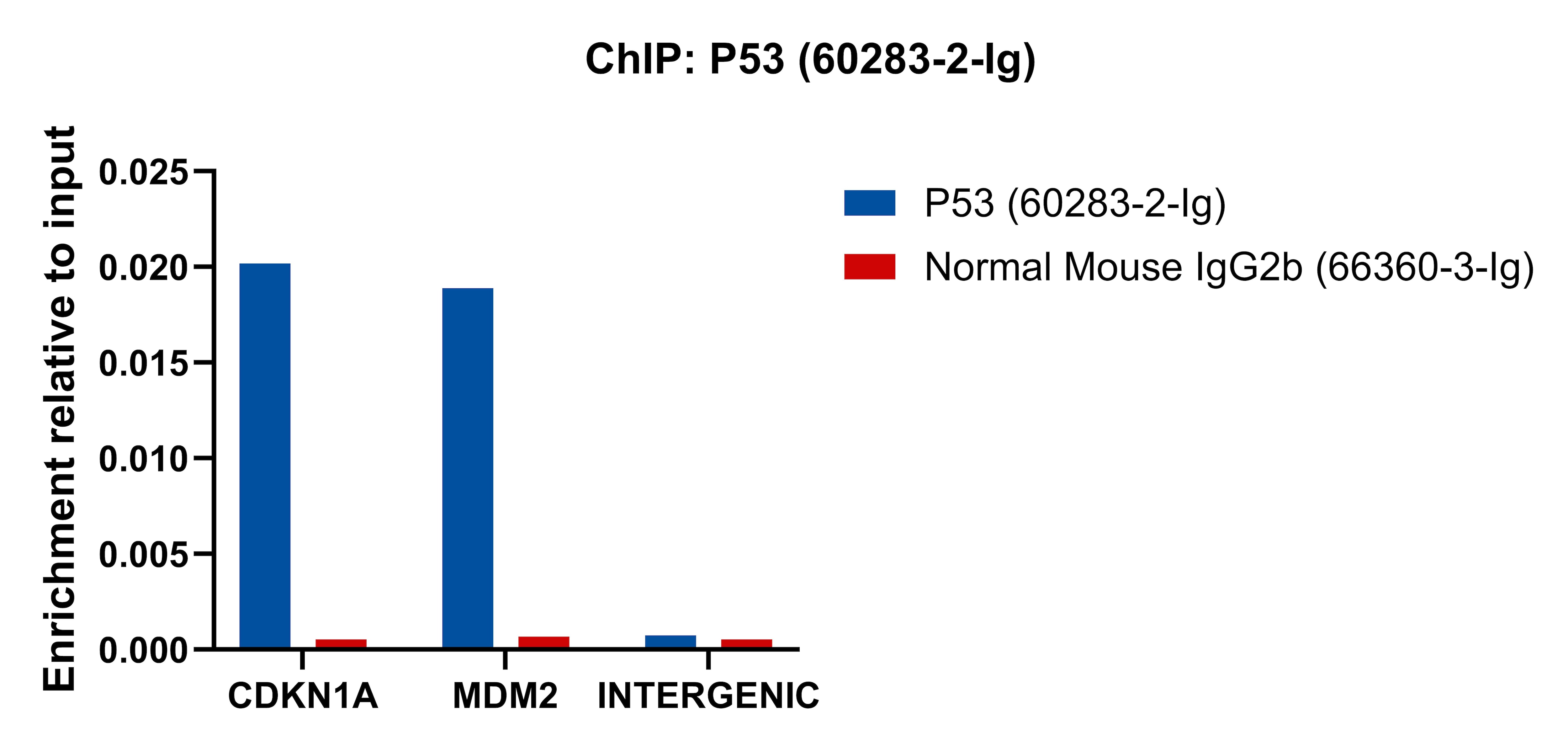
| Positive ChIP-qPCR detected in | HCT 116 cells |
Recommended dilution
| Application | Dilution |
|---|---|
| Western Blot (WB) | WB : 1:5000-1:50000 |
| Immunohistochemistry (IHC)-AUTOSTAINER | IHC-AUTOSTAINER : 1:4000-1:16000 |
| Immunohistochemistry (IHC) | IHC : 1:2000-1:8000 |
| Immunofluorescence (IF)/ICC | IF/ICC : 1:400-1:1600 |
| CHIP-QPCR | CHIP-QPCR : 1:10-1:100 |
| It is recommended that this reagent should be titrated in each testing system to obtain optimal results. | |
| Sample-dependent, Check data in validation data gallery. | |
Product Information
60283-2-Ig targets P53 in WB, IHC, IHC-Autostainer, IF/ICC, IP, CoIP, ELISA, ChIP-qPCR applications and shows reactivity with human, rat samples.
| Tested Reactivity | human, rat |
| Cited Reactivity | human, rat, pig, rabbit, canine, zebrafish, bovine, hamster |
| Host / Isotype | Mouse / IgG2b |
| Class | Monoclonal |
| Type | Antibody |
| Immunogen |
CatNo: Ag0698 Product name: Recombinant human P53 protein Source: e coli.-derived, PGEX-4T Tag: GST Domain: 1-232 aa of BC003596 Sequence: MEEPQSDPSVEPPLSQETFSDLWKLLPENNVLSPLPSQAMDDLMLSPDDIEQWFTEDPGPDEAPRMPEAAPRVAPAPAAPTPAAPAPAPSWPLSSSVPSQKTYQGSYGFRLGFLHSGTAKSVTCTYSPALNKMFCQLAKTCPVQLWVDSTPPPGTRVRAMAIYKQSQHMTEVVRRCPHHERCSDSDGLAPPQHLIRVEGNLRVEYLDDRNTFRHSVVVPYEPPEVGSDCTTI Predict reactive species |
| Full Name | tumor protein p53 |
| Calculated Molecular Weight | 44 kDa |
| Observed Molecular Weight | 53 kDa |
| GenBank Accession Number | BC003596 |
| Gene Symbol | P53 |
| Gene ID (NCBI) | 7157 |
| RRID | AB_2881401 |
| Conjugate | Unconjugated |
| Form | Liquid |
| Purification Method | Protein A purification |
| UNIPROT ID | P04637 |
| Storage Buffer | PBS with 0.02% sodium azide and 50% glycerol, pH 7.3. |
| Storage Conditions | Store at -20°C. Stable for one year after shipment. Aliquoting is unnecessary for -20oC storage. 20ul sizes contain 0.1% BSA. |
Background Information
1. What is p53?
P53 is a tumor suppressor gene that plays a role in maintaining genomic stability and controlling apoptosis. During the cell cycle, it can arrest cells at the G1/S checkpoint and activate DNA repair mechanisms. It is the most mutated gene in cancer. In unstressed cells, p53 usually exists at low levels in an inactive form, being bound to Mdm2.
2. FAQs and p53
a. I fail to detect p53 by western blotting
Basal levels of wild-type p53 in untreated cells can be low. Try to load more cell lysate and use a positive control - a lysate of cells treated with DNA-damaging agents should increase p53 levels.
b. I fail to detect p53 in some cell lines by western blotting
Various p53 mutations are present in cancer cell types. If mutations cause truncations/deletions some monoclonal antibodies may no longer recognize mutated p53. You have more chances of detecting various p53 mutants with our polyclonal antibody.
c. I can detect more than one band ~50 kDa size / different cell lines give bands at slightly different size
p53 is a subject of post-translational modifications (http://p53.free.fr/p53_info/p53_modifications.html) and more than one isoform may be expressed (http://p53.free.fr/p53_info/p53_isoforms.html). Also, it is possible that your cell line of interest expresses one allele with mutated p53 with altered molecular weight.
Protocols
| Product Specific Protocols | |
|---|---|
| IF protocol for P53 antibody 60283-2-Ig | Download protocol |
| IHC protocol for P53 antibody 60283-2-Ig | Download protocol |
| WB protocol for P53 antibody 60283-2-Ig | Download protocol |
| Standard Protocols | |
|---|---|
| Click here to view our Standard Protocols |
Publications
What published studies show
The P53 Monoclonal antibody (catalog number 60283-2-Ig) has 490 citations. These appear in high-impact journals including Advanced Materials, Nature Communications, Cell Death & Differentiation, Cell Reports, Oncogene, Free Radical Biology & Medicine, Journal of Experimental & Clinical Cancer Research, and Phytomedicine. Research fields span cancer biology (apoptosis, ferroptosis, tumorigenesis), cellular senescence and aging, oxidative stress, and various disease mechanisms, with applications mainly in Western blot, immunohistochemistry, and immunofluorescence.
| Species | Application | Title |
|---|---|---|
Adv Mater Manganese Galvanic Cells Intervene in Tumor Metabolism to Reinforce cGAS-STING Activation for Bidirectional Synergistic Hydrogen-Immunotherapy | ||
Bioact Mater Chemo-immunotherapy by dual-enzyme responsive peptide self-assembling abolish melanoma | ||
Cancer Res Loss of CDKN2A Enhances the Efficacy of Immunotherapy in EGFR Mutant Non-Small Cell Lung Cancer | ||
Transl Neurodegener Aging-dependent YAP1 reduction contributes to AD pathology by upregulating the Nr4a1-AKT/GSK-3β axis | ||
Autophagy The NLRX1-SLC39A7 complex orchestrates mitochondrial dynamics and mitophagy to rejuvenate intervertebral disc by modulating mitochondrial Zn2+ trafficking | ||
Reviews
What customers say
All four reviews are for Western Blot applications, with ratings of 4–5 stars. Users consistently report that the antibody is specific to its target and performs well. Recommended dilutions of 1:1000, 1:2000, and 1:5000 were all effective across different sample types, including bladder tissue, DPSCs, and MCF7 breast cancer cells. One reviewer noted the online specifications were easy to follow and suggested the dilution could potentially be pushed further. Overall, customers express satisfaction with the antibody's specificity and reliable performance in WB.
The reviews below have been submitted by verified Proteintech customers who received an incentive for providing their feedback.
Prakash (Verified Customer) (10-28-2025) | working good in western.
|
Chiara (Verified Customer) (03-10-2023) | The antibody work well and was specific on the target
 |
Janelle (Verified Customer) (09-12-2022) | Specific to target
|
Allison (Verified Customer) (08-19-2019) | The antibody specifications online were easy to follow. I used the recommended dilution of antibody of 1:2000 which worked and could probably be diluted further.
|


















































