

Tested Applications
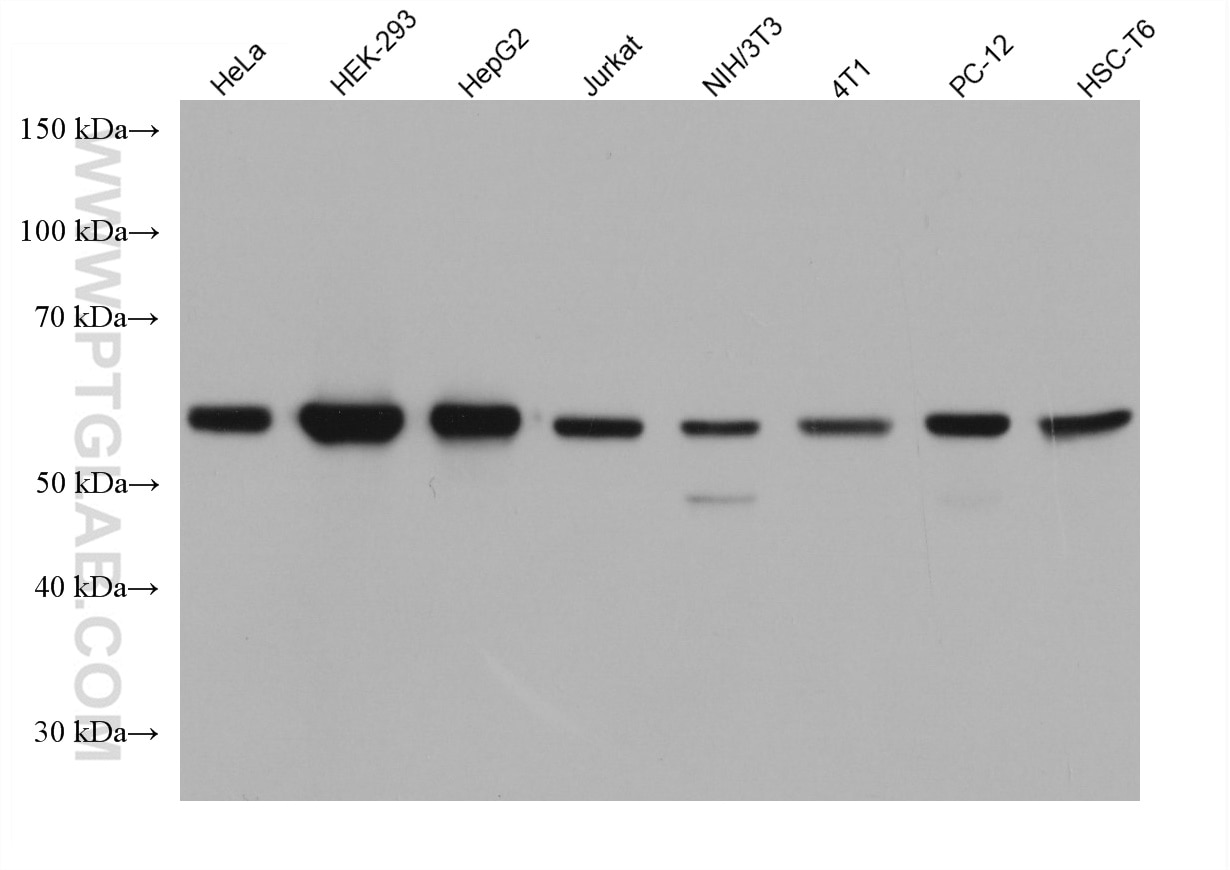
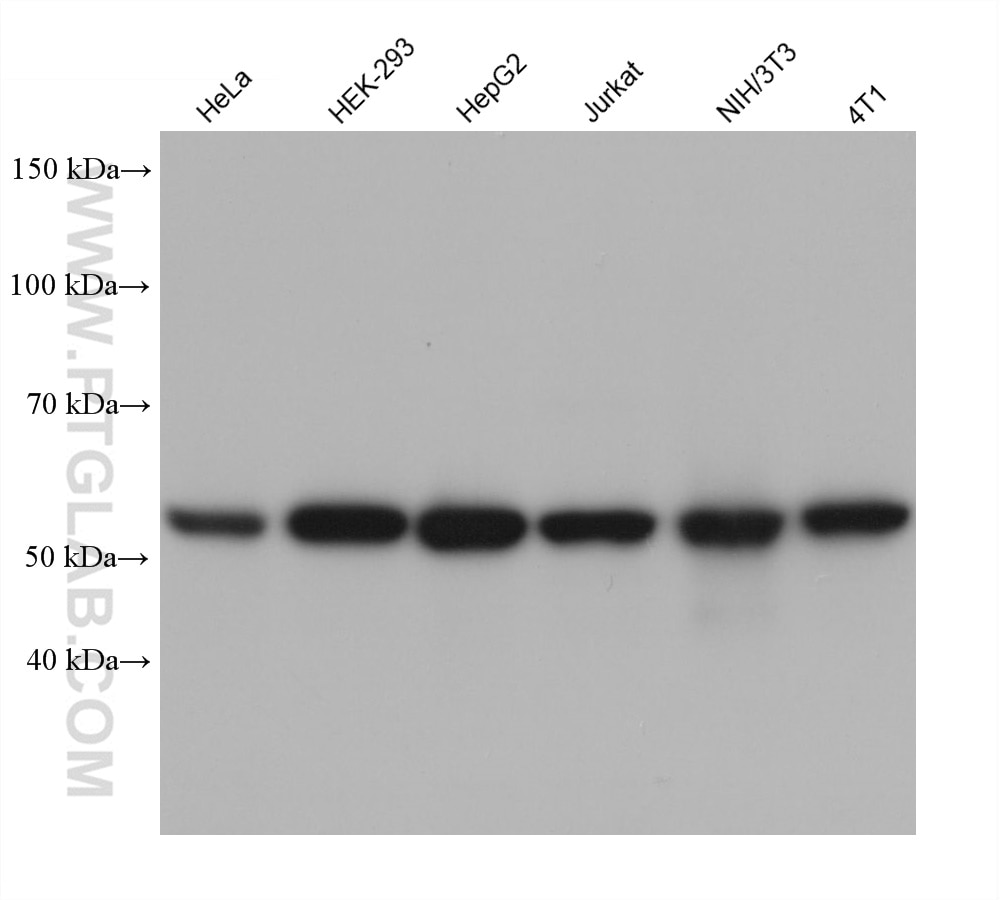
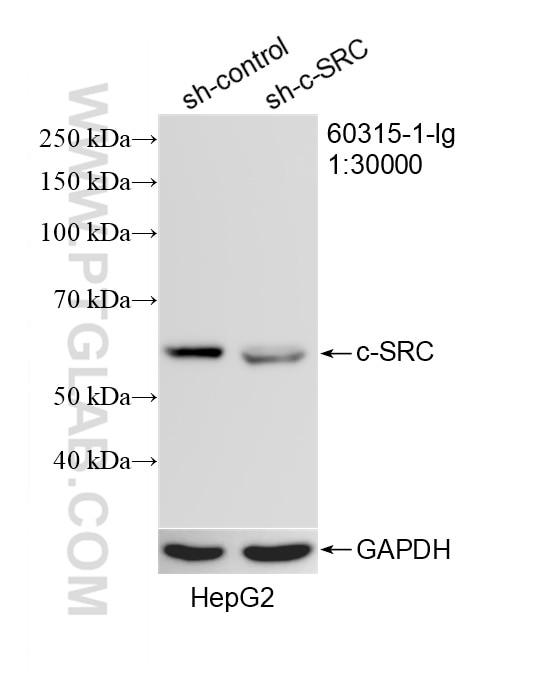
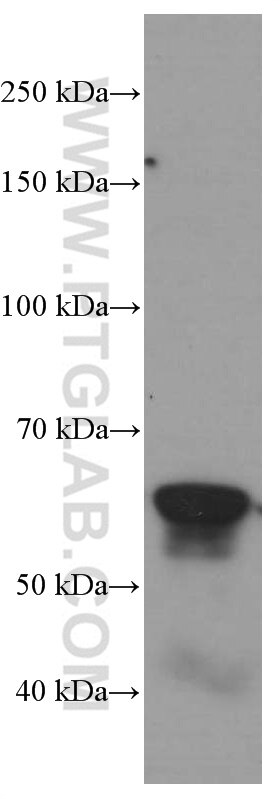
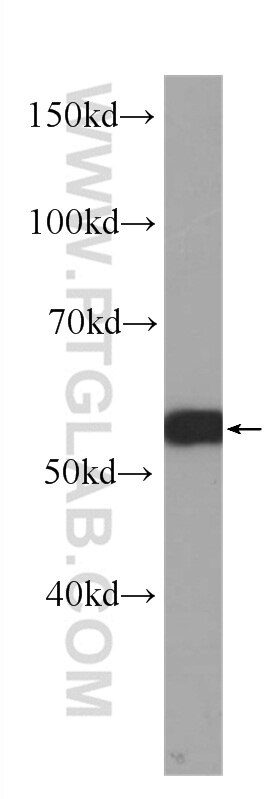
| Positive WB detected in | HeLa cells, CHO cells, HepG2 cells, RAW 264.7 cells, HEK-293 cells, Jurkat cells, NIH/3T3 cells, 4T1 cells, PC-12 cells, HSC-T6 cells |
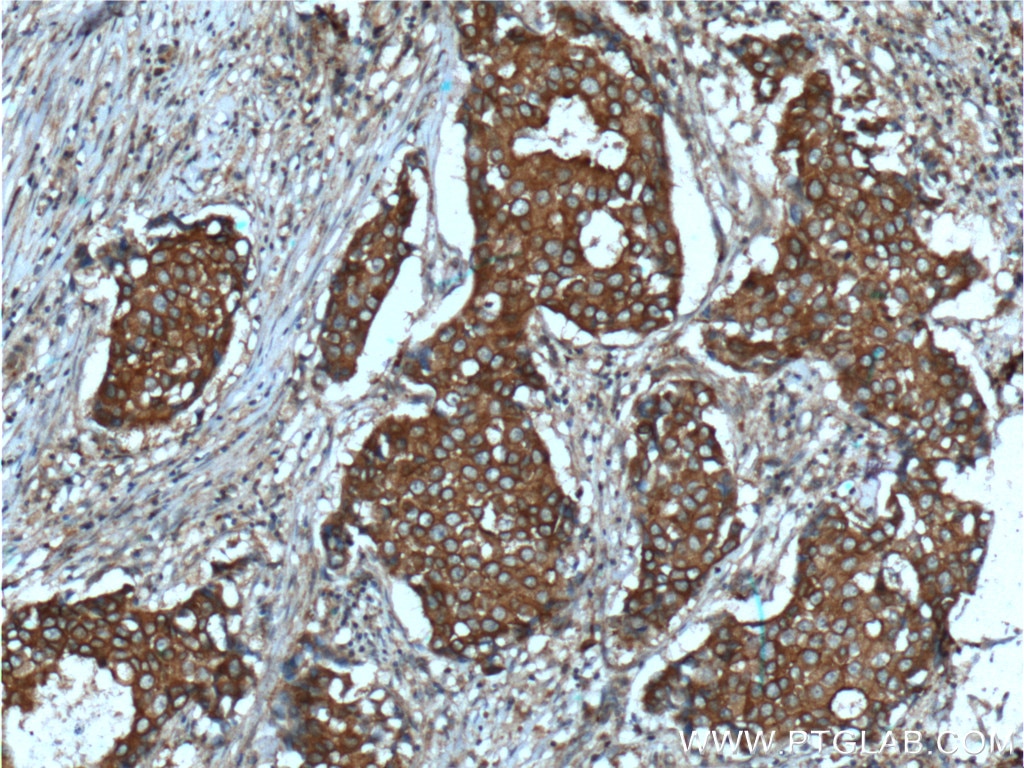
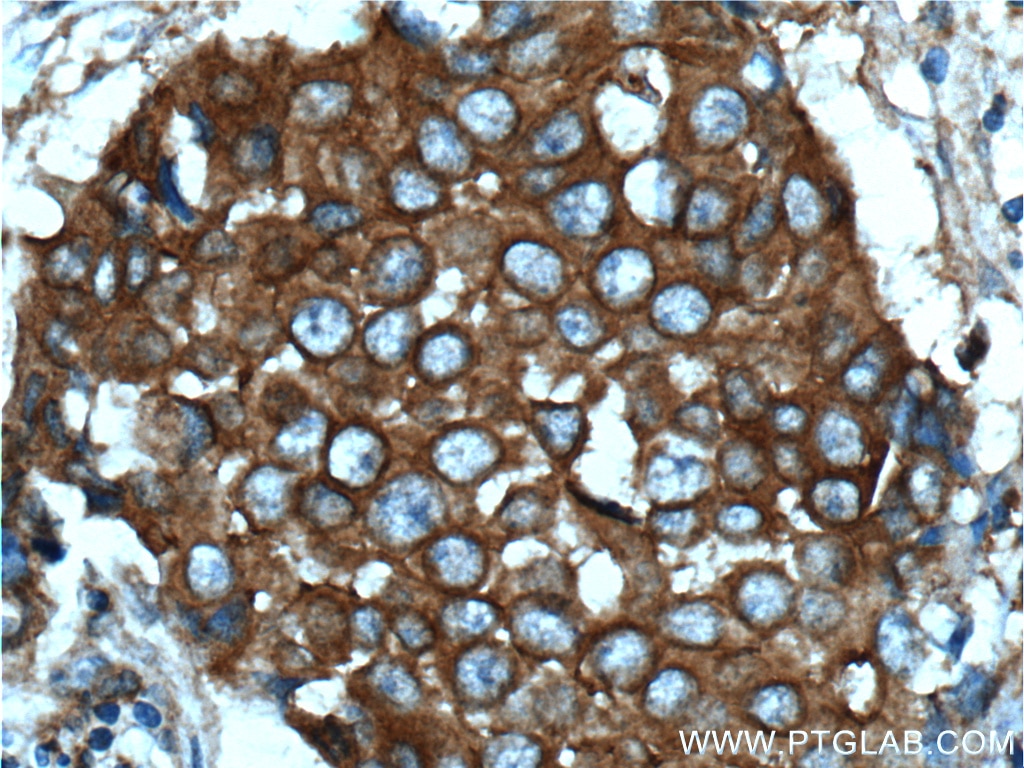
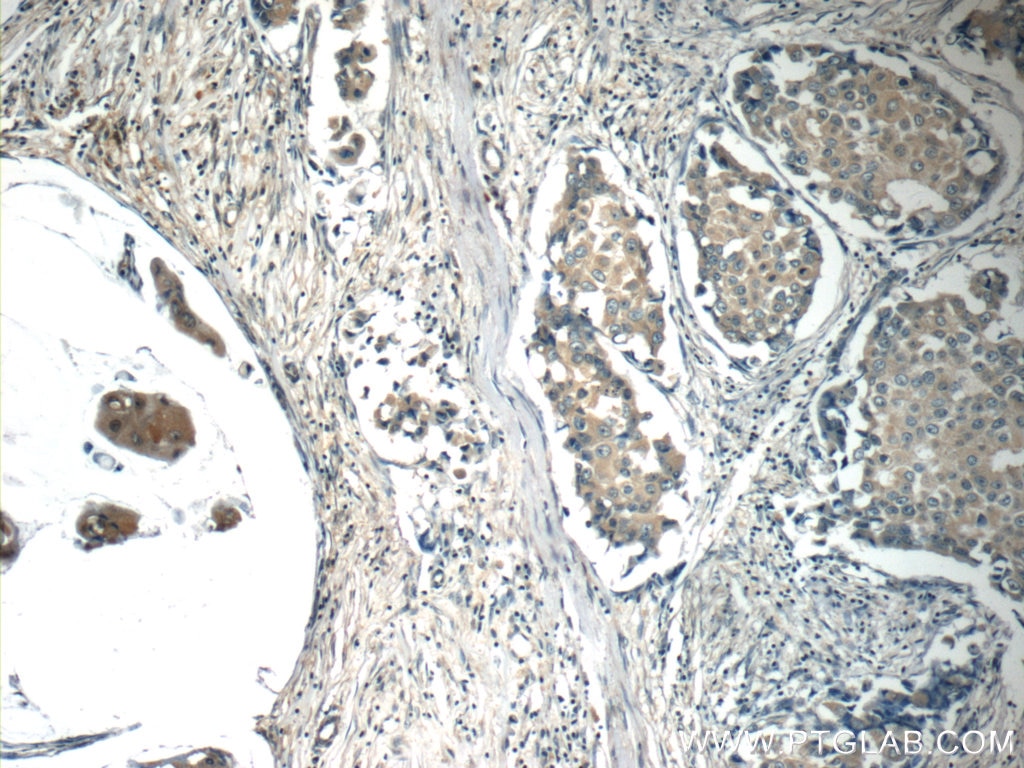
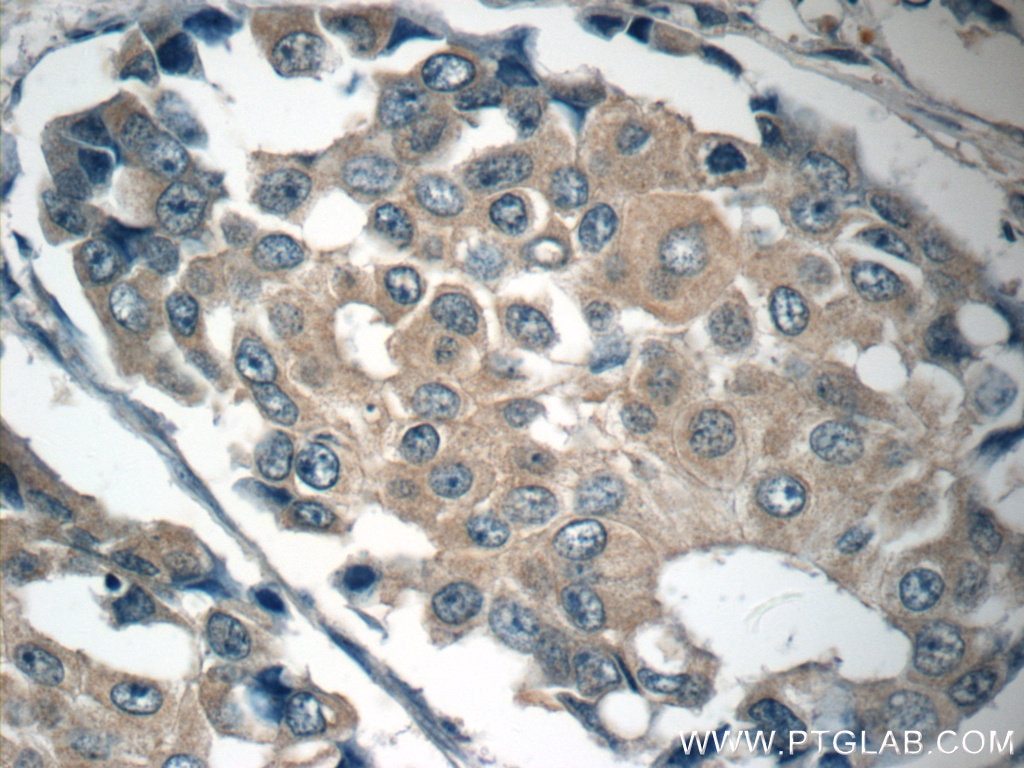
| Positive IHC detected in | human breast cancer tissue Note: suggested antigen retrieval with TE buffer pH 9.0; (*) Alternatively, antigen retrieval may be performed with citrate buffer pH 6.0 |
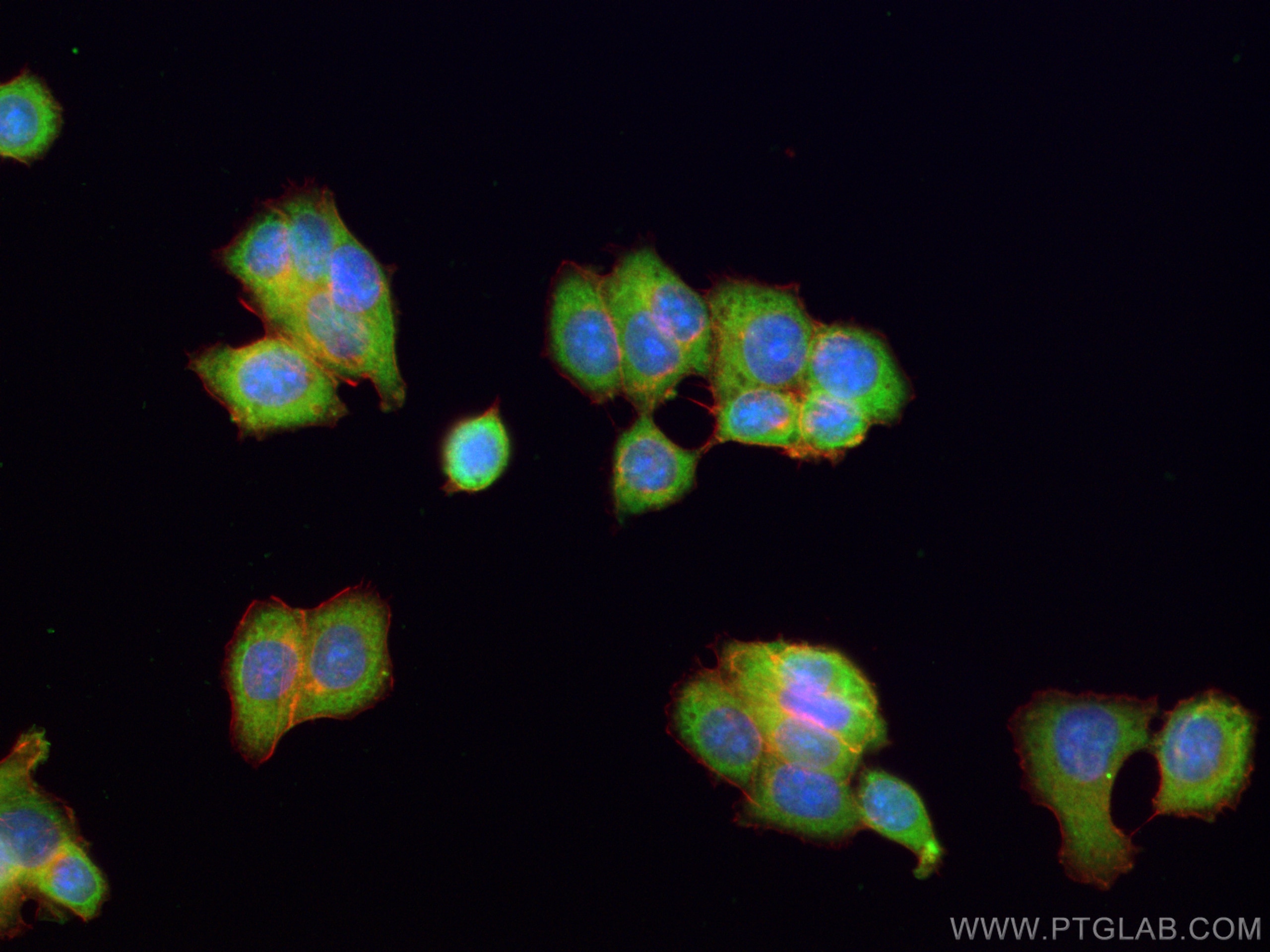
| Positive IF/ICC detected in | MCF-7 cells |
Recommended dilution
| Application | Dilution |
|---|---|
| Western Blot (WB) | WB : 1:5000-1:50000 |
| Immunohistochemistry (IHC) | IHC : 1:100-1:400 |
| Immunofluorescence (IF)/ICC | IF/ICC : 1:50-1:500 |
| It is recommended that this reagent should be titrated in each testing system to obtain optimal results. | |
| Sample-dependent, Check data in validation data gallery. | |
Product Information
60315-1-Ig targets c-SRC in WB, IHC, IF/ICC, CoIP, ELISA applications and shows reactivity with human, mouse, rat, hamster samples.
| Tested Reactivity | human, mouse, rat, hamster |
| Cited Reactivity | human, mouse |
| Host / Isotype | Mouse / IgG2b |
| Class | Monoclonal |
| Type | Antibody |
| Immunogen |
CatNo: Ag22306 Product name: Recombinant human c-SRC protein Source: e coli.-derived, PET30a Tag: 6*His Domain: 1-536 aa of BC011566 Sequence: MGSNKSKPKDASQRRRSLEPAENVHGAGGGAFPASQTPSKPASADGHRGPSAAFAPAAAEPKLFGGFNSSDTVTSPQRAGPLAGGVTTFVALYDYESRTETDLSFKKGERLQIVNNTEGDWWLAHSLSTGQTGYIPSNYVAPSDSIQAEEWYFGKITRRESERLLLNAENPRGTFLVRESETTKGAYCLSVSDFDNAKGLNVKHYKIRKLDSGGFYITSRTQFNSLQQLVAYYSKHADGLCHRLTTVCPTSKPQTQGLAKDAWEIPRESLRLEVKLGQGCFGEVWMGTWNGTTRVAIKTLKPGTMSPEAFLQEAQVMKKLRHEKLVQLYAVVSEEPIYIVTEYMSKGSLLDFLKGETGKYLRLPQLVDMAAQIASGMAYVERMNYVHRDLRAANILVGENLVCKVADFGLARLIEDNEYTARQGAKFPIKWTAPEAALYGRFTIKSDVWSFGILLTELTTKGRVPYPGMVNREVLDQVERGYRMPCPPECPESLHDLMCQCWRKEPEERPTFEYLQAFLEDYFTSTEPQYQPGENL Predict reactive species |
| Full Name | v-src sarcoma (Schmidt-Ruppin A-2) viral oncogene homolog (avian) |
| Calculated Molecular Weight | 60 kDa |
| Observed Molecular Weight | 60 kDa |
| GenBank Accession Number | BC011566 |
| Gene Symbol | SRC |
| Gene ID (NCBI) | 6714 |
| ENSEMBL Gene ID | ENSG00000197122 |
| RRID | AB_2881426 |
| Conjugate | Unconjugated |
| Form | Liquid |
| Purification Method | Protein A purification |
| UNIPROT ID | P12931 |
| Storage Buffer | PBS with 0.02% sodium azide and 50% glycerol, pH 7.3. |
| Storage Conditions | Store at -20°C. Stable for one year after shipment. Aliquoting is unnecessary for -20oC storage. 20ul sizes contain 0.1% BSA. |
Background Information
SRC, also named as SRC1 and p60-Src, belongs to the protein kinase superfamily, Tyr protein kinase family and SRC subfamily. It is a non-receptor protein tyrosine kinase that plays pivotal roles in numerous cellular processes such as proliferation, migration, and transformation. In concert with PTK2B, SRC plays an important role in osteoclastic bone resorption. It promotes energy production in osteoclasts by activating mitochondrial cytochrome C oxidase.
Protocols
| Product Specific Protocols | |
|---|---|
| IF protocol for c-SRC antibody 60315-1-Ig | Download protocol |
| IHC protocol for c-SRC antibody 60315-1-Ig | Download protocol |
| WB protocol for c-SRC antibody 60315-1-Ig | Download protocol |
| Standard Protocols | |
|---|---|
| Click here to view our Standard Protocols |
Publications
What published studies show
The c-SRC Monoclonal antibody (catalog number 60315-1-Ig) has 39 total citations. These appear in journals including Nature, Cancer Research, Nature Communications, Hepatology, Advanced Science, Cell Death & Disease, Oncogene, Cell Reports, Science Signaling, EMBO Molecular Medicine, FASEB Journal, iScience, BMC Cancer, and PLoS One, among others. Research fields span oncology (hepatocellular, breast, gastric, colorectal, lung, and prostate cancers), cardiac fibrosis, diabetic retinopathy, osteoclastogenesis, thrombosis, atherosclerosis, and Src signaling mechanisms.
| Species | Application | Title |
|---|---|---|
Cancer Res Osimertinib covalently binds to CD34 and eliminates myeloid leukemia stem/progenitor cells | ||
Nat Commun Phospho-selective mechanisms of arrestin conformations and functions revealed by unnatural amino acid incorporation and (19)F-NMR. | ||
Hepatology Basolateral CD147 induces hepatocyte polarity loss by E-cadherin ubiquitination and degradation in hepatocellular carcinoma progress. | ||
Adv Sci (Weinh) Mesopore Controls the Responses of Blood Clot-Immune Complex via Modulating Fibrin Network. | ||
Adv Sci (Weinh) Branched-Chain α Keto-Acid Dehydrogenase Kinase-Mediated AKT Phosphorylation Promotes RCC Tumorigenesis and Drug Resistance |
Reviews
What customers say
Both reviewers gave this antibody a 5-star rating for Western Blot applications. One user tested it at a 1:1500 dilution on a PC cell line and reported it was working great. The other used a 1:2000 dilution on colon cancer cells and noted a very good signal for Src. Overall, customers are satisfied with the antibody's performance, reporting strong and reliable results in their WB experiments.
The reviews below have been submitted by verified Proteintech customers who received an incentive for providing their feedback.
Susmita (Verified Customer) (06-13-2022) | This antibody is working great for me.
|
Iram (Verified Customer) (04-13-2022) | Very good signal for Src
|











