

Tested Applications
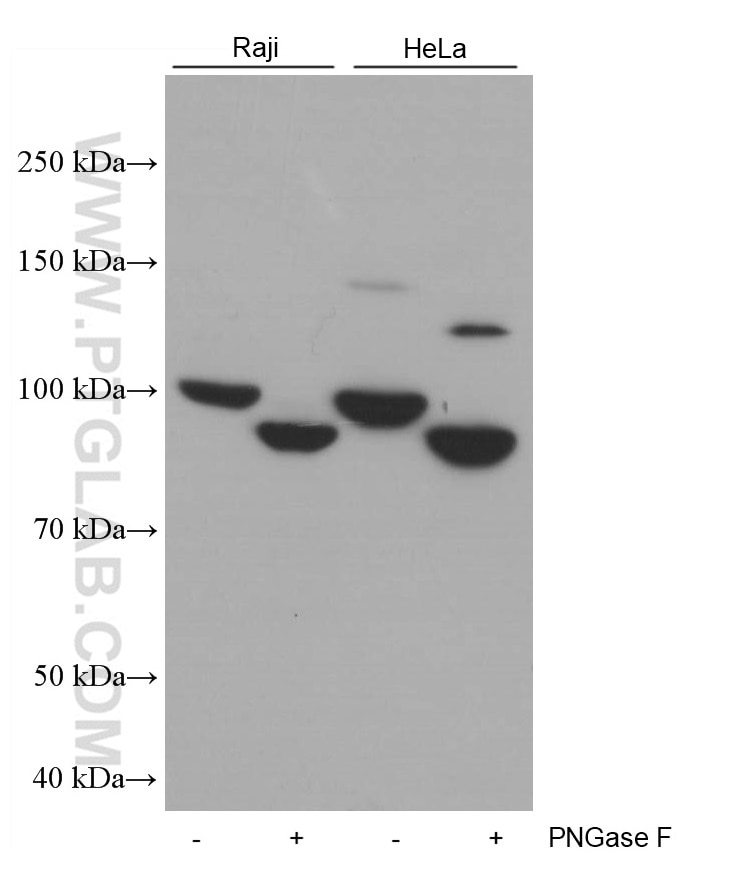
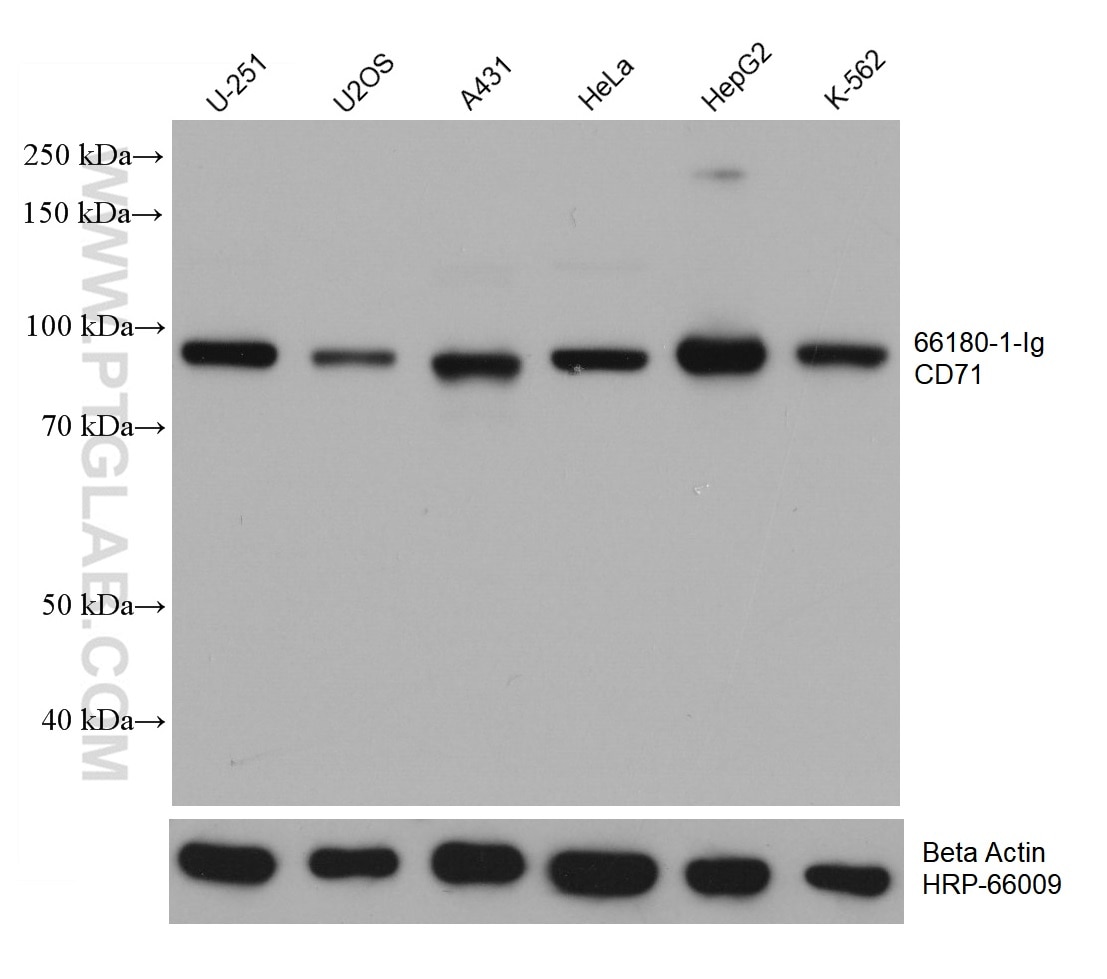
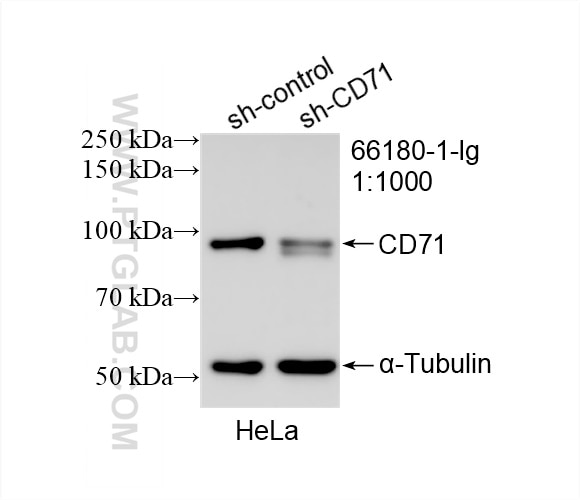
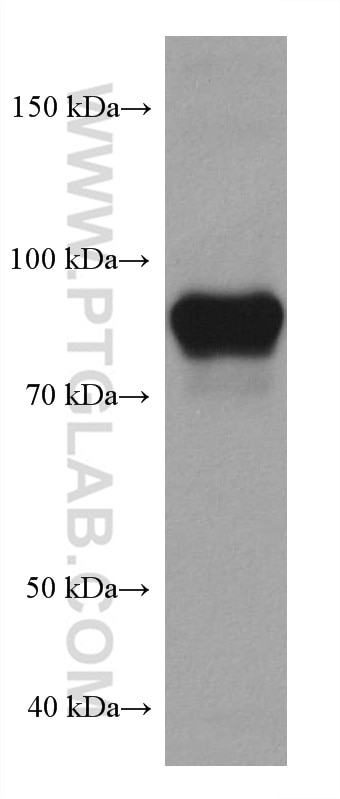
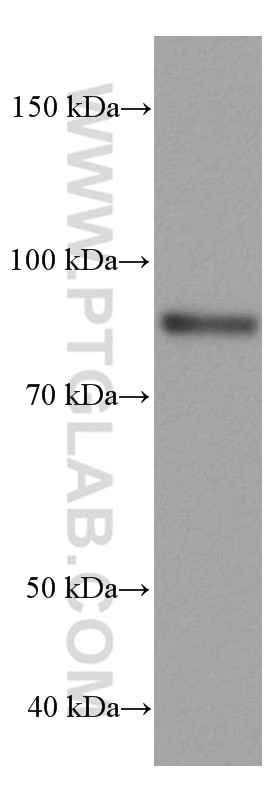
| Positive WB detected in | U-251 cells, A549 cells, HeLa cells, Raji cells, TF-1 cells, U2OS cells, A431 cells, HepG2 cells, K-562 cells |
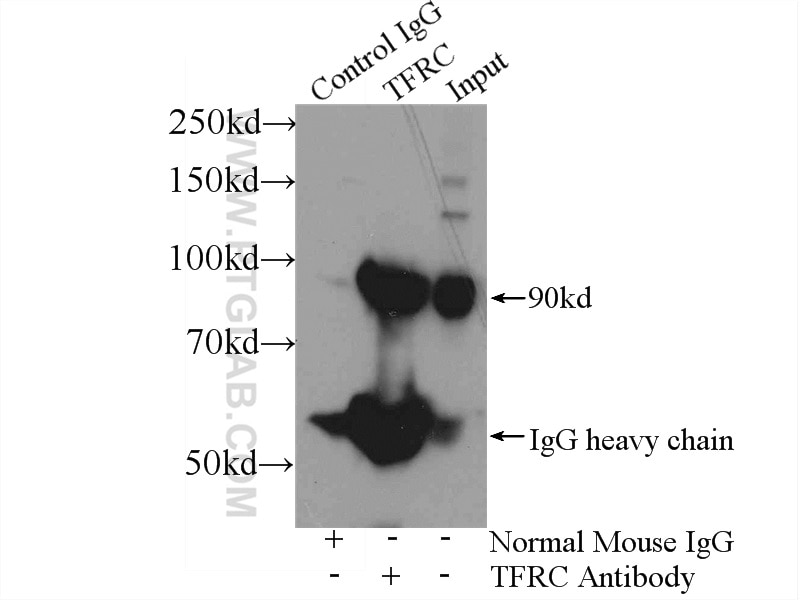
| Positive IP detected in | HeLa cells |
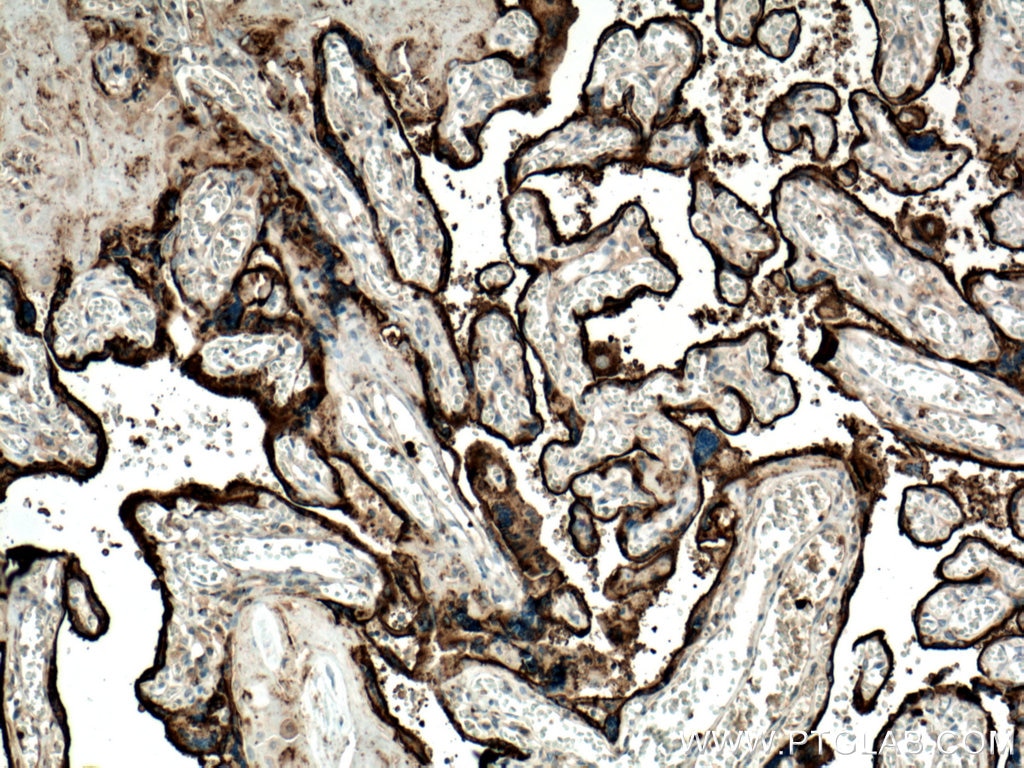
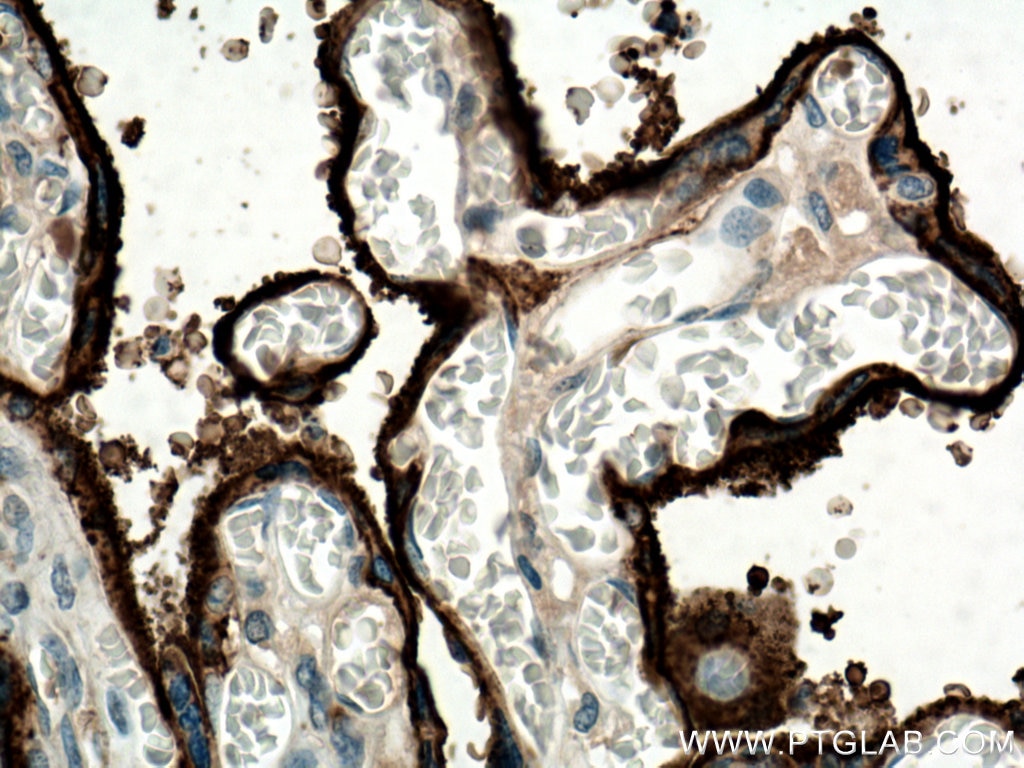
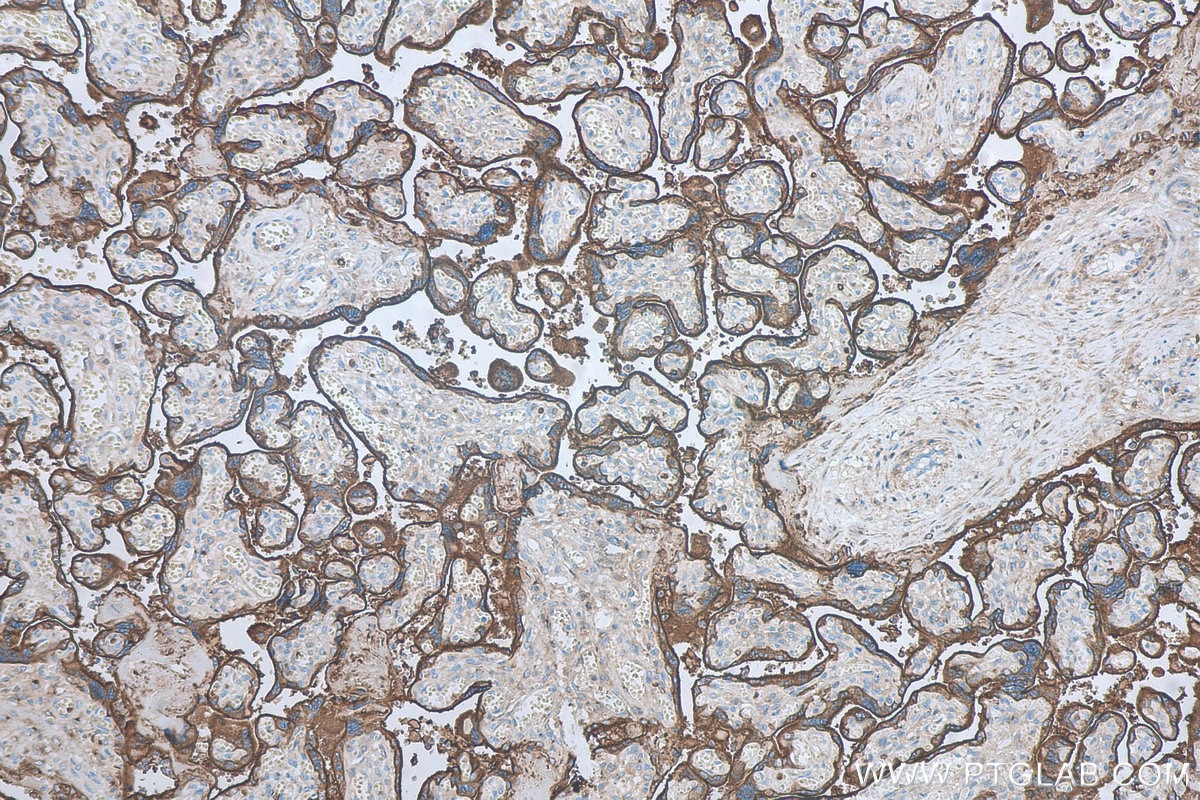
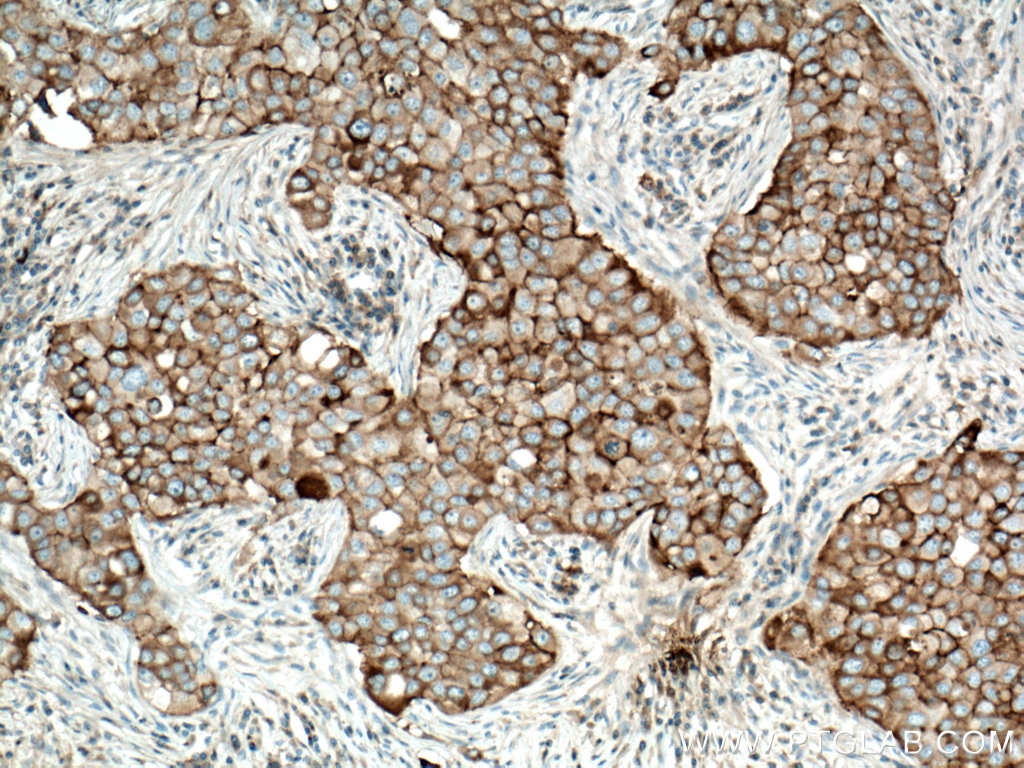
| Positive IHC detected in | human placenta tissue, human breast cancer tissue Note: suggested antigen retrieval with TE buffer pH 9.0; (*) Alternatively, antigen retrieval may be performed with citrate buffer pH 6.0 |
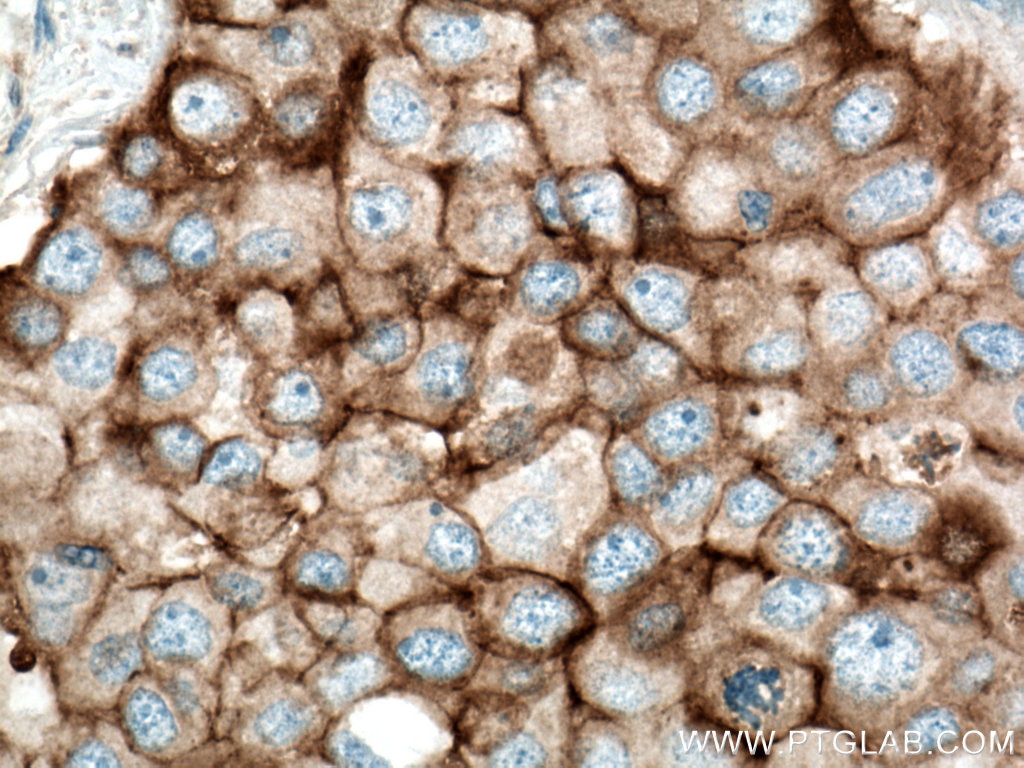
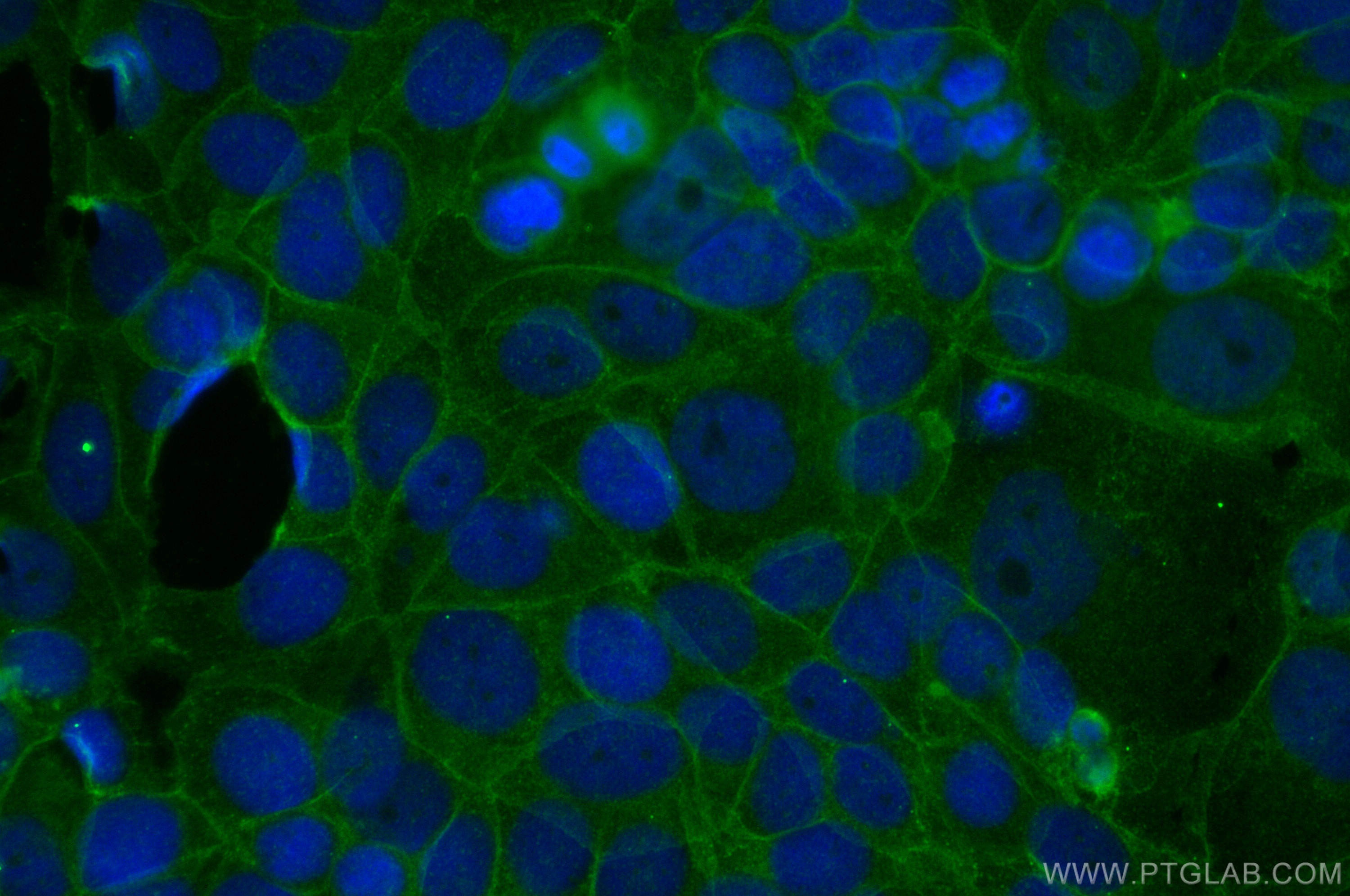
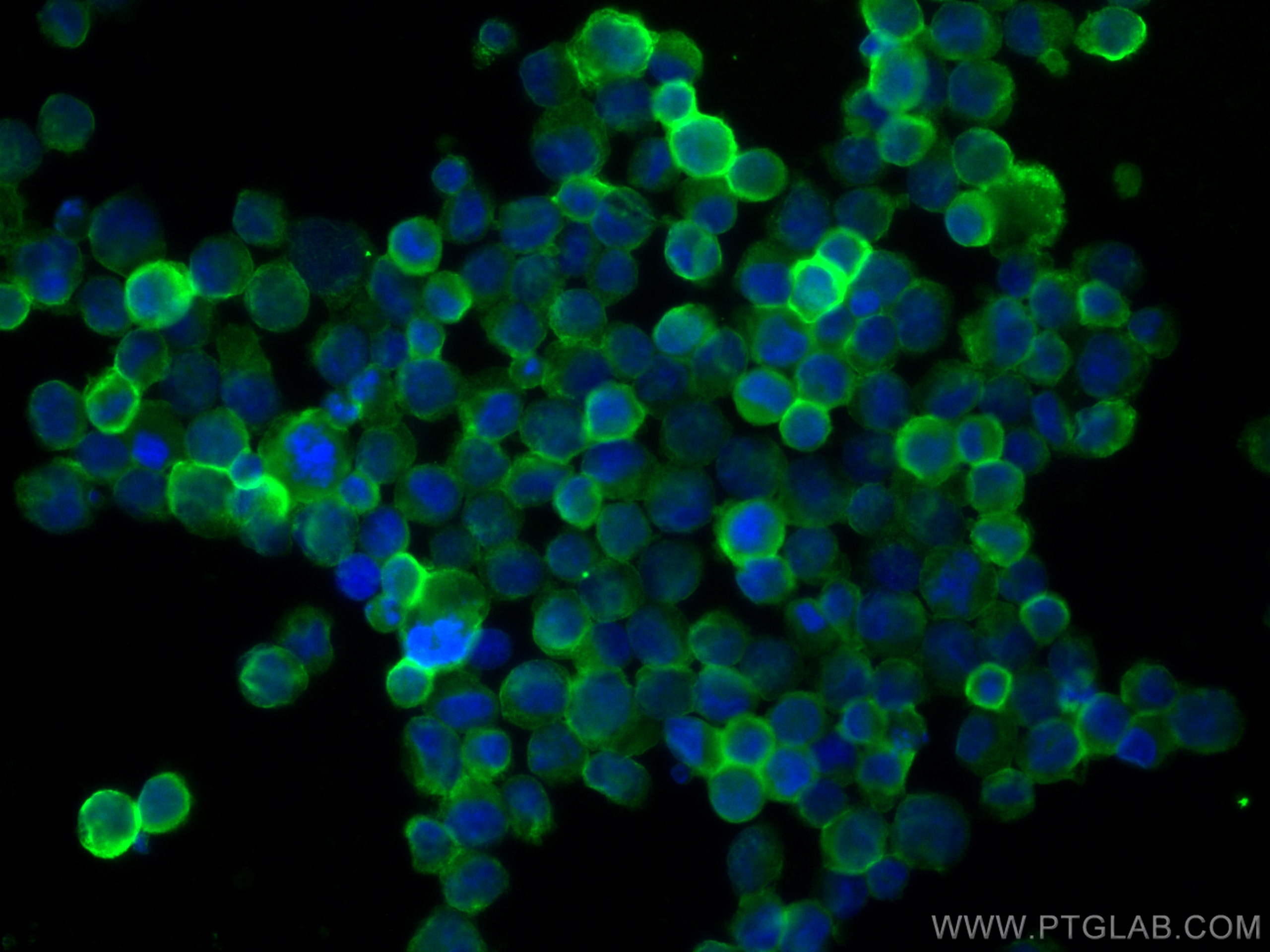
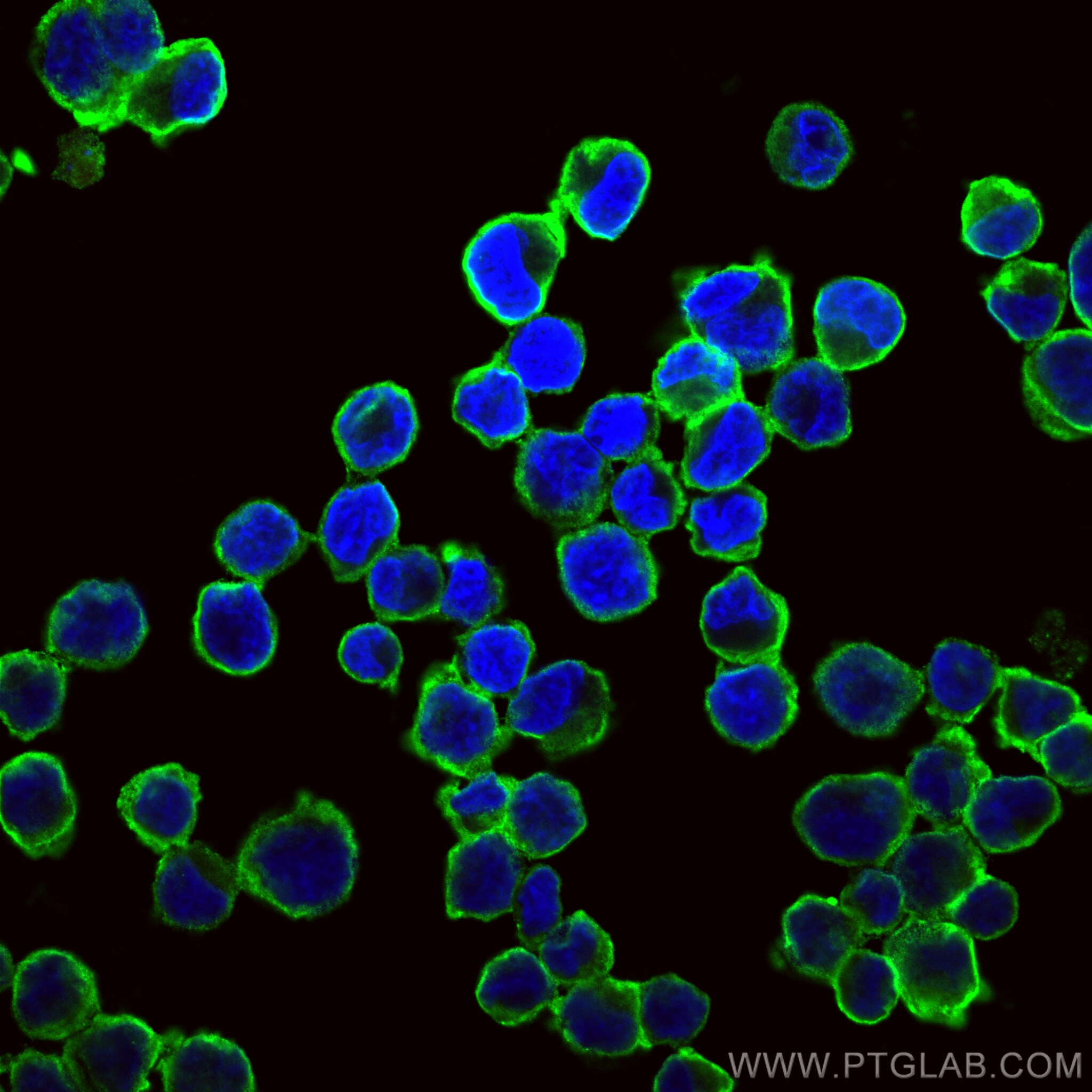
| Positive IF-P detected in | human breast cancer tissue, MCF-7 cells |
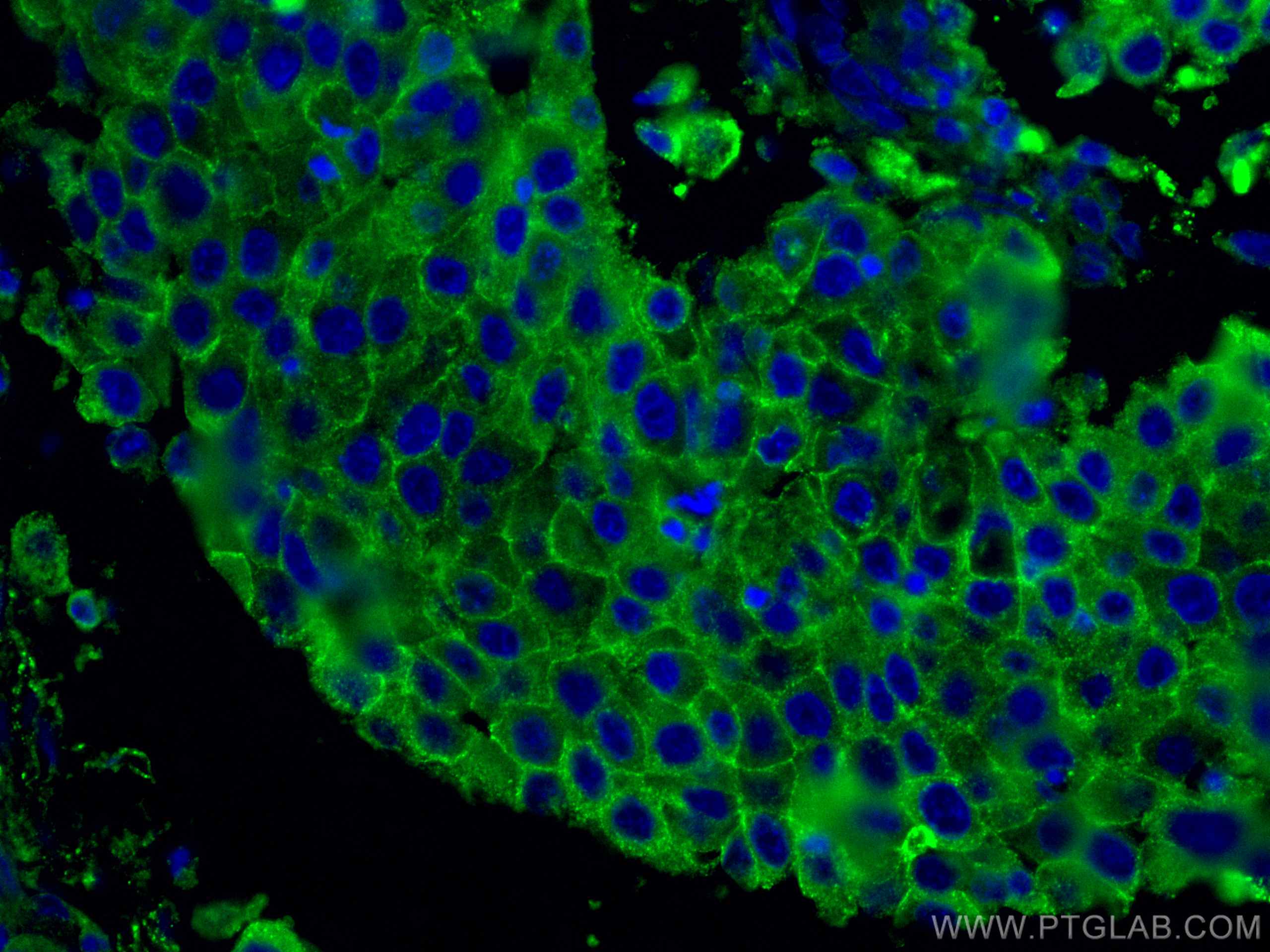
| Positive IF/ICC detected in | MCF-7 cells, K-562 cells |
Recommended dilution
| Application | Dilution |
|---|---|
| Western Blot (WB) | WB : 1:5000-1:50000 |
| Immunoprecipitation (IP) | IP : 0.5-4.0 ug for 1.0-3.0 mg of total protein lysate |
| Immunohistochemistry (IHC) | IHC : 1:2000-1:8000 |
| Immunofluorescence (IF)-P | IF-P : 1:200-1:800 |
| Immunofluorescence (IF)/ICC | IF/ICC : 1:200-1:800 |
| It is recommended that this reagent should be titrated in each testing system to obtain optimal results. | |
| Sample-dependent, Check data in validation data gallery. | |
Product Information
66180-1-Ig targets CD71 in WB, IHC, IF/ICC, IF-P, IP, ELISA, Blocking assay applications and shows reactivity with human samples.
| Tested Reactivity | human |
| Cited Reactivity | human |
| Host / Isotype | Mouse / IgG2a |
| Class | Monoclonal |
| Type | Antibody |
| Immunogen |
CatNo: Ag21612 Product name: Recombinant human CD71 protein Source: e coli.-derived, PET30a Tag: 6*His Domain: 513-757 aa of BC001188 Sequence: VKHPVTGQFLYQDSNWASKVEKLTLDNAAFPFLAYSGIPAVSFCFCEDTDYPYLGTTMDTYKELIERIPELNKVARAAAEVAGQFVIKLTHDVELNLDYERYNSQLLSFVRDLNQYRADIKEMGLSLQWLYSARGDFFRATSRLTTDFGNAEKTDRFVMKKLNDRVMRVEYHFLSPYVSPKESPFRHVFWGSGSHTLPALLENLKLRKQNNGAFNETLFRNQLALATWTIQGAANALSGDVWDID Predict reactive species |
| Full Name | transferrin receptor (p90, CD71) |
| Calculated Molecular Weight | 85 kDa |
| Observed Molecular Weight | 90 kDa |
| GenBank Accession Number | BC001188 |
| Gene Symbol | CD71 |
| Gene ID (NCBI) | 7037 |
| ENSEMBL Gene ID | ENSG00000072274 |
| RRID | AB_2881575 |
| Conjugate | Unconjugated |
| Form | Liquid |
| Purification Method | Protein A purification |
| UNIPROT ID | P02786 |
| Storage Buffer | PBS with 0.02% sodium azide and 50% glycerol, pH 7.3. |
| Storage Conditions | Store at -20°C. Stable for one year after shipment. Aliquoting is unnecessary for -20oC storage. 20ul sizes contain 0.1% BSA. |
Background Information
CD71, also known as transferrin receptor protein 1 (TfR1), is a transmembrane glycoprotein composed of two disulfide-linked monomers, each of 90 kDa molecular weight. Each monomer binds one holo-transferrin molecule creating an iron-Tf-TfR complex which enters the cell by endocytosis. CD71 is present on actively proliferating cells and is essential for iron transport into proliferating cells.
Protocols
| Product Specific Protocols | |
|---|---|
| IF protocol for CD71 antibody 66180-1-Ig | Download protocol |
| IHC protocol for CD71 antibody 66180-1-Ig | Download protocol |
| IP protocol for CD71 antibody 66180-1-Ig | Download protocol |
| WB protocol for CD71 antibody 66180-1-Ig | Download protocol |
| Standard Protocols | |
|---|---|
| Click here to view our Standard Protocols |
Publications
What published studies show
Anti-TfR1 (Transferrin Receptor 1) antibody, catalog number 66180-1-Ig, has accumulated 53 citations published in high-impact journals including Nature Immunology, Nature Communications, Blood, Free Radical Biology and Medicine, Cell Death & Disease, Journal of Biological Chemistry, and PLoS Genetics. Key research fields include ferroptosis, iron homeostasis, multiple cancer types (myeloma, ovarian, gastric, hepatocellular), cardiovascular disease, neurodegeneration, reproductive biology, and viral infection. Western blot is the predominant application, with IF and IHC also represented.
| Species | Application | Title |
|---|---|---|
Nat Immunol Tumor cell-released kynurenine biases MEP differentiation into megakaryocytes in individuals with cancer by activating AhR-RUNX1 | ||
Blood Targeting STK17B kinase activates ferroptosis and suppresses drug resistance in multiple myeloma. | ||
Redox Biol CREG1 attenuates doxorubicin-induced cardiotoxicity by inhibiting the ferroptosis of cardiomyocytes | ||
Cardiovasc Diabetol Inhibition of Slc39a14/Slc39a8 reduce vascular calcification via alleviating iron overload induced ferroptosis in vascular smooth muscle cells | ||
Adv Sci (Weinh) Sirtuin1 Suppresses Calcium Oxalate Nephropathy via Inhibition of Renal Proximal Tubular Cell Ferroptosis Through PGC-1α-mediated Transcriptional Coactivation |
















