
Tested Applications
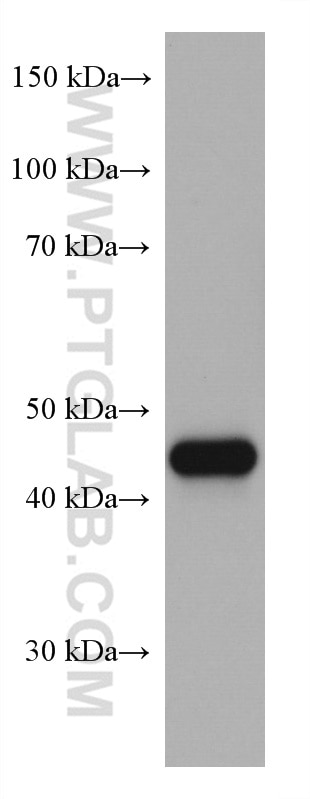
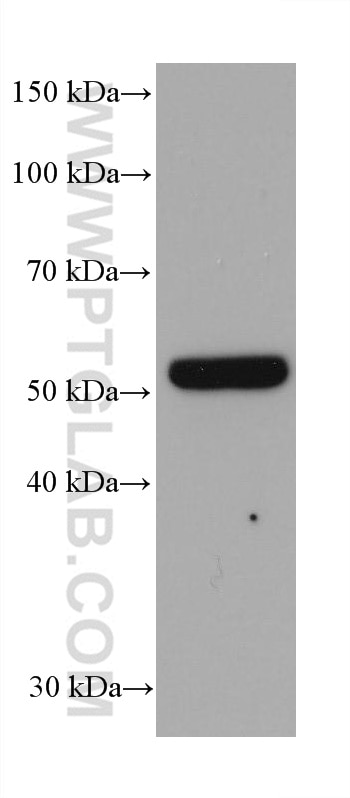
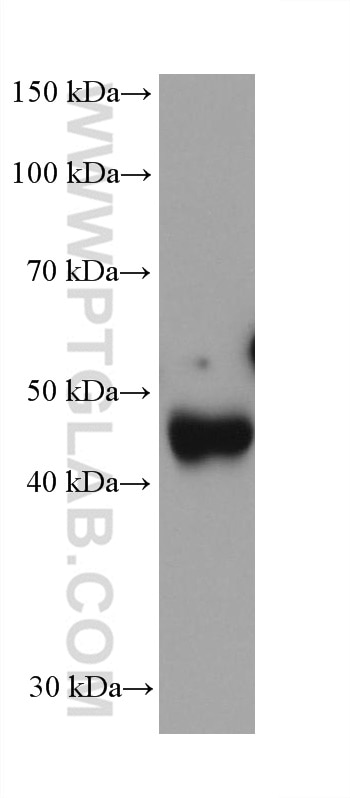
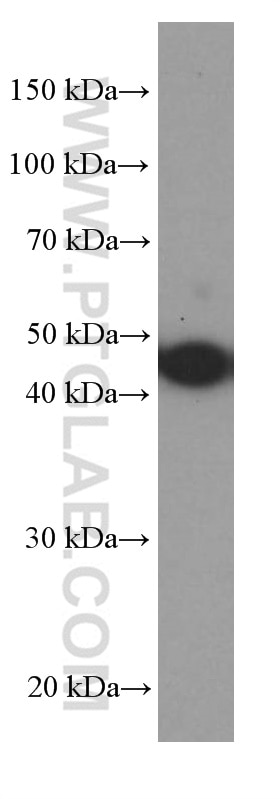
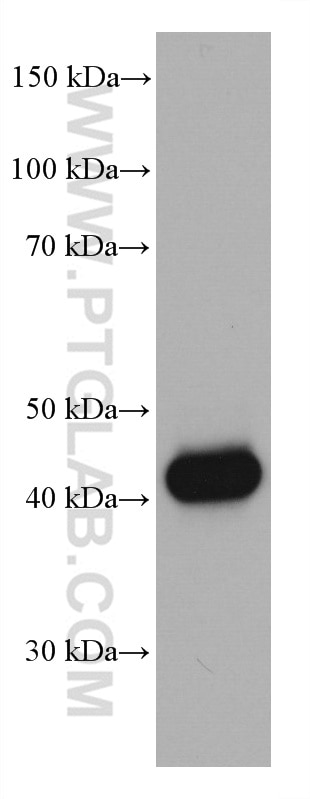
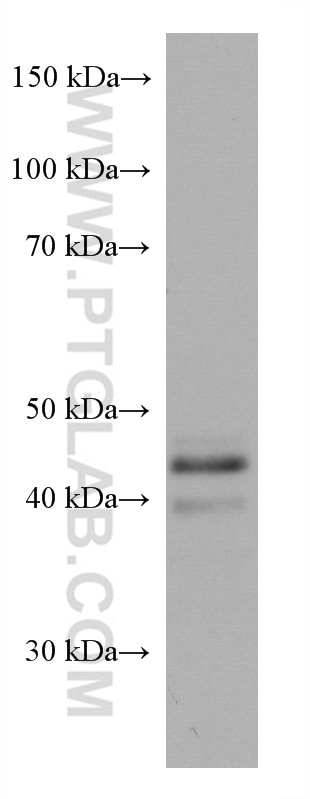
| Positive WB detected in | human peripheral blood platelets, pig liver tissue, pig serum, HuH-7 cells, U-251 cells, SH-SY5Y cells |
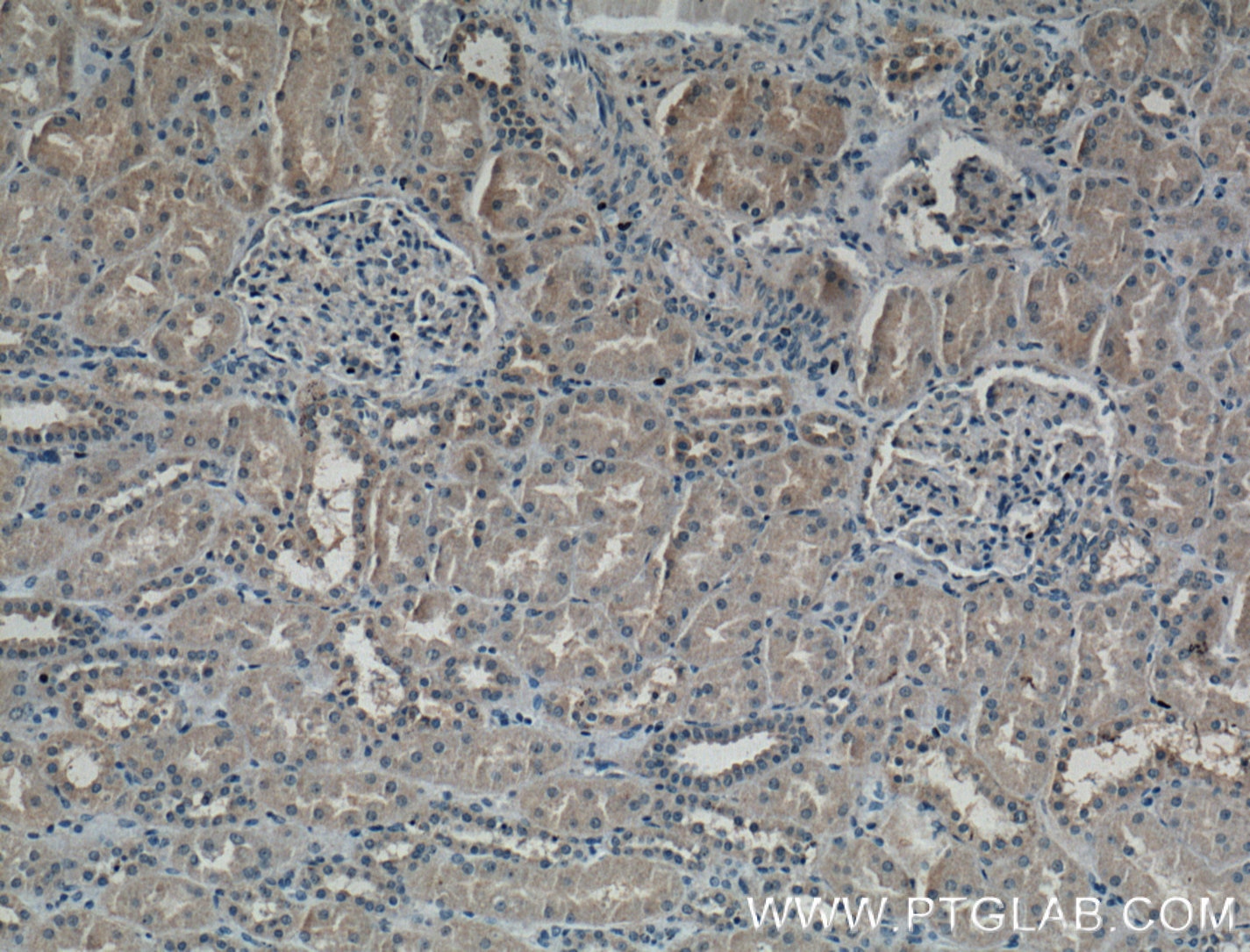
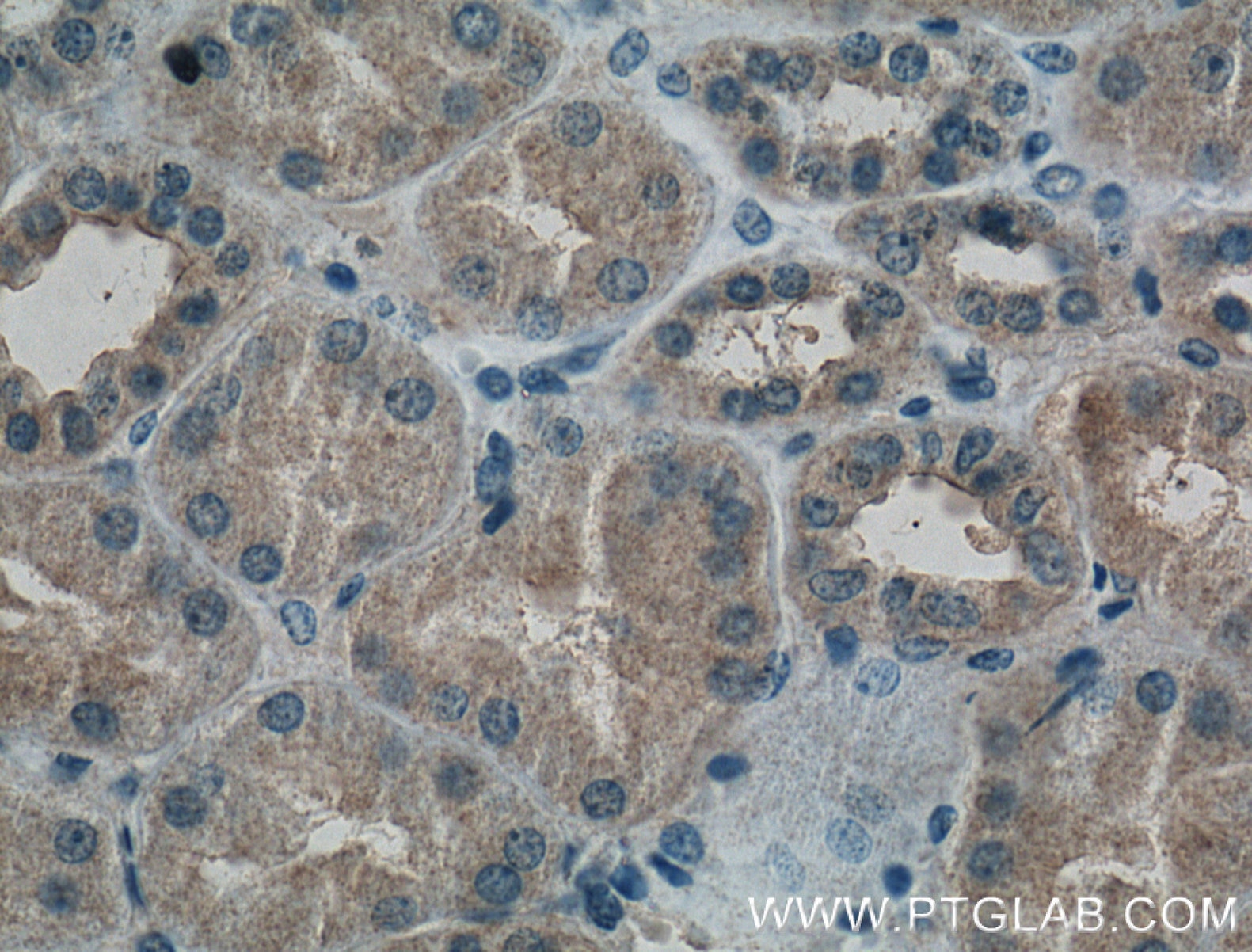
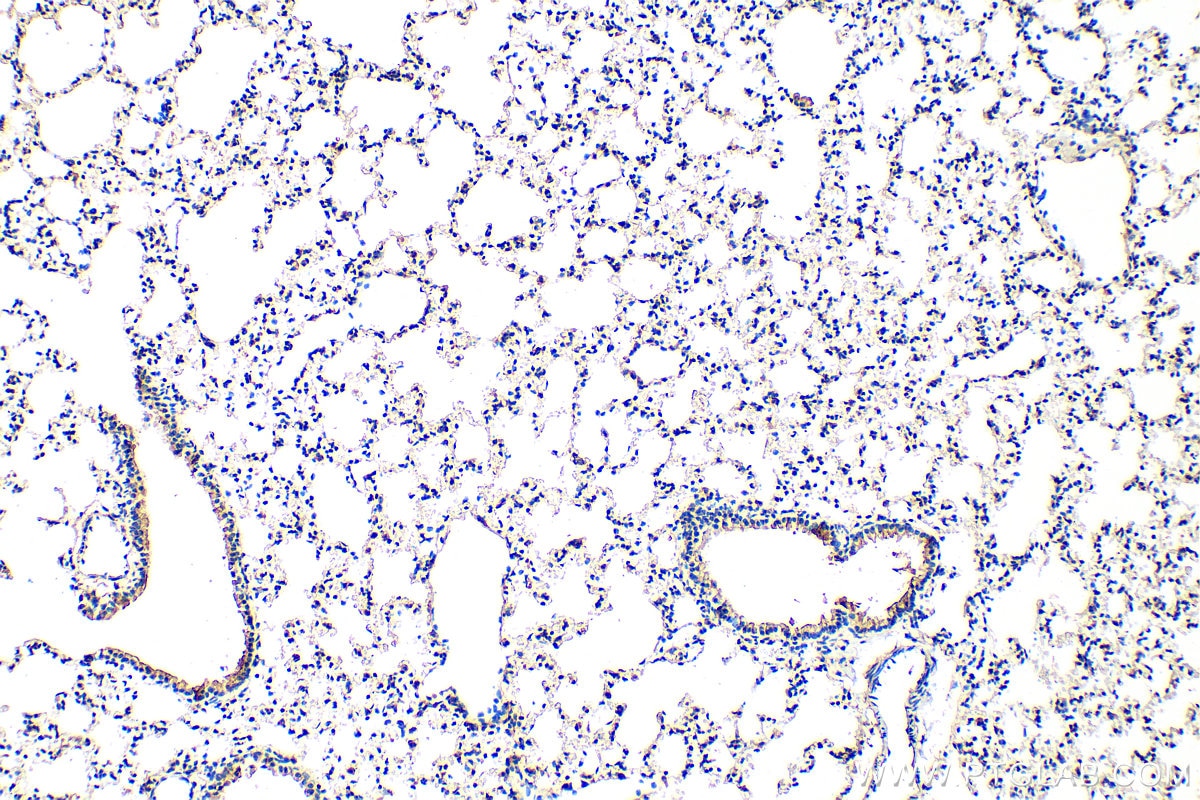
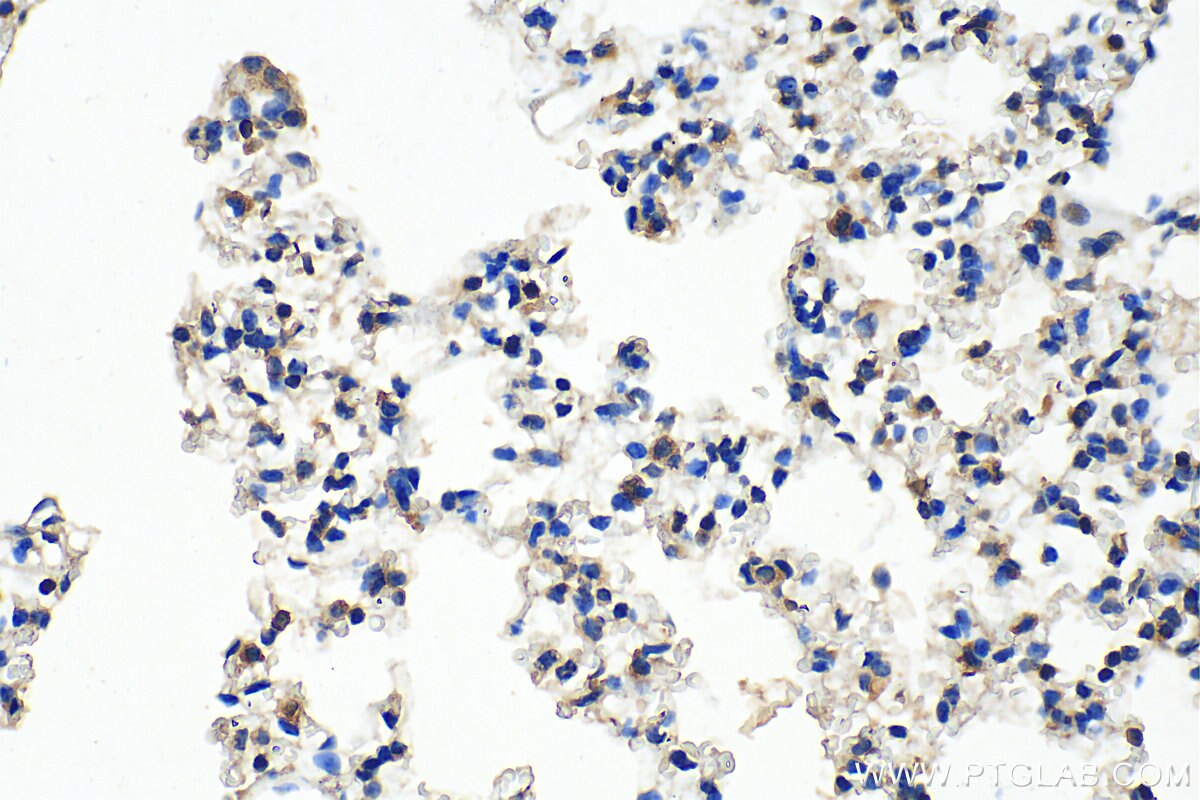
| Positive IHC detected in | human kidney tissue, mouse lung tissue Note: suggested antigen retrieval with TE buffer pH 9.0; (*) Alternatively, antigen retrieval may be performed with citrate buffer pH 6.0 |
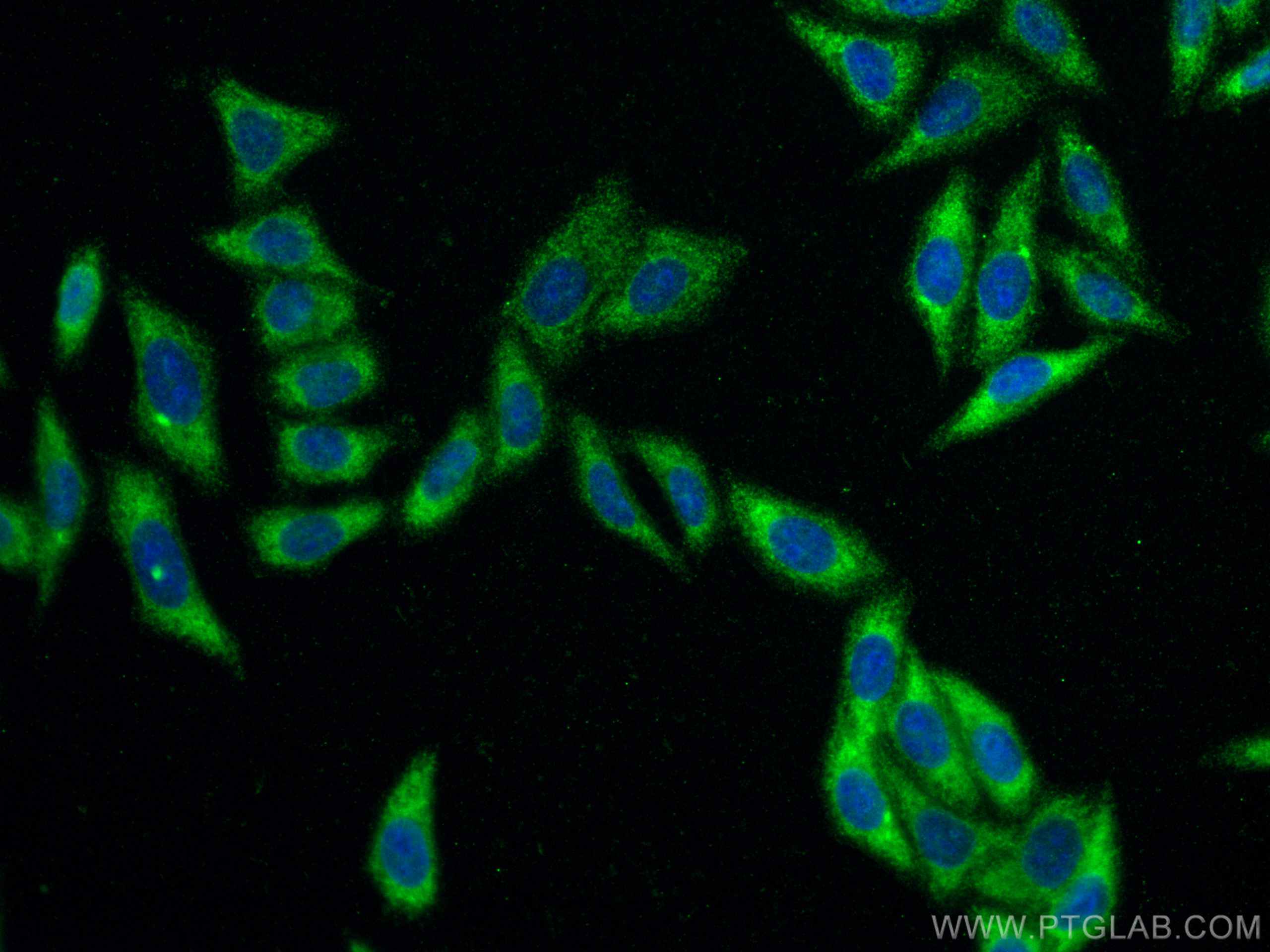
| Positive IF/ICC detected in | HepG2 cells |
Recommended dilution
| Application | Dilution |
|---|---|
| Western Blot (WB) | WB : 1:5000-1:50000 |
| Immunohistochemistry (IHC) | IHC : 1:50-1:500 |
| Immunofluorescence (IF)/ICC | IF/ICC : 1:200-1:800 |
| It is recommended that this reagent should be titrated in each testing system to obtain optimal results. | |
| Sample-dependent, Check data in validation data gallery. | |
Product Information
66261-1-Ig targets Serpin E1/PAI-1 in WB, IHC, IF/ICC, ELISA applications and shows reactivity with human, mouse, pig samples.
| Tested Reactivity | human, mouse, pig |
| Cited Reactivity | human, mouse, rat, pig |
| Host / Isotype | Mouse / IgG1 |
| Class | Monoclonal |
| Type | Antibody |
| Immunogen |
CatNo: Ag22411 Product name: Recombinant human SERPINE1 protein Source: e coli.-derived, PET28a Tag: 6*His Domain: 24-158 aa of BC010860 Sequence: VHHPPSYVAHLASDFGVRVFQQVAQASKDRNVVFSPYGVASVLAMLQLTTGGETQQQIQAAMGFKIDDKGMAPALRHLYKELMGPWNKDEISTTDAIFVQRDLKLVQGFMPHFFRLFRSTVKQVDFSEVERARFI Predict reactive species |
| Full Name | serpin peptidase inhibitor, clade E (nexin, plasminogen activator inhibitor type 1), member 1 |
| Calculated Molecular Weight | 402 aa, 45 kDa |
| Observed Molecular Weight | 45-50 kDa |
| GenBank Accession Number | BC010860 |
| Gene Symbol | PAI-1 |
| Gene ID (NCBI) | 5054 |
| RRID | AB_2881648 |
| Conjugate | Unconjugated |
| Form | Liquid |
| Purification Method | Protein G purification |
| UNIPROT ID | P05121 |
| Storage Buffer | PBS with 0.02% sodium azide and 50% glycerol, pH 7.3. |
| Storage Conditions | Store at -20°C. Stable for one year after shipment. Aliquoting is unnecessary for -20oC storage. 20ul sizes contain 0.1% BSA. |
Background Information
SERPINE1, also named Plasminogen activator inhibitor type 1 (PAI-1), is a member of the serine protease inhibitor (SERPIN) superfamily. PAI-1 is the principal inhibitor of tissue plasminogen activator (tPA) and uPA, and hence is an inhibitor of fibrinolysis. Defects in this gene are the cause of plasminogen activator inhibitor-1 deficiency (PAI-1 deficiency), and high concentrations of the gene product are associated with thrombophilia. The mature 379-residue protein had a calculated unglycosylated molecular mass of 42.7 kD. Three putative glycosylation sites were found.
Protocols
| Product Specific Protocols | |
|---|---|
| IF protocol for Serpin E1/PAI-1 antibody 66261-1-Ig | Download protocol |
| IHC protocol for Serpin E1/PAI-1 antibody 66261-1-Ig | Download protocol |
| WB protocol for Serpin E1/PAI-1 antibody 66261-1-Ig | Download protocol |
| Standard Protocols | |
|---|---|
| Click here to view our Standard Protocols |
Publications
What published studies show
| Species | Application | Title |
|---|---|---|
Mol Cancer GP73-dependent regulation of exosome biogenesis promotes colorectal cancer liver metastasis | ||
Nat Aging Single-cell and spatial RNA sequencing identify divergent microenvironments and progression signatures in early- versus late-onset prostate cancer | ||
Nat Aging Extracellular vesicles derived from senescent hepatocytes drive pan-cancer metastasis in aging | ||
ACS Nano Nonswellable Hydrogel Patch with Tissue-Mimetic Mechanical Characteristics Remodeling In Vivo Microenvironment for Effective Adhesion Prevention | ||
Redox Biol SERPINE1 drives ferroptosis in acute respiratory distress syndrome by disrupting mitochondrial NAD(+) homeostasis and suppressing Sirt3 activity. | ||
Adv Sci (Weinh) Rupestonic Acid of Artemisia Rupestris L. Extract Treats Pulmonary Fibrosis in COPD by Targeting TGF-β1. |
Reviews
What customers say
The reviews below have been submitted by verified Proteintech customers who received an incentive for providing their feedback.
Mona (Verified Customer) (10-17-2021) | Paraffin-embedded hamster tissue from the lung. Antigen retrieval was performed with Tris-EDTA buffer (pH 9).
|












