

Tested Applications
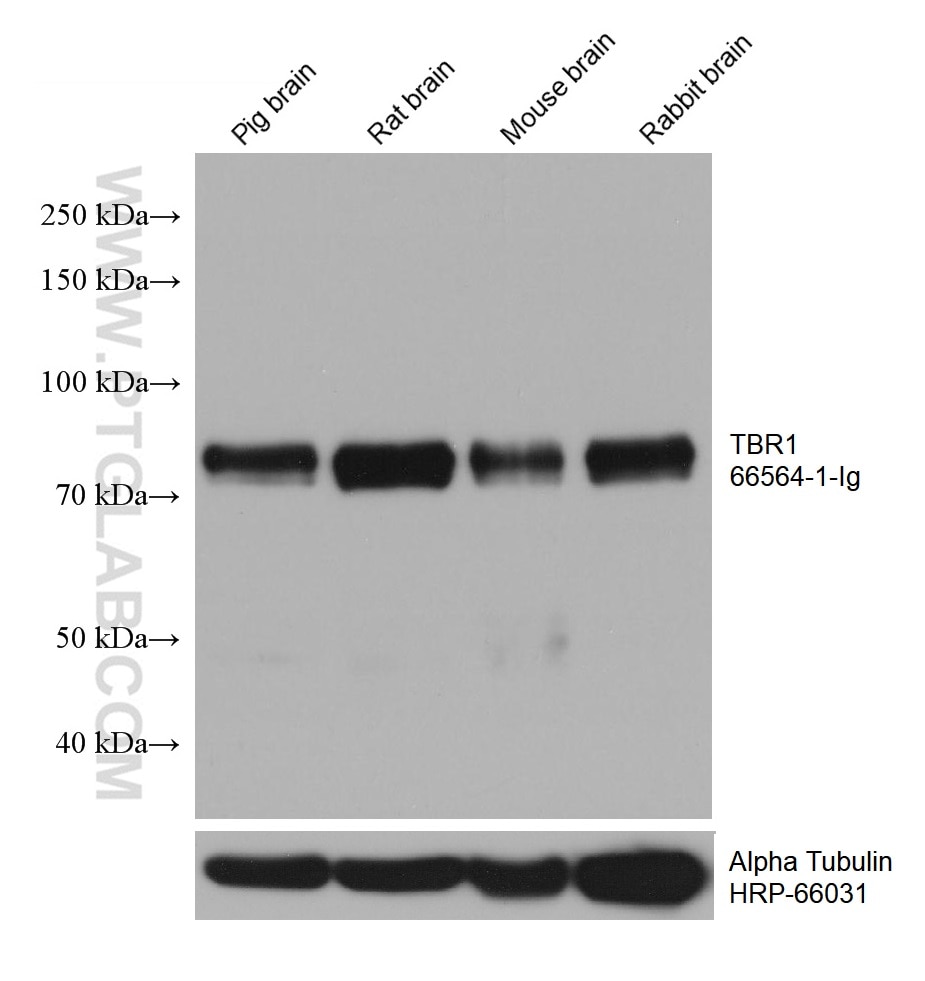
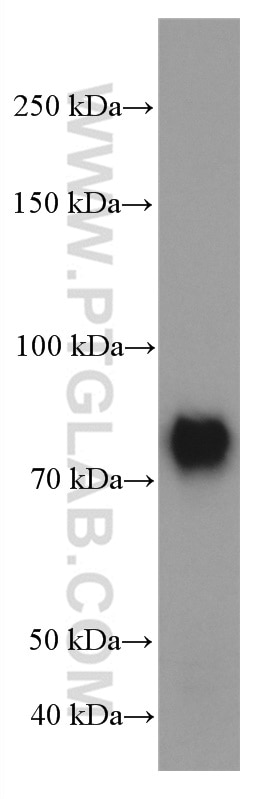
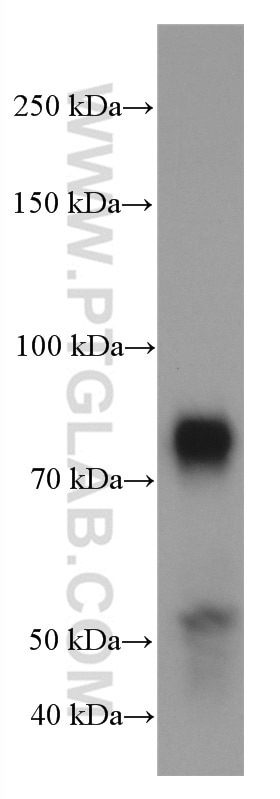
| Positive WB detected in | pig brain tissue, pig cerebellum tissue, rat cerebellum tissue, rat brain tissue, mouse brain tissue, rabbit brain tissue |
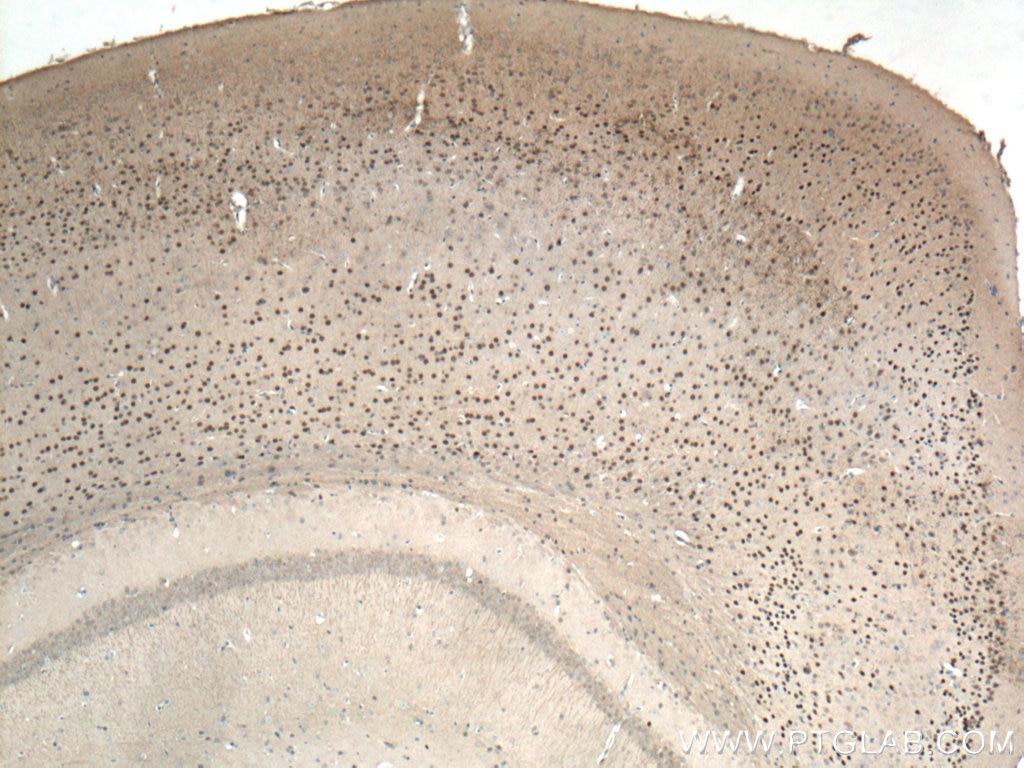
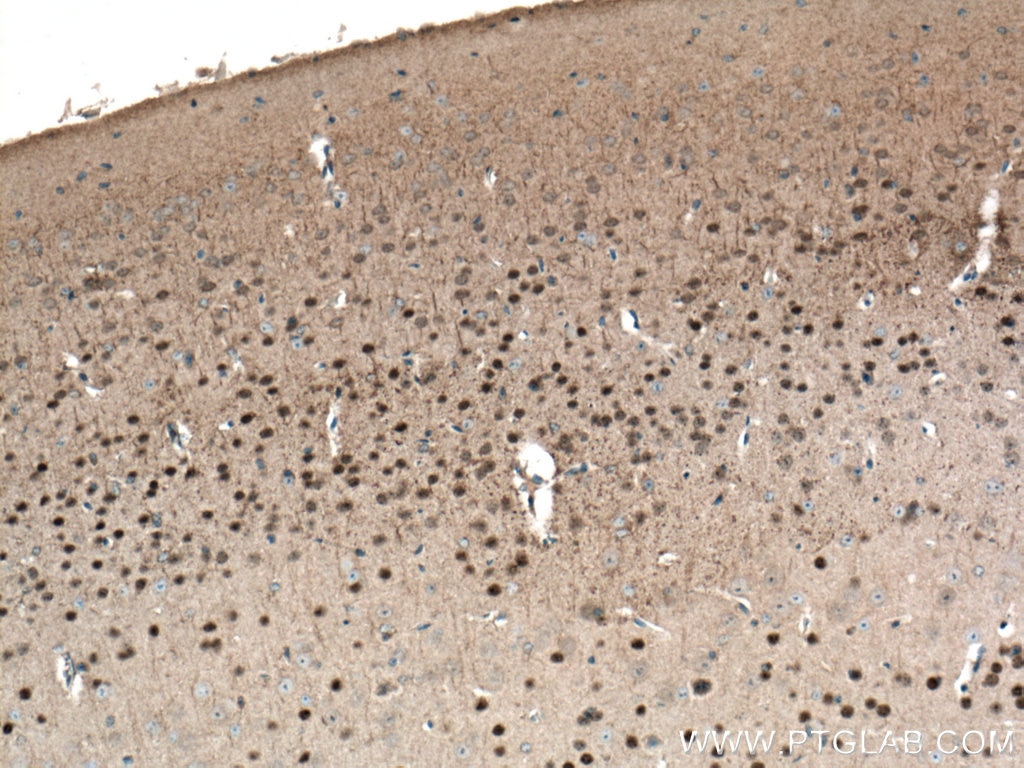
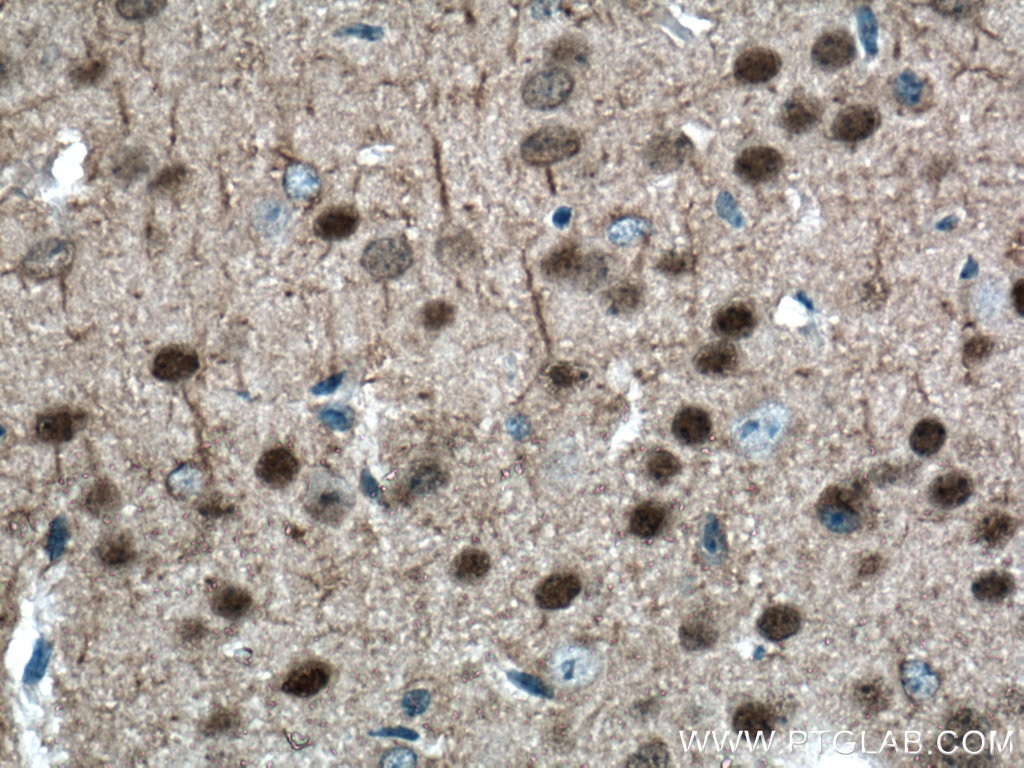
| Positive IHC detected in | mouse brain tissue Note: suggested antigen retrieval with TE buffer pH 9.0; (*) Alternatively, antigen retrieval may be performed with citrate buffer pH 6.0 |
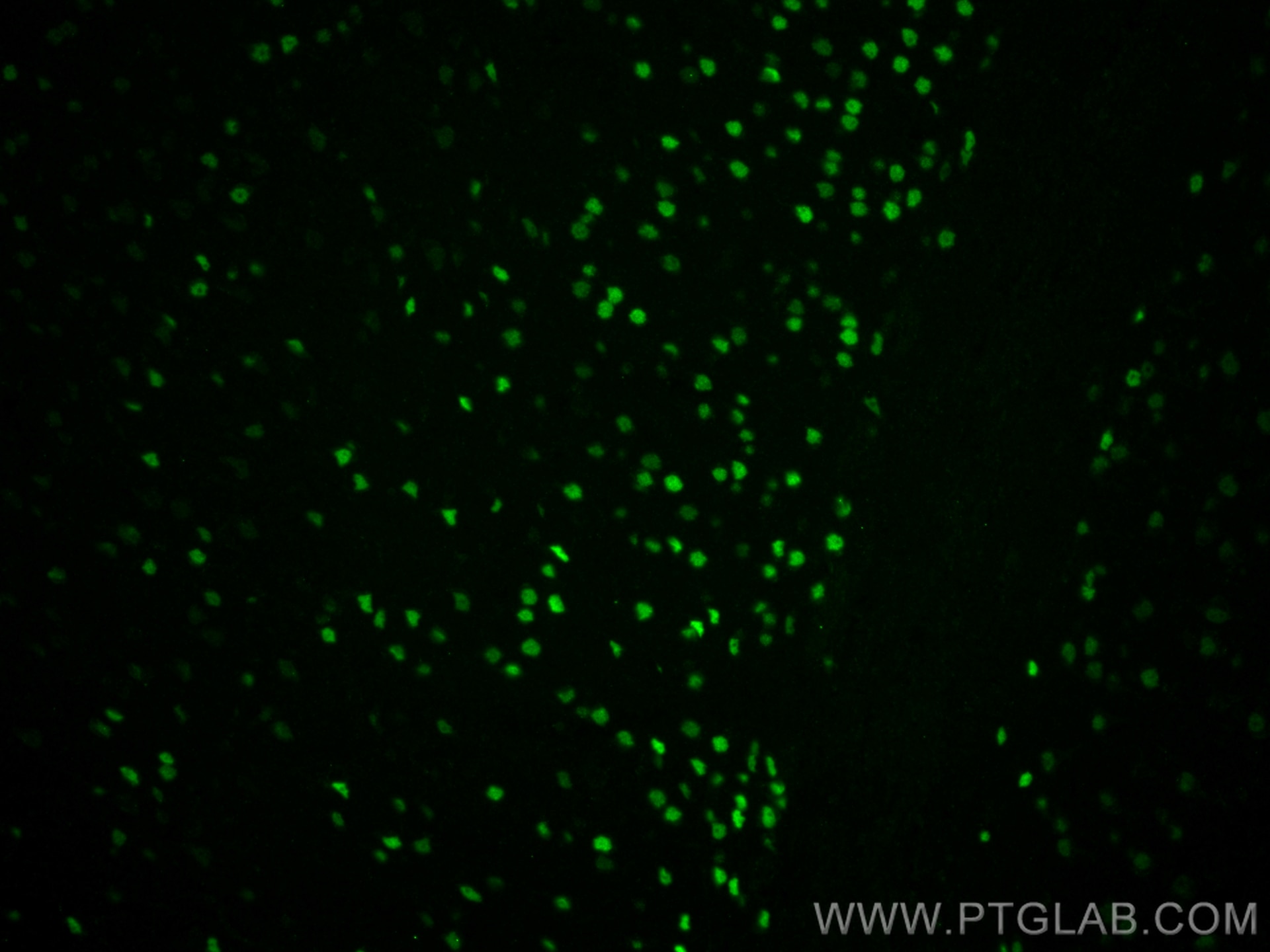
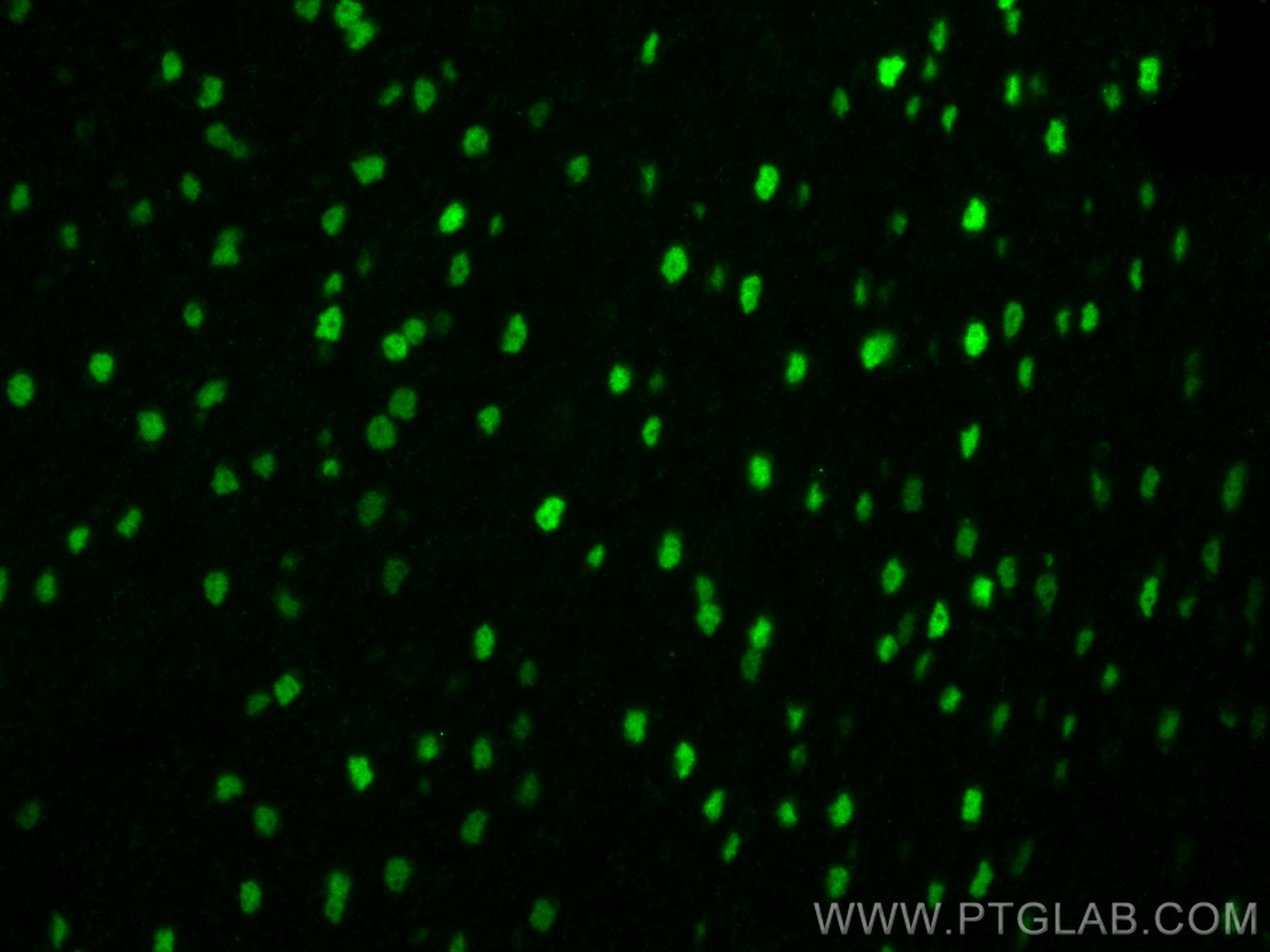
| Positive IF-P detected in | mouse brain tissue |
Recommended dilution
| Application | Dilution |
|---|---|
| Western Blot (WB) | WB : 1:2000-1:12000 |
| Immunohistochemistry (IHC) | IHC : 1:50-1:500 |
| Immunofluorescence (IF)-P | IF-P : 1:200-1:800 |
| It is recommended that this reagent should be titrated in each testing system to obtain optimal results. | |
| Sample-dependent, Check data in validation data gallery. | |
Product Information
66564-1-Ig targets TBR1 in WB, IHC, IF-P, ELISA applications and shows reactivity with human, mouse, rat, pig samples.
| Tested Reactivity | human, mouse, rat, pig |
| Cited Reactivity | human, mouse, rat |
| Host / Isotype | Mouse / IgG1 |
| Class | Monoclonal |
| Type | Antibody |
| Immunogen |
CatNo: Ag15262 Product name: Recombinant human TBR1 protein Source: e coli.-derived, PET28a Tag: 6*His Domain: 1-196 aa of BC104844 Sequence: MQLEHCLSPSIMLSKKFLNVSSSYPHSGGSELVLHDHPIISTTDNLERSSPLKKITRGMTNQSDTDNFPDSKDSPGDVQRSKLSPVLDGVSELRHSFDGSAADRYLLSQSSQPQSAATAPSAMFPYPGQHGPAHPAFSIGSPSRYMAHHPVITNGAYNSLLSNSSPQGYPTAGYPYPQQYGHSYQGAPFYQFSSTQ Predict reactive species |
| Full Name | T-box, brain, 1 |
| Calculated Molecular Weight | 682 aa, 74 kDa |
| Observed Molecular Weight | 74 kDa |
| GenBank Accession Number | BC104844 |
| Gene Symbol | TBR1 |
| Gene ID (NCBI) | 10716 |
| RRID | AB_2881925 |
| Conjugate | Unconjugated |
| Form | Liquid |
| Purification Method | Protein G purification |
| UNIPROT ID | Q16650 |
| Storage Buffer | PBS with 0.02% sodium azide and 50% glycerol, pH 7.3. |
| Storage Conditions | Store at -20°C. Stable for one year after shipment. Aliquoting is unnecessary for -20oC storage. 20ul sizes contain 0.1% BSA. |
Background Information
TBR1, also named T-box brain protein 1, is a 682 amino acid protein, which contains one T-box DNA-binding domain and localizes in the nucleus. TBR1 is expressed in the brain and as a transcriptional regulator is involved in developmental processes. TBR1 is required for normal brain development.
Protocols
| Product Specific Protocols | |
|---|---|
| IF protocol for TBR1 antibody 66564-1-Ig | Download protocol |
| IHC protocol for TBR1 antibody 66564-1-Ig | Download protocol |
| WB protocol for TBR1 antibody 66564-1-Ig | Download protocol |
| Standard Protocols | |
|---|---|
| Click here to view our Standard Protocols |
Publications
What published studies show
The TBR1 Monoclonal antibody (5C3A5), catalog number 66564-1-Ig, has 13 citations published in journals including Cell, Nature Communications, EMBO Journal, Translational Psychiatry, Annals of Neurology, Journal of Hazardous Materials, Biomolecules, PLoS One, Biochemical and Biophysical Research Communications, Journal of Anatomy, Cell Reports, and eLife. The research fields span neuroscience, brain development, neurogenesis, neuronal dynamics, epilepsy, microcephaly, cortical excitability, and neurodevelopment.
| Species | Application | Title |
|---|---|---|
Cell Intravital observation of neuronal and immune cell dynamics in the developing mammalian brain. | ||
Nat Commun iPSC-derived models of PACS1 syndrome reveal transcriptional and functional deficits in neuron activity | ||
Nat Commun LPA signaling acts as a cell-extrinsic mechanism to initiate cilia disassembly and promote neurogenesis. | ||
J Hazard Mater Effects of nanoplastic exposure during pregnancy and lactation on neurodevelopment of rat offspring | ||
EMBO J Centrosome defects cause microcephaly by activating the 53BP1-USP28-TP53 mitotic surveillance pathway. | ||









