

Tested Applications
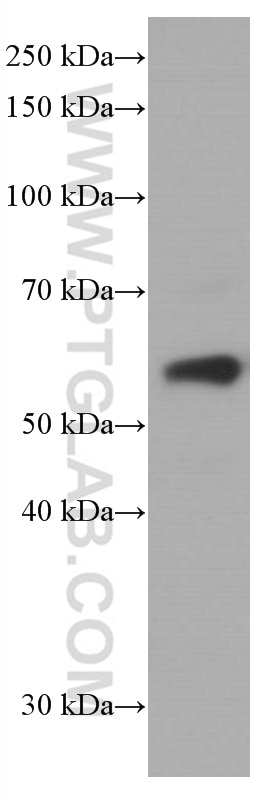
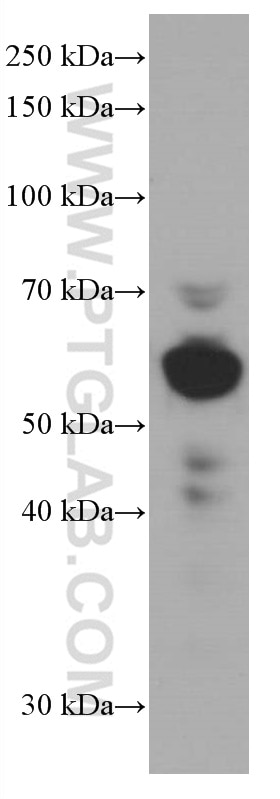
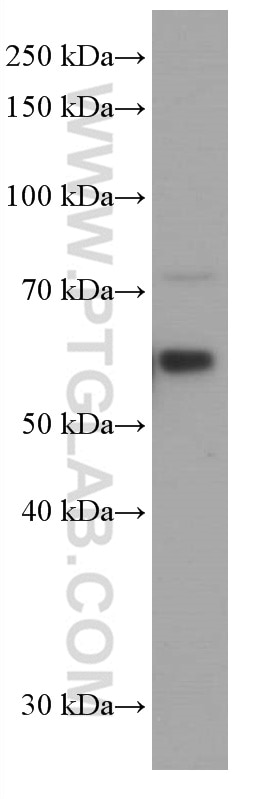
| Positive WB detected in | HepG2 cells, HEK-293 cells, NCCIT cell |
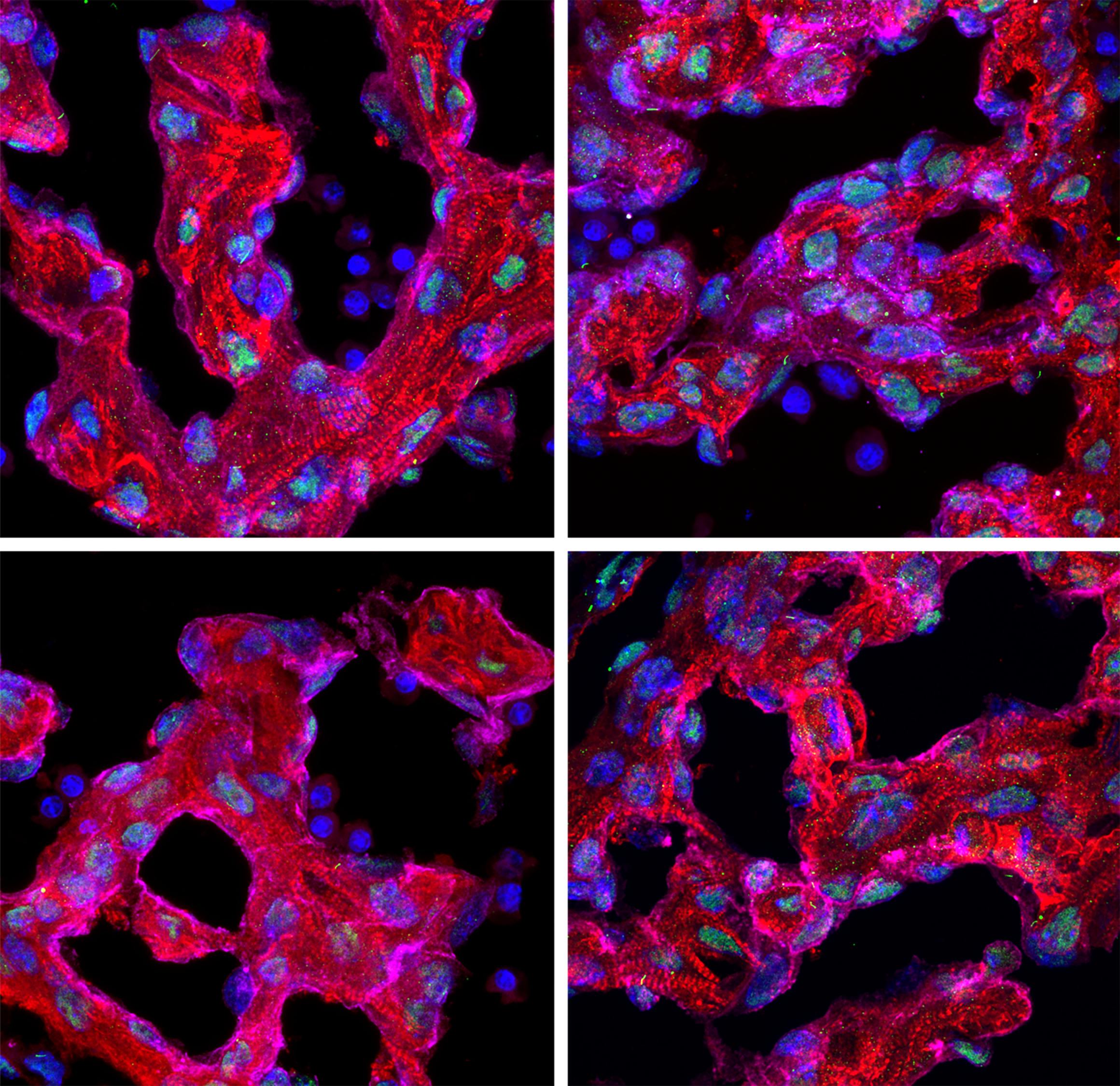
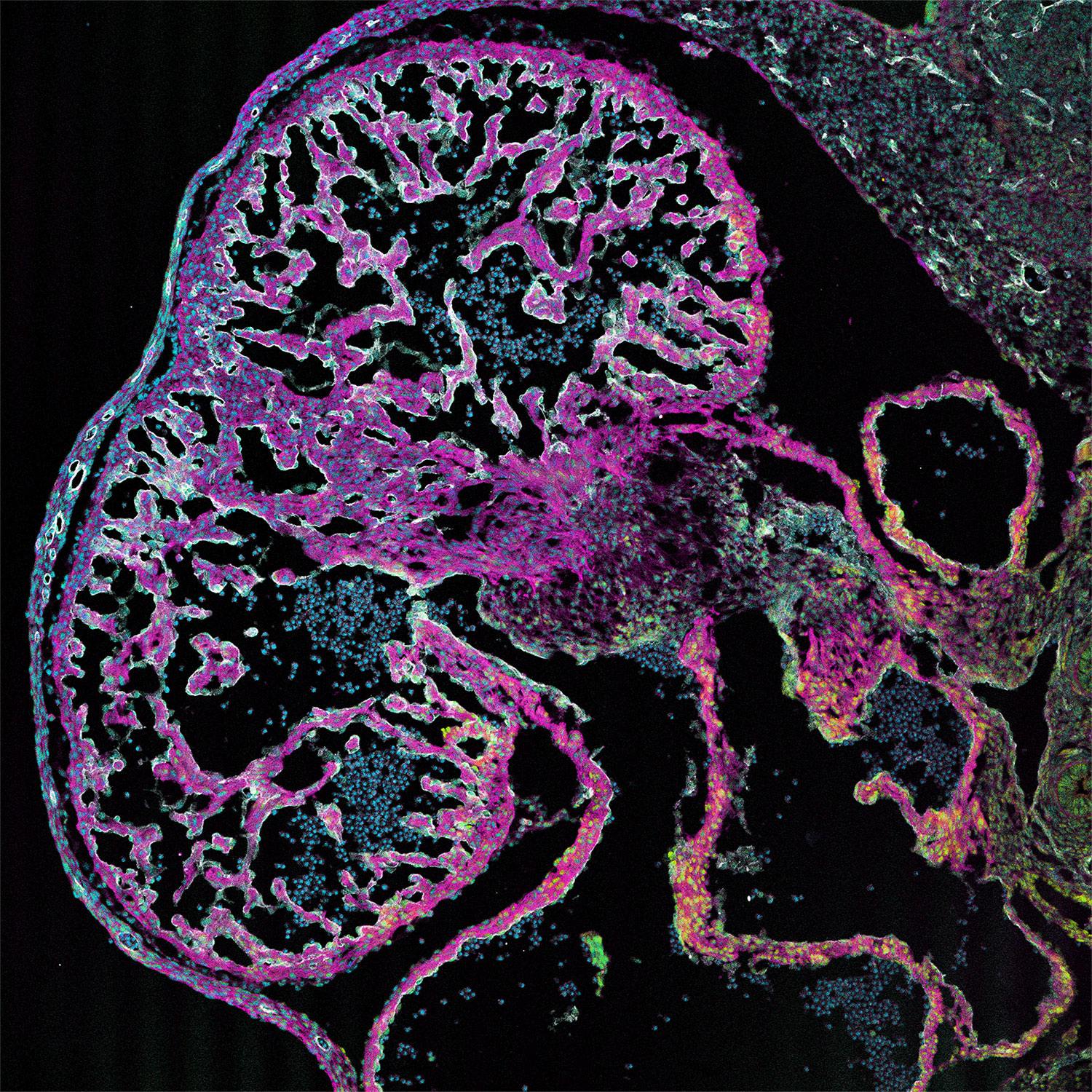
| Positive IF-Fro detected in | mouse heart tissue |
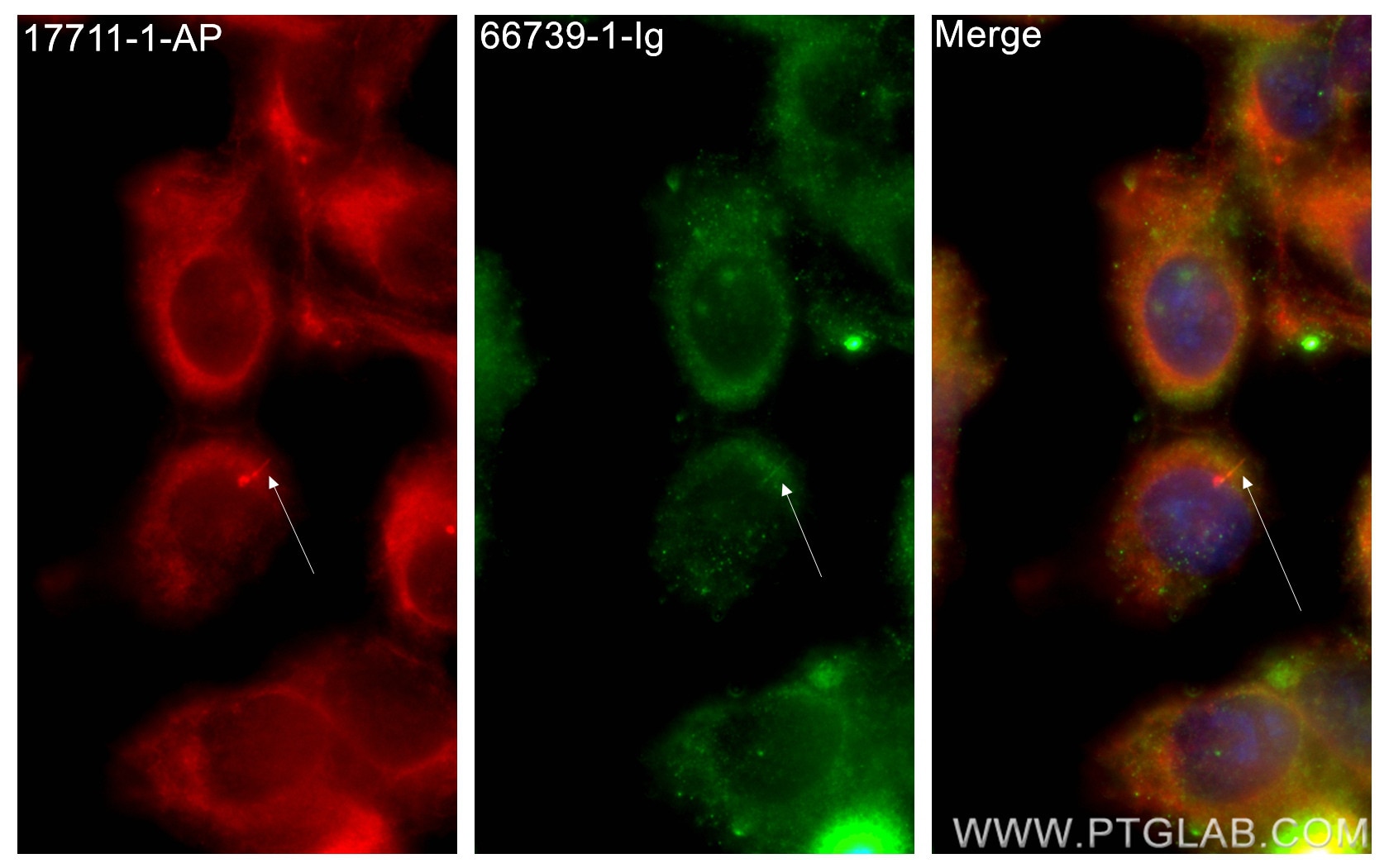
| Positive IF/ICC detected in | hTERT-RPE1 cells |
Recommended dilution
| Application | Dilution |
|---|---|
| Western Blot (WB) | WB : 1:1000-1:6000 |
| Immunofluorescence (IF)-FRO | IF-FRO : 1:50-1:500 |
| Immunofluorescence (IF)/ICC | IF/ICC : 1:400-1:1600 |
| It is recommended that this reagent should be titrated in each testing system to obtain optimal results. | |
| Sample-dependent, Check data in validation data gallery. | |
Product Information
66739-1-Ig targets ARL13B in WB, IHC, IF/ICC, IF-Fro, ELISA applications and shows reactivity with human, mouse, pig, canine samples.
| Tested Reactivity | human, mouse, pig, canine |
| Cited Reactivity | human, mouse, rat |
| Host / Isotype | Mouse / IgG2a |
| Class | Monoclonal |
| Type | Antibody |
| Immunogen |
CatNo: Ag12031 Product name: Recombinant human ARL13B protein Source: e coli.-derived, PET28a Tag: 6*His Domain: 1-321 aa of BC094725 Sequence: MFSLMASCCGWFKRWREPVRLANKQDKEGALGEADVIECLSLEKLVNEHKCLCQIEPCSAISGYGKKIDKSIKKGLYWLLHVIARDFDALNERIQKETTEQRALEEQEKQERAERVRKLREERKQNEQEQAELDGTSGLAELDPEPTNPFQPIASVIIENEGKLEREKKNQKMEKDSDGCHLKHKMEHEQIETQGQVNHNGQKNNEFGLVENYKEALTQQLKNEDETDRPSLESANGKKKTKKLRMKRNHRVEPLNIDDCAPESPTPPPPPPPVGWGTPKVTRLPKLEPLGETHHNDFYRKPLPPLAVPQRPNSDAHDVIS Predict reactive species |
| Full Name | ADP-ribosylation factor-like 13B |
| Calculated Molecular Weight | 48 kDa |
| Observed Molecular Weight | 60 kDa |
| GenBank Accession Number | BC094725 |
| Gene Symbol | ARL13B |
| Gene ID (NCBI) | 200894 |
| RRID | AB_2882088 |
| Conjugate | Unconjugated |
| Form | Liquid |
| Purification Method | Protein A purification |
| UNIPROT ID | Q3SXY8 |
| Storage Buffer | PBS with 0.02% sodium azide and 50% glycerol, pH 7.3. |
| Storage Conditions | Store at -20°C. Stable for one year after shipment. Aliquoting is unnecessary for -20oC storage. 20ul sizes contain 0.1% BSA. |
Background Information
ARL13B, also named as ARL2L1, is a small ciliary G protein of the Ras superfamily. Localized in the cilia, it is required for cilium biogenesis and sonic hedgehog signaling. Defects in ARL13B are the cause of Joubert syndrome (JS) which is an autosomal recessive disorder characterized by a distinctive cerebellar malformation (PMID: 19906870). Arl13b is predicted to be a 48 kDa protein, and the 60 kDa band is likely to represent a modified form of Arl13b. ARL13B can be used to mark the cilia (PMID:22072986).
Protocols
| Product Specific Protocols | |
|---|---|
| IF protocol for ARL13B antibody 66739-1-Ig | Download protocol |
| WB protocol for ARL13B antibody 66739-1-Ig | Download protocol |
| Standard Protocols | |
|---|---|
| Click here to view our Standard Protocols |
Publications
What published studies show
The ARL13B Monoclonal antibody (1H6C3), catalog number 66739-1-Ig, has 34 citations. These appear in journals including Cell, Nature Communications, Molecular Cell, Science Advances, Cell Reports, Development, eLife, Journal of Cell Science, Molecular Biology of the Cell, and Oncology Reports, among others. Research fields span ciliogenesis, ciliopathies (e.g., Joubert syndrome), Hedgehog signaling, autophagy, neuronal development, kidney disease, and cancer biology.
| Species | Application | Title |
|---|---|---|
Nat Commun The AMPK-Sirtuin 1-YAP axis is regulated by fluid flow intensity and controls autophagy flux in kidney epithelial cells | ||
Nat Commun INTS13 variants causing a recessive developmental ciliopathy disrupt assembly of the Integrator complex | ||
Sci Adv CEP76 impairment at the centrosome-cilium interface contributes to a spectrum of ciliopathies. | ||
Sci Adv Golgi-localized phosphatidylinositol 4-kinase β mediates Rab11a activation and trafficking to promote ciliogenesis. |
Reviews
What customers say
Users report this mouse monoclonal ARL13B antibody performs well in immunofluorescence and immunohistochemistry, providing specific cilia staining with low background. It is valued as a species-matched alternative to the rabbit polyclonal ARL13B (17711-1-AP), enabling multiplexing and co-staining experiments. Staining intensity is generally comparable to, though occasionally slightly lower than, the rabbit counterpart. One reviewer noted the antibody requires a relatively high working concentration. Overall, it is regarded as a reliable and specific ciliary marker for both fixed cells and FFPE tissues.
The reviews below have been submitted by verified Proteintech customers who received an incentive for providing their feedback.
Zahra (Verified Customer) (02-11-2026) | This is a great antibody - we bought it as an alternative to the polyclonal ARL13B antibody from Proteintech, as we needed a different species for multiplexing. It works well!
|
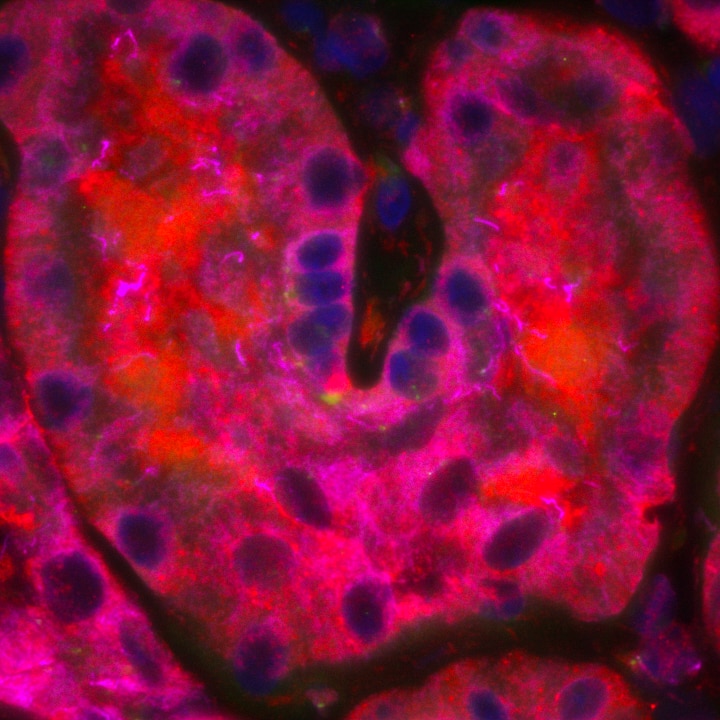
Lindsey (Verified Customer) (05-24-2021) | I much prefer the Rabbit polyclonal ARL13B (Cat#17711-I-AP) but it is really nice to have an Arl13B Mouse monoclonal for use in co-stains with other targets. I wish it didn't have to be used at such a high working concentration!
 |
Feng-Qian (Verified Customer) (04-04-2019) | This antibody works for detecting primary cilia in MEFs with low background. The intensity is lower than the Arl13B rabbit antibody (17711-1-AP) in general but specific.
|
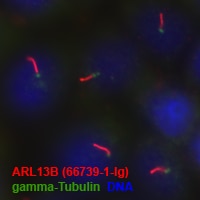
Francesc (Verified Customer) (11-07-2018) | This antibody works beautifully, staining cilia with high intensity and specificity, as expected for ARL13B.The staining with 66739-1-Ig appears as good as that obtained with the highly validated Proteintech's rabbit anti-ARL13B (17711-1-AP).This mouse anti-ARL13B makes for a great ciliary marker.
 |







