
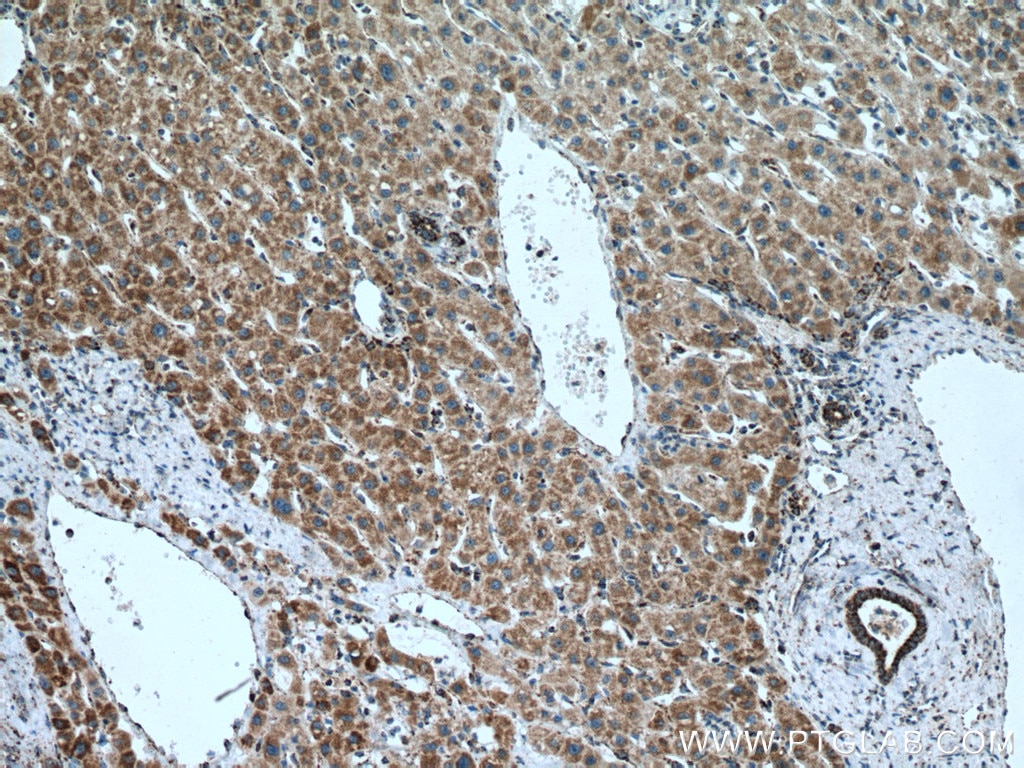

Tested Applications
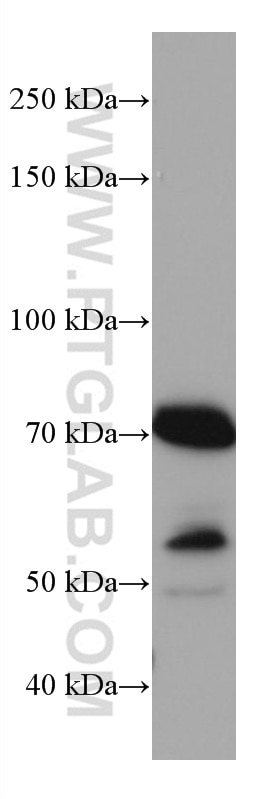
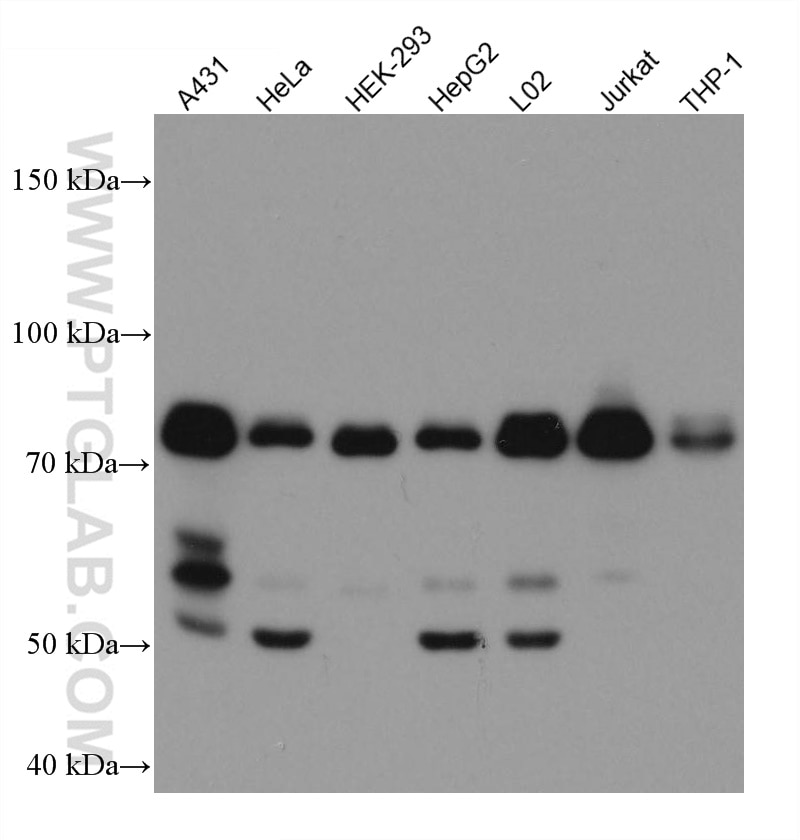
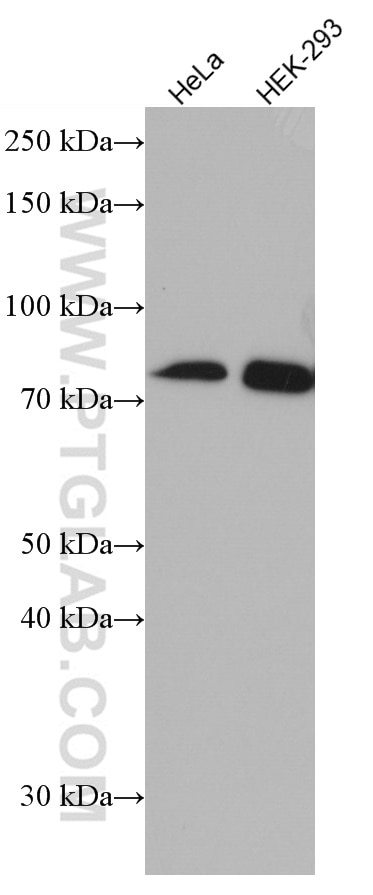
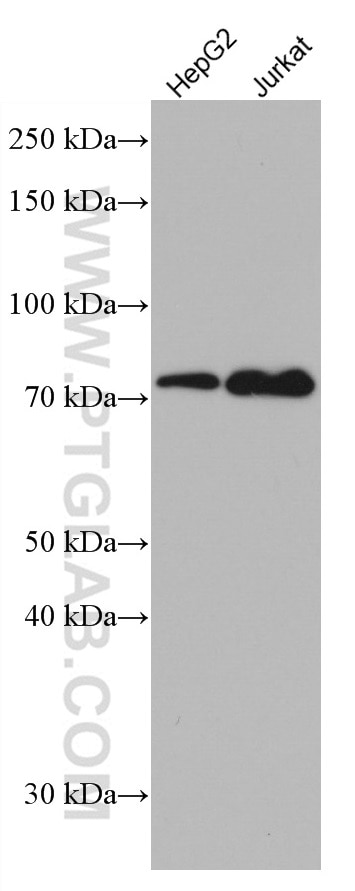
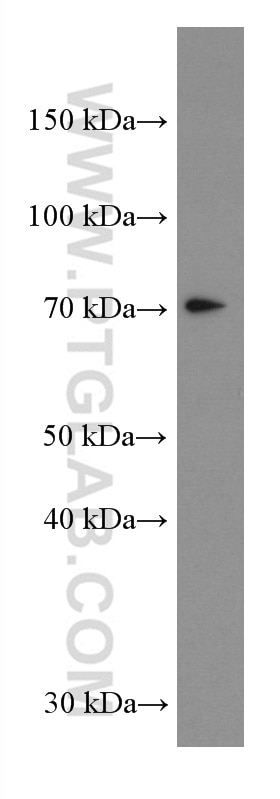
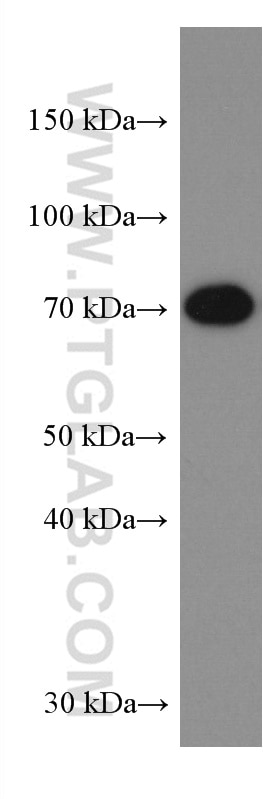
| Positive WB detected in | A431 cells, HeLa cells, HepG2 cells, Jurkat cells, L02 cells, HEK-293 cells, THP-1cells |
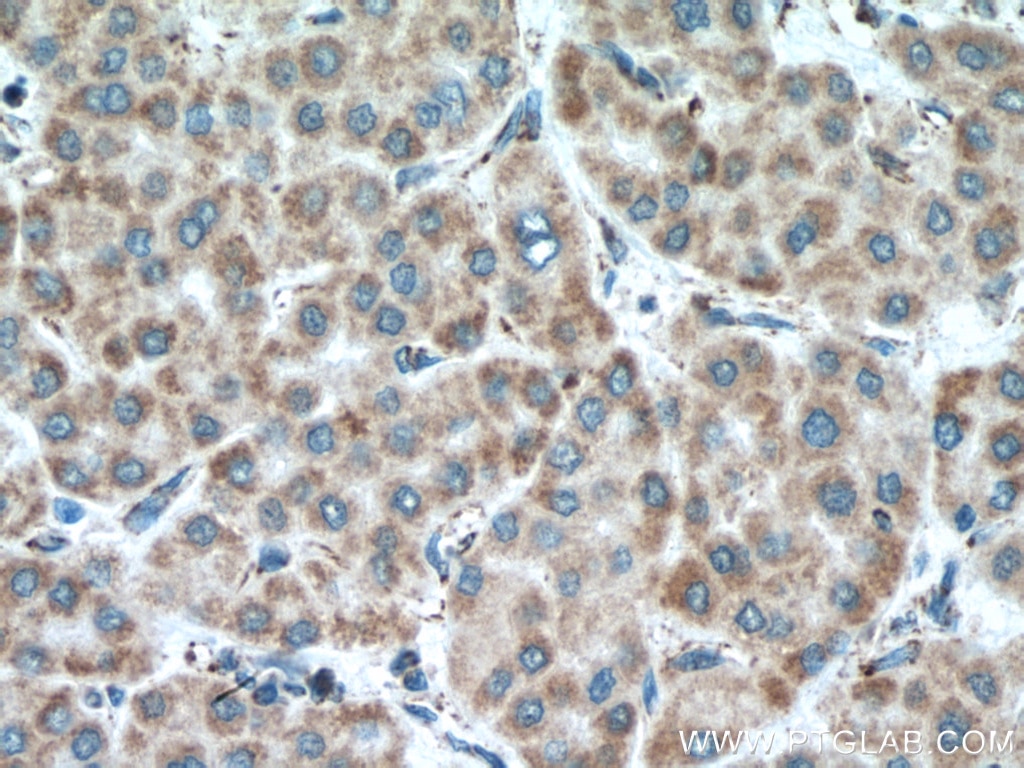
| Positive IHC detected in | human liver cancer tissue Note: suggested antigen retrieval with TE buffer pH 9.0; (*) Alternatively, antigen retrieval may be performed with citrate buffer pH 6.0 |
Recommended dilution
| Application | Dilution |
|---|---|
| Western Blot (WB) | WB : 1:5000-1:50000 |
| Immunohistochemistry (IHC) | IHC : 1:550-1:2200 |
| It is recommended that this reagent should be titrated in each testing system to obtain optimal results. | |
| Sample-dependent, Check data in validation data gallery. | |
Product Information
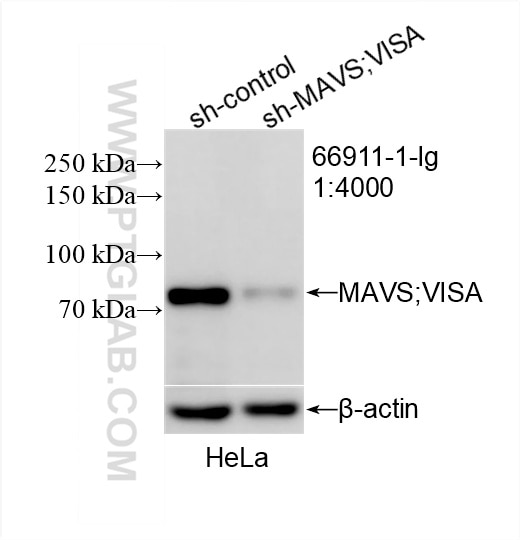
66911-1-Ig targets MAVS; VISA in WB, IHC, IF, IP, CoIP, ELISA applications and shows reactivity with human samples.
| Tested Reactivity | human |
| Cited Reactivity | human, mouse, pig, monkey |
| Host / Isotype | Mouse / IgG1 |
| Class | Monoclonal |
| Type | Antibody |
| Immunogen |
CatNo: Ag5949 Product name: Recombinant human MAVS; VISA protein Source: e coli.-derived, PET28a Tag: 6*His Domain: 1-347 aa of BC044952 Sequence: MPFAEDKTYKYICRNFSNFCNVDVVEILPYLPCLTARDQDRLRATCTLSGNRDTLWHLFNTLQRRPGWVEYFIAALRGCELVDLADEVASVYESYQPRTSDRPPDPLEPPSLPAERPGPPTPAAAHSIPYNSCREKEPSYPMPVQETQAPESPGENSEQALQTLSPRAIPRNPDGGPLESSSDLAALSPLTSSGHQEKDTELGSTHTAGATSSLTPSRGPVSPSVSFQPLARSTPRASRLPGPTGSVVSTGTSFSSSSPGLASAGAAEGKQGAESDQAEPIICSSGAEAPANSLPSKVPTTLMPVNTVALKVPANPASVSTVPSKLPTSSKPPGAVPSNALTNPAPS Predict reactive species |
| Full Name | mitochondrial antiviral signaling protein |
| Calculated Molecular Weight | 57 kDa |
| Observed Molecular Weight | 50-55 kDa, 70-75 kDa |
| GenBank Accession Number | BC044952 |
| Gene Symbol | MAVS |
| Gene ID (NCBI) | 57506 |
| RRID | AB_2882238 |
| Conjugate | Unconjugated |
| Form | Liquid |
| Purification Method | Protein G purification |
| UNIPROT ID | Q7Z434 |
| Storage Buffer | PBS with 0.02% sodium azide and 50% glycerol, pH 7.3. |
| Storage Conditions | Store at -20°C. Stable for one year after shipment. Aliquoting is unnecessary for -20oC storage. 20ul sizes contain 0.1% BSA. |
Background Information
Mitochondrial antiviral-signaling protein (MAVS) is also known as virus-induced-signaling adapter (VISA) or IFN beta promoter stimulator protein 1 (IPS-1), it is widely involved and required for innate immune defense against viruses. MAVS, present in T cells, monocytes, epithelial cells and hepatocytes, contains CARD and transmembrane domains which are essential for antiviral functions. MAVS is able to interact with various cellular proteins including DDX58/RIG-I, IFIH1/MDA5, TRAF2, TRAF6, TMEM173/MITA, IFIT3 and etc. It can undergoe phosphorylation on multiple sites and ubiquitination, which may together cause the molecular weight migrate to about 70 kDa despite the predicated 57 kDa.
Protocols
| Product Specific Protocols | |
|---|---|
| IHC protocol for MAVS; VISA antibody 66911-1-Ig | Download protocol |
| WB protocol for MAVS; VISA antibody 66911-1-Ig | Download protocol |
| Standard Protocols | |
|---|---|
| Click here to view our Standard Protocols |
Publications
What published studies show
The MAVS; VISA Monoclonal antibody (catalog number 66911-1-Ig) has 22 total citations. These appear in journals including Autophagy, Molecular Cell, Advanced Science, Cell Death & Differentiation, Journal for ImmunoTherapy of Cancer, Journal of Translational Medicine, PLoS Pathogens, FASEB Journal, Journal of Virology, Veterinary Research, Veterinary Microbiology, and Nature Communications. The research fields span innate immunity, antiviral responses, viral replication, autophagy, inflammation, and cancer immunology.
| Species | Application | Title |
|---|---|---|
Autophagy Bunyavirus SFTSV nucleoprotein exploits tufm-mediated mitophagy to impair antiviral innate immunity | ||
Autophagy Bunyavirus SFTSV NSs utilizes autophagy to escape the antiviral innate immune response | ||
Mol Cell An Epstein-Barr virus protein interaction map reveals NLRP3 inflammasome evasion via MAVS UFMylation | ||
Adv Sci (Weinh) Carnosic Acid Directly Targets STING C-Terminal Tail to Improve STING-Mediated Inflammatory Diseases | ||
Cell Death Differ Targeting ADAR1 lactylation activates innate immune and overcomes chemoresistance in ovarian cancer. | ||
J Immunother Cancer Targeting KDM4C enhances CD8+ T cell mediated antitumor immunity by activating chemokine CXCL10 transcription in lung cancer. |










