

Tested Applications
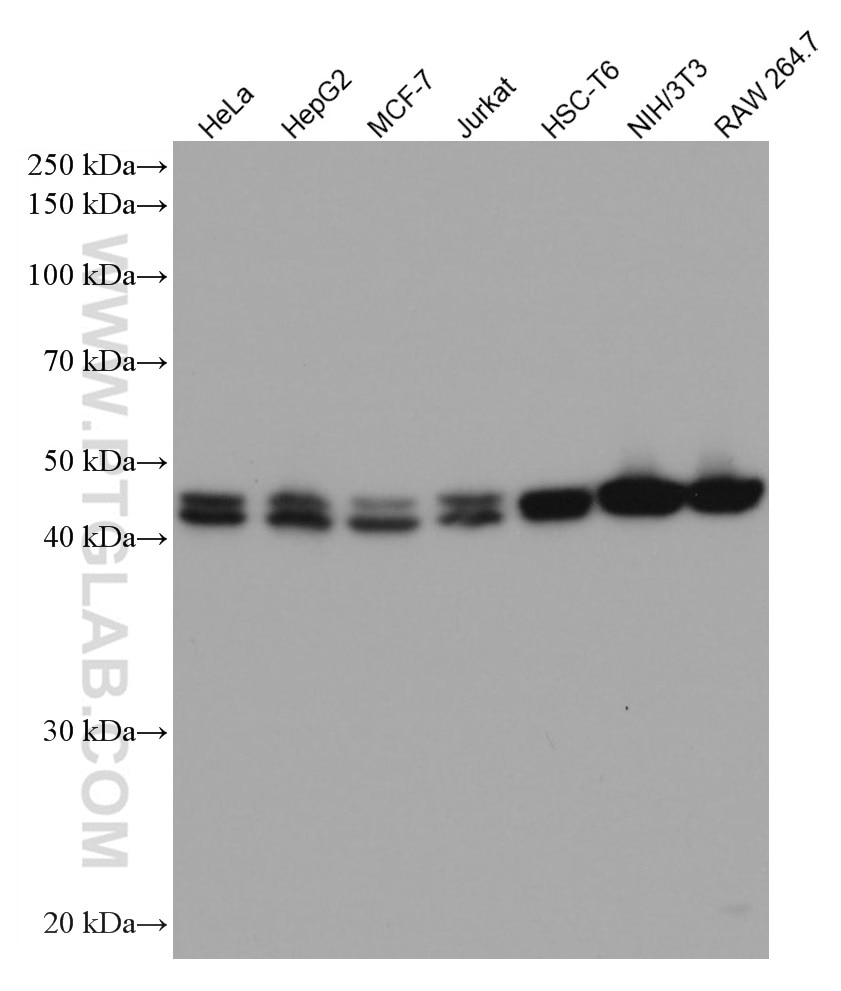
| Positive WB detected in | HeLa cells, HepG2 cells, MCF-7 cells, Jurkat cells, HSC-T6 cells, NIH/3T3 cells, RAW 264.7 cells |
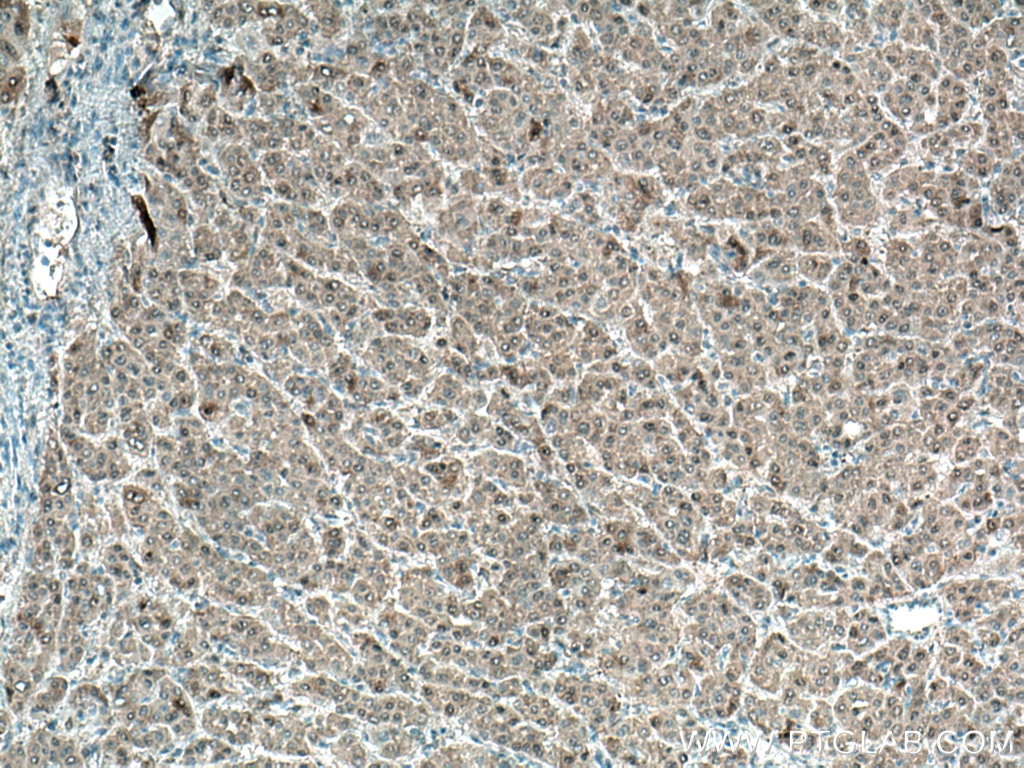
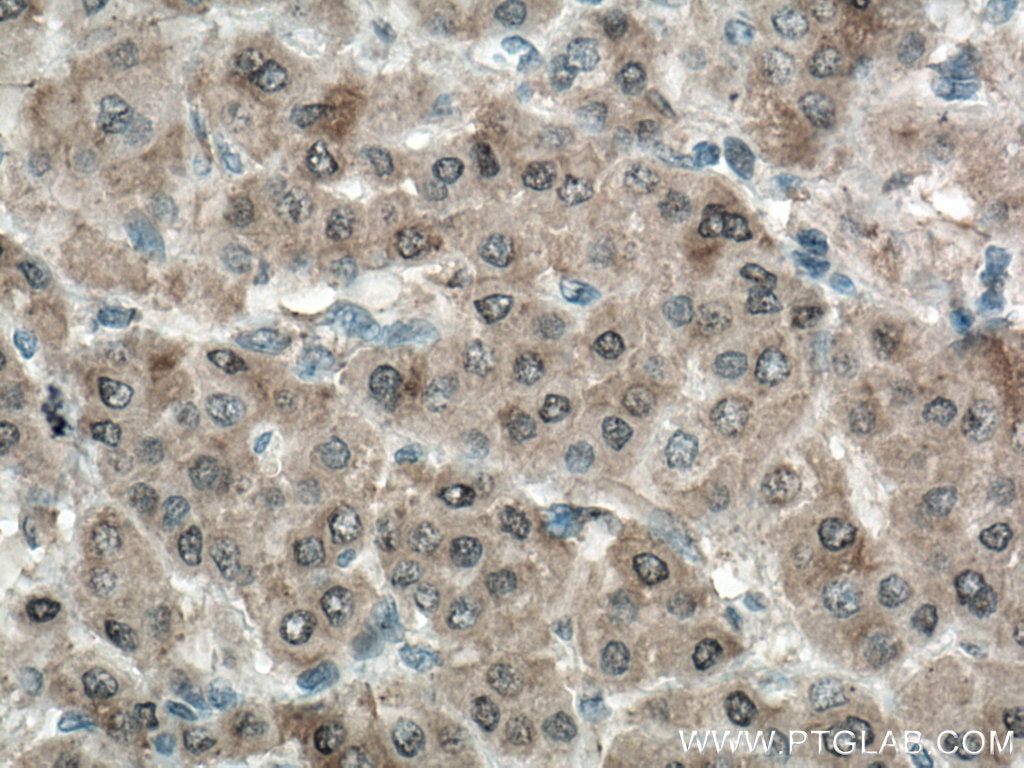
| Positive IHC detected in | human liver cancer tissue Note: suggested antigen retrieval with TE buffer pH 9.0; (*) Alternatively, antigen retrieval may be performed with citrate buffer pH 6.0 |
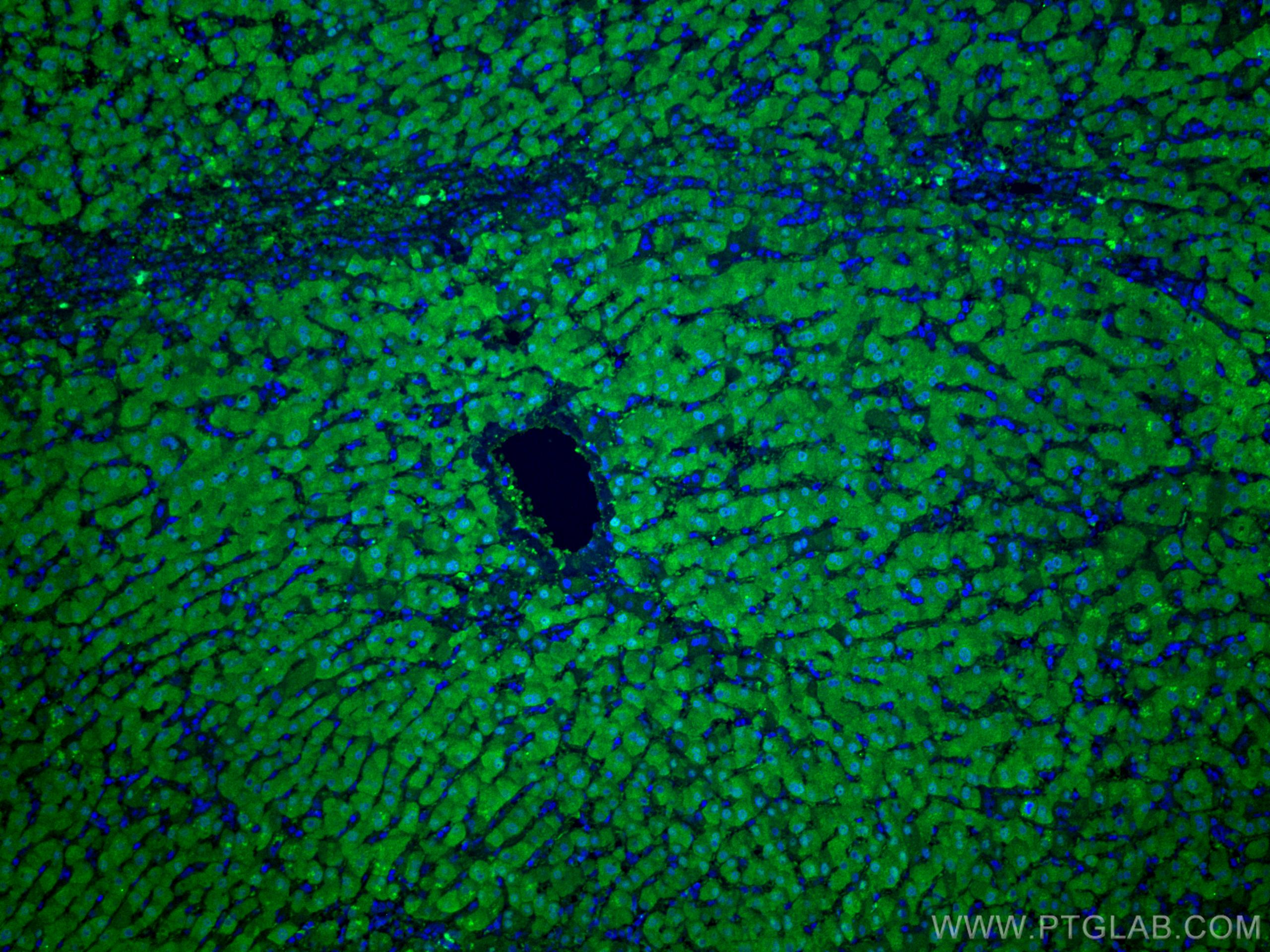
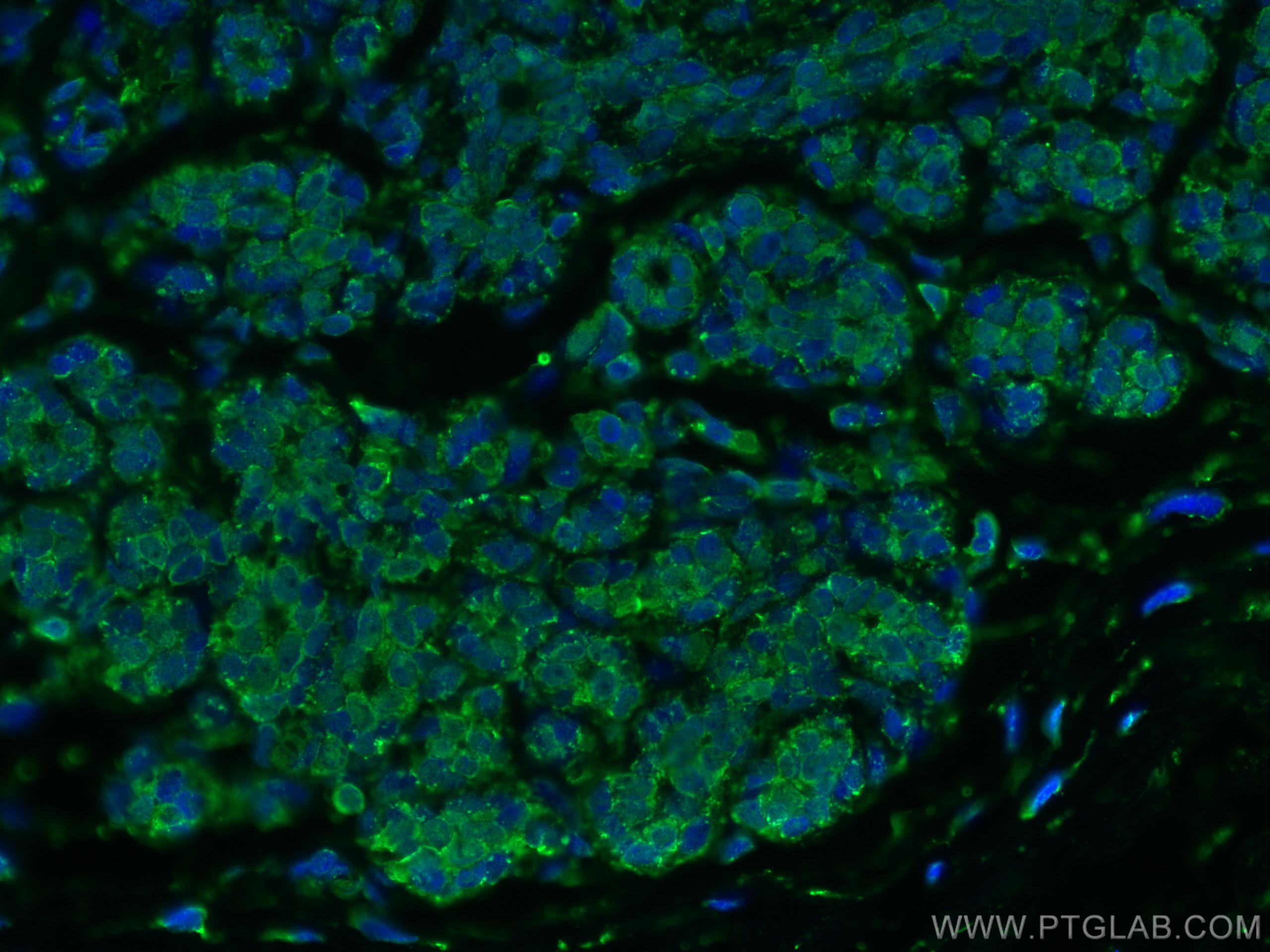
| Positive IF-P detected in | human liver cancer tissue, human breast cancer tissue |
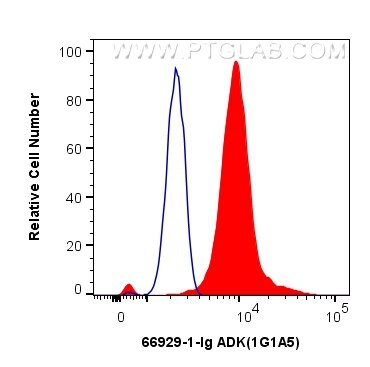
| Positive FC (Intra) detected in | NIH/3T3 cells |
Recommended dilution
| Application | Dilution |
|---|---|
| Western Blot (WB) | WB : 1:5000-1:30000 |
| Immunohistochemistry (IHC) | IHC : 1:200-1:800 |
| Immunofluorescence (IF)-P | IF-P : 1:200-1:800 |
| Flow Cytometry (FC) (INTRA) | FC (INTRA) : 0.40 ug per 10^6 cells in a 100 ul suspension |
| It is recommended that this reagent should be titrated in each testing system to obtain optimal results. | |
| Sample-dependent, Check data in validation data gallery. | |
Product Information
66929-1-Ig targets ADK in WB, IHC, IF-P, FC (Intra), ELISA applications and shows reactivity with human, mouse, rat samples.
| Tested Reactivity | human, mouse, rat |
| Cited Reactivity | human, mouse |
| Host / Isotype | Mouse / IgG1 |
| Class | Monoclonal |
| Type | Antibody |
| Immunogen |
CatNo: Ag7466 Product name: Recombinant human ADK protein Source: e coli.-derived, PET28a Tag: 6*His Domain: 1-345 aa of BC003568 Sequence: MTSVRENILFGMGNPLLDISAVVDKDFLDKYSLKPNDQILAEDKHKELFDELVKKFKVEYHAGGSTQNSIKVAQWMIQQPHKAATFFGCIGIDKFGEILKRKAAEAHVDAHYYEQNEQPTGTCAACITGDNRSLIANLAAANCYKKEKHLDLEKNWMLVEKARVCYIAGFFLTVSPESVLKVAHHASENNRIFTLNLSAPFFSQFYKESLMKVMPYVDILFGNETEAATFAREQGFETKDIKEIAKKTQALPKMNSKRQRIVIFTQGRDDTIMATESEVTAFAVLDQDQKEIIDTNGAGDAFVGGFLSQLVSDKPLTECIRAGHYAASIIIRRTGCTFPEKPDFH Predict reactive species |
| Full Name | adenosine kinase |
| Calculated Molecular Weight | 41 kDa |
| Observed Molecular Weight | 40-46 kDa |
| GenBank Accession Number | BC003568 |
| Gene Symbol | ADK |
| Gene ID (NCBI) | 132 |
| RRID | AB_2882255 |
| Conjugate | Unconjugated |
| Form | Liquid |
| Purification Method | Protein G purification |
| UNIPROT ID | P55263 |
| Storage Buffer | PBS with 0.02% sodium azide and 50% glycerol, pH 7.3. |
| Storage Conditions | Store at -20°C. Stable for one year after shipment. Aliquoting is unnecessary for -20oC storage. 20ul sizes contain 0.1% BSA. |
Protocols
| Product Specific Protocols | |
|---|---|
| FC protocol for ADK antibody 66929-1-Ig | Download protocol |
| IF protocol for ADK antibody 66929-1-Ig | Download protocol |
| IHC protocol for ADK antibody 66929-1-Ig | Download protocol |
| WB protocol for ADK antibody 66929-1-Ig | Download protocol |
| Standard Protocols | |
|---|---|
| Click here to view our Standard Protocols |
Publications
What published studies show
I'll look up the citation information for the ADK antibody (66929-1-Ig).66929-1-Ig is the ADK Monoclonal antibody. It has a total of 3 citations.
Journals:
- Gastroenterology (IF 29.7) — study on hepatocyte adenosine kinase promoting fat deposition and liver inflammation
- EMBO J (IF 8.4) — LRRK2 mRNA stability regulation in Parkinson's disease
- Cell Reports (IF 7.7) — CHCHD10-mediated metabolic rewiring in mitochondrial cardiomyopathy
Research fields: Hepatology/metabolism (fatty liver inflammation), neuroscience (Parkinson's disease), and cardiology/mitochondrial biology (cardiomyopathy). Applications included WB and IHC across human and mouse samples.
| Species | Application | Title |
|---|---|---|
Gastroenterology Hepatocyte Adenosine Kinase Promotes Excessive Fat Deposition and Liver Inflammation | ||
EMBO J Regulation of LRRK2 mRNA stability by ATIC and its substrate AICAR through ARE-mediated mRNA decay in Parkinson's disease | ||
Cell Rep Mutant CHCHD10 causes an extensive metabolic rewiring that precedes OXPHOS dysfunction in a murine model of mitochondrial cardiomyopathy. |







