
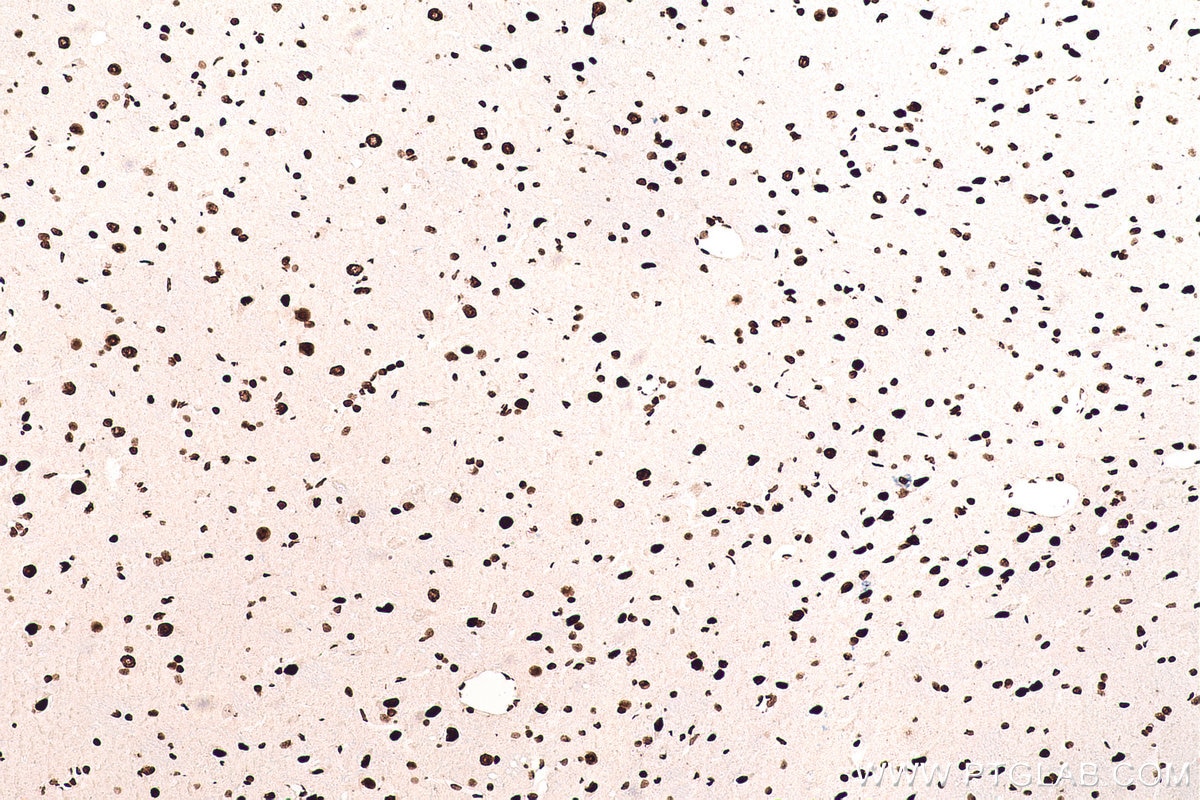
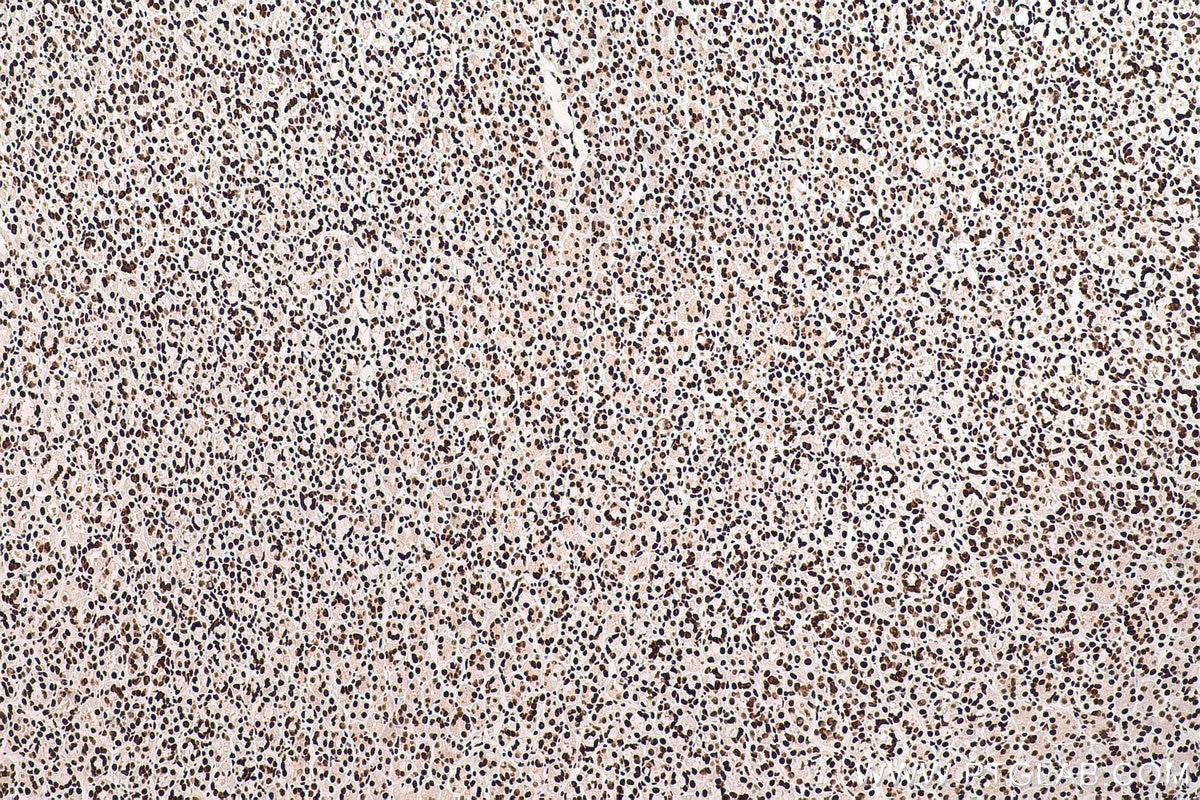
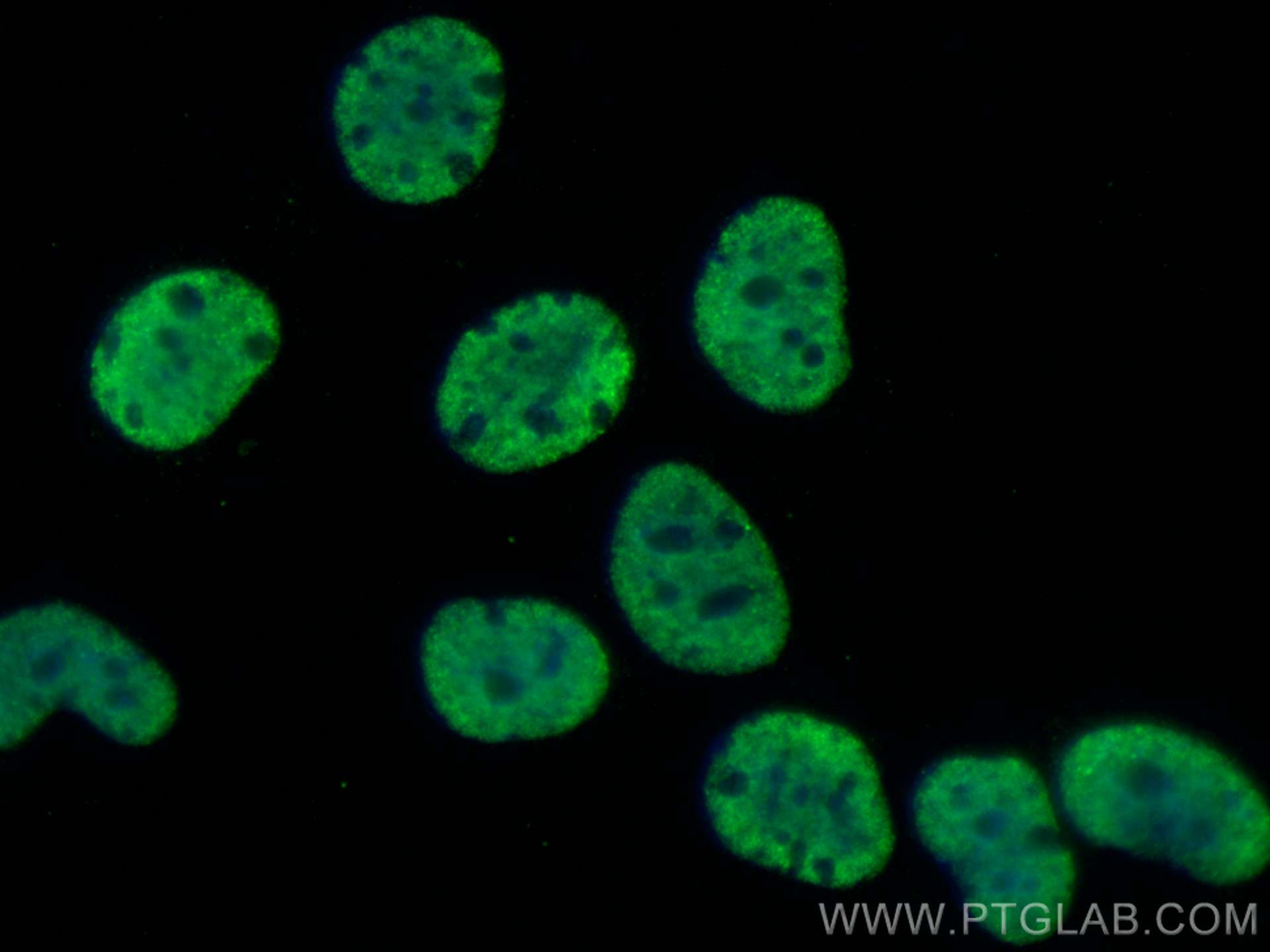
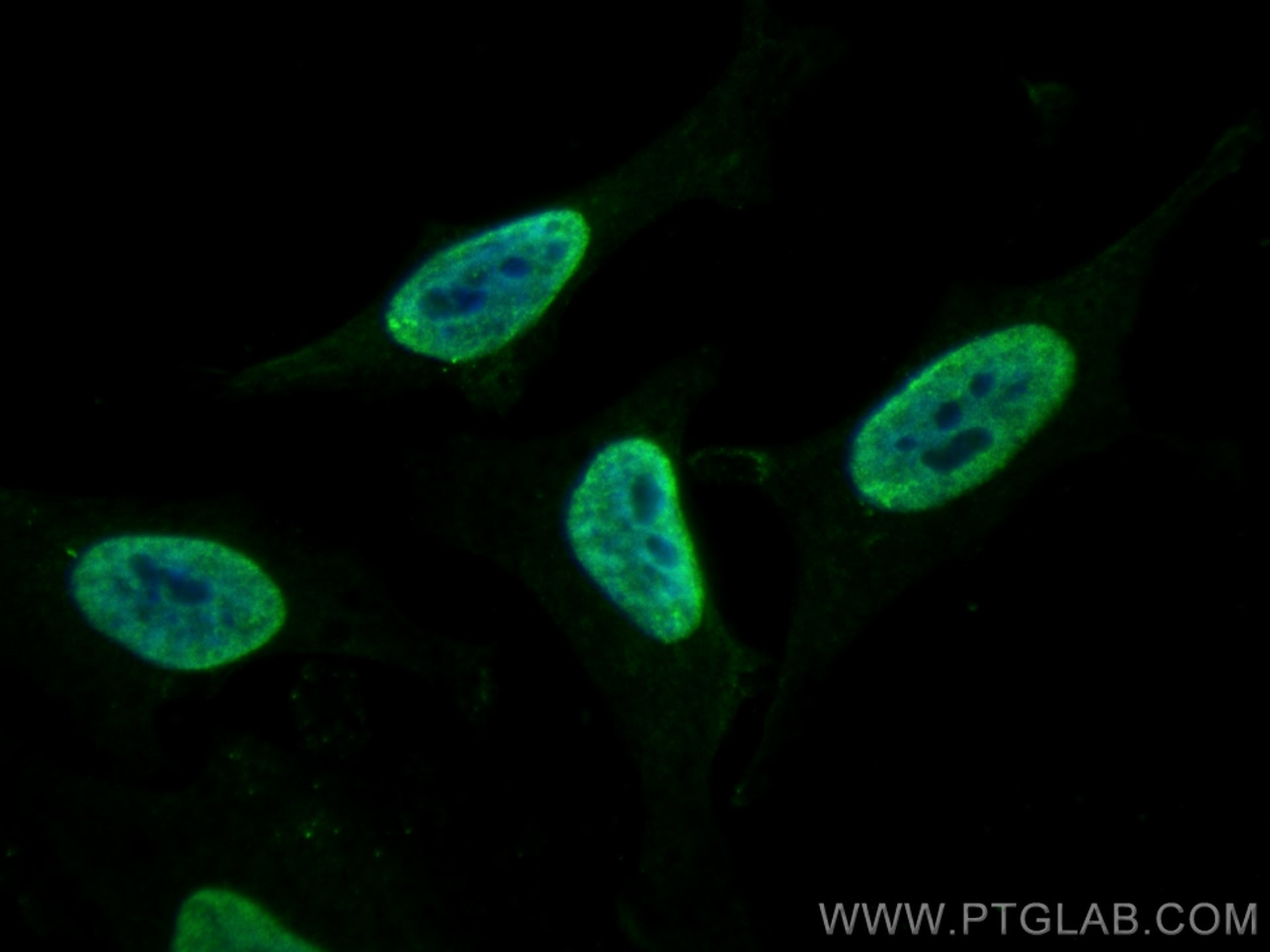

Tested Applications
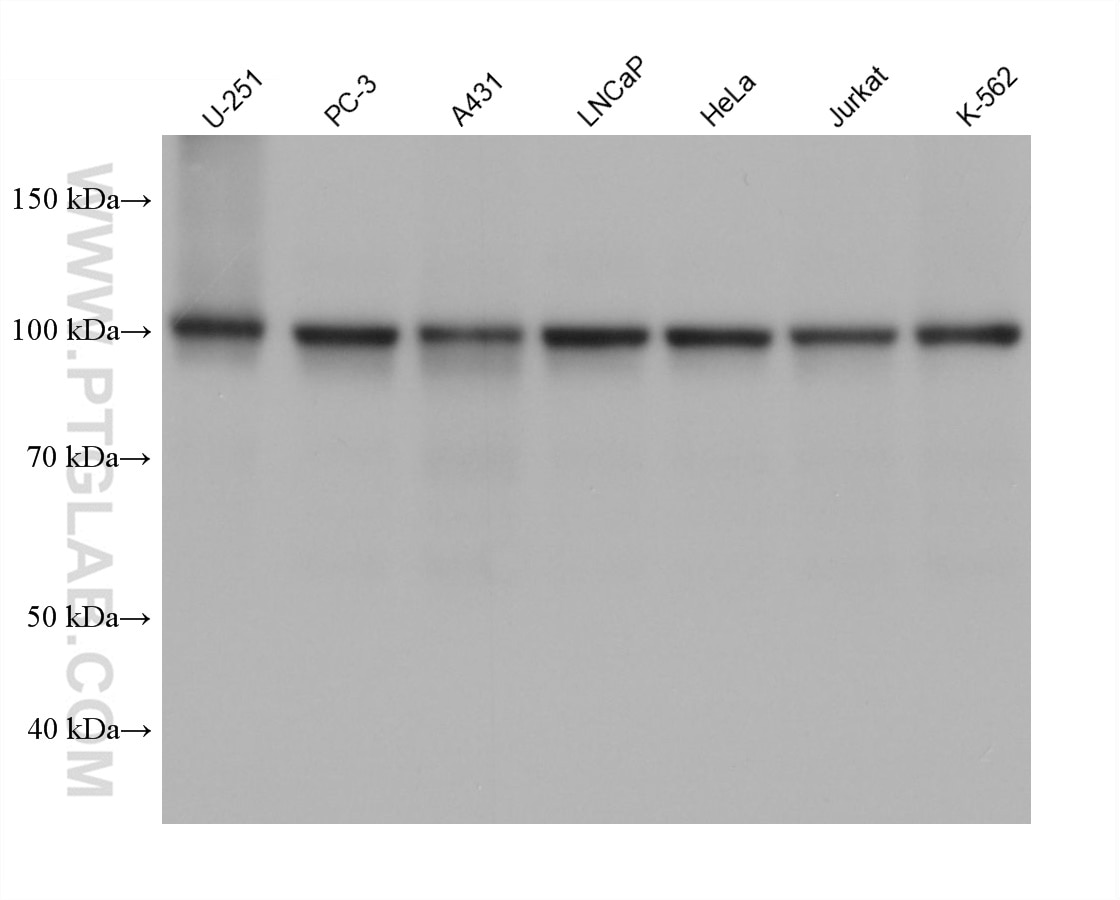
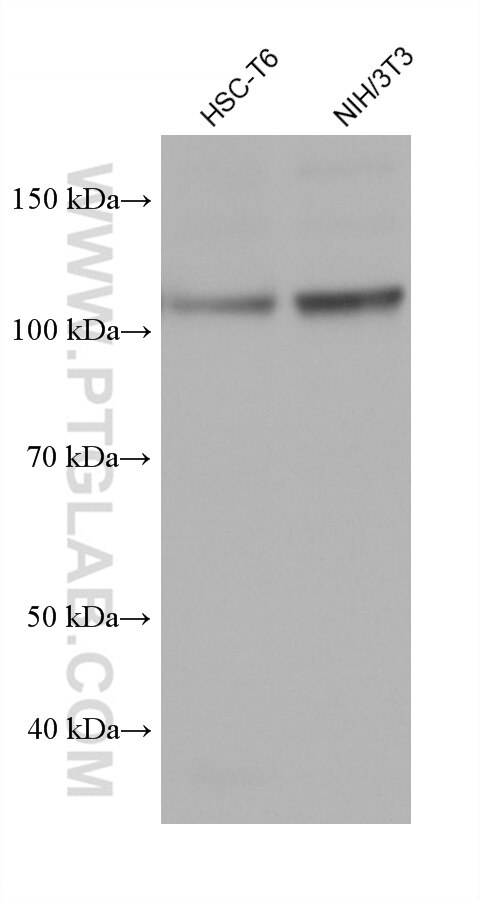
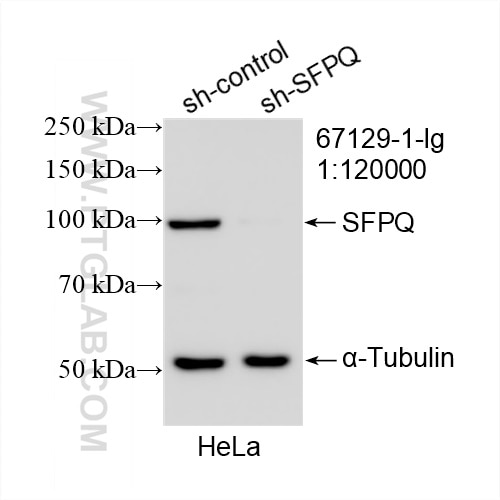
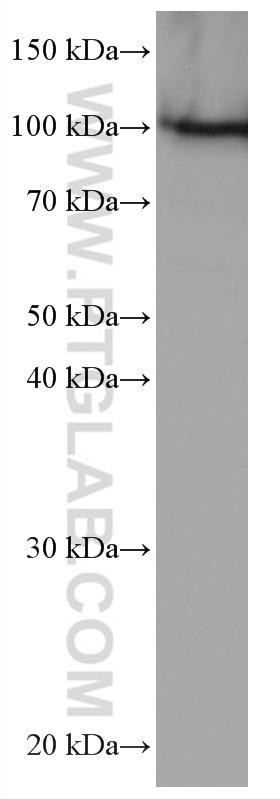
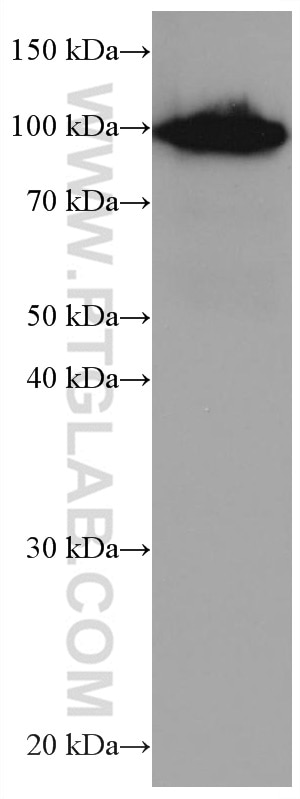
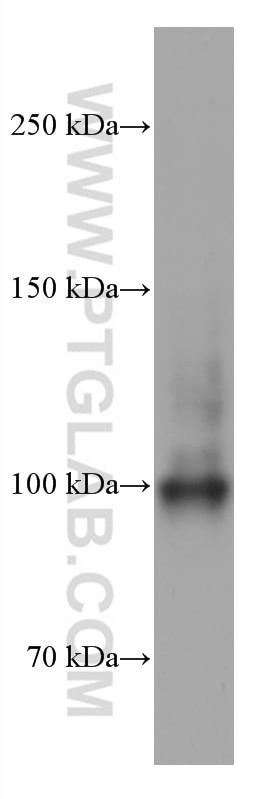
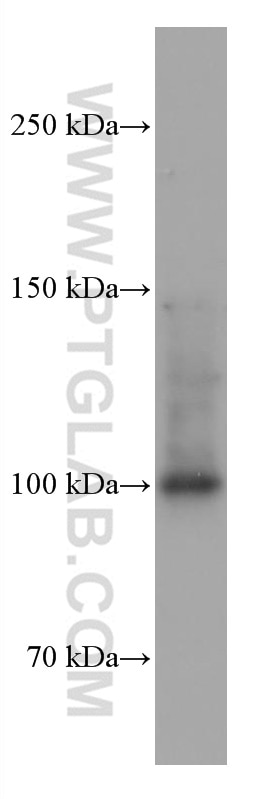
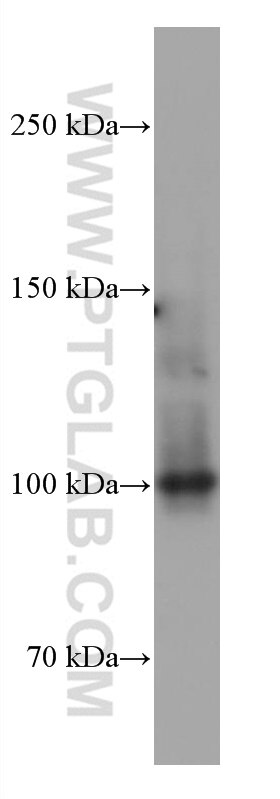
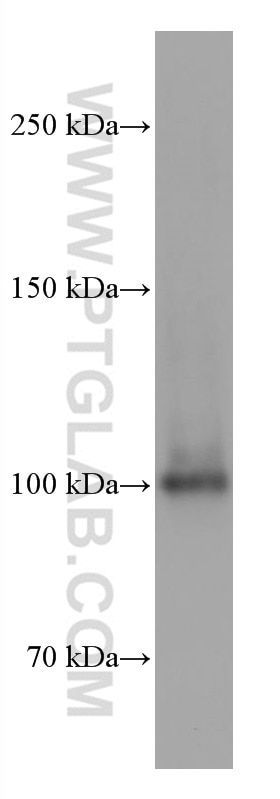
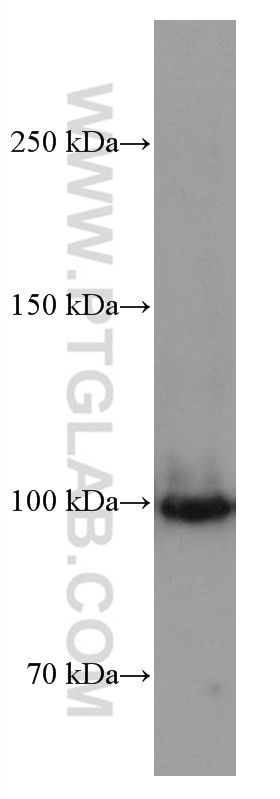
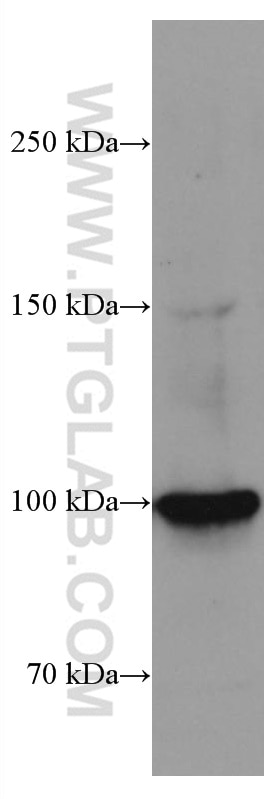
| Positive WB detected in | U-251 cells, HSC-T6 cells, HeLa cells, Jurkat cells, PC-3 cells, HEK-293 cells, NIH/3T3 cells, A431 cells, LNCaP cells, K-562 cells |
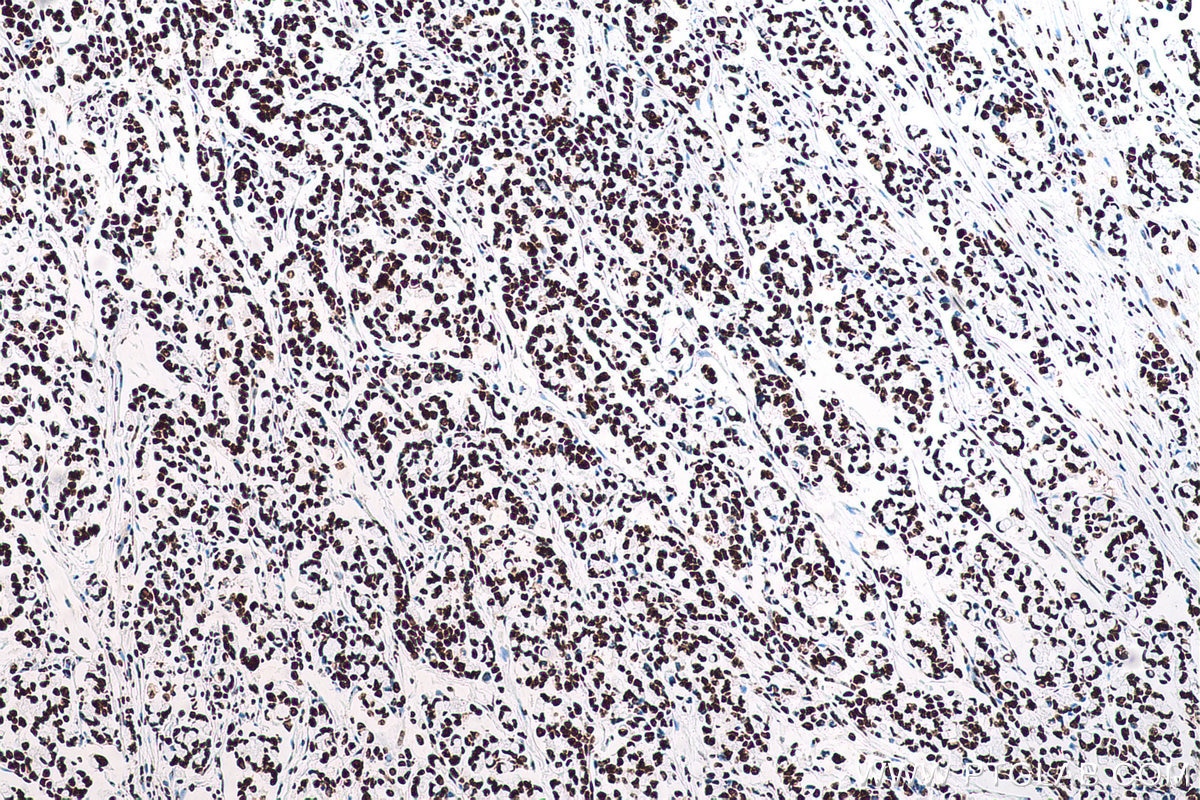
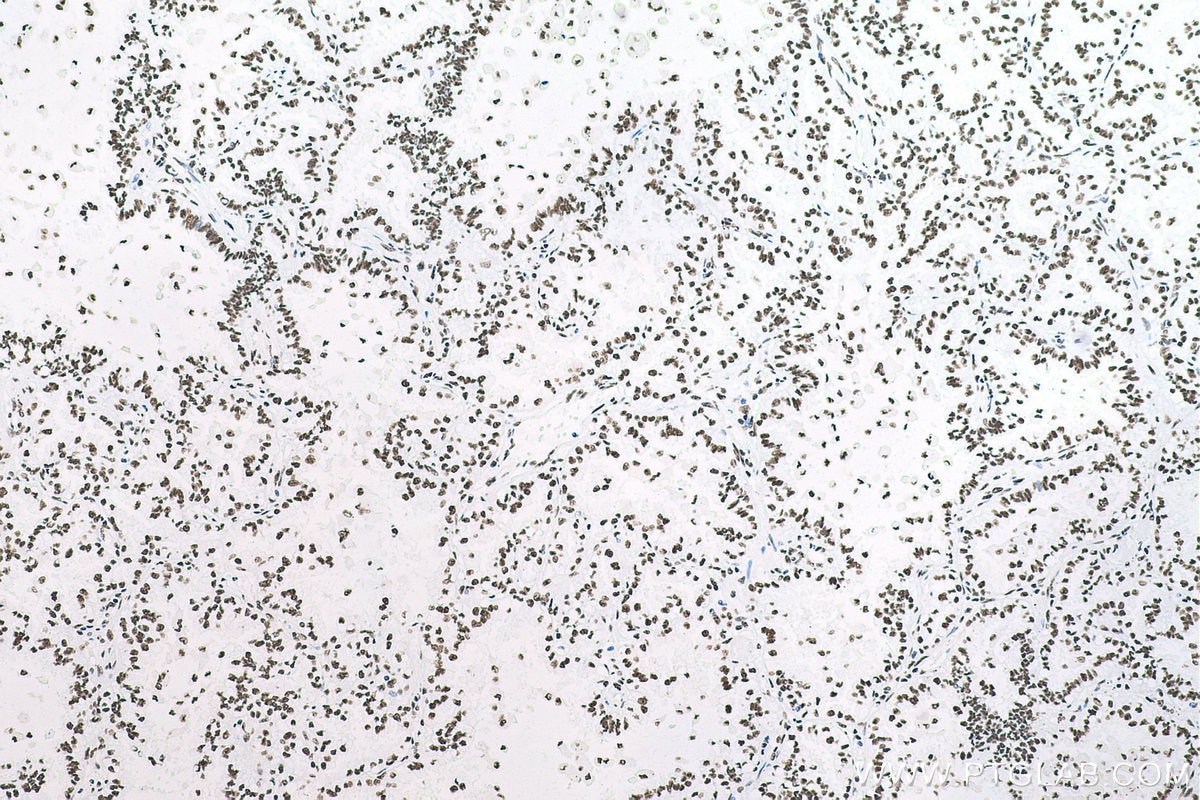
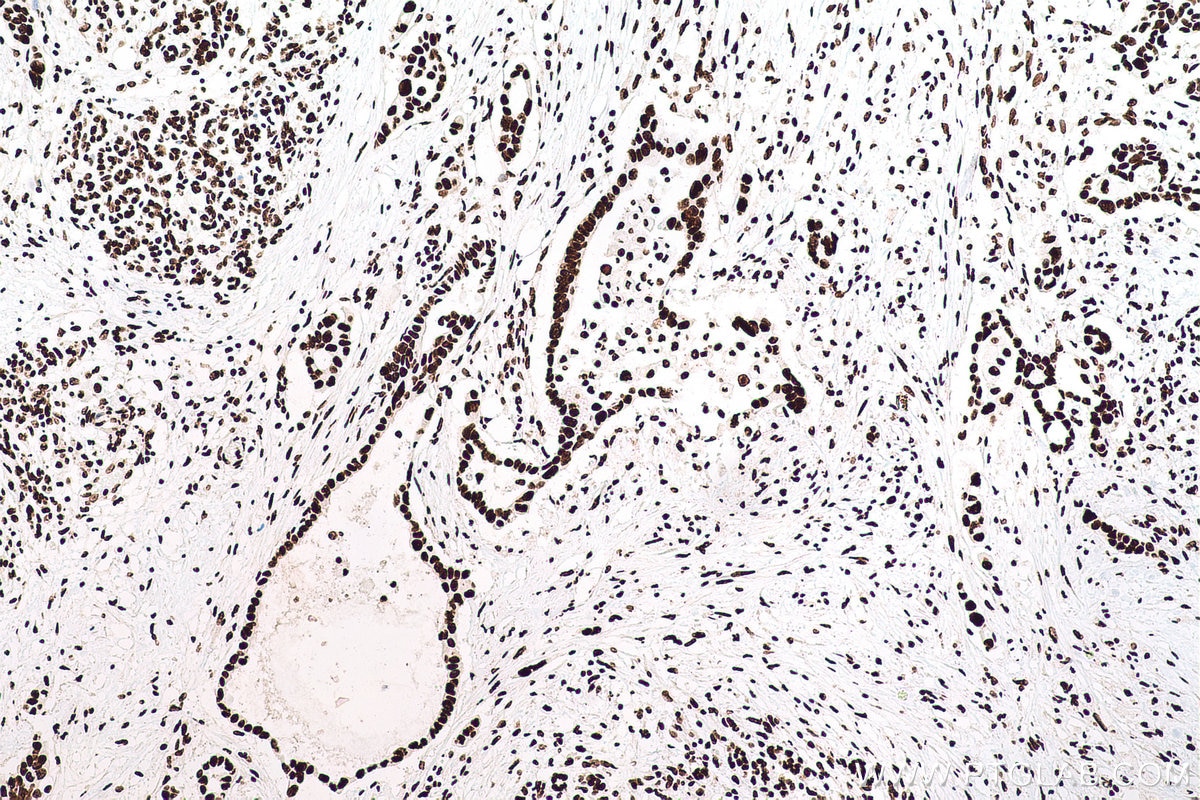
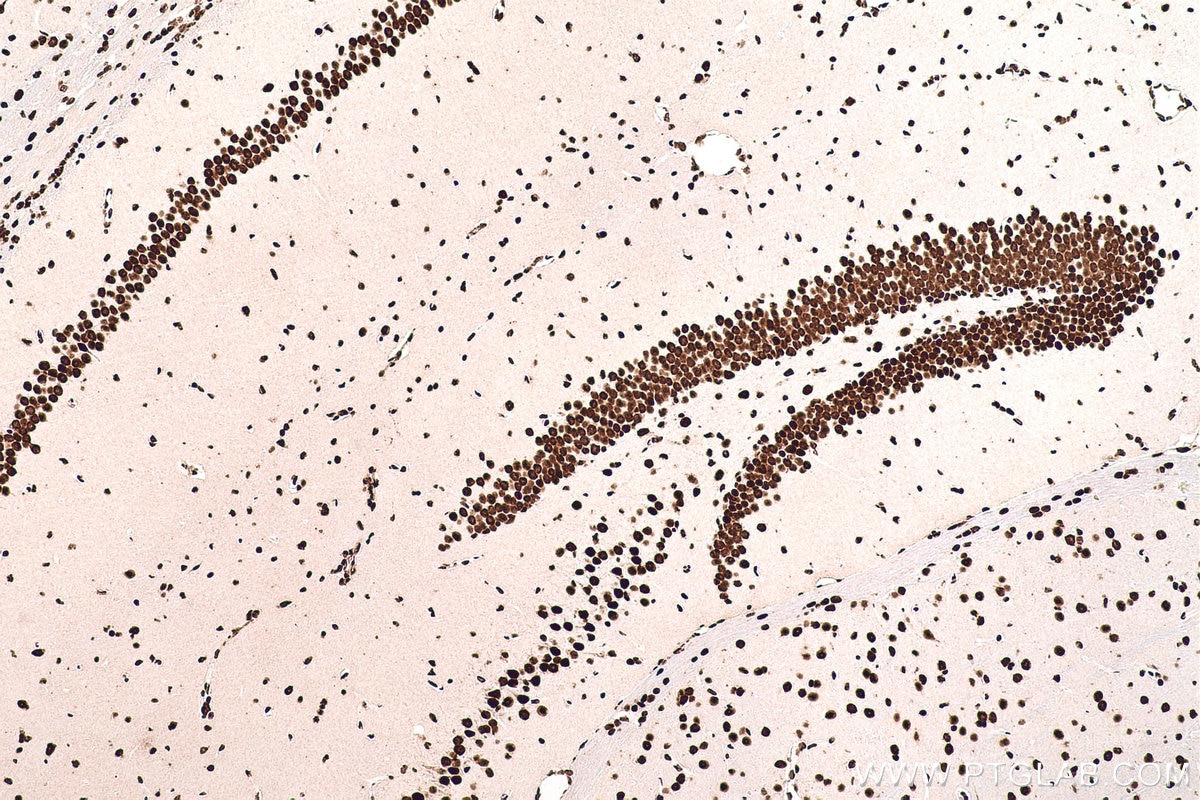
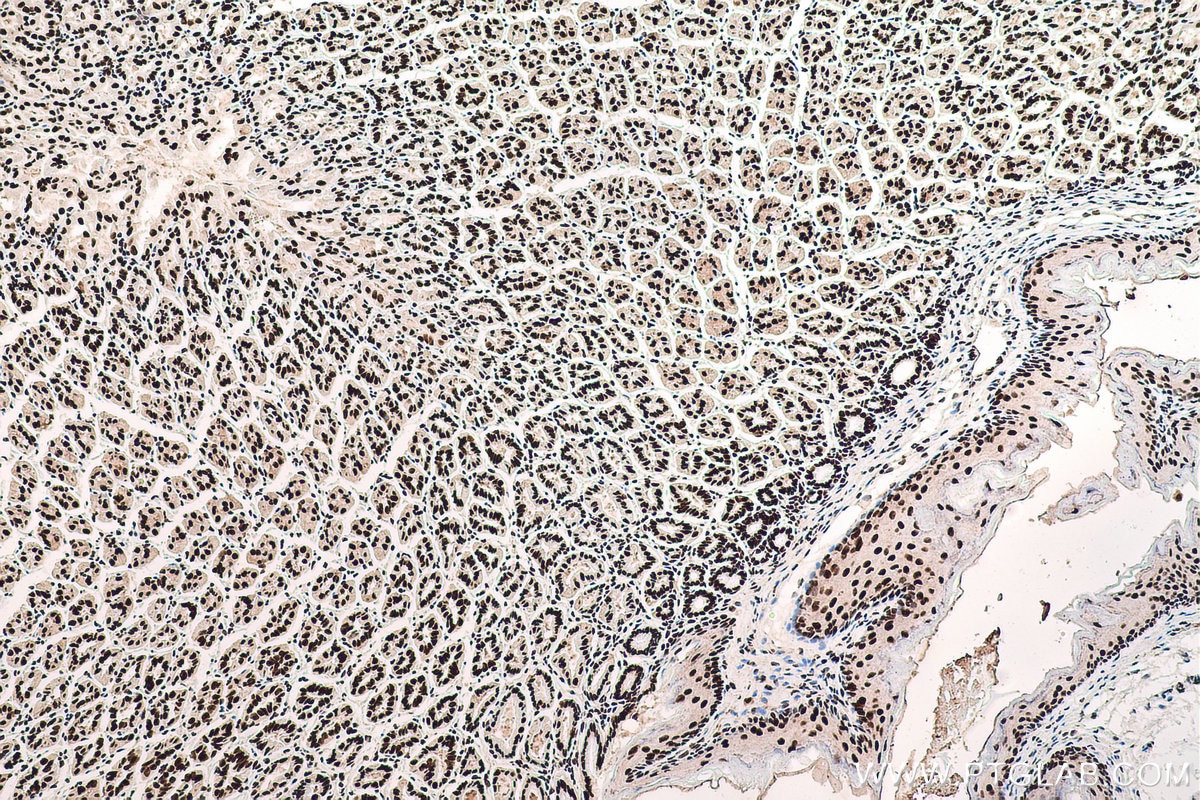
| Positive IHC detected in | rat stomach tissue, human colon cancer tissue, human lung cancer tissue, human pancreas cancer tissue, mouse brain tissue, mouse stomach tissue, rat brain tissue Note: suggested antigen retrieval with TE buffer pH 9.0; (*) Alternatively, antigen retrieval may be performed with citrate buffer pH 6.0 |
| Positive IF/ICC detected in | HeLa cells, MCF-7 cells |
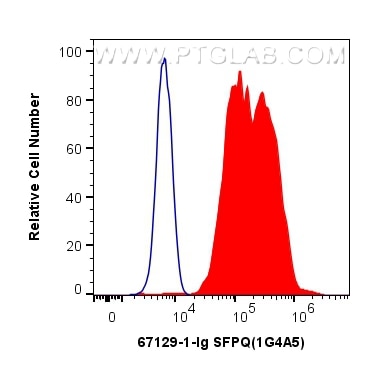
| Positive FC (Intra) detected in | HeLa cells |
Recommended dilution
| Application | Dilution |
|---|---|
| Western Blot (WB) | WB : 1:5000-1:50000 |
| Immunohistochemistry (IHC) | IHC : 1:2000-1:8000 |
| Immunofluorescence (IF)/ICC | IF/ICC : 1:400-1:1600 |
| Flow Cytometry (FC) (INTRA) | FC (INTRA) : 0.40 ug per 10^6 cells in a 100 µl suspension |
| It is recommended that this reagent should be titrated in each testing system to obtain optimal results. | |
| Sample-dependent, Check data in validation data gallery. | |
Product Information
67129-1-Ig targets SFPQ in WB, IHC, IF/ICC, FC (Intra), ELISA applications and shows reactivity with human, mouse, rat samples.
| Tested Reactivity | human, mouse, rat |
| Cited Reactivity | human, mouse |
| Host / Isotype | Mouse / IgG1 |
| Class | Monoclonal |
| Type | Antibody |
| Immunogen |
CatNo: Ag7181 Product name: Recombinant human SFPQ protein Source: e coli.-derived, PET28a Tag: 6*His Domain: 1-300 aa of BC051192 Sequence: MSRDRFRSRGGGGGGFHRRGGGGGRGGLHDFRSPPPGMGLNQNRGPMGPGPGQSGPKPPIPPPPPHQQQQQPPPQQPPPQQPPPHQPPPHPQPHQQQQPPPPPQDSSKPVVAQGPGPAPGVGSTPPASSSAPPATPPTSGAPPGSGPGPTPTPPPAVTSAPPGAPPPTPPSSGVPTTPPQAGGPPPPPAAVPGPGPGPKQGPGPGGPKGGKMPGGPKPGGGPGLSTPGGHPKPPRRGGGEPRGGRQHHPPYHQQHHQGPPPGGPGGRSEEKISDSEGFKANLSLLRRPGEKTYTQRCRLF Predict reactive species |
| Full Name | splicing factor proline/glutamine-rich (polypyrimidine tract binding protein associated) |
| Calculated Molecular Weight | 76 kDa |
| Observed Molecular Weight | 90-100 kDa |
| GenBank Accession Number | BC051192 |
| Gene Symbol | SFPQ |
| Gene ID (NCBI) | 6421 |
| RRID | AB_2882428 |
| Conjugate | Unconjugated |
| Form | Liquid |
| Purification Method | Protein G purification |
| UNIPROT ID | P23246 |
| Storage Buffer | PBS with 0.02% sodium azide and 50% glycerol, pH 7.3. |
| Storage Conditions | Store at -20°C. Stable for one year after shipment. Aliquoting is unnecessary for -20oC storage. 20ul sizes contain 0.1% BSA. |
Background Information
SFPQ, also named PSF, encodes a nuclear factor implicated in the splicing and regulation of gene expression. SFPQ probably forms a heteromer with NONO and participates in DNA pairing and DNA break repair program. Very recently SFPQ was identified as a downstream target of tau, complete nuclear depletion and cytoplasmic accumulation of SFPQ were shown in the neurons and astrocytes of brains with Alzheimer's disease (AD), more strikingly, reduced SFPQ levels may progress together with tau pathology, these observation strongly suggests the important role of SFPQ pathology in neurodegenerative diseases including AD. SFPQ encompasses 707 amino acids and has a molecular weight of 76 kDa, although it typically migrates on a sodium dodecyl sulfate-polyacrylamide gel electrophoresis (SDS-PAGE) gel at an apparent molecular weight of ∼100 kDa. Proteolytic cleavage products of apparent molecular weights of 47 and 68 kDa, and an alternatively spliced form of 669 amino acids, have also been described in various cell types. (PMID: 25832716). Splicing Factor Proline and Glutamine rich (SFPQ) as the most significant intron-retaining transcript across diverse ALS-causing mutations (VCP, SOD1 and FUS). SFPQ protein binds extensively to its retained intron, which exhibits high cytoplasmic abundance in VCP mutation compared with controls. Crucially, the protein is less abundant in the nuclei of VCP mutation cultures and is ultimately lost from nuclei of MNs in mouse models (SOD1mu and VCP mutation transgenic mouse models) and human sporadic ALS post-mortem samples. In summary, our study implicates SFPQ IR and nuclear loss as general molecular hallmarks of familial and sporadic ALS.
Protocols
| Product Specific Protocols | |
|---|---|
| FC protocol for SFPQ antibody 67129-1-Ig | Download protocol |
| IF protocol for SFPQ antibody 67129-1-Ig | Download protocol |
| IHC protocol for SFPQ antibody 67129-1-Ig | Download protocol |
| WB protocol for SFPQ antibody 67129-1-Ig | Download protocol |
| Standard Protocols | |
|---|---|
| Click here to view our Standard Protocols |
Publications
What published studies show
The SFPQ Monoclonal antibody (1G4A5), catalog number 67129-1-Ig, has 5 total citations. These appear in Nature Microbiology, Nature Communications, International Journal of Molecular Sciences (two papers), and bioRxiv. The research fields span paraspeckle biology during influenza A virus infection, viral RNA processing and genomic instability, SFPQ as a biomarker for non-small-cell lung cancer and other solid tumors, and antiviral innate immune responses mediated by the paraspeckle protein NONO.
| Species | Application | Title |
|---|---|---|
Nat Microbiol Mapping in-cell protein contact sites reveals hijacking of paraspeckles during influenza A virus infection. | ||
Nat Commun Virus-modified paraspeckle-like condensates are hubs for viral RNA processing and their formation drives genomic instability
| ||
Int J Mol Sci Serum Splicing Factor Proline- and Glutamine-Rich Is a Diagnostic Marker for Non-Small-Cell Lung Cancer and Other Solid Cancers | ||
bioRxiv The paraspeckle protein NONO potentiates the antiviral innate immune response through chromatin regulation. |
Reviews
What customers say
The single review for this antibody (rated 4/5) reports use in immunofluorescence at a 1:400 dilution on UT7/TPO WT, JAK2V617F, SET2, and HEL cell lines. The reviewer found the staining quality good, producing nice clear images. However, they noted that reducing the concentration below the working dilution led to a rapid loss of signal, suggesting the antibody may have limited flexibility in titration.
The reviews below have been submitted by verified Proteintech customers who received an incentive for providing their feedback.
Ruth (Verified Customer) (11-12-2024) | Good staining resulting in nice clear images but titration to lower concentrations resulted in rapid loss of signal.
|






















